These Ornamental Grasses Are On Rhode Island’s Removal List And Here’s Why
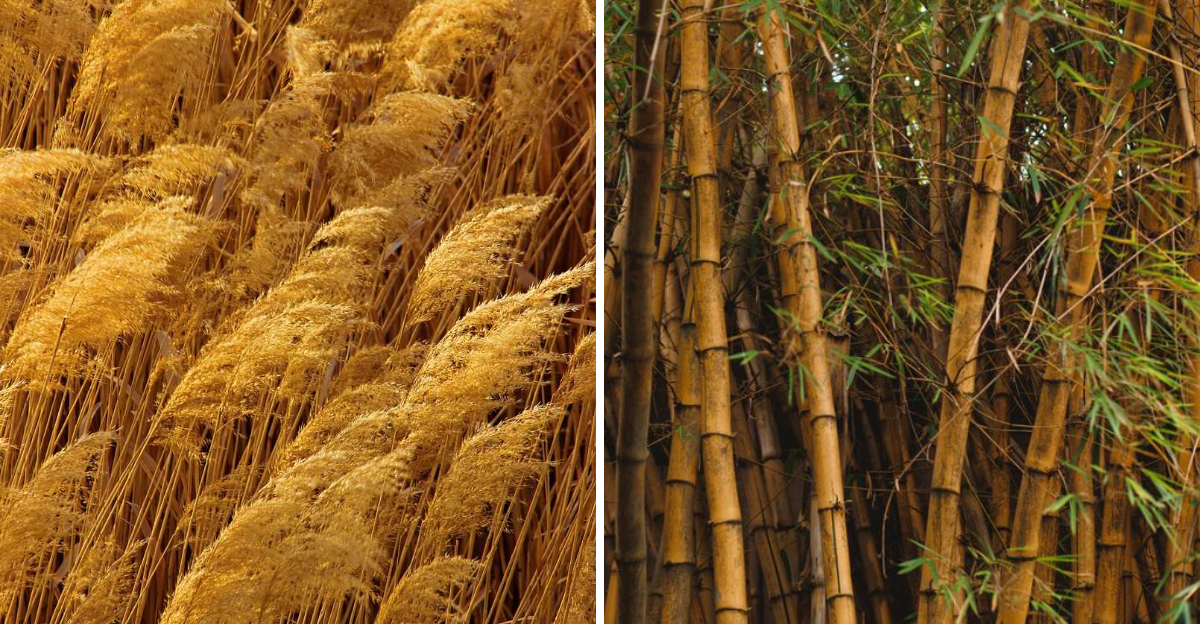
You crouch beside what the catalog promised would be “feathery movement grass” and suddenly Rhode Island feels smaller, wilder, prettier. That was three years ago.
Now that same grass owns your entire back slope. It buried the native wildflowers. It jumped the fence. It does not care about your landscaping vision.
Have you ever watched a plant genuinely outsmart you? Because some ornamental grasses are playing a long, patient game against your garden and winning badly.
These species arrived looking innocent, decorative, even delicate. Then they hit actual soil and transformed into something relentless.
Rhode Island has been tracking this quiet spread for years. Experts keep documenting grasses that escape manicured yards and push through wild ecosystems with surprising persistence.
Every plant on this list grows in real neighborhoods just like yours. The grass you called gorgeous last year might be the very plant this list was written to expose.
Common Reed
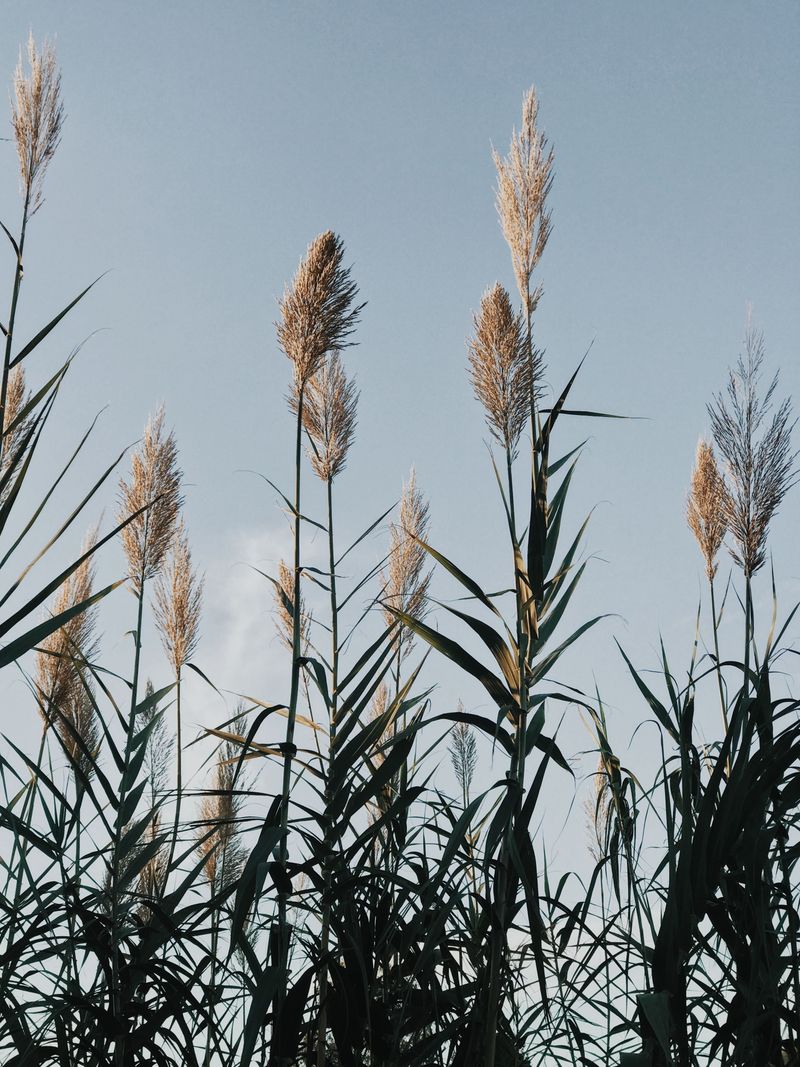
Walk past any wetland in New England and you will likely spot this towering giant. Common Reed, known scientifically as Phragmites australis, grows up to 15 feet tall and forms stands so thick that nothing else can grow nearby.
This grass is one of the most aggressive species Rhode Island deals with every year. It spreads through underground roots called rhizomes.
Those rhizomes can grow up to ten feet in a single season and extend over sixty feet in length in an established stand.
Once established, Phragmites outcompetes native plants like cattails and marsh grasses. Birds and wildlife that depend on those natives lose their habitat over one or two growing seasons.
The stalks dry out and become a serious fire hazard near homes and roads. Dense patches also block water flow in streams and drainage areas.
Removing it is not simple. The roots run so deep that cutting the stalks only encourages new growth the following year.
State agencies recommend a combination of cutting, flooding, and targeted treatment to manage large infestations.
Even then, landowners often need several seasons of effort before seeing real results. The irony is that a non-native strain of Phragmites is the real problem here.
A native strain does exist, but the aggressive European variety has largely taken over coastal and inland wetlands.
Knowing which type you have matters, because only the invasive strain should be removed. This is one ornamental grass problem Rhode Island takes very seriously.
Chinese Silvergrass
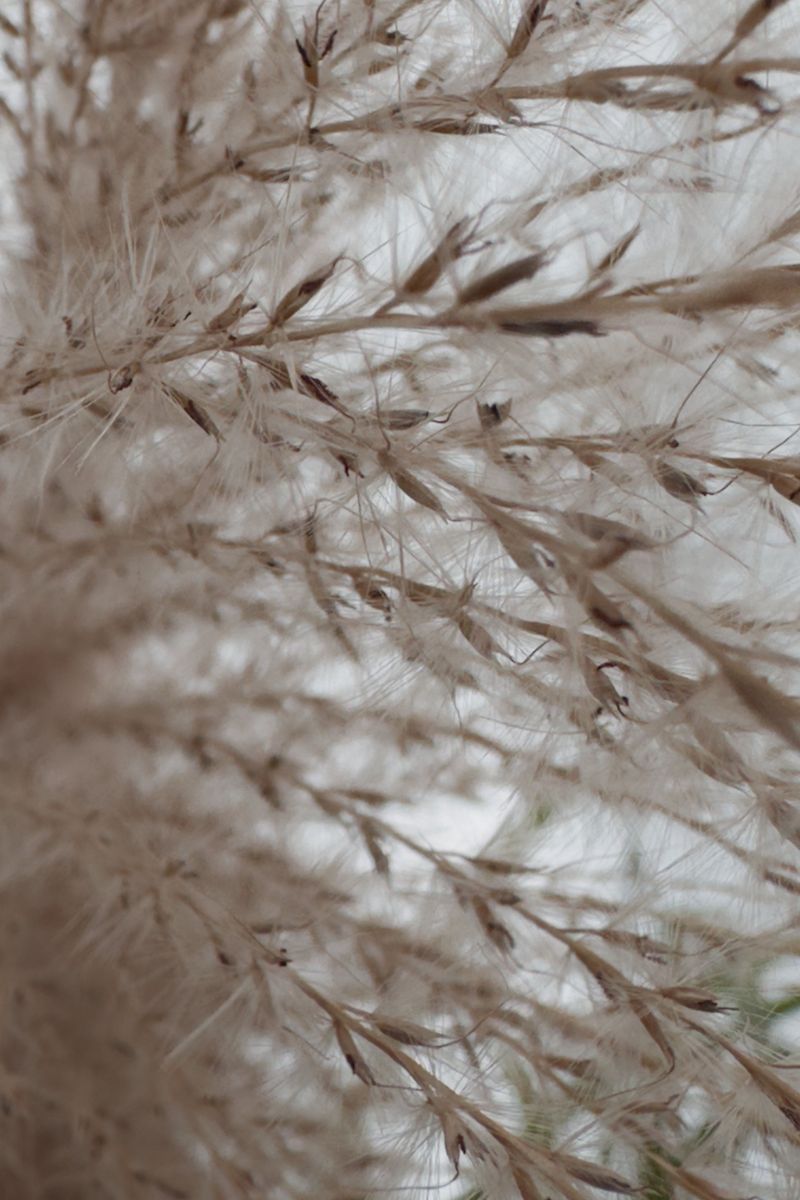
It looks stunning in a garden, with its silky silver plumes catching the breeze. Chinese Silvergrass, or Miscanthus sinensis, has been a landscaping favorite for decades across the Northeast.
It is also commonly called maiden grass. The problem is that those beautiful plumes are packed with seeds. A single mature plant can release thousands of seeds into the wind each season.
Those seeds travel far and land in fields, roadsides, and natural areas far from your yard. Once they sprout, young plants grow fast and push out native grasses and wildflowers.
Rhode Island has flagged this species as a plant of concern because of how easily it escapes cultivation. Nurseries still sell it, which makes public education a critical part of the solution.
Your Rhode Island Garden Changes Every Week. Your Plan Should Too.
Gardening in Rhode Island changes quickly throughout the season. Every Friday you’ll receive a simple weekly plan showing exactly what to plant, prune, fertilize, harvest, and protect so you never miss the right timing.
The grass forms large, dense clumps that are tough to remove once they mature. Digging out the root mass requires real effort, often needing a mattock or even machinery for older plants.
Sterile cultivars do exist and are considered lower risk. However, even some labeled sterile have shown seed production in certain climates. Buyers need to research carefully before planting any Miscanthus variety.
Native alternatives like switchgrass or little bluestem offer similar visual appeal without the ecological drawbacks. They also support local pollinators and birds in ways that Miscanthus simply cannot.
Making the switch is one of the easiest things a homeowner can do for local ecosystems. Your garden can still look spectacular with plants that actually belong here.
Amur Silver Grass
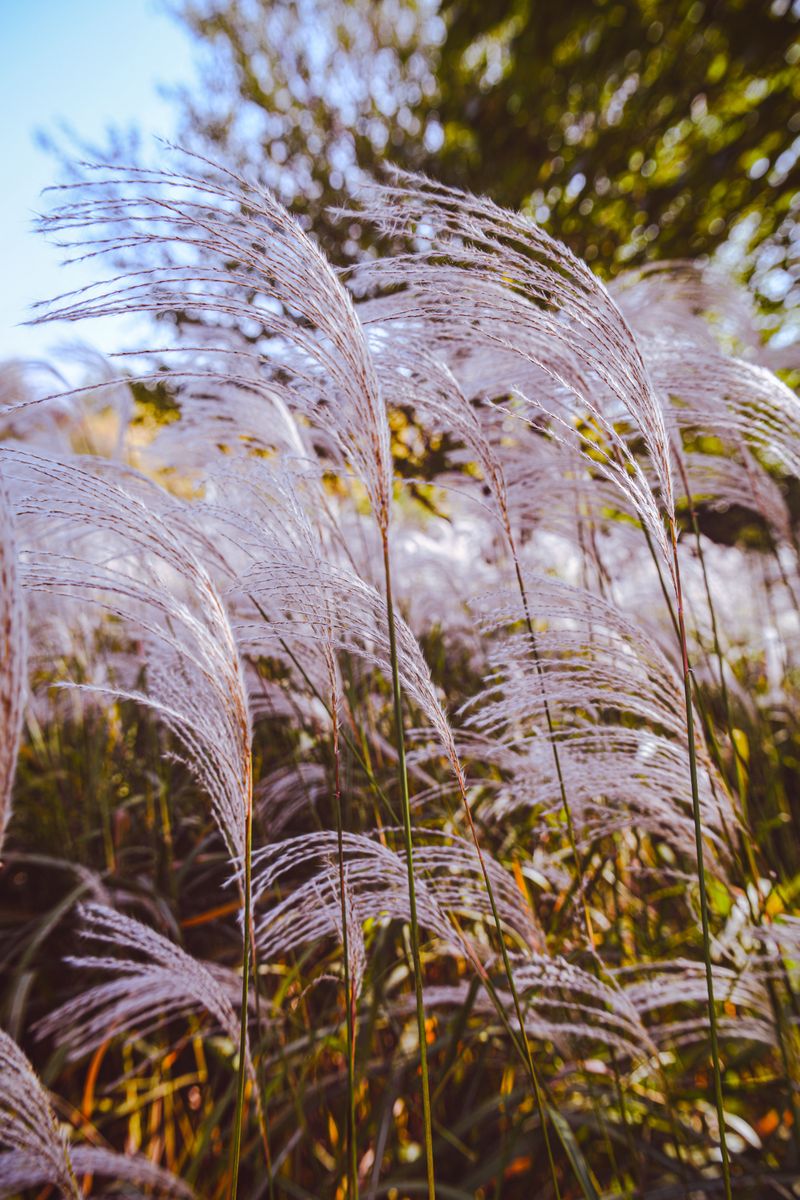
If Chinese Silvergrass is a garden escape artist, Amur Silver Grass is its more aggressive cousin. Miscanthus sacchariflorus spreads not just by seed but also through an extensive underground root system.
While this species is not yet officially recorded in Rhode Island, it is firmly established in neighboring Connecticut and Massachusetts.
It represents a genuine emerging threat to the region and deserves attention from anyone gardening near the state line.
That rhizome network makes it far harder to contain than most ornamental grasses. A clump planted in a corner of your yard can spread several feet in every direction within just a few years.
Originally brought from East Asia as an ornamental and erosion control plant, it quickly proved exceptionally resilient once established. It thrives in disturbed soils, roadsides, and open fields with almost no help from humans.
Unlike its cousin Miscanthus sinensis, this species is less commonly sold in nurseries today. However, plants already in the ground continue to spread and seed into surrounding areas.
The stems grow so densely that they block sunlight from reaching the soil below. Native seedlings simply cannot compete in that kind of shade.
Removal requires digging out the full root mass, which can be exhausting work in compacted or rocky New England soil. Leaving even small root fragments behind means the plant will regrow.
Repeated cutting over multiple seasons can weaken established plants, but patience is essential. Many land managers combine physical removal with smothering techniques using heavy landscape fabric.
If you spot this grass on your property, act sooner rather than later. Early action is always easier and less costly than waiting until the spread is fully established.
Reed Canary Grass
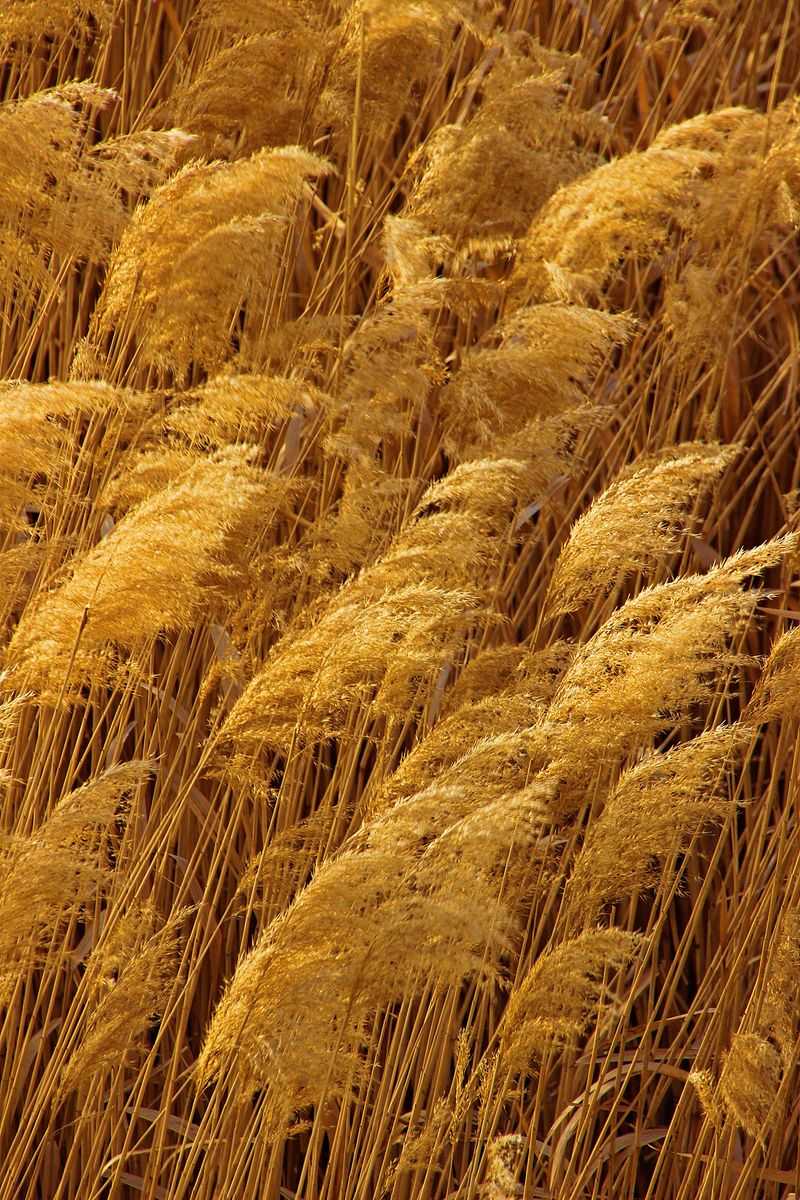
Few plants have caused more frustration for wetland managers in Rhode Island than Reed Canary Grass.
Phalaris arundinacea looks innocent enough, with bright green blades and modest seed heads. Do not let the appearance fool you.
Reed Canary Grass has a complicated origin story worth understanding. It is considered native to North America, but European cultivars imported for agriculture are believed to be far more aggressive than the native form.
Native and introduced populations are nearly impossible to tell apart by sight alone. That complexity matters when deciding how and whether to remove it.
This grass forms thick, single-species mats along stream banks, pond edges, and wet meadows. Once it takes hold, almost nothing else can grow in the same space.
It was widely planted in the 20th century for erosion control and livestock forage. The people who planted it back then had no idea how difficult it would become to manage.
Reed Canary Grass spreads through both seeds and rhizomes. Flood events actually help it, since broken root fragments travel downstream and establish new colonies wherever they land.
Native wetland plants like blue flag iris, swamp milkweed, and sedges cannot compete with its growth rate. The loss of these plants affects everything from insects to nesting birds.
Controlling it requires a long-term commitment. Cutting alone does not work because the plant stores energy in its roots and simply regrows after each mowing.
Restoration ecologists often use a combination of repeated disturbance and replanting with aggressive native species to slowly reclaim affected areas. It is a slow process measured in years, not months.
Homeowners near streams or wet areas should monitor their property closely each year. Catching a new patch of Reed Canary Grass early is the best advantage you can have.
Japanese Stiltgrass
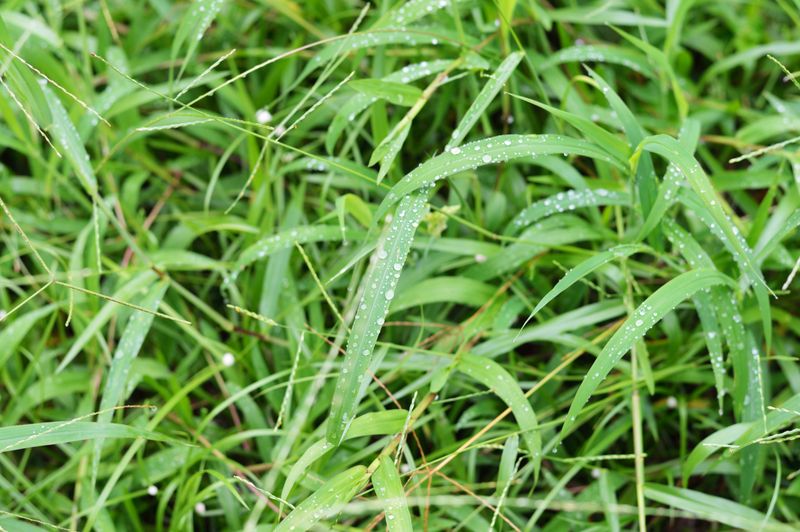
Do not let the delicate look of Japanese Stiltgrass trick you. Microstegium vimineum is one of the most difficult invasive grasses to detect early in the Northeast.
It thrives in shady spots where most other plants struggle. It was accidentally introduced to the United States in Tennessee around 1919, most likely through its use as packing material for porcelain.
From that humble beginning, it has spread across much of the eastern United States. Rhode Island lists it as a potentially invasive species, meaning it is firmly established in neighboring states and continues spreading northward into the region.
This grass loves disturbed forest edges, trails, and roadsides. It spreads easily on the boots of hikers, the tires of vehicles, and through waterways after heavy rain.
Each plant produces up to 1,000 seeds that can stay viable in the soil for up to five years. Even if you remove every visible plant, seeds already in the ground can sprout the following season.
Japanese Stiltgrass creates a thick carpet that smothers native wildflowers and tree seedlings. Forests that lose their understory plants become far less hospitable to native wildlife over time.
White-tailed deer tend to avoid eating it, which gives it an extra advantage over native plants that deer do browse. That selective pressure helps stiltgrass spread even faster in deer-heavy areas.
Hand-pulling works well for small patches, especially before seeds mature in late summer. Timing matters enormously with this species.
Pulling after seeds drop only moves the problem around without solving it. If you find stiltgrass in your yard or on a trail, act before August to make a real difference.
Bamboo
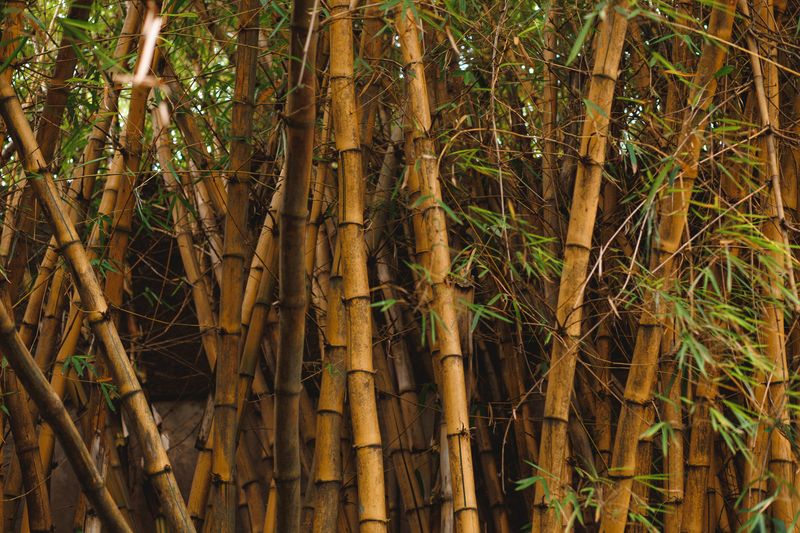
Bamboo is one of those plants that people either love fiercely or regret planting for the rest of their lives. The running varieties, especially those in the Phyllostachys genus, are the ones causing real headaches across Rhode Island.
Unlike clumping bamboo, running types send out horizontal roots called rhizomes that can travel 15 feet or more in a single growing season. Neighbors have discovered bamboo appearing through their lawns without any warning.
The canes grow fast, sometimes several inches per day during peak growth periods. That speed makes it nearly impossible to outpace without serious intervention.
Rhode Island does not have a statewide ban on bamboo. However, neighboring states like Connecticut have passed laws restricting running bamboo planting near property lines.
Proposed Rhode Island legislation has sought similar controls, and the conversation among homeowners and lawmakers continues.
Removing established bamboo is a major undertaking. The rhizomes must be dug out completely, and any fragment left behind will sprout a new cane.
Professional removal services sometimes use heavy equipment to excavate the root system. Even after removal, follow-up monitoring for several seasons is necessary to catch regrowth.
Bamboo also shades out native shrubs and ground covers with its dense canopy. The leaf litter it drops changes soil chemistry in ways that discourage native plant growth.
If you are tempted to plant bamboo, choose a clumping variety and install a deep root barrier. Better yet, pick a native alternative that will not become your neighbor’s problem too.
They Are Quietly Wrecking Rhode Island’s Stormwater Systems
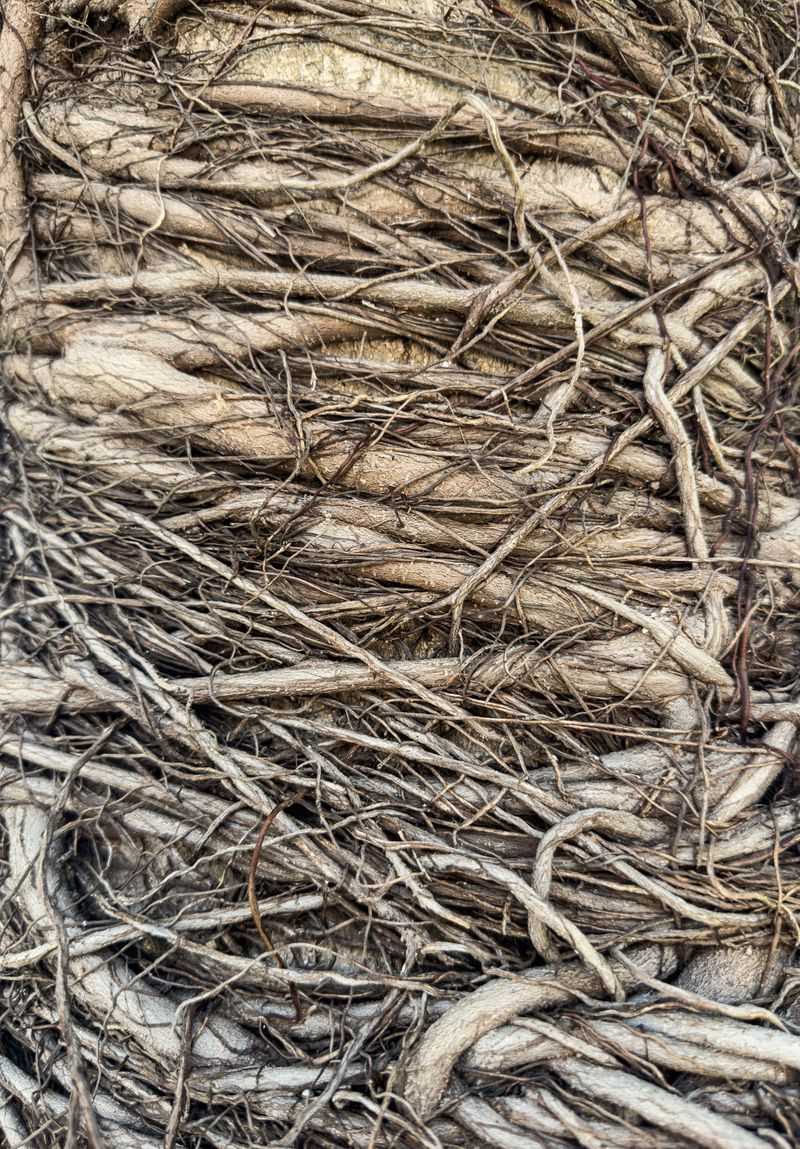
Most people think of invasive grasses as a problem for wild areas and nature trails. The damage to Rhode Island’s built infrastructure is just as real, and far less talked about.
Invasive grasses like Phragmites and Reed Canary Grass are among the top plants identified by Rhode Island’s own stormwater management guides as threats to green infrastructure.
They move into rain gardens, bioretention basins, bioswales, and drainage channels. Once inside those systems, they alter how water moves through them.
A rain garden filled with Phragmites is no longer doing its job. Dense root masses block drainage, change soil structure, and crowd out the carefully selected native plants that make those systems function.
Stormwater infrastructure is expensive to build and maintain. When invasive grasses compromise that infrastructure, municipalities and homeowners pay the cost of repair and replanting.
The problem compounds quickly. Flood events that would normally be managed by healthy green infrastructure instead push water into roads, basements, and waterways.
Damaged drainage increases erosion along Rhode Island’s already vulnerable coastline. These grasses also reduce water quality. Native wetland vegetation filters runoff before it reaches streams and Narragansett Bay.
Invasive monocultures do not provide the same filtration. Pollutants that would otherwise be captured move through instead.
Removing invasive grasses from stormwater systems is not optional maintenance. It is a requirement for keeping those systems working as designed.
Every homeowner with a rain garden, a drainage swale, or a property near a stream has a direct stake in keeping these grasses out. The cost of prevention is always lower than the cost of repair.
Escaping Gardens And Crowding Out Native Plants
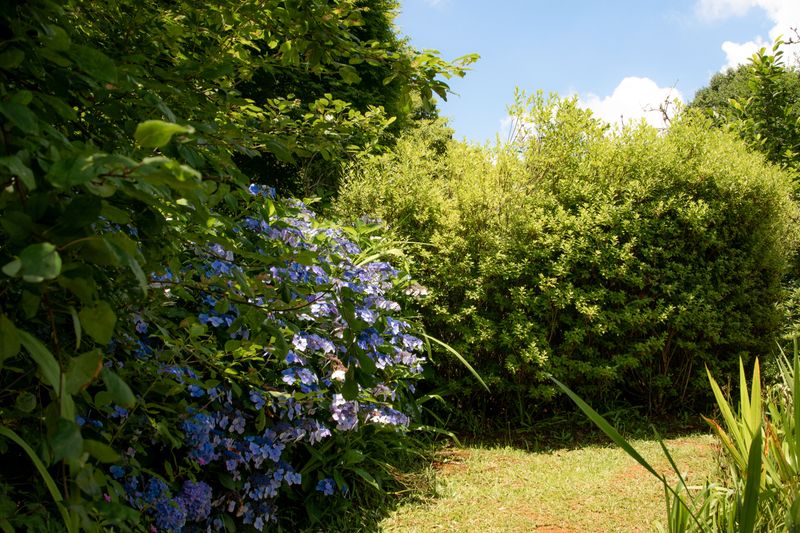
The journey from a tidy garden bed to a full-scale ecological problem often starts with a single plant. Ornamental grasses that escape cultivation do not need much help spreading once they leave your yard.
Wind carries seeds across roads, into parks, and along hiking trails. Water moves seeds even farther, depositing them in wetlands and stream corridors where conditions are perfect for fast growth.
Native plants that have evolved over thousands of years simply cannot keep up with the growth rates of many of these grasses.
They get shaded out, out-competed for nutrients, and eventually disappear from areas they once dominated.
The loss of native plants is not just an aesthetic problem. Native grasses and wildflowers support specific insects, birds, and small mammals that depend on them for food and shelter.
When those native species disappear, the animals that rely on them follow. The whole food web shifts in ways that ripple far beyond any single garden or field.
Homeowners play a bigger role in this story than many realize. Every invasive grass removed from a yard is one fewer seed source spreading into the surrounding landscape.
Replacing problem plants with native alternatives is one of the most impactful choices a gardener can make. Plants like switchgrass, wild rye, and prairie dropseed look great and support local wildlife.
These ornamental grasses Rhode Island wants gone are not just a state problem. They are a community challenge that improves when every neighbor chooses plants that belong in this region.