The Most Underrated North Carolina Native Perennial That Helps Keep Ticks Away From Vegetable Beds
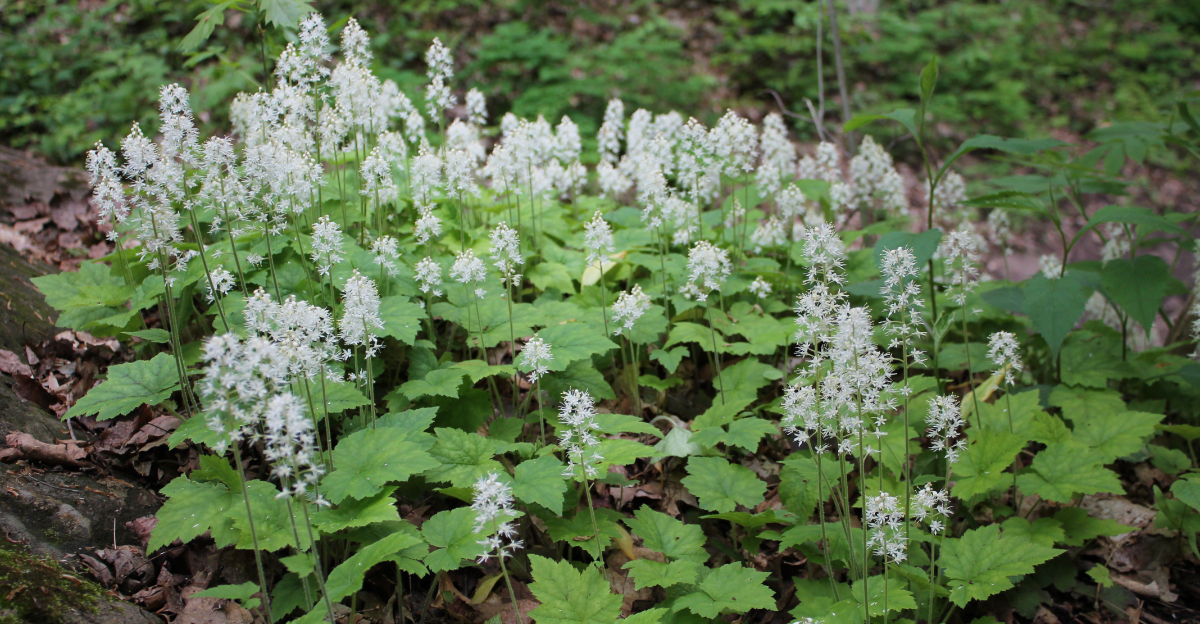
Vegetable beds sit low to the ground, stay consistently moist through the growing season, and border exactly the kind of transitional spaces where ticks move most actively across a yard.
That combination makes them a higher-risk area than most North Carolina gardeners think about when planning their tick management approach.
One native perennial has proven particularly effective at modifying those conditions along bed edges, reducing the habitat qualities that allow ticks to remain active and comfortable in close proximity to where people spend significant amounts of time working.
It requires very little space along a bed border, establishes readily in the conditions most vegetable gardens already provide, and contributes visual interest that makes the garden look more finished and intentional at the same time.
1. Dense Groundcover That Works Hard For Your Garden
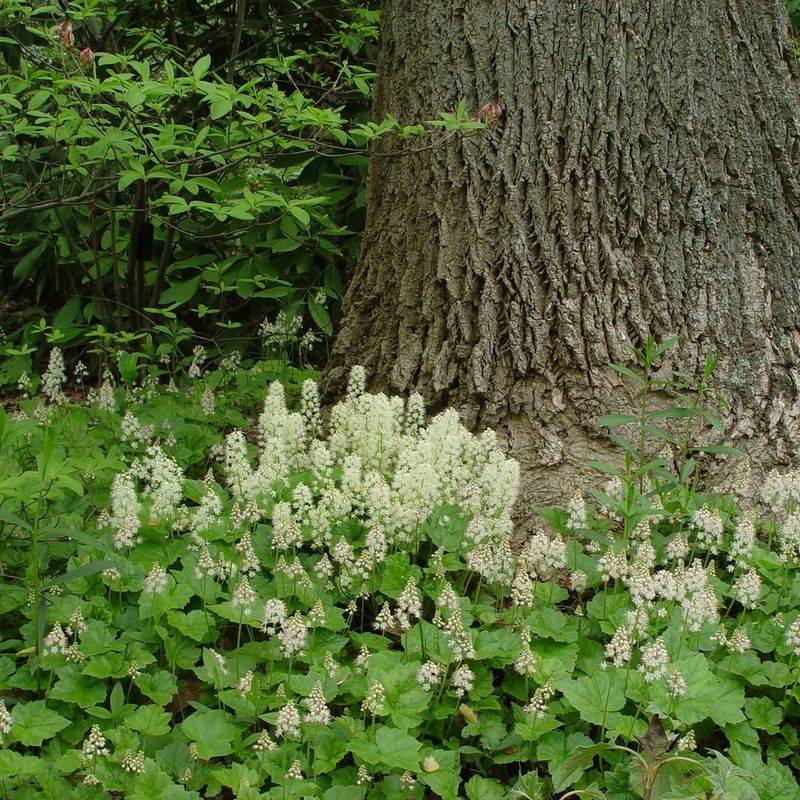
You might not think a low-growing plant could make such a big difference, but foamflower proves that small things pack serious power.
When Tiarella cordifolia gets established, it spreads to form thick, lush mats of foliage that hug the soil surface tightly. That coverage is doing a lot of quiet, important work underneath all those pretty leaves.
Weeds struggle to push through a well-established foamflower mat because sunlight simply cannot reach the soil below. That means less time pulling weeds and more time enjoying your garden.
Fewer weeds also means less organic debris building up in moist piles, which is exactly the kind of environment that ticks love to hide in.
Along the edges of vegetable beds, this dense mat keeps the ground drier by shading it from direct sun.
Ticks prefer humid, shaded spots with tall, unmaintained vegetation, so a tidy, low-growing foamflower border actively discourages them from settling in.
The plant essentially makes your garden edge a less comfortable place for ticks without any sprays or chemicals involved.
Foamflower also protects vegetable roots by keeping soil temperatures more consistent throughout the season.
Extreme heat and cold can stress shallow root systems, and a natural groundcover acts like insulation.
Gardeners in North Carolina who grow vegetables near wooded areas find foamflower to be one of the most practical and beautiful border plants they have ever tried. It is functional, native, and genuinely low effort once it gets going.
2. Shade Tolerance Makes It Incredibly Versatile
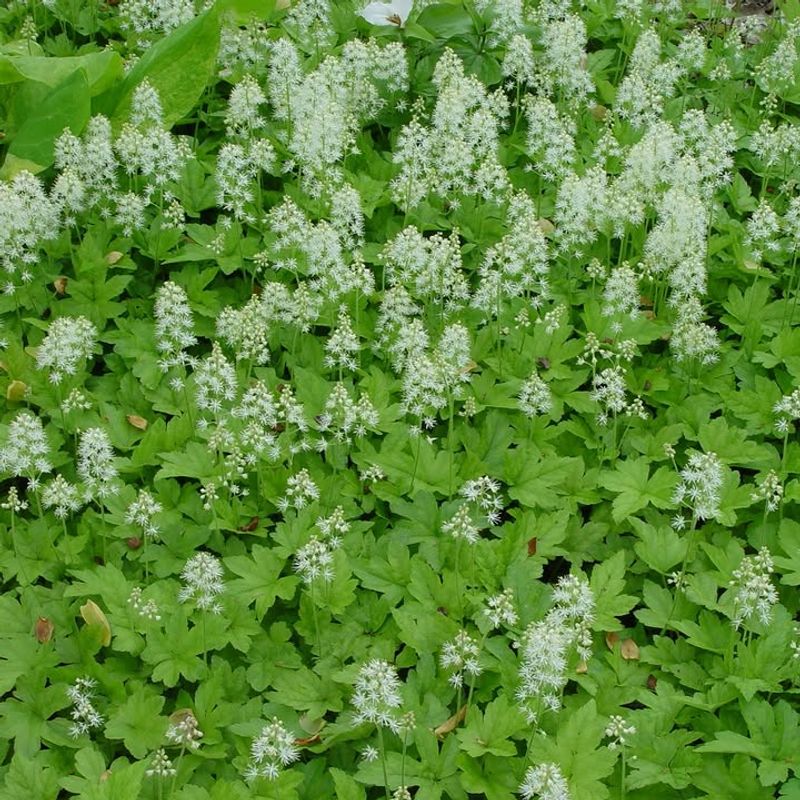
Plenty of gardeners struggle with shady spots that seem impossible to fill with anything attractive.
Foamflower thrives right where most plants give up, making it one of the most flexible native perennials you can grow in North Carolina.
Partial shade, full shade, the north-facing side of a fence, or the dim space under a canopy of tall oaks, foamflower handles all of it with ease.
Planting it along shaded vegetable bed edges is a smart strategy because many vegetable gardens sit near trees or structures that cast shadows throughout parts of the day.
Instead of leaving those edges bare and prone to weed invasion, foamflower fills them in beautifully.
Bare soil at garden edges is an open invitation for weeds, pests, and moist leaf litter buildup, all of which can attract ticks.
Your North Carolina Garden Changes Every Week. Your Plan Should Too.
Gardening in North Carolina changes quickly throughout the season. Every Friday you’ll receive a simple weekly plan showing exactly what to plant, prune, fertilize, harvest, and protect so you never miss the right timing.
When you tuck foamflower under trees or along shaded borders, it creates a neat, managed look that keeps the ground covered without growing out of control.
It will not climb your vegetables or crowd out your tomatoes. The plant stays relatively low and polite, which is exactly what you want near a productive garden bed.
For North Carolina homeowners who have large oaks, maples, or pines casting shade across parts of the yard, foamflower is genuinely exciting news.
You now have a native option that looks gorgeous, supports pollinators, and helps manage tick-friendly conditions all in one. Shady corners just became your garden’s most interesting feature.
3. Early Spring Blooms That Pollinators Absolutely Love
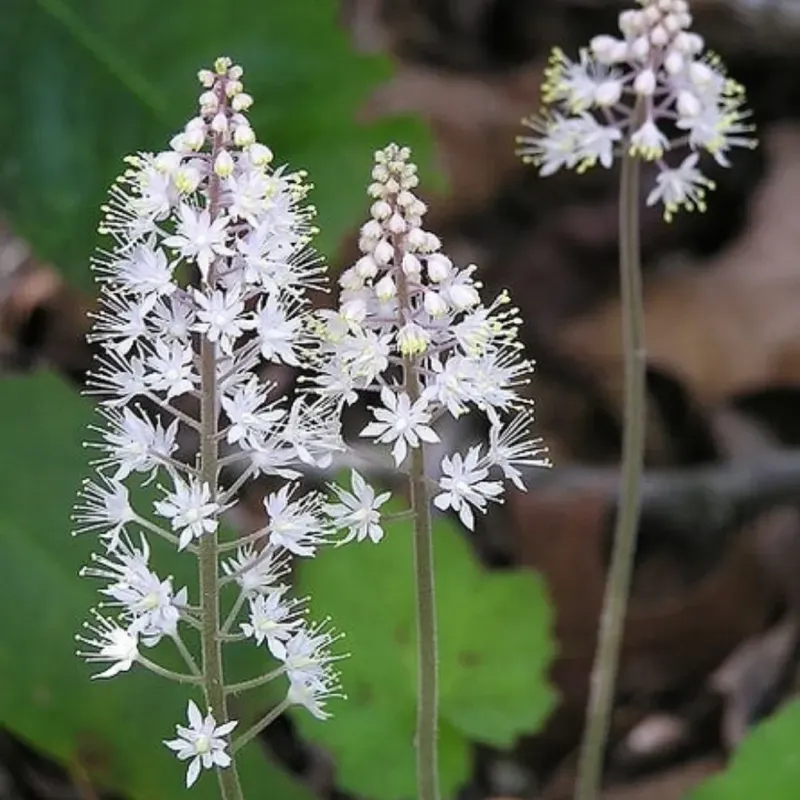
Something magical happens in a North Carolina garden when foamflower starts blooming in early spring.
Slender spikes covered in tiny white to pale pink flowers rise above the foliage, creating a soft, frothy display that gives the plant its charming name.
The blooms appear before many other garden plants even wake up, which makes them incredibly valuable for pollinators searching for early-season nectar.
Bees, especially native bumblebees, are among the first visitors to arrive when foamflower opens.
These early bloomers bridge an important gap in the garden calendar when food sources for pollinators are still scarce.
Supporting bees in spring means better pollination for your vegetable crops throughout the entire growing season, so foamflower is indirectly helping your tomatoes, squash, and beans produce more abundantly.
The flowers last for several weeks, giving pollinators a reliable food source during a critical time.
Once blooming wraps up, the foliage takes center stage and keeps doing its groundcover work through summer, fall, and even into winter in milder North Carolina climates.
You get a plant that earns its space during every single season. What makes these blooms even more impressive is how effortlessly they appear. No deadheading is required, no staking, no fussing.
The plant simply blooms when it is ready, draws in the pollinators your garden needs, and then quietly continues protecting the soil below.
For a plant that asks for so little, the rewards it delivers in spring are genuinely breathtaking.
4. Low Maintenance That Fits Any Busy Gardener’s Life
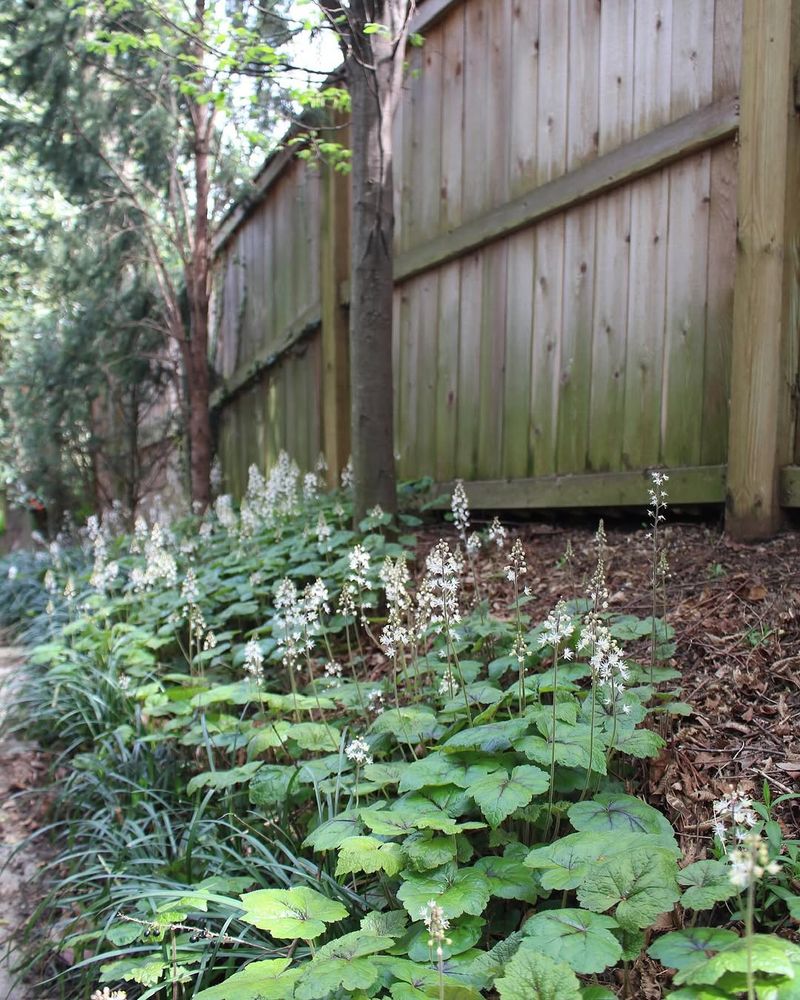
Not every gardener has hours to spend weeding, watering, and fussing over plants every weekend.
Foamflower seems almost designed with the busy homeowner in mind, because once it settles in, it genuinely takes care of itself.
After the first growing season, established plants need very little attention to stay healthy and attractive.
Foamflower prefers moist but well-drained soil, which matches the natural conditions found in many North Carolina woodland gardens and shaded borders.
It does not demand rich fertilized beds or constant irrigation.
A good layer of organic mulch when planting helps it get established, and after that, rainfall typically handles most of its water needs through the season.
One of the most reassuring things about this plant is how it fills space without taking over. Unlike some aggressive groundcovers that spread rapidly and smother everything nearby, foamflower expands slowly and predictably.
You can plant it near other perennials without worrying that it will crowd them out or become a problem to manage in future seasons.
Pests rarely bother foamflower in meaningful ways, and deer tend to leave it alone, which is a genuine bonus for North Carolina gardeners dealing with deer pressure.
The plant is also fairly resistant to common fungal issues when given proper air circulation and well-drained soil.
For anyone who wants a beautiful, functional border plant that will not demand constant attention, foamflower is one of the most satisfying choices available in the native plant world.
5. Wildlife-Friendly Without Creating Tick Habitats
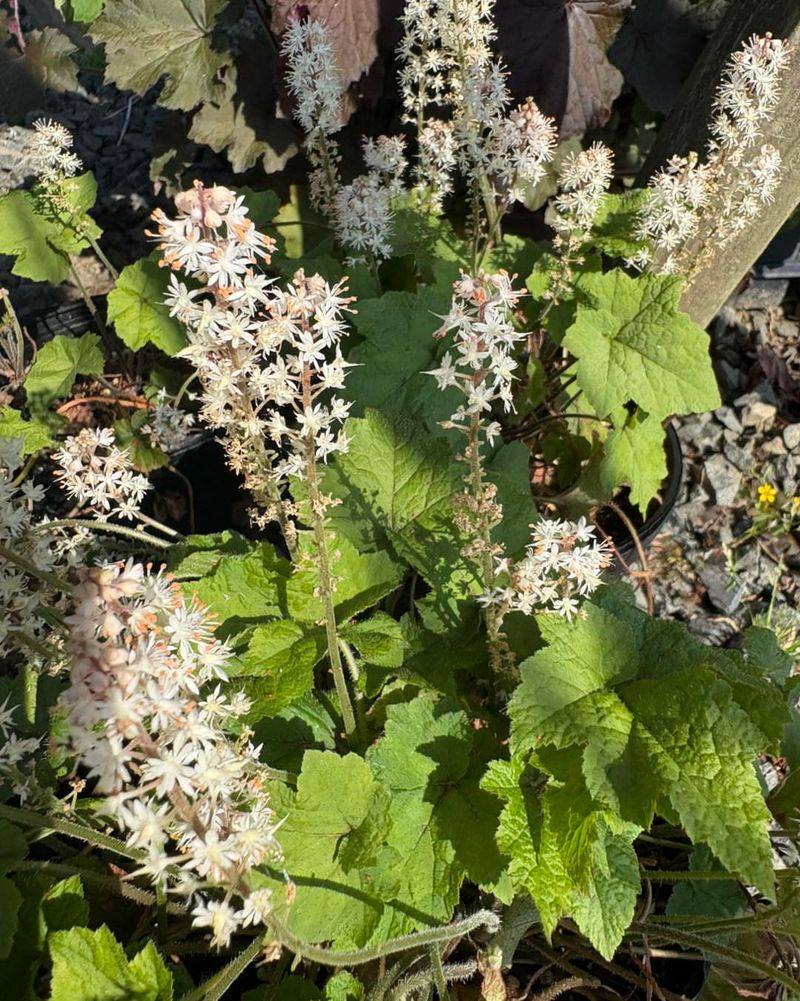
A garden that supports wildlife is a healthier, more balanced garden overall, and foamflower manages to do this without creating the conditions that ticks prefer. That balance is harder to achieve than it sounds.
Many wildlife-friendly plants are tall, densely leafy, and moisture-retaining, which creates exactly the kind of humid, shaded pockets that ticks love to hide in.
Foamflower takes a different approach. Its low, mat-forming growth shades the soil without trapping excessive humidity at ground level.
Air still circulates around the plant, and the soil beneath stays drier than it would under taller, denser vegetation.
Ticks need warmth and moisture to survive and move around, so a drier microhabitat is genuinely less hospitable for them.
At the same time, the flowers attract native bees, small butterflies, and other beneficial insects that help maintain a thriving garden ecosystem.
Beneficial predatory insects that feed on garden pests are more likely to stick around when the garden offers native flowering plants as habitat.
Foamflower contributes to that supportive environment naturally. Birds also occasionally visit gardens with foamflower, searching for insects among the foliage.
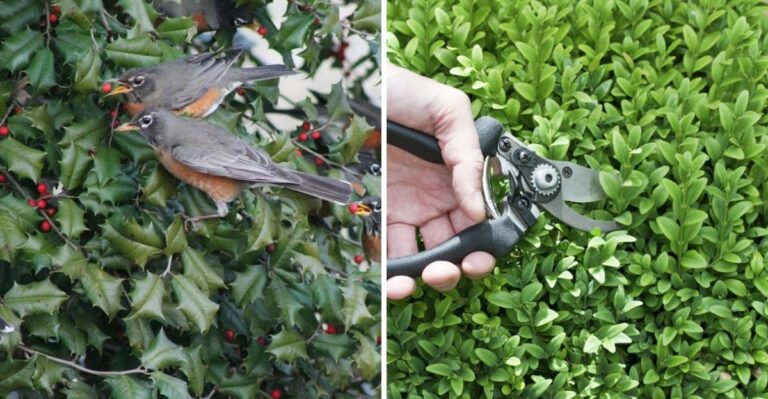
Some birds actively consume ticks and tick larvae, so a garden that attracts more birds gets an extra layer of natural pest management.
Foamflower fits seamlessly into this web of garden life, supporting the beneficial creatures while subtly discouraging the ones you do not want around.
It is a genuinely thoughtful plant for any ecology-minded North Carolina gardener.
6. Spreads Gradually To Fill Borders Beautifully
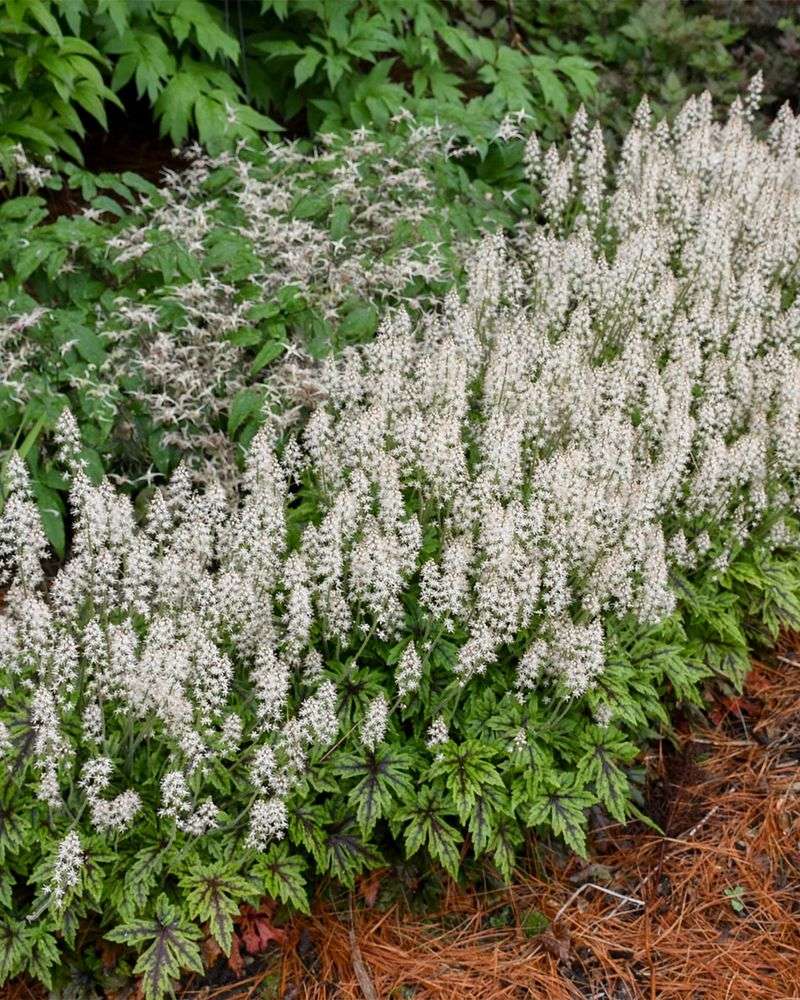
Few things are more satisfying in a garden than watching a plant naturally fill in a bare, awkward border over a couple of seasons.
Foamflower does exactly that through its rhizomatous growth habit, sending out shallow underground stems that produce new plants nearby.
The spread is steady and manageable, not aggressive, which makes it ideal for borders that you want to look full without becoming overwhelming.
Around vegetable beds, this gradual spread is especially useful.
You plant foamflower along the edge one spring, and by the following year it has quietly filled in several more inches in each direction.
By year three, you have a genuinely lush border that requires almost no replanting or maintenance to keep looking good. That kind of self-sufficient growth is rare and valuable.
The rhizomatous spreading also means you rarely need to purchase many plants to cover a border.
Start with a few well-placed plants, give them a season or two, and they will handle the rest on their own.
For budget-conscious gardeners who want to cover a lot of ground without spending a fortune, foamflower is an incredibly cost-effective choice over time.
Because the spread is slow and predictable, foamflower never feels like it is escaping or taking over. You stay in control of the border without having to constantly cut back aggressive runners.
It is the kind of plant that works with you rather than against you, gradually building a beautiful, functional edge that looks intentional and polished year after year.
7. Companion Planting That Elevates Your Entire Garden
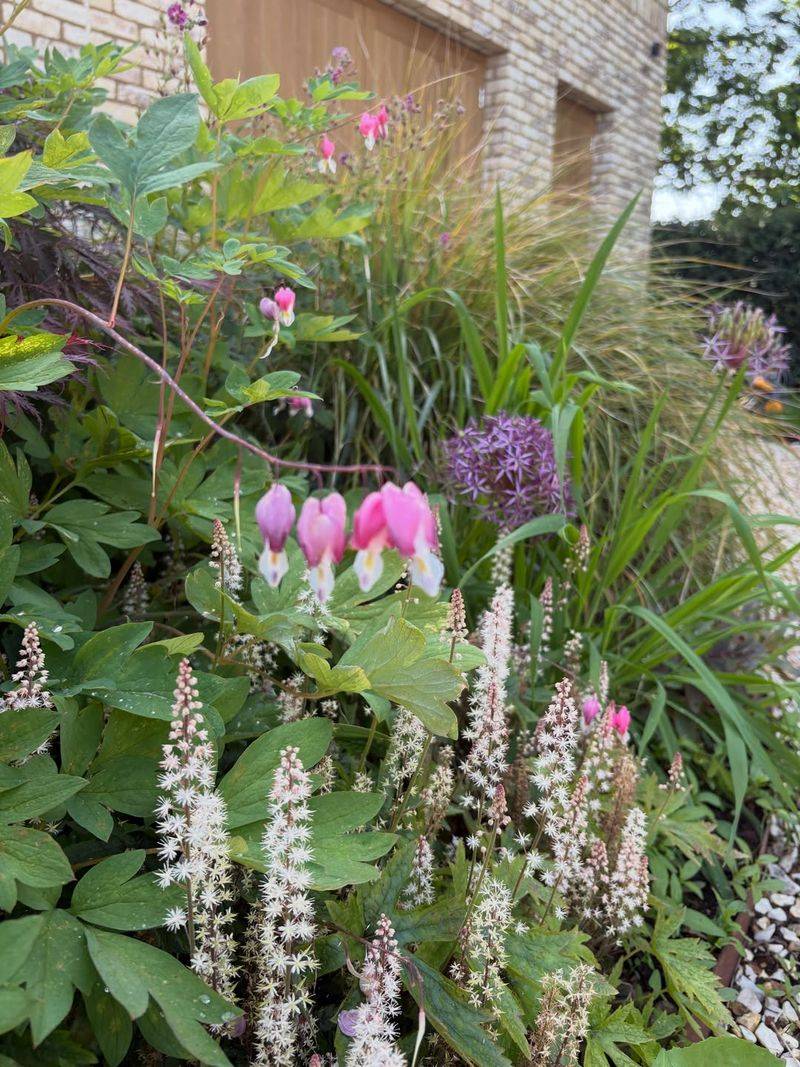
Pairing plants thoughtfully is one of the most rewarding skills a gardener can develop, and foamflower is one of the easiest plants to build a companion planting scheme around.
It plays beautifully with other shade-loving North Carolina natives, creating layered plantings that look intentional, support pollinators, and make the entire garden edge more resistant to tick-friendly conditions.
Wild Ginger, known botanically as Asarum canadense, is an outstanding companion for foamflower.
Both plants prefer similar conditions, including shade, moisture-retentive but well-drained soil, and protection from harsh afternoon sun.
Wild Ginger spreads at ground level while foamflower rises slightly above it, creating a two-layer effect that covers soil thoroughly and leaves very little room for weeds or moisture pockets to develop.
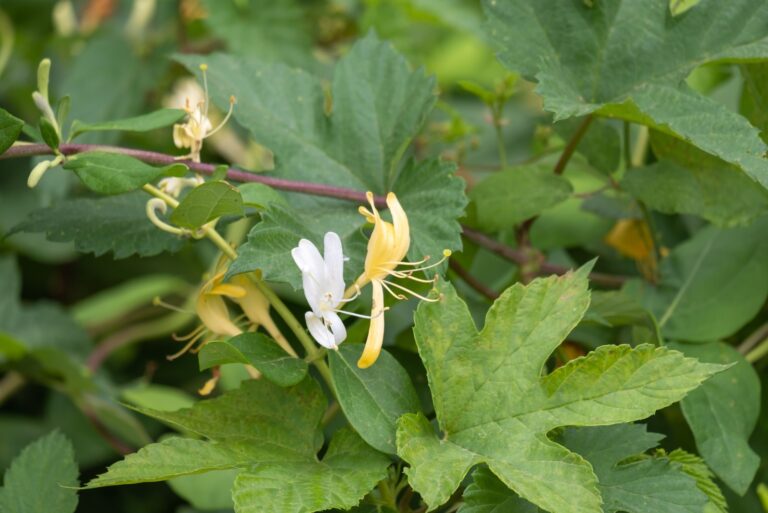
Northern Bush Honeysuckle is another excellent pairing option. It grows taller than foamflower and provides a backdrop of yellow summer flowers that attract pollinators at a different season than foamflower blooms.
Layering plants that bloom at different times ensures your garden supports pollinators from early spring through late summer, which is a genuine win for the entire vegetable garden nearby.
When you combine these natives thoughtfully, you create a garden border that feels natural and cohesive rather than patched together.
The visual layers draw the eye, the diverse root systems improve soil structure, and the variety of bloom times keeps beneficial insects active all season long.
Foamflower acts as the anchor of this kind of planting scheme, steady, reliable, and endlessly charming throughout every growing season.
8. Why North Carolina Gardeners Should Plant It This Season
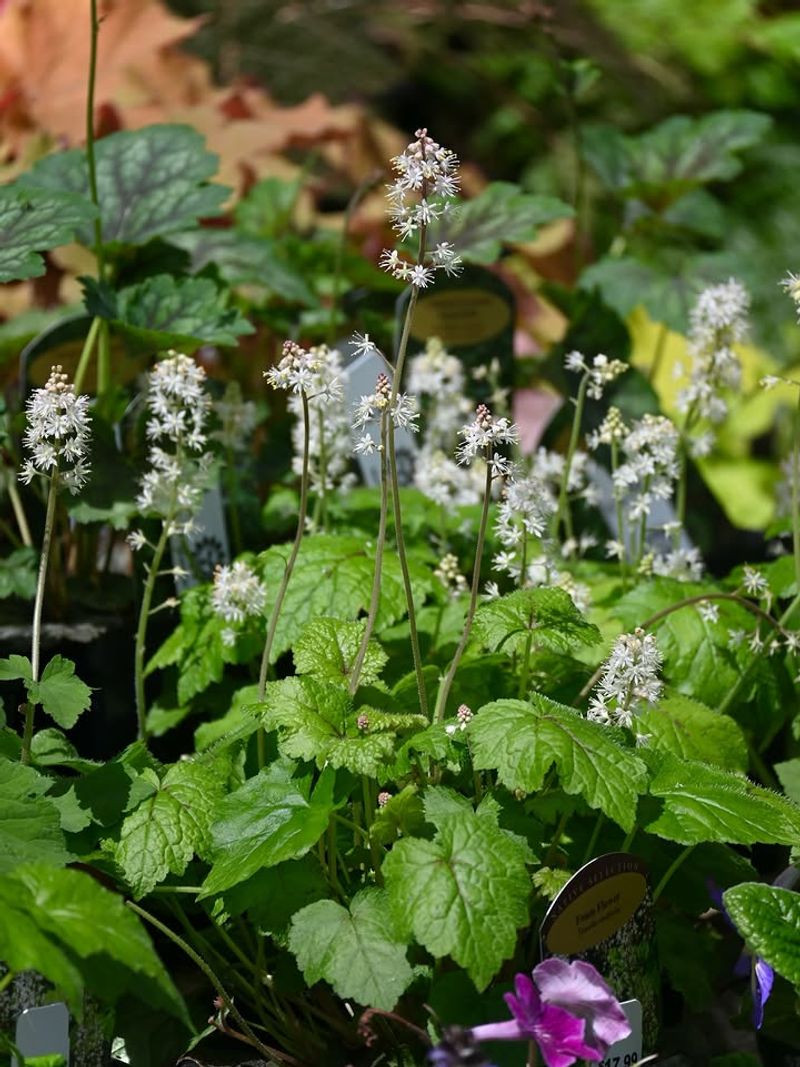
If you have been on the fence about adding foamflower to your garden, consider this your nudge to act this season.
North Carolina’s climate is genuinely well-suited to Tiarella cordifolia, especially in the Piedmont and mountain regions where shaded, moist woodland conditions naturally occur.
The plant is native here, which means it evolved alongside local insects, soils, and rainfall patterns and knows exactly how to thrive.
Planting native perennials is also one of the most environmentally responsible choices a homeowner can make.
Natives require fewer resources, support local ecosystems, and tend to establish more reliably than imported ornamentals.
Foamflower checks every one of those boxes while also offering the specific practical benefit of reducing tick-friendly habitat around your vegetable beds.
Spring and early fall are the best times to plant foamflower in North Carolina. Both seasons offer mild temperatures and typically reliable rainfall that help the plant establish its root system before facing summer heat or winter cold.
Once planted, you really can step back and let it do its thing with minimal intervention.
The bigger picture here is that a thoughtfully planted native border does not just look beautiful.
It actively contributes to a healthier, more balanced yard where beneficial insects thrive, soil stays protected, and conditions become less favorable for pests like ticks.
Foamflower is modest in size but mighty in impact, and North Carolina gardeners who try it almost always wonder how they gardened without it for so long. Make room for it this season and watch your garden transform.