The Florida Plants That Hate Wet Feet Once Summer Rains Begin
Florida afternoon thunderstorms are one of those things you either learn to work with or spend the summer frustrated by.
They roll in fast, drop serious rain, and leave garden beds, containers, and low-lying planting spots completely soaked before you even had a chance to check the forecast.
Most Florida-friendly plants handle that kind of moisture without complaint. Others, however, have very strong feelings about sitting in saturated soil for hours at a time, and those feelings are not positive.
Roots that stay wet too long in rainy season can run into real trouble fast, and some of the most popular patio and garden plants are surprisingly sensitive to poor drainage.
If any of these eight plants are growing in your yard right now, understanding their drainage needs before the storms really kick in is genuinely worth your time.
1. Desert Rose Needs Sharp Drainage
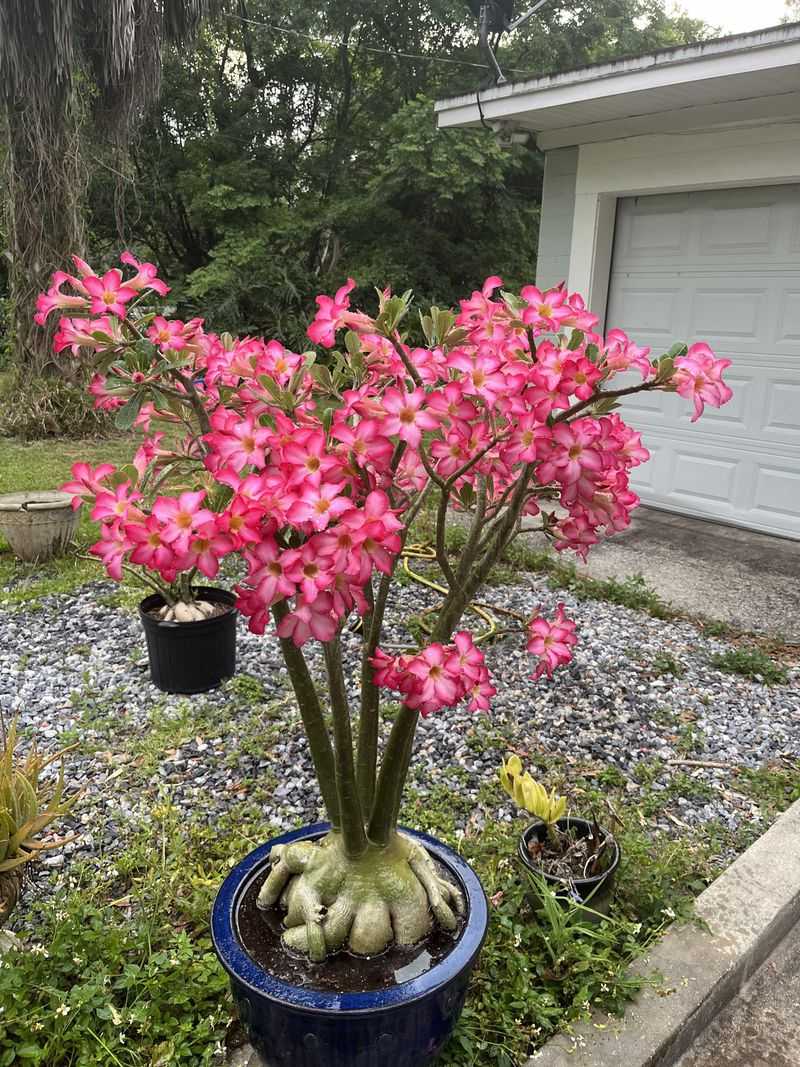
Few flowering plants turn heads quite like a desert rose in full bloom, with its thick, swollen trunk and clusters of bright tropical flowers sitting right on a sunny patio.
The problem is that Florida’s rainy season can be rough on this plant if it ends up in a spot where water lingers.
Desert rose originates from dry, rocky regions, so its roots simply are not built for waterlogged conditions.
One of the easiest ways to grow desert rose successfully is in a container with drainage holes and a fast-draining potting mix, such as a cactus or succulent blend. When summer rains roll through frequently, excess water needs somewhere to go quickly.
A pot sitting in a saucer full of water is one of the most common mistakes gardeners make with this plant.
Raised beds with sandy or amended soil can also work well for desert rose in Florida landscapes. During especially wet stretches, it helps to move container-grown plants under an overhang or covered patio to limit how much rain they receive.
The plant enjoys the heat and sunshine but needs the soil around its roots to dry out reasonably between watering and rain events. Good placement and proper drainage make all the difference for keeping this showstopper healthy through a long, rainy summer.
2. Bougainvillea Blooms Better On The Dry Side
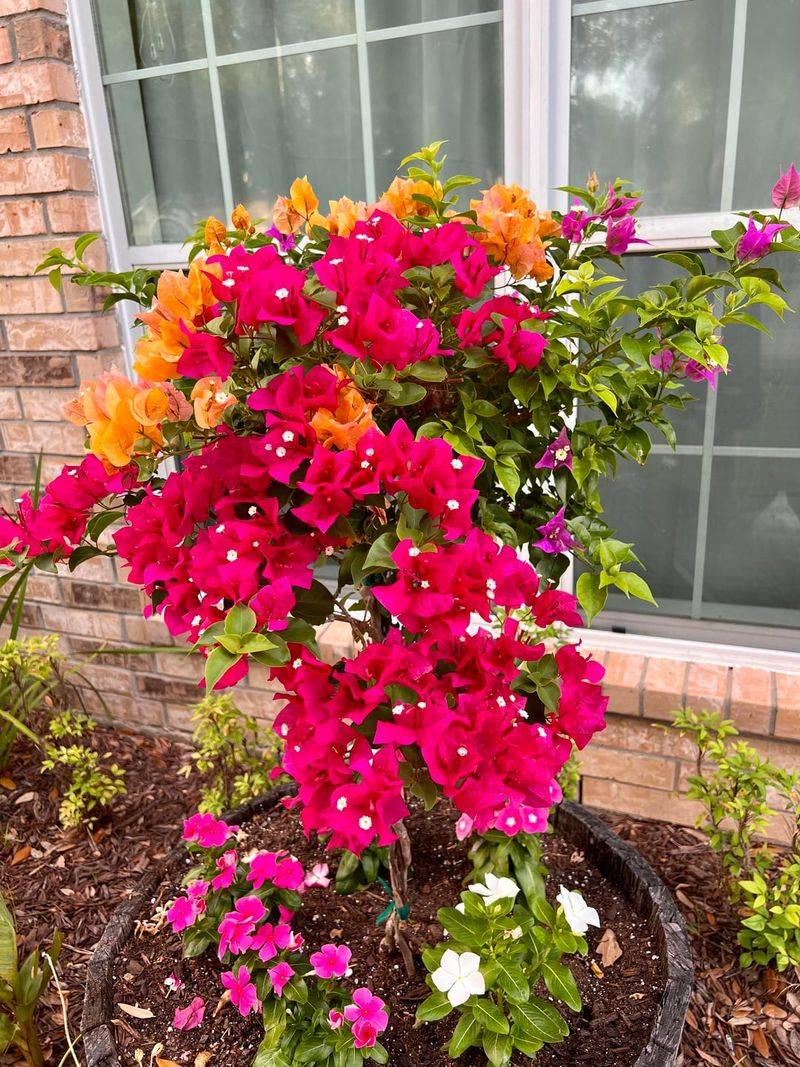
Walk through almost any sunny Florida neighborhood and you will likely spot bougainvillea spilling over fences and garden walls in shades of hot pink, orange, and red.
What many people do not realize is that this plant actually blooms better when it experiences a little stress from dryness rather than sitting in soggy soil.
Bougainvillea is native to coastal South America, where sharp drainage and dry spells are common.
The rainy season can work against bougainvillea if it is planted in a low bed that holds water or a container without adequate drainage.
When roots stay wet for extended periods, the plant may put energy into foliage rather than the showy bracts it is known for, and root health can decline over time.
Overwatering is actually one of the more common reasons bougainvillea underperforms in Florida landscapes.
Your Florida Garden Changes Every Week. Your Plan Should Too.
Gardening in Florida changes quickly throughout the season. Every Friday you’ll receive a simple weekly plan showing exactly what to plant, prune, fertilize, harvest, and protect so you never miss the right timing.
For the best results, plant bougainvillea in a sunny spot with well-drained soil, or use a container with several drainage holes and a gritty, well-aerated potting mix.
Sandy soil naturally found in many parts of Florida can actually suit bougainvillea quite well when combined with the right sun exposure.
During summer rain stretches, avoid supplemental irrigation unless the plant shows clear signs of drought stress. Letting the soil dry between rain events is often the best approach for keeping this vibrant Florida favorite blooming through the season.
3. Rosemary Struggles In Soggy Soil
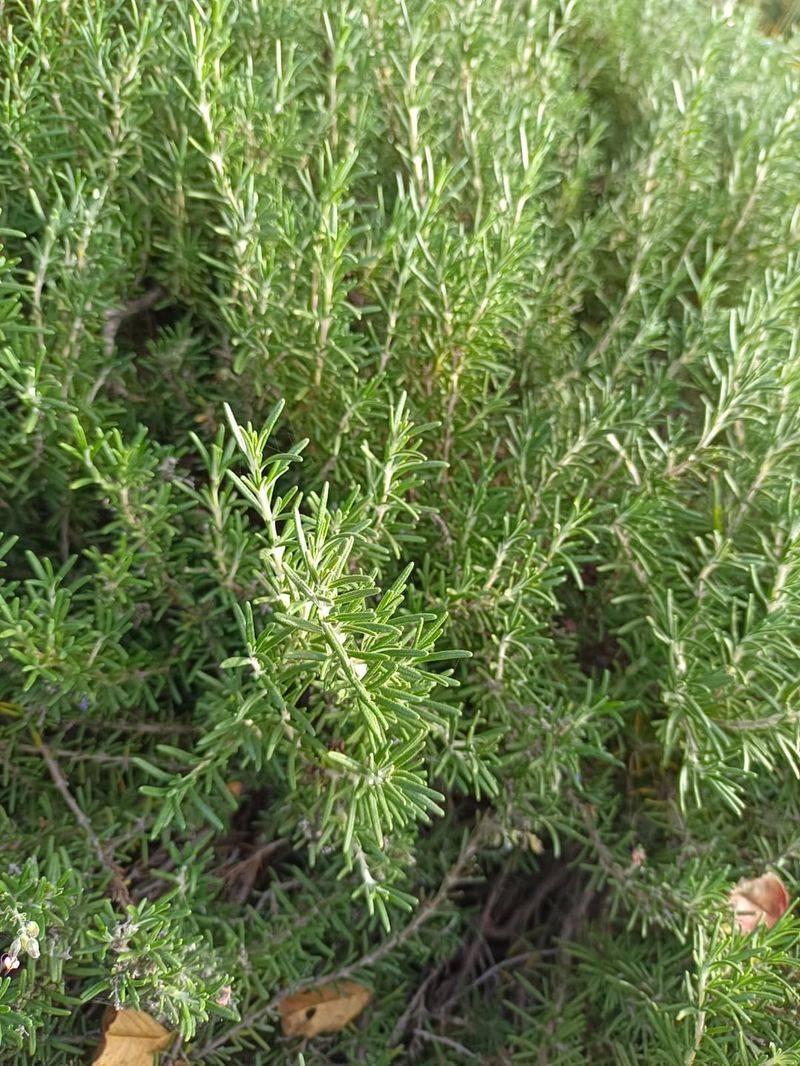
Rosemary has a reputation for being a tough herb, but that toughness has limits when it comes to wet feet during a summer. This Mediterranean herb thrives on sunshine, good air circulation, and soil that dries out between watering sessions.
Put it in a low, shady bed where water pools after a heavy afternoon storm, and rosemary will start to look stressed in a hurry.
Florida’s rainy season can be especially challenging for rosemary because the combination of high humidity, frequent rain, and warm temperatures creates conditions that are far from ideal.
Soggy soil around the root zone can lead to root problems, yellowing foliage, and a general decline that is hard to reverse once it takes hold.
Gardeners who have tried rosemary in heavy clay-amended beds or poorly drained spots often find it does not last through the summer.
A much better approach for gardeners is to grow rosemary in a container with excellent drainage and a fast-draining potting mix, or to plant it in a raised bed where water moves through quickly.
Sandy soil works in its favor, especially in areas of Florida where natural drainage is already good.
South or west-facing spots with full sun and good airflow are ideal. During rainy stretches, skip supplemental watering entirely and make sure containers are not sitting in collected water.
Rosemary rewards careful placement with fragrant, productive growth all season long.
4. Lavender Wants A Dry Sunny Spot
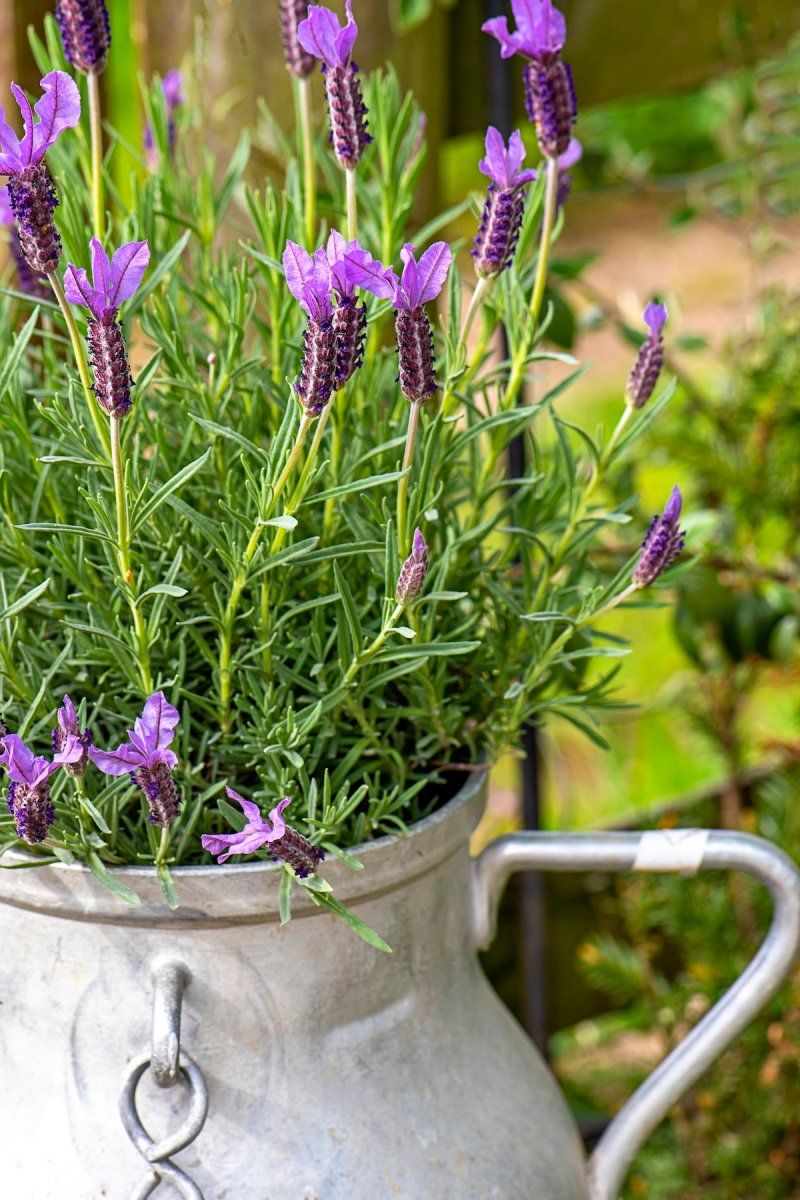
Lavender is one of those plants that gardeners want to love, but it often requires extra attention to pull off successfully in the rainy season. Its natural home is the dry, sun-baked hillsides of the Mediterranean, where rainfall is seasonal and drainage is sharp.
Florida’s summer rain pattern, with heavy downpours arriving almost daily, creates conditions that can be genuinely tough for lavender to handle.
Humidity alone makes Florida a challenging environment for lavender, and adding consistently wet soil into the mix makes things even harder.
When lavender roots stay damp for too long, the plant can develop root issues and may struggle to maintain the upright, bushy growth that makes it so appealing.
Low garden beds that collect water after a storm are probably the worst spots to try lavender.
Containers with drainage holes and a very well-drained, gritty potting mix give lavender the best shot at surviving and even thriving during Florida’s rainy months.
Placing the pot in a spot that gets full sun and some protection from the heaviest rains, such as under a patio roof overhang, can help significantly.
Spanish lavender varieties tend to handle Florida’s heat and humidity a bit better than English lavender, so variety selection matters.
With the right setup, lavender can be a rewarding, fragrant addition to a Florida patio or herb garden, even during the rainy season.
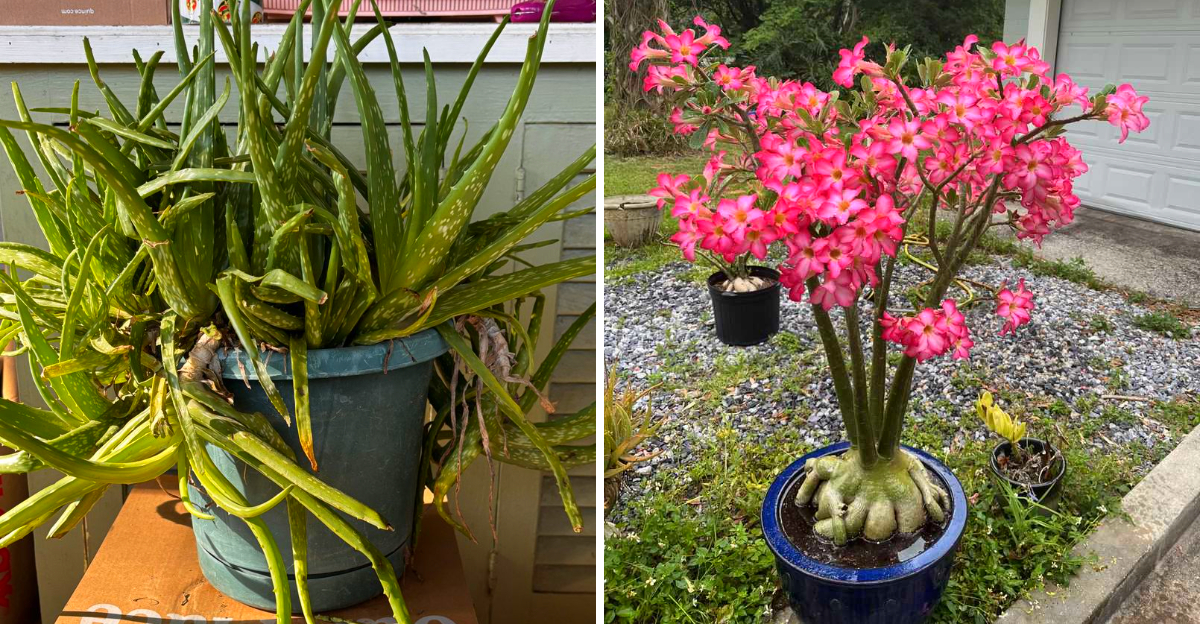
5. Aloe Vera Belongs In Fast Draining Pots
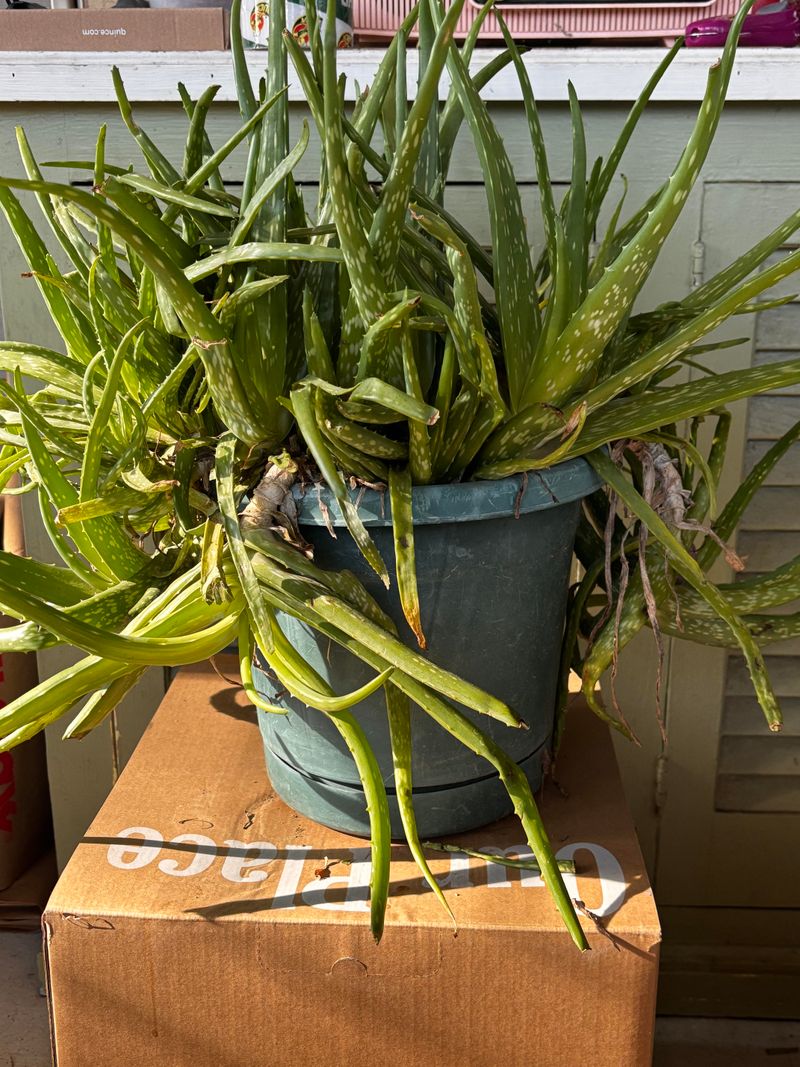
Aloe vera is one of the most popular succulents in Florida, and for good reason. It handles the Florida heat well, asks for very little attention most of the year, and stays useful to have around the home.
The one thing aloe vera cannot handle is sitting in water, and that becomes a real concern once summer rains arrive and pots start collecting moisture faster than they can drain.
Because aloe vera stores water in its thick leaves, it does not need frequent watering under normal conditions. During Florida’s rainy season, the rain itself can often be more than enough moisture for the plant.
The key is making sure that excess water drains away quickly rather than pooling at the bottom of the pot or around the base of the plant.
A fast-draining potting mix, such as a cactus and succulent blend, paired with a container that has adequate drainage holes, makes a noticeable difference.
Avoid placing aloe vera in decorative pots without holes, even if they look attractive on a patio.
If you want to use a decorative outer pot, place the aloe in a nursery container with drainage holes inside it and check regularly that water is not collecting at the bottom.
In Florida landscapes, aloe vera planted directly in the ground tends to do better in sandy, elevated spots than in heavy or compacted soil areas. Giving aloe good drainage is one of the simplest ways to keep it healthy through a long, wet summer.
6. Agave Handles Rain Only With Drainage
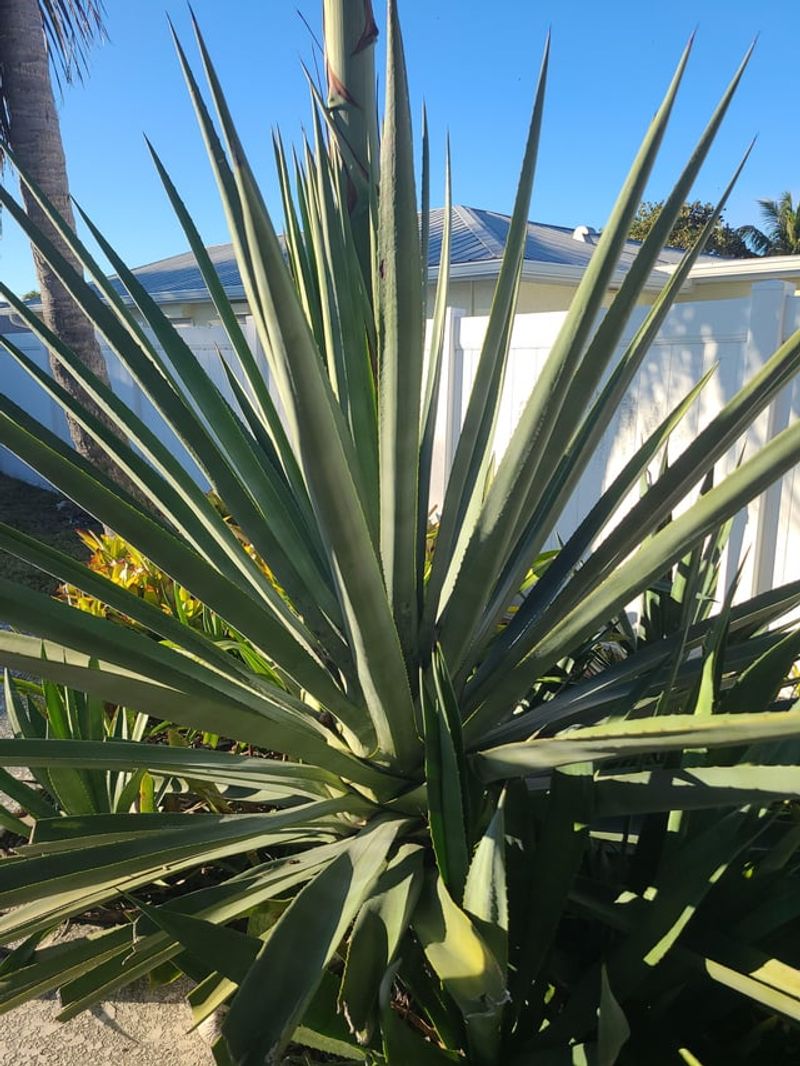
Agave plants have a bold, sculptural presence in Florida landscapes, and they genuinely do well in the Florida climate as long as one key condition is met: the soil drains sharply.
Rain itself is not really the issue for agave, since these plants are tough and can handle a good soaking.
The problem comes when heavy summer rain leaves soil saturated for extended periods and the root zone stays wet between storms.
In naturally sandy soils, agave often manages well because water moves through quickly.
The challenge is more common in areas where soil has been amended with materials that hold moisture, or where the plant is placed in a low spot that collects runoff after a downpour.
Heavy, compacted, or poorly drained soil can create root-zone problems that are difficult to spot until the plant is already in serious decline.
For gardeners working with heavier soils, planting agave in a raised bed or a rocky, well-drained area gives it a much better foundation. Containers work too, provided they have solid drainage and the pot is not left sitting in standing water after a rain.
Agave does not need supplemental irrigation during Florida’s rainy season in most cases, and additional watering on top of summer rain can push conditions past what the root zone tolerates.
Sun exposure, good airflow, and sharp drainage are the three things agave needs most to stay strong through the summer.
7. Beach Sunflower Prefers Sandy Soil
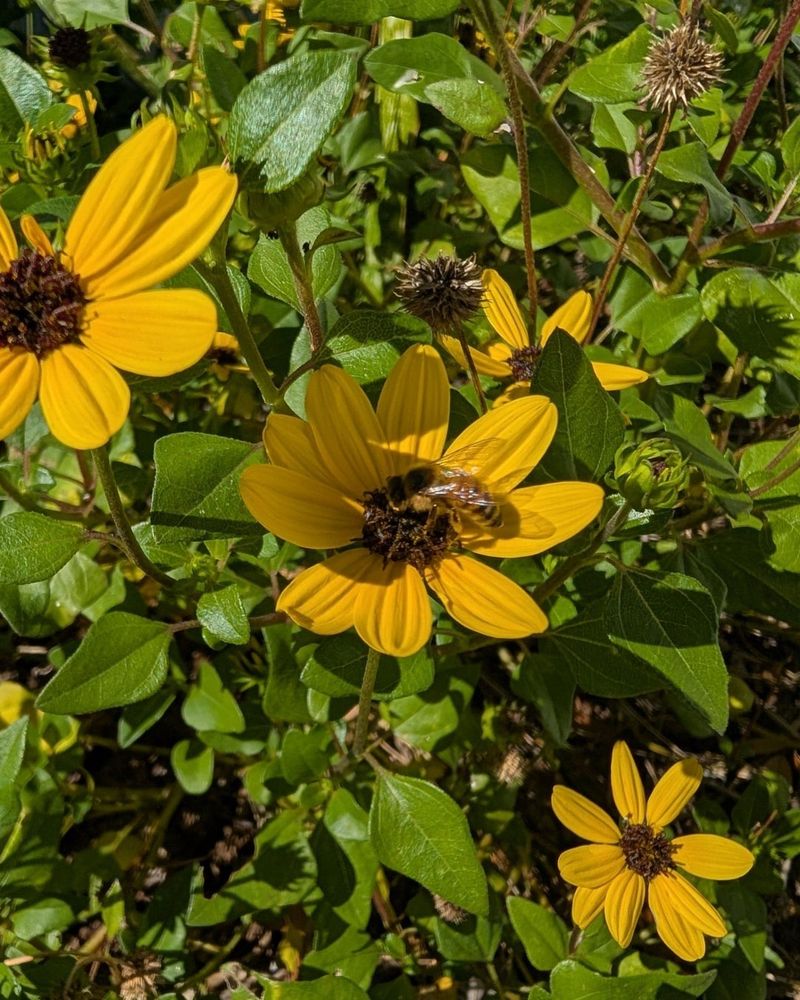
Beach sunflower is a cheerful Florida native that spreads easily along sunny borders, coastal yards, and sandy roadsides, bringing a steady supply of yellow blooms to spots that other plants might find too dry or harsh.
It is a tough, low-maintenance plant that earns its reputation as a Florida-friendly groundcover.
But even a tough native like beach sunflower has preferences, and consistently wet or soggy soil is not among them.
In Florida’s sandy coastal soils, beach sunflower is right at home. Water moves through quickly, the roots stay aerated, and the plant can spread and bloom without interruption.
Place it in a low, poorly drained bed or irrigate it heavily on top of regular summer rain, and the performance can drop noticeably. Root issues are more likely in spots where water lingers after a storm.
The good news is that beach sunflower is quite drought tolerant once it has established itself, which means it actually pairs well with rainy season as long as drainage is reasonable.
It does not typically need supplemental irrigation during the summer months in most Florida landscapes.
Planting it in sunny, elevated spots or along sloped areas where water naturally flows away from the root zone is a smart approach.
For gardeners looking for a native plant that handles heat and some dryness with ease, beach sunflower is a reliable and rewarding choice for the right location.
8. Loropetalum Dislikes Wet Root Zones
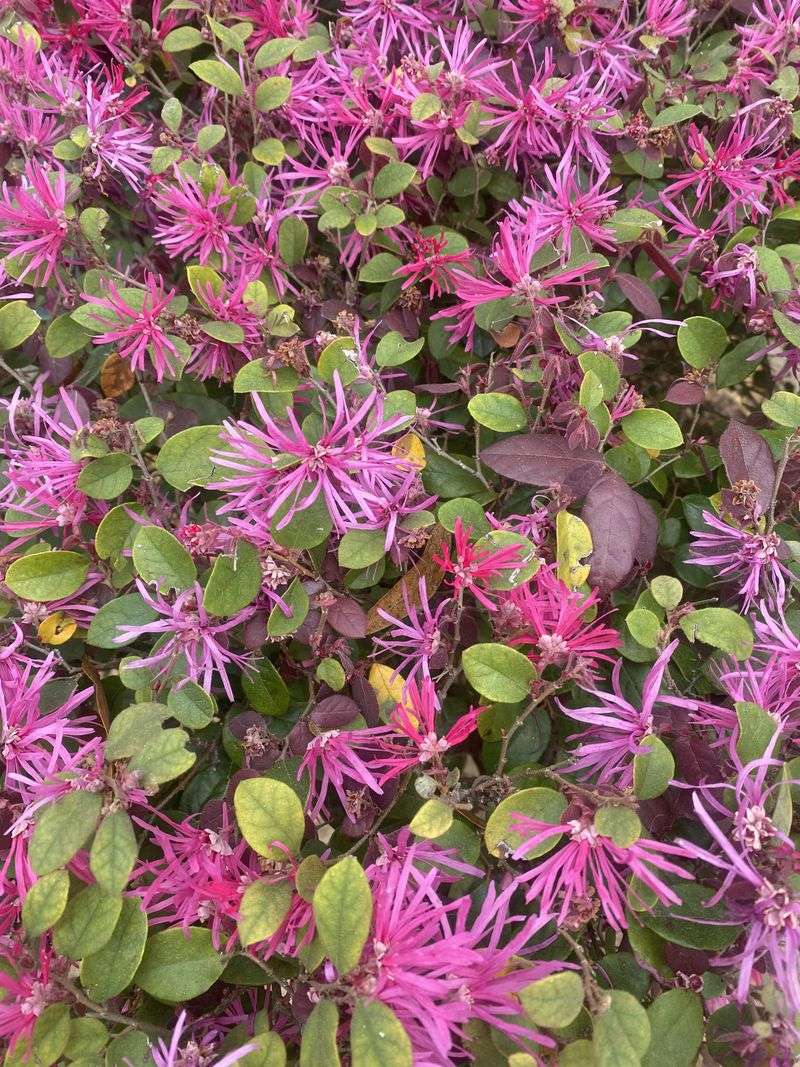
Loropetalum is a popular landscape shrub in Florida, valued for its striking burgundy foliage and unusual fringe-like blooms that show up in late winter and spring. It fits nicely into foundation plantings, mixed shrub borders, and even large containers on patios.
What it does not fit into well is a planting site where the root zone stays wet after summer rains roll through.
This shrub prefers acidic, well-drained soil, and Florida’s rainy season can create challenges in spots where water does not move away from the roots quickly enough.
When the root zone stays saturated, loropetalum may show signs of stress through yellowing leaves, reduced growth, or a general lack of vigor.
Soggy conditions around the base of the plant are worth addressing before they become a long-term problem.
Gardeners who want to grow loropetalum successfully should think carefully about placement and soil preparation before planting. Raised beds, berms, or naturally elevated areas in the landscape give this shrub the drainage it needs without much extra effort.
Avoid planting loropetalum in low spots near downspouts, swales, or areas where water pools after a heavy afternoon storm.
Mulching around the base is helpful for moisture retention in dry periods, but the mulch layer should not be piled against the trunk where it could trap excess moisture.
With the right site and decent drainage, loropetalum can be a long-lasting, visually striking addition to a Florida landscape.