Why Ohio Ticks Are No Longer Just A Summer Problem (And What To Do About It)
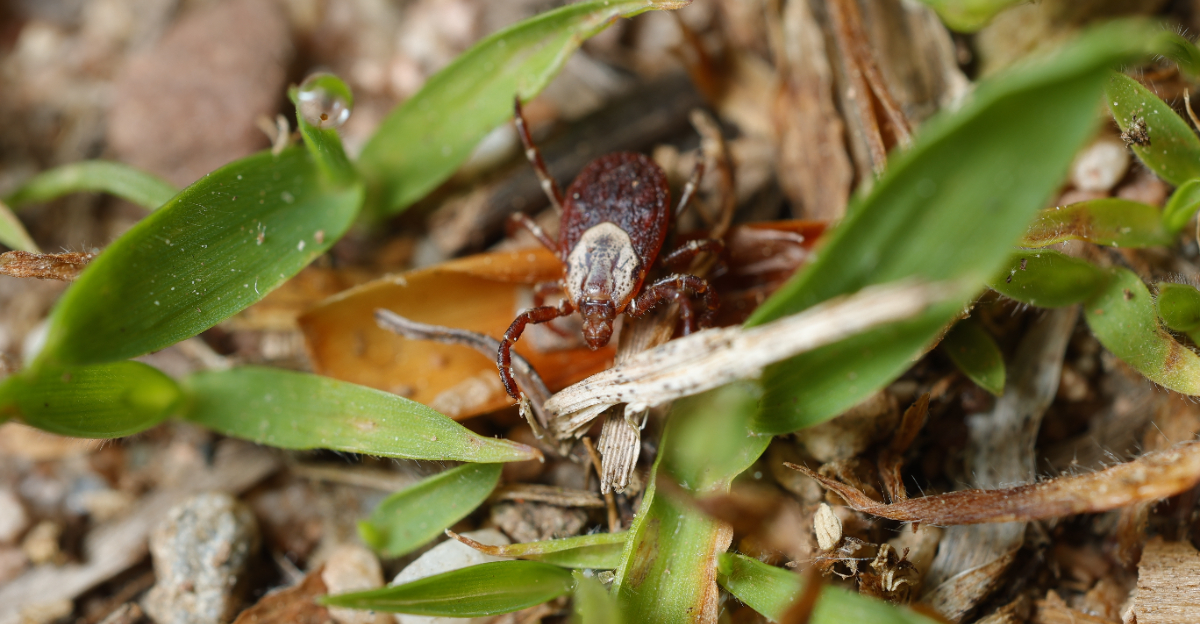
Tick season in Ohio used to have a start and an end. Warm months brought ticks, cold months pushed them back, and the calendar offered a reliable break that most people counted on.
That pattern has shifted in ways that are hard to ignore if you spend any real time outdoors in this state. Ticks are showing up earlier in the year, later in the year, and in some cases through stretches of winter that would have ended activity entirely not long ago.
Ohio’s changing seasonal patterns have extended the window in ways that caught a lot of people off guard. This is not a reason to panic.
It is a reason to adjust. The habits and precautions that made sense for a defined summer season need to stretch further now.
A few specific changes to how Ohioans think about tick prevention make that adjustment straightforward.
1. Stop Treating Ticks Like A Summer Only Problem
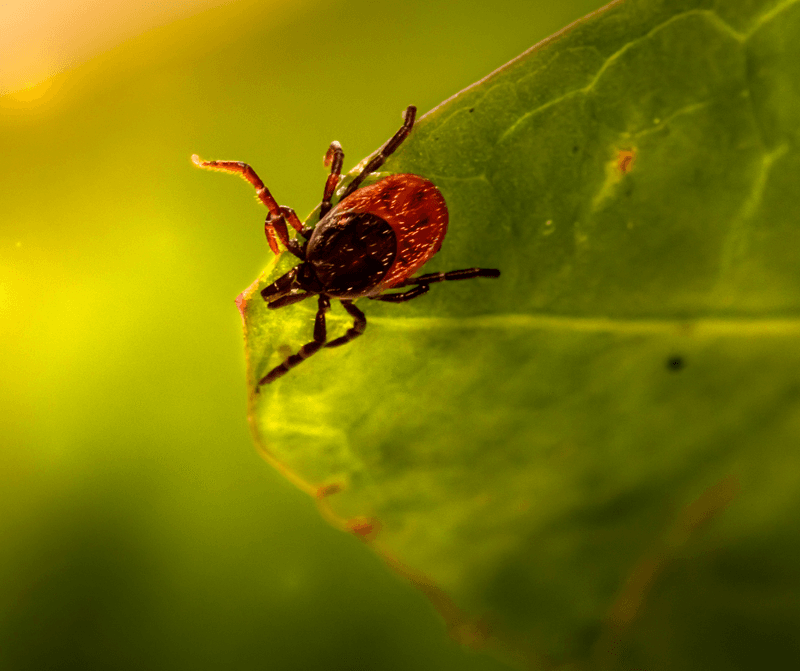
A warm afternoon in October can pull people back into the yard for one last project before winter. That same mild weather can also keep certain ticks moving through leaf litter and brushy edges nearby.
Many people still think tick exposure ends when school starts back up in fall. The reality is that different tick species and life stages can stay active across a wider stretch of the year than most expect.
Blacklegged ticks, for example, are often more active in fall and spring than they are at the height of summer heat.
Lone star ticks and American dog ticks are more commonly associated with warmer months. But the blacklegged tick follows a different rhythm.
Adults of that species tend to be active in cooler conditions. That means fall cleanups, spring garden sessions, and even mild winter walks can carry some level of exposure.
Staying informed does not mean staying fearful. Most tick encounters do not result in illness.
But keeping tick awareness as a year-round habit, rather than a June through August concern, helps you stay a step ahead.
Public health guidance from the Ohio Department of Health and the CDC recommends ongoing tick awareness for anyone spending time outdoors in wooded or brushy areas.
2. Watch For Blacklegged Ticks During Mild Winter Days

Some winters in this state offer stretches of mild days that feel more like late fall than January. Those same days that invite a walk in the woods can also bring blacklegged ticks back into motion.
Blacklegged ticks, sometimes called deer ticks, do not follow the same seasonal rules as many other insects.
Adult blacklegged ticks are often most active from fall through early spring, moving through leaf litter and low vegetation when temperatures stay above freezing.
Ohio State University Extension has noted that blacklegged tick adults can remain active in cooler conditions that would sideline other species.
This does not mean every winter walk is a high-risk event. It means that checking yourself and your clothing after time in wooded areas or brushy edges is a habit worth keeping even in December or February.
Your Ohio Garden Changes Every Week. Your Plan Should Too.
Gardening in Ohio changes quickly throughout the season. Every Friday you’ll receive a simple weekly plan showing exactly what to plant, prune, fertilize, harvest, and protect so you never miss the right timing.
Blacklegged ticks are the species associated with Lyme disease transmission in this region. The Ohio Department of Health tracks tick submissions and reports, and blacklegged tick encounters in this state have been documented across multiple seasons.
If you find a tick attached to your skin, follow CDC removal guidance and contact a healthcare provider with any health concerns.
3. Check Yourself After Fall Yard Cleanup
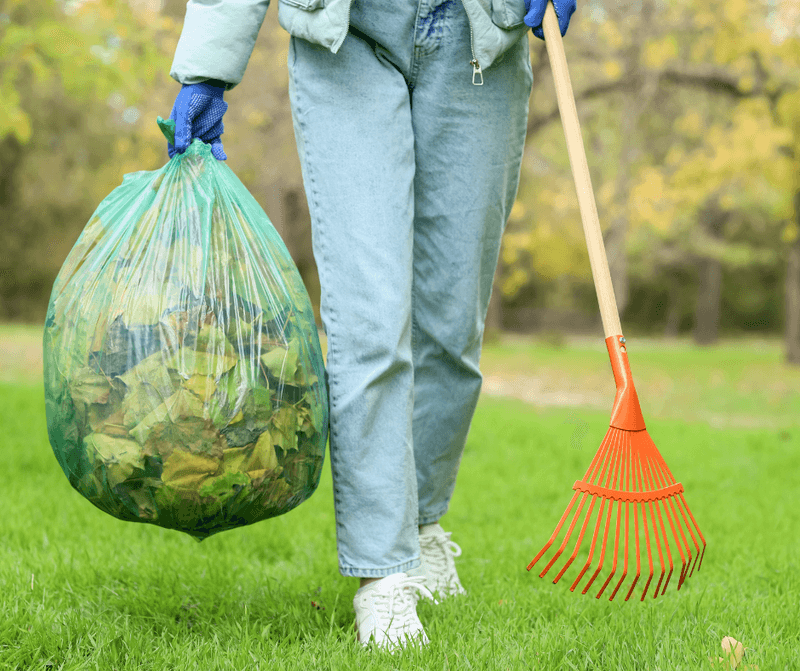
Raking leaves on a crisp fall afternoon feels like a simple chore. But working near wooded edges, brushy fence lines, and deep leaf piles puts you in some of the most tick-friendly habitat in your yard.
Fall cleanup tasks can bring you into close contact with spots where ticks shelter. That includes raking, hauling brush, cutting back overgrown areas, and clearing along fence edges.
Ticks do not jump or fly. They wait on low vegetation and leaf surfaces for a host to brush past.
A long afternoon in the yard creates plenty of those moments.
After any fall cleanup session, take a few minutes to check your clothing before going inside. Brush off your jacket, check your socks and shoe tops, and run your hands along your collar and hairline.
Putting clothes in a dryer on high heat for several minutes can help address any ticks that may have hitched a ride on fabric.
Do a full body check in a well-lit area, paying attention to spots like behind the knees, around the waistband, in the hairline, and behind the ears. The CDC recommends showering within two hours of coming indoors after outdoor work as an added step for finding ticks before they have time to attach.
4. Keep Leaf Litter From Becoming Tick Shelter
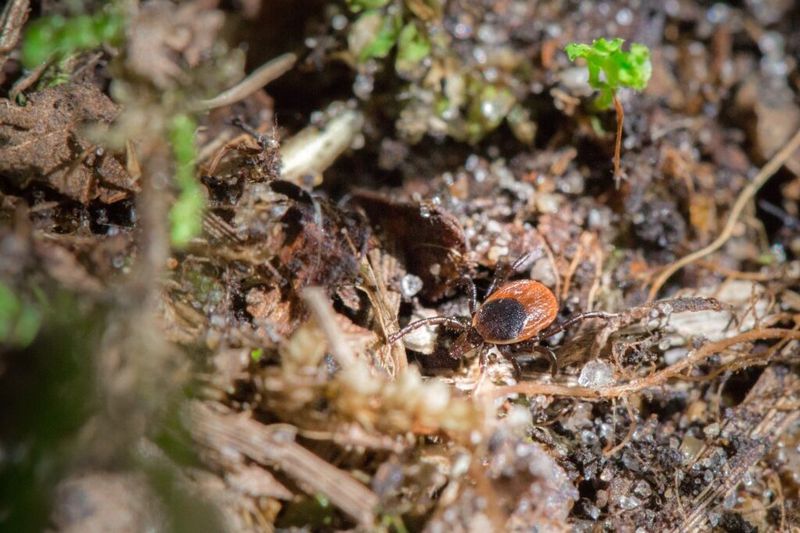
Leaf litter does more than make the yard look untidy. In large, undisturbed piles near high-use areas, it creates exactly the kind of humid, sheltered environment where ticks can wait out the season in comfort.
Ticks favor damp, shaded, and protected spots. Deep leaf accumulation near patios, play areas, garden paths, and lawn edges can provide that kind of cover.
Clearing leaves from those zones reduces the chance of ticks setting up near the spaces where your family spends the most time outdoors.
Ohio State University Extension guidance suggests focusing yard management on the areas where people and pets actually move and gather. You do not need to strip every natural leaf bed from your property.
Wooded corners and back areas of the yard can hold leaves without posing the same concern as leaf piles directly beside a patio or swing set.
Removing leaf buildup from high-use zones and bagging or composting it away from the house can help. Keeping lawn edges tidy through fall can also reduce tick-friendly conditions right where it matters most.
Combine this with regular mowing and clearing brushy edges throughout the growing season. Together, these steps make your yard less welcoming to ticks looking for shelter.
5. Treat Spring Garden Work Like Tick Season
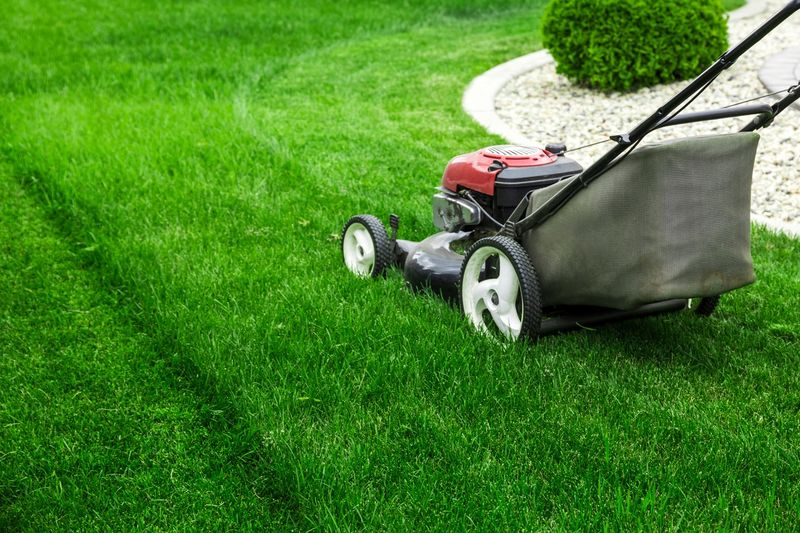
Early spring has a way of pulling gardeners outside before they have fully shifted back into outdoor-awareness mode.
The urge to get beds ready, pull up old growth, and spread fresh mulch is strong, and the conditions are often perfect for blacklegged tick activity at the same time.
Spring cleanup tasks put you right in the zones where ticks are most likely to be moving. That includes cutting back ornamental grasses, clearing out garden beds, turning compost, and working near shrub borders.
Blacklegged tick nymphs, which are very small and harder to spot, tend to become more active as temperatures warm through late spring.
Wearing long pants tucked into socks, closed-toe shoes, and light-colored clothing makes it easier to spot ticks before they reach skin.
EPA-registered repellents applied to clothing and exposed skin, following label directions, add another layer of protection during longer outdoor sessions.
After a morning of garden work, do a thorough tick check before heading inside. Check the areas ticks prefer: behind the knees, along the waistline, in the hairline, and around the ears.
Spring is not a grace period for tick exposure. Treating those outdoor hours with the same awareness you bring to a summer hike keeps the habit consistent and useful across the whole year.
6. Protect Pets Before They Bring Ticks Indoors

Dogs are enthusiastic explorers. They push through tall grass, nose into brush piles, and roll through leaf litter without a second thought.
Every one of those adventures is a chance for ticks to latch on and eventually make their way into your home.
Outdoor pets, especially dogs, can pick up ticks across a wide range of seasons. A dog that spends time near wooded edges, unmowed areas, or brushy fence lines can bring ticks indoors even on a mild December afternoon.
Cats that go outside face similar exposure, though they tend to groom more and may remove ticks before they are noticed.
Talk to your veterinarian about tick prevention options that are appropriate for your pet. There are several veterinarian-approved products available, including topical treatments, collars, and oral preventatives.
Your vet can help you choose based on your pet’s size, health, and how much time it spends outdoors. Do not rely on home remedies or unverified treatments found online.
Check your pet after every outdoor session, running your fingers through the fur along the neck, ears, between the toes, and around the tail. Finding and removing a tick promptly reduces the window for any potential transmission.
Regular checks are quick to do and easy to build into your daily routine with a little practice.
7. Create Dry Clear Edges Around High Use Areas

Yards with a clear, dry transition between the lawn and wooded or brushy borders give ticks fewer places to set up near the spots people actually use. That principle is simple to apply even in a modest backyard.
Ticks prefer humid, shaded, and protected cover. Open, dry, and well-maintained areas are far less inviting.
Creating a clear edge between your lawn and any wooded border, brushy fence line, or overgrown area reduces the zone where ticks are most likely to be waiting.
A strip of wood chip mulch or gravel along the border between your lawn and a wooded edge is one approach supported by extension guidance. This kind of barrier creates a drier, more exposed transition that ticks tend to avoid crossing.
The University of Rhode Island TickEncounter Resource Center and similar extension sources have noted this as a practical yard modification.
Keep grass mowed regularly, especially near play areas, garden paths, and patios. Trim back overgrown shrubs and clear brush from fence lines when possible.
Stack firewood away from the house in a dry, sunny spot rather than against a shaded wall or fence. These small adjustments add up over time and help reduce tick-friendly conditions in the areas your family uses most throughout the year.
8. Make Tick Checks A Year Round Habit
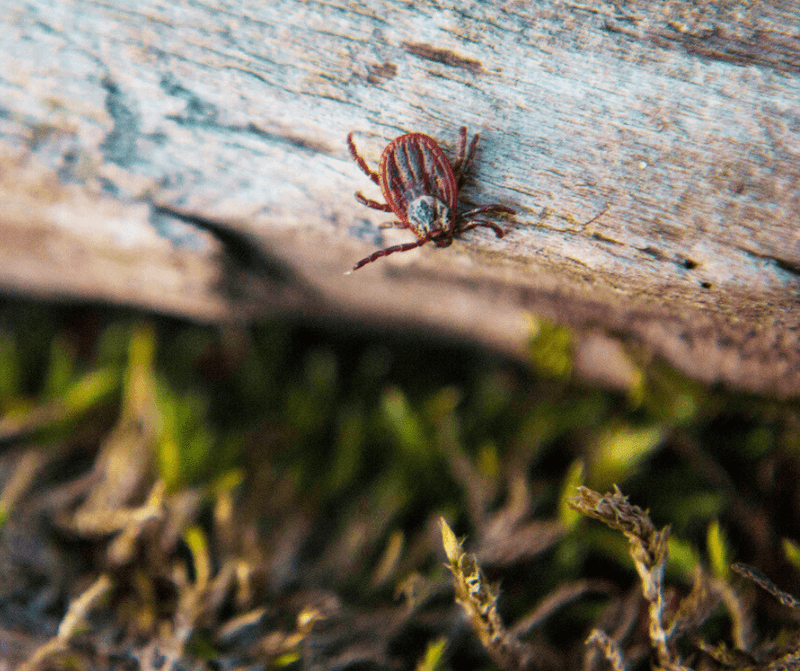
Building a habit is easier when it has a clear trigger. For tick checks, that trigger is simple.
Any time you come in from outdoor activity near grass, brush, leaves, or wooded edges, take a few minutes to check before you settle in.
That habit does not need to stop after Labor Day. Blacklegged tick adults are active through fall and into winter on mild days.
Spring garden work and early hiking season bring nymph activity back into the picture. Year-round awareness is not an overreaction.
It is just accurate timing based on how ticks actually behave in this region.
A good tick check takes less than five minutes. Use good lighting.
Check the scalp, behind the ears, the back of the neck, under the arms, behind the knees, around the waistband, and between the toes. Ask someone to check your back if possible.
If you find an attached tick, use fine-tipped tweezers to grasp it close to the skin and pull upward steadily. Clean the area with soap and water or rubbing alcohol.
Follow CDC guidance for removal and note the date. If you develop a rash, fever, or other symptoms in the weeks after a tick bite, contact a healthcare provider.
Ending the season on a smart note means not really ending it at all.