8 Yard Spots New Hampshire Homeowners Should Watch For Ticks

You yanked a tick off your ankle last July, right after weeding your New Hampshire garden. No itch. No warning. Just a tiny creature already feeding.
Ticks do not knock before entering your life. They wait in leaf piles, tall grass, and shaded fence lines until you brush past.
New Hampshire yards harbor several sneaky species, each one carrying a different reason to stay alert.
You could toss a ball to your dog, chase your kids across the yard, or sit on the patio, and a tick will find you before you find it.
Think your tidy lawn keeps them away? Manicured grass gives ticks fewer hiding spots, but they adapt fast.
They cling to the edges, the mulch beds, the shady corners you forget about. Your backyard is hiding more than you think.
Know where ticks are lurking, and you take back your yard before they take over your summer.
1. Woodland And Forest Edge

That strip of land where your yard meets the woods is a prime tick habitat. Ticks do not wander far on their own, so they hang out in transition zones waiting for a host to brush by.
Blacklegged ticks, also called deer ticks, love this edge habitat. Deer, mice, and other wildlife travel along these borders constantly, dropping ticks as they go.
Your kids or pets crossing that invisible line between lawn and forest edge are prime targets. A tick can latch on in seconds and start its journey to your skin.
Keeping a clear buffer zone between your lawn and the woods is one of the smartest moves you can make. Mow that transition area short and consider laying a 3-foot gravel or wood chip barrier.
That dry barrier makes it harder for ticks to cross into your main yard. Ticks need moisture to survive, so dry materials slow them down significantly.
Trim back any overhanging branches that create shaded, humid corridors near the forest edge. Sunlight dries out the ground and makes the area far less appealing to ticks.
Check yourself and your pets every single time you come near this zone. A thorough tick check takes two minutes and can significantly reduce your risk of tick-borne illness.
The forest edge in your New Hampshire yard deserves real respect and regular attention. Treat it like the boundary it truly is.
2. Stone Walls And Borders
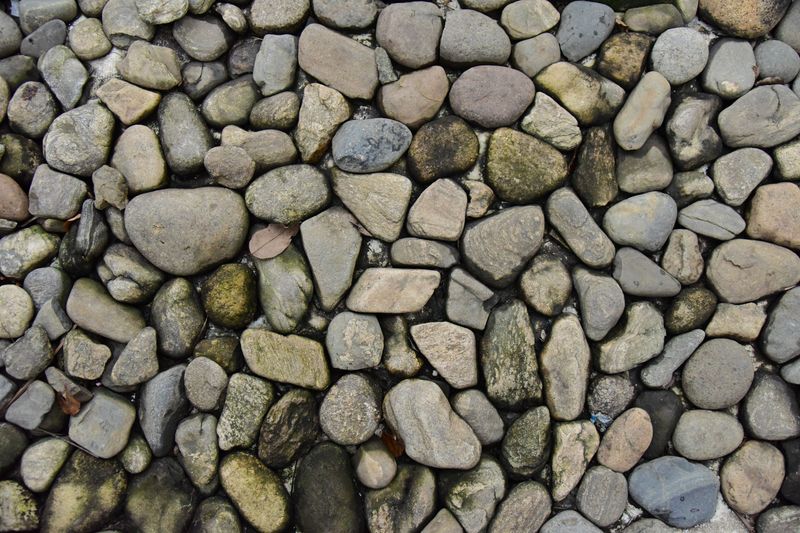
Stone walls are a beloved part of New England’s charm, but they are also a less obvious downside of a picturesque yard. Those cool, dark crevices between rocks are exactly the kind of shelter ticks seek out.
Mice are the primary reservoir for the bacteria that causes Lyme disease, meaning ticks feed on infected mice, pick up the bacteria, and later pass it on to humans. Where mice go, ticks follow, and your beautiful old wall becomes a site where that cycle quietly plays out.
Chipmunks, voles, and other small mammals also burrow near stone borders. Each one of those critters can carry dozens of larval ticks at a time.
Your New Hampshire Garden Changes Every Week. Your Plan Should Too.
Gardening in New Hampshire changes quickly throughout the season. Every Friday you’ll receive a simple weekly plan showing exactly what to plant, prune, fertilize, harvest, and protect so you never miss the right timing.
You do not have to tear down your stone wall to reduce the risk. Keeping the vegetation around it trimmed short removes the humid cover ticks depend on.
Clear away any leaf buildup near the base of the wall each spring and fall. Decomposing leaves hold moisture and create the perfect microclimate for ticks to thrive.
Avoid planting dense ground cover directly against stone borders. Low-growing plants like pachysandra might look tidy, but they create a thick, shaded layer ticks adore.
Applying tick-repellent granules along the base of stone walls can add another layer of protection. Follow label directions and reapply after heavy rain for best results.
Spots in your yard where ticks are waiting often look the most picturesque. Your stone wall is gorgeous, but give it the cautious respect it deserves this season.
3. Leaf Litter

Raking leaves might feel like a chore, but skipping it is basically rolling out the red carpet for ticks. Leaf litter is one of the most tick-dense environments in any yard.
Ticks are cold-blooded and need insulation to survive cooler temperatures. A thick mat of wet, decomposing leaves keeps them warm, moist, and very much alive well into late fall.
Deer ticks in particular remain active well into late fall, any time temperatures stay above 40°F and the ground is free of snow cover. If leaves are still piled up, those ticks have a sheltered spot to wait out the cold in.
If leaves are still piled up, those ticks have a cozy shelter to wait in. Raking and bagging leaves promptly each autumn dramatically cuts the number of ticks that overwinter in your yard.
Do not let leaves pile up against the house or fence line. Composting leaves is fine, but keep the compost pile far from areas where people and pets spend time.
A pile at the back corner of the property is much safer than one near the patio. Blowing leaves into the woods might seem like a quick fix, but it just pushes the problem to your yard’s edge.
Bag them, mulch them finely, or compost them at a distance. Wearing gloves and long sleeves while raking is a smart habit.
Ticks can climb onto you from leaf piles faster than you might expect. Leaf litter is one of the sneakiest spots in your New Hampshire yard where ticks are waiting. Clean it up early and clean it up often.
4. Woodpiles
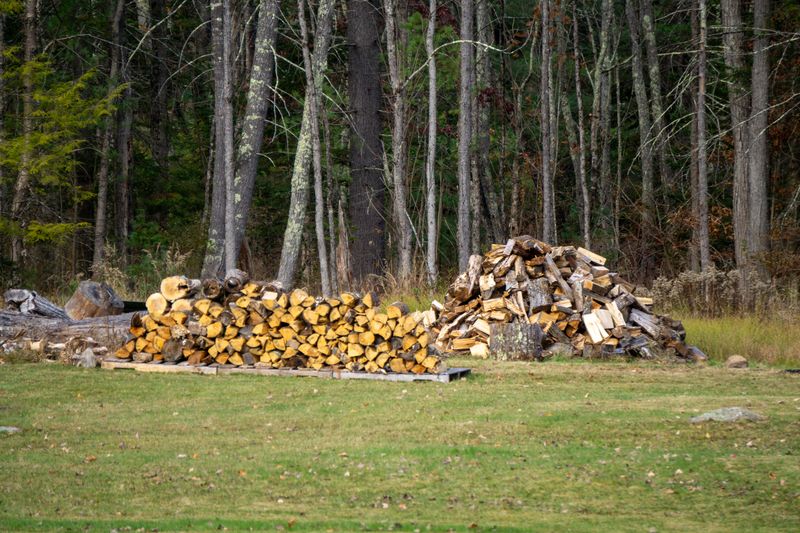
That stack of firewood by the back door is a sheltered habitat for ticks and the rodents that carry them. Mice are among the most efficient carriers of ticks found in residential yards.
A single white-footed mouse can carry hundreds of larval ticks at one time. Those ticks feed, drop off, and wait in the nearby environment for their next host.
Stacking wood directly on the ground makes the problem worse. Soil contact creates moisture, which ticks need to stay alive and active between feedings.
Elevate your woodpile on a rack or pallets to reduce ground moisture and make it less inviting to rodents. Good airflow through the stack also dries it out faster after rain.
Keep the woodpile away from the house and away from areas where kids play. The farther it sits from your main activity zones, the better off your family will be.
Avoid stacking wood against fences, shrubs, or stone walls. Combining two high-risk tick habitats in one spot is a recipe for a serious infestation.
Cover the top of the stack with a tarp if you live in a wet area, but leave the sides open for airflow. Sealed, damp woodpiles are rodent and tick magnets.
Grab firewood from the top of the pile, not the bottom, where mice and ticks are most concentrated. Shake logs gently before bringing them inside just to be safe.
5. Ornamental Shrubs And Foundation Plantings
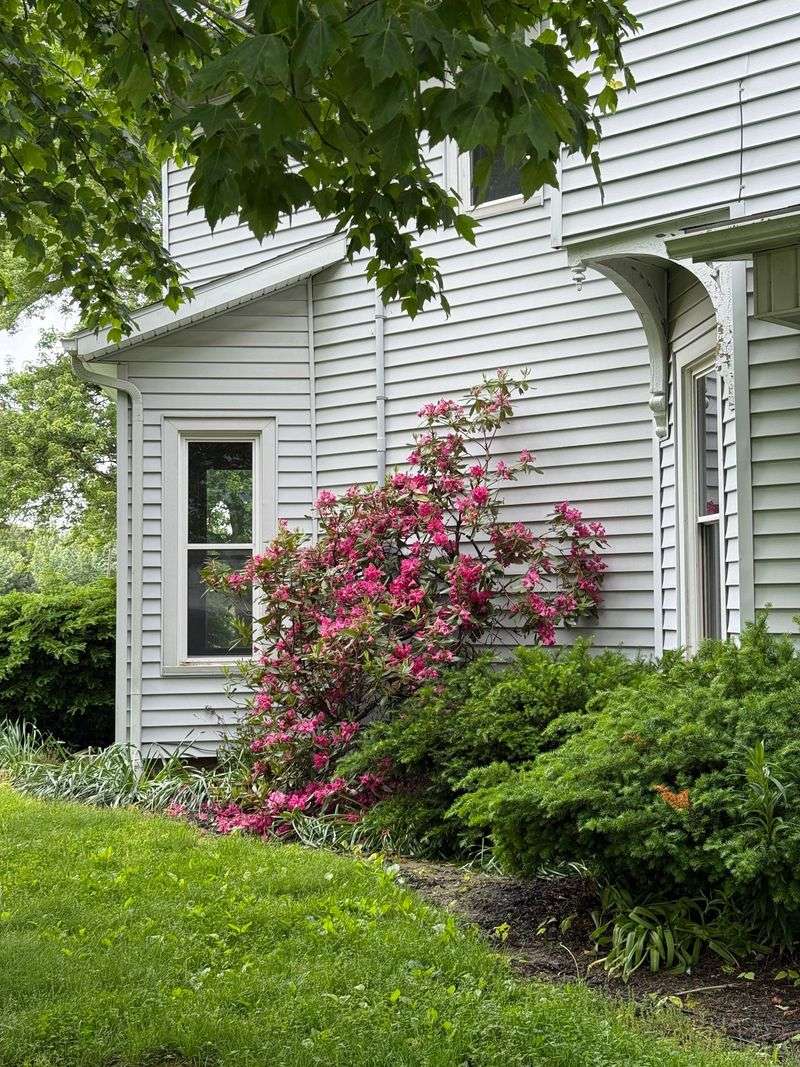
Those pretty boxwoods and rhododendrons framing your front door have a less obvious downside. Dense foundation shrubs create exactly the kind of shaded, humid environment that ticks absolutely love.
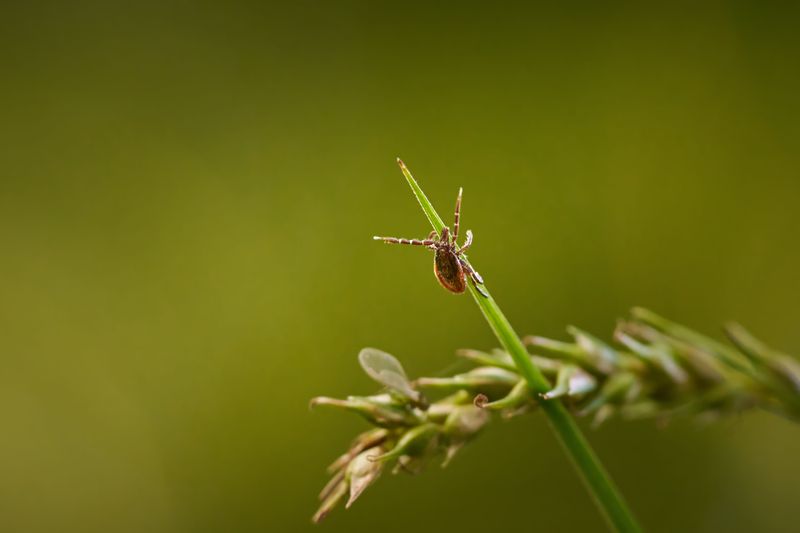
Ticks climb up onto low vegetation and extend their front legs in a behavior called questing. They wait for a warm body to brush past, then grab on without hesitation.
Foundation plantings that touch the house create a direct bridge from the ground to your door. That means ticks can hitch a ride inside on clothing, bags, or pets with ease.
Pruning shrubs so their lowest branches are several inches off the ground improves airflow dramatically. Sunlight reaching the soil below kills off moisture and discourages ticks from settling in.
Avoid letting ornamental grasses or sprawling perennials spill over onto walkways. Any plant that brushes against a person walking by is a potential tick transfer point.
Pull back mulch from the base of shrubs periodically to check for tick activity. Dense, wet mulch right against a plant stem is a classic hiding spot.
Consider replacing some high-maintenance foundation shrubs with plants that may help deter ticks. American beautyberry has the strongest research support, with compounds shown to repel ticks in studies.
Lavender and marigolds are widely cited in gardening sources, though evidence specific to tick repellency remains limited. Your landscaping choices directly affect how many ticks settle near your home.
Thoughtful pruning and plant selection can make your foundation plantings beautiful and far less risky.
6. Deck And Patio Furniture
Most people never think to check their outdoor furniture for ticks, and that is exactly why ticks love it there. Cushions, chair legs, and the undersides of tables are all overlooked spots.
Ticks do not jump or fly, but they are expert crawlers. If wildlife or pets have been near your deck, ticks can easily migrate onto furniture and wait for a human to sit down.
Shaded decks surrounded by shrubs or trees are higher risk than open, sunny ones. Ticks avoid direct sunlight and dry heat, so a sun-drenched deck is naturally less appealing to them.
Wipe down furniture with a damp cloth regularly, paying special attention to crevices and joints. A tick tucked into a chair joint is nearly invisible until it is already on your skin.
Outdoor rugs and cushion covers trap moisture and debris that attract ticks over time. Shake them out frequently and let them dry completely in direct sun when possible.
If deer or raccoons visit your yard at night, they may leave ticks behind on your deck steps or railings. A motion-activated light can deter wildlife and give you peace of mind.
Treat the perimeter of your deck with a tick-repellent spray approved for outdoor use each spring. Reapply monthly during peak tick season for consistent protection.
Spots in your New Hampshire yard where ticks are waiting include the places you relax most. A quick check before sitting down is a habit worth building this summer.
7. Bird Feeders
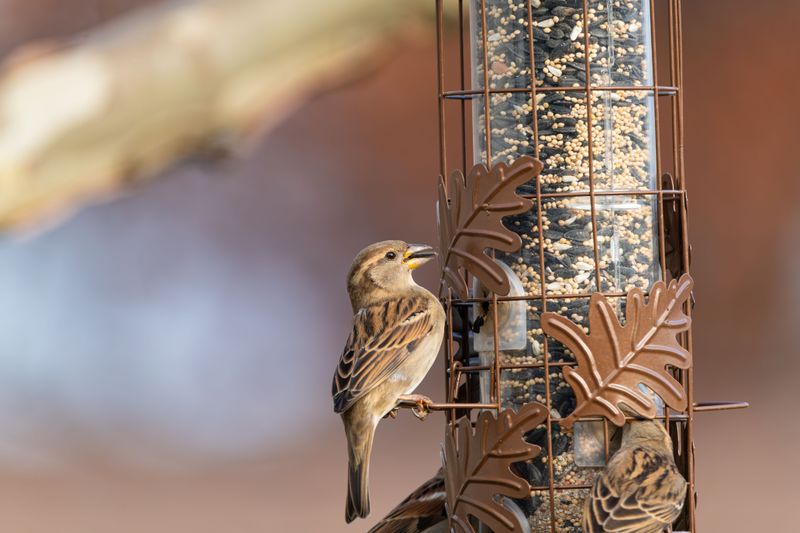
Bird feeders bring joy and color to any yard, but they also pull in some uninvited guests. The seeds that fall to the ground attract mice, squirrels, and chipmunks, all of which carry ticks.
White-footed mice are the primary reservoir for the bacteria that causes Lyme disease. Ticks feed on infected mice, acquire the bacteria, and eventually pass it to humans.
A feeder that draws mice close to your home pulls that entire cycle toward the places your family spends time. Ground-feeding birds like sparrows and juncos scratch through fallen seed, keeping the area around your feeder constantly disturbed.
The bigger concern is the rodents that spilled seed attracts, since mice and chipmunks in that zone bring ticks directly into your yard. Placing feeders far from high-traffic areas like patios and play sets reduces the risk.
The farther wildlife congregates from where people spend time, the safer your family will be. Use a feeder with a tray or catch basin to minimize seed scatter on the ground.
Less fallen seed means fewer rodents, which means fewer ticks in that zone. Rake up spilled seed regularly rather than letting it accumulate.
A thick layer of husks and shells on the ground holds moisture and creates shelter for both rodents and ticks. Consider switching to nyjer seed or safflower, which attract fewer ground-feeding rodents than standard mixes.
Targeted feeding can bring in the birds you love without the rodent traffic. Your feeder station is one of the sneakiest spots in your yard where ticks are waiting. A few small adjustments can keep the birds coming without the hidden health hazard.
8. Shaded, Mulched Garden Beds

Mulched garden beds feel like a gardener’s pride and joy, but ticks feel right at home there too. Shaded beds with thick mulch stay cool and moist, which is exactly the microclimate ticks need.
Some studies suggest cedar mulch may have a modest deterrent effect when fresh. Evidence on how long that effect lasts is limited, and aged cedar mulch offers little meaningful protection against ticks.
Ticks in garden beds do not stay put, either. They climb onto plants and wait at the tips of leaves and stems, ready to grab onto anything that passes by.
Weeding your garden beds regularly keeps plant growth from getting too dense and shaded. Overgrown beds trap humidity at ground level and create a tick-friendly layer that is hard to inspect.
Apply mulch in layers no deeper than two to three inches. Thick mulch holds far more moisture than a thin layer and gives ticks more places to shelter between hosts.
Pull mulch back from plant stems and the edges of pathways periodically. Checking the soil surface beneath the mulch takes just a minute and can reveal surprising tick activity.
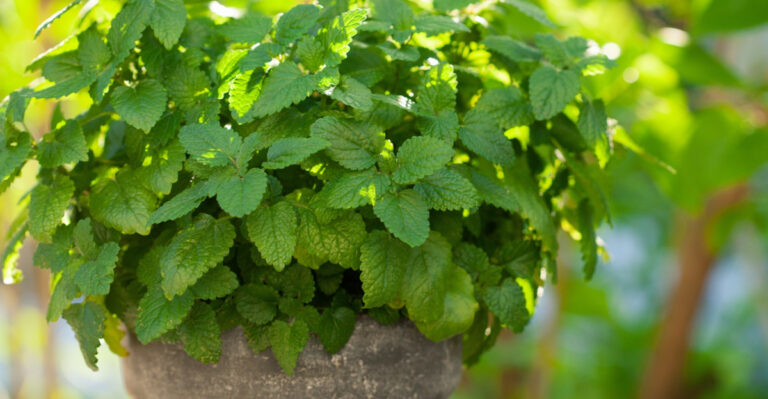
Planting tick-repellent herbs like rosemary, sage, or catnip near garden borders adds a natural layer of deterrence. These plants smell wonderful to humans and deeply unpleasant to ticks.
Your shaded, mulched garden beds are one of the key spots in your New Hampshire yard where ticks are waiting. Tend them beautifully and tend them smartly this season.