These Are the Reasons Your New Hampshire Porch Is A Carpenter Bee Magnet
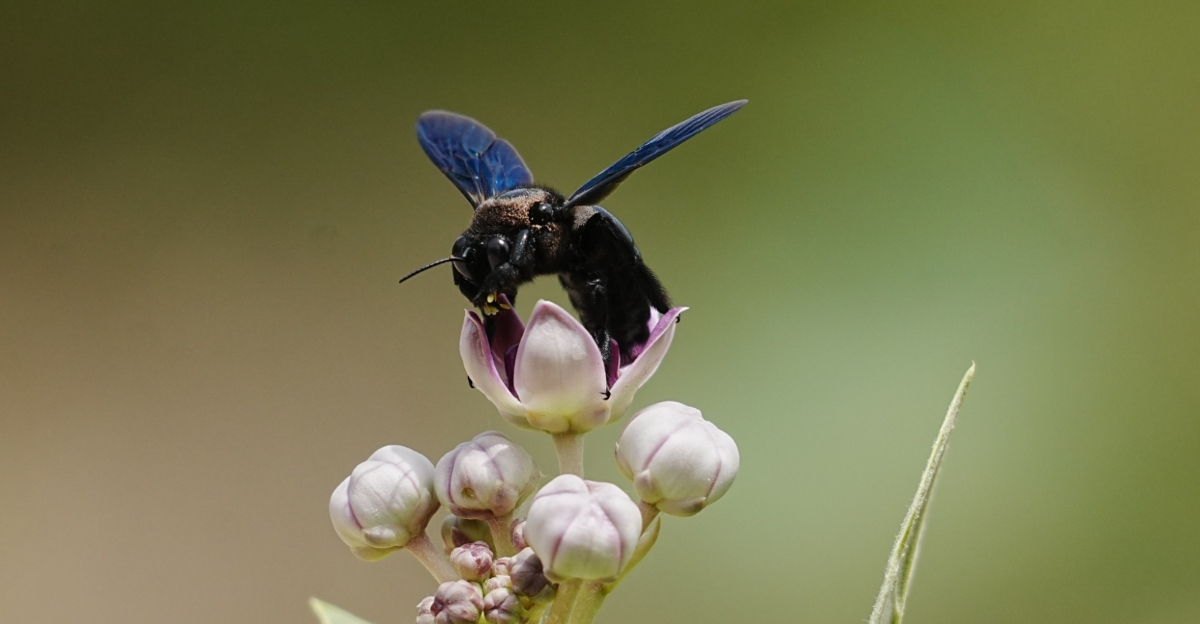
Tiny wings whirred so close to your ear, you nearly dropped your mug. That hovering fuzz-ball was not lost.
It was scoping out your porch beams, sizing up the wood like a contractor with a grudge. Carpenter bees have turned New Hampshire porches into personal real estate for decades.
You shooed it away. It came back. You shooed it again. It brought a friend. Sound like a bad breakup?
These thumb-sized wood borers burrow surprisingly deep into soft, unpainted lumber, leaving behind carved channels that quietly compromise structures over years of persistent work.
Across New Hampshire, homeowners face this same struggle every single season without ever knowing why their porch keeps pulling bees back.
Spoiler: your wood is basically sending out an open invitation. Stick around, because once you understand what makes your porch irresistible to these fuzzy freeloaders, you can finally flip that sign to vacancy.
1. Your Wood Is Bare And Untreated
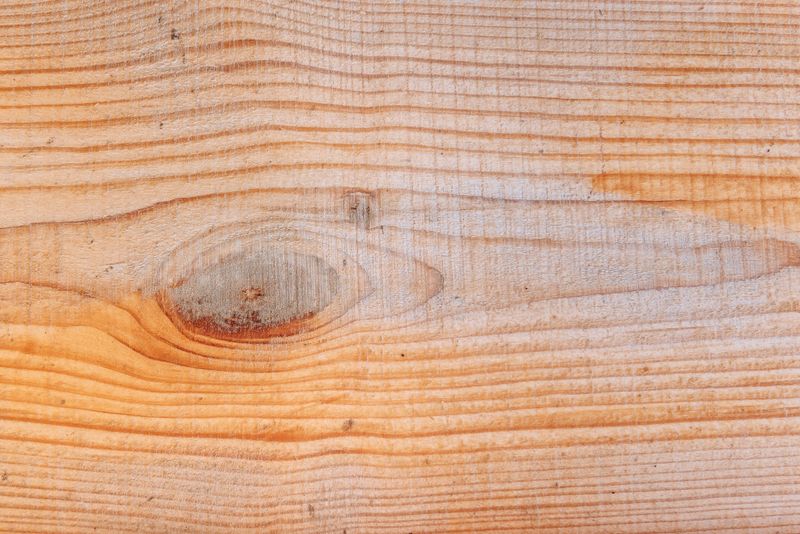
Bare wood is basically a welcome mat for carpenter bees. If your porch boards have no stain, paint, or sealant, you are advertising free real estate to every bee in the neighborhood.
Carpenter bees strongly prefer raw, unfinished wood for drilling their nests. The natural grain and softness make it easy for them to chew through and build their tunnels fast.
Think of untreated wood as an open invitation written in a language only bees can read. They can detect unprotected surfaces from a surprising distance.
Painted or sealed wood sends a clear message that this surface is off-limits. A solid coat of exterior paint or stain is one of the most effective deterrents you can apply.
Some homeowners report better results with oil-based paints, though both types create a physical barrier that makes wood significantly less appealing to nesting bees.
Many homeowners skip sealing the undersides of railings and deck boards, which is exactly where bees love to drill. Check every surface, not just the ones you can easily see.
Even pressure-treated lumber benefits from a topcoat of paint or sealant for added protection. Skipping this step leaves a gap in your defense that bees will absolutely find.
Treating your wood now could save you hundreds in repairs later. A single afternoon with a brush and a can of exterior paint can make your porch a much less tempting target for carpenter bees in New Hampshire.
2. It Is Spring Nesting Season
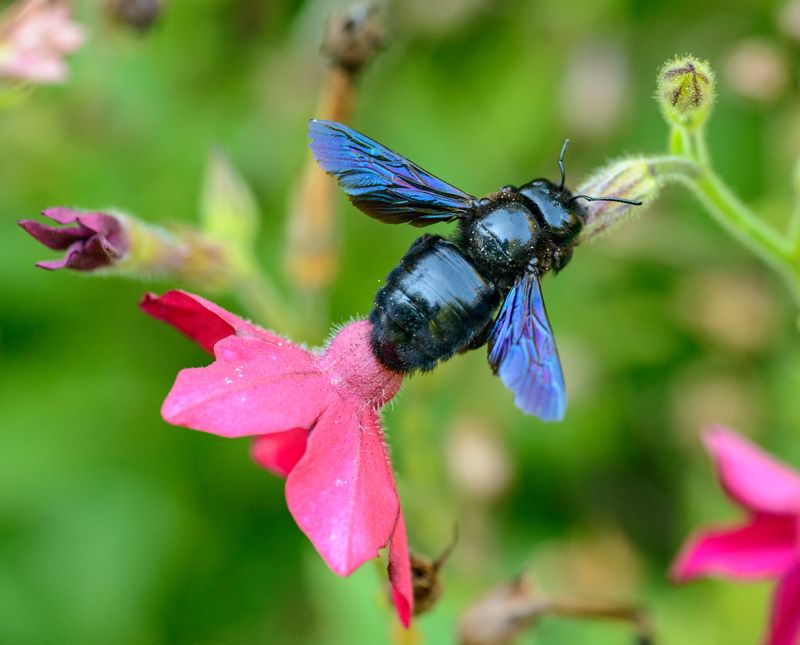
Spring hits New Hampshire and carpenter bees wake up ready to work. From late April through June, these insects shift into full nesting mode and your porch is the first target.
Female carpenter bees spend spring drilling perfectly round holes into wood to lay their eggs. Each tunnel can stretch six inches or more deep inside your boards.
The timing is not random at all. Warmer temperatures and longer days trigger a biological clock that sends bees searching for nesting spots with serious urgency.
Your porch is often the first large wooden structure they encounter near a garden or wooded yard. That makes it a prime candidate every single spring without fail.
Your New Hampshire Garden Changes Every Week. Your Plan Should Too.
Gardening in New Hampshire changes quickly throughout the season. Every Friday you’ll receive a simple weekly plan showing exactly what to plant, prune, fertilize, harvest, and protect so you never miss the right timing.
One female can create multiple tunnels in one season, meaning the damage compounds quickly if you are not paying attention. Each nest chamber holds one egg with a food supply sealed inside.
The bees that emerge in late summer will overwinter in those same tunnels. Come next spring, they fly out and start the whole cycle again with fresh enthusiasm.
Catching the problem early in the season gives you the best chance to redirect nesting behavior before it escalates. Watch for fresh sawdust beneath porch boards as the first warning sign.
Acting fast during peak nesting season is key to protecting your porch from carpenter bees. A little attention in April or May can prevent months of headaches and expensive wood repairs down the road.
3. You Live Near Wooded Areas
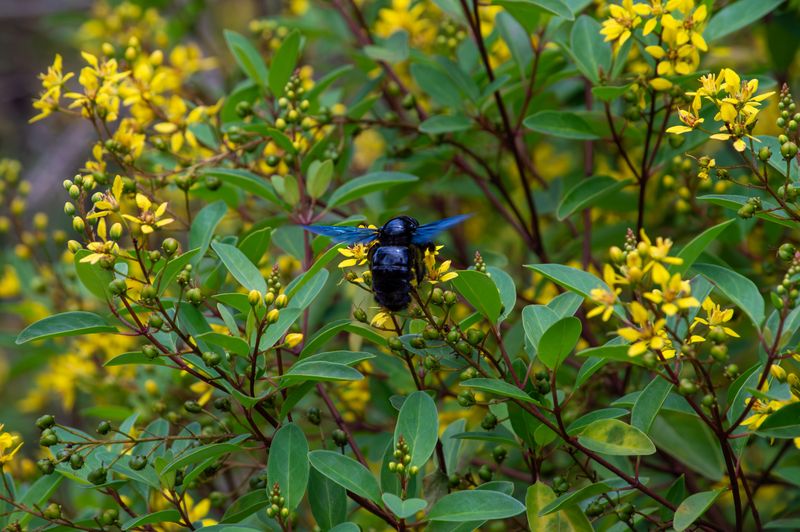
Living near the woods in New Hampshire is a dream for most people. For carpenter bees, your forested backyard is basically a five-star neighborhood they never want to leave.
Wooded areas provide natural nesting sites in decaying trees and fallen logs. When those sources get scarce or competitive, bees expand their search and find your porch instead.
The tree canopy near your home also provides shelter and shade that carpenter bees genuinely prefer. They like protected spots that feel tucked away, and a porch near trees fits that description perfectly.
Flowering plants that grow at the forest edge also play a role. Bees forage near where they nest, so a porch close to blooms and trees checks every box on their wishlist.
Weathered or softening wood in nearby trees can act as a launching point. Bees that nest in the woods often drift toward structures when natural wood becomes too dense or hard to work with.
If you have a woodpile stacked near your porch, that adds another layer of attraction. Stacked firewood mimics the kind of soft, accessible wood bees love to bore into.
Moving your woodpile away from the porch and clearing dry branches near the house can help reduce the appeal. Creating distance between natural wood sources and your structure is a smart strategy.
Living near wooded areas makes your porch a natural target for carpenter bees year after year. Knowing this helps you stay one step ahead of the seasonal pattern.
4. They Nested There Before And Always Return
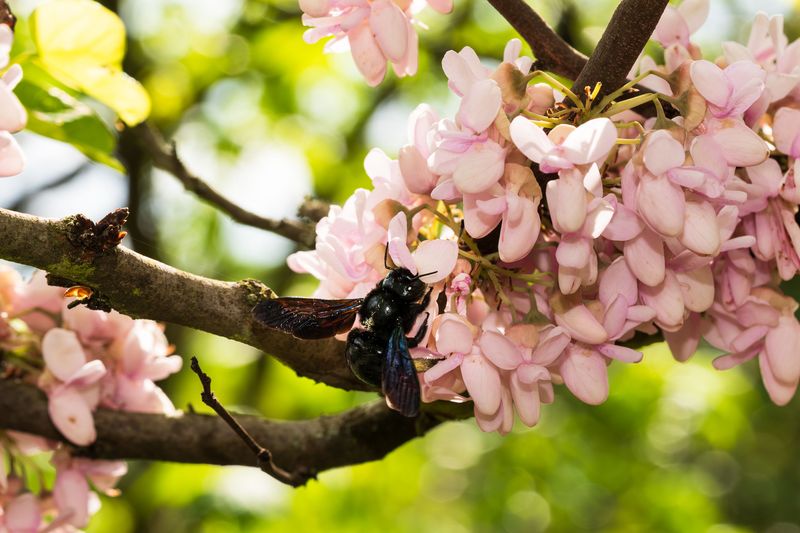
Carpenter bees have a remarkable homing instinct that brings them back to the same spots season after season. If your porch hosted them last year, odds are strong they will return this spring.
Old tunnels are prime real estate in the carpenter bee world. Returning bees will expand existing galleries rather than starting fresh, which means damage grows deeper every year.
The offspring born in those tunnels often return to nest in the exact same wood. This behavior is called philopatry, and it makes previously infested porches especially vulnerable to repeat visits.
You might patch a hole and think the problem is solved. But if bees can detect the old tunnel beneath the surface, they will often chew right through your repair.
Filling old holes properly requires more than a dab of wood filler. You need to treat the tunnel with an appropriate product, seal it completely, then paint over the surface to mask the scent.
Timing matters too. Seal old tunnels in late summer or fall after bees have vacated for the season. Sealing too early can trap bees inside, which creates a different kind of problem.
Using a scent deterrent near old nesting sites can also discourage returning bees. Citrus-based sprays and certain essential oils are popular options that many homeowners swear by.
Breaking the return cycle takes consistency and patience, but it absolutely works. Sealing, painting, and treating old nest sites is the most powerful move you can make to protect your porch from carpenter bees.
5. Your Porch Has Soft, Exposed Wood
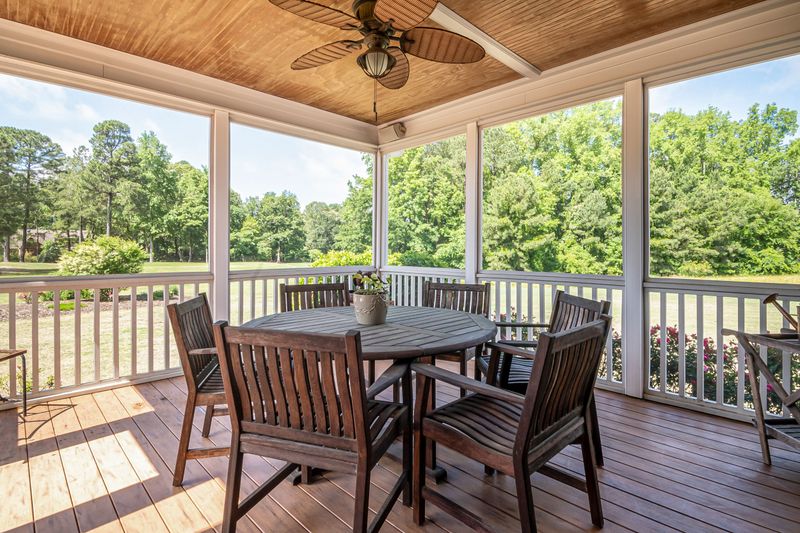
Not all wood is equally tempting to a carpenter bee. Soft woods like pine, cedar, redwood, and fir are their absolute favorites for drilling into and building nests.
Many New England porches are built with these materials because they are affordable, widely available, and look great. Unfortunately, that also makes them a top pick for every carpenter bee in the area.
Exposed end grain is especially attractive to nesting females. The cut ends of boards and beams are softer and easier to penetrate than the face of the board.
Check the underside of your porch railing and the ends of deck joists. These spots are often overlooked during maintenance but are frequently the first places bees choose to drill.
Hardwoods like oak or maple are far less appealing because they require significantly more effort to bore through. Bees are efficient creatures and will always choose the path of least resistance.
If your porch was built with softwood and left unfinished, you have created ideal conditions for nesting bees. Adding a finish is the single fastest way to change that dynamic.
For areas where painting is not practical, hardware cloth or metal flashing can be used to cover exposed end grain. Physical barriers work well when combined with surface treatments for a layered defense.
Soft, exposed wood is one of the biggest reasons carpenter bees keep targeting your porch. Addressing the wood type and condition puts you firmly in control of the situation.
6. Males Are Patrolling For Mates
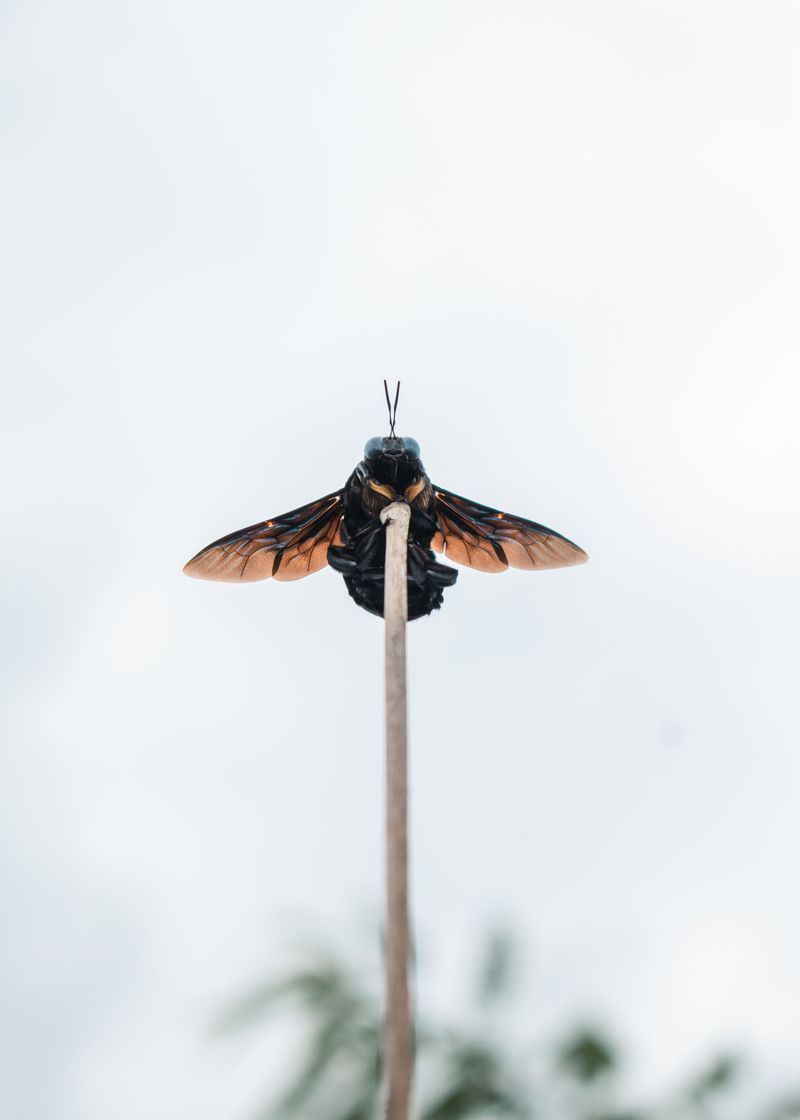
That big bee dive-bombing your head every time you step outside is almost certainly a male. Male carpenter bees are territorial and spend spring patrolling the same area relentlessly looking for females.
Here is the twist: males have no stinger at all. Their intimidating hovering behavior is pure bluster, designed to scare off competitors and impress potential mates.
They will fly directly at your face, hover inches away, and generally make you feel unwelcome on your own porch. It is startling, but there is no chance of being stung by one.
Males tend to claim a specific territory and return to it daily. Your porch, especially near nesting sites, becomes their personal patrol zone for weeks at a time.
The presence of males is a strong signal that females are actively nesting nearby. Seeing a hovering male should prompt you to look for fresh round holes in nearby wood surfaces.
Males are drawn to areas with flower activity and existing nests. A porch near blooming plants and soft wood offers everything a male carpenter bee considers worth defending.
You can disrupt their patrol by removing visual landmarks they use to orient themselves. Changing the look of the space with hanging objects or reflective tape can confuse and deter them.
Understanding male behavior takes a lot of the fear out of the encounter. Knowing they cannot sting you lets you focus on finding and addressing the real problem: the females drilling into your porch.
7. Woodpeckers Are Making Bee Tunnels Worse
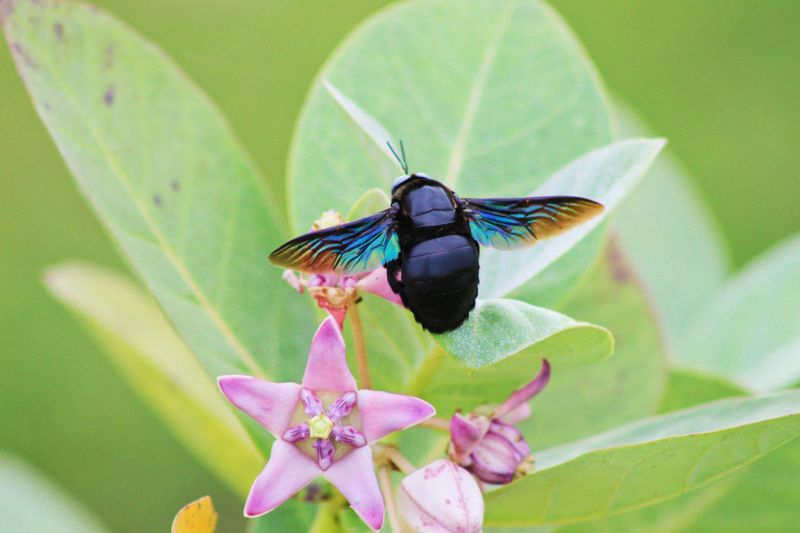
Carpenter bees bring an unexpected houseguest: the woodpecker. Once a bee sets up shop in your porch, woodpeckers often follow to dig out the larvae hiding inside the tunnels.
What starts as a neat, quarter-inch bee hole can become a wide, ragged opening in your wood after a woodpecker gets involved. The damage can progress from cosmetic to structural more quickly than expected.
Woodpeckers have excellent hearing and can detect larval movement inside wood. They will hammer away at your porch boards with no concern for your renovation budget or your Saturday morning sleep.
The enlarged tunnels left behind by woodpeckers become even more attractive to returning carpenter bees. Wider, deeper galleries require less work for the next generation of nesters.
This creates a frustrating loop: bees drill, woodpeckers expand, bees return, woodpeckers return. Each season the damage grows worse unless you break the cycle at the source.
Protecting your porch from woodpeckers requires physical deterrents like reflective tape, hanging foil strips, or bird netting over vulnerable areas. These methods are inexpensive and surprisingly effective when applied consistently.
Filling and sealing bee tunnels before woodpeckers discover them is the most efficient strategy. Eliminating the food source removes the woodpecker attraction entirely.
The woodpecker-and-bee combo is one of the most destructive things that can happen to a wooden porch. Stopping carpenter bees early is the best way to keep woodpeckers from turning your boards into their personal buffet.
8. Nearby Flowers Attract Them Too
Carpenter bees are pollinators first and nesters second. If your porch is surrounded by blooming flowers, you are also providing a steady food source that keeps them coming back all season long.
They are especially drawn to tubular flowers like lavender, salvia, and bee balm. These plants produce the kind of nectar that carpenter bees can access with their uniquely shaped mouthparts.
A flower garden right next to your porch is basically a two-for-one deal for a carpenter bee. It offers both food and a nearby nesting site in one convenient location.
Bees that forage near your porch are also scouting it for nesting potential. The closer your flowers are to bare or soft wood, the more likely a foraging bee becomes a nesting bee.
Relocating flower beds a bit farther from the structure can reduce the overlap between foraging and nesting zones. Even moving planters ten to fifteen feet away can make a noticeable difference.
Choosing plants that are less attractive to carpenter bees is another option worth exploring.
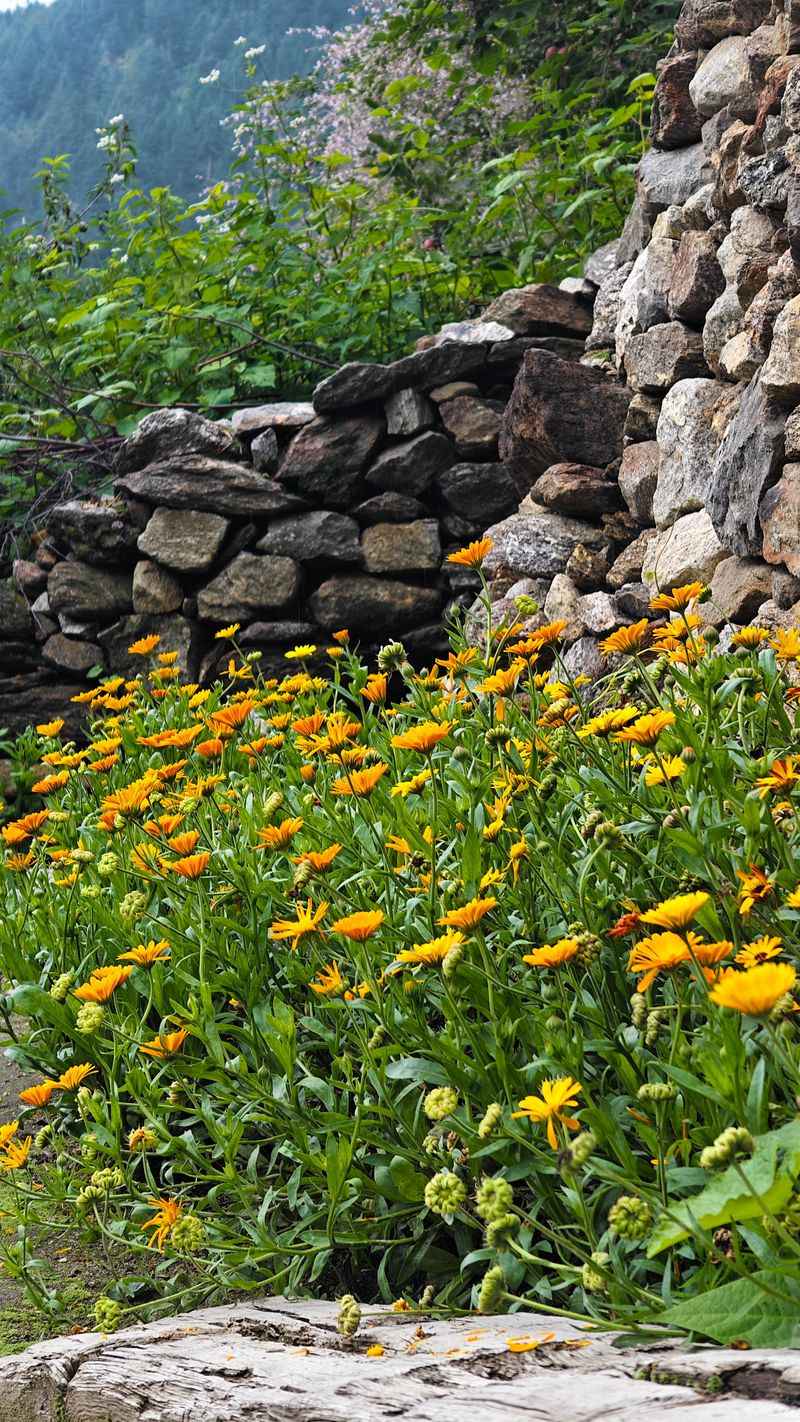
Marigolds, chrysanthemums, and certain herbs are generally considered less attractive to large bees than open, tubular blooms, though results can vary depending on your yard.
You do not have to sacrifice your garden to protect your porch. Strategic placement and smart plant choices let you enjoy both a beautiful yard and a bee-free porch all summer.
Nearby flowers are a hidden but powerful reason your porch keeps attracting carpenter bees.
Adjusting your landscaping is one of the most underrated moves for keeping your New Hampshire porch protected all season long.