7 Mulching Mistakes Virginia Gardeners Make That Quietly Invite Ticks Into The Yard
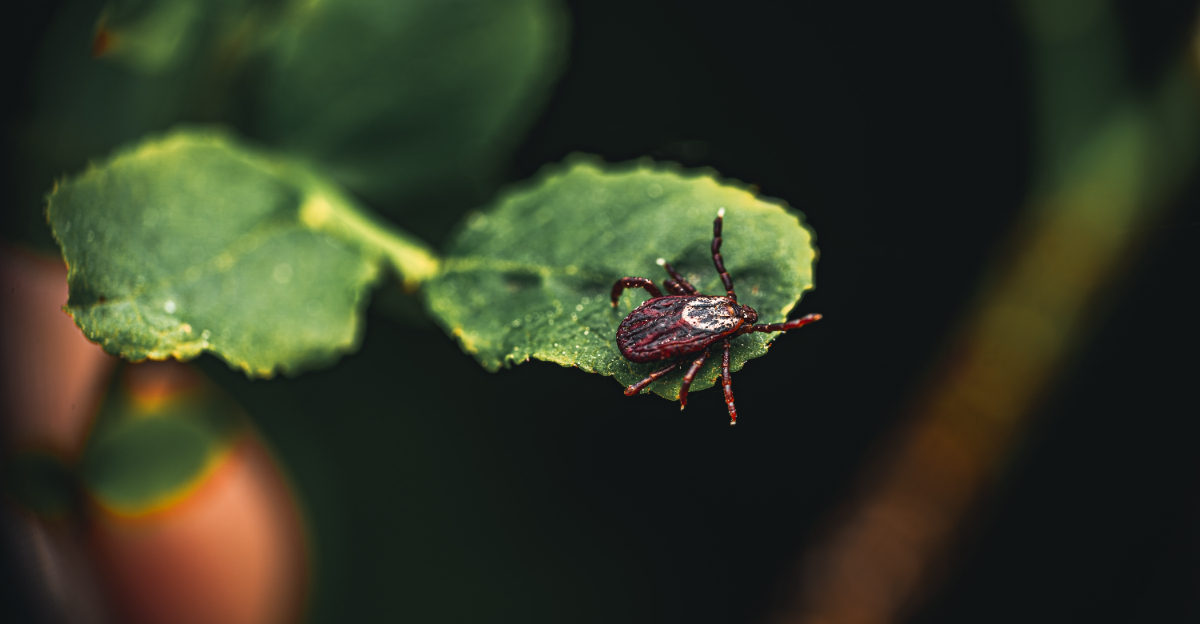
The yard looks great after a fresh round of mulching. What you cannot see is what just moved in underneath it. Ticks do not need much to set up camp.
A little shade, some trapped moisture, and a dark layer of organic material is all it takes. The problem is that several common mulching habits hand them exactly that, without most Virginia gardeners ever realizing it.
The mistakes are easy to make because they look like good gardening. What seems like a well-kept yard on the surface can quietly work against you in ways that are hard to spot until tick season is already underway.
A few small adjustments to how and where you mulch can shift the whole picture.
1. Piling Mulch Too Deep Gives Ticks The Moisture They Need

Thick mulch feels like a gardening win. But pile it too deep and you have basically built a five-star tick resort.
Ticks need moisture to survive. A mulch layer deeper than two to three inches holds water like a sponge, creating the damp, dark environment these pests absolutely love.
Most experts recommend keeping mulch between two and three inches thick. Going beyond that traps humidity close to the soil and keeps temperatures cool even on warm days.
Ticks cannot handle dry, sunny conditions. When your mulch stays wet underneath, they have no reason to leave your yard.
Virginia summers make this worse. The heat and humidity the state gets from June through August keep organic mulch damp far longer than in drier climates, giving ticks a more consistent environment to work with.
Homeowners often add fresh mulch on top of old layers without removing what is already there. Over time, those layers stack up, sometimes reaching five or six inches in some spots.
That buildup creates a perfect microclimate for ticks to rest, breed, and wait for a passing host. Your dog, your child, or you become the easy target.
The fix is straightforward. Before adding new mulch, rake out the old material and check the depth. Use a ruler if needed, because eyeballing it rarely works.
Pull mulch away from plant stems and keep it thin near walkways. A light, even layer does the job without creating hidden tick habitat.
These mulching mistakes add up fast when nobody is checking depth. A quick annual audit of your beds could make a real difference in how many ticks you encounter this summer.
2. Leaf Mulch Keeps Tick Habitat Going All Winter
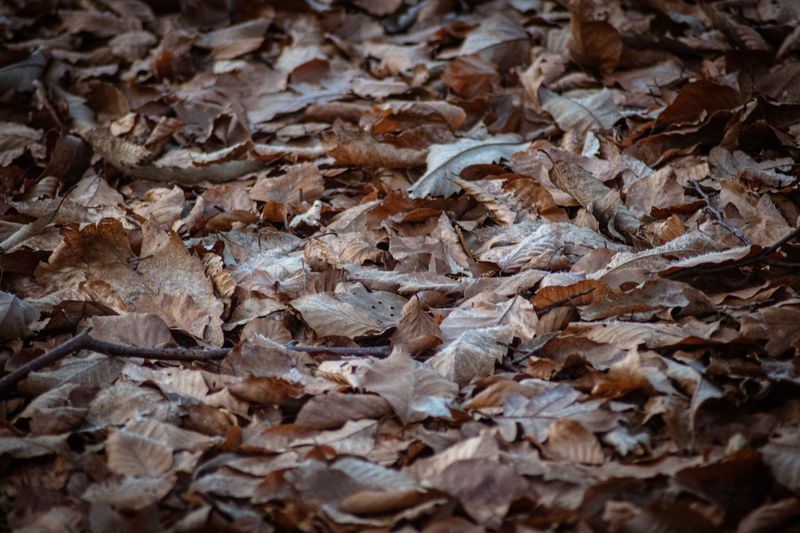
Fallen leaves look harmless in October. By February, that cozy leaf pile has become a warm, sheltered tick hideout that survived the whole winter.
Leaf mulch breaks down slowly and holds moisture for months. Ticks burrow into leaf litter to escape the cold, and they emerge hungry and active the moment spring temperatures rise.
Many gardeners leave leaves on beds intentionally, believing it helps insulate plants. That is partly true, but the tradeoff is a serious one when ticks are active in your area.
Your Virginia Garden Changes Every Week. Your Plan Should Too.
Gardening in Virginia changes quickly throughout the season. Every Friday you’ll receive a simple weekly plan showing exactly what to plant, prune, fertilize, harvest, and protect so you never miss the right timing.
Black-legged ticks, commonly called deer ticks, are known to stay active even in near-freezing temperatures. A thick leaf layer shelters ticks from drying out, keeping them viable and ready to emerge when temperatures climb back above freezing.
If you want to protect your plants through winter, consider alternatives. Pine straw or cedar mulch provides insulation without creating the same dense, moist habitat that leaf litter does.
You can also shred leaves with a mower before using them. Shredded material breaks down faster and does not pack as tightly, which reduces moisture retention significantly.
Clearing leaf mulch from beds in early spring is one of the smartest moves you can make. Do it before tick season peaks in late April and May.
Bag the old material and remove it from your property entirely. Leaving it in a pile nearby just moves the problem a few feet, not away.
Seasonal mulching mistakes like this one are easy to overlook but hard to ignore once ticks start showing up on your family. Act early and act consistently.
3. Organic Mulch Along The Wood Line Gives Ticks A Direct Path In
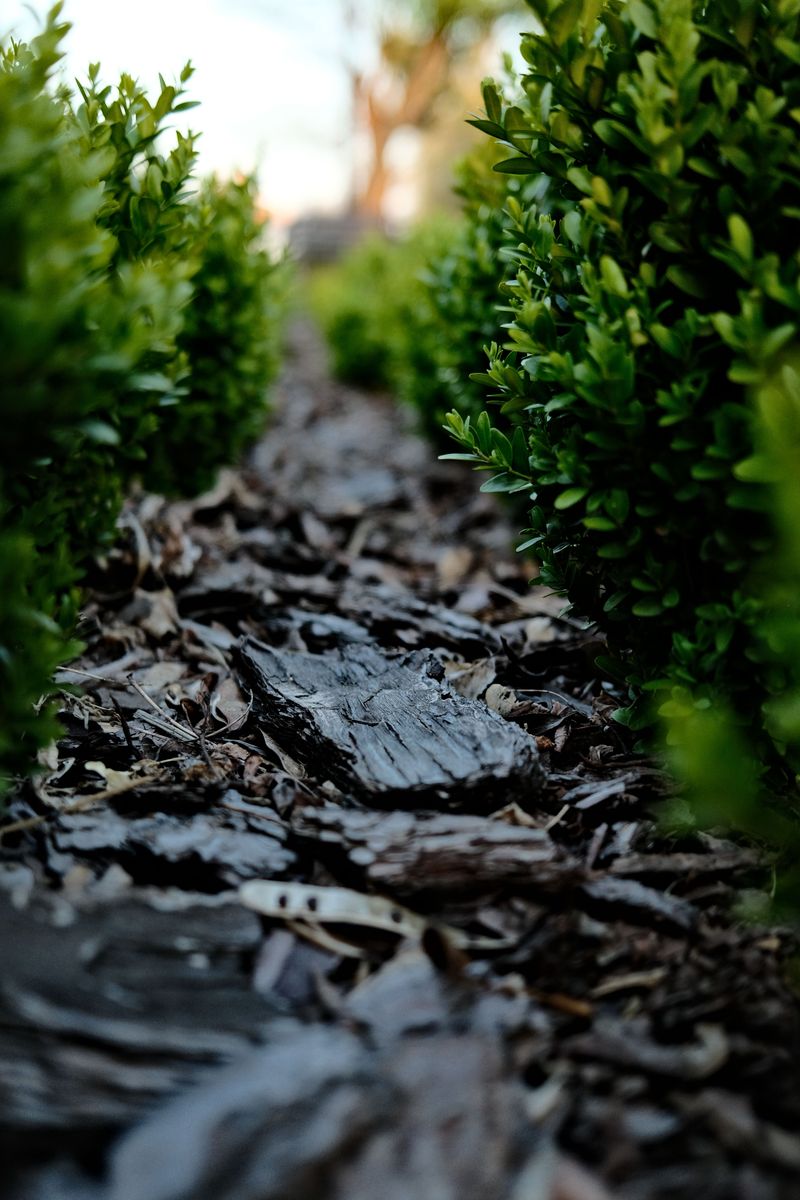
That charming mulched path right up to the tree line looks beautiful. To a tick, it looks like a welcome mat leading straight into your yard.
Ticks live in wooded areas and tall grass. When organic mulch connects those zones directly to your lawn, you have created a tick highway with no toll booth.
Deer ticks especially travel along the edges between woods and open space. Moist organic mulch along that border gives them a perfect surface to crawl across without drying out.
Experts recommend creating a clear barrier between wooded areas and maintained lawn. A gravel or wood chip buffer that stays dry works far better than dense organic material.
Cedar mulch is sometimes chosen for its reported tick-deterrent properties, but those benefits fade quickly in damp, shaded spots along the wood line.
Try pulling mulched beds at least three feet away from the tree line. That gap of dry, open ground is much harder for ticks to cross safely.
You can also use hardscape elements like stone borders to break up the connection. Rocks dry quickly in sunlight and do not offer the moist cover ticks prefer.
Trimming back overhanging branches along the border helps too. More sunlight reaching that transition zone dries out the ground and makes it far less hospitable.
Among the most overlooked mulching mistakes, this one is particularly sneaky because the garden looks intentional and tidy. The danger is invisible until someone comes inside with a tick attached.
4. Skipping The 3-Foot Barrier Leaves Your Yard’s Edge Wide Open
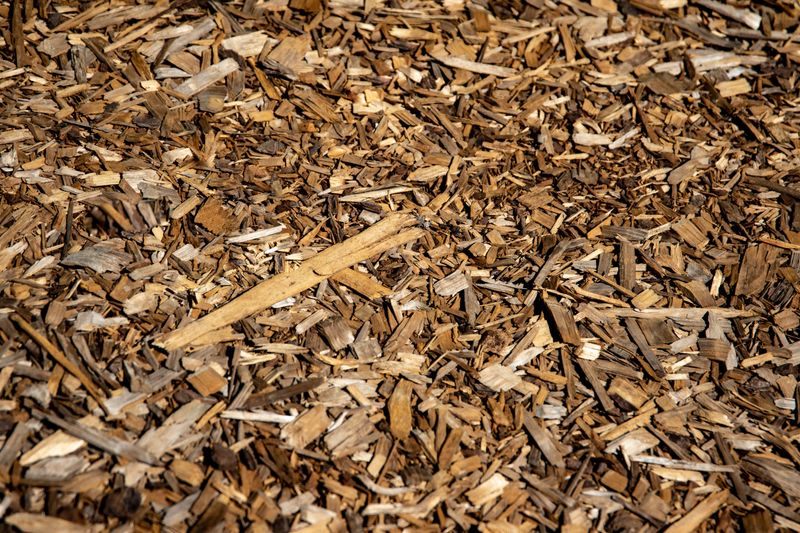
Skipping the three-foot barrier is one of the most common mulching mistakes homeowners never even know they are making. The yard looks fine, but the edges are completely unprotected.
The CDC and many tick prevention organizations recommend creating a three-foot wide barrier of wood chips or gravel between lawns and wooded areas. That buffer slows tick migration significantly.
Ticks do not jump or fly. They crawl, and they need moisture to survive the trip from woods to yard. A dry gravel or wood chip strip removes that moisture and breaks their path.
Many gardeners skip this step because it seems unnecessary. Their lawn looks neat, and they do not see ticks, so the problem feels invisible until it is not.
Installing the barrier does not take long. Rake out a three-foot strip along your wood line, lay landscape fabric, and top it with wood chips or coarse gravel.
Keep that strip free of leaves and debris. Organic material collecting in your barrier defeats its purpose by reintroducing the moisture ticks need to survive the crossing.
Check the barrier each spring before tick season starts. Refill any thin spots and remove any leaf buildup that settled over winter.
Sunlight is your best partner here. Position the barrier where it gets as much direct sun as possible to keep it consistently dry throughout the season.
Families with dogs or kids who play near the yard edge benefit most from this simple fix. A dry, maintained border is one of the most effective and underused tools against tick exposure.
5. Wood Chip Mulch Under Play Structures Puts Kids At Risk
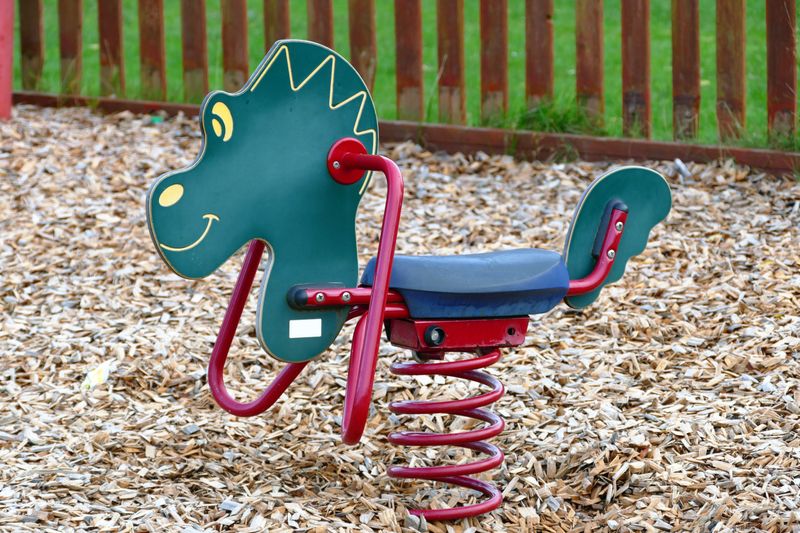
Parents choose wood chip mulch under play sets for safety, hoping to cushion falls. That instinct is good, but the placement can quietly create a tick-friendly zone right where children spend the most time.
Wood chips hold moisture well, especially in shaded areas under slides and climbing structures. Ticks love exactly those conditions: cool, damp, and sheltered from direct sunlight.
Children are closer to the ground than adults, and they touch surfaces constantly. A tick crawling through damp wood chips under a swing set has easy access to small legs and arms.
The risk increases when play equipment sits near a fence line, shrubs, or trees. Those elements create shade and humidity that keep the mulch beneath the structure consistently moist.
Rubber mulch is a safer alternative for high-traffic play areas. It does not retain moisture the same way organic material does, and it offers similar cushioning for falls.
Pea gravel is another option that dries quickly and does not create the dense, layered habitat ticks prefer. It is less comfortable to land on, but much less inviting to pests.
If you keep wood chips, replace them at least once a year. Old, compacted chips break down and create even denser, wetter conditions over time.
Rake the area weekly during peak tick season, which runs from April through September in Virginia. Disturbing the surface regularly reduces tick activity.
These mulching mistakes under play areas are easy to fix with one swap. Making that change could dramatically lower your child’s tick exposure this summer.
6. Mulch Against The Foundation Creates One More Hiding Spot
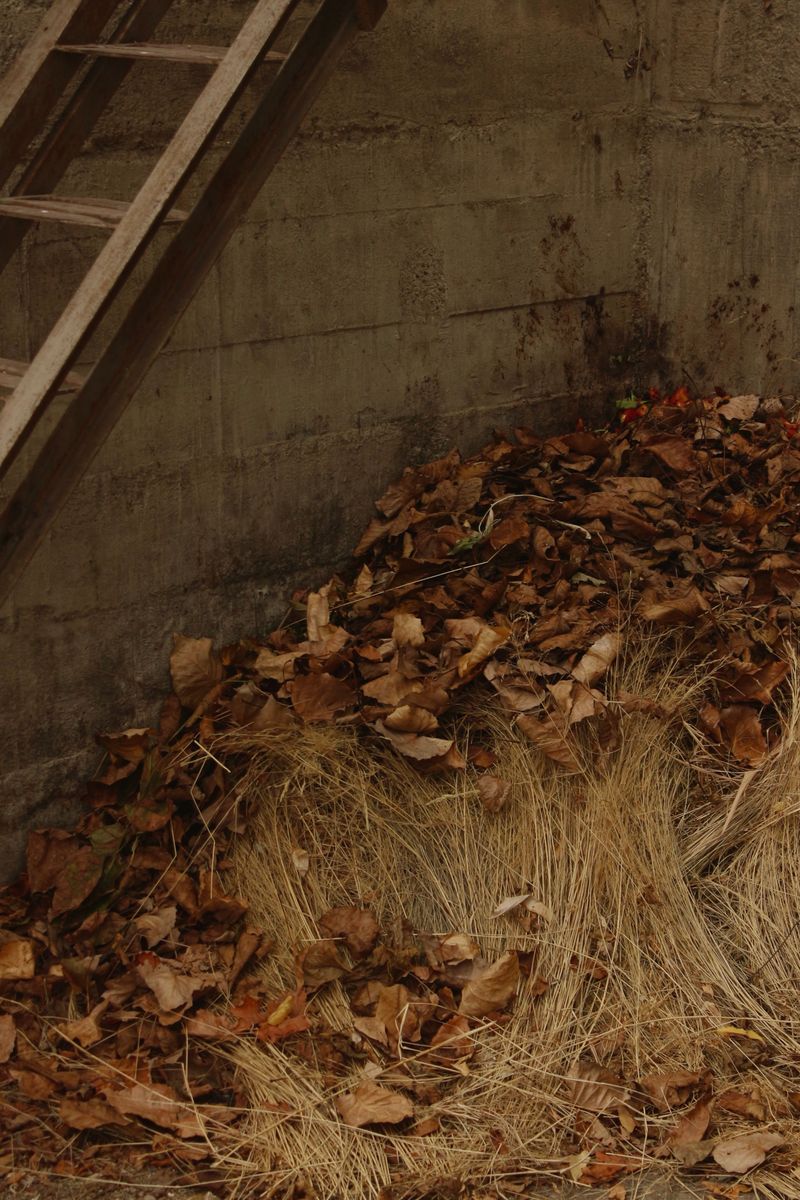
Pulling mulch right up to the house foundation is one of those mulching mistakes that looks perfectly tidy from the street. Inside that neat border, ticks and other pests are setting up camp.
Foundation mulch holds moisture against your home’s base. That damp, shaded zone stays cool and humid even on hot days, offering ticks a protected spot to rest and wait.
Ticks near the foundation have easy access to entry points around doors, utility lines, and gaps in siding. Pets and people passing close to the house can pick them up without realizing it.
Keep mulch pulled back from the foundation wall so the soil can dry out and ticks have one less place to shelter.
Using a coarser, drier material near the foundation helps too. River rock or decorative stone stays dry faster than wood chips and does not decompose into the dense organic layer ticks prefer.
Check along your foundation each spring for compacted or soggy mulch. Push it back, let the area breathe, and replace wet material with fresh, dry product.
Gutters and downspouts that drain near foundation beds make this worse. Redirect water away from those areas to prevent chronic moisture buildup in your mulch layer.
Trimming shrubs near the foundation removes additional shade and allows sunlight to dry the ground. Every bit of extra sun reduces the humidity ticks need to thrive.
Keeping that small gap between mulch and your home is a simple habit. It protects your foundation and makes your yard a much less welcoming place for ticks.
7. Never Refreshing Old Mulch Lets Moisture And Debris Build Up
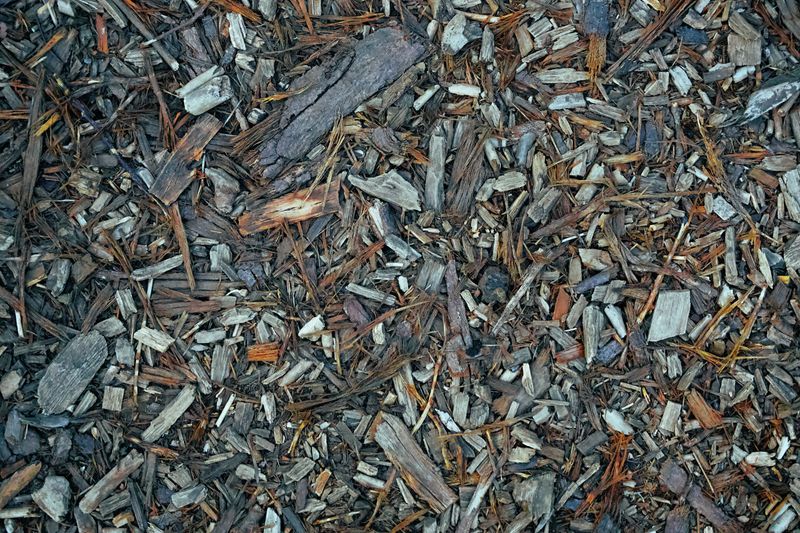
Old mulch that never gets refreshed looks tired and feels spongy underfoot. That soggy, compacted layer is a textbook example of mulching mistakes that slowly build tick habitat over time.
As organic mulch breaks down, it becomes denser and retains more water. Leaves, twigs, and debris collect on top, adding even more organic material to an already saturated layer.
Ticks thrive in that layered, moist environment. The deeper and older the mulch, the more it mimics the forest floor conditions where ticks naturally breed and shelter.
Most landscaping professionals recommend refreshing mulch once a year. That means removing old material, checking soil drainage, and adding a fresh, thin layer of new product.
Skipping this step for two or three seasons creates a compacted mat that holds moisture long after rain stops. That mat stays damp even during dry spells, giving ticks a year-round water source.
Debris that collects in old mulch also attracts the small mammals that carry ticks. Mice and chipmunks love to nest in undisturbed, deep organic layers close to the ground.
Removing old mulch also gives you a chance to inspect for pest activity. Fresh eyes on a neglected bed often reveal problems that were hidden for months.
Spring is the best time to do a full mulch refresh. Clear old material before peak tick season begins and replace it with a clean, properly measured layer.
Staying on top of mulching mistakes like this one takes just a few hours a year. That small investment in maintenance keeps your outdoor space safer and far less attractive to ticks all season long.