What California Gardeners Need To Clear From Eaves And Gutters Before Fire Season
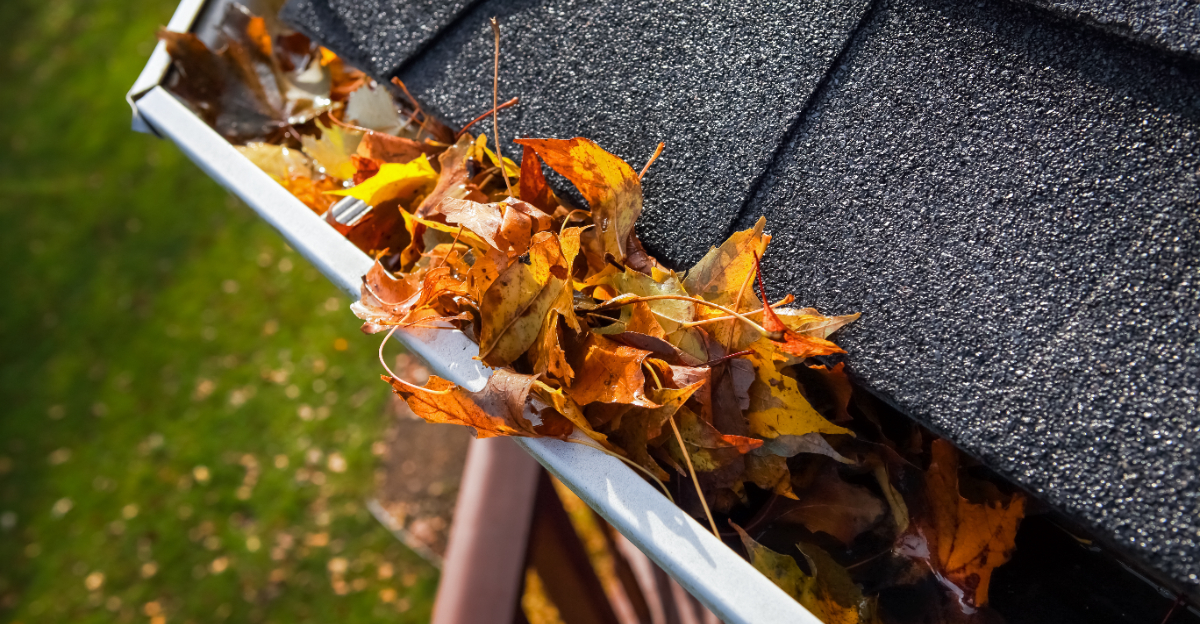
Fire season prep often starts on the ground, but the roofline deserves just as much attention. For California gardeners, dry leaves and tiny plant bits can collect in eaves before they notice.
Gutters can hide even more trouble after wind, pruning, or nearby trees drop debris. That buildup may seem harmless until hot, dry weather arrives.
A single ember can land in the wrong spot and find fuel waiting. Clearing these areas is not the most exciting garden task, but it can be one of the most important.
It also helps you spot problem branches and clogged downspouts before they cause more trouble. Before fire season ramps up, take a closer look above your garden beds.
The safest yard starts with the places you do not always see.
1. Dry Leaves Can Turn Gutters Into Kindling
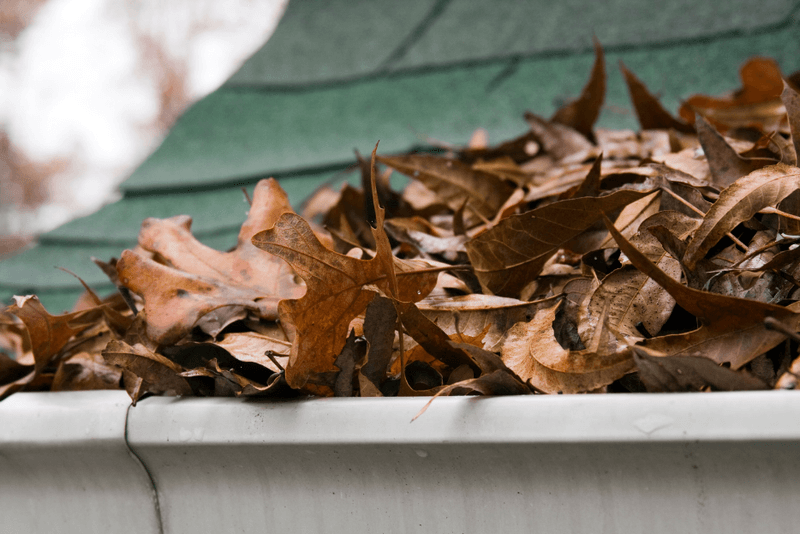
Most people do not think twice about the leaves sitting in their gutters until something goes wrong. In fire-prone areas, those leaves are not just a drainage problem.
They are a serious fire hazard waiting for the right conditions. Dry leaves are extremely light and airy. That means they catch a spark easily and burn fast.
A single ember drifting from a nearby fire or a neighbor’s chimney can land in a gutter full of dry leaves and ignite within seconds.
Oak, sycamore, liquid amber, and other common yard trees drop leaves all year long. By late spring, gutters can hold several inches of compacted, bone-dry leaf material.
That buildup acts almost like a fire starter strip running along the edge of your roof.
Clearing leaves from gutters should happen at least twice a year in California. Once after the main leaf drop in fall, and again in late spring before fire season begins.
Use a gutter scoop, gloves, and a stable ladder to remove debris safely.
After scooping out the bulk of the leaves, flush the gutter with a garden hose to clear smaller pieces. Check that downspouts are also clear so water flows freely.
A gutter guard or screen can help slow future buildup between cleanings.
2. Pine Needles Collect Along Roof Edges Fast
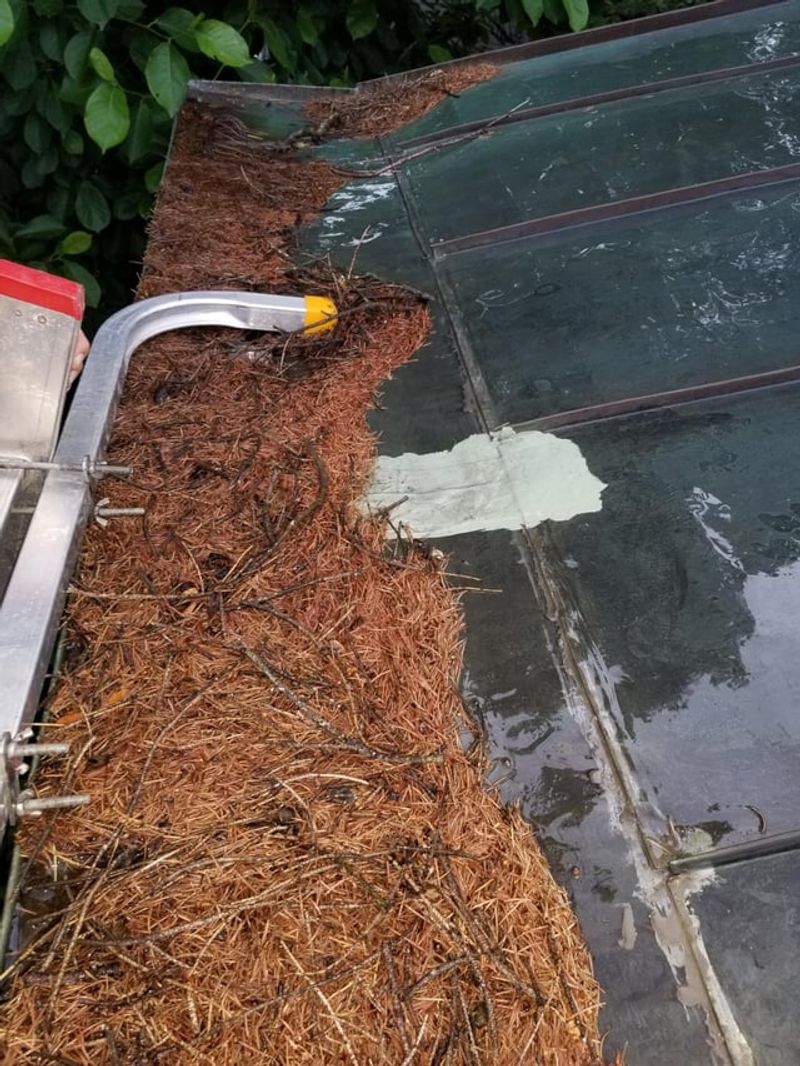
Few things accumulate faster in gutters than pine needles. If you have a pine tree anywhere near your roofline, you already know how quickly they pile up.
What you might not know is how dangerous that pile actually is.
Pine needles are long, thin, and packed with resin. That resin makes them burn at a much higher temperature than regular leaves.
Even a small cluster of dry pine needles in a gutter can become a serious ignition point during fire season.
They also pack tightly together, which makes them harder to flush out with just a hose. Over time, they form a dense mat that traps moisture underneath while the top layer dries out completely. That dry top layer is what ignites first.
Removing pine needles from gutters requires a little more effort than scooping out regular leaves.
A gutter brush or a narrow garden trowel works well for breaking up the packed material. Always work from a secure ladder and wear gloves since pine needles can be sharp.
Your California Garden Changes Every Week. Your Plan Should Too.
Gardening in California changes quickly throughout the season. Every Friday you’ll receive a simple weekly plan showing exactly what to plant, prune, fertilize, harvest, and protect so you never miss the right timing.
After clearing the gutters, check the roof surface itself. Pine needles tend to slide down and collect along the lower edges of the roof near the eaves.
Sweep those off with a soft roof rake or a long-handled broom. Do not let them sit and dry out in place.
3. Withered Flowers And Seedheads Can Blow Into Eaves
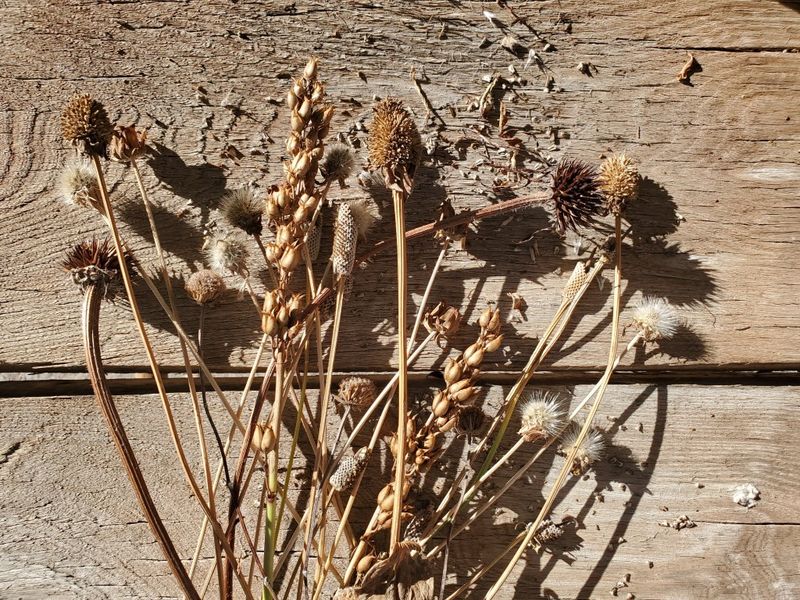
California gardeners put a lot of love into their flowering plants, but once those blooms fade and dry out, they become a different kind of problem. Withered flowers and seedheads are incredibly light.
Wind carries them easily, and they often end up lodged in eaves or tucked into gutters without anyone noticing.
Plants like poppies, lavender, yarrow, and ornamental grasses produce seedheads that dry into papery, flammable structures.
When they collect in sheltered spots along the roofline, they create small but effective fire starters.
Even a tiny cluster can catch and hold an ember long enough to start something bigger.
The fix starts in the garden itself. Deadheading your plants before they go fully dry keeps seedheads from becoming airborne in the first place.
Cut back spent blooms in early to mid-spring so the material stays on the ground where it is easier to collect and compost.
For what has already made its way into gutters or eaves, a careful visual inspection after a windy day is your best tool.
Use a flashlight to check shadowed areas under eaves where debris tends to collect without being obvious from ground level.
A leaf blower set to low can help dislodge loose seedheads from eaves. Follow up with a hand removal to make sure nothing is left wedged in corners or along the fascia board where it could smolder undetected.
4. Twigs And Small Branches Trap More Dry Debris
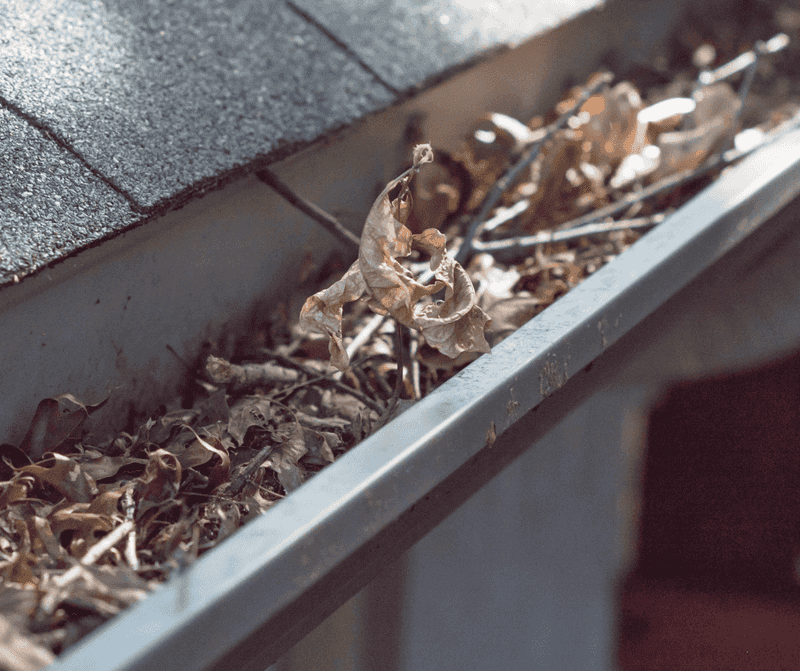
After a windy day, your yard might be covered in small twigs and broken branches. Some of that material ends up on the lawn, but a surprising amount finds its way into gutters and along eaves.
Once twigs settle in, they act like a net that catches everything else that blows by. That is the real problem with twigs in gutters. They do not just burn on their own.
They create a framework that holds leaves, pine needles, seedheads, and dust in place.
Over time, that framework builds into a thick, dry layer of mixed debris that is far harder to remove and far easier to ignite.
Twigs also block water flow in gutters. When water cannot drain properly, it backs up under shingles and causes moisture damage.
So clearing twigs is not just a fire safety step. It is also good maintenance for the long-term health of your roof.
Check gutters after every significant wind event during spring. Use a gutter scoop or your gloved hands to pull out twigs and the debris tangled around them.
Larger pieces can be composted or chipped. Smaller dry material should go straight into a yard waste bag.
Pay extra attention to corners and downspout openings where twigs tend to wedge in and create blockages.
A plumber’s snake or a hose with a pressure nozzle can help clear a stubborn clog in a downspout without damaging the pipe.
5. Overhanging Branches Drop Fuel Onto The Roof

A shady tree hanging over your roofline might look beautiful, but it is one of the most consistent sources of fire fuel on a property. Branches that extend over the roof drop material constantly.
Leaves, bark, small twigs, and even sap end up on the shingles and in the gutters all year long.
Fire safety experts in California recommend keeping tree branches at least ten feet away from any structure. That includes the roofline, eaves, and chimney.
Branches that hang directly overhead are especially risky because they can drop burning material onto the roof during a nearby fire event.
Pruning overhanging branches is a job that many homeowners put off because it seems complicated. For smaller branches, a pole pruner or a pruning saw on an extension pole works well.
Larger limbs should be handled by a licensed arborist who has the right equipment and training for safe removal.
The best time to prune in most of California is late winter or very early spring. That timing avoids nesting season for birds and allows trees to recover before the heat of summer.
Always check local regulations before pruning, since some tree species are protected under city or county ordinances.
After pruning, clear all the cut material from the roof and gutters right away. Fresh-cut branches still contain moisture, but they dry out fast in warm weather and become just as combustible as anything else on the roof.
6. Vines Should Not Climb Into Eaves Or Gutters
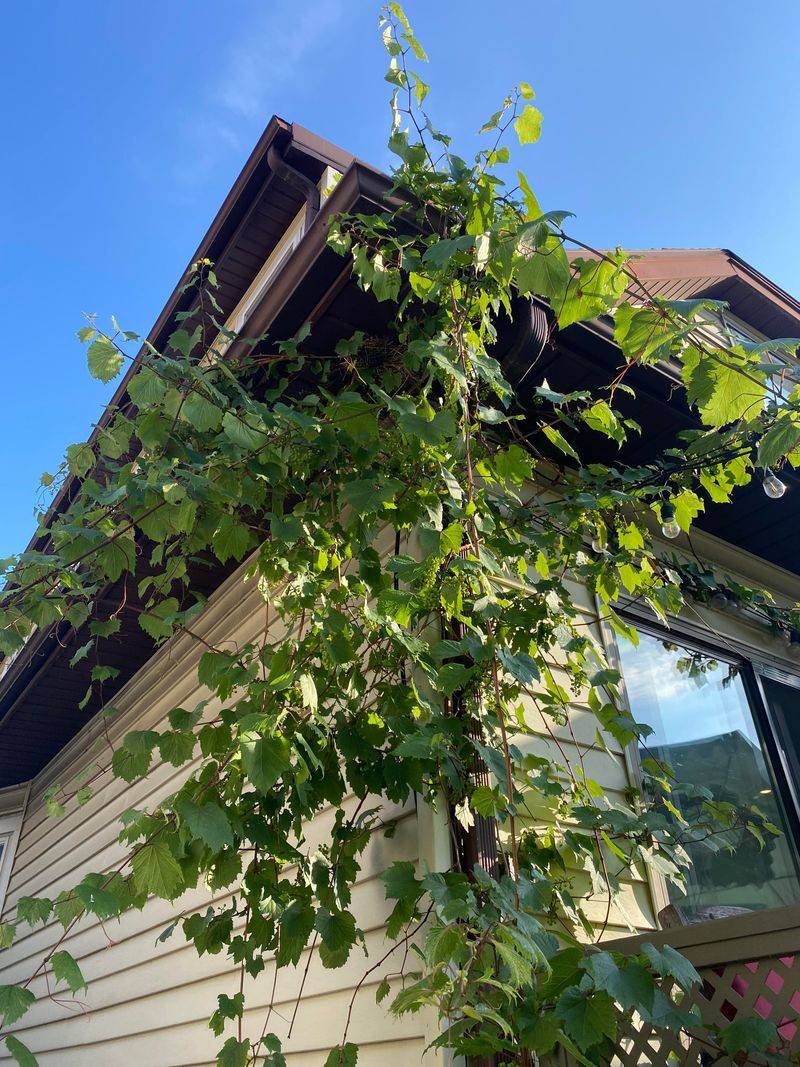
Vines have a way of making a house look charming and well-established. But when they start climbing into gutters and under eaves, that charm turns into a real fire risk.
Vines that reach the roofline are one of the most overlooked hazards in fire-prone yards.
Common culprits include bougainvillea, ivy, trumpet vine, and wisteria. These plants grow fast and push their stems into any gap they can find.
Once a vine works its way into a gutter or behind a fascia board, it holds moisture and debris in place while also creating a direct plant ladder from the ground to your roof.
During fire season, a vine climbing up an exterior wall and into the eaves gives fire a pathway straight to the structure. Dry vine stems burn quickly and carry flame upward with very little resistance.
That is a scenario worth preventing well before fire weather arrives.
Start by cutting vines back from the roofline by at least three feet. Use sharp loppers or pruning shears and work your way down the wall, removing any stems attached to the siding or eaves.
Do not yank vines off the wall forcefully since that can pull off paint or damage wood.
After cutting, check the gutter for any vine material or root fragments that have worked their way inside. Remove everything you find and flush the gutter with water to make sure it drains freely.
Consider installing a physical barrier or trellis that keeps future vine growth directed away from the structure.
7. Bird Nests Can Hide Combustible Material Under Eaves
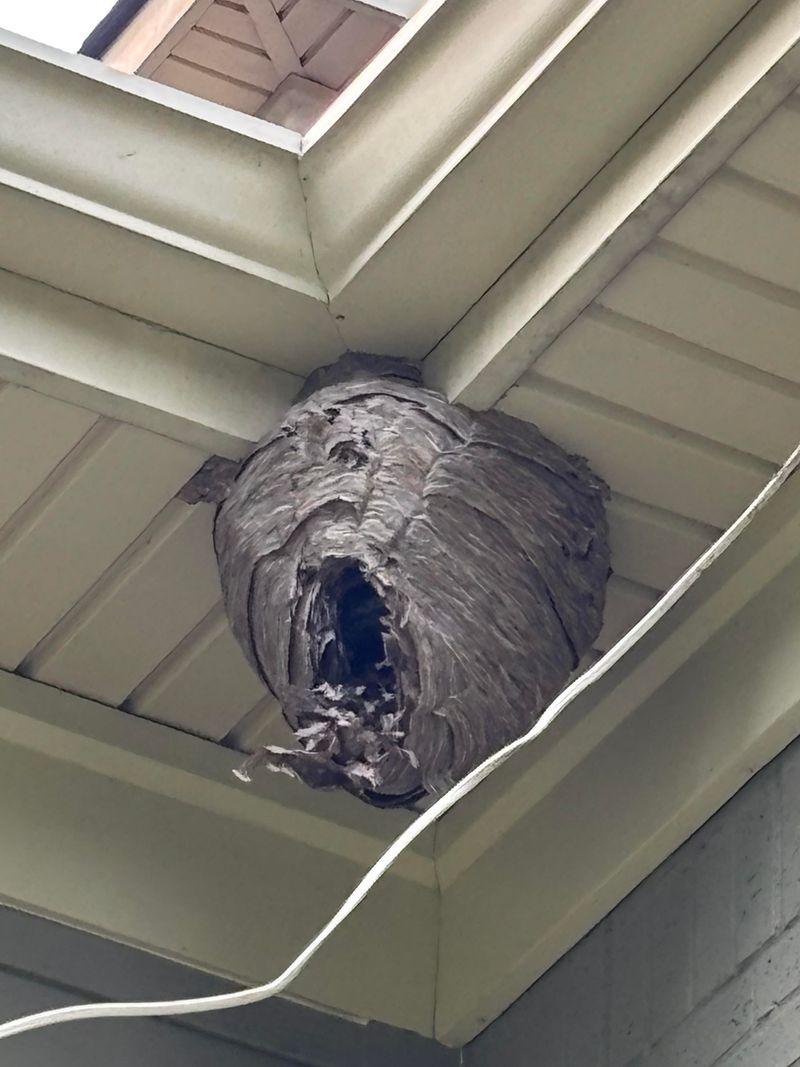
Birds are wonderful neighbors in any yard, but their nests are a surprisingly common fire hazard. Many species choose to build under eaves because the overhang provides shelter from rain and wind.
What they build with, however, is almost entirely combustible. A typical nest contains dry grass, twigs, plant fibers, feathers, paper scraps, and sometimes plastic string. All of that material is lightweight and burns quickly.
When a nest is tucked up against a wood fascia board or inside a gutter corner, it sits right next to the most vulnerable part of your home’s exterior.
Swallows, sparrows, and house finches are among the most common nesters along rooflines in California.
Once a nest is established and active, federal law protects most native bird species and their nests during nesting season.
Removal must wait until the nest is fully abandoned and all chicks have left.
The right time to remove old nests is late fall through early winter, well before nesting season begins again in spring. Check under every eave and along the gutter line with a flashlight.
Wear gloves and a dust mask when handling old nests since they can carry mites and other irritants.
After removal, consider installing hardware cloth or bird netting over eave gaps to prevent future nesting in the same spots.
This keeps the area clear and reduces the amount of combustible material that collects near your roofline each year.
8. Dry Mulch Can Blow Against Walls And Rooflines
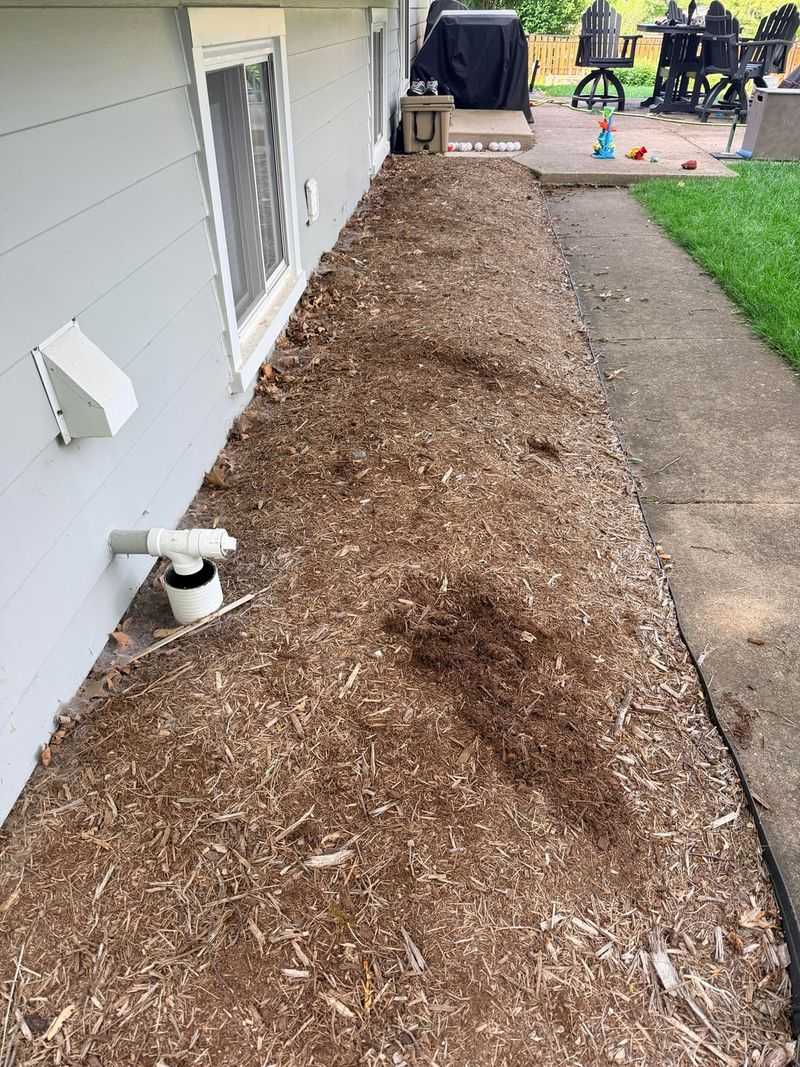
Mulch is one of the most popular tools in any California garden. It holds moisture in the soil, keeps weeds down, and makes beds look tidy.
But when it dries out and the wind picks up, it becomes a serious problem for homes in fire-prone areas.
Lightweight mulch like shredded bark, straw, and wood chips can travel a surprising distance in a strong wind.
It collects against walls, piles up near vents, and sometimes makes its way into gutters or onto low-sloped roof sections.
Once it is dry and sitting against your home, it is essentially kindling pressed right up against the structure.
Fire-safe landscaping guidelines recommend keeping all mulch at least five feet away from the foundation of your home. That buffer zone gives fire less of a direct path to the structure.
In high-risk zones, some homeowners switch to gravel or decomposed granite near the house instead of organic mulch.
Before fire season, walk the perimeter of your home and look for mulch that has drifted toward the walls or under the eaves. Rake it back, bag it up, or move it to a safer area farther from the structure.
Check window wells and foundation vents since mulch tends to collect in those spots too.
Also check the gutters for mulch fragments. Small pieces of bark and straw blow into gutters regularly and mix with other debris.
Clear everything out and make sure the gutter is completely free of organic material before the hottest months arrive.