The Mistakes North Carolina Gardeners Make With Sweet Potatoes That Ruin The Harvest
North Carolina and sweet potatoes seem like they were made for each other, and honestly that reputation is well earned. Long warm summers, sandy eastern soils, and plenty of sunshine create conditions that sweet potatoes genuinely love.
So why do so many backyard gardeners across North Carolina end up with a disappointing harvest, poor root quality, or storage problems they did not see coming?
Usually it comes down to a handful of surprisingly common mistakes that sneak in at different points throughout the season.
Planting slips too early into cool spring soil, skipping the curing step after digging, getting fertilizer timing wrong: these things matter more than most people realize. The good news is that every single one of them is avoidable.
Give your sweet potatoes the right conditions and this might just be your best season yet.
1. Planting Slips Too Early In Cool Soil
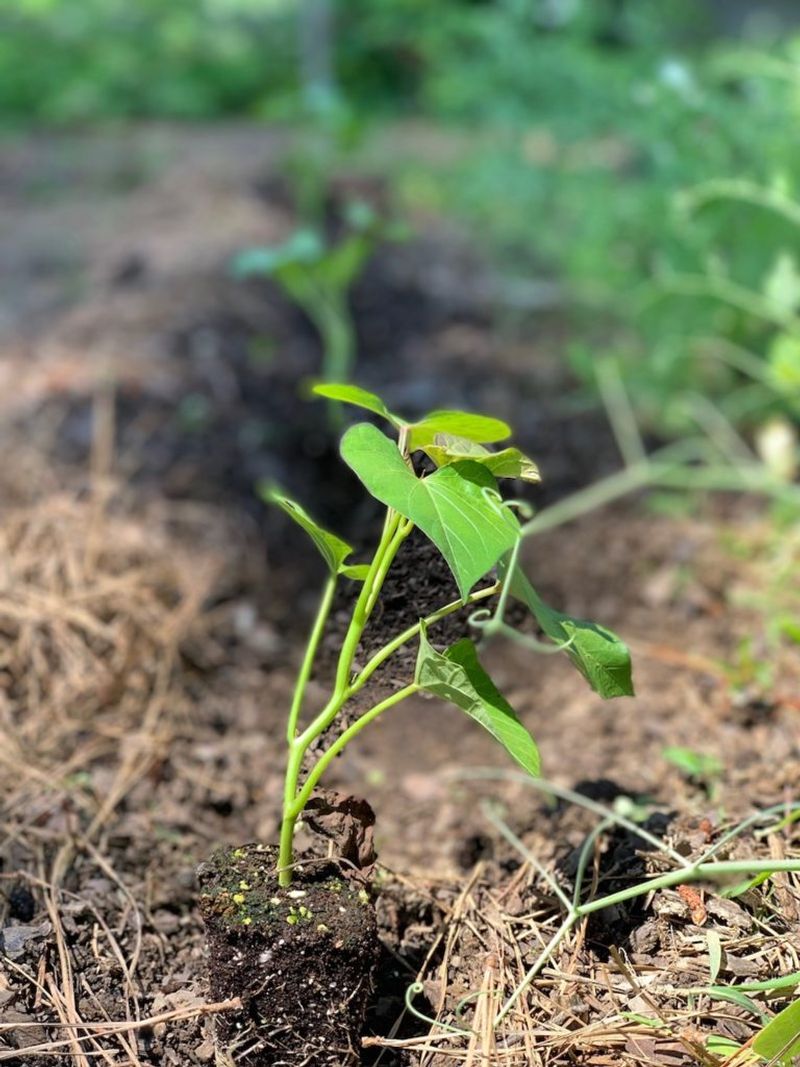
Warm soil is not just a preference for sweet potatoes – it is a requirement. When slips go into ground that has not warmed enough, they tend to sit and sulk rather than root and grow.
Soil temperatures below 60 degrees Fahrenheit can slow establishment significantly, and slips planted in cold, wet soil may struggle to develop the strong root system needed for a productive season.
Across North Carolina, spring weather can feel warm on a sunny afternoon while the soil is still holding onto winter chill. Many gardeners get excited by warm days in April and rush their slips into the ground before conditions are truly ready.
A soil thermometer is a simple and inexpensive tool that removes the guesswork and helps avoid this common timing mistake.
Most recommendations suggest waiting until consistent soil temperatures reach at least 60 to 65 degrees Fahrenheit before planting sweet potato slips in North Carolina.
In the Piedmont and western regions, that moment may arrive later than along the coast.
Patience at planting time tends to pay off with stronger early growth, better root development, and a healthier crop overall by the time fall harvest arrives.
2. Planting Slips Too Late For A Full Crop
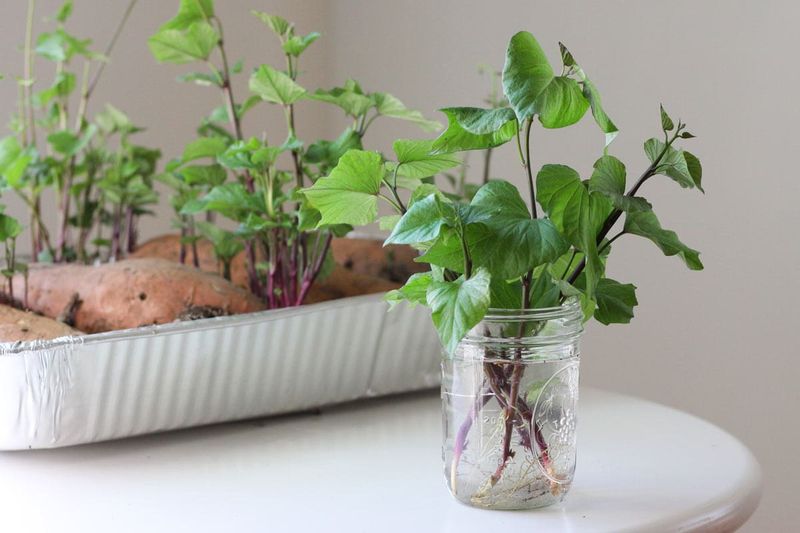
Missing the planting window on the early side is a problem, but waiting too long creates a different challenge altogether. Sweet potatoes need a fairly long growing season – often around 90 to 120 days depending on the variety – to develop full-sized roots.
Slips planted too late in the season simply run out of warm growing days before the roots can reach their potential.
In North Carolina, the window for planting sweet potato slips generally runs from late spring through early summer, with specific timing depending on your region. Mountain gardeners often have a tighter window than those in the Piedmont or coastal plain.
Pushing slips into the ground in midsummer might still produce some roots, but harvest size and root quality can suffer noticeably when the growing season gets cut short by cooling fall temperatures.
A good approach is to count backward from your expected first fall frost date and make sure your slips go in with enough time for full root development.
Your North Carolina Garden Changes Every Week. Your Plan Should Too.
Gardening in North Carolina changes quickly throughout the season. Every Friday you’ll receive a simple weekly plan showing exactly what to plant, prune, fertilize, harvest, and protect so you never miss the right timing.
Ordering or preparing slips early in the season helps avoid the frustration of planting late simply because slips were not ready in time.
Planning ahead makes a real difference in what you pull from the ground come harvest.
3. Crowding Plants Too Closely
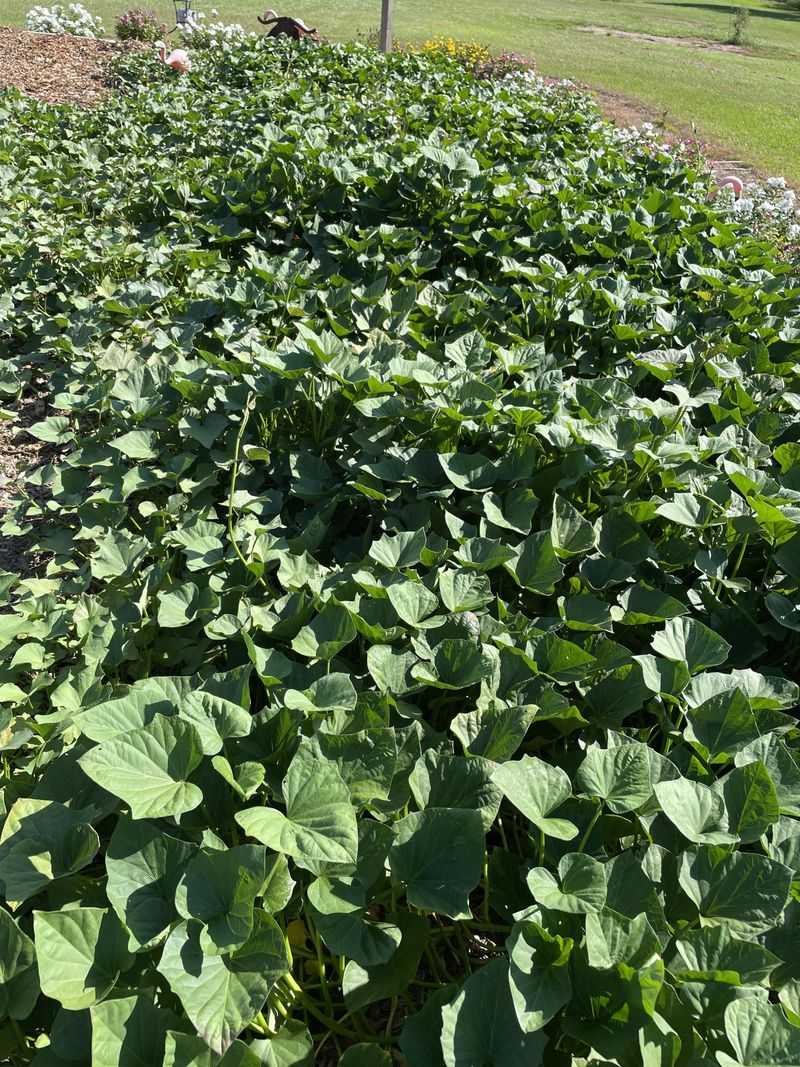
Raised beds and small backyard plots can tempt gardeners into squeezing in more plants than the space can reasonably support. Sweet potatoes need room – both above ground for their sprawling vines and below ground for their expanding roots.
Crowding slips too close together puts plants in direct competition for water, nutrients, and light, and the roots often end up smaller and less developed as a result.
Standard spacing guidance typically suggests placing slips about 12 to 18 inches apart within rows, with rows spaced around 3 to 4 feet apart to give the vines somewhere to spread.
In raised beds, some gardeners adjust spacing slightly, but the roots still need adequate room underground to size up properly.
Skimping on spacing to fit more plants rarely leads to a bigger harvest and often leads to a disappointing one.
Crowded plants also create a dense canopy that holds moisture against the soil surface, which can encourage certain fungal issues in North Carolina’s humid summer conditions.
Giving each plant enough space improves air circulation, makes it easier to spot pest or disease problems early, and allows each root to develop without constant competition.
Fewer, well-spaced plants often outperform a crowded bed by a noticeable margin.
4. Choosing Heavy Or Poorly Drained Soil
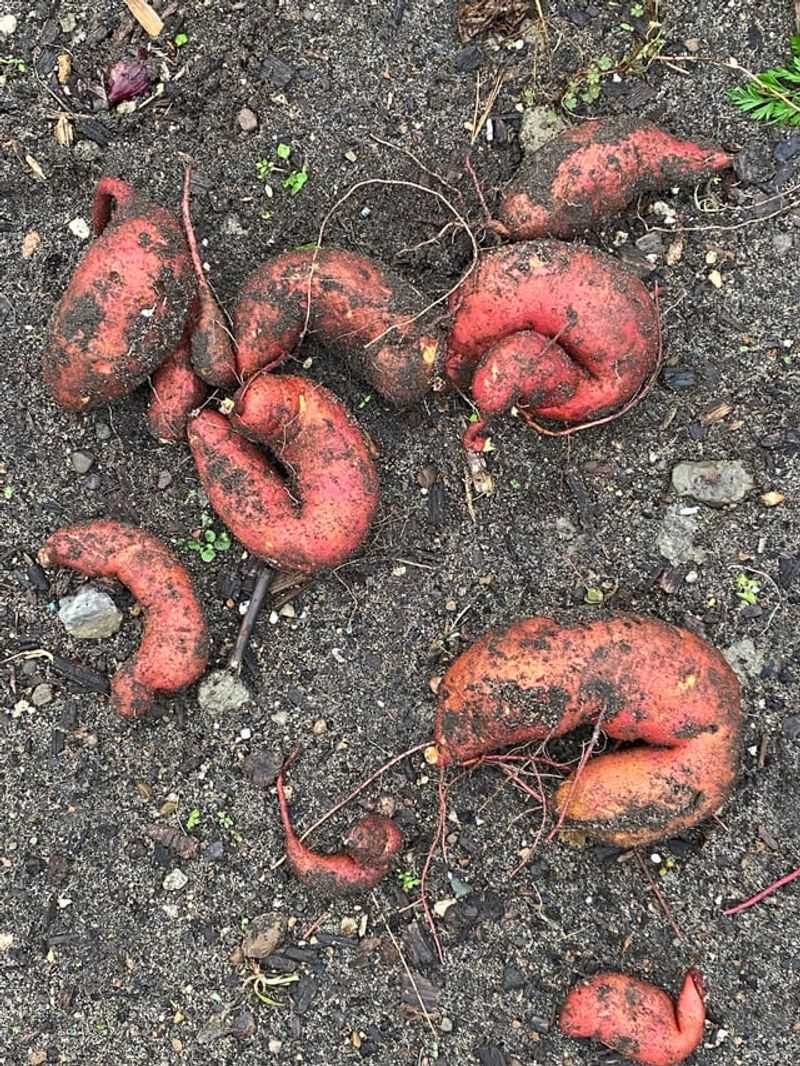
Clay-heavy soils are common across much of the North Carolina Piedmont, and they can be a real obstacle for sweet potato growers. Sweet potatoes develop their edible storage roots underground, and those roots need loose, well-drained soil to expand freely.
Heavy clay that holds water or compacts easily can restrict root growth, lead to misshapen roots, and increase the risk of rot during wet stretches of summer weather.
Gardeners who try to grow sweet potatoes in poorly drained spots often notice roots that are stunted, cracked, or oddly shaped at harvest.
Waterlogged conditions around the roots are not healthy for the plant, and standing water after heavy rain is a clear sign that the planting area needs improvement before slips go in the ground.
Raised beds filled with loose, amended soil are a popular solution in North Carolina backyards, especially in areas with difficult native soil. Working in compost to improve drainage and structure can help in-ground gardens as well.
Sandy loam soils found in eastern North Carolina tend to suit sweet potatoes naturally, but even those sites benefit from organic matter additions.
Choosing or creating a well-drained planting spot is one of the most straightforward ways to improve root quality and harvest size.
5. Skipping Weed Control While Vines Are Young
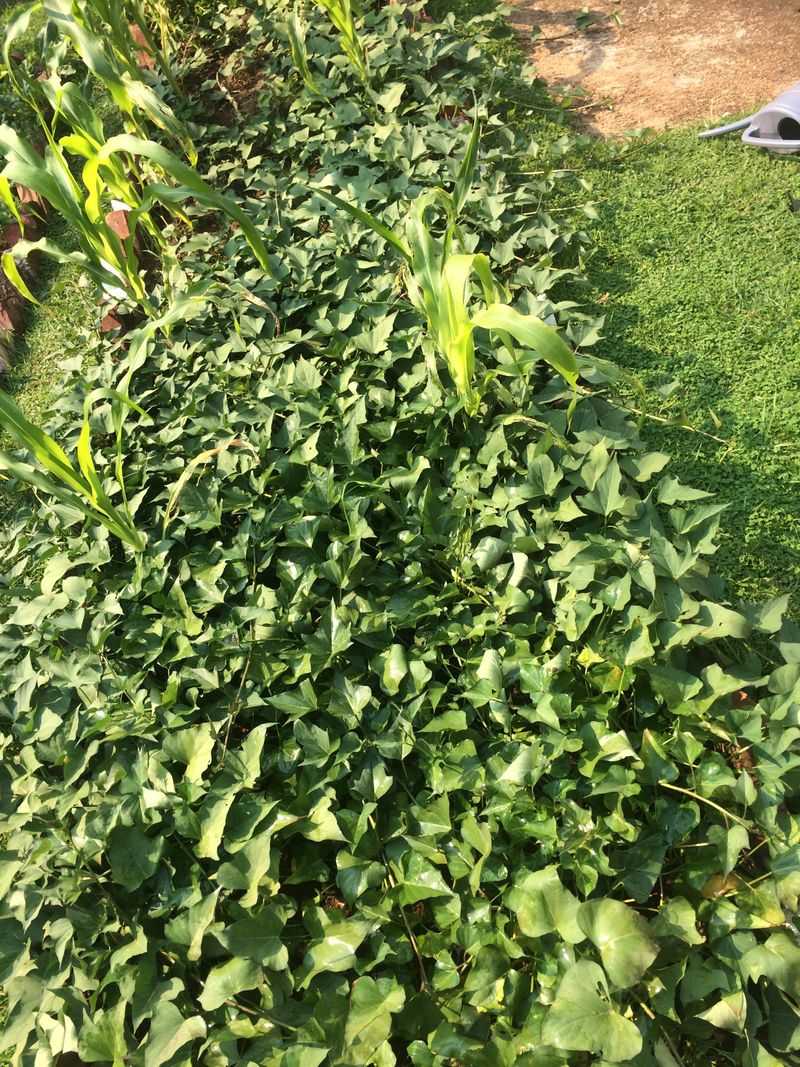
Freshly planted sweet potato slips look small and fragile sitting in an open garden bed, and weeds do not waste any time moving in around them.
During the first few weeks after planting, before the vines begin to spread and cover the soil, weeds can grow quickly and compete directly with young plants for moisture, nutrients, and light.
Letting weeds get established during this early window can set the crop back in ways that are hard to recover from later in the season.
North Carolina summers bring warm temperatures and enough rainfall to push weed growth into overdrive. Crabgrass, pigweed, and other common summer weeds can overtake a sweet potato bed surprisingly fast if they are not addressed early.
Shallow cultivation or hand weeding during the first four to six weeks after planting can make a big difference in how well the crop establishes.
Once the vines fill in and spread across the bed, they tend to shade out most new weed growth on their own, which is one of the natural benefits of growing sweet potatoes.
The key is getting through that vulnerable early period without letting weeds take over.
A light layer of mulch around newly planted slips can also help suppress weeds while retaining soil moisture during the establishment phase.
6. Letting Water Stress Hit Young Plants
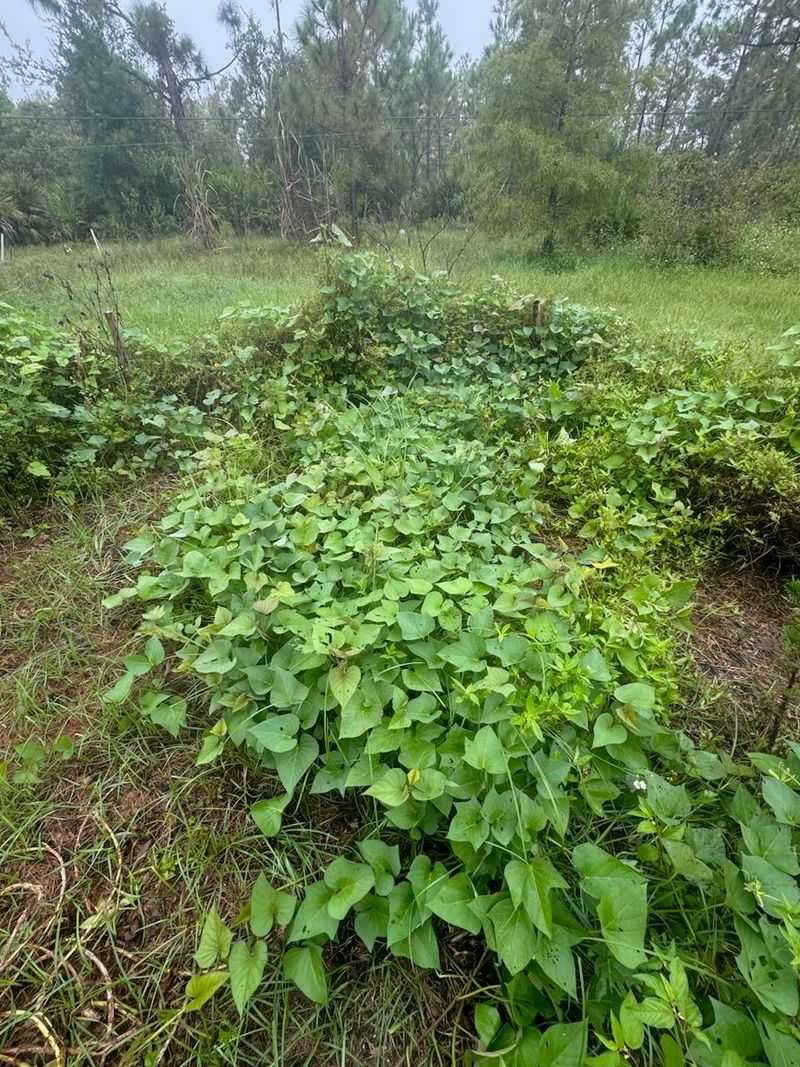
Newly transplanted sweet potato slips are at their most vulnerable during the first two to three weeks after planting. Before they develop an established root system, slips depend heavily on consistent soil moisture to get settled in and begin growing.
A dry stretch right after planting can stress young plants enough to slow their development significantly, even if conditions improve later in the season.
North Carolina weather does not always cooperate with a new planting. Summer can bring stretches of dry, hot days that dry out the top few inches of soil quickly.
Gardeners who plant and then step back without paying attention to soil moisture during those early weeks sometimes come back to find their slips struggling or barely growing at all.
Keeping the soil consistently moist, but not waterlogged, during the establishment period gives slips the best chance of rooting well.
Once sweet potato plants are established and vines are actively growing, they become considerably more tolerant of dry conditions. But early water stress can stunt root development in ways that affect the final harvest.
A simple approach is to water at planting, check soil moisture regularly for the first few weeks, and supplement with irrigation during dry spells. Consistent early care tends to lead to stronger, more productive plants by midsummer.
7. Overfeeding With Nitrogen
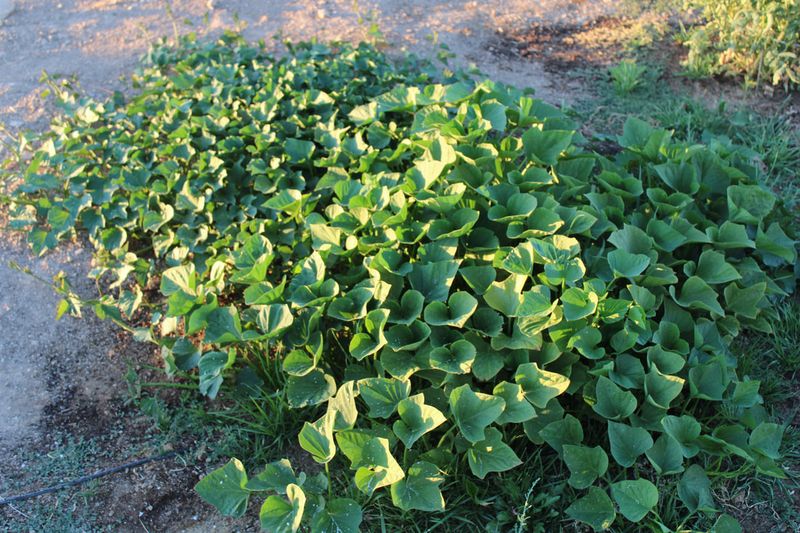
Seeing lush, deep green sweet potato vines spreading across a garden bed can feel like a sign of a thriving crop. But sometimes that surge of leafy growth is actually a warning sign.
Sweet potatoes fed too much nitrogen tend to put their energy into producing abundant vine and leaf growth rather than developing the storage roots that end up on the dinner table.
Gardeners sometimes call this going to vine, and it can be a frustrating outcome after a full season of care.
Nitrogen is an important nutrient, but sweet potatoes generally do not need heavy feeding the way some vegetables do.
If the planting area already has decent organic matter from compost or previous garden amendments, additional nitrogen fertilizer may not be necessary at all.
Applying a high-nitrogen fertilizer repeatedly through the season is a common mistake that backfires at harvest time.
A soil test through North Carolina’s cooperative extension service can reveal what your soil actually needs before you add anything.
If a fertilizer is used, many recommendations favor a balanced or lower-nitrogen option applied at or before planting rather than heavy feeding throughout the growing season.
Letting the plant focus its energy on root development rather than vine production is what leads to a satisfying harvest of full, well-formed sweet potatoes.
8. Ignoring Pest And Disease Prevention
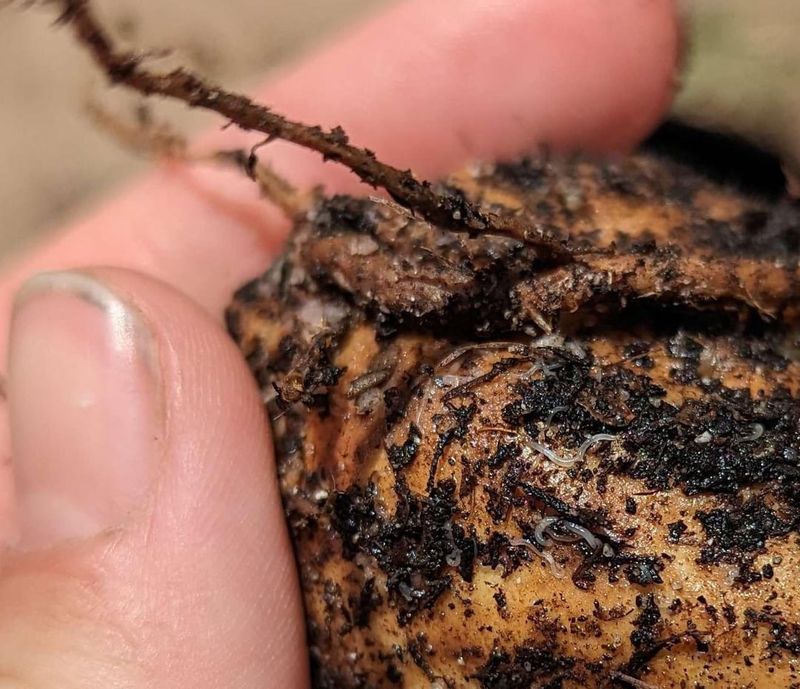
Walking past a sweet potato bed without really looking at the plants is an easy habit to fall into during a busy summer. But sweet potatoes in North Carolina can face pressure from several pests and diseases that are much easier to manage when caught early.
Waiting until a problem is obvious and widespread often means the damage has already been done, and recovery can be slow or incomplete by the time harvest rolls around.
Sweet potato whitefly, wireworms, and root-knot nematodes are among the pests that can affect sweet potato crops in North Carolina. Fungal diseases like Fusarium wilt and various soil-borne issues can also reduce yield and root quality.
Gardeners who scout their plants regularly, rotate their crops from season to season, and avoid planting in spots with known soil problems tend to have better outcomes than those who skip these basic preventive habits.
Crop rotation is one of the simplest and most effective tools for reducing soil-borne pest and disease pressure over time. Avoiding planting sweet potatoes or other related crops in the same spot year after year helps break pest cycles naturally.
Healthy, well-spaced plants growing in good soil conditions are also less susceptible to many common problems, making overall garden care a meaningful part of pest and disease prevention in a home garden setting.
9. Damaging Roots During Harvest
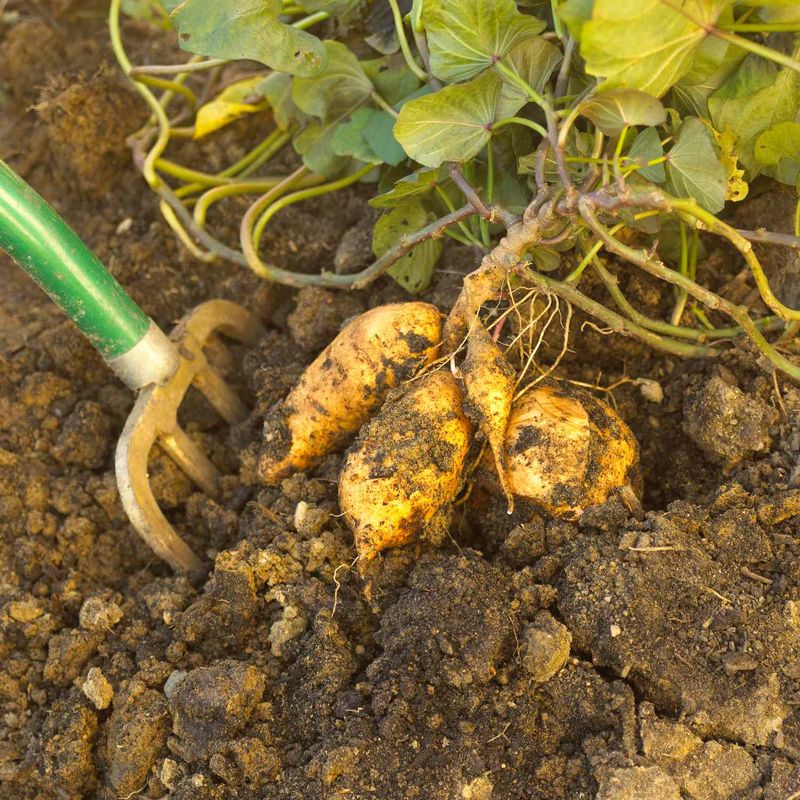
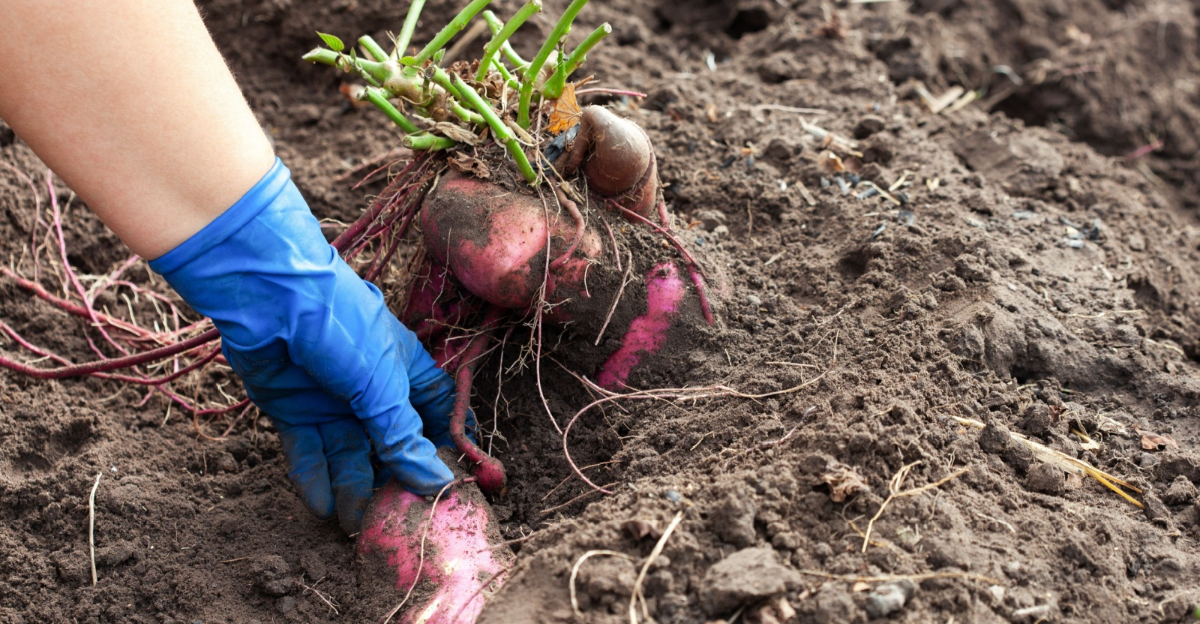
After months of careful growing, harvest day feels exciting – and that excitement can sometimes lead to rushing through the digging process in a way that damages the very roots you have been waiting all season to enjoy.
Sweet potato skins are surprisingly thin and tender at harvest, and cuts, scrapes, or bruises from digging tools can create entry points for rot organisms that shorten storage life significantly.
Using a garden fork or spade too close to the root mass is a common way that damage happens. Roots can extend further from the plant’s center than expected, and driving a tool straight down without probing the soil first often results in sliced or punctured roots.
Taking a moment to loosen the soil from a wider radius around the plant before lifting reduces the chance of accidental cuts.
Handling freshly dug roots gently matters just as much as careful digging. Tossing roots into a bucket or letting them knock against each other repeatedly can cause bruising that is not always visible right away but shows up later during storage.
Laying roots out carefully on a soft surface after harvest and handling them like eggs rather than rocks is a straightforward habit that helps protect the quality and storage potential of your North Carolina sweet potato crop.
10. Skipping The Curing Step
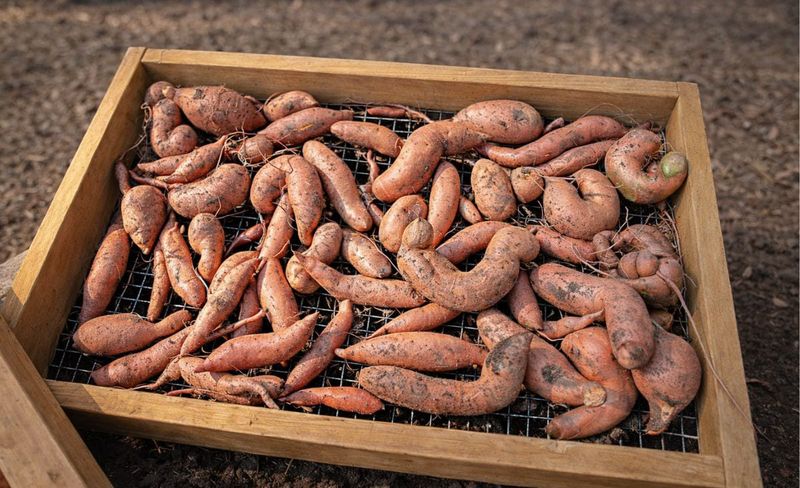
Pulling sweet potatoes from the ground and tossing them straight into a kitchen cabinet or cool storage area is a mistake that many first-time growers make without realizing it.
Curing is a post-harvest process that allows the roots to develop a thicker skin, heal over any small nicks or cuts from digging, and convert some of their starches into sugars.
Skipping this step can result in roots that do not store as long and do not taste as sweet as they could.
Proper curing involves holding freshly dug sweet potatoes at a warm temperature – typically around 80 to 85 degrees Fahrenheit – with relatively high humidity for about 4 to 7 days.
A warm, humid spot like a heated garage, a spare bathroom, or a sheltered porch can work well for home gardeners in North Carolina during the fall harvest period.
Good air circulation around the roots during curing helps the process along.
After curing is complete, sweet potatoes move to a cooler storage environment, typically around 55 to 60 degrees Fahrenheit with moderate humidity.
Properly cured and stored sweet potatoes can last for several months, giving North Carolina gardeners a long window to enjoy their harvest.
Rushing past this step to get roots into storage quickly tends to shorten that window considerably and can lead to disappointing results after all that growing season effort.