Avoid Making These Common Tick Mistakes In Your Vermont Yard
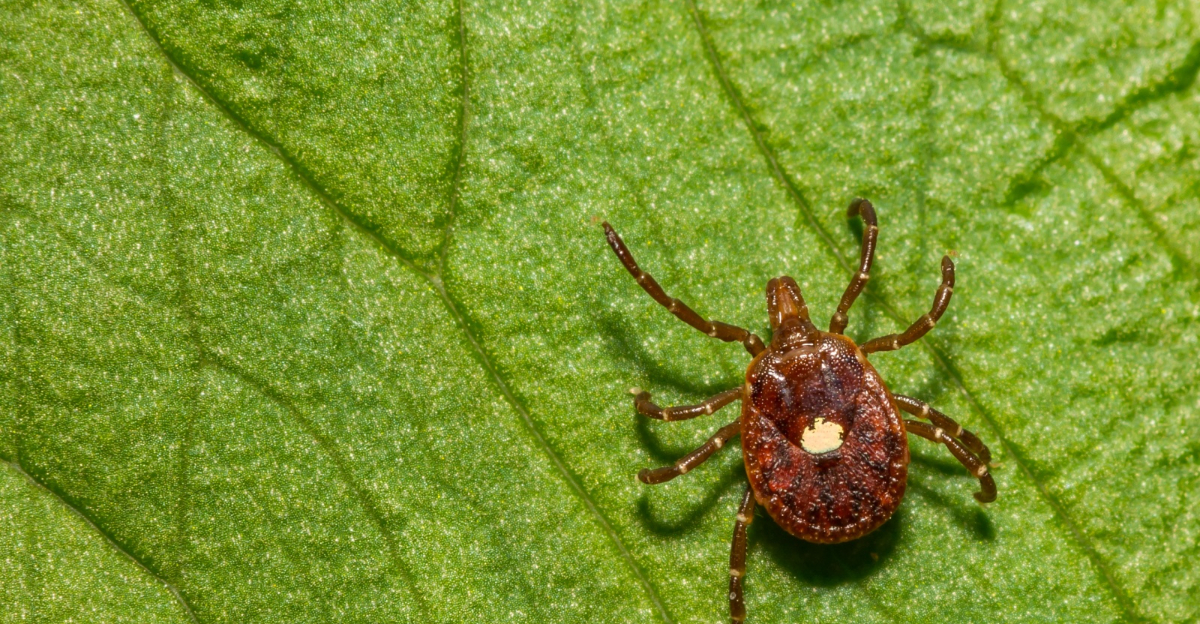
You pulled a tick off your dog last July, right there in Vermont, standing in your own backyard.
Your skin crawled and your mind started racing through every inch of that yard. It looked fine, mowed and tidy, yet ticks had quietly claimed it as their own.
That one moment sent you down a rabbit hole of yard mistakes most homeowners never even think about.
Did you know your wood pile placement could be doubling your tick traffic? Vermont backyards have specific conditions that make certain landscaping habits quietly risky.
Leaf litter left too long, shady borders untrimmed, and garden edges ignored all become cozy tick highways running straight through your outdoor space.
The fixes are not complicated or expensive, they just require knowing exactly what to look for.
The last mistake on this list will surprise you most, especially if you think your yard is already in good shape.
1. Skipping Regular Mowing

Tall grass is one of the most inviting environments ticks can find in your yard. They love to hang out in overgrown lawns, waiting at the tips of blades for a warm body to brush past.
Skipping mowing is one of the most common tick mistakes homeowners make every single season.
Ticks cannot regulate their own body heat, so they seek out shady, humid spots to survive. Long grass traps moisture and blocks sunlight, creating exactly the cozy conditions ticks adore.
A short lawn dries out fast and leaves them exposed. Aim to mow your lawn to about three inches or shorter, especially during peak tick season.
Mowing weekly during spring and summer keeps grass from becoming a hiding spot. Bag your clippings too, since loose cuttings pile up and hold moisture near the soil.
The edges of your yard matter just as much as the center. Ticks tend to cluster near the perimeter, close to wooded areas and garden beds. Trim those edges carefully and consistently.
A well-maintained lawn is one of your strongest defenses against tick pressure in your yard. Think of your mower as a pest control tool, not just a lawn care chore.
Staying consistent with this one habit can dramatically reduce the number of ticks your family encounters each season.
2. Leaving Leaf Litter On The Ground

Crunchy fall leaves look beautiful, but leaving them on the ground is a major tick mistake. Leaf litter creates a thick, moist layer that acts like a protective blanket for ticks through cold months.
They burrow in and wait for warmer weather to return. Research from the University of Rhode Island TickEncounter Resource Center suggests that ticks survive winter far better under leaf piles than in open grass.
That cozy leaf layer insulates them from freezing temperatures and keeps humidity high. You are essentially helping them make it to spring.
Raking and removing leaves from your yard in the fall is one of the best things you can do for tick control. Do not just push them to the edges of your lawn, since that still creates a tick-friendly border zone.
Bag them or compost them far from your home. Pay special attention to leaf buildup near play areas, garden beds, and along fences.
These spots often get overlooked during cleanup. Ticks can concentrate in those neglected corners faster than you might expect.
If raking the whole yard feels overwhelming, prioritize the areas your family uses most. A cleared, open yard is a less attractive environment for these pests.
Keeping leaf litter managed is a small effort that pays off with fewer creepy crawlers near your home all season long.
3. Forgetting The Lawn-To-Woods Buffer
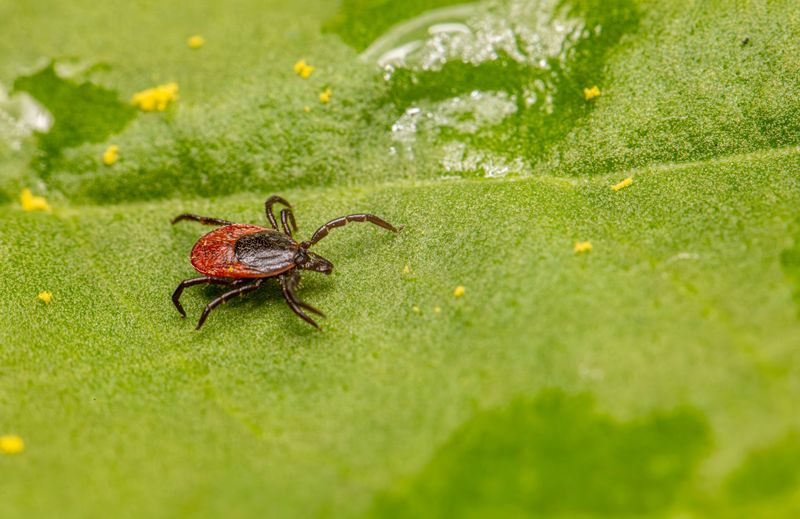
Where your lawn meets the woods is the most concentrated zone of tick activity, where ticks wait to hitch a ride on deer, mice, or unsuspecting people.
Skipping a buffer zone is one of the most consequential tick mistakes a Vermont homeowner can make.
A three-foot-wide barrier of wood chips or gravel between your lawn and tree line creates a dry zone that research suggests ticks are far less likely to cross.
Ticks avoid hot, dry surfaces because they lose moisture quickly on them. That simple strip can dramatically cut down on how many make it into your yard.
Use coarse wood chips or pea gravel for your buffer, since fine mulch can still hold moisture. Keep the buffer clear of leaves and debris throughout the season.
Refresh it each spring to maintain its effectiveness as a physical and environmental barrier. This approach is especially important for Vermont homes that back up to forests or have heavy tree coverage along property lines.
The more wooded your surroundings, the more critical that buffer becomes. Think of it as a moat around your lawn.
Putting in a buffer zone takes a weekend of work and a modest investment in materials. The payoff is a yard that feels safer for your kids and curious dogs.
That strip of wood chips might be the best few dollars you spend on pest prevention this year.
4. Stacking Wood Carelessly Near The House

A messy woodpile is one of the most overlooked tick harborage points in your entire yard. The gaps between logs create dark, humid pockets that mice love to nest in, and where mice go, ticks follow.
Stacking firewood carelessly near your house is a tick mistake that many people never connect to their pest problem.
Mice are one of the primary hosts for immature ticks, especially larval and nymphal stages. When mice nest in your woodpile, they bring ticks along for the ride.
Those ticks then spread out into the surrounding yard and toward your home. Move your woodpile at least 20 feet away from your house and any outdoor play areas.
Stack logs neatly and off the ground on a rack so air can circulate. Good airflow keeps the pile drier and less appealing to rodents.
Avoid stacking wood against fences, garden walls, or sheds, since these structures also attract mice. Keep the area around your woodpile clear of brush and leaf litter. Sunlight exposure helps dry out the area and makes it less hospitable overall.
Switching where and how you stack wood requires almost no cost and very little extra time. Yet it removes a major harborage point right from your backyard.
A well-placed, neatly stacked woodpile is a small change that sends a big message to ticks: this yard is not their home.
5. Tossing Old Furniture, Mattresses, Or Clutter In The Yard
That old couch sitting in the corner of your yard is not just an eyesore. It is a tick magnet. Junk piles create shadowy, sheltered spaces that rodents claim fast, turning abandoned clutter into a full tick ecosystem.
Mice, chipmunks, and other small mammals love to nest under and inside discarded furniture, mattresses, and debris.
These animals carry tick larvae and nymphs, spreading them throughout the surrounding area. Your yard becomes a staging ground for a growing tick population.
Removing clutter from your outdoor space is one of the quickest wins you can get in tick prevention. Schedule a yard cleanup day and haul away anything that has been sitting unused for a season or more.
Most local transfer stations in Vermont accept bulky waste, though schedules and acceptance policies vary by town, so check with your municipality first.
Pay attention to items that often get forgotten: old tires, broken pots, scrap lumber, and cardboard.
All of these trap moisture and create hiding spots. Even a forgotten kiddie pool left upside down can become a problem area.
A clean, open yard with minimal ground-level clutter is far less inviting to the wildlife that carries ticks. Less clutter means fewer nesting spots, fewer rodents, and ultimately fewer ticks.
Clearing out the junk is one of those yard tasks that feels good and actually protects your health at the same time.
6. Keeping Your Yard Shady And Damp
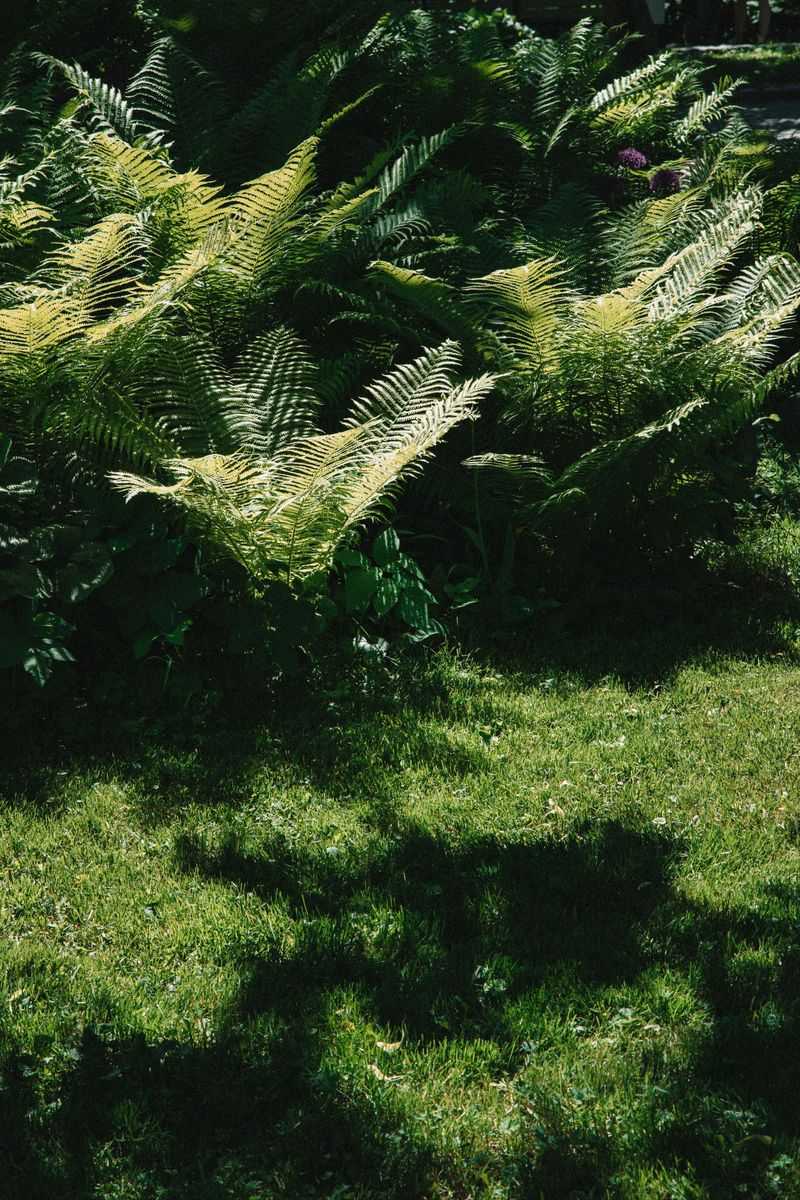
Ticks are moisture-dependent creatures, and shade is their best friend. A yard that stays dark and damp throughout the day creates an ideal environment for ticks to thrive.
If your outdoor space feels cool and humid even in summer, ticks are probably thriving there. Unlike mosquitoes, ticks do not fly or jump.
They climb onto hosts by waiting on vegetation in humid, shaded areas. Reducing shade and improving airflow changes the whole environment against their favor.
Trim back overgrown shrubs, low-hanging branches, and dense plantings that block sunlight from reaching the ground.
Even opening up a few hours of direct sun each day can significantly lower moisture levels in your lawn. Drier soil and exposed grass blades are rough conditions for ticks to survive in.
Consider thinning out dense garden borders and removing plants that crowd together and trap humidity.
Native plantings that are spaced well allow for better air circulation. You do not have to sacrifice a beautiful landscape to make your yard less tick-friendly.
Strategic pruning and thoughtful plant placement are long-term investments in your yard and your health. A brighter, airier outdoor space is more pleasant for your family and far less welcoming to ticks.
Sometimes the best tick prevention is simply letting more sunshine in and watching the problem shrink season by season.
7. Ignoring Stone Walls As Tick Hotspots

Stone walls look charming in a Vermont landscape, but those gaps between rocks are prime real estate for mice and chipmunks.
These small mammals are the main hosts for tick larvae and nymphs. A stone wall close to your yard can quietly fuel a tick problem all season long.
Chipmunks in particular are notorious for carrying large numbers of immature ticks. They dart in and out of wall crevices constantly, spreading ticks across a wide area.
A single wall can support a significant chipmunk population, and with it, a notable concentration of ticks in the surrounding area.
You do not have to tear down historic stone walls to manage this risk. Instead, focus on what surrounds them.
Keep the ground along the wall clear of leaf litter, brush, and tall grass to reduce the habitat appeal.
Applying tick control treatments along the base of stone walls can help reduce populations in those hotspots. Granular products or professional sprays are often used along these edges.
Talk to a licensed pest control professional about options that are safe for your family and local wildlife.
Awareness is half the battle when it comes to stone wall tick pressure. Once you know these structures are hotspots, you can treat them as part of your overall yard management plan.
A little extra attention along those charming old walls goes a long way toward keeping ticks out of your yard all season.
8. Neglecting Deer Fencing

Deer are the most well-known hosts for adult ticks, particularly the black-legged tick responsible for spreading Lyme disease.
When deer wander through your yard, they drop ticks everywhere they walk. Neglecting deer fencing is one of the biggest tick mistakes Vermont homeowners make, especially those near wooded areas.
A single deer can carry hundreds of adult ticks at one time. Every visit to your yard introduces more ticks directly into your lawn and garden, where populations can establish quickly over time.
A simple seven- to eight-foot-tall fence around your yard perimeter is effective at keeping deer out. Deer are strong jumpers, so height matters more than the strength of the material.
If a full perimeter fence is not practical, focus on protecting the areas your family uses most.
Garden enclosures, play areas, and patio spaces can be fenced individually. Even partial barriers reduce the number of deer visits and the ticks they leave behind.
Deer fencing combined with the other yard management steps in this article creates a powerful, layered defense. No single solution eliminates tick risk entirely, but stacking smart strategies makes a real difference.
Protecting your Vermont yard from ticks starts with keeping the biggest carriers from treating your lawn like their personal trail.