This Underrated North Carolina Native Tree Helps Discourage Ticks While Feeding Wildlife All Season
Most trees earn their place in a yard through shade, visual presence, or seasonal color. Very few of them do something actively useful for pest management while simultaneously functioning as a meaningful food source for local wildlife through multiple seasons of the year.
This native North Carolina tree manages both without requiring any special placement, soil preparation, or ongoing care beyond what a well-chosen tree naturally receives.
It is genuinely underplanted across the state given what it offers, and the gardeners who have added it consistently report benefits that extend well beyond what they initially expected from a single planting decision.
For properties dealing with both tick pressure and an interest in supporting birds and other wildlife, this tree belongs near the top of any planting list.
1. Dense, Multi-Stemmed Growth Shades Out Tick Habitat
Not every tree earns its place in a yard by looking pretty. Serviceberry earns it by doing real, practical work.
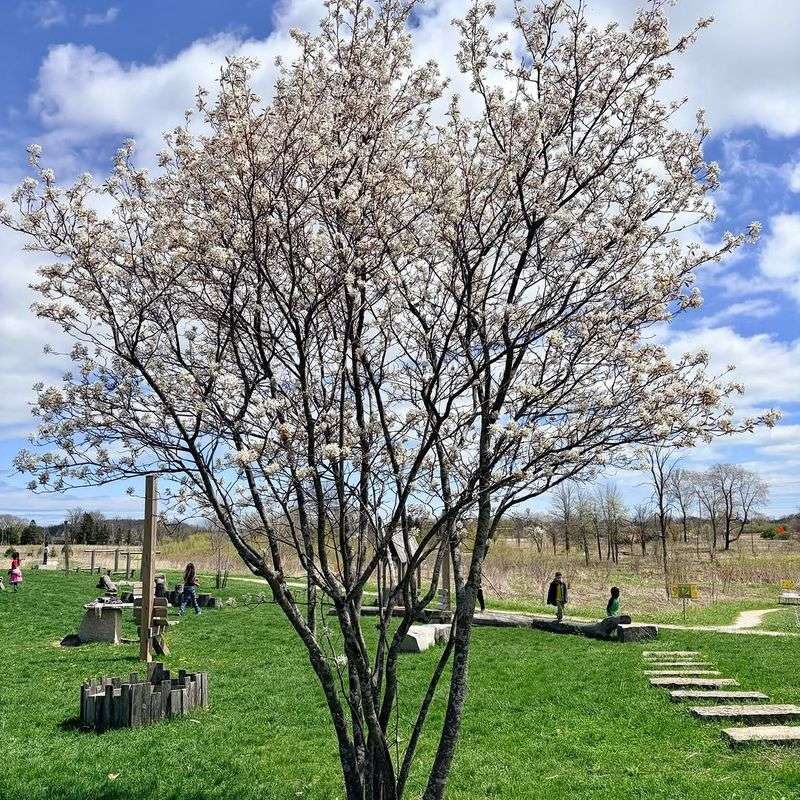
Its naturally dense, multi-stemmed growth habit creates a thick canopy of branches that casts consistent shade on the soil underneath, and that shade matters more than most homeowners realize.
Ticks thrive in warm, humid microclimates, especially in those shady but moist spots along yard edges, fence lines, and garden borders where leaf litter collects and air barely moves. Serviceberry disrupts that setup.
By shading the soil more completely and encouraging drier ground conditions, it makes those fringe areas far less comfortable for ticks to settle in.
Unlike single-trunk ornamental trees that let plenty of light filter through, serviceberry grows in a natural thicket-like form with multiple stems branching from the base.
That structure creates a layered, overlapping canopy that blocks light more effectively at ground level. It also means the tree looks full and lush from every angle, which is a bonus for curb appeal.
Planting serviceberry along your yard perimeter is one of the smartest moves a North Carolina homeowner can make. You get visual privacy, wildlife habitat, and a natural deterrent against tick-friendly conditions all in one plant.
Pair it with a layer of wood chip mulch underneath, and you have a yard edge that stays tidy, supports biodiversity, and keeps the conditions ticks prefer to a minimum throughout the growing season.
2. Early Spring Flowers That Pollinators Absolutely Love
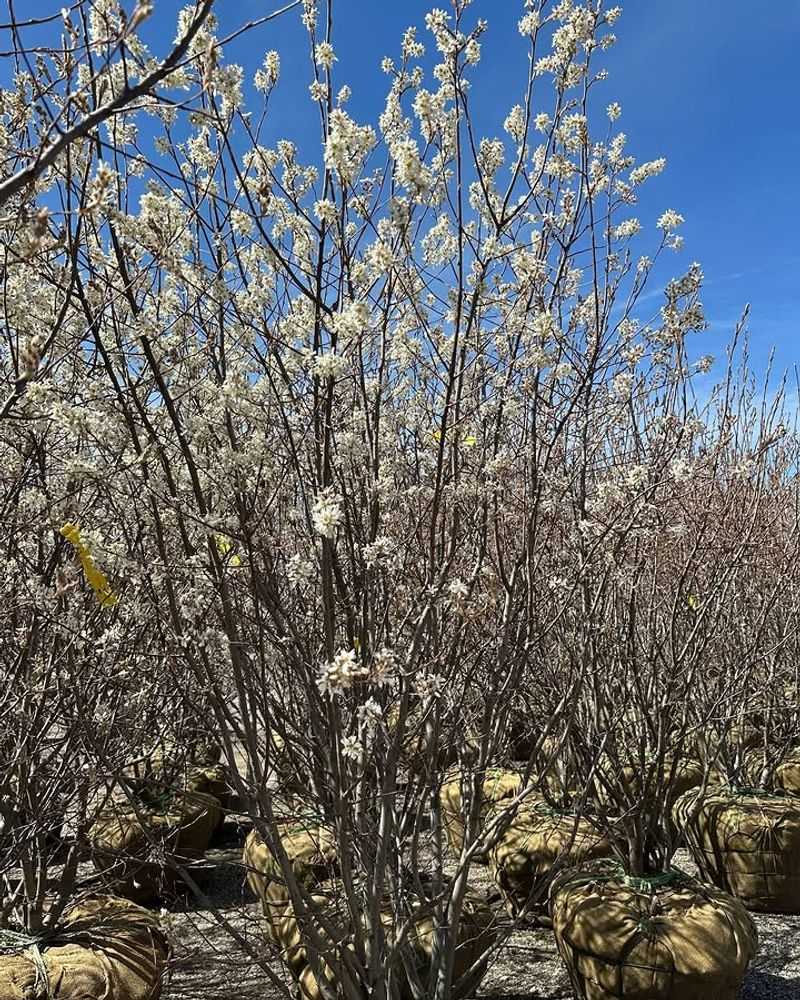
Before most trees have even thought about waking up from winter, serviceberry bursts into bloom.
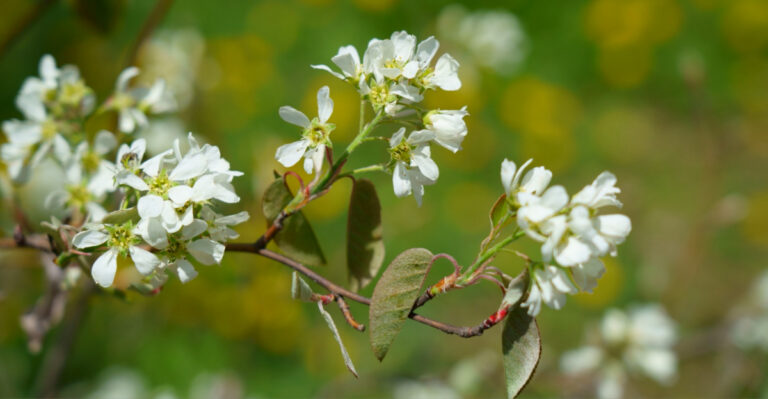
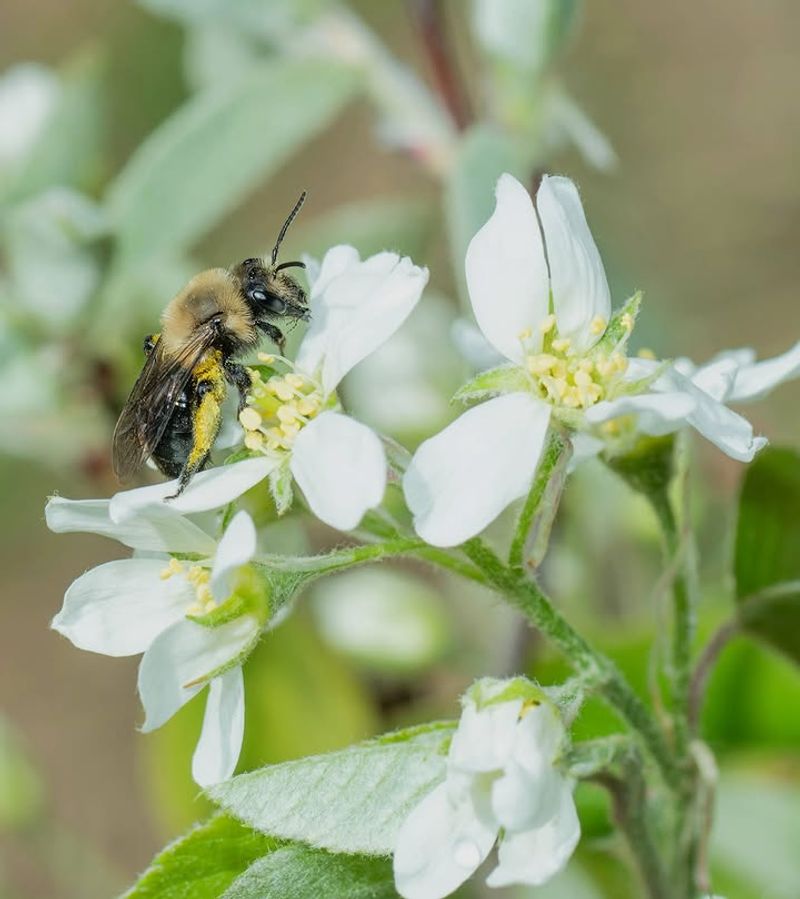
Those clusters of delicate white flowers appear in early spring, often as early as March in North Carolina, and they arrive at exactly the right moment to feed pollinators that have very few other food sources available yet.
Honeybees, native bumblebees, small carpenter bees, and early-season butterflies all flock to serviceberry blossoms. Hummingbirds returning from their winter migration also visit the flowers, drawn by the early nectar when other blooms are scarce.
This timing makes serviceberry what ecologists sometimes call a “keystone” early bloomer, a plant whose flowers fill a critical gap in the seasonal food chain.
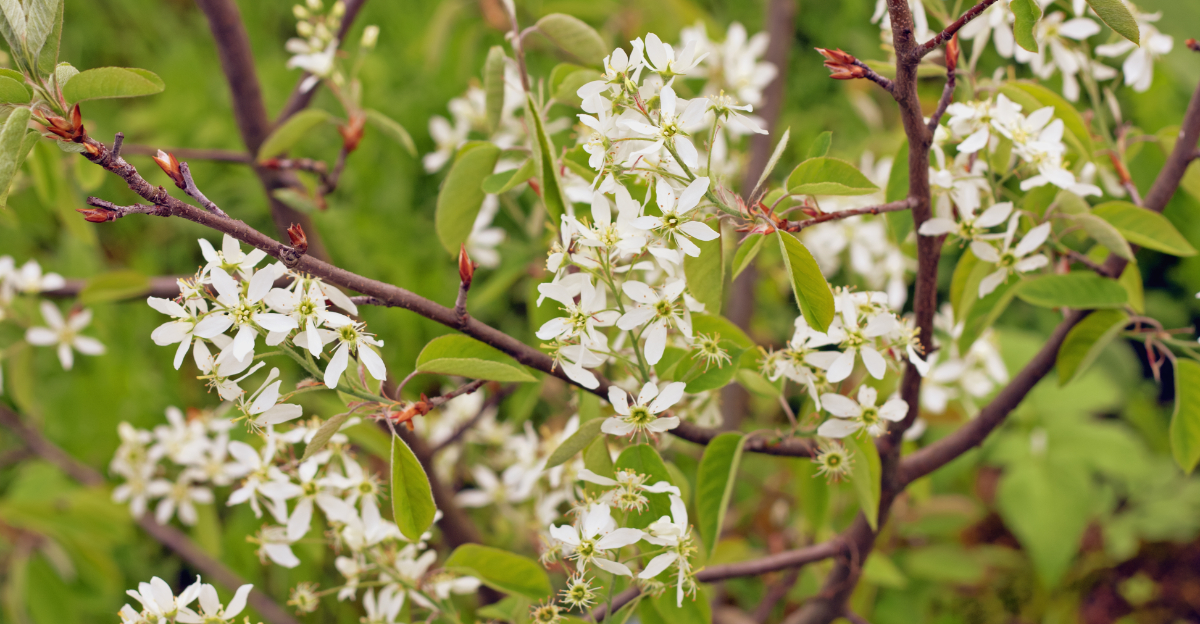
The flowers themselves are beautiful in a soft, understated way. Five narrow white petals arranged loosely on each bloom give the tree a delicate, lacy appearance that looks stunning against a still-bare spring landscape.
Your North Carolina Garden Changes Every Week. Your Plan Should Too.
Gardening in North Carolina changes quickly throughout the season. Every Friday you’ll receive a simple weekly plan showing exactly what to plant, prune, fertilize, harvest, and protect so you never miss the right timing.
Some gardeners say a serviceberry in full bloom looks like it has been dusted with fresh snow.
From a practical standpoint, having more active pollinators in your yard benefits every flowering plant and vegetable you grow.
Serviceberry essentially invites the whole pollinator community into your garden early in the season, setting up a healthy, active ecosystem before summer even begins.
For gardeners who care about supporting native bees and butterflies, planting a serviceberry is one of the most impactful single choices they can make for their North Carolina landscape.
3. Sweet Summer Berries That Feed Dozens Of Wildlife Species
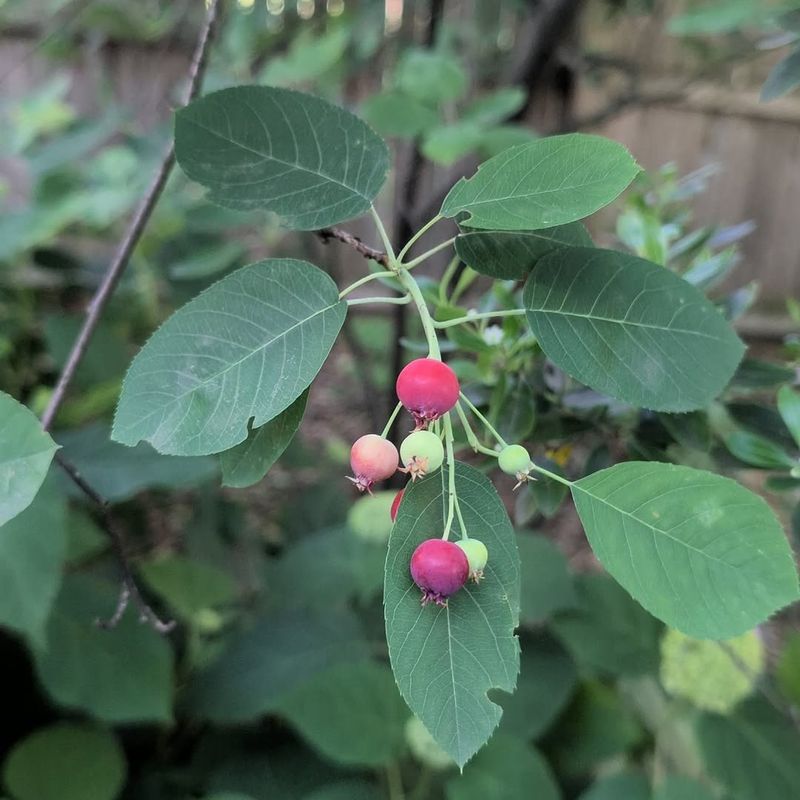
Come early summer, serviceberry delivers one of the best wildlife buffets in the entire native plant world. Those small, round berries ripen from green to red to deep purple-blue in June, and within days of ripening, birds show up in flocks to claim them.
Cedar waxwings are probably the most famous serviceberry fans, but robins, catbirds, orioles, bluebirds, and thrushes all join the feast enthusiastically.
Small mammals get in on the action too. Chipmunks, squirrels, and foxes have all been observed feeding on fallen serviceberries.
Even some insects and pollinators benefit from the plant during this phase of the season.
The berries are genuinely nutritious, packed with natural sugars, antioxidants, and fiber, which is why so many species rely on them during the critical early summer period when energy demands are high for raising young.
Here is something worth knowing: serviceberry berries are also completely edible for humans. They taste similar to blueberries with a hint of almond, and people across North America have used them in pies, jams, and fresh eating for centuries.
Indigenous communities relied on serviceberries as an important seasonal food source long before European settlement.
Unlike fruit trees that attract rotting fruit on the ground and therefore draw pests, serviceberry berries get eaten quickly and cleanly by wildlife.
That means less mess, less standing moisture, and fewer conditions that might otherwise attract ticks or other unwanted insects to your yard.
It is a win for wildlife and a win for your yard management at the same time.
4. Tolerates Clay And Loam Soils Found All Across North Carolina
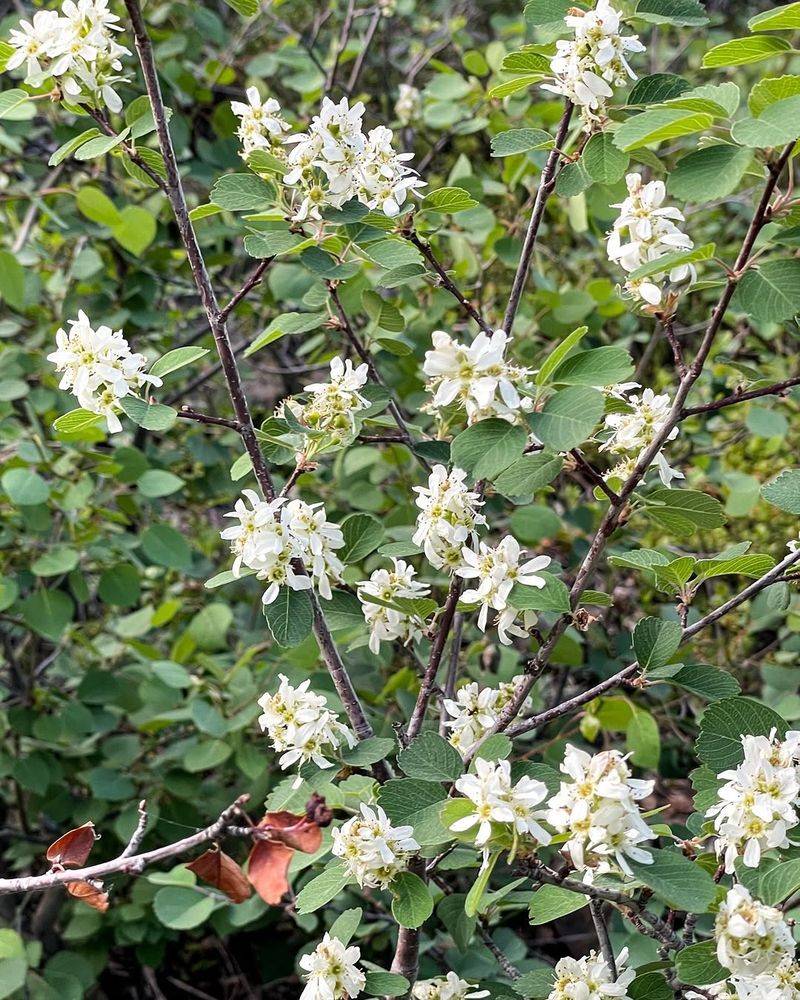
One of the most frustrating things about planting trees in North Carolina is the soil. Much of the Piedmont region sits on dense red clay that drains poorly, compacts easily, and makes a lot of ornamental trees struggle or fail entirely.
Serviceberry handles it without complaint, which is a genuinely rare quality in a landscape tree.
Amelanchier species are naturally adapted to a wide range of soil conditions across their native range, which stretches from the Appalachian highlands down through the Piedmont and into the coastal plain.
Whether your yard has heavy clay, sandy loam, or something in between, serviceberry adjusts and grows well once it gets established.
It prefers well-drained spots but tolerates periodic moisture without the root rot issues that plague many other ornamentals.
For homeowners in the Triangle, Charlotte, or Triad areas where red clay soils are practically unavoidable, this adaptability is a huge practical advantage.
You do not need to haul in expensive amended soil or build raised beds just to give a serviceberry a fighting chance.
Work in a little compost at planting time, mulch the root zone generously, and water consistently through the first growing season. After that, the tree largely takes care of itself.
Soil adaptability also means serviceberry works in a wider variety of landscape placements than most trees. Rain gardens, woodland edges, sunny borders, and naturalized areas all suit it well.
That flexibility makes it one of the most versatile native trees available to North Carolina gardeners looking for reliable, low-stress planting options.
5. Moderate Growth Rate Keeps Your Yard Neat And Manageable
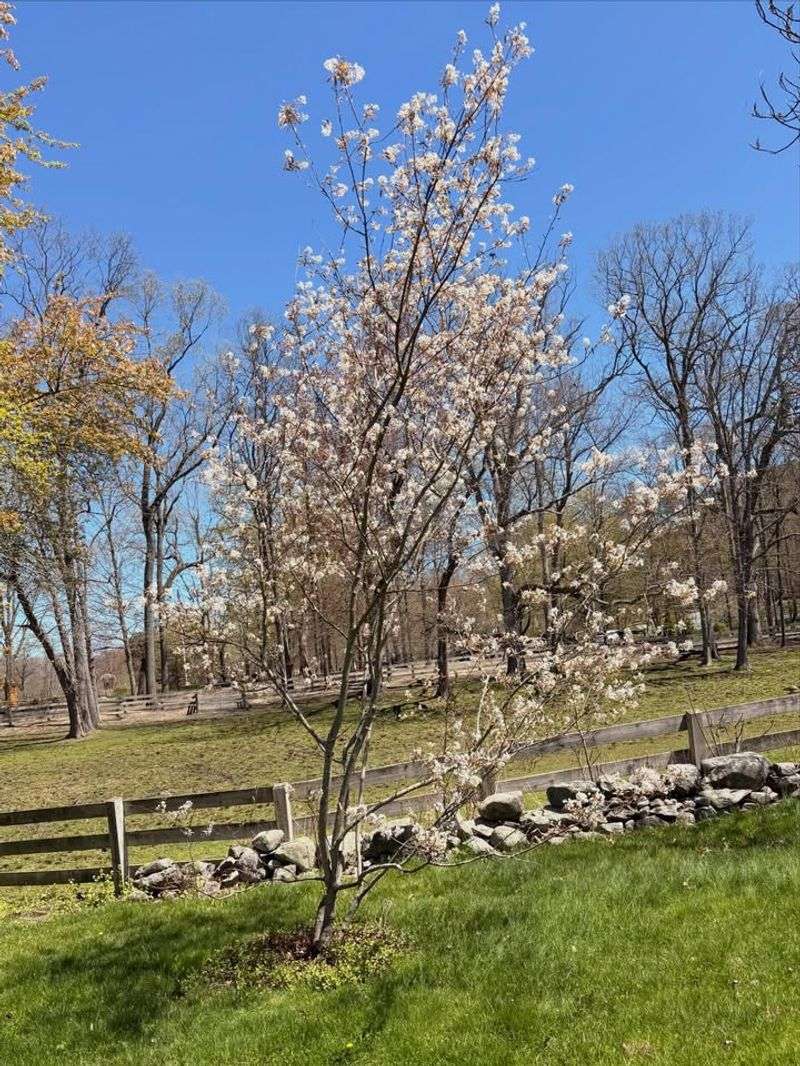
Some native trees are wonderful for wildlife but absolutely terrible for small residential yards because they grow enormous and fast. Serviceberry takes a more reasonable approach.
It grows at a moderate pace, typically adding one to two feet per year under good conditions, and it reaches a mature height of roughly 15 to 25 feet depending on the species and site.
That size range is genuinely ideal for most North Carolina homeowners.
Tall enough to provide meaningful shade, wildlife habitat, and visual structure, but not so large that it overwhelms a typical suburban lot or threatens power lines and roof overhangs.
You get the ecological benefits of a real tree without the headaches that come with managing a fast-growing giant.
From a tick management perspective, moderate growth matters a lot. Overgrown, tangled vegetation is one of the main environments where ticks congregate and wait for hosts to pass by.
A serviceberry that stays at a manageable size and shape is much easier to keep tidy around the base, reducing the leaf litter buildup and dense ground-level brush that ticks prefer.
Regular light maintenance keeps the area around the trunk open and dry. Gardeners who have tried fast-growing invasive shrubs like multiflora rose or autumn olive as wildlife plants often end up regretting the chaos those plants create.
Serviceberry gives you all the wildlife value with none of the runaway growth headaches. It stays where you put it, grows predictably, and fits naturally into a well-designed landscape without ever taking over.
6. Low Maintenance Once Established Makes It A Yard Favorite
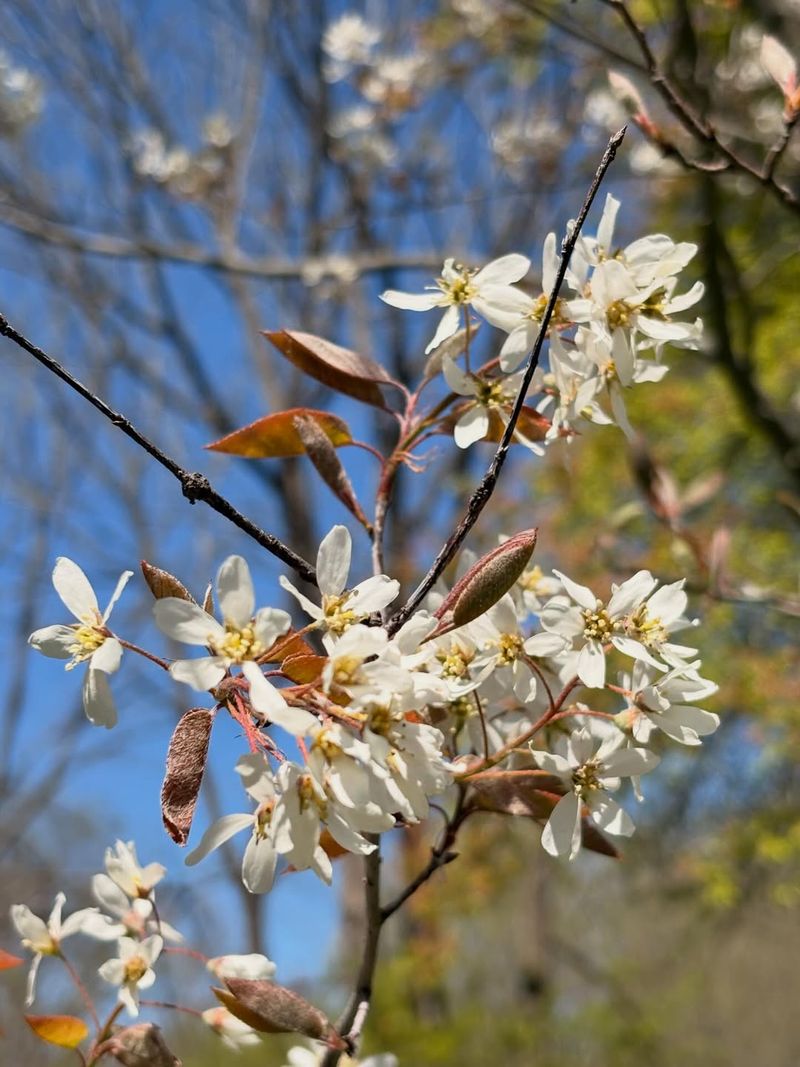
Gardening is rewarding, but nobody wants a plant that demands constant attention. Serviceberry is the kind of tree that rewards you generously while asking very little in return.
That makes it a standout choice for busy homeowners, casual gardeners, and anyone who wants a beautiful, functional yard without spending every weekend maintaining it.
Once established, typically after the first one to two growing seasons, serviceberry is remarkably self-sufficient.
It handles drought periods without wilting dramatically, resists most common pests and diseases naturally, and rarely needs pruning beyond occasional removal of crossing branches or dry wood.
Its native status means it evolved alongside North Carolina’s climate, soils, and pest pressures, so it simply does not need the intervention that many exotic ornamentals require. Fertilizing is rarely necessary if you mulch the root zone properly.
A three-to-four-inch layer of organic wood chip mulch applied each spring keeps moisture in the soil, feeds the roots gradually as it breaks down, and suppresses weeds around the base.
That one simple annual task covers most of what serviceberry needs from you.
From a tick-deterrent standpoint, a well-maintained serviceberry with a clean, mulched base and open space around the trunk is significantly less hospitable to ticks than overgrown, neglected shrubs.
Keeping the area tidy is easy because the tree does not produce excessive leaf litter or suckering growth that builds up quickly.
Low maintenance and tick-smart landscaping turn out to be the same thing here, which is exactly the kind of overlap that makes serviceberry such a smart addition to any North Carolina yard.
7. Multi-Season Interest Supports Wildlife And Looks Stunning Year-Round
Most ornamental trees have one good season and then fade into the background for the rest of the year. Serviceberry refuses to follow that pattern.
From the first warm days of March through the fiery colors of November, it offers something valuable to both the wildlife in your yard and anyone who happens to be looking out the window.
Spring brings those stunning white flower clusters that cover the entire tree before the leaves fully open. Summer follows with the berry crop that feeds birds, mammals, and insects for weeks.
By late summer, the deep green foliage has settled into a lush, full canopy that provides shade and shelter for nesting birds and small animals moving through the yard.
Fall is where serviceberry really surprises people. The foliage turns shades of orange, red, and golden yellow that rival some of the showiest ornamental maples.
It is genuinely one of the better fall color trees in the native plant palette, and it tends to color up reliably even in years when the fall weather is unpredictable.
That autumn display also attracts late-season insects and migrating birds looking for food and shelter as temperatures drop.
Even in winter, the bare branching structure of serviceberry has an elegant, sculptural quality that adds visual interest to the garden.
Resident birds use the branches as perching spots, and the remaining dried berry clusters sometimes attract winter finches and other cold-season visitors.
Year-round, serviceberry earns every square foot of space it occupies in a North Carolina landscape.
8. Companion Planting With Other Natives Builds A Tick-Resistant Habitat
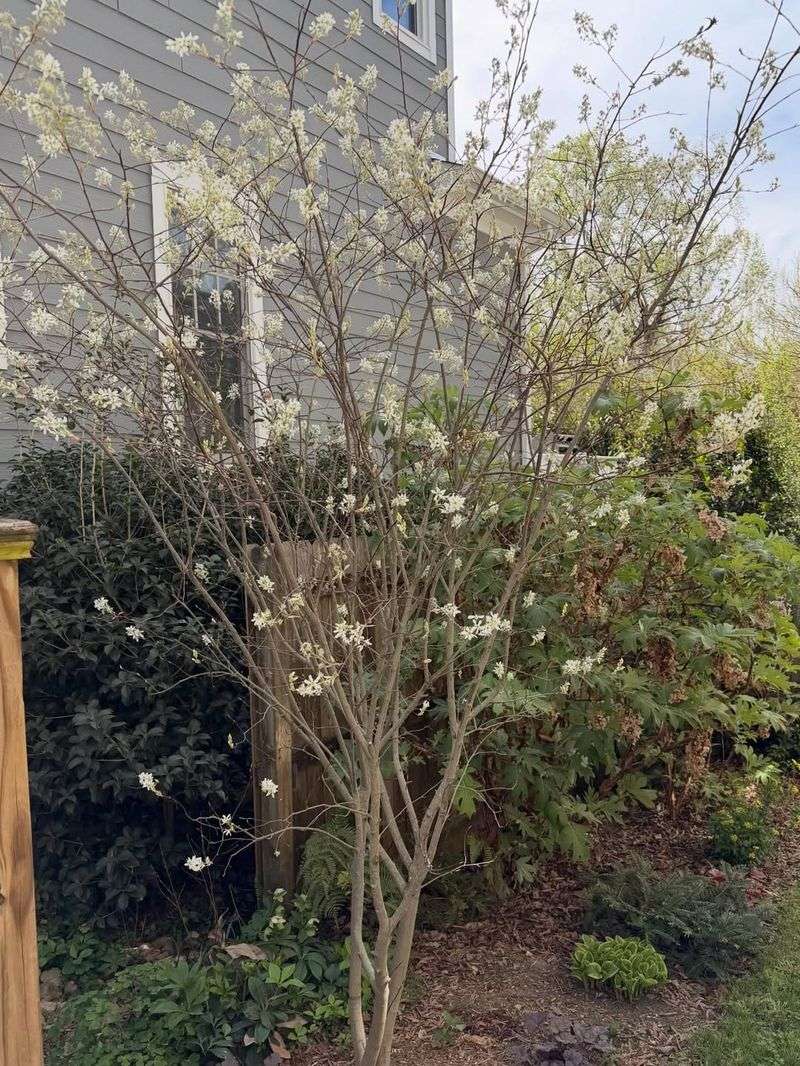
Serviceberry is a star on its own, but it truly shines when planted alongside other native companions.
Thoughtful companion planting with native shrubs and perennials transforms a simple yard into a layered, biodiverse habitat that actively discourages tick-friendly conditions while supporting an impressive variety of wildlife at the same time.
Northern Bush Honeysuckle pairs beautifully with serviceberry, offering summer flowers and fall berries at slightly different heights, which creates a staggered food supply for birds and pollinators. Spicebush is another ideal companion.
Its dense, aromatic foliage is known to be unattractive to ticks, and it provides critical habitat for spicebush swallowtail butterflies, one of North Carolina’s most beloved native species.
Together, serviceberry and spicebush form a dynamic duo for woodland edge plantings.
Wild Bergamot adds a sunny, open-pollinator-friendly layer at ground level, attracting bees and butterflies while its fragrant foliage helps deter pests in the surrounding area.
When these plants grow together in a layered arrangement, with canopy, mid-story, and ground-level plants all filling their niches, the resulting habitat is more complex and less hospitable to ticks than a simple lawn or monoculture planting.
Ticks prefer transitional zones between mowed grass and dense vegetation. A well-designed native plant grouping that fills that transition zone with diverse, fragrant, wildlife-supporting plants disrupts that preferred habitat effectively.
You end up with a yard that hums with beneficial wildlife activity, looks naturally beautiful through every season, and makes ticks far less likely to find a comfortable foothold anywhere near your outdoor living spaces.