7 June Watering Mistakes That Make Georgia Plants Struggle In The Heat
Georgia plants do not struggle in June because of the heat.
They struggle because of how they get watered during it.
That distinction matters more than many gardeners realize. It explains why two yards on the same street, in the same weather, with the same plants can look completely different by the end of the month.
One looks fresh. One wilts by noon and never quite bounces back.
The habits causing that gap are not dramatic mistakes. They are small, well-intentioned routines that feel like good care while quietly making June harder.
Georgia brings its own challenges.
Red clay can hold moisture below the surface while looking dry on top. Humidity turns wet leaves into a disease invitation. Heat punishes shallow roots and rewards deep ones. Container soil can go from moist to useless in a single afternoon.
Getting watering right in Georgia June is not about watering more. It is about breaking the habits that make summer harder than it has to be.
1. Sprinkling Shallow Every Morning
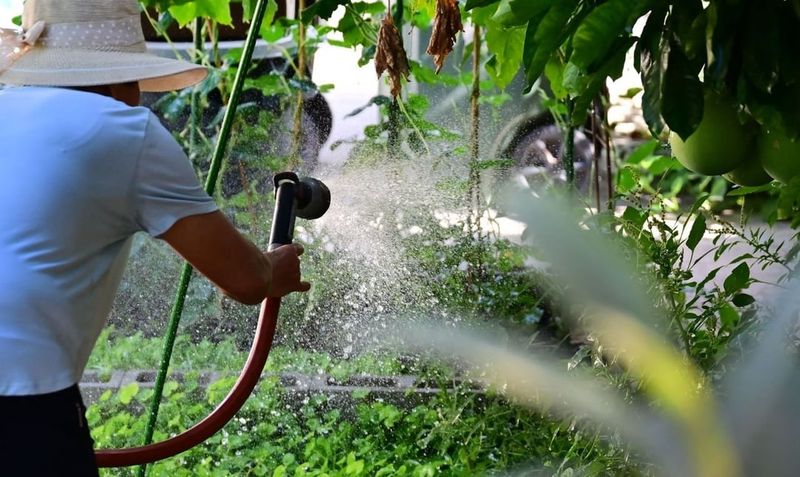
Ten minutes with the sprinkler every morning feels like attentive garden care. The surface of the soil looks damp. The plants seem fine at eight in the morning.
The problem does not announce itself until midday, when those same plants are wilting despite having been watered a few hours earlier.
Short daily watering keeps moisture concentrated in the top inch or two of soil. Roots follow moisture, so they stay near the surface where the water is.
The surface of Georgia soil in June heats up fast and dries out faster. A root system distributed through that top layer has no reserves to draw on when the afternoon heat arrives.
Deep, infrequent watering builds a different kind of root system.
Applying about one inch of water two to three times per week and allowing it to soak six to eight inches down pushes roots to follow the moisture downward into cooler, more stable soil.
That root depth is what separates a plant that handles Georgia heat from one that struggles through it.
A screwdriver pushed into the soil after watering reveals how deep moisture actually traveled. Easy penetration to six inches means the cycle is long enough. Resistance at two inches means the water is not going where it needs to go.
Drip lines and soaker hoses deliver slow, deep watering far more efficiently than overhead sprinklers running for short cycles. The investment pays back immediately in stronger plants and less midday drama.
2. Watering Leaves In Humid Weather
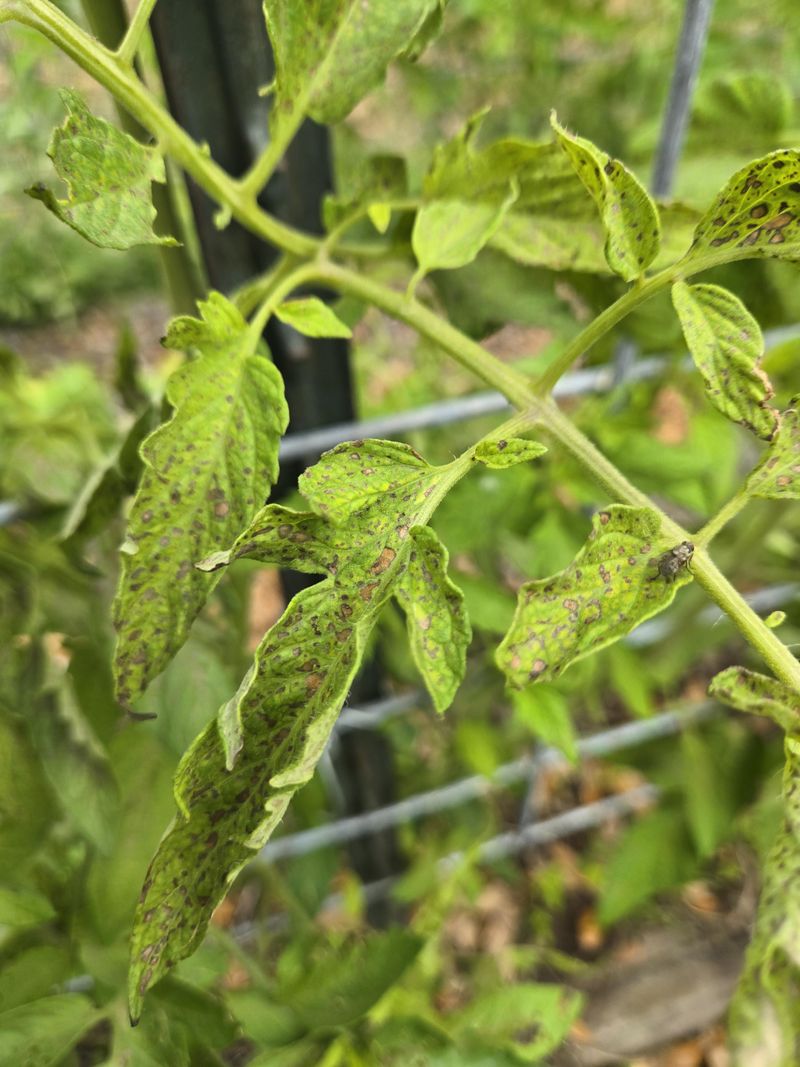
Georgia in June is already doing everything fungal diseases need. The air is warm, the humidity is thick, and moisture lingers on surfaces longer than it would in a drier climate.
Adding water directly to plant foliage in those conditions accelerates exactly the problems that gardeners spend the rest of the summer trying to reverse.
Wet leaves combined with warm humid air give fungal spores exactly what they require to germinate and spread. Tomatoes, roses, squash, and zinnias are particularly vulnerable.
Once black spot or early blight establishes in a planting bed, it moves through the surrounding plants quickly and the reversal requires real effort.
Your Georgia Garden Changes Every Week. Your Plan Should Too.
Gardening in Georgia changes quickly throughout the season. Every Friday you’ll receive a simple weekly plan showing exactly what to plant, prune, fertilize, harvest, and protect so you never miss the right timing.
Overhead watering feels natural and convenient, which is why the connection between the watering habit and the disease showing up two weeks later rarely gets made.
The cause and the symptom are separated by enough time that they do not feel related.
Watering at the base of the plant rather than over the top keeps leaves dry while still delivering moisture to the root zone. Drip irrigation and soaker hoses make this straightforward.
When overhead watering is unavoidable, timing it early enough in the morning for foliage to dry before evening removes the overnight wet-leaf window that fungal problems favor most.
Keeping leaves dry in Georgia June costs nothing to implement and prevents a significant portion of the disease pressure that shows up in summer gardens every single season.
3. Soaking New Plants Too Often
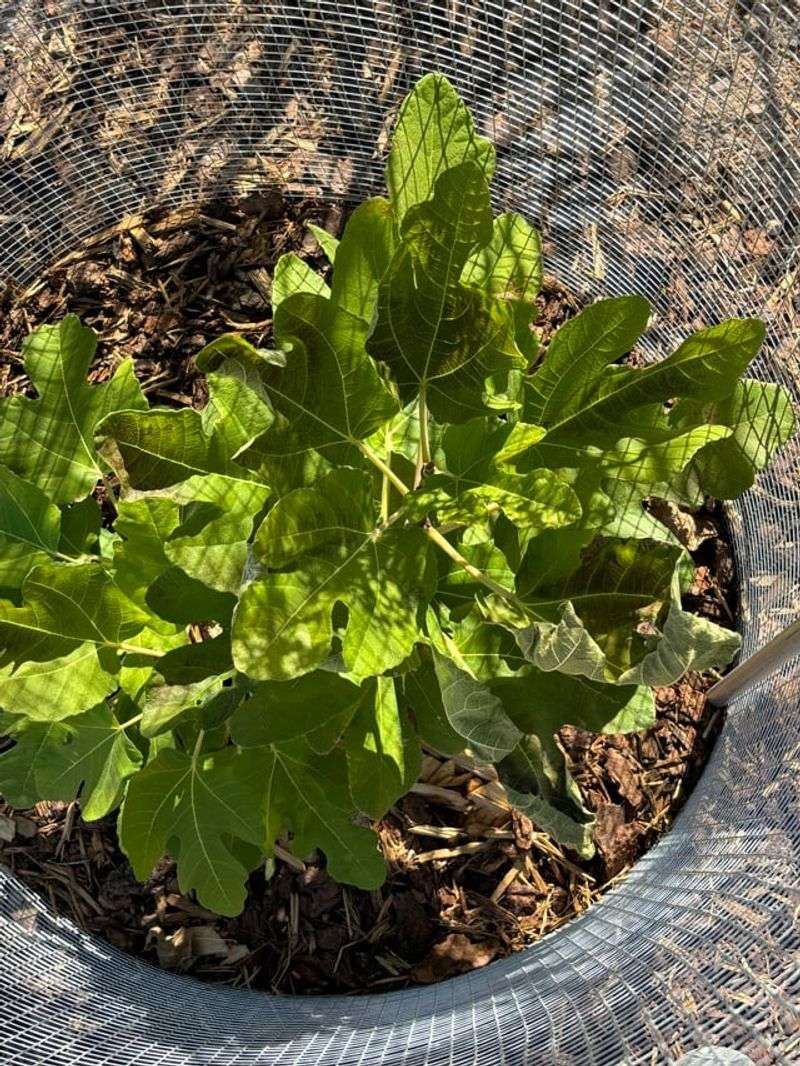
A new plant in a Georgia June garden is already working hard. It is pushing roots into unfamiliar soil, adjusting to a new environment, and managing heat stress all at once.
The impulse to water it heavily every day comes from genuine care and produces a specific set of problems.
Roots need both moisture and oxygen to develop properly. When soil stays continuously wet from daily watering, the oxygen gets displaced from the pore spaces and root development slows or stops entirely.
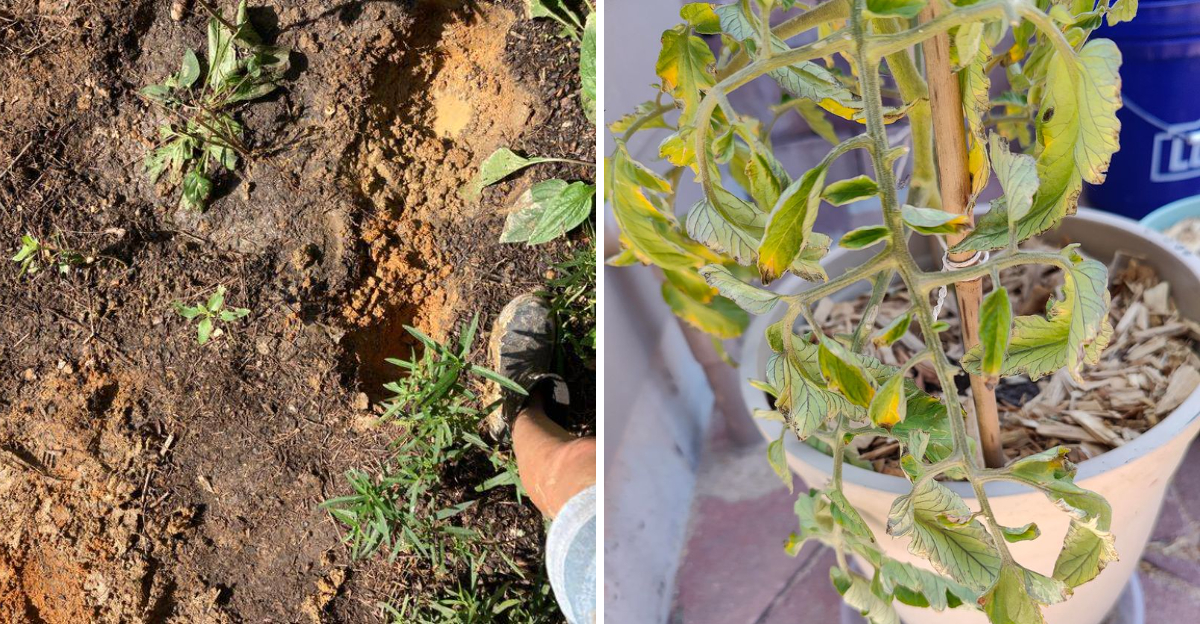
Yellowing leaves, wilting despite obviously wet soil, and stalled growth are all signs of a plant receiving too much water rather than too little.
Georgia’s clay-heavy soils make this especially easy to do accidentally.
Clay holds onto moisture significantly longer than sandy or loamy soil, which means the soil that looks like it should need water often still has adequate moisture several inches down.
New plantings do need consistent moisture, but consistent does not mean daily soaking.
Watering deeply every two to three days and checking soil moisture before each watering gives roots what they need without creating the waterlogged conditions that work against root development.
Pressing a finger two inches into the soil near the root ball before reaching for the hose reveals whether water is actually needed. If it still feels damp, the plant does not need more water yet.
Letting the soil approach dryness between waterings encourages roots to grow outward and downward in search of moisture.
That outward growth is exactly what builds the root system the plant needs to handle Georgia summer long-term.
4. Ignoring Clay Soil Moisture
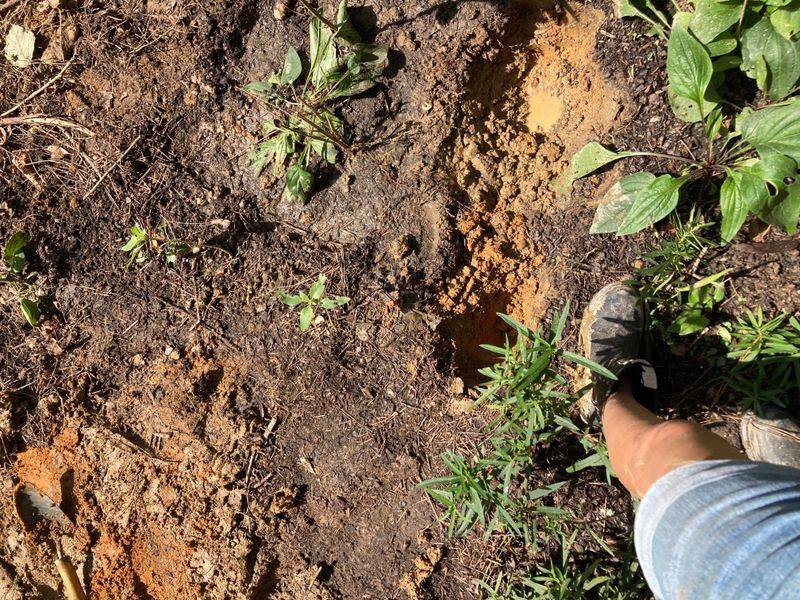
Georgia red clay has a surface that misleads. It can look completely dry, cracked, and inhospitable while holding significant moisture several inches below.
That disconnect between what the surface shows and what the root zone actually contains is one of the most consistent sources of overwatering in Georgia gardens.
When clay soil is already saturated a few inches down and more water gets added on top, that water has nowhere to go quickly.
It pools around roots, displaces oxygen, and creates the low-oxygen conditions that compromise root health in plants that otherwise would have been perfectly fine.
This scenario plays out frequently in June when gardeners see wilted plants and reach for the hose without checking what the soil is doing below the surface. The wilt looks like a drought symptom. The actual cause is saturation at root depth.
A soil moisture meter removes the guesswork entirely. The screwdriver test is a free alternative. Push a long screwdriver six inches into the soil before watering.
Easy entry and a cool feel indicates adequate moisture is still present. Resistance and a dry feel indicates it is time to water.
Improving clay soil over time with compost and organic matter helps it drain more effectively while still retaining the moisture plants need.
That long-term improvement makes June watering decisions more straightforward because the soil behaves more predictably rather than creating surprises several inches below a completely misleading surface.
5. Letting Containers Dry Completely
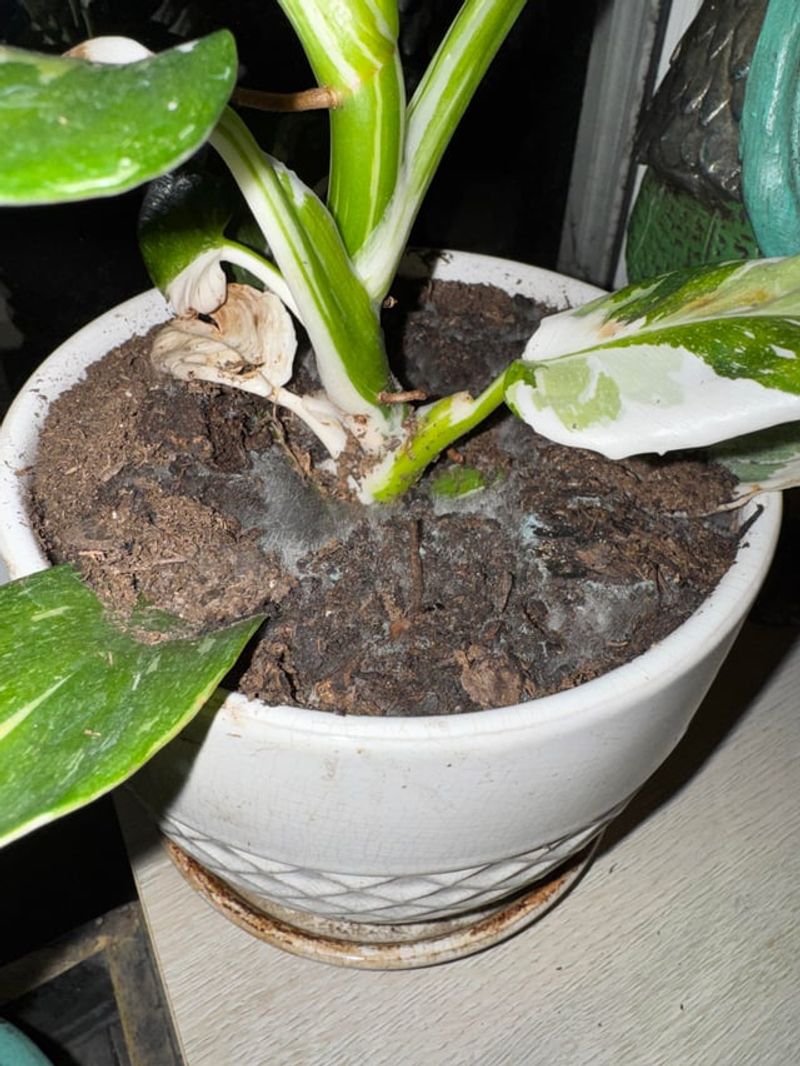
Containers in a Georgia June garden operate under entirely different rules than in-ground planting, and the June sun enforces those rules aggressively.
Pots heat up fast. Small containers and dark-colored ones heat up faster. The soil inside can go from adequately moist to bone dry in a single afternoon, especially in terracotta or metal containers in full sun.
When potting mix dries out completely, it shrinks and pulls away from the container walls. The gap that forms between the soil and the pot becomes the path of least resistance when water is applied.
Water flows straight down that gap and drains out the bottom before the root ball absorbs any of it. The pot looks watered. The roots are still dry. The plant continues to struggle and the gardener continues to feel like they are doing everything right.
The solution is to prevent that complete drying from happening in the first place.
Checking containers every morning in June, particularly small pots and those in full sun, catches the problem before it reaches that critical point.
When the soil feels dry an inch below the surface, thorough watering is warranted.
For containers that have already reached the bone-dry stage, setting the pot in a bucket of water for thirty minutes rehydrates the soil from below and restores normal moisture distribution throughout the root ball.
Adding a mulch layer on top of container soil significantly slows evaporation and extends the interval between necessary waterings during the hottest stretches of the Georgia summer.
6. Skipping Mulch Before Heat Peaks
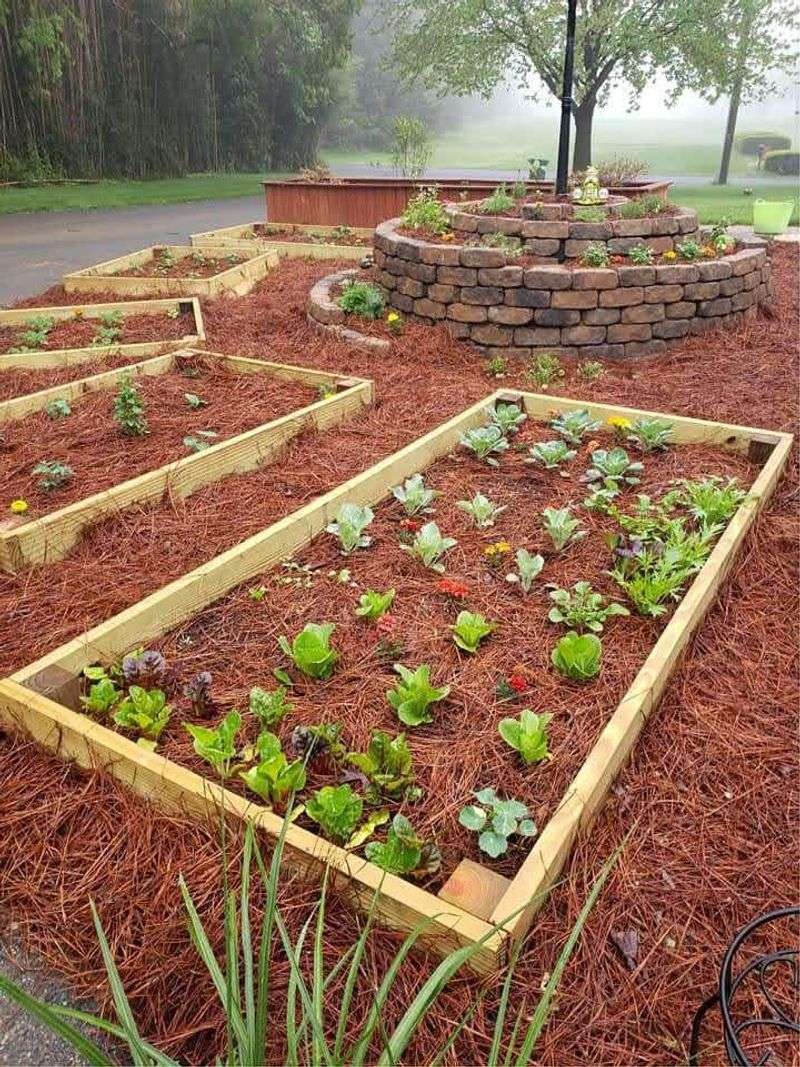
Bare soil in a Georgia June garden is losing moisture continuously.
Without a protective layer on the surface, the sun bakes the ground directly, evaporation runs at maximum rate, and soil temperatures rise high enough to stress the shallow roots that sit just below the surface.
A two to four inch layer of mulch changes that situation significantly. It acts as insulation between the soil and the sun, keeping moisture in and extreme temperatures from transferring downward.
The practical result is soil that stays consistently moist between waterings rather than drying out rapidly after each application.
Pine straw is particularly popular across Georgia for ornamental beds and performs reliably through the humidity and heat.
Wood chips and shredded bark work well in vegetable gardens and mixed borders. The specific material matters less than the depth and coverage.
Timing the mulch application matters more than most gardeners expect. Putting mulch down after the soil has already baked and dried out is far less effective than applying it while the soil still holds moisture from spring rain.
Early June, before heat peaks, is the optimal window for Georgia.
Keeping mulch pulled back an inch or two from plant stems and crowns prevents moisture from concentrating against the base of the plant where it can create problems over time.
Refreshing a thinned mulch layer takes less than an hour and reduces watering frequency for the rest of the summer. That trade is almost unreasonably favorable.
7. Watering At The Hottest Hour
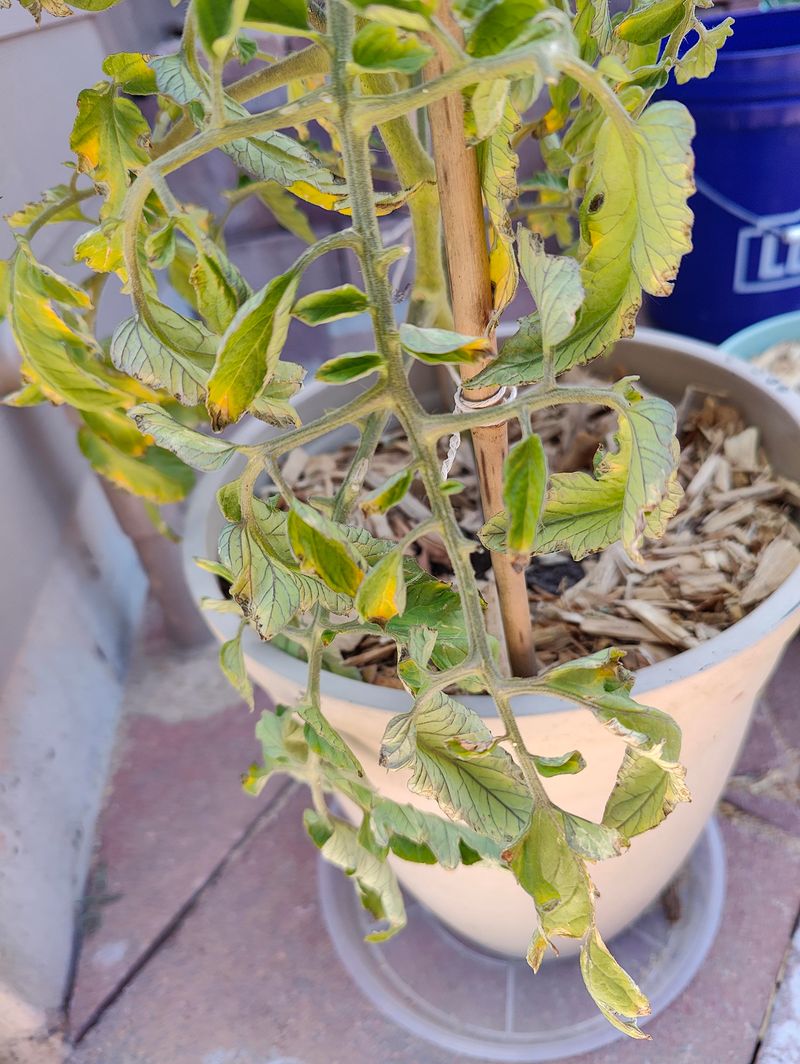
Noon watering in Georgia June combines the worst possible conditions for water to actually reach plants.
The sun is at full strength. Temperatures are pushing into the upper nineties. Evaporation from both soil and leaf surfaces is running at its daily peak.
A significant portion of whatever gets applied simply disappears before it contacts the root zone.
Beyond the water loss, wet foliage under intense direct sun creates a focused heat issue. Water droplets on leaves concentrate sunlight and can leave scorch marks on tender tissue. The watering session meant to help the plant creates a secondary stress.
Soil temperature at midday in Georgia June is already elevated, which slows root uptake even for water that does reach the root zone. The timing creates multiple disadvantages simultaneously.
Early morning watering, between five and nine in the morning, addresses all of these problems at once.
Soil temperature is lower, evaporation rates are reduced, foliage has the full day to dry before evening humidity rises, and plants are naturally more receptive to water uptake during cooler hours.
The water applied in the morning goes where it is supposed to go and stays there.
Early evening watering around five to seven is the next best option when morning watering is not practical.
The key is ensuring leaves have time to dry before nightfall, which keeps the overnight humidity from compounding any residual foliage moisture into a disease situation.
A timer adjustment takes thirty seconds. The improvement to how the garden performs through summer is immediate and consistent.