Lawn Habits That Are Bringing More Ticks Into Georgia Yards This Summer
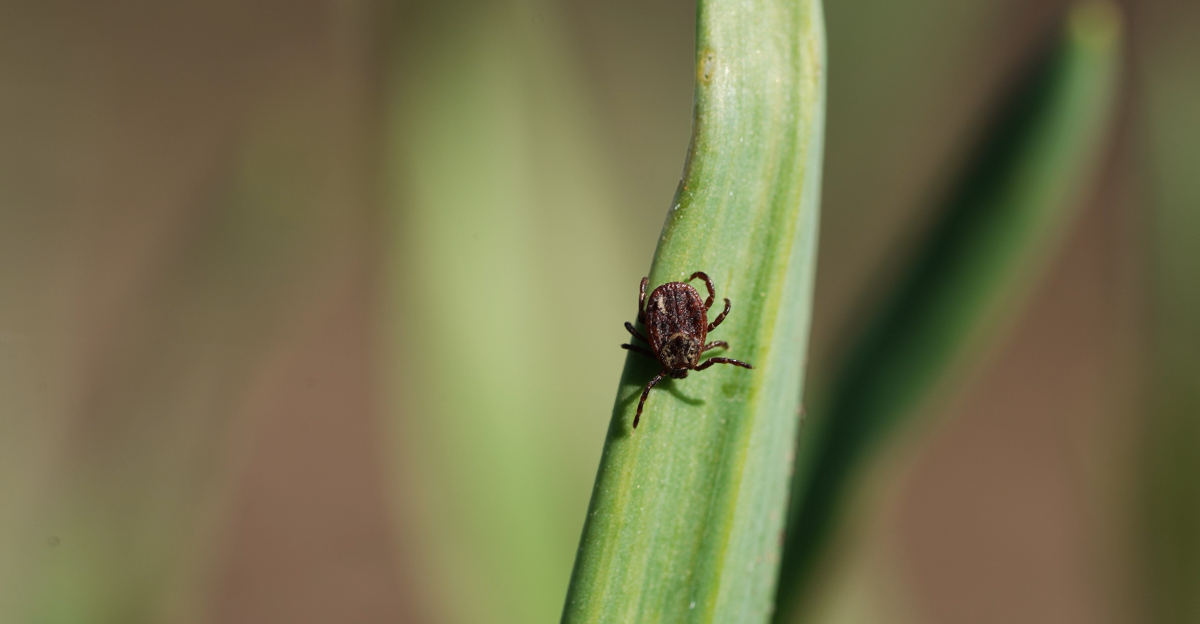
Summer usually means spending more time outside. Lawns become gathering spots for family cookouts, evening conversations, and weekend yard projects.
Many Georgia homeowners start noticing more insects this time of year. Some appear in parts of the yard that never seemed problematic before.
Ticks are one of those pests that nobody wants to find nearby. Most people assume they are only a problem in heavily wooded areas, but they can show up in ordinary residential yards as well.
The surprising part is that some of the conditions they prefer are created by everyday lawn care routines.
A yard does not need to look neglected to attract them. Certain common habits can make outdoor spaces more appealing to ticks without homeowners realizing it.
Understanding what is happening around the lawn is often the first step toward making the yard less inviting this summer. Some of the biggest contributors may be hiding in plain sight.
1. Letting Grass Grow Too Tall Creates Ideal Tick Cover
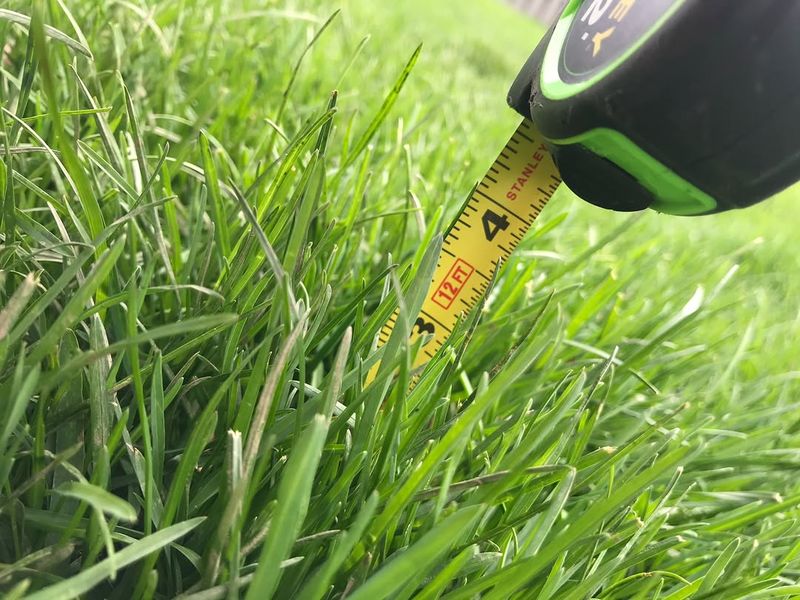
Tall grass is one of the biggest invitations for ticks you can put out. When grass gets above three inches, it creates a shaded, humid space that ticks absolutely love.
They climb grass blades and wait for a host to brush past, a behavior called questing.
Mowing regularly is one of the easiest ways to cut tick numbers in your yard. Aim to keep grass at or below three inches throughout the warm months.
Skipping even one or two mowing cycles during peak summer can give ticks a real foothold.
Warm, humid conditions in the Southeast make grass grow fast. Staying on a weekly or biweekly mowing schedule matters more here than in drier climates.
Short grass dries out faster in the sun, and ticks struggle to survive in dry, exposed areas.
Pay special attention to shaded spots near fences or tree lines. Grass in shaded areas stays moist longer and grows unevenly.
Those patches often get skipped during mowing, which creates exactly the kind of microhabitat ticks prefer most.
Keeping a consistent mowing schedule is not just about curb appeal. It is one of the most practical and low-cost ways to reduce tick pressure in a residential yard.
Do not wait until the grass looks bad to pull out the mower.
2. Thick Groundcover Gives Ticks More Places To Hide
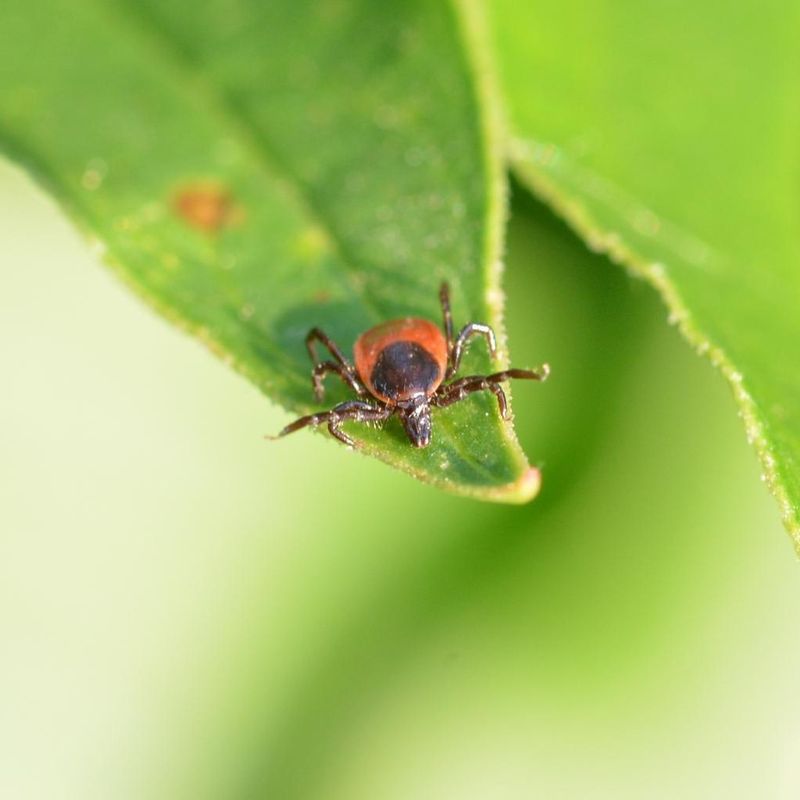
Not all groundcover is equal when it comes to tick risk. Dense, low-growing plants like English ivy, pachysandra, and liriope create a layered, humid microclimate at ground level.
Ticks thrive in exactly that kind of environment.
Groundcover plants are popular in Southern yards because they handle shade and reduce erosion. But they also hold moisture and block sunlight from reaching the soil beneath.
That combination creates a protected zone where ticks can survive even during dry spells.
If you use groundcover near play areas or high-traffic parts of the yard, reconsider the placement. Pulling it back several feet from lawn edges, patios, and walkways reduces the chance of ticks migrating into areas where people spend time.
Your Georgia Garden Changes Every Week. Your Plan Should Too.
Gardening in Georgia changes quickly throughout the season. Every Friday you’ll receive a simple weekly plan showing exactly what to plant, prune, fertilize, harvest, and protect so you never miss the right timing.
A gravel or mulch buffer strip can help create separation.
Thinning out overly dense groundcover every season also helps. Airflow and sunlight penetration reduce humidity at ground level, which makes the space less hospitable for ticks.
It does not mean removing groundcover entirely, just managing it more intentionally.
Replacing invasive or very dense varieties with lower-maintenance alternatives can reduce tick habitat over time. Sparse, open groundcovers allow more sun exposure and dry out faster after rain.
Small adjustments in plant selection can change how attractive your yard is to ticks throughout the summer.
3. Untrimmed Fence Lines Expand Tick Habitat Around The Yard
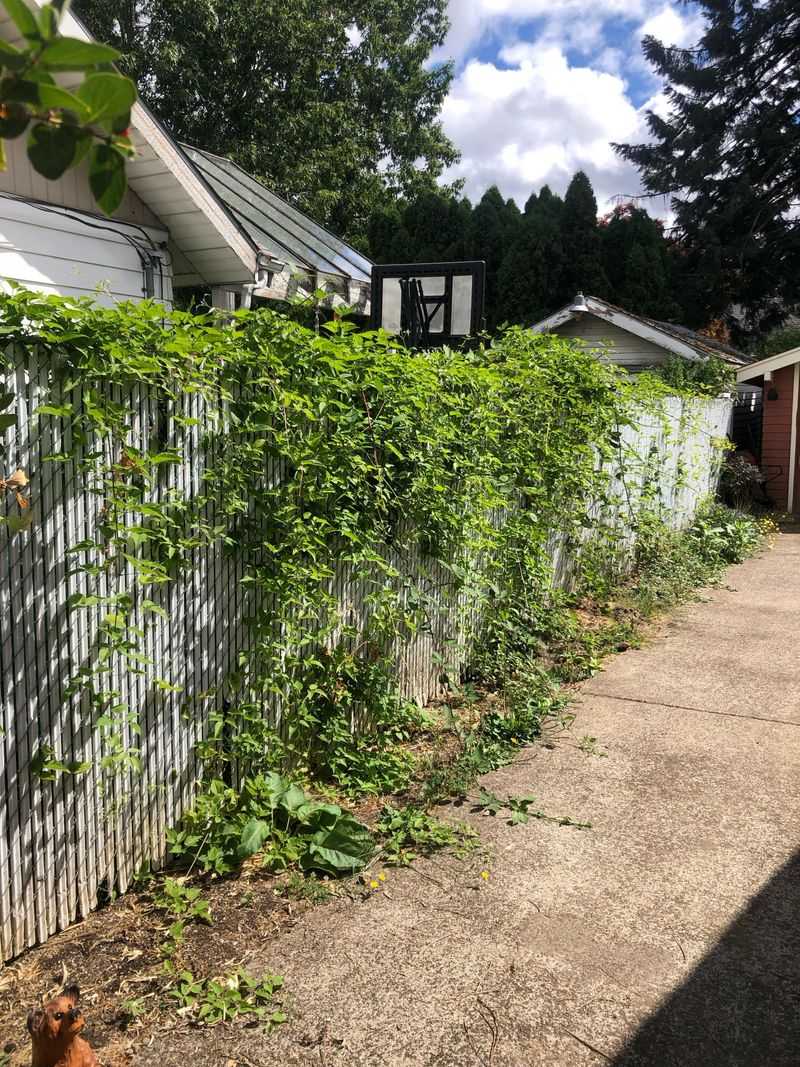
Fence lines are easy to overlook during regular yard maintenance. Grass, weeds, and vines tend to pile up along fence bases because mowers cannot always reach those tight spots.
Over time, that strip of neglected vegetation becomes a prime tick corridor.
Ticks move along edges. They prefer transitional zones where mowed lawn meets taller, unmaintained vegetation.
A weedy, overgrown fence line running the length of your yard creates exactly that kind of edge habitat on a large scale.
String trimmers are the most practical tool for managing fence lines. Running one along the base of fencing every one to two weeks keeps vegetation low and removes the humid cover ticks depend on.
It takes less time than most people expect once it becomes routine.
Vines climbing fence boards are another concern. They create layered, shaded zones along vertical surfaces that ticks can use as resting spots.
Removing climbing vegetation from fence panels and keeping the base clear makes a noticeable difference.
Applying a layer of gravel or crushed stone along the inside base of a fence can also help. It dries out quickly after rain and creates an inhospitable surface for ticks trying to cross from wooded or weedy areas outside the fence.
4. Leaf Piles Hold Moisture That Ticks Depend On
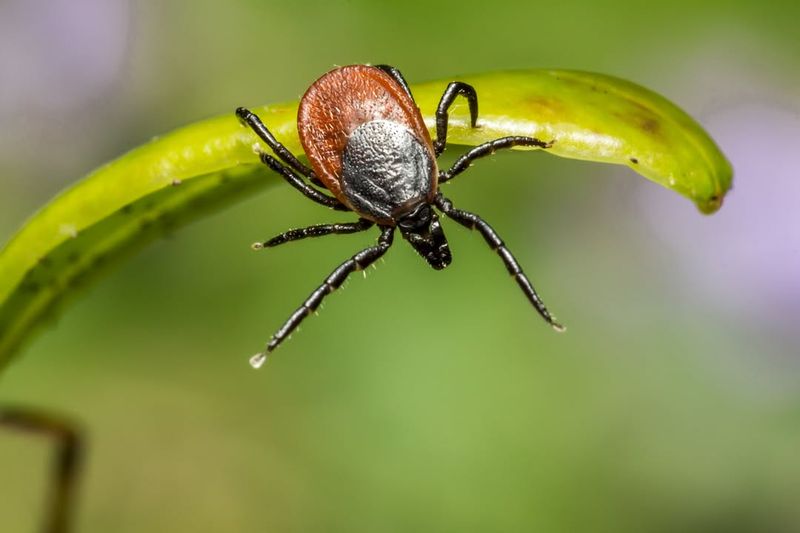
Leaf piles left sitting in the yard are more than just an eyesore. They trap moisture, block sunlight, and create a dark, insulated environment that ticks can use for shelter even through dry or cooler periods.
Decomposing leaves hold heat and humidity for days after rain.
Raking and removing leaf debris promptly is one of the most overlooked tick prevention steps. Many homeowners rake leaves into piles and let them sit for weeks before bagging or composting.
That waiting period is enough time for ticks to move in and establish themselves.
Leaf litter along wooded edges and beneath shrubs is especially problematic. Ticks found in natural forest settings often move into yards through exactly those transitional debris zones.
Keeping the perimeter of your lawn clear of accumulated organic material reduces that movement significantly.
Composting is a great practice, but the compost pile itself should be placed away from areas where children and pets play. Ticks can move from a compost pile into surrounding lawn areas, especially during warm and humid stretches in summer.
Bagging and removing leaves rather than mulching them in place is a better option in high-tick areas. Mulched leaves left on the lawn break down slowly and hold moisture at ground level.
5. Overgrown Brush Creates Cool Areas Near Lawn Edges
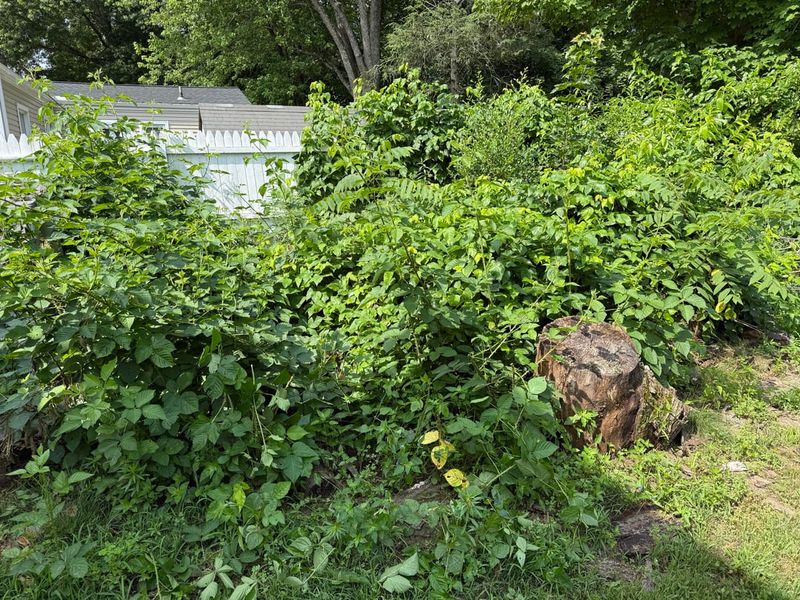
Brushy borders along the edges of a lawn are one of the most common tick hotspots in residential yards. Shrubs, brambles, and low-hanging branches create shaded pockets that stay cooler and more humid than the open lawn.
Ticks seek out those conditions actively.
Trimming back shrubs and cutting out damaged wood reduces the volume of shaded space along lawn edges.
Even pulling branches up off the ground improves airflow and sun exposure at the base of plants. These small changes make edge zones far less attractive to ticks.
Brambles are a particular concern. Wild blackberry canes and similar thorny growth create dense, tangled masses that are difficult to manage and nearly impossible to mow near.
Removing invasive bramble patches from yard edges is worth the effort, especially in yards that border wooded areas or fields.
Spacing out ornamental shrubs rather than planting them in tight clusters also helps. Tightly packed plantings create a continuous shaded corridor that ticks can travel through without exposure.
Leaving gaps between plants allows sunlight to reach the ground and dry out the soil beneath.
Pruning is not just an aesthetic task in tick-prone regions. Keeping ornamental plants shaped, off the ground, and well spaced reduces the microhabitat available to ticks along the yard perimeter.
A little seasonal attention to brush management goes a long way toward a less tick-friendly yard.
6. Deer Paths Bring More Ticks Closer To The Yard

Deer are one of the primary ways ticks get transported into residential areas. A single deer can carry hundreds of ticks at once, and every path a deer walks becomes a potential tick drop zone.
Yards that deer pass through regularly tend to have much higher tick populations.
Deer are drawn to yards with gardens, fruit trees, bird feeders, and ornamental plants. Removing attractants reduces how often deer pass through, which directly affects how many ticks get deposited near your lawn.
Bird feeders in particular tend to draw deer more than most homeowners realize.
Fencing can be effective, but it needs to be tall enough to actually deter deer. A standard four-foot fence does not stop them.
Deer can clear six feet with ease, so effective deer fencing typically needs to reach seven to eight feet to be reliable.
Planting deer-resistant species along yard borders is another practical approach. Lavender, yarrow, and Russian sage are examples of plants deer tend to avoid.
Replacing vulnerable plants near entry points reduces the incentive for deer to pass through your yard.
Checking the yard perimeter for worn trails or hoof prints helps identify where deer are entering. Concentrating deterrents and habitat modifications at those entry points is more effective than trying to manage the entire yard at once.
Knowing where deer travel gives you a clear starting point for reducing tick pressure near the lawn.
7. Regular Cleanup Reduces The Conditions Ticks Prefer
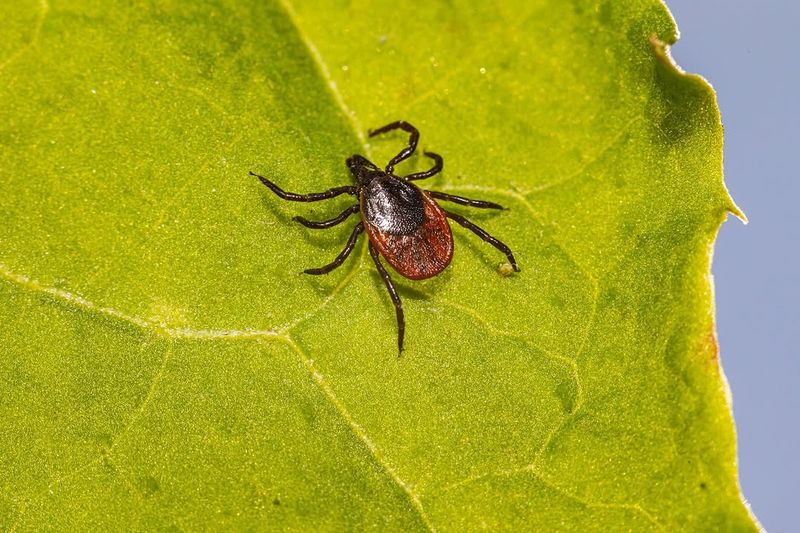
Consistent yard maintenance is the most reliable way to reduce tick pressure without chemicals. Ticks depend on specific conditions to survive: shade, moisture, leaf litter, and dense vegetation.
Removing those conditions regularly makes a yard significantly less hospitable.
A simple weekly routine covers most of what matters. Mow the grass, trim the edges, clear any debris that accumulated near fences or garden beds, and remove standing organic material.
None of these tasks require special equipment or expertise.
Clutter in the yard creates hidden tick habitat that most people never think about. Woodpiles stacked against the house, old pots sitting in corners, tarps left on the ground, and unused equipment all create dark, humid spaces that ticks and their hosts can shelter in.
Keeping woodpiles elevated and stored away from the main lawn area is a practical adjustment. Stacking wood on a raised platform and positioning it in a sunny spot reduces moisture retention and makes it less attractive to both ticks and the small rodents that carry them.
Yard cleanup is not a one-time seasonal task. In warm and humid regions like the Southeast, tick activity continues well into fall and can pick up again as early as late winter.