How To Help Georgia Trees Recover From Cicada Damage This Summer
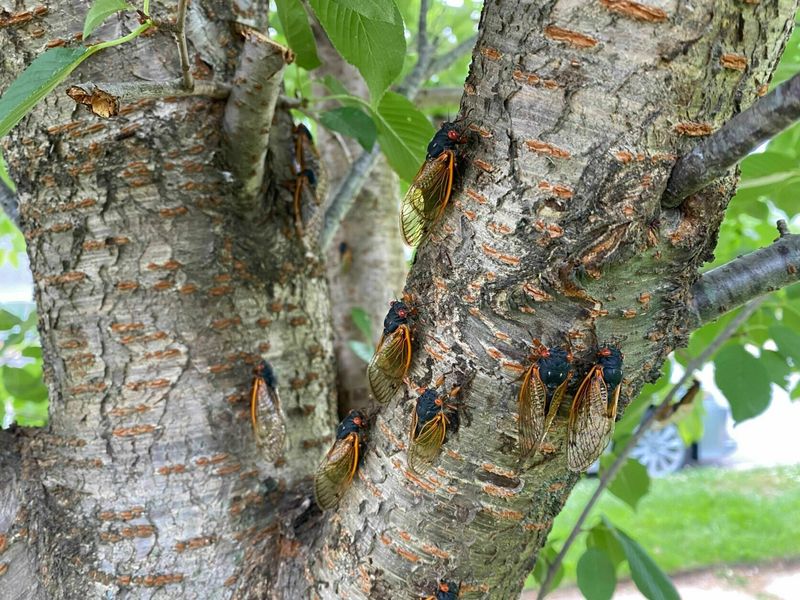
Many homeowners expect to hear cicadas during summer. The constant noise becomes part of the background for a few weeks, and most people assume the insects are more annoying than harmful.
What often gets less attention is what can happen to nearby trees after cicada activity begins to wind down.
Broken twig tips and damaged young branches can become easier to spot as the season progresses. In some cases, trees that looked perfectly healthy earlier in the summer may suddenly show signs of stress.
That can leave homeowners wondering whether the damage is temporary or something more serious.
Many Georgia property owners are taking a closer look at their trees right now. While cicada damage can be concerning, it does not always lead to long-term problems.
Knowing how trees respond after a heavy cicada season can make it easier to support their recovery through the rest of summer.
1. Damaged Branch Tips Should Be Pruned Carefully
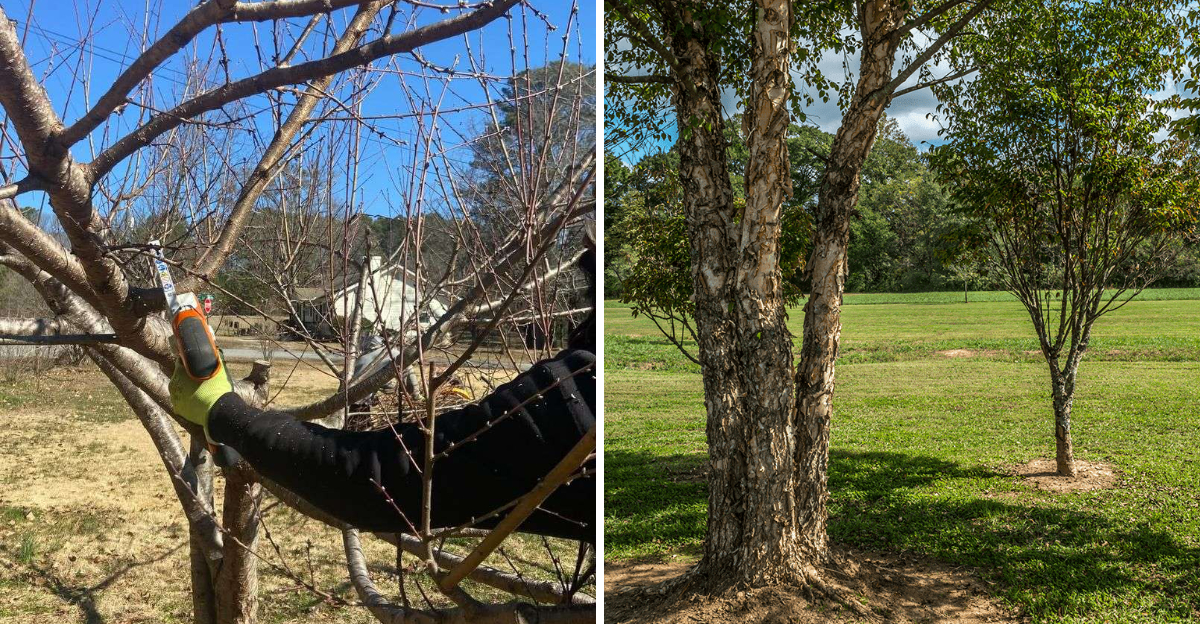
Brown, wilted branch tips are one of the most visible signs of cicada activity. Female cicadas cut small slits into young branches to lay their eggs, and those branch ends often wilt and droop within weeks.
Pruning them out is one of the smartest moves you can make right now.
Use clean, sharp pruning shears and cut just below the damaged area, back to healthy wood.
Clean tools reduce the chance of spreading any secondary issues to healthy parts of the tree.
Focus on branches that are fully brown or snapped. Skip any that still show green under the bark.
Those may still recover on their own without any cutting at all.
Avoid going overboard. Removing too much at once stresses the tree more than the cicada damage itself.
Keep cuts small, targeted, and purposeful. A light cleanup is almost always better than aggressive removal.
Bag and dispose of pruned material rather than leaving it on the ground. Cicada eggs can still hatch inside those cut branches.
Removing them from your yard reduces the number of nymphs that drop into the soil below your trees.
2. Deep Watering Supports Recovery During Hot Weather
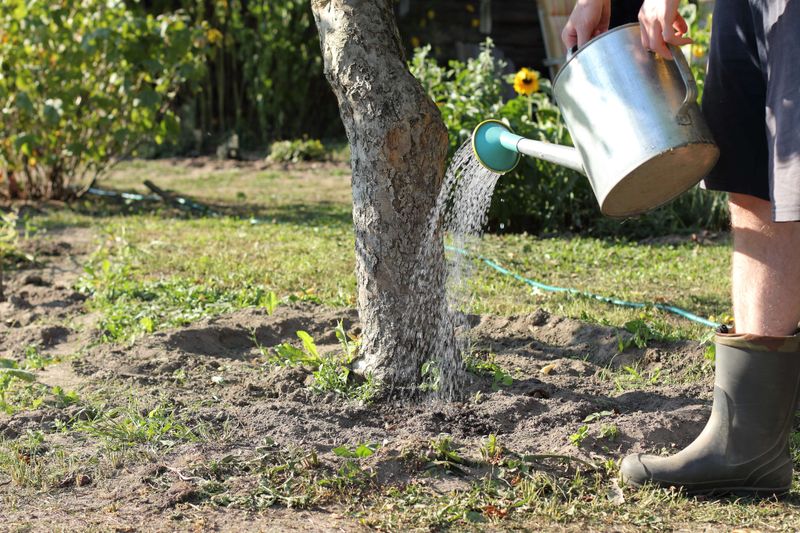
Summer heat and cicada stress are a tough combination for trees. When temperatures climb and soil moisture drops, even a healthy tree struggles to push out new growth.
Deep, consistent watering gives roots what they need to fuel recovery.
Shallow, frequent watering does not help much. Water needs to reach down into the root zone, not just wet the surface.
Aim for slow, deep soaking sessions that allow moisture to penetrate several inches into the soil.
Soaker hoses or drip irrigation work well for this. Run them for an extended period, once or twice a week depending on rainfall.
Check soil moisture a few inches down before watering again to avoid overdoing it.
Morning watering is ideal. It gives foliage time to dry before evening, which reduces the risk of fungal issues.
Afternoon watering in full sun can also cause rapid evaporation before water ever reaches the roots.
Your Georgia Garden Changes Every Week. Your Plan Should Too.
Gardening in Georgia changes quickly throughout the season. Every Friday you’ll receive a simple weekly plan showing exactly what to plant, prune, fertilize, harvest, and protect so you never miss the right timing.
Pay extra attention during dry spells. Georgia summers can go weeks without meaningful rain, and trees already stressed from cicada damage are more vulnerable during those stretches.
Consistent moisture is one of the most effective recovery tools available to any home gardener.
Healthy root systems recover faster. Watering deeply encourages roots to grow downward, building long-term drought resilience well beyond this season.
3. Mulch Protects Roots From Summer Stress
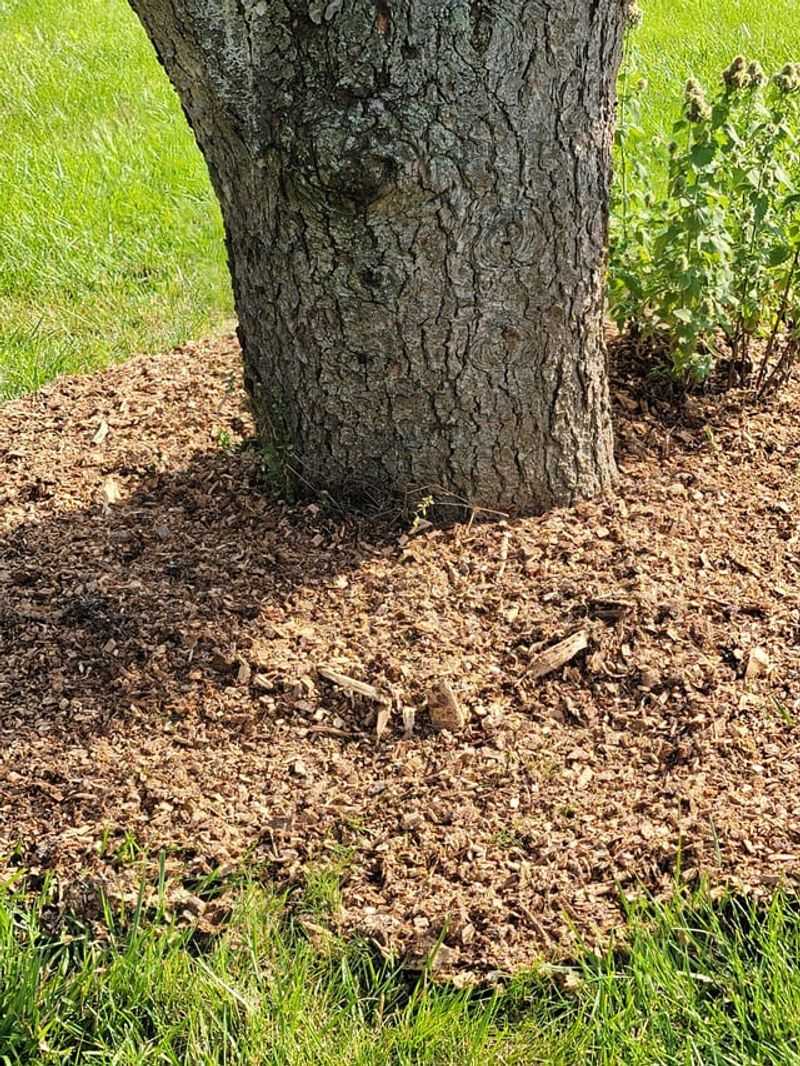
Mulch might be the most underrated tool in summer tree care. A proper layer of organic mulch around the base of a tree does several important things at once, and it costs very little to apply.
Start by spreading a two-to-four inch layer of wood chips or shredded bark around the base of the tree. Keep it pulled back a few inches from the trunk itself.
Mulch piled against the bark traps moisture and can cause problems over time.
Extend the mulch ring as wide as you can, ideally reaching out to the drip line of the tree. Most feeder roots grow in that outer zone.
Covering that area helps protect the roots that matter most for water and nutrient uptake.
Mulch slows soil moisture loss during hot, dry stretches. It also keeps soil temperatures more stable, which roots appreciate during intense summer heat.
Both of those benefits directly support recovery after cicada damage.
Organic mulch also breaks down slowly and feeds the soil over time. As it decomposes, it improves soil structure and encourages beneficial microbial activity around the root zone.
Replenish mulch as it breaks down throughout the season. A fresh top-up every few months keeps the protective benefits going strong.
4. Healthy Trees Usually Recover Without Major Intervention
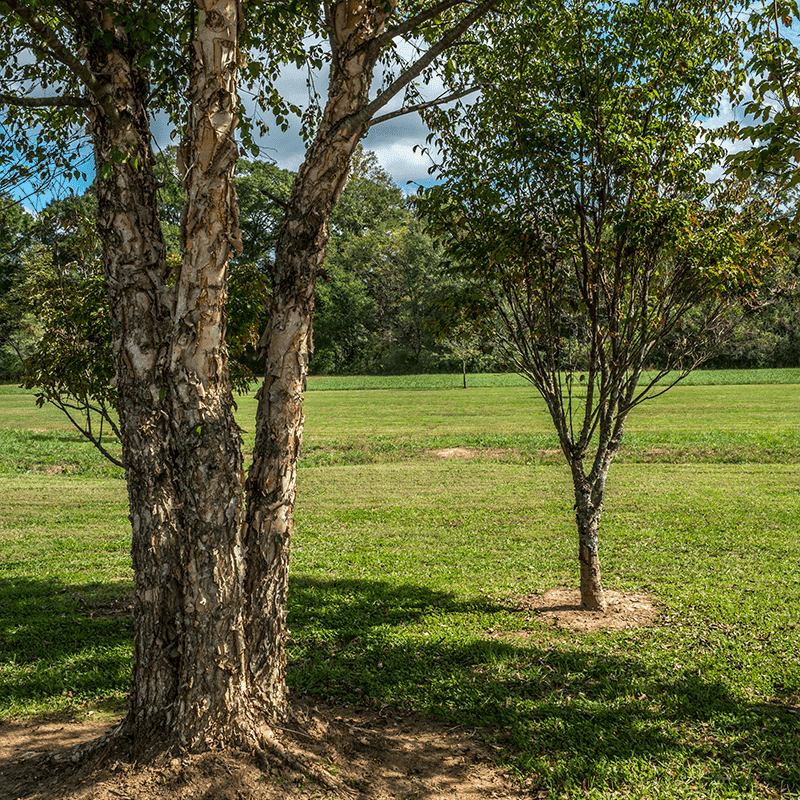
Here is something worth knowing before you panic: most established, healthy trees handle cicada damage better than people expect. Flagging looks dramatic, but it rarely threatens a mature tree’s long-term health.
Cicadas have been part of the natural environment for millions of years. Trees evolved right alongside them.
A healthy root system, good soil, and adequate moisture give a tree all it needs to push through the stress and recover on its own schedule.
Established trees with deep root systems are especially resilient. They have energy reserves stored in their roots that support new growth even after significant branch tip loss.
Recovery often begins within weeks of the cicadas disappearing.
Watch for new leaf growth emerging from below the damaged tips. That is the clearest sign that a tree is actively recovering.
New growth confirms the vascular system is working and the tree is not seriously compromised.
Avoid the urge to spray pesticides or apply heavy fertilizers as a reaction to the damage. Neither one directly helps cicada recovery, and both can add stress to a tree already working hard to regenerate.
Focus on supportive care instead. Water, mulch, and light pruning are the most effective tools.
Trust the tree’s natural recovery process.
5. Young Trees Need Extra Attention After Heavy Activity
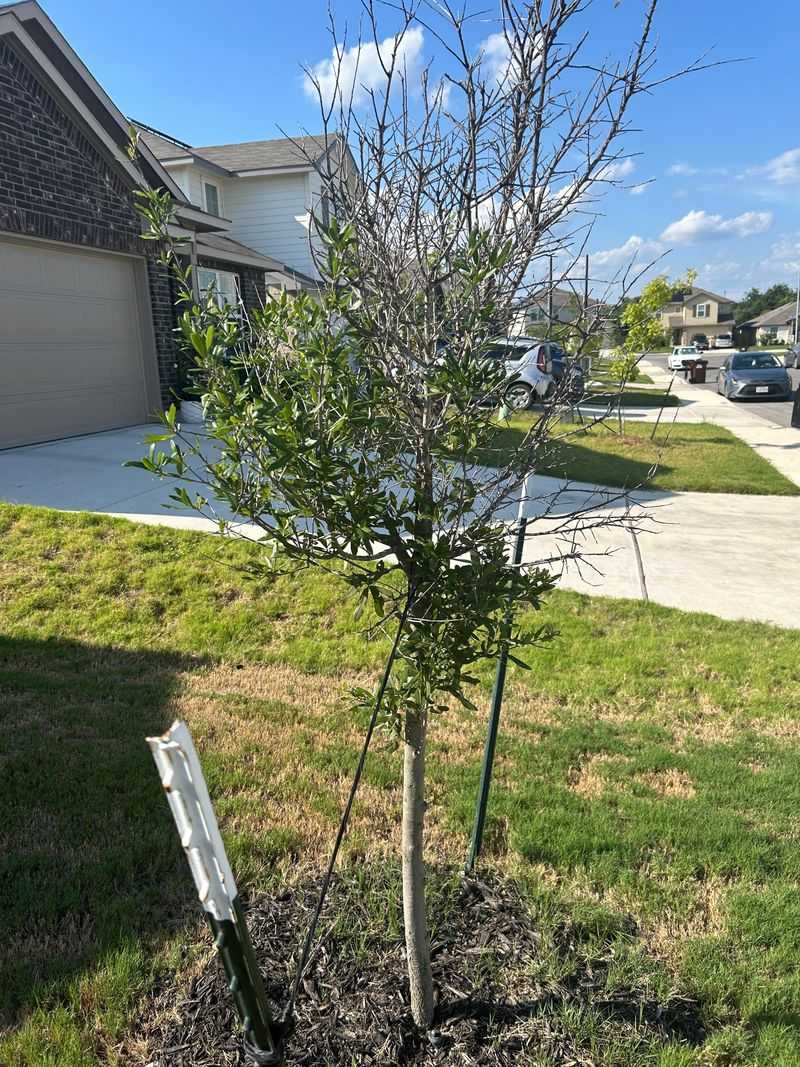
Young trees do not have the same reserves as mature ones, and that matters a lot after a heavy cicada season. Saplings and recently planted trees are more vulnerable and need closer attention throughout the summer months.
A young tree with a small canopy can lose a significant portion of its branch tips to cicada egg-laying. That level of loss puts real strain on a tree still working to establish its root system in new soil.
Check young trees every few days during and after cicada activity. Look for wilting, browning tips, or areas where multiple branches in one section are affected.
Catching issues early gives you more options for supporting recovery.
Water young trees more frequently than established ones. Their root systems are shallower and smaller, which means they dry out faster during summer heat.
Consistent moisture is especially critical for trees planted within the last two or three years.
Light pruning of damaged tips helps young trees redirect energy toward healthy growth. Keep it minimal and targeted.
Removing too much from a small tree can set back its development significantly.
Stakes and support structures should be checked too. Cicada activity can sometimes loosen soil around newly planted trees.
6. Avoid Heavy Pruning During The Recovery Period
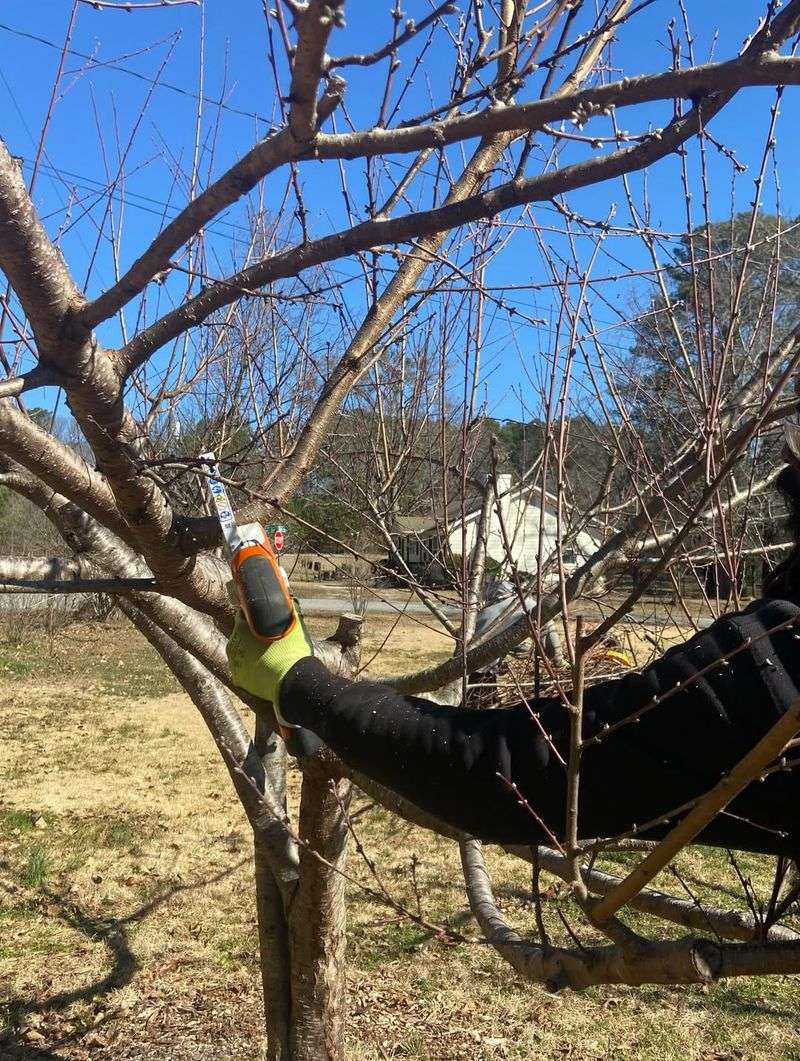
Grabbing the pruning saw and going to town on a cicada-damaged tree is a tempting move. All that browning and wilting looks like it needs to go.
Resist that urge, because heavy pruning right now can do more harm than good.
Trees use stored energy to push out new growth after any kind of stress. Cutting away large amounts of living wood forces the tree to spend even more of that stored energy on wound response and regrowth.
It stretches recovery time rather than shortening it.
Stick to removing only the clearly damaged material.
Anything that still shows green under the bark, or that has not fully browned yet, should stay in place for now.
Summer is not an ideal time for structural pruning on most tree species. Heavy cuts made during hot weather are harder for trees to compartmentalize, which can invite secondary issues.
Save major structural work for late fall or early spring when trees are better equipped to handle it.
A good rule of thumb: remove only what is clearly necessary. Less is more during a recovery period.
A light, targeted cleanup almost always produces better results than aggressive cutting.
7. New Growth Shows That Trees Are Bouncing Back
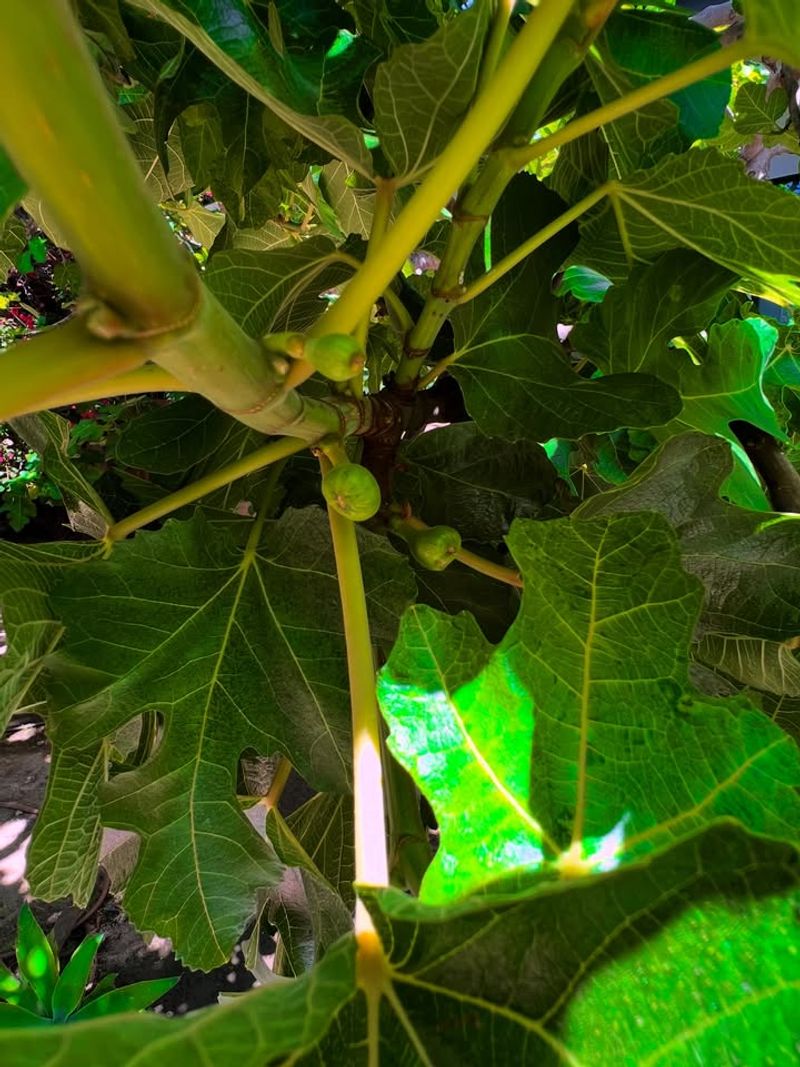
Nothing is more reassuring than spotting fresh green growth on a tree that looked rough just weeks earlier. New leaves pushing out from below damaged tips are a clear signal that recovery is happening.
Watch for it, because it shows up faster than most people expect.
New growth often appears within four to six weeks after cicada activity slows down. Look closely at the nodes below the brown, wilted tips.
Small buds and tender new shoots emerge right from those points when the tree is actively rebuilding.
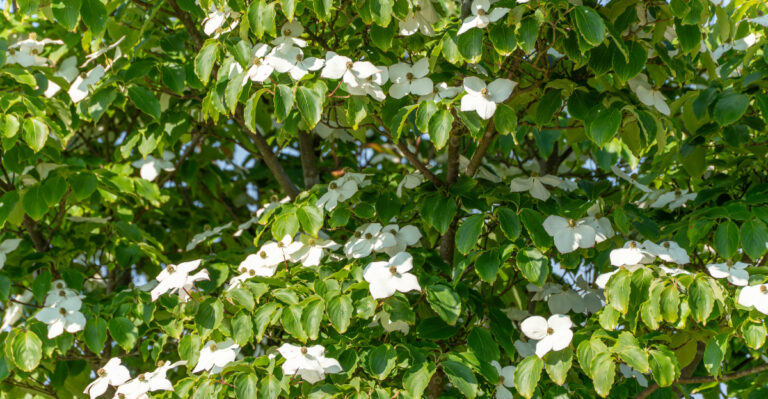
Across the South, trees like oaks, maples, and dogwoods are well-adapted to seasonal stress. Their recovery patterns are reliable when basic care needs are met.
Seeing new growth on these species is a strong indicator that the tree is in good shape overall.
Photograph your trees every week or two during recovery. Side-by-side comparisons make it easy to track progress and notice changes that are hard to see day by day.
It also helps you spot any areas that are not bouncing back as expected.