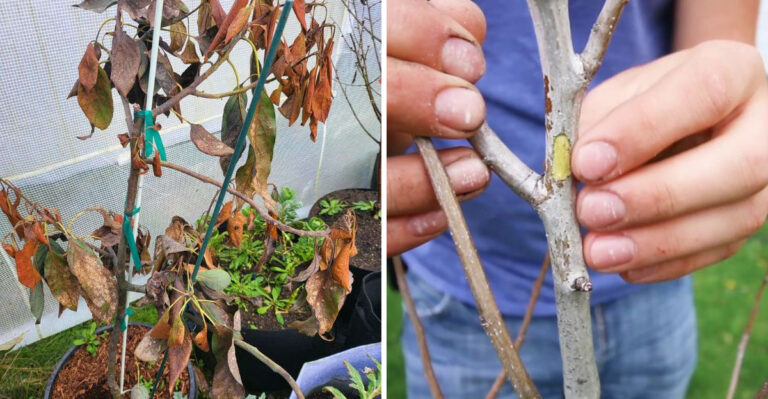
8 Steps To Take Right Now To Save Your Heat-Stressed Plants In Florida
Every Florida gardener hits a point in summer where the garden starts looking like it has had enough.
Plants that were doing well just weeks ago are wilting in the afternoon heat, dropping leaves, or simply looking completely worn out in a way that feels sudden and a little alarming.
Sandy soil dries fast, patio containers absorb heat from every direction, and stretches without steady rain can push even tough plants to their limits.
The temptation to water more or add fertilizer is real, but jumping to a fix before understanding what is actually wrong can do more harm than good.
Checking soil moisture, mulch thickness, shade exposure, weed competition, and recent watering habits first gives you the information you actually need to help your plants bounce back the right way.
1. Check Soil Moisture Before Watering Again
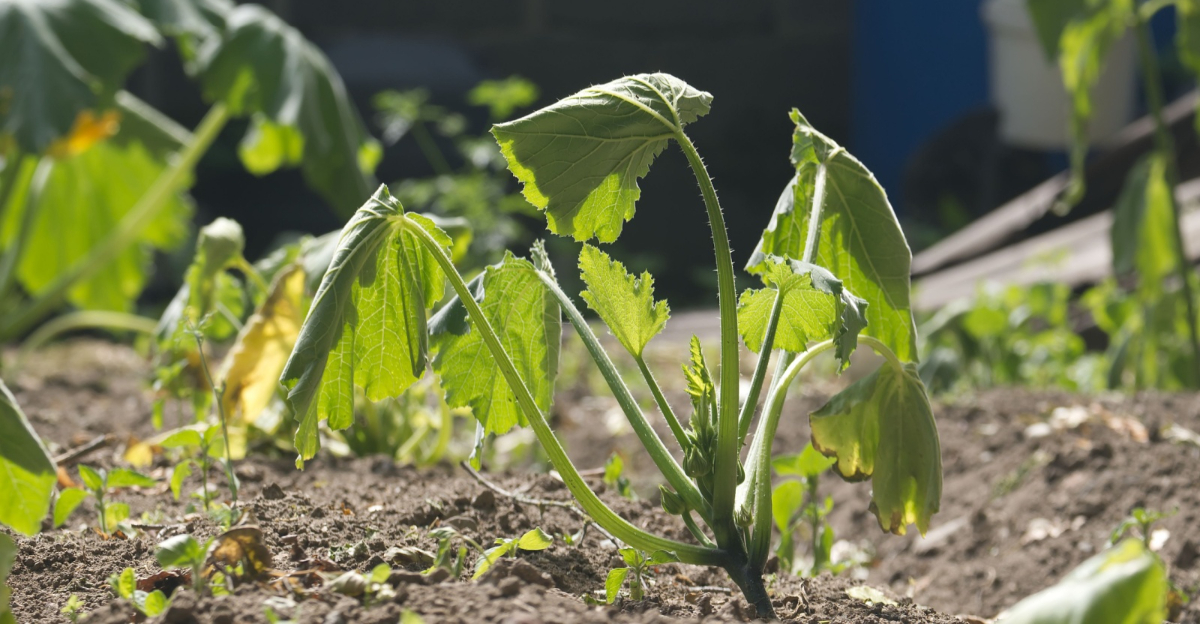
Wilting leaves on a hot Florida afternoon can look alarming, but they do not automatically mean the soil is dry.
Plants sometimes wilt during peak heat simply because they are losing moisture through their leaves faster than their roots can pull it up, even when the root zone still has plenty of water.
Before grabbing the hose, press two fingers about two inches into the soil near the base of the plant. If the soil feels cool and moist at that depth, the plant likely does not need more water right now.
Adding water to already-wet soil can push out oxygen, stress the roots further, and make recovery harder.
This quick check matters most for container plants and raised beds, where soil conditions can vary a lot from what the surface looks like. Sandy Florida soil can feel dry on top while still holding moisture several inches down.
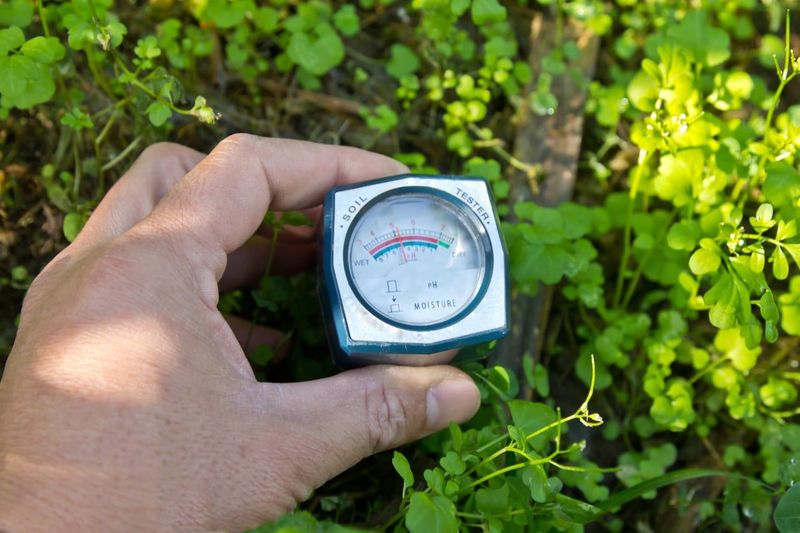
A simple moisture meter from a garden center can also help take the guesswork out of the process. The goal is to water when the plant actually needs it, not on a set schedule that ignores what the soil is already holding.
Getting this step right before anything else can prevent a common mistake that turns mild heat stress into something much harder to manage.
2. Water Deeply In The Early Morning
Quick surface watering during the hottest part of a Florida summer afternoon often does more harm than good.
Water applied in short bursts tends to stay near the top of the soil, which encourages shallow root growth and leaves plants more vulnerable when heat peaks later in the day.
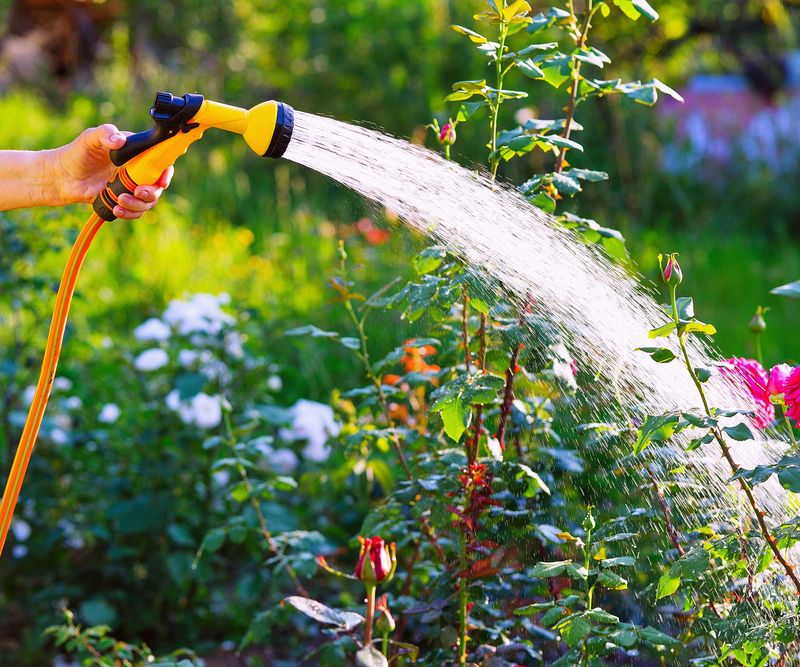
Deep watering, done slowly and thoroughly, gives moisture a chance to reach several inches into the root zone where roots can actually access it.
Early morning is one of the most efficient times to water in Florida because the intense sun and heat have not yet built up, so less moisture evaporates before it soaks in.
Leaves also have time to dry off before the afternoon, which can reduce the chance of fungal issues that are already common in Florida’s humid climate.
For in-ground beds, letting water run slowly for a longer period tends to work better than a fast blast from a hose. Soaker hoses and drip irrigation are worth considering for vegetable gardens and landscape beds because they deliver water directly to the root zone.
Your Florida Garden Changes Every Week. Your Plan Should Too.
Gardening in Florida changes quickly throughout the season. Every Friday you’ll receive a simple weekly plan showing exactly what to plant, prune, fertilize, harvest, and protect so you never miss the right timing.
For container plants, water until it drains out of the bottom, then let the soil dry slightly before watering again. Adjusting how you water, not just how often, can have a noticeable effect on how quickly stressed plants start to perk back up.
3. Move Potted Plants Into Temporary Shade
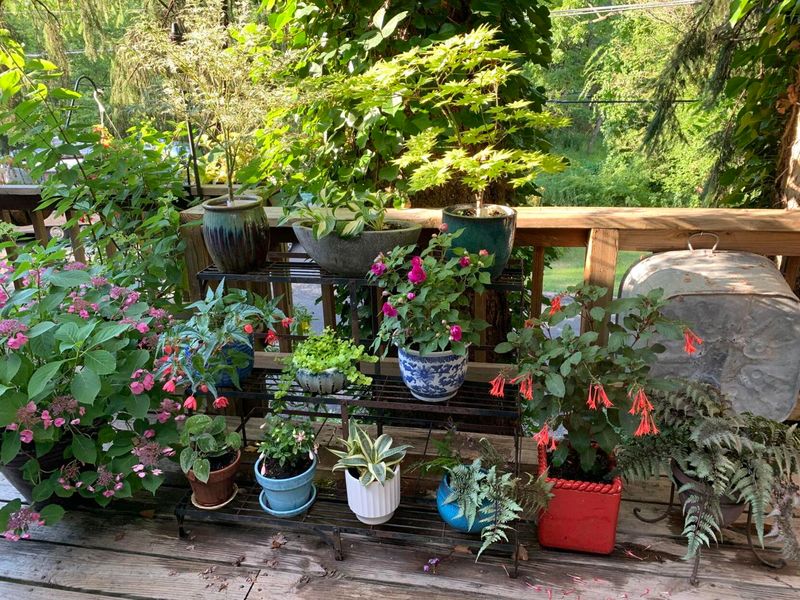
Patio pots and container planters in Florida take on heat in a way that in-ground beds simply do not.
On a hot summer day, the sides of a dark-colored pot can reach temperatures that warm the soil inside significantly, stressing roots even when the gardener has been watering consistently.
Moving containers into a spot that gets bright, filtered light rather than full direct sun during the hottest part of the afternoon can give stressed plants a real chance to stabilize.
A covered porch, the east side of the house, or a spot under a large shade tree can all work well as temporary holding areas.
The goal is not to move plants into deep shade where they get almost no light, but to reduce the intensity of direct afternoon sun while they recover.
Newly planted containers and tender tropicals tend to respond well to this kind of short-term repositioning.
Once the plant shows signs of improvement, with leaves looking less wilted and new growth appearing, it can be gradually moved back to a sunnier spot over several days.
Rushing the transition back into full sun can set the plant back again. Even shifting a pot a few feet to the side of a sunny wall can reduce reflected heat enough to make a noticeable difference for struggling Florida container plants.
4. Use Shade Cloth For Tender Crops
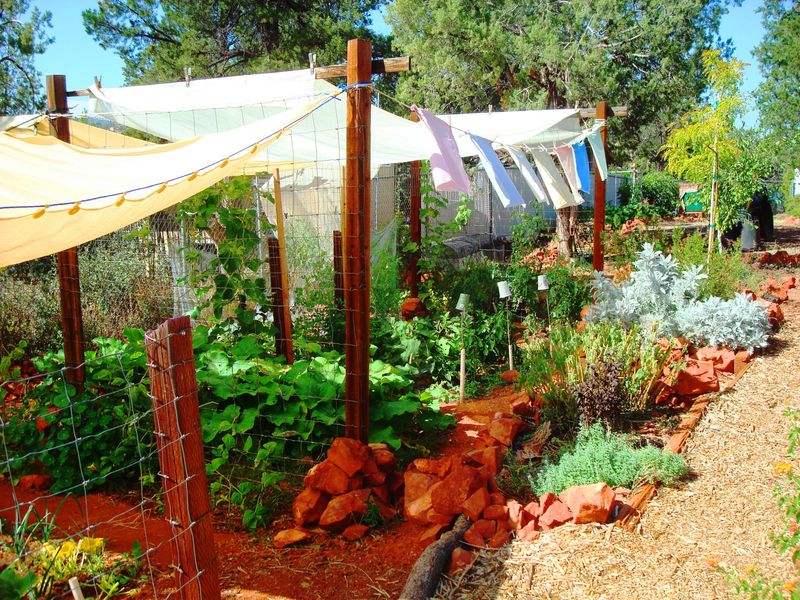
Vegetable gardens in Florida can take a serious hit during stretches of intense summer heat, especially crops like lettuce, spinach, herbs, and recently transplanted seedlings that have not yet developed deep root systems.
Strong sun combined with reflected heat from sandy soil or raised bed walls can push plants past their comfort range quickly.
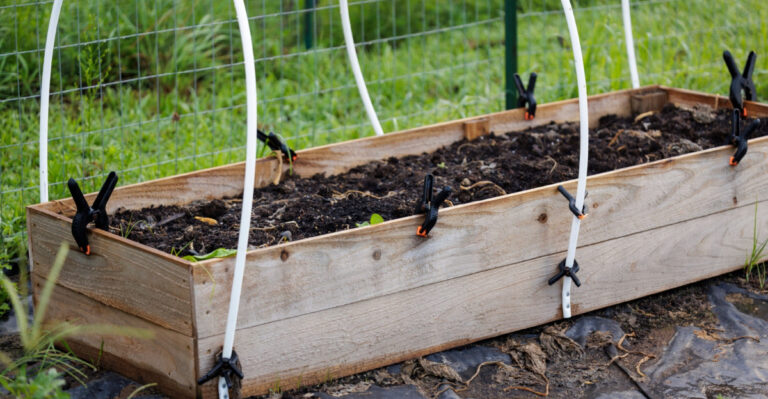
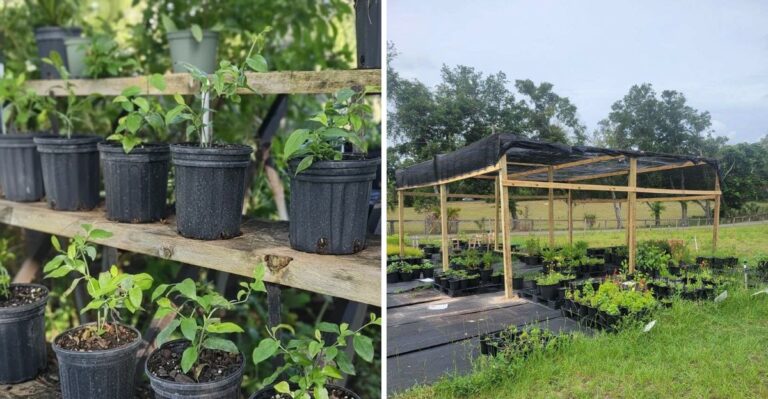
Shade cloth stretched over a simple frame or hoop structure can cut direct sunlight by a meaningful amount, helping tender crops stay cooler and hold onto moisture longer during the hottest hours of the day.
A 30 to 50 percent shade rating works reasonably well for most vegetable crops without blocking so much light that growth slows down too much.
The cloth allows air to move through while reducing the intensity of direct sun, which is a key factor in helping stressed plants stabilize.
Setting up shade cloth does not have to be complicated or expensive. PVC pipes, wooden stakes, or metal hoops can all serve as supports, and the cloth can be removed once temperatures ease up or the plants look stronger.
For Florida gardeners growing warm-season crops through the summer, having shade cloth on hand before a heat event is more useful than scrambling to find it after plants are already struggling.
Even a few days of reduced sun exposure can give a wilted vegetable bed the breathing room it needs to start recovering.
5. Refresh Mulch Around The Root Zone
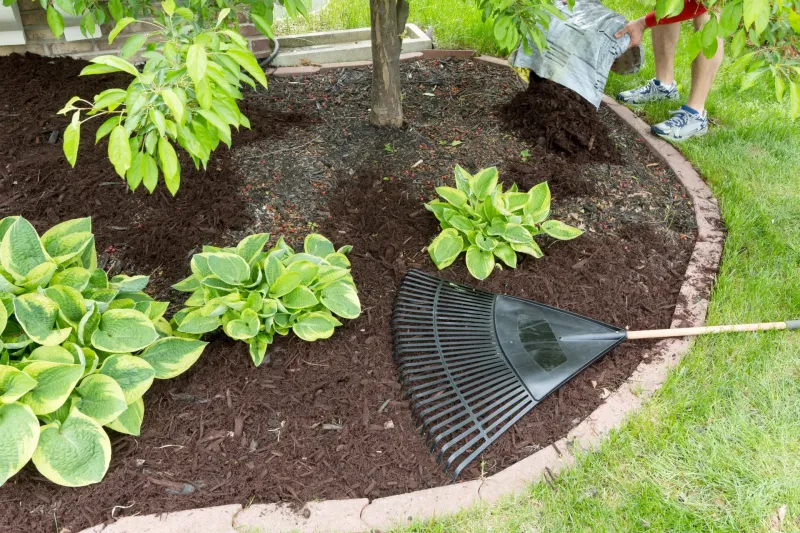
Dry, thin mulch that has broken down or blown away is one of the quieter contributors to plant heat stress in Florida gardens.
When the mulch layer gets too thin, the soil surface heats up faster, moisture evaporates more quickly, and the root zone loses the buffer it needs to stay cooler during hot afternoons.
Refreshing mulch around the root zone of stressed plants can help conserve soil moisture, moderate soil temperature, and reduce the stress load on roots that are already working hard.
A layer of two to three inches of organic mulch such as wood chips, pine bark, or pine straw works well for most Florida landscape plants and garden beds.
Spreading it out to the drip line of the plant, rather than just piling it at the base, gives the root zone broader coverage.
One important detail to keep in mind is that mulch should not be pressed tightly against the stem, trunk, or crown of any plant. Piling mulch directly against a trunk or stem can trap moisture and heat in ways that create a different kind of stress on the plant.
Keep a small gap of a few inches around the base. For container plants, a light layer of mulch on top of the soil can also help slow moisture loss between waterings, which is especially useful during the hottest stretches of Florida summer.
6. Pull Weeds Competing For Moisture
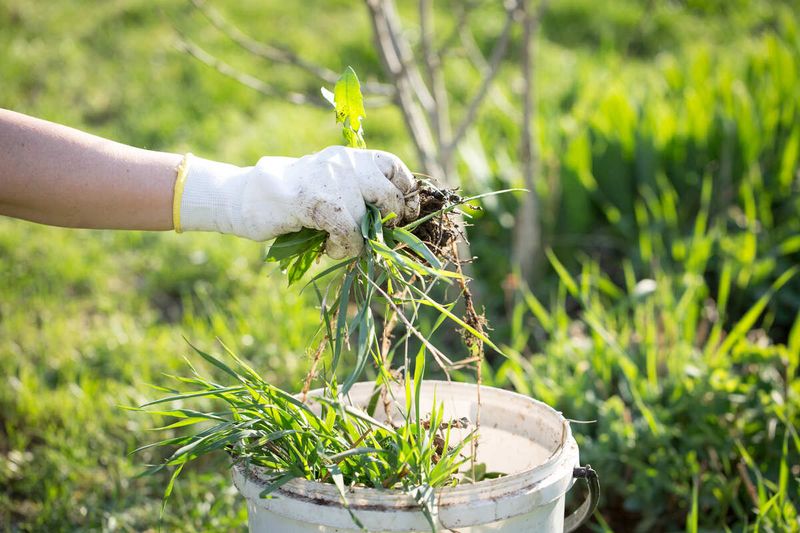
Weeds growing alongside heat-stressed plants are not just an eyesore. During hot Florida summers, they actively compete for the same soil moisture, nutrients, and root space that your garden plants are trying to access.
In a vegetable bed or a young landscape planting where roots are still establishing, that competition can make a real difference in how quickly plants recover.
Pulling weeds while the soil is slightly moist makes removal easier and reduces the chance of disturbing nearby plant roots.
Try to remove weeds from the root rather than just snapping the tops off, since many Florida weeds regrow quickly from the root if the base is left behind.
Shallow cultivation with a hand tool can help loosen roots without digging too deeply and disrupting the garden plants you want to keep.
Container plants and raised beds are worth checking carefully because weeds in those spaces can drain limited moisture reserves faster than weeds in a larger in-ground bed.
Even a small cluster of weeds growing in a pot can reduce the water available to the plant you are trying to save.
After pulling weeds, refreshing the mulch layer in the cleared area helps slow regrowth and keeps the soil cooler.
Removing weed competition is one of those low-effort steps that supports plant recovery without adding any extra stress to plants that are already struggling through Florida heat.
7. Hold Off On Fertilizer While Plants Are Stressed
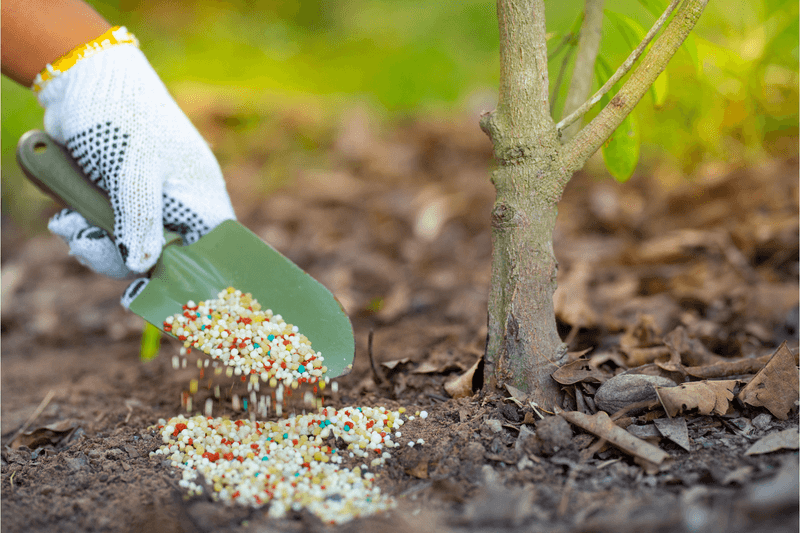
Reaching for fertilizer when plants look rough is a natural instinct, but it can work against recovery when heat stress is the underlying problem.
Fertilizer, especially fast-release formulas, pushes plants to produce new growth at a time when they are already struggling to manage basic water and temperature balance.
New growth triggered by fertilizer during a heat event tends to be soft and more vulnerable to sun and heat damage. It also increases the plant’s overall water demand at a time when the root system may not be able to keep up.
In sandy Florida soils, fertilizer salts can also build up more quickly than in other soil types, adding a different kind of root stress on top of the heat stress that is already present.
A much better approach is to focus first on stabilizing the conditions around the plant.
Getting the watering schedule right, refreshing mulch, reducing direct sun exposure for containers, and removing weed competition are all steps that support recovery without putting additional demands on a struggling plant.
Once the plant shows clear signs of improvement, such as firmer leaves, steady new growth, and an overall healthier appearance, it is a reasonable time to consider a light, slow-release fertilizer application.
Patience with fertilizer during stressful stretches of Florida summer tends to produce better outcomes than acting too quickly.
8. Delay Heavy Pruning Until Plants Recover
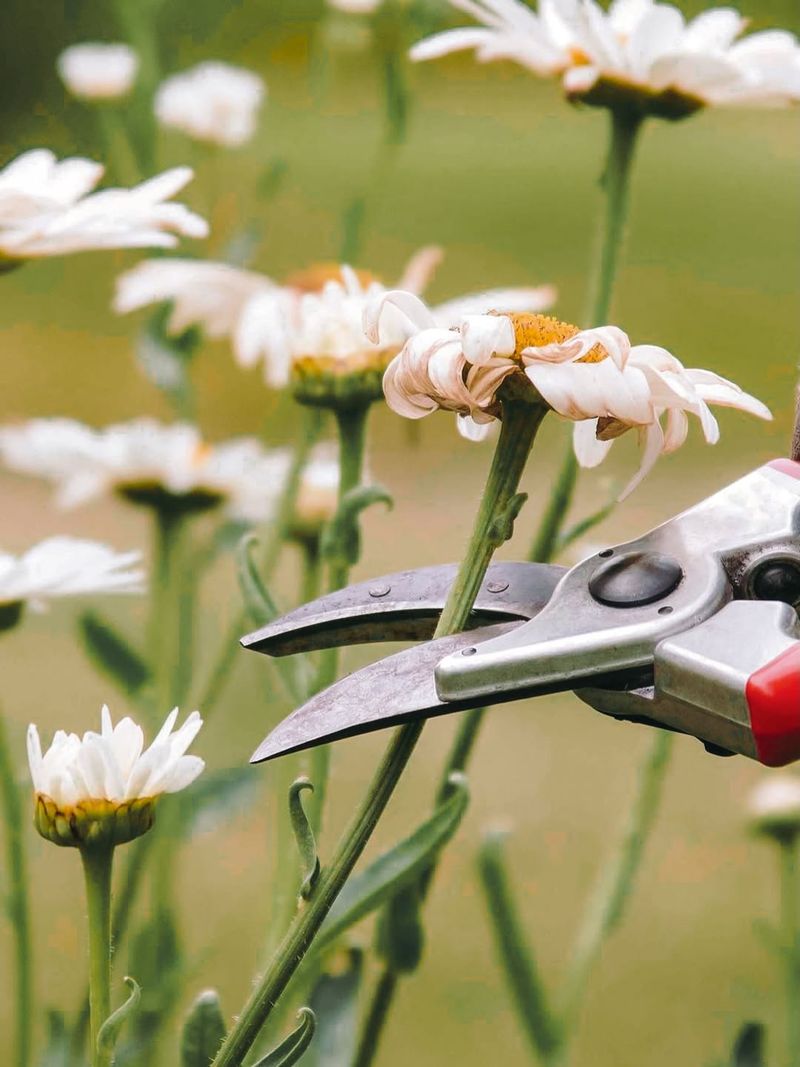
Grabbing pruning shears when plants look ragged during a Florida heat stretch is tempting, but heavy pruning at the wrong time can add more stress rather than help.
Cutting back large amounts of foliage exposes previously shaded stems and inner leaves to direct sun, which can cause sunscald and push the plant into a deeper stress response.
Leaves that look wilted or slightly brown during peak heat may not be permanently damaged. Some of them can recover once temperatures ease and watering stabilizes.
Removing too much foliage too soon takes away the plant’s ability to produce energy through photosynthesis right when it needs that capacity most. Waiting to see which parts of the plant actually recover on their own is a more measured approach.
That said, removing clearly broken branches, stems that are visibly diseased, or foliage that is completely dried out and unlikely to recover is reasonable and will not add significant stress.
The key distinction is between light, targeted removal of damaged material and major shaping cuts that take off large portions of the canopy.
Those larger pruning decisions are better saved for a cooler stretch of weather when the plant is stable and actively growing again.
For Florida shrubs, landscape plants, and container specimens coming out of a heat event, a patient approach to pruning tends to lead to a fuller and healthier recovery.