What Counts As A Noxious Weed In Michigan And What Happens If One Grows On Your Property
Most Michigan gardeners have a general sense that certain plants are considered invasive or problematic.
However, the legal category of noxious weed is more specific and carries consequences that go beyond a strongly worded recommendation to remove something from your yard.
The state maintains an official list of plants that property owners are legally required to control, and the enforcement mechanisms attached to that list are real.
Several plants on it may appear in residential gardens or naturalized plantings, and homeowners may not realize they have a legal duty to control them before they spread or go to seed.
Understanding what qualifies as a noxious weed under Michigan law, which specific plants currently appear on that list, and what the practical and legal implications actually are is genuinely useful information for anyone maintaining property in the state.
1. Canada Thistle
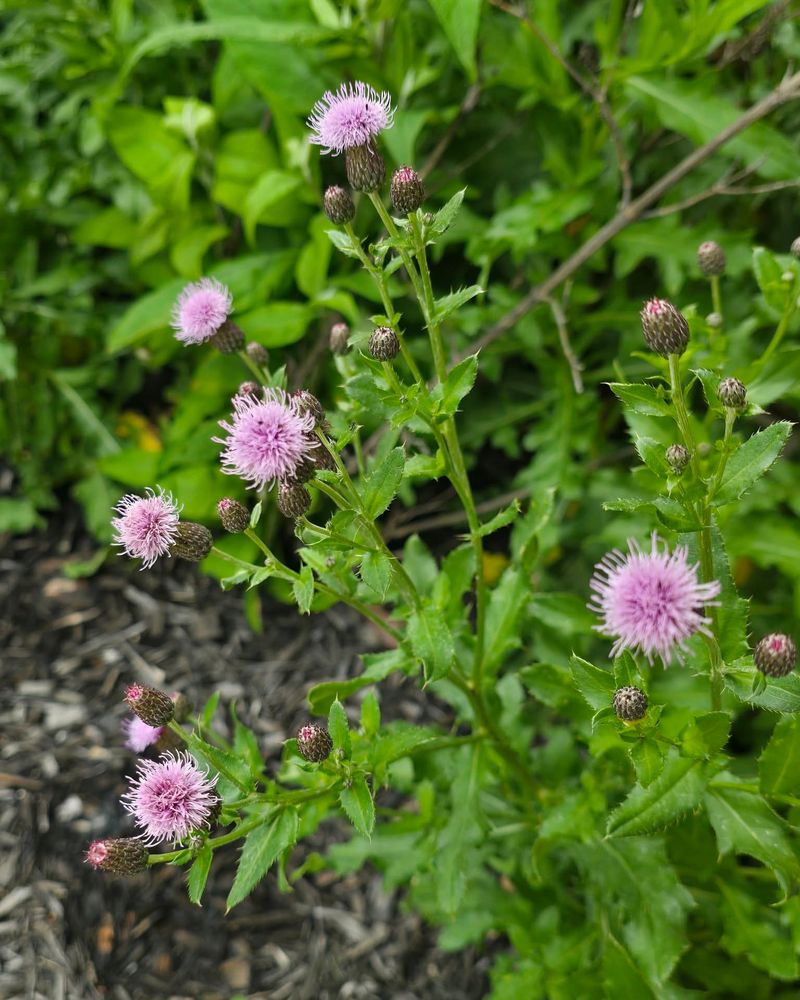
Canada thistle has been on Michigan’s noxious weed list for a long time, and there is a good reason for that.
This plant spreads aggressively, and once it settles into a yard or field, it does not give up easily.
The roots creep underground in a wide network, which means cutting the plant at ground level once is rarely enough to stop it from coming back.
Homeowners should focus on preventing Canada thistle from reaching the seed-bearing stage.
A single plant can release thousands of seeds carried by wind, so letting even one plant mature is a big problem.
Repeated removal throughout the growing season is usually necessary to wear down the plant’s energy reserves stored in those underground roots. Staying consistent is the real key with Canada thistle.
Monitoring your property every few weeks during summer, cutting or pulling regrowth before it flowers, and checking along fence lines and garden edges where it tends to sneak in will make a noticeable difference over time.
Some homeowners find that combining repeated cutting with smothering ground covers helps reduce regrowth.
It is a patient process, but staying ahead of this plant is far easier than trying to reclaim a large patch that has spread across a property over several seasons.
2. Dodder
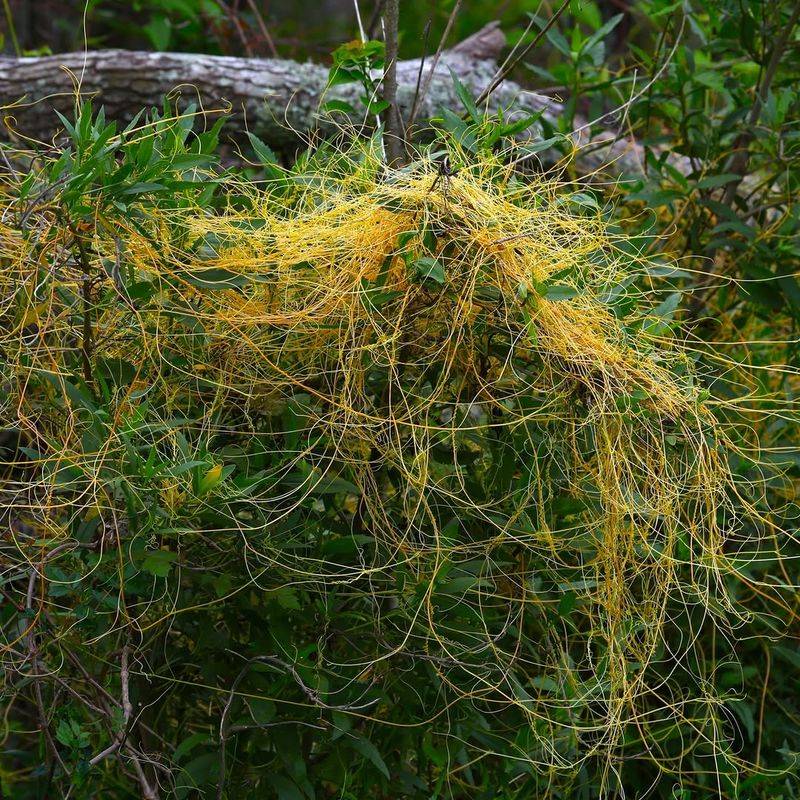
Dodder looks like someone draped orange or yellow string across your garden plants, and that unusual appearance is actually a warning sign. Plants in the genus Cuscuta, commonly called dodder, are parasitic.
They attach to host plants and pull water and nutrients directly from them, which gradually weakens whatever they latch onto.
Michigan includes dodder in its noxious weed law because of how quickly it can spread and the damage it causes to surrounding vegetation.
Gardeners who spot those telltale tangled threads should act right away.
The longer dodder stays attached to a host plant, the more it spreads through contact with nearby stems and branches. Removing dodder takes a careful approach.
Since it wraps tightly around host plants, you often need to remove sections of the affected plant along with the dodder itself to avoid leaving any of the parasite behind.
Bag and dispose of all removed material rather than leaving it on the ground, where it can still attach to new hosts. Early identification really is the best tool here.
Your Michigan Garden Changes Every Week. Your Plan Should Too.
Gardening in Michigan changes quickly throughout the season. Every Friday you’ll receive a simple weekly plan showing exactly what to plant, prune, fertilize, harvest, and protect so you never miss the right timing.
Checking your garden regularly during the growing season, especially in areas where plants are crowded close together, gives you the best chance of catching dodder before it establishes a strong hold and becomes much harder to manage effectively.
3. Mustards
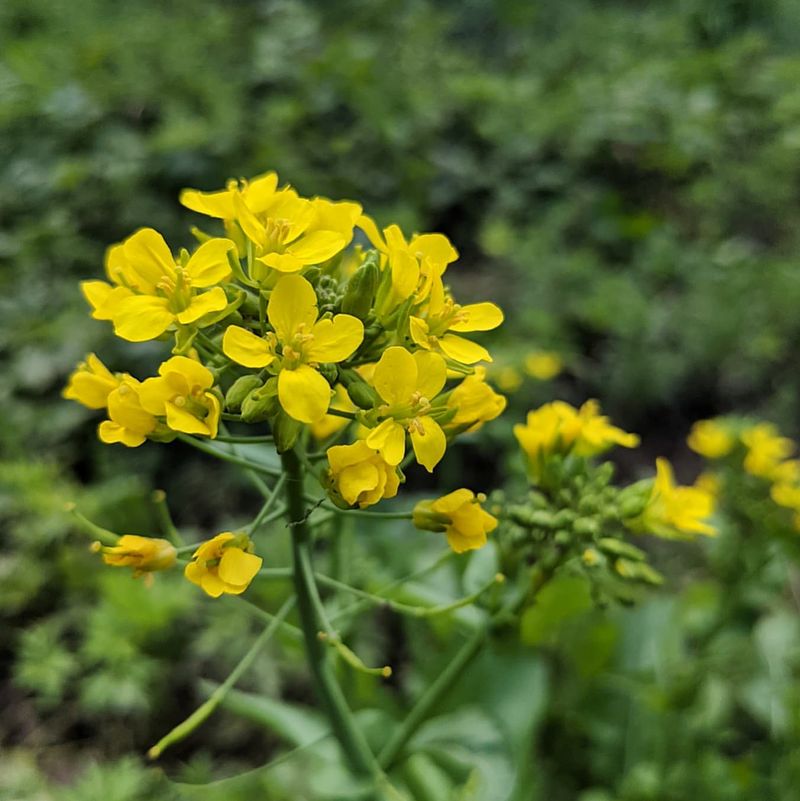
Not every plant in the mustard family is a legal concern, so some careful thinking is needed before assuming your vegetable garden is in trouble.
Michigan’s noxious weed rules target specific mustard species, including charlock, black mustard, and Indian mustard.
These are regulated mustard species, and identification matters because Indian mustard, Brassica juncea, is also grown as edible mustard greens; the key is preventing regulated plants from spreading or going to seed.
Correct identification matters a lot here. Charlock, for example, is a common field weed with small yellow flowers that spreads readily in disturbed soils, roadsides, and crop areas.
Black mustard and Indian mustard are similar in habit. If you are unsure whether a plant in your yard is one of these regulated species, reaching out to your local Michigan State University Extension office is a smart first step.
Context also plays a role in how these rules apply. A mustard green being harvested before it flowers is a different practical situation from a weedy patch that is flowering and spreading, but the species still matters under Michigan law.
Local conditions, land use, and the specific species involved all factor into how seriously the situation is treated.
The main takeaway for gardeners is to know what you are growing, keep an eye on self-seeding plants, and take reasonable steps to prevent uncontrolled spread onto neighboring properties or roadsides.
4. Wild Carrot
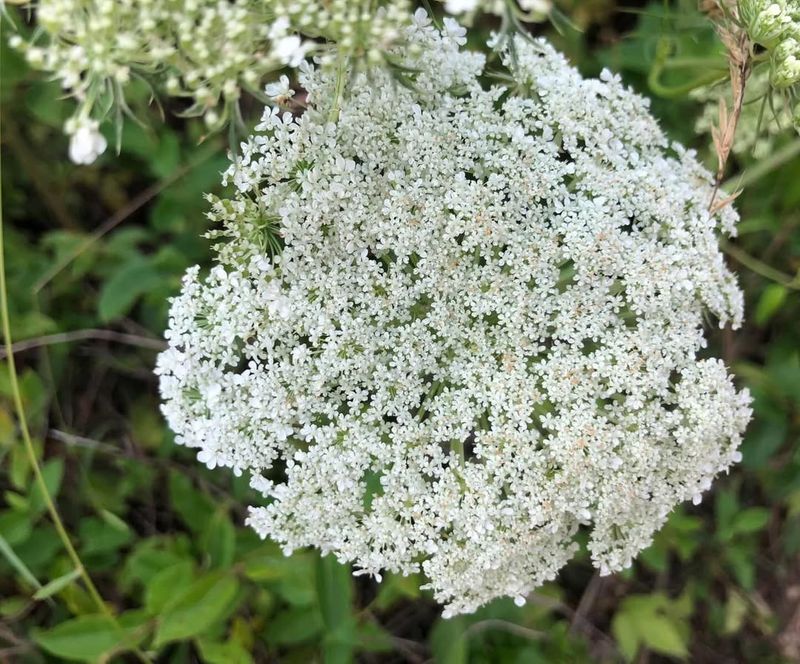
Queen Anne’s lace has a certain charm to it. Those flat, lacy white flower clusters look beautiful swaying along a country road, and many people assume it is a harmless wildflower.
Wild carrot is the same plant, though, and Michigan includes it in its noxious weed rules for good reason. The problem is not the appearance but the behavior.
Wild carrot sets enormous amounts of seed and spreads quickly into areas where it is not wanted, including roadsides, field edges, meadows, and open lots.
When it moves into agricultural land or areas where it can outcompete other plants, it becomes a genuine management challenge.
Allowing it to flower and set seed freely is where property owners can run into trouble with local regulations.
Gardeners who enjoy the look of Queen Anne’s lace in a naturalistic planting should be thoughtful about where they allow it to grow and whether they are in a location where it could easily spread beyond their property.
Cutting plants before seed heads mature is the most practical way to enjoy the flowers without contributing to a wider spread.
Checking with your local township or county about any specific ordinance rules is always a good idea, especially if you manage open land or rural property where wild carrot tends to establish itself most aggressively.
5. Bindweed
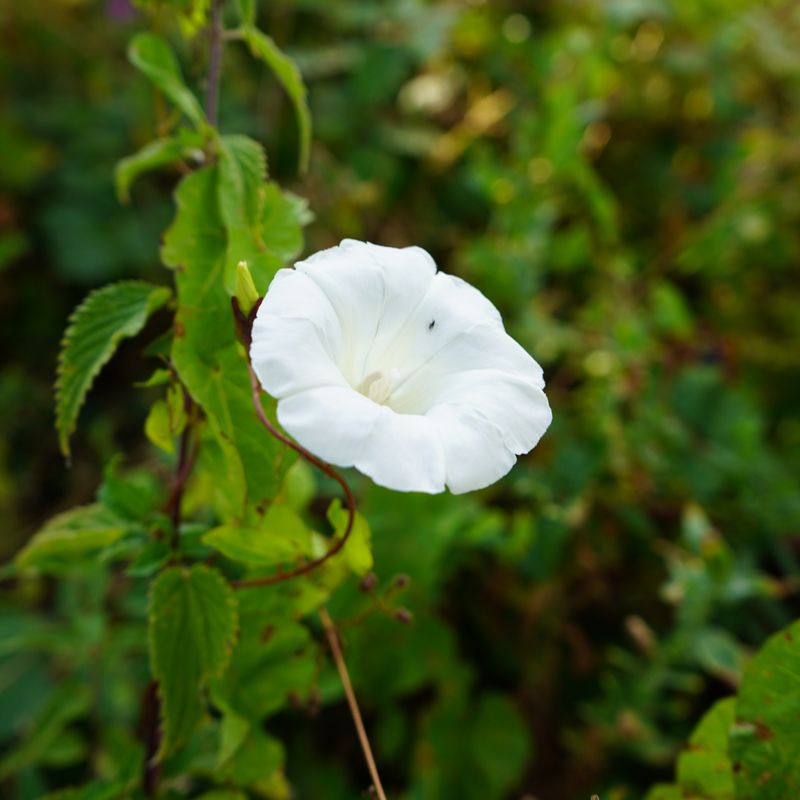
Anyone who has ever tried to pull bindweed out of a garden bed knows exactly how stubborn this plant can be.
It twines its way through other plants, wraps around fences, and winds through perennials and shrubs so thoroughly that separating it without disturbing everything else becomes a real challenge.
Michigan lists field bindweed, Convolvulus arvensis, as a noxious weed, and experienced gardeners will not be surprised by that.
The underground root system of bindweed is part of what makes it so persistent. Roots can reach several feet deep, and small root fragments left in the soil will regrow.
That means pulling the visible vines is only part of the job. Consistent follow-up throughout the season is necessary to keep it from bouncing back stronger each time.
Getting ahead of bindweed early in the season makes a real difference. When plants are young and the roots are still shallow, removal is much more manageable.
Waiting until bindweed has worked its way through an established garden bed makes the job significantly harder and more time-consuming.
Property owners should also check along fence lines, compost areas, and spots where soil was recently disturbed, since those are the places bindweed tends to show up first.
Staying alert through the entire growing season and removing new growth promptly is the most effective long-term strategy for keeping it under control.
6. Perennial Sowthistle
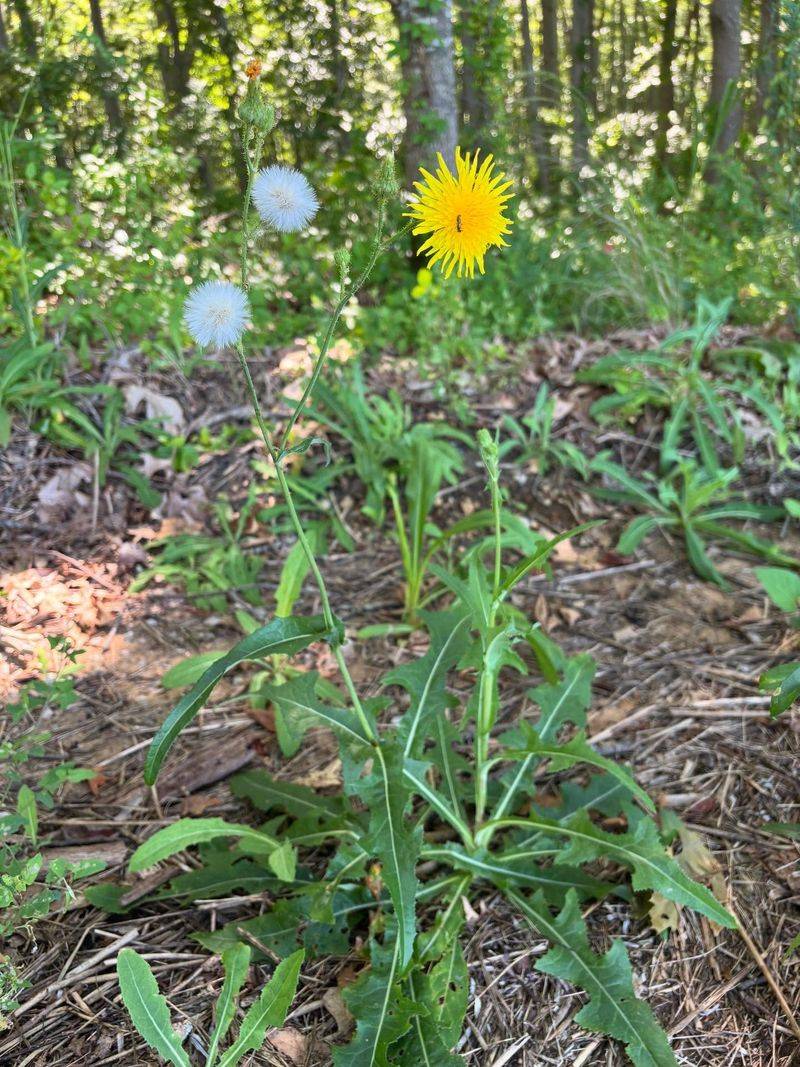
Perennial sowthistle looks a bit like a tall, robust dandelion at first glance, but it behaves quite differently.
Unlike an annual weed that completes its cycle in one season, perennial sowthistle comes back year after year from its root system, and it also produces plenty of seeds that float away on the wind.
Michigan includes it in the noxious weed list for exactly those reasons. Letting perennial sowthistle go to seed is the biggest mistake a property owner can make with this plant.
Each fluffy seed head releases numerous seeds that can travel a surprising distance, establishing new plants well beyond the original patch.
Removing plants before they reach the flowering and seed-setting stage is the most important step any homeowner can take. Monitoring is just as important as removal.
After cutting or pulling sowthistle, check the same spots regularly because regrowth from the root system is common.
Small patches are much easier to manage than large established areas, so catching new plants early and removing them promptly keeps the situation from getting out of hand.
Keeping garden beds mulched and lawn areas healthy and dense also helps limit the open soil where sowthistle seedlings get their best start.
A little consistent attention through the season goes a long way toward keeping this persistent perennial from expanding across your property.
7. Hoary Alyssum
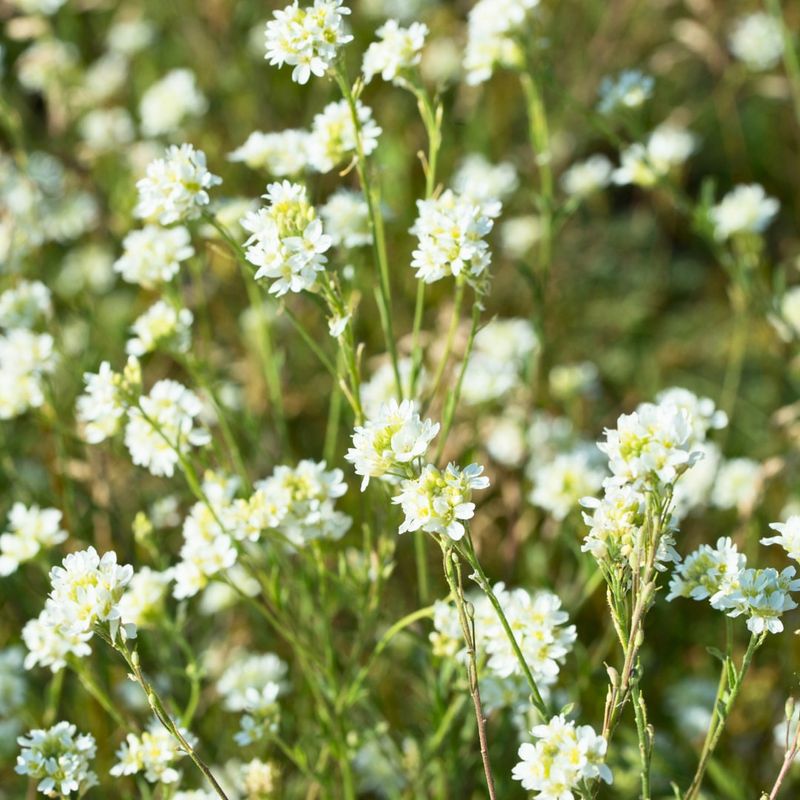
Hoary alyssum might not be a plant most backyard gardeners have heard of, but it earns its spot on Michigan’s noxious weed list through the problems it causes in agricultural and open-land settings.
This small white-flowered plant with grayish-green hairy leaves spreads readily in hay fields, forage areas, roadsides, open lots, and disturbed ground.
In those contexts, it is treated as a serious problem rather than a minor nuisance.
For rural property owners, people managing open lots, or anyone growing hay or forage crops, hoary alyssum is worth knowing well. It can move into a hay field and establish quickly, reducing the quality of the forage.
Horses can be particularly sensitive to hoary alyssum in hay, which adds an extra layer of concern for anyone managing property where horses are kept.
Gardeners with smaller urban or suburban properties are less likely to encounter hoary alyssum in their beds, but open areas of a property, unmaintained sections, or spots with thin or disturbed soil are places where it can get a foothold.
Identifying it correctly before it sets seed and removing it promptly is the right approach.
If you manage rural land or open acreage in Michigan, familiarizing yourself with what hoary alyssum looks like at different growth stages is genuinely useful information that can save you a lot of trouble later in the season.
8. Giant Hogweed
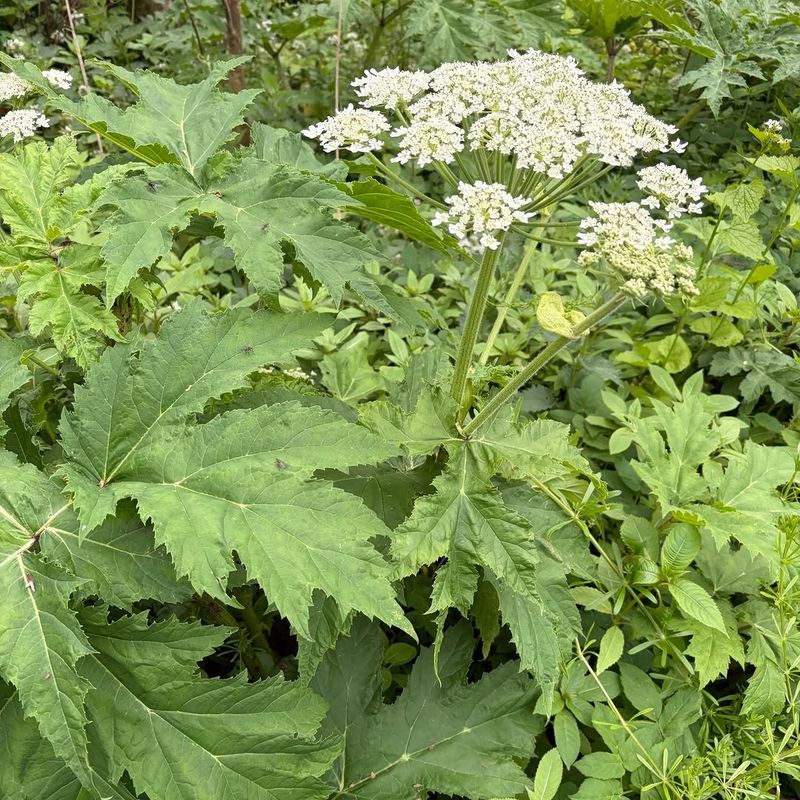
Giant hogweed is one of the plants on Michigan’s noxious weed list that deserves extra attention, and not just from a legal standpoint.
This plant can grow to impressive heights, with enormous leaves and large white flower clusters that might look dramatic in a landscape.
The serious concern, though, is its sap, which contains compounds that cause severe skin reactions when the affected skin is then exposed to sunlight.
Contact with giant hogweed sap followed by sun exposure can result in intense burning, blistering, and long-lasting skin sensitivity.
For that reason, property owners who believe they have giant hogweed on their land should not attempt casual removal without proper protective equipment and guidance.
Michigan’s invasive species program recommends reporting giant hogweed sightings through MISIN so the plant can be properly documented and managed.
If you think you have spotted giant hogweed, use Michigan’s invasive species resources and MISIN reporting tools to help confirm the identification, since cow parsnip, wild parsnip, angelica, and Queen Anne’s lace can look similar at a glance.
Getting the identification right before taking any action is important. For large patches or situations near waterways, where giant hogweed commonly establishes itself, professional removal is strongly recommended.
Treating this plant as a serious matter rather than just another garden weed is the right mindset, and reaching out to experts rather than handling it casually is always the safer path forward.
9. Ragweed
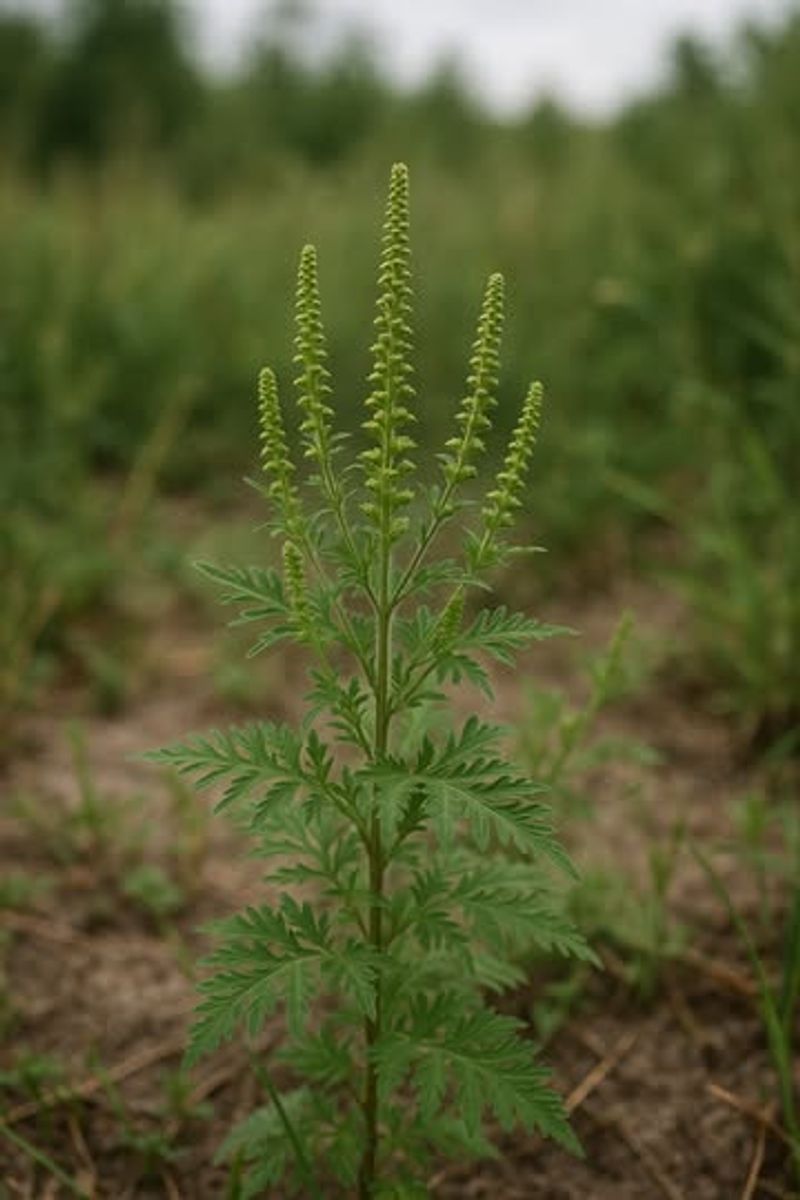
Ragweed is probably one of the most recognized names on Michigan’s noxious weed list, and most people know it for one very specific reason: pollen.
Ragweed produces enormous quantities of pollen that travel through the air and trigger seasonal allergy symptoms for a large portion of the population.
Michigan includes it in the noxious weed law partly because of the public health dimension of letting it grow unchecked.
Common places where ragweed establishes itself include yard edges, vacant lots, field margins, roadsides, and any area of open or disturbed soil where it can get sunlight.
It is an annual plant, meaning it completes its entire life cycle in one season, but it produces so many seeds that new plants come back reliably every year unless the seed bank in the soil is gradually reduced over time.
The most effective thing a property owner can do is remove ragweed plants before they flower and release pollen.
Cutting them down once they start to flower is too late to prevent that season’s pollen release, so acting early when plants are still in the vegetative stage is the better approach.
Keeping lawn areas mowed regularly and maintaining dense ground cover in open spots limits the bare soil where ragweed seedlings thrive.
Checking along fence lines and property edges where mowing might be less frequent is also a smart habit to build into your regular yard maintenance routine.
10. Poison Ivy And Poison Sumac
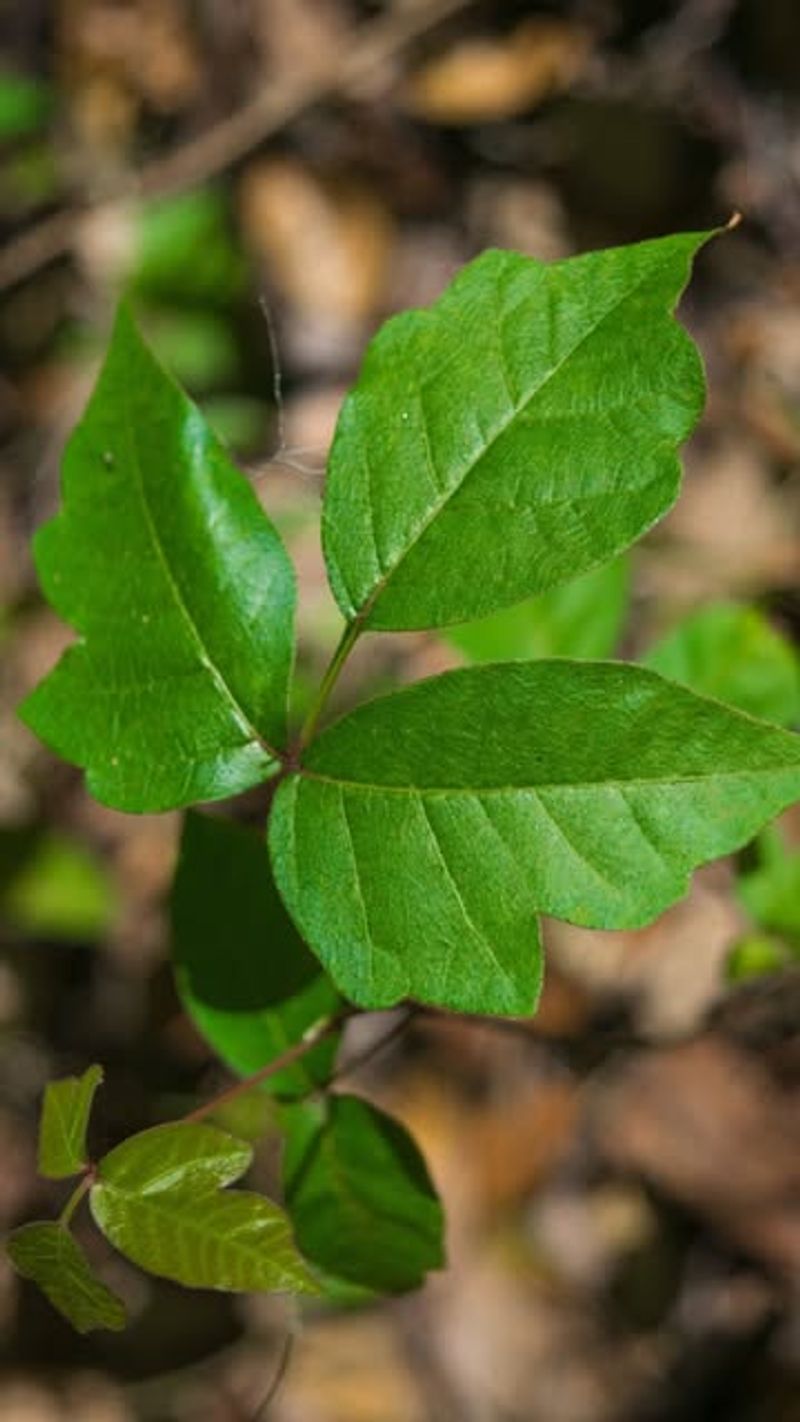
Poison ivy and poison sumac both appear on Michigan’s noxious weed list, and most people already have a healthy respect for at least one of them.
The oils in these plants, primarily urushiol, cause an itchy, blistering skin reaction in a large percentage of people who come into contact with them.
Even indirect contact through tools, gloves, or pet fur can transfer the oil to skin. One thing many people do not realize is that burning poison ivy or poison sumac is especially risky.
The oils can become airborne in smoke and affect the respiratory tract, which is a much more serious situation than a skin reaction.
Proper disposal means bagging removed plant material and placing it in the trash, not composting it or adding it to a brush fire.
Safe removal starts with covering up completely. Long sleeves, gloves, and eye protection are all important when working near these plants.
Washing tools, clothing, and gloves thoroughly after any contact helps prevent spreading the oil.
For large patches, sensitive areas like playgrounds or high-traffic spots, or situations where you are unsure of the extent of the infestation, hiring a professional is a genuinely smart investment.
Attempting to remove a large stand of poison ivy without the right preparation and equipment can turn a manageable situation into a very uncomfortable week of recovery.
11. Other Local Nuisance Plants
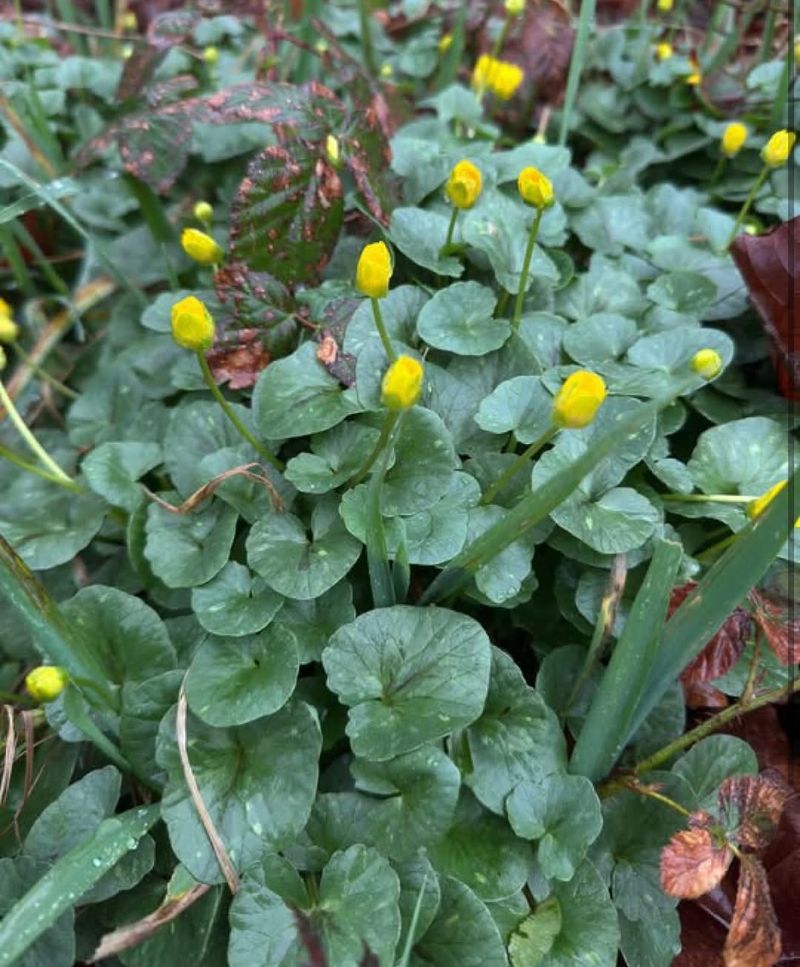
Michigan’s statewide noxious weed list is not the only set of rules property owners need to think about.
The state law also allows local governing bodies, including cities, villages, and townships, to designate additional plants as common nuisance plants under their own local ordinances.
That means the rules in your specific community might be stricter or cover more plant species than the state list alone.
Some municipalities have ordinances that regulate tall grass and general weed growth beyond a certain height, regardless of whether the specific plant species appears on the state noxious weed list.
These local rules are often enforced through complaint-based systems or regular property inspections, and violations can result in notices requiring action within a set number of days.
Checking with your city, village, or township offices is the most reliable way to find out exactly what applies to your property.
Many local governments post their ordinances online, making it fairly easy to look up the rules for your area without making a phone call.
Gardeners who maintain naturalistic plantings, meadow gardens, or areas with intentionally tall vegetation should pay particular attention to local rules.
Since those styles of landscaping can sometimes run into conflicts with ordinances designed with more traditional lawn maintenance in mind.
Knowing the rules ahead of time is much easier than dealing with a violation notice after the fact.
12. Milkweed Is Not A Noxious Weed In Michigan
Here is some genuinely good news for gardeners and wildlife enthusiasts.
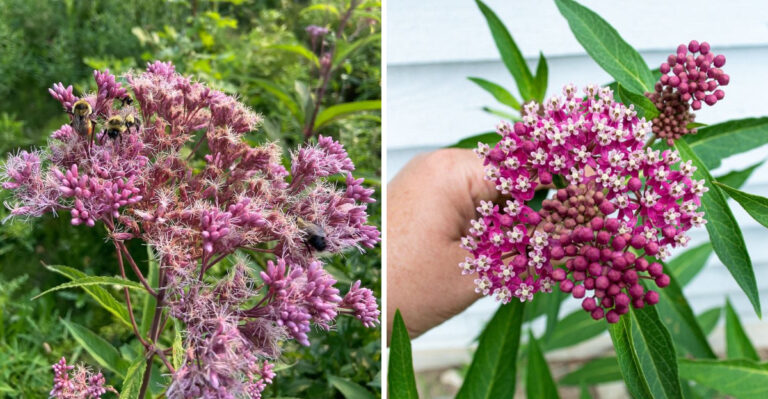
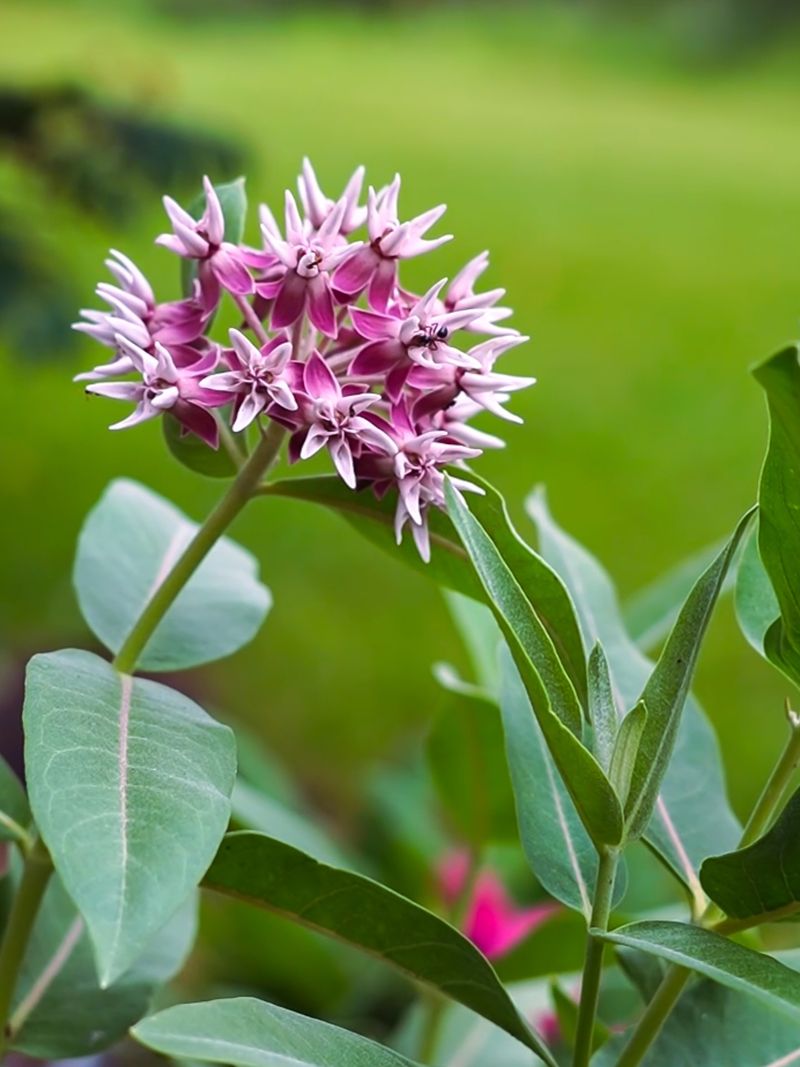
Michigan law specifically states that milkweed plants in the genus Asclepias are not considered noxious weeds under the state’s noxious weed law.
That is a meaningful and intentional carve-out, and understanding why it exists makes the whole thing more interesting. Milkweed is the only plant that monarch butterfly caterpillars can eat.
As monarch populations have declined significantly over recent decades, protecting and restoring milkweed habitat has become an important conservation priority across the country.
Michigan’s decision to exclude milkweed from the noxious weed category reflects that broader effort to support monarch recovery by encouraging milkweed to grow in gardens, meadows, and open areas.
Some gardeners have hesitated to plant milkweed in the past because of confusion about whether it might be regulated or considered a problem plant. The law is clear that it is not.
Common milkweed, butterfly weed, swamp milkweed, and other Asclepias species are all welcome additions to Michigan landscapes from a legal standpoint.
Planting milkweed in a sunny garden spot, especially near other native flowering plants, is one of the most practical and rewarding things a gardener can do for local wildlife.
It attracts monarchs, other pollinators, and a surprising variety of insects that make a garden feel genuinely alive throughout the summer season.
13. Owners Must Act Before Seed-Bearing Stage
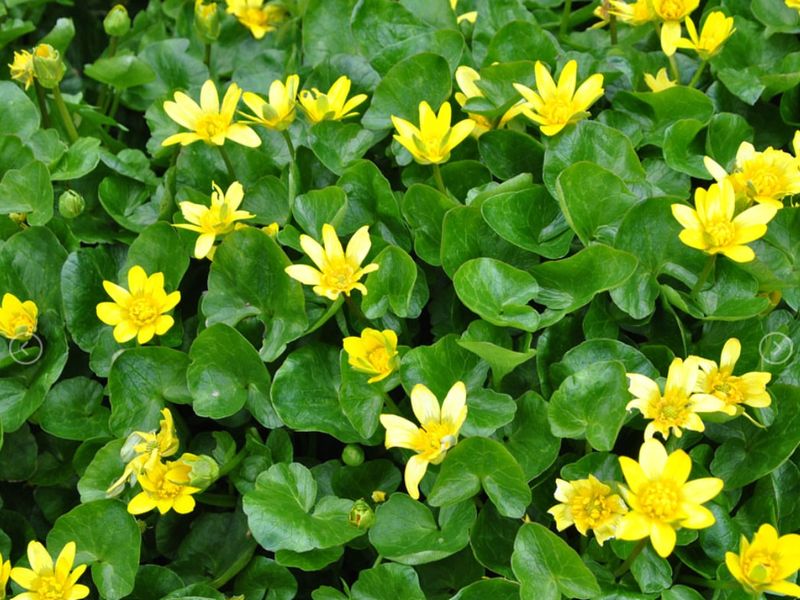
Michigan law puts a clear responsibility on property owners when it comes to noxious weeds.
Landowners are required to manage noxious weeds on their property before those plants reach the seed-bearing stage.
Preventing regrowth is also part of the obligation, not just a one-time removal effort.
The reasoning behind this is straightforward: a plant that sets seed spreads the problem far beyond one property line. The seed-bearing stage is the key threshold in the law.
Once a noxious weed produces mature seeds, the damage in terms of future spread is already done for that season.
Acting before flowers fully develop and seed heads form is what the law is designed to encourage.
For many of the plants on the Michigan list, that window arrives earlier in the summer than most people expect.
From a practical standpoint, this means property owners should walk their land regularly during the growing season, starting in late spring, and look for regulated plants before they get a chance to flower.
Keeping a simple schedule of property checks every two to three weeks from May through August covers the most critical period for most of the plants on the list.
Removing plants promptly when spotted, rather than waiting until a weekend project opens up, is the habit that makes the biggest difference.
The effort required to manage noxious weeds at an early stage is genuinely much smaller than the effort needed to reclaim a property after they have spread widely.
14. Local Government Can Remove Weeds And Charge The Cost
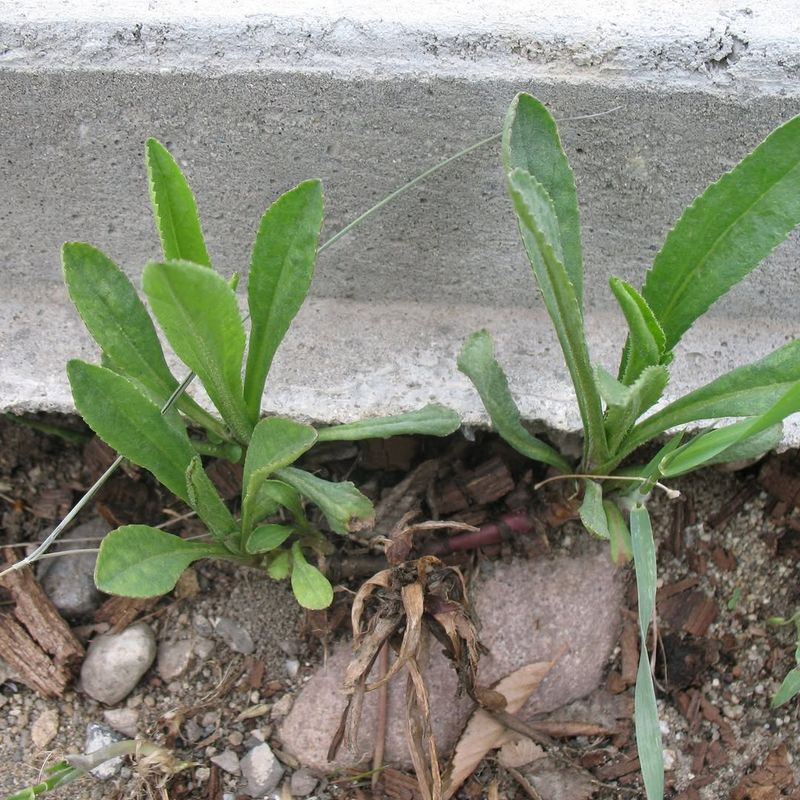
Ignoring noxious weeds on your property in Michigan is not just a matter of personal choice.
Townships, villages, and cities have the authority to step in when property owners do not comply with the law or local ordinance, and they can remove the regulated weeds themselves.
That might sound like a helpful service, but the important detail is that the cost of that removal does not disappear.
Once a local government removes weeds from a property at the owner’s expense, that cost can be charged back to the property owner through several mechanisms depending on the local process.
Under the state noxious weed law, the cost can become a lien against the property, and local ordinances may provide their own collection process, including tax-lien-style collection.
Unpaid charges can accumulate and create complications when a property is sold or refinanced.
The process typically starts with a notice giving the property owner a set number of days to address the problem before the local government acts. That notice period is actually an opportunity, not just a warning.
Responding promptly and removing the regulated plants within the stated timeframe avoids the cost entirely.
Property owners who receive a weed removal notice should treat it as a priority rather than something to set aside.
Reaching out to the issuing authority to ask questions or request clarification about exactly what needs to be done is always a reasonable first step before beginning any removal work on your property.
15. Selling Or Moving Seeds Has Separate Rules
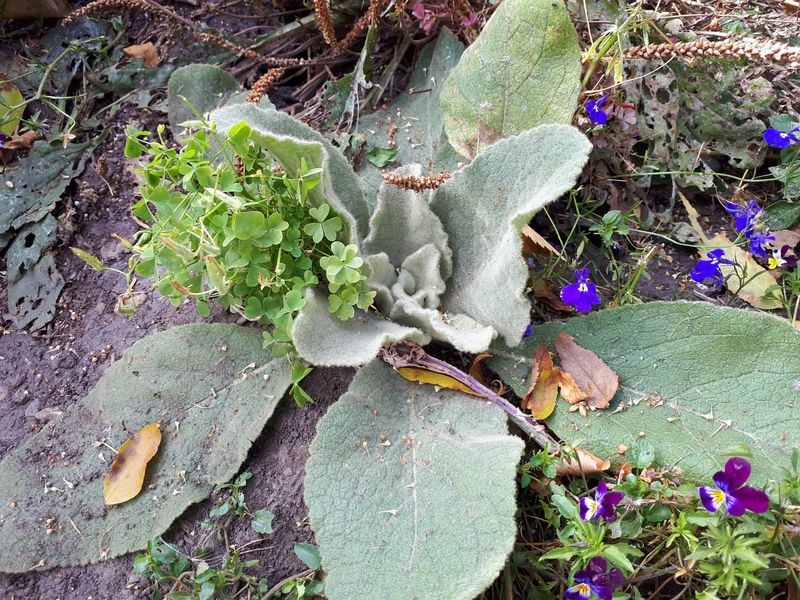
Having a noxious weed on your property triggers control duties under the Noxious Weed Act, while Michigan’s seed laws separately regulate the sale, advertising, and transport of certain noxious weed seeds.
The state regulates the sale, advertising, and transport of certain noxious weed seeds, and the rules draw a clear line between two categories.
Understanding the difference between prohibited and restricted noxious weed seeds is useful for anyone who buys seed mixes, grows from seed, or moves plant material around the state, but this seed-law list overlaps with and is not identical to the property-control noxious weed list.
Prohibited noxious weed seeds are the more serious category. These cannot be sold, advertised for sale, or transported within Michigan.
If a seed lot contains prohibited noxious weed seeds, it cannot legally be sold or transported in Michigan; restricted noxious weed seeds are the category allowed only within strict limits.
Restricted noxious weed seeds fall into a separate category and are allowed in commerce, but only within strict limits on how many seeds per pound are permitted in a given seed lot.
For everyday gardeners, the most practical takeaway is to buy seeds and seed mixes from reputable sources that comply with Michigan’s seed law standards.
Reading labels carefully and looking for information about noxious weed seed content is a good habit, especially when buying wildflower mixes, meadow blends, or bulk grass seed.
Reputable seed companies test their products and label them according to state requirements.
Choosing well-labeled products from established suppliers is a simple and effective way to avoid accidentally introducing regulated weed seeds onto your property through a seed purchase.