The Drought-Proof California Native Shrubs That Replace Boxwood Along Driveways
Boxwood can give a driveway a clean edge, but it is not always the easiest fit for a hot California yard. Summer heat can make thirsty shrubs feel like extra work, especially near pavement that holds warmth.
Native shrubs offer a tougher, more natural option for that same polished look. The right choices can stay attractive with less water once they settle in.
They can also handle reflected heat better than fussy edging plants. A driveway border still needs structure, though.
You want shrubs that look intentional without growing wild into the path. That is where smart plant choice matters.
Smaller natives can frame the space with a softer look. Larger ones can create a stronger entrance when they have enough room.
Some also bring flowers that make the driveway feel less plain. Others add texture that looks good even outside peak bloom.
The best part is that these plants can support a yard that feels more connected to California’s climate.
Pick natives with the right size and shape, and your driveway can feel finished without depending on boxwood or constant watering.
1. Apache Plume Handles Heat With A Soft Shrubby Shape
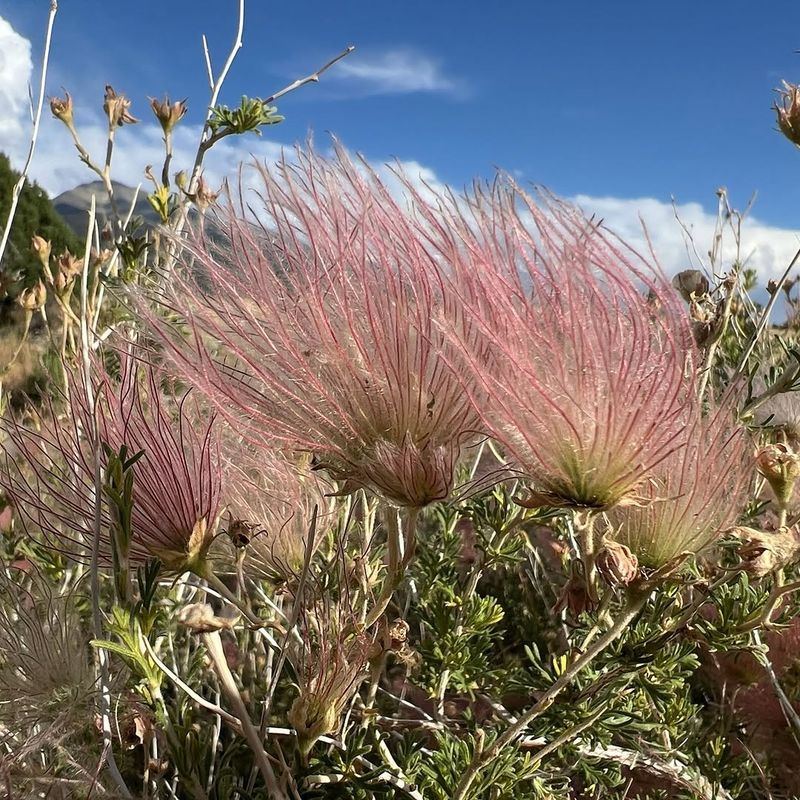
Few shrubs earn their keep quite like Apache Plume does in a hot, exposed driveway setting. Native to the western United States, this tough little plant produces white rose-like flowers in spring and early summer.
After the blooms fade, long feathery plumes appear in shades of pink and silver, giving the shrub a soft, almost dreamy look.
It grows between three and six feet tall, which makes it a solid match for the scale most driveways need. The branches are upright but airy, so it never looks too stiff or boxy.
That open texture actually works in its favor along driveways, where airflow and light reflection can make plants suffer. It gives structure without creating a heavy wall beside the pavement.
Watering needs are very low once established. A deep soak every two to three weeks during summer is usually enough to keep it looking good.
It handles rocky or sandy soil without any fuss, which is a big plus for driveways built on disturbed ground. Good drainage helps it stay sturdy and keeps the roots from sitting too wet.
Pruning is minimal. Just remove any old wood in late winter and let the plant do its thing. Birds love the feathery seed heads, so you get wildlife value on top of good looks.
Apache Plume is rarely bothered by pests or disease, making it one of the most low-maintenance options for a sun-baked driveway edge.
2. Flannel Bush Creates A Bold Low-Water Statement
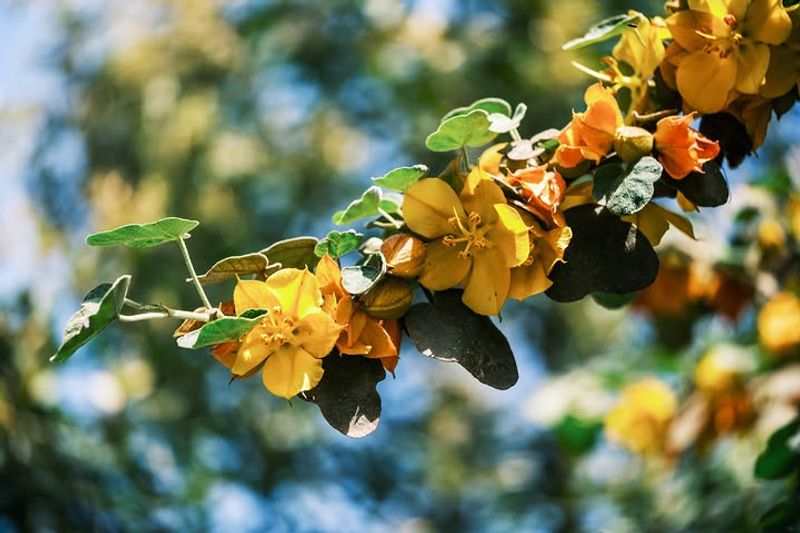
There is nothing subtle about Flannel Bush, and that is exactly the point. Known botanically as Fremontodendron, this shrub explodes with large, waxy yellow flowers from spring through early summer.
The blooms are so vivid they practically glow against the warm, dry hillsides and driveway borders where it naturally thrives.
It can grow quite large, sometimes reaching ten to twenty feet, so it works best along longer driveways or wide open edges where it has room to spread.
Your California Garden Changes Every Week. Your Plan Should Too.
Gardening in California changes quickly throughout the season. Every Friday you’ll receive a simple weekly plan showing exactly what to plant, prune, fertilize, harvest, and protect so you never miss the right timing.
For smaller spaces, look for compact varieties like ‘Ken Taylor’ or ‘Pacific Sunset,’ which stay closer to six feet. These cultivars offer the same stunning flower show in a more manageable size.
Flannel Bush is one of those plants that actually prefers neglect. Overwatering is its biggest enemy, so once it is established, you should water it rarely or not at all in most parts of California.
It does best in fast-draining soil and full sun, which makes it a natural fit for hot driveway banks.
Give it room away from heavy irrigation zones, since nearby lawn sprinklers can cause problems over time.
It also looks best when allowed to keep its natural shape instead of being clipped too tightly.
The fuzzy leaves and stems can irritate skin, so wear gloves when planting or pruning. Despite that quirk, it is a showstopper that earns every bit of its reputation.
Few native plants deliver this level of drama with this little water, making Flannel Bush a bold and rewarding choice.
3. California Wild Rose Works Along Wider Driveway Edges
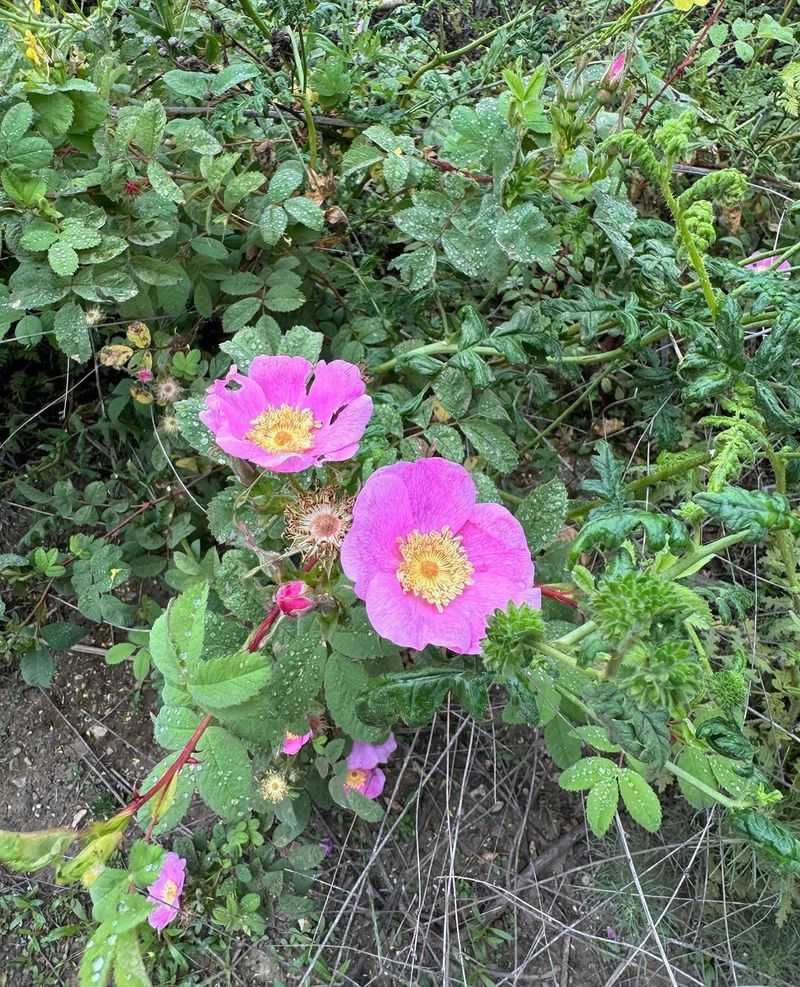
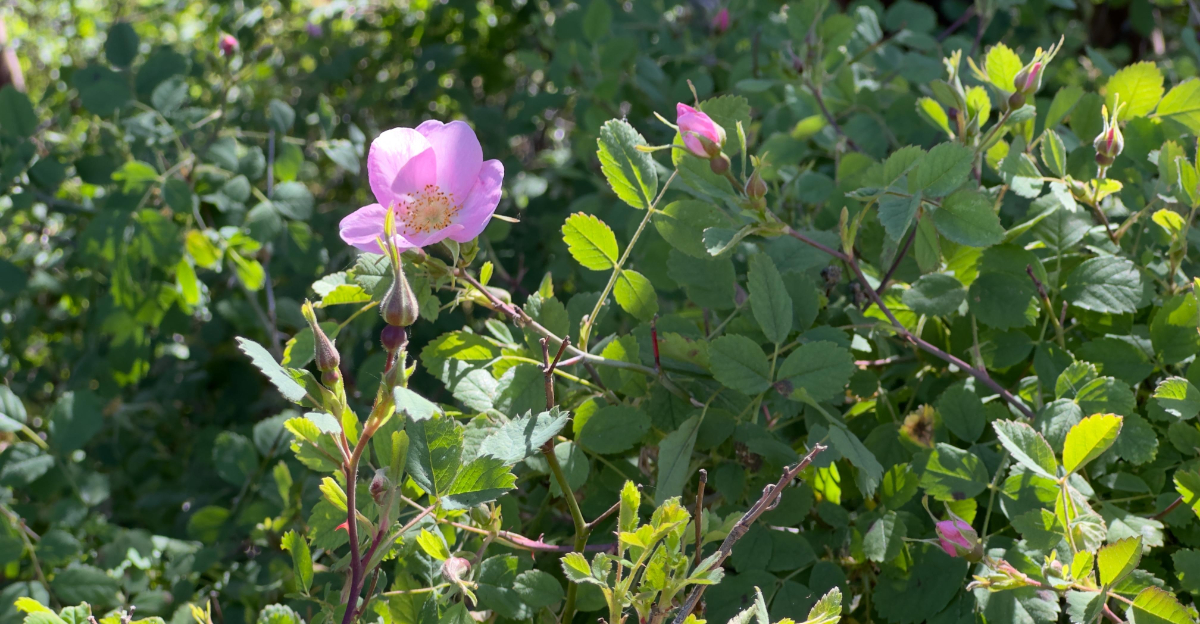
Roses get a bad reputation for being needy, but the wild rose native to California breaks every rule in that book. Rosa californica grows with a loose, arching habit that softens the hard edge of any driveway.
Its clusters of small pink flowers bloom from late spring into summer and carry a light, sweet fragrance that drifts pleasantly on warm evenings.
This shrub grows best along wider driveway edges where it has room to spread three to eight feet. It forms a natural thicket over time, which can actually act as a low barrier to foot traffic or wandering pets.
The canes do have thorns, so planting it slightly back from the walking path is a smart move. That extra space also makes pruning easier when the plant starts filling out.
Water needs are moderate at first but drop significantly once the plant is rooted in. After the first year or two, it handles dry summers well with only occasional deep watering.
It prefers well-drained soil but tolerates heavier clay better than many other native shrubs. Mulch around the base can help young plants settle in during their first hot season.
Red rose hips appear in fall and last into winter, adding another season of color and providing food for birds.
The plant can be trimmed lightly after flowering if you want a tidier shape, but it looks best when allowed to stay relaxed.
Few plants offer this many seasons of interest with this little fuss. The wild rose brings a romantic, natural look to driveway edges that feels effortless and completely at home in California’s landscape.
4. Bush Anemone Gives Driveways A Clean Evergreen Look
If you want something that stays tidy, stays green, and stays interesting all year long, Bush Anemone deserves a close look.
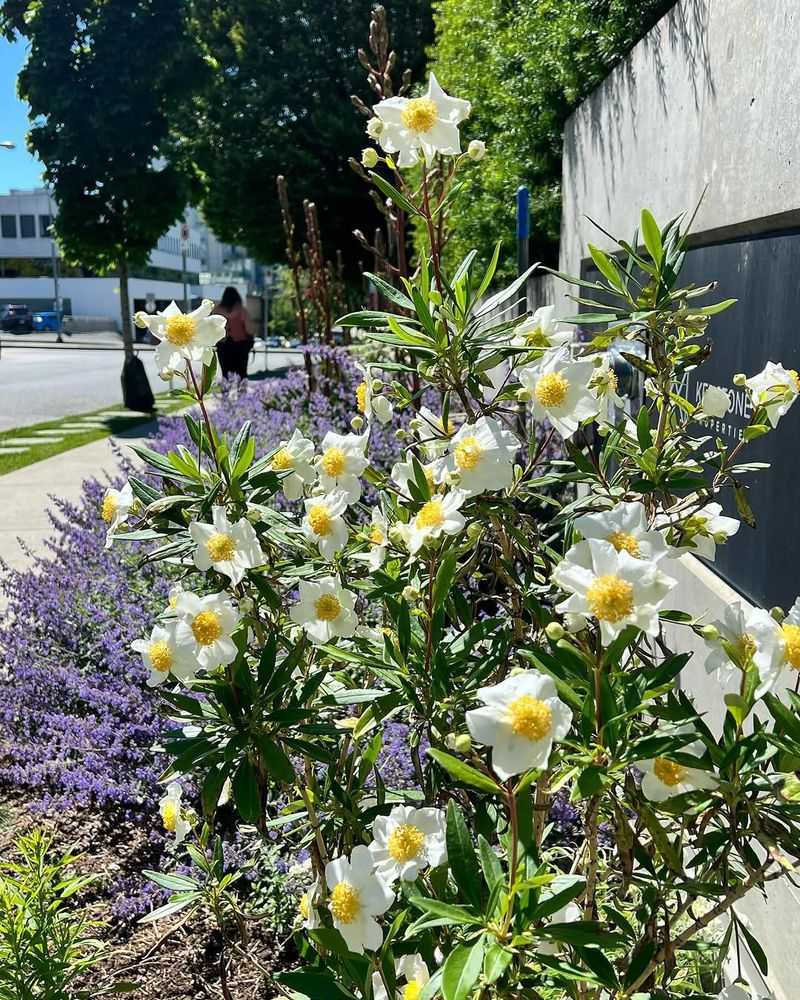
Carpenteria californica is a true native evergreen shrub with glossy, dark green leaves that hold their color through heat, cold, and drought. It looks polished without requiring constant shaping.
In late spring and early summer, it covers itself in large white flowers with bright yellow centers. The blooms look almost tropical, which surprises people who expect native plants to be plain or scrubby.
Each flower can reach up to three inches across, making quite a statement along a driveway edge.
It grows slowly to about four to eight feet tall and wide, which makes it easy to fit into most driveway planting strips. Slow growth also means less pruning work for you over time.
A light trim after flowering keeps it looking neat if you want a more formal edge. Its natural shape is graceful enough for relaxed gardens too, so you do not have to fuss with it constantly.
Bush Anemone prefers some afternoon shade, especially in hotter inland areas. It can handle full sun near the coast but appreciates a break from the harshest midday rays.
Water needs are low to moderate, and it does well in well-drained or slightly rocky soil. Once established, it can handle dry spells better than many polished-looking shrubs.
It rarely has pest problems, which makes it a reliable, long-lived choice for homeowners who want structure without constant maintenance.
5. Island Bush Snapdragon Adds Flowers Without Much Fuss
Hummingbirds will find your driveway before you even finish planting Island Bush Snapdragon.
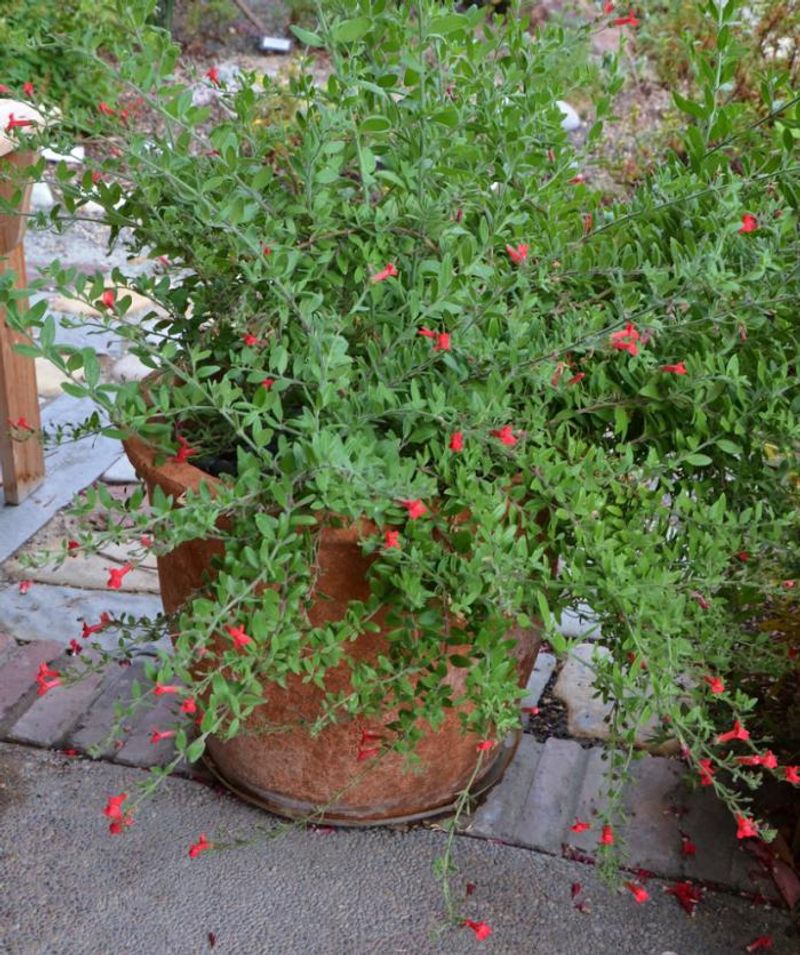
Galvezia speciosa produces clusters of tubular red to coral flowers that hummingbirds simply cannot resist.
The blooms appear in spring and often repeat through fall, giving you months of color without any extra effort on your part.
This shrub grows to about three to five feet tall and wide, which is a very workable size for most driveway borders. It has a relaxed, slightly sprawling shape that softens hard edges naturally.
If you want a tidier look, a light trim after each bloom cycle keeps it compact and encourages fresh new growth.
One of its best qualities is its ability to thrive in part shade. Many driveway borders have spots where a building or fence blocks direct sun for part of the day.
Island Bush Snapdragon handles those conditions well and still flowers reliably, which is more than most colorful shrubs can claim.
Water requirements are low once established. It prefers good drainage and does not like sitting in wet soil for long.
Sandy or loamy soil suits it well. Native to the Channel Islands off California’s southern coast, this plant is perfectly adapted to dry summers and mild winters.
It also works nicely near entry paths because the flowers sit at eye level for easy viewing. Give it a little room to spill naturally, and it rewards you with color, movement, and regular hummingbird visits.
It is a genuinely cheerful, easygoing shrub that earns its place along any driveway without demanding much in return.
6. Silk Tassel Adds Evergreen Structure Along Shady Driveways
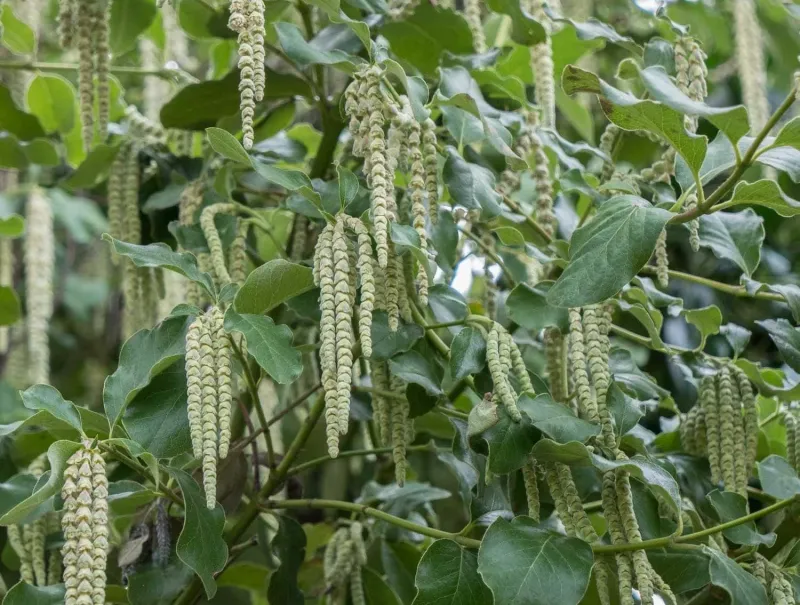
Not every driveway gets full sun, and Silk Tassel was practically made for the shadier spots that other shrubs avoid.
Garrya elliptica is a bold, architectural evergreen with thick, wavy-edged leaves that stay deep green all year.
It looks substantial and intentional, giving shaded driveway borders a sense of structure that can be hard to find in native plants.
The real showstopper comes in winter, when long, silvery-gray catkins hang from the branches like elegant curtains.
On male plants, these tassels can reach up to twelve inches long, creating a striking display during a season when most other plants look bare and dull. It is a genuinely dramatic plant that rewards patience.
Silk Tassel grows slowly but steadily to about six to twelve feet tall. It can be pruned into a more formal shape or left to grow naturally, depending on the look you want.
Either way, it holds its form well and rarely needs much intervention once established. Its upright shape also makes it useful where you want height without a wide, messy spread.
Water needs are low to moderate. It prefers cool, well-drained soil and does best with some protection from hot afternoon sun, especially in inland areas.
Coastal and northern regions of California are where it truly shines. Give it space away from reflected heat, and it can become a handsome anchor plant near a driveway entrance.
Deer tend to leave it alone, which is a welcome bonus in neighborhoods where deer pressure is a constant challenge for gardeners.
7. Desert Lavender Softens Hot Driveways With Fragrant Foliage
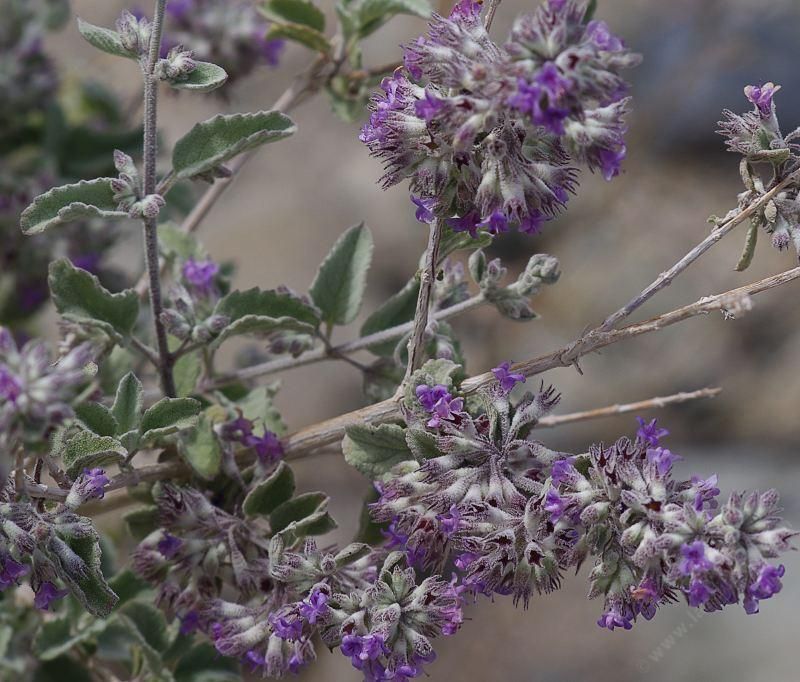
Some plants make you stop and breathe deeply, and Desert Lavender is one of them. Hyptis emoryi is a native shrub from the hottest, driest parts of California and the Southwest.
It carries a rich, herbal fragrance that fills the air whenever you brush against its leaves or when a warm breeze passes through.
That scent alone makes it worth planting along a driveway you use every day.
The foliage is soft and silvery-gray, which naturally reflects heat and gives the plant a cool, elegant look even in the middle of summer.
Small purple flowers appear along the stems from late winter through spring, attracting bees and butterflies in impressive numbers.
The contrast between the silver leaves and purple blooms is simple but genuinely beautiful.
It grows to about three to eight feet tall depending on water and soil conditions. Full sun and fast-draining soil are what it loves most.
Once established, it needs almost no supplemental water in most areas of California, making it one of the most drought-tolerant shrubs on this list.
Deer generally avoid it, thanks to the strong fragrance. Light pruning after flowering keeps it bushy and full.
Desert Lavender works especially well along south-facing or west-facing driveways where heat builds up and most plants struggle to survive the long, dry season each year.