Do These 8 Things The Moment Your Missouri Daylilies Start Blooming
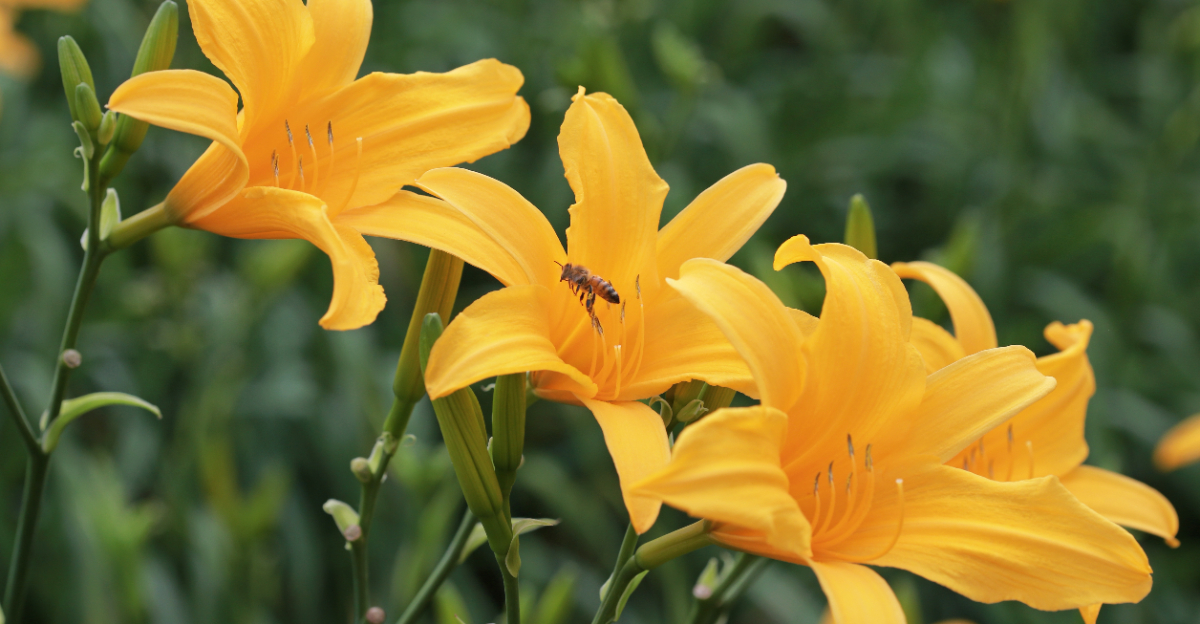
When Missouri daylilies push out their first buds, most gardeners just stand back and admire. That is the moment you should be moving. Daylilies in Missouri bloom fast and hard, then it is over before you know it.
What you do in that narrow window between first bud and full bloom decides whether your garden peaks for two weeks or six. The difference is not complicated.
It comes down to a handful of targeted moves that take an afternoon but pay off all season. Missouri summers are no joke, the heat rolls in fast, the storms hit hard, and plants that were not set up properly simply struggle.
Daylilies are tough, but tough does not mean maintenance-free. Get ahead of the season right now, and your yard will look like you put in three times the effort. Here is exactly what to do.
1. Water Your Daylilies Deeply As Soon As Buds Appear
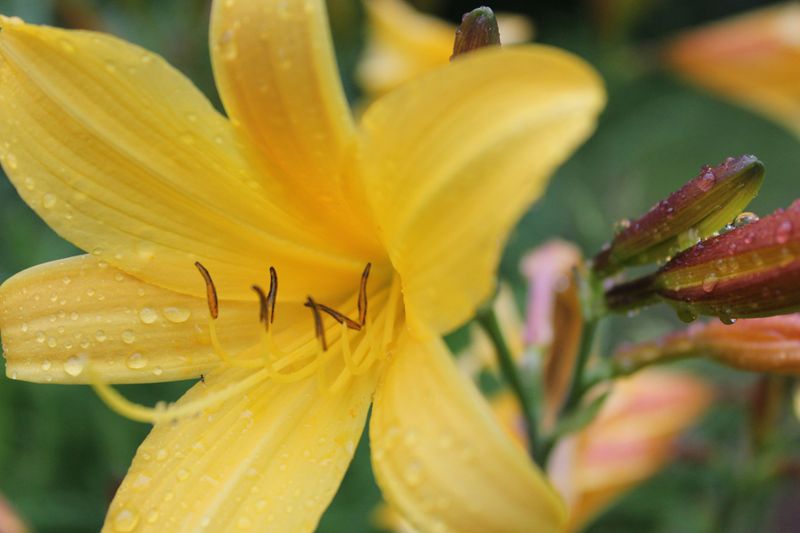
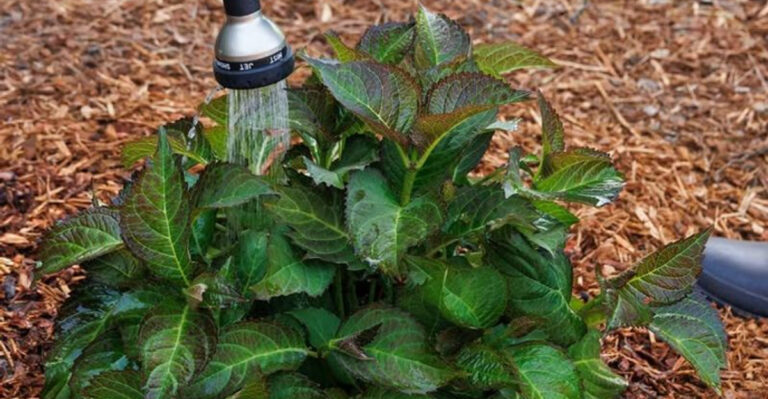
Buds are thirsty little things, and they need your attention fast. The moment you spot those first swollen buds on your Missouri daylilies, deep watering becomes your top priority.
Shallow watering is one of the sneakiest mistakes a gardener can make. It trains roots to stay near the surface, where summer heat turns the soil into a dry, cracked mess.
Deep watering means soaking the soil at least eight to ten inches down. You want roots chasing moisture downward, not sideways.
Early morning is the best time to water your daylilies. Wet foliage at night invites fungal problems you definitely do not want.
Aim for about one inch of water per week during blooming season. If Missouri skips rain for more than five days, grab the hose yourself.
A simple soil test tells you when to water: push your finger two inches into the ground. If it feels dry, it is time.
Drip irrigation works beautifully for daylilies because it delivers moisture right to the root zone. Overhead sprinklers waste water and can spot the blooms.
Consistent moisture during the bloom period keeps flowers opening on schedule. Stress from drought shortens each bloom cycle and reduces the total flower count dramatically.
Your daylilies are performing their best right now, so give them the hydration they deserve. A well-watered plant rewards you with bold, lasting color all season long.
2. Add A Layer Of Mulch Around The Base
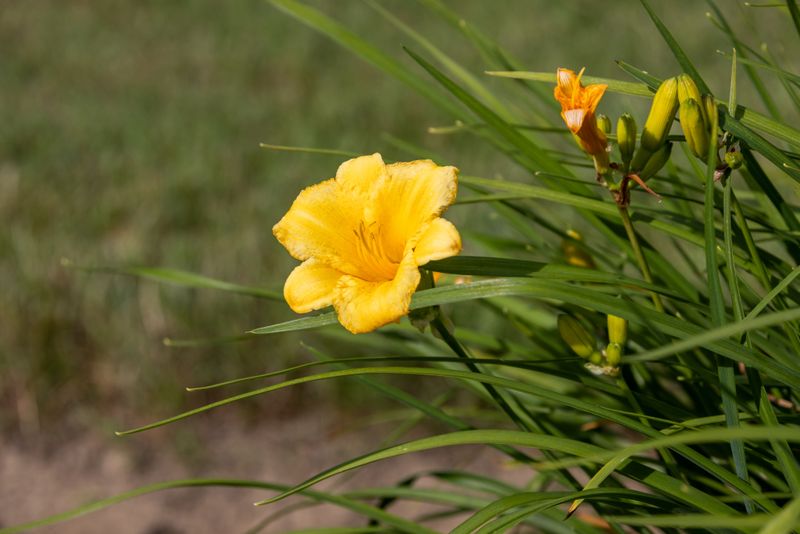
Mulch is the unsung hero of a thriving daylily bed. A fresh layer applied right when blooms begin can completely change how your plants handle the brutal Missouri summer ahead.
Two to three inches of mulch keeps soil moisture locked in where roots need it most. That means less watering, less stress on the plant, and more energy directed toward producing flowers.
Mulch also acts as a natural temperature buffer for the soil beneath. When afternoon heat cranks up, your daylily roots stay cool and comfortable underground.
Shredded bark, wood chips, or straw all work well around daylilies. Avoid piling mulch directly against the plant crown, because that traps moisture and invites rot.
Your Missouri Garden Changes Every Week. Your Plan Should Too.
Gardening in Missouri changes quickly throughout the season. Every Friday you’ll receive a simple weekly plan showing exactly what to plant, prune, fertilize, harvest, and protect so you never miss the right timing.
Leave about two inches of space between the mulch and the base of each stem. That small gap makes a big difference in keeping crowns healthy through the season.
Weeds are another enemy of blooming daylilies, and mulch handles them naturally. Fewer weeds mean less competition for water and nutrients your plants desperately need right now.
Organic mulches break down slowly over the season, adding nutrients back into the soil. That bonus feeding supports the plant as it pushes out bloom after bloom.
Pull any existing weeds before laying your mulch layer down. Starting clean gives you the best results and makes the whole bed look polished and intentional.
Your daylilies will practically thank you for this one simple step. Mulch is cheap, easy, and one of the smartest moves you can make right now.
3. Feed Your Daylilies With A Low-Nitrogen Fertilizer
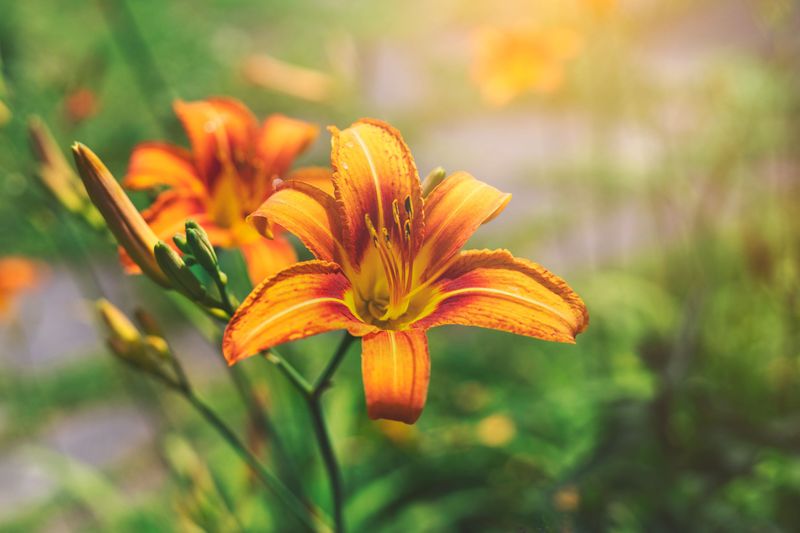
Feeding your daylilies at bloom time feels counterintuitive to some gardeners. Most people think fertilizing is a spring-only job, but that thinking leaves a lot of color on the table.
When buds first appear, your plants are working overtime. They need phosphorus and potassium to fuel strong blooms, not nitrogen to push leafy green growth.
High-nitrogen fertilizers are great for lawns but terrible for flowering plants in bloom. Too much nitrogen sends energy into the leaves and away from the flowers you actually want.
Look for a fertilizer labeled something like 5-10-10 or 0-20-20 at your local garden center. Those numbers mean low nitrogen and higher levels of bloom-supporting nutrients.
Slow-release granular fertilizers are especially convenient during the blooming period. Sprinkle them around the drip line of each plant, then water them in well.
Liquid fertilizers work faster if you want a quick boost. Apply them every two weeks during peak bloom for steady, consistent results without overdoing it.
Follow the package directions carefully. Over-fertilizing is a real problem and can scorch roots, which is the last thing you want mid-season.
Avoid fertilizing when soil is bone dry. Water first, then feed, so nutrients move into the root zone instead of sitting on the surface and burning the plant.
Your Missouri daylilies are putting on a show right now, and the right fertilizer keeps the performance going strong. Feed them smart, and they will keep delivering gorgeous blooms for weeks.
4. Remove Spent Blooms To Encourage More Flowers
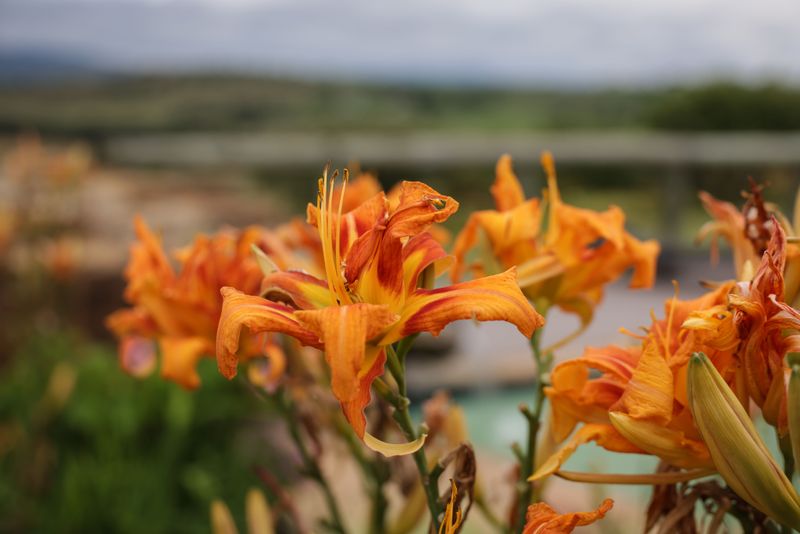
Removing spent blooms sounds harsh, but it is actually one of the kindest things you can do for your daylilies. Removing spent blooms keeps the plant focused on the buds still waiting on each stalk.
Most daylily flowers last just one day, which is how the plant got its name. Once a bloom fades and shrivels, it needs to come off so the next bud can shine.
If you leave spent blooms on the plant, it starts putting energy into forming seed pods. That energy shift slows down flower production and shortens your overall bloom season.
Removing spent flowers takes about five minutes per plant. Pinch or snap the old bloom off right at the base of the flower, not the entire stalk.
The stalk itself holds several buds at different stages of development. Removing the whole stalk too early wastes flowers that have not had their moment yet.
Once all the buds on a single stalk have bloomed and been removed, cut the stalk down to the base. Clean cuts reduce the chance of disease entering the plant.
Do this in the morning when the garden is cool. You will spot the tired blooms easily and the process feels much more enjoyable in fresh morning air.
Repeat this process every single day during peak blooming season. It sounds like a lot, but it only takes a few minutes and the payoff is enormous.
Remove spent blooms and your Missouri daylilies will reward you with more flowers, a longer season, and a tidier garden.
5. Check For Aphids And Thrips On New Growth
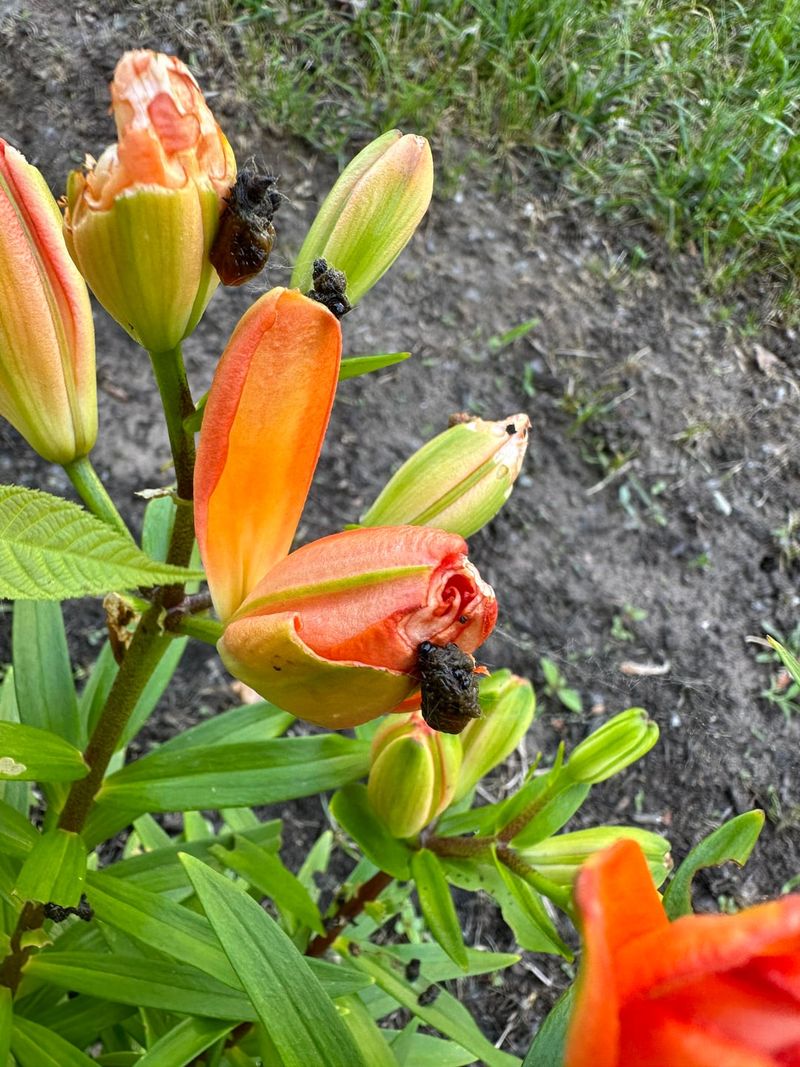
Tiny bugs can cause massive problems when your daylilies are at their most vulnerable. The moment blooms begin opening, pests like aphids and thrips show up looking for an easy meal.
Aphids are small, soft-bodied insects that cluster on stems and the undersides of leaves. They suck sap from the plant, weakening it and distorting new growth in ways that are hard to fix later.
Thrips are even smaller and sneakier than aphids. These thin, fast-moving insects hide inside flower buds, causing streaked petals and scarred blooms before you even notice they are there.
Check your plants every two to three days during the blooming period. Look closely at new buds, stem joints, and the backs of leaves where pests love to hide.
A strong blast of water from a garden hose knocks aphids off plants quickly. Repeat this every few days and you can manage small infestations without reaching for chemicals at all.
Insecticidal soap spray is a gentle and effective option for heavier infestations. It smothers soft-bodied insects without harming beneficial bugs like ladybugs, which are natural aphid predators.
Neem oil works well against thrips and can be applied in the early morning or late evening. Avoid spraying during midday heat, as neem oil can cause leaf burn in direct sun.
Healthy, well-watered plants are generally better equipped to handle pest pressure than stressed ones. Keeping your daylilies strong is the best first line of defense against any insect attack.
6. Divide Overcrowded Clumps Before Heat Sets In
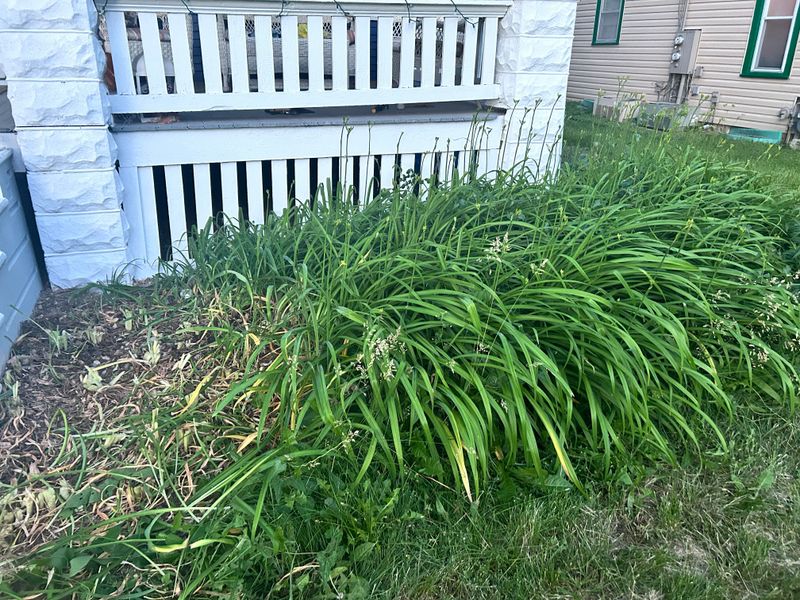
When a daylily clump gets too crowded, the flowers start to suffer before you even realize what is happening. Fewer blooms, smaller flower size, and weak stems are all signs a clump has outgrown its space.
Daylilies multiply fast, especially in Missouri’s fertile soil. A single plant can become a massive, tangled clump within just three to four growing seasons.
Visibly overcrowded clumps can be divided just before or after the bloom period, though early spring or late summer gives plants the best chance to recover.
Use a sharp garden fork to loosen the soil around the clump before lifting it. Trying to yank a large clump out without loosening the soil first usually damages the roots.
Once the clump is out of the ground, pull it apart into smaller sections by hand. Each division should have at least three to five fans of leaves attached to a healthy root system.
Trim the foliage on each division down to about six inches before replanting. This reduces water loss while the roots reestablish themselves in their new spots.
Replant divisions at the same depth they were growing before. Planting too deep buries the crown, which can cause problems with bloom production in the following season.
Water the newly planted divisions deeply right away and keep them consistently moist for the first two weeks. Dividing clumps now means a more spectacular show for years ahead.
7. Stake Tall Varieties Before Missouri’s Summer Storms Hit
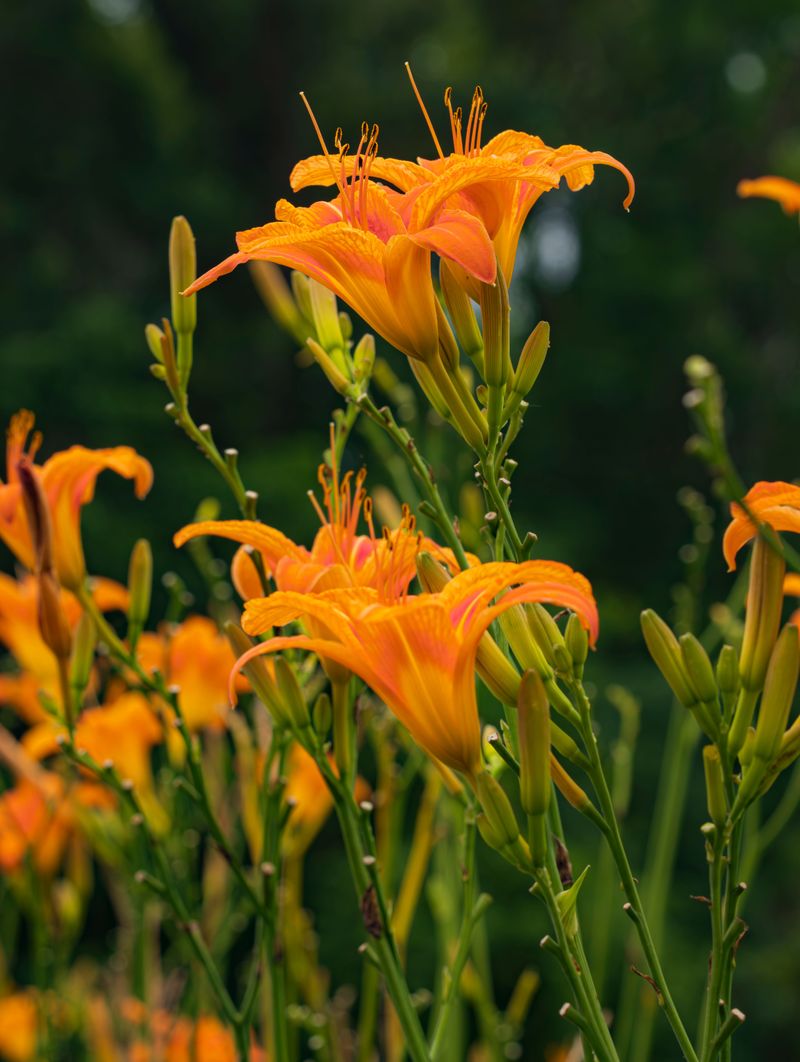
Missouri storms do not send a polite warning before they arrive. One afternoon thunderstorm can flatten a bed of tall daylilies you have been nurturing all spring long.
Tall daylily varieties, especially those reaching three feet or more, are particularly vulnerable to wind and heavy rain. Their top-heavy blooms act like little sails in a strong gust.
Staking before a storm hits is always smarter than trying to rescue bent or snapped stalks afterward. Once a stalk breaks, that set of buds is gone for the season.
Bamboo stakes are lightweight, inexpensive, and blend into the garden without drawing attention. Push them firmly into the soil about six inches from the base of each plant.
Use soft garden ties or strips of old pantyhose to attach the stalk to the stake. Avoid wire or string, which can cut into stems and cause damage over time.
Tie the stalk loosely, leaving a little room for natural movement. A tight tie restricts the plant and can actually cause more damage during wind than no stake at all.
Check your stakes after every major storm and adjust any ties that have slipped or tightened. A quick two-minute check can save a whole season of blooms from going sideways.
For large clumps, try a peony cage or circular plant support instead of individual stakes. These supports allow all the stalks to lean naturally without tipping over under pressure.
Your tall daylilies are worth protecting, and a few stakes now prevent heartbreak later. Storms are coming whether you are ready or not.
8. Cut Back Foliage On Reblooming Varieties After The First Flush
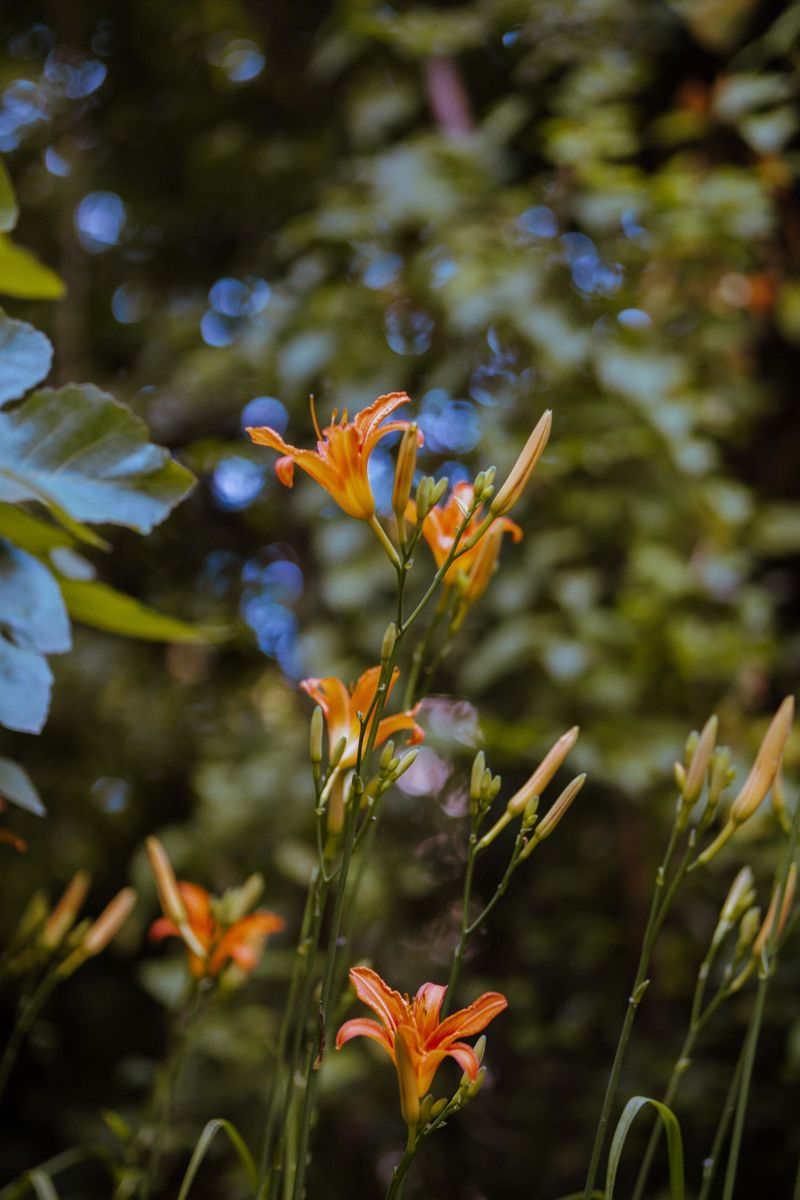
Reblooming daylilies are one of the best-kept secrets in the garden world. These special varieties can produce two or even three rounds of flowers across the growing season if you treat them right.
After the first big flush of blooms fades, many gardeners make the mistake of doing nothing. That pause in action actually slows the plant down and delays the second bloom cycle.
Once the first flush fades, cut the spent flower scapes all the way down to the base. That stops the plant from channeling energy into seed production and keeps it focused on pushing out the next round of blooms.
Use clean, sharp garden shears for this job. Dull blades tear the tissue instead of cutting cleanly, which opens the door to disease and slows recovery time significantly.
After cutting back, give the plant a light feeding with a balanced fertilizer. This small boost helps fuel the new growth that will eventually carry the next round of blooms.
Water consistently after cutting back, especially if the weather has been dry. New growth needs steady moisture to push through quickly and get the plant back on track.
Most reblooming varieties in Missouri produce their second flush within four to six weeks of the first. Patience and consistent care during this window make all the difference.
Give reblooming varieties the care they need, and they will reward you with a second spectacular show.