8 North Carolina Shrubs That Ask For Almost Nothing After The First Season And Deliver Anyway
You did not get into gardening to spend every weekend hauling hoses and nursing plants that sulk through summer.
North Carolina has a secret that experienced gardeners figured out a while back. The state’s climate, warm summers, mild winters, reliable rainfall, is tailor-made for a specific group of shrubs that basically run themselves once they get settled.
You put in some effort that first season. Then you mostly step back.
Some of these plants show up for every season, not just one. Some solve the spots in your yard that have defeated everything you have tried.
Some bring in birds you have never seen before. A couple do things so visually striking that visitors will stop mid-conversation to ask what they are looking at.
None of them need much from you after year one. Ready to meet them?
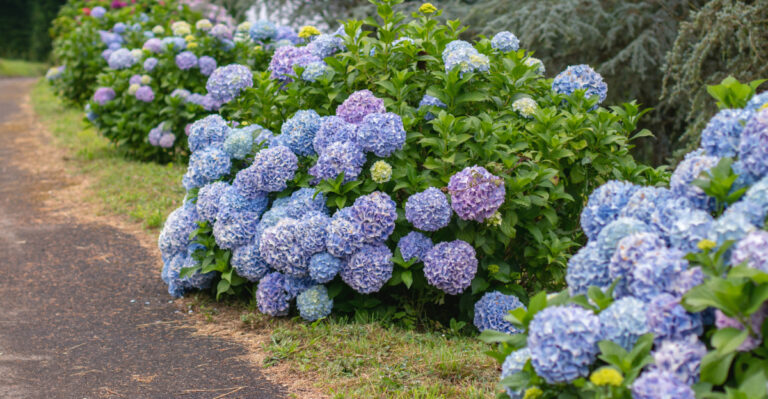
1. Plant Oakleaf Hydrangea For Four Season Beauty
Many people hear “hydrangea” and immediately brace for maintenance. Weekly watering, precise pruning windows, the whole saga. Oakleaf hydrangea did not get that memo, and it shows.
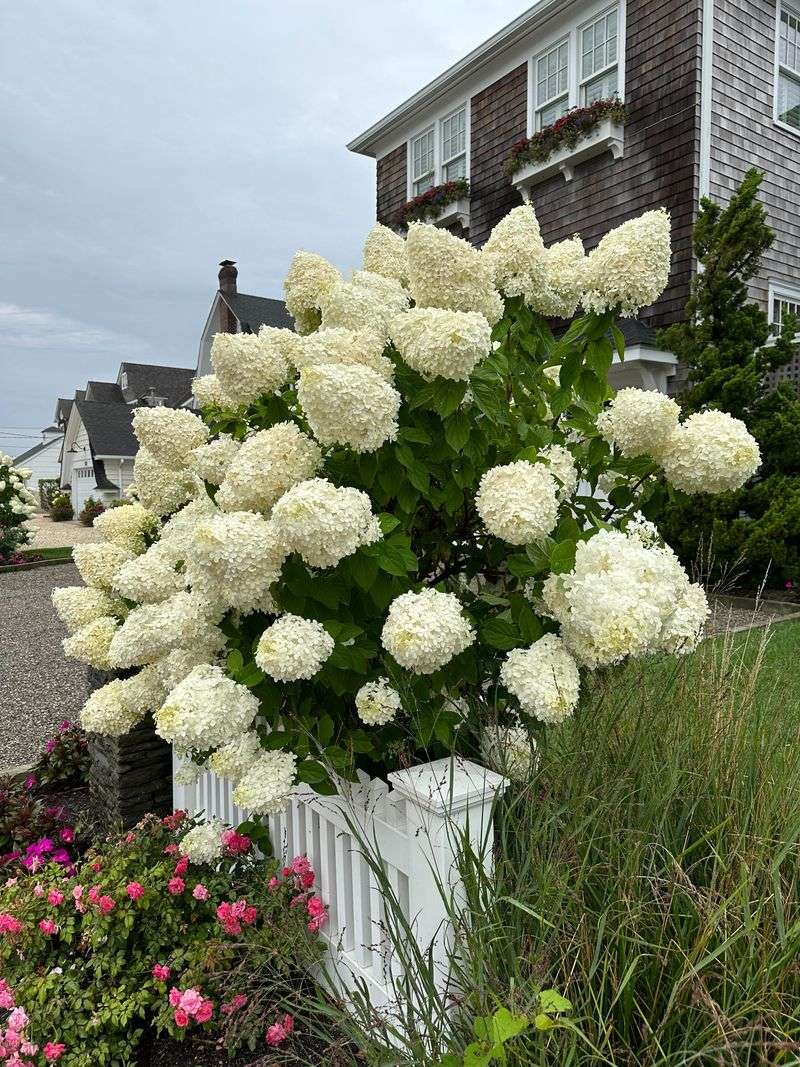
The flowers open in early summer as large cone-shaped white clusters that can stretch up to a foot long. They age slowly from white to parchment to dusty rose, staying on the shrub well into fall.
Dried flower heads add texture to winter arrangements and look genuinely beautiful left on the plant through cold months.
Fall foliage turns deep red, burgundy, and orange before dropping to reveal something most people do not expect: exfoliating cinnamon-colored bark.
Strips of papery bark peel away in layers all winter, giving the plant a sculptural look that makes it an asset even when nothing is blooming.
This shrub is native to the southeastern United States and handles NC’s Piedmont, Coastal Plain, and Mountain regions well.
It prefers partial shade but tolerates full sun with consistent moisture during establishment. After that first season, supplemental watering is rarely needed.
Oakleaf hydrangea grows six to eight feet tall and wide at maturity, so it needs room. Pruning is almost never necessary, and when it is, right after flowering is the window. The dense branching also provides solid nesting cover for small birds year-round.
Four seasons of interest from one plant that mostly takes care of itself. Not a bad deal at all.
2. Use Virginia Sweetspire In Tough Moist Spots
Almost every yard has that one corner. The soggy one. The spot where water lingers after rain and every plant you try either drowns or just gives up.
Virginia sweetspire was practically designed for that exact problem.
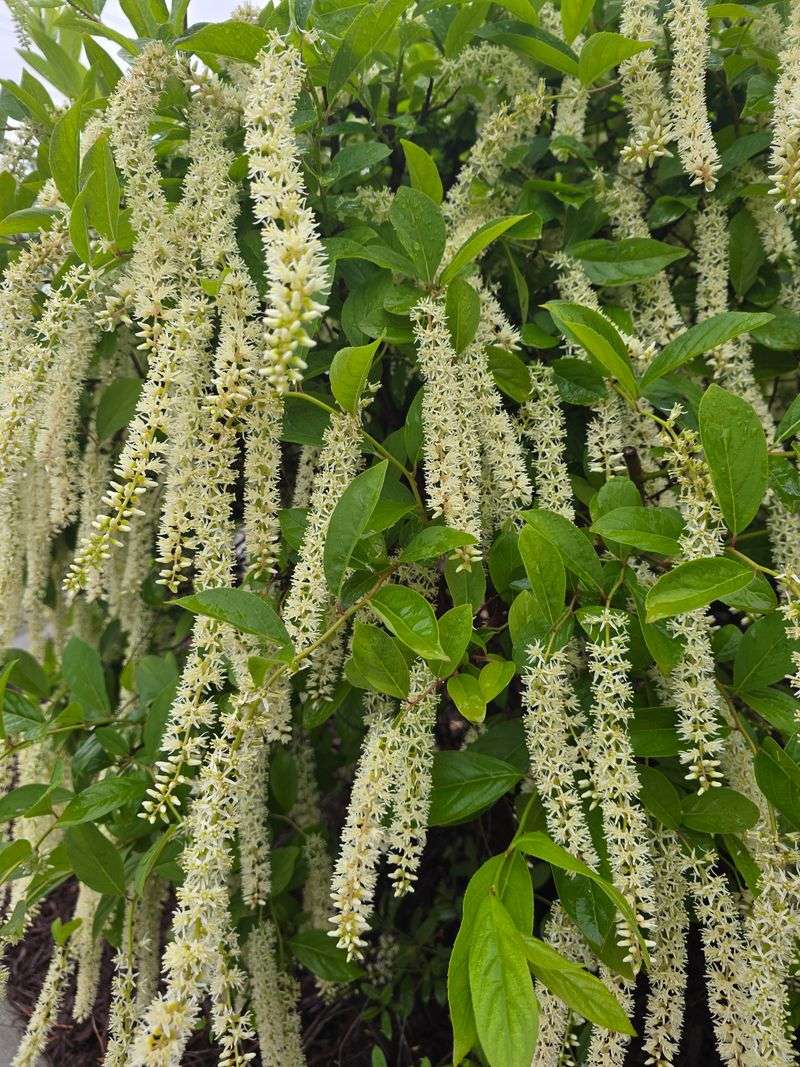
In late spring and early summer, arching stems tip over with drooping clusters of small white flowers that carry a light, sweet fragrance. Bees swarm these blooms with real enthusiasm.
The flowers are not flashy, but they have an elegant, graceful quality that pairs beautifully with bold perennials or ornamental grasses nearby.
The real showstopper comes in fall. Leaves shift into brilliant shades of red, orange, and burgundy, often holding color for weeks longer than most shrubs manage.
Your North Carolina Garden Changes Every Week. Your Plan Should Too.
Gardening in North Carolina changes quickly throughout the season. Every Friday you’ll receive a simple weekly plan showing exactly what to plant, prune, fertilize, harvest, and protect so you never miss the right timing.
More sun generally produces more intense tones, but even shaded plants deliver a solid display worth waiting for.
Virginia sweetspire spreads slowly by suckers, forming a loose colony over time. That habit makes it excellent for stabilizing slopes or filling naturalized areas without constant replanting. Mature size runs three to five feet tall and equally wide.
Once established, this shrub is remarkably self-sufficient. It tolerates drought better than its moisture-loving reputation suggests, and it performs in full sun all the way to deep shade.
Few shrubs offer this much flexibility with this little ongoing effort. That soggy corner finally met its match, and the match smells like honey in June.
3. Grow American Beautyberry For Fall Color
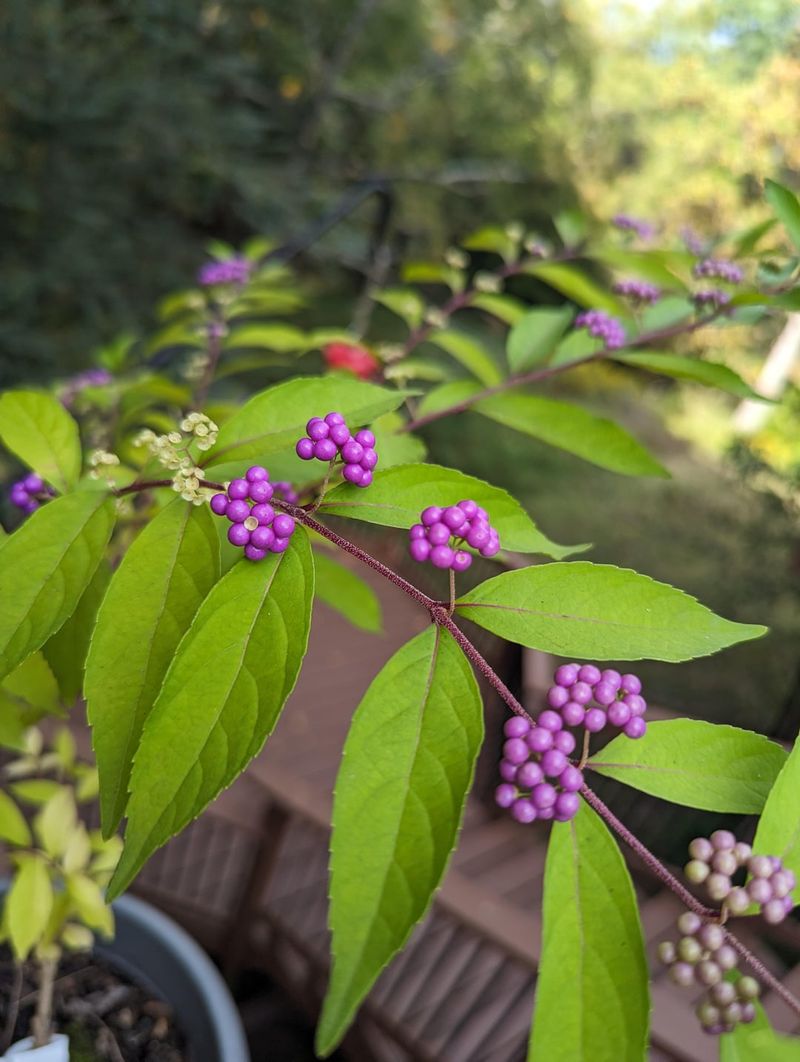
Nothing prepares first-time gardeners for their initial fall encounter with American beautyberry.
The berries are almost unrealistically purple. They cluster in tight rings directly along the arching stems like someone went a little overboard with the paint. Every visitor to your yard will stop, stare, and ask what it is.
This southeastern native practically grows itself once settled in. It adapts to a wide range of soil types, from sandy coastal soils to heavy Piedmont clay, and drought tolerance after establishment is solid. Fertilizing is rarely needed in reasonably decent soil.
The shrub grows quickly and can reach six to eight feet in a single good season. Many gardeners cut it back hard in late winter to keep it manageable and encourage the most vigorous berry production on new wood.
It can be pruned to the ground if it gets too large and bounces back reliably the following season.
Wildlife value is genuinely impressive. Over forty bird species have been documented eating beautyberry fruits, including mockingbirds, robins, catbirds, and brown thrashers. The flowers, small and pale pink, also attract native bees through summer.
A white-berried variety called ‘Lactea’ offers a striking alternative for shadier spots. Either version gives you a shrub that earns its place without asking much in return after that first establishment season.
Bold, low-effort, and wildlife-approved. The purple really is that good in person.
4. Try Inkberry For Evergreen Structure
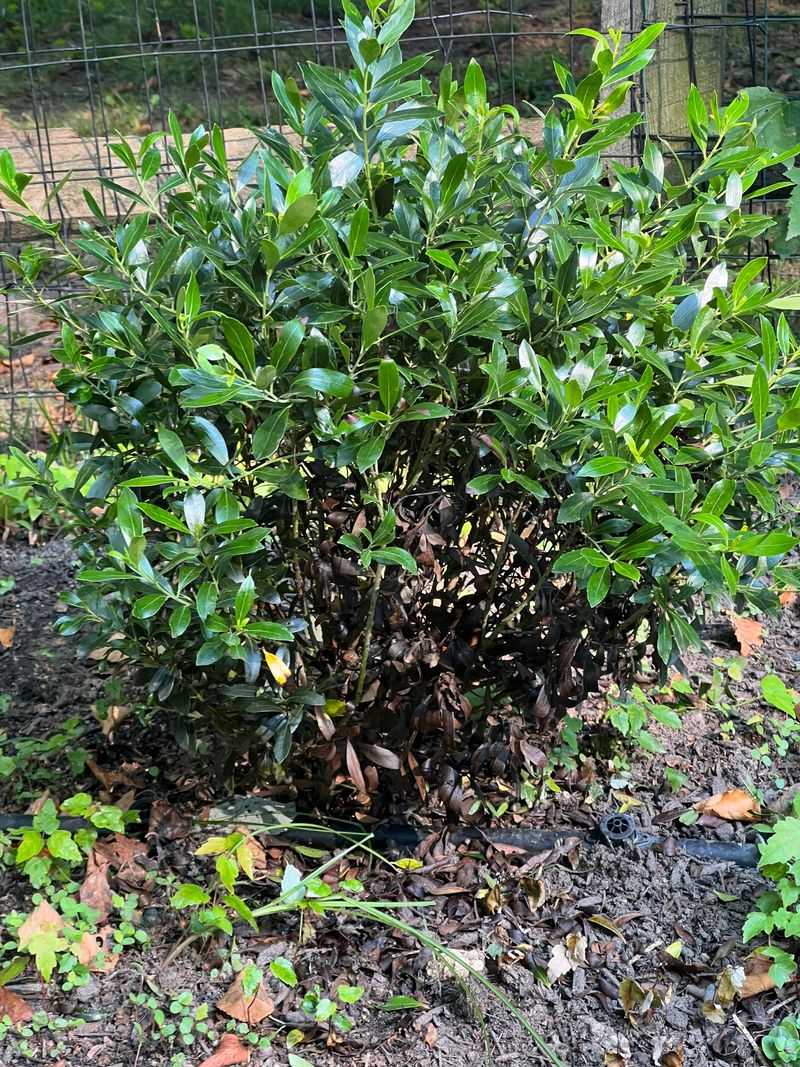
January in the garden is a reality check. Everything dormant, beds looking bare, the whole yard feeling a little defeated.
A well-placed evergreen shrub can hold the entire design together through those months, and inkberry does that job quietly and without complaint.
A native holly, inkberry grows naturally in wet areas across the NC Coastal Plain and into the Piedmont. It tolerates soggy soils, clay, and seasonal flooding better than most broadleaf evergreens.
That makes it a reliable choice for spots near downspouts, rain gardens, or low-lying areas where other plants give up.
The foliage stays clean and glossy dark green through winter without the browning that sometimes hits other hollies in exposed locations.
Small black berries on female plants appear in fall and persist through winter, attracting cedar waxwings, bluebirds, and yellow-rumped warblers. One male plant nearby is needed for reliable berry production.
Inkberry typically grows five to eight feet tall but responds well to shearing. Compact cultivars like ‘Shamrock’ and ‘Compacta’ stay in the three to four foot range with minimal pruning.
Both work well in formal hedges, foundation plantings, or naturalized groupings.
After establishment, inkberry is about as low-maintenance as a shrub can get. Decent moisture, one full season to root in, then mostly leave it alone.
The whole point is that it shows up for winter when everything else has checked out. Structure, berries, birds, and zero drama. Honestly, a plant you can trust.
5. Add Spicebush For Birds And Butterflies
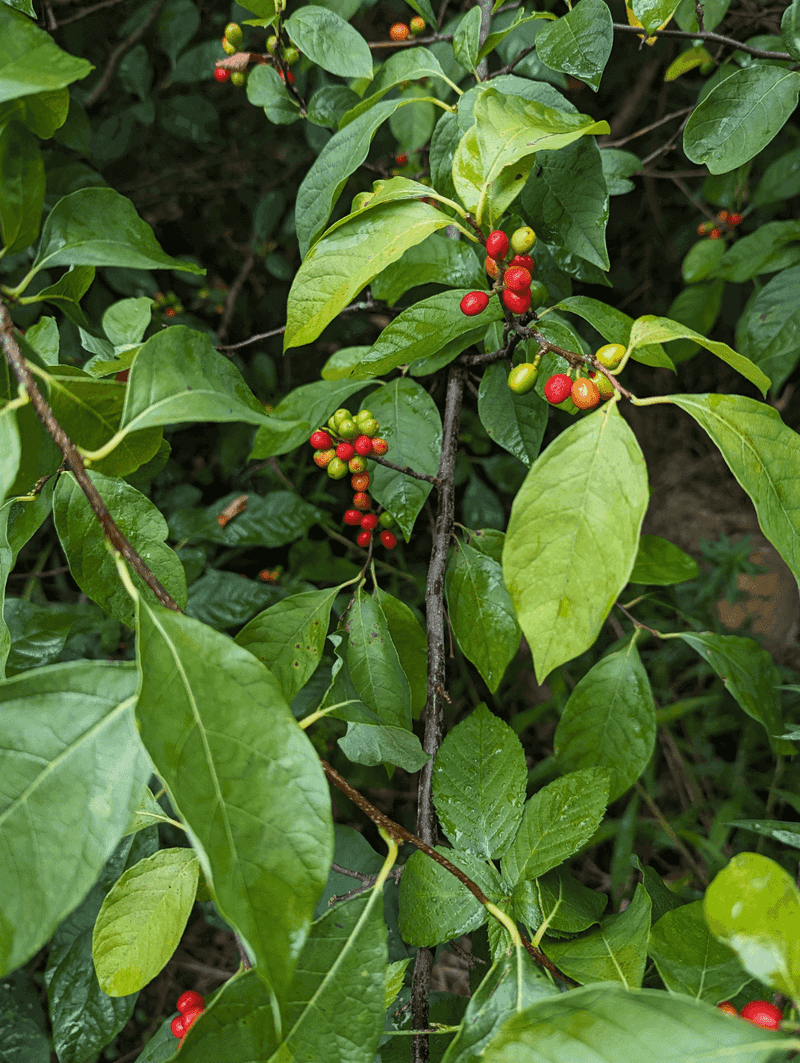
Most shrubs are still deep in dormancy when spicebush starts its season. Tiny clusters of bright yellow flowers appear on almost every bare branch in late winter, sometimes as early as February in the NC Piedmont.
It is frequently the first native shrub to bloom, making it a critical early food source for pollinators just coming out of winter.
Spicebush thrives in partial to full shade, making it one of the best options for those difficult spots under mature trees where little else performs.
Once established, it handles summer dry spells surprisingly well for a woodland plant. Native to eastern North America, it belongs in North Carolina landscapes without any cultural argument.
The ecological value is exceptional. Spicebush is the primary host plant for the spicebush swallowtail butterfly, a large and stunning species with blue-green iridescent wings.
Caterpillars roll leaves into shelters and feed on the foliage through summer. Some leaf damage is a sign the shrub is doing exactly what it is supposed to do.
Female plants produce glossy red berries in fall that thrushes, vireos, and wood thrushes actively seek out. Leaves and twigs release a spicy, aromatic scent when crushed.
Mature plants reach six to twelve feet and spread into loose multi-stemmed clumps over time.
Plant spicebush in groups of three or more to ensure cross-pollination and consistent berry production. Pruning is rarely needed.
This plant works hardest when you leave it alone, which is pretty much the ideal gardening relationship when you stop to think about it.
6. Choose Buttonbush For Wet Ground
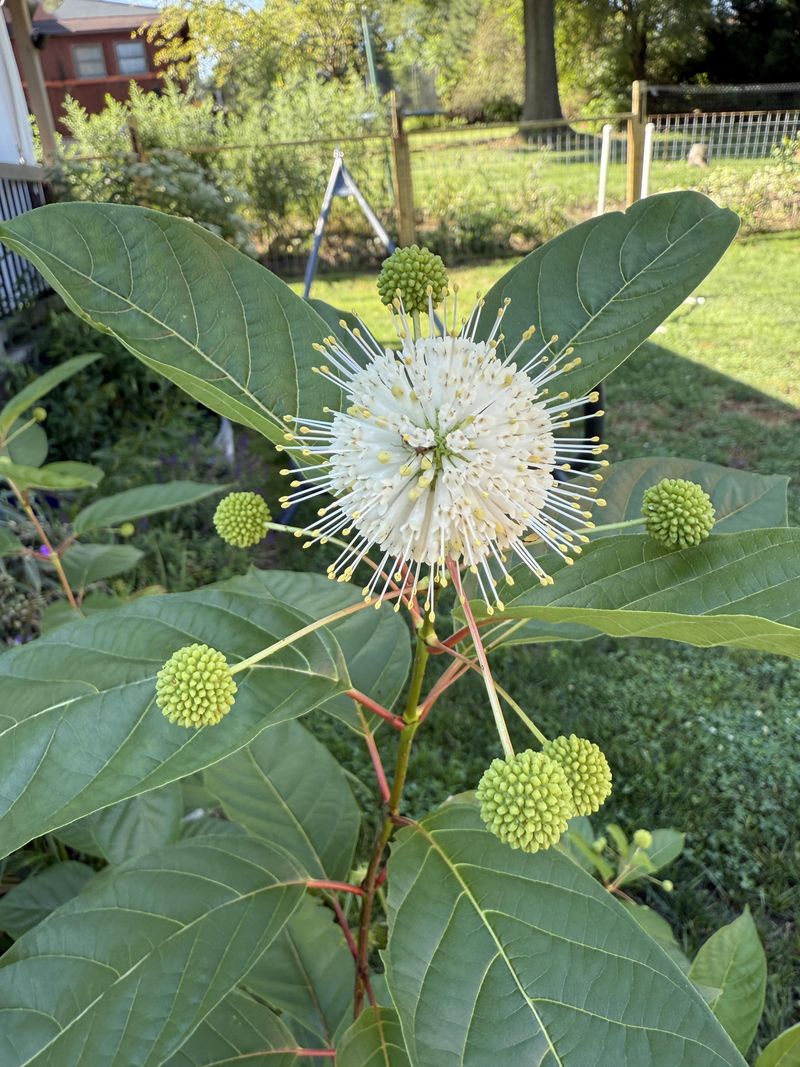
Standing water. Compacted clay. Seasonal flooding. Most plants treat those conditions as a reason to give up entirely. Buttonbush treats them as a personal invitation and shows up ready to perform.
This native shrub is one of the very few woody plants in North Carolina that genuinely thrives in consistently saturated soil and tolerates standing water around its roots.
That is not a minor distinction. That is the solution to a problem many gardeners have been working around for years with mixed results.
The flowers are unlike anything else in the native plant world. Round, white, pincushion-like spheres appear in midsummer, covered in tiny florets with protruding stamens that give them a spiky, almost otherworldly look.
Pollinators respond immediately. Bees, butterflies, and hummingbirds visit constantly during a bloom period that can last several weeks.
Buttonbush grows along stream banks, pond edges, and wetland margins throughout the state. It reaches six to twelve feet in ideal conditions but stays smaller in drier spots.
It tolerates partial shade but blooms most heavily in full sun. Deer tend to avoid it, which is a genuine bonus in high-browse areas.
The round seed heads that follow the flowers persist into fall and winter, providing visual interest and food for waterfowl including wood ducks and mallards.
Rain garden, boggy corner, pond edge: buttonbush fits all three without batting an eye. It turns the worst drainage problem in your yard into the most interesting planting spot on the property.
7. Use Wax Myrtle For Easy Screening
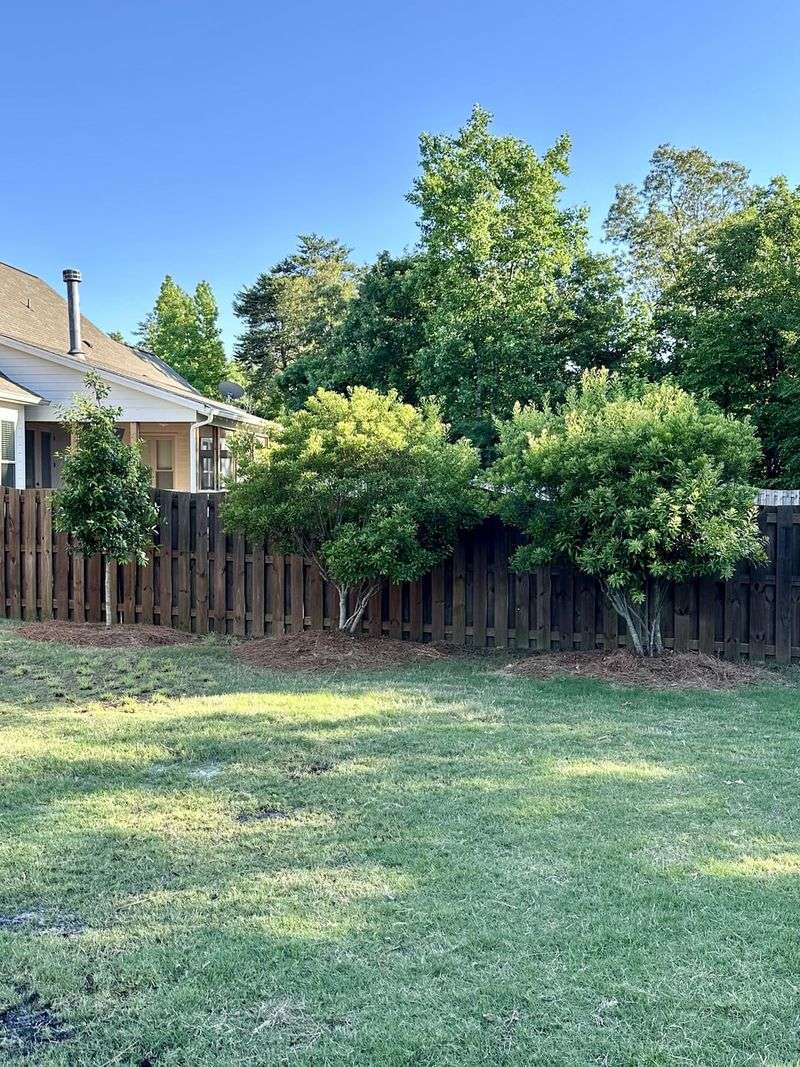
Sometimes the goal is simple. Block the view of the storage shed next door, create some privacy along the back fence, define a boundary without building a wall.
Wax myrtle handles all of that faster and easier than almost anything else available to North Carolina gardeners.
This fast-growing native evergreen creates dense, reliable screening in a short amount of time and asks for almost nothing in return.
It handles poor soil, salt spray, drought, and wet conditions with the same steady indifference. Few shrubs match that range of adaptability across genuinely challenging site conditions.
The foliage has a waxy texture and releases a fresh, bayberry-like scent when brushed or crushed.
Gray-green berries on female plants attract yellow-rumped warblers and tree swallows in fall and winter, sometimes in impressive flocks.
This is the same plant historically used to make fragrant bayberry candles, which gives it an unexpected bit of American heritage alongside its landscaping credentials.
Wax myrtle can reach fifteen to twenty feet tall if left unpruned, functioning as a small tree. Regular pruning keeps it shrub-sized and tighter.
It responds well to heavy cutting if it outgrows its space, bouncing back vigorously the following season.
Plant it in a row for a hedge or let individual plants develop their natural multi-stemmed form for a more relaxed look.
Either way, you get a fast, evergreen, wildlife-friendly screen that requires minimal input after establishment. The neighbor’s storage shed will be a distant memory by year three. You are welcome.
8. Plant Yaupon Holly For Tough Evergreen Shape
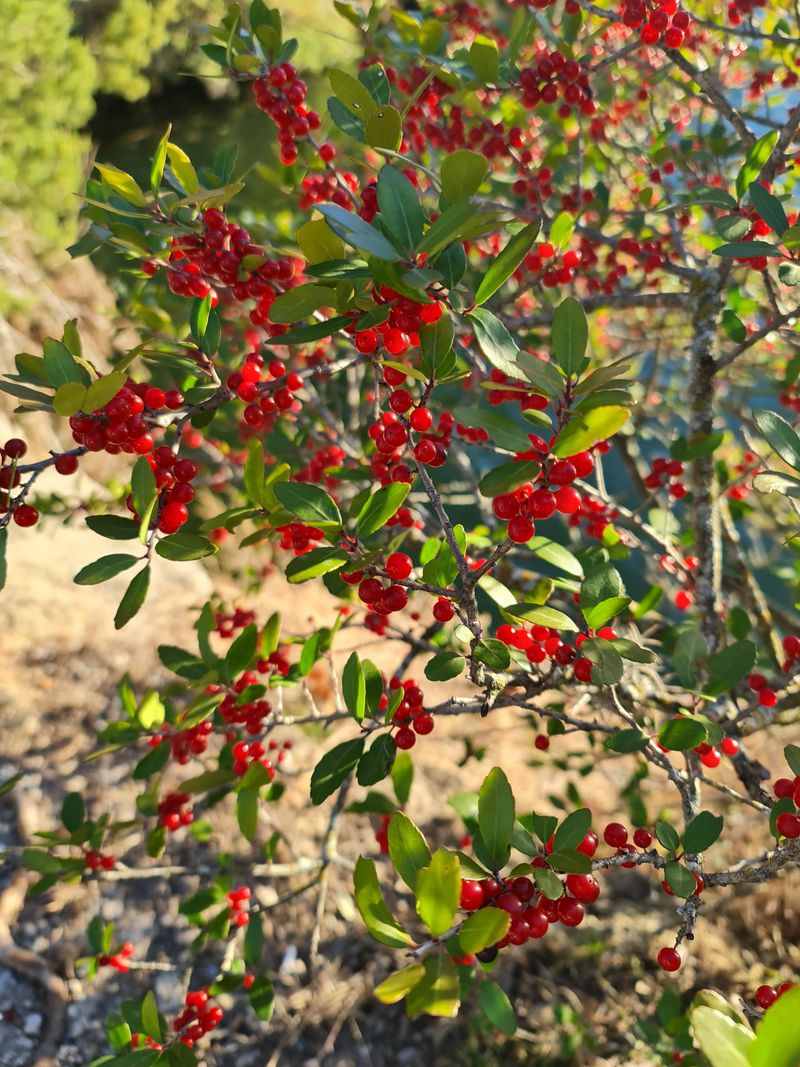
Heat. Drought. Salt spray. Wet soil. Clay. Sand. Full sun. Partial shade. Most shrubs would like you to pick one or two of those conditions and commit.
Yaupon holly looks at the whole list and says: “Sure, what else have you got?”
This native evergreen is one of the most adaptable shrubs available to North Carolina gardeners, and it earns that reputation honestly.
Small, glossy, dark green leaves stay clean and attractive year-round without the browning or tip damage that affects other broadleaf evergreens in tough conditions.
Female plants produce brilliant red berries in fall that persist through winter, often until birds finally strip them bare in January or February.
Cedar waxwings, mockingbirds, and bluebirds are particularly enthusiastic about the fruit. A male plant nearby is needed for berry production, so plan accordingly when selecting plants at the nursery.
Pruning flexibility is one of yaupon’s most underrated qualities. It can be sheared into formal hedges, sculpted into topiary, left in its natural arching form, or limbed up into a small multi-trunked tree.
Gardeners who love shaping plants will find it endlessly cooperative. Those who prefer a hands-off approach will find it equally content.
Cultivar choice affects mature size significantly. Standard yaupon can reach fifteen to twenty feet, while compact forms like ‘Schillings’ or ‘Bordeaux’ stay under four feet.
After that first establishment season, yaupon runs almost entirely on its own. Fertilizer is rarely needed. Serious pest problems are uncommon. Conditions that would stress most other broadleaf evergreens barely register.
For year-round structure, reliability, and a complete refusal to complain, yaupon holly is in a category of its own. Some plants tolerate tough conditions. Yaupon genuinely does not seem to notice them.