Why Cauliflower Is Worth Starting In July For A Better North Carolina Fall Harvest
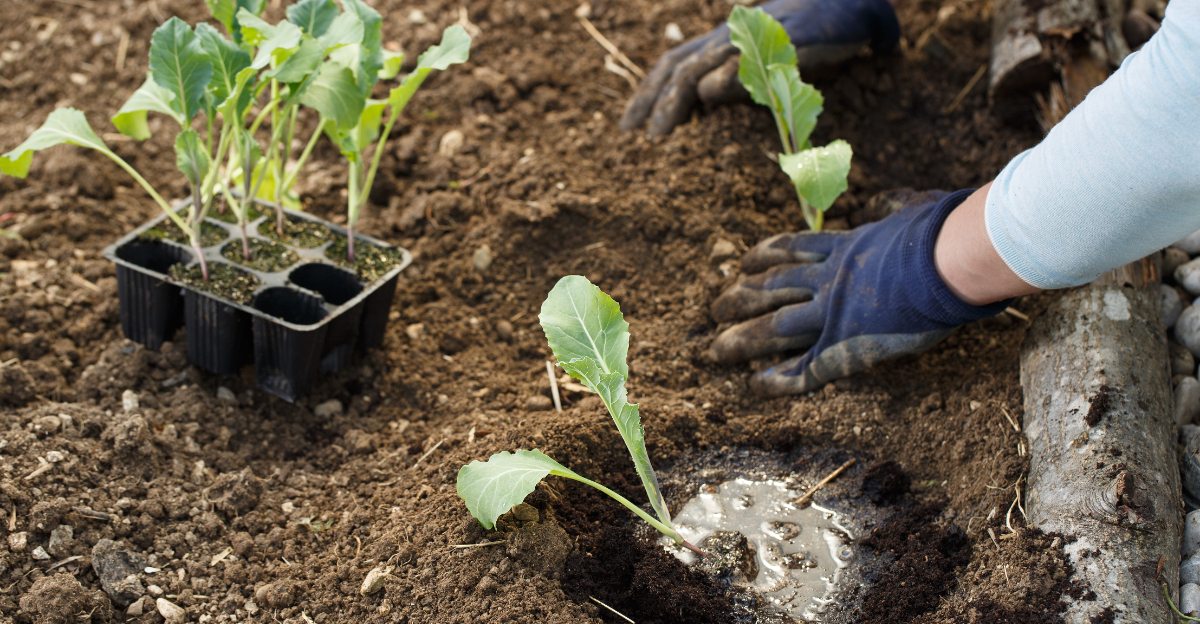
Cauliflower has a reputation for being difficult in North Carolina, and spring planting earns that reputation honestly.
Heat hits before heads develop properly, and the timing window between mature plant and bolting is narrow enough to miss entirely during a warm stretch. July planting flips that experience around.
Fall cauliflower in North Carolina develops during the cooling weeks that this vegetable actually needs to produce tight, flavorful heads without the race against rising temperatures that makes spring growing so frustrating.
Starting in July feels counterintuitive during one of the hottest months of the year, but the math of the growing season makes it the most reliable path to a cauliflower harvest worth the effort of growing it.
1. July Gives Cauliflower Time To Become A Strong Transplant
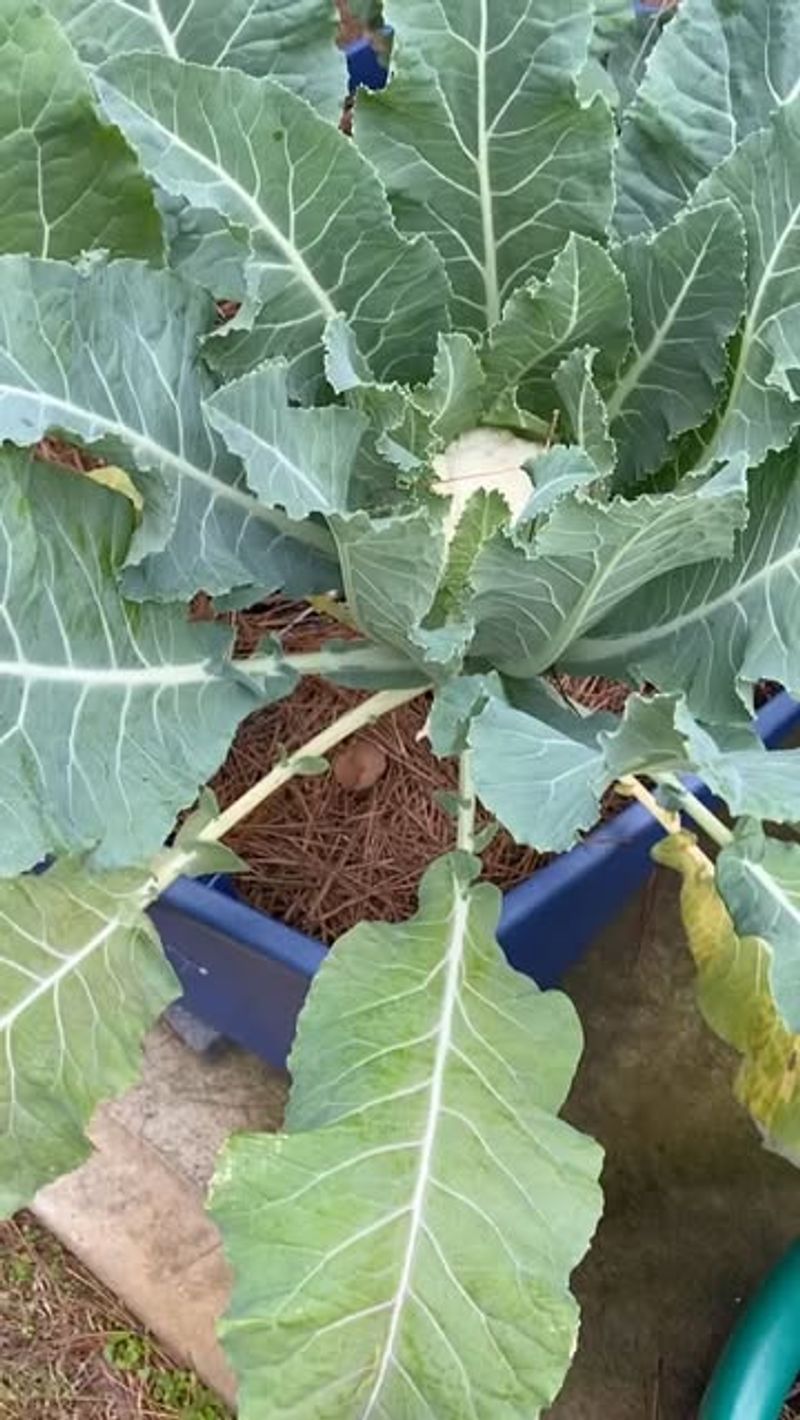
Cauliflower does not rush. Unlike radishes or lettuce that can pop up and be ready in just a few weeks, cauliflower needs serious time to build a strong foundation before it is ever ready for the garden bed.
Starting your seeds in July gives those plants the growth window they need to become sturdy, well-rooted transplants.
When you grow from seed, you control everything from the beginning. You choose the soil mix, the moisture level, and the light.
That control matters because weak seedlings that go into the ground without enough root development tend to struggle all season. A plant that starts strong almost always finishes strong.
North Carolina summers are warm, but July seed starting works in your favor because the seedlings develop inside or in a shaded spot before they ever face the full garden environment.
By the time they are ready to transplant, usually around four to six weeks after germination, they have built a solid base.
Strong roots anchor the plant and help it pull in nutrients more efficiently, which directly supports head formation later in the season.
Skipping this early start often means setting out plants that are too young, too small, or too fragile to handle the transition.
July planting removes that risk entirely, giving you a confident head start for a rewarding fall cauliflower crop right in your own backyard garden.
2. Cauliflower Needs More Planning Than Fast Fall Greens
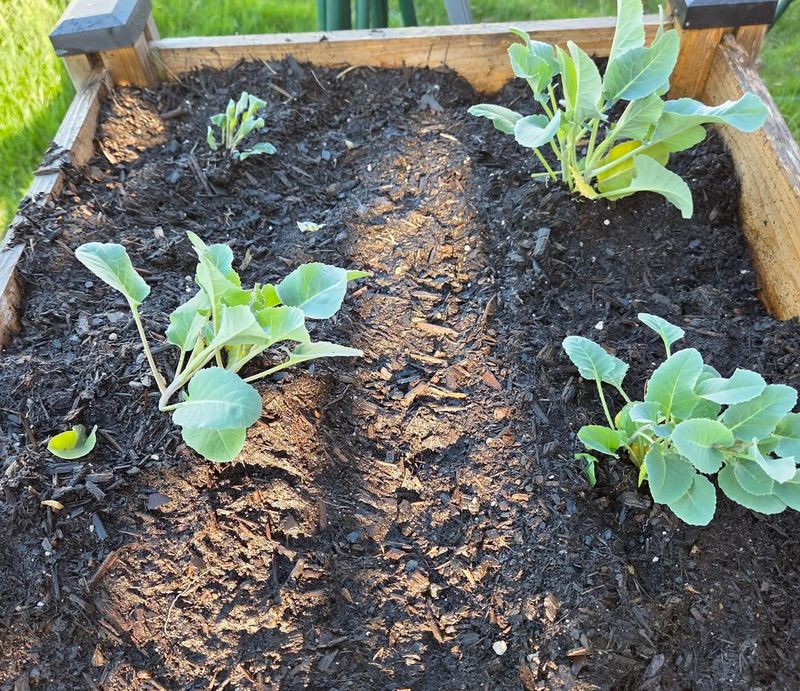
Spinach can go from seed to salad bowl in about six weeks. Lettuce is almost that fast.
Cauliflower, on the other hand, plays by a completely different set of rules, and gardeners who treat it like a quick crop often end up frustrated when fall arrives without a single good head to show for it.
NC State University recommends counting about eighty-five to ninety-five days from seed to harvest for cauliflower. That is a long runway.
If you are hoping to harvest before the first serious cold snap hits your part of North Carolina, you need to count backward from your expected harvest date and start your seeds well ahead of time.
July planting lines up that math beautifully for most areas of the state. Think of cauliflower planning like planning a road trip rather than a quick errand. You need to know your destination, your timeline, and what could slow you down along the way.
Your North Carolina Garden Changes Every Week. Your Plan Should Too.
Gardening in North Carolina changes quickly throughout the season. Every Friday you’ll receive a simple weekly plan showing exactly what to plant, prune, fertilize, harvest, and protect so you never miss the right timing.
Gardeners who map out their fall planting schedule in early summer rarely get caught off guard. Those who wait until late August to think about cauliflower almost always run short on time.
The plant simply cannot compress its growth into a shorter window just because the season is moving fast.
Giving yourself and your cauliflower the full number of days it needs is one of the most practical decisions you can make for a successful fall garden in North Carolina. Planning ahead is the real secret weapon here.
3. Fall Weather Is Better For Cauliflower Heads
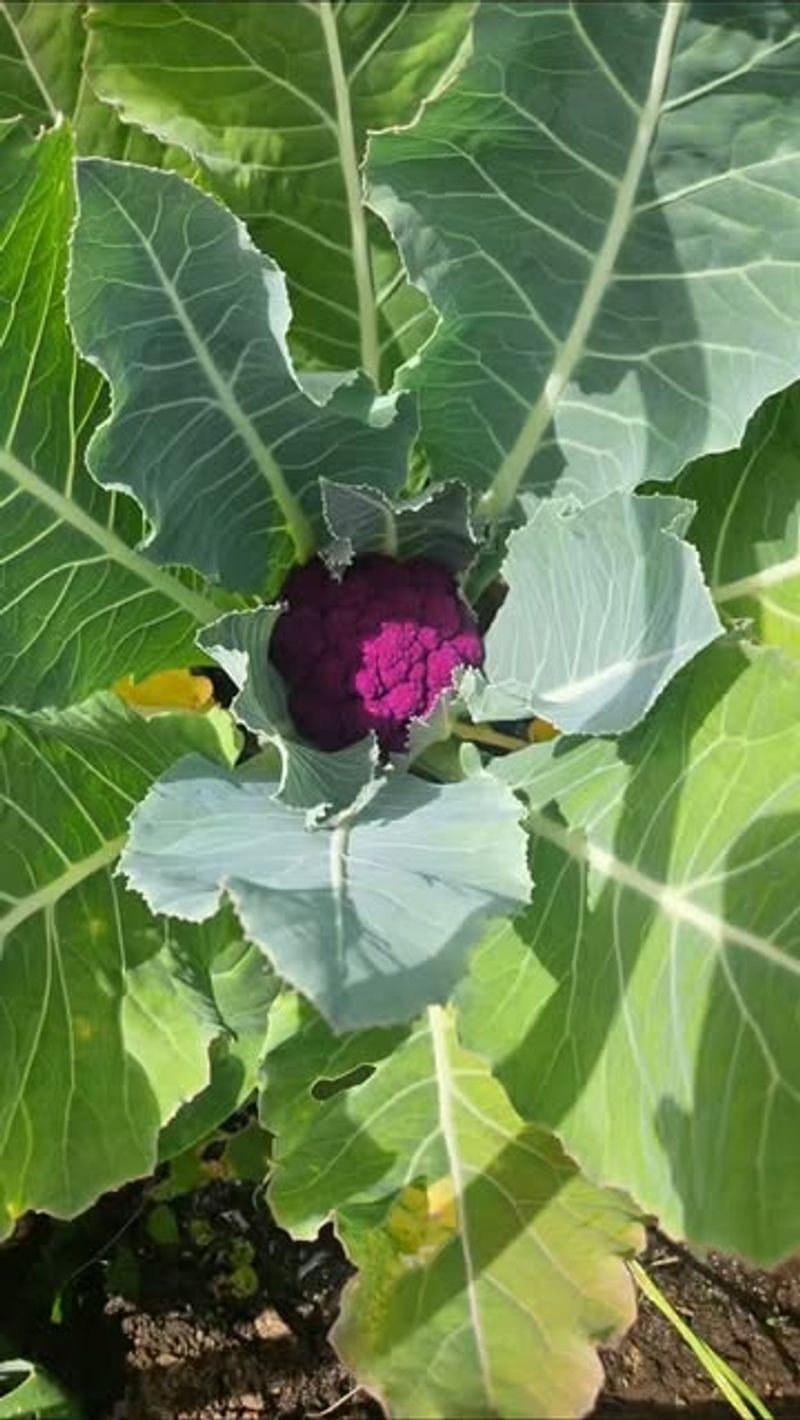
Cauliflower has a reputation for being picky, and honestly, that reputation is earned. The plant is very particular about temperature, especially when it comes to forming its signature white head.
Too much heat at the wrong moment can cause loose, discolored, or poorly developed heads that are disappointing to harvest.
Cool autumn air is exactly what cauliflower craves during the curding stage, which is when the head actually forms and fills out.
North Carolina falls tend to bring that gentle cooldown starting in September and October, and that seasonal shift works perfectly for plants that were started back in July.
The timing is not a coincidence. It is a seasonal rhythm that smart gardeners learn to work with.
Starting in July means your plant spends late summer building its leaves and root system while the heat is still high.
By the time temperatures ease off and nights begin to cool, the plant is already mature enough to shift its energy toward head development.
That is exactly when you want it to be at that stage. Trying to rush a young plant into head formation during hot weather rarely ends well.
But a plant that has had two full months to grow strong is ready to take full advantage of those cool fall days.
North Carolina gardeners who time their July start correctly often enjoy firm, bright, beautiful cauliflower heads that are worth every bit of the planning that went into them. Fall weather truly is the best partner cauliflower could ask for.
4. Fall Plantings Are Less Likely To Bolt Than Spring Plantings
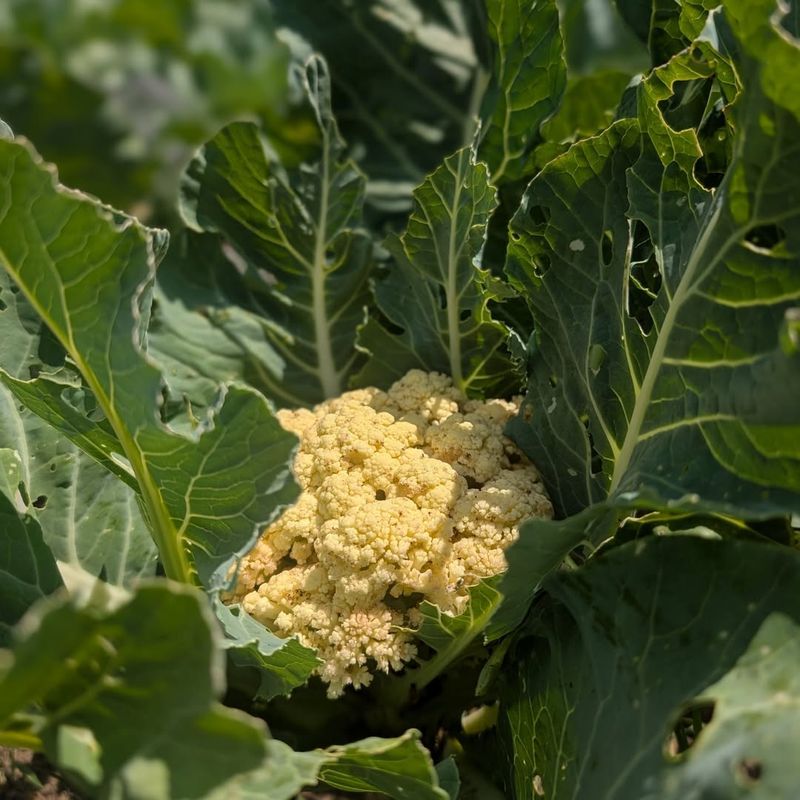
Spring cauliflower in North Carolina can feel like a gamble. You plant it with high hopes, then a warm spell rolls through in April or May and suddenly the plant skips straight to flowering before a proper head ever forms.
That premature bolting is one of the most common complaints from gardeners who try cauliflower in the spring season.
Fall planting sidesteps a lot of that frustration. Instead of racing against rising temperatures, your fall cauliflower is growing alongside cooling ones.
As the season moves from summer into autumn, the conditions actually improve for the plant rather than working against it. That shift in direction makes a big difference in how consistently the crop performs across the growing season.
Bolting happens when a plant senses stress, usually heat, and rushes to reproduce before conditions get worse. Fall cauliflower does not face that same pressure because the temperature trend is moving in the right direction.
Cooler nights signal to the plant that it is safe to take its time and develop properly.
North Carolina autumns are not perfectly uniform across the state, but in general the fall season offers more stable and predictable cool conditions compared to the unpredictable warm spikes of spring.
Gardeners in the Piedmont and Coastal Plain regions especially benefit from this, since spring heat can arrive fast and fierce in those areas.
Choosing fall over spring for your cauliflower crop, and starting those seeds in July, gives you a much calmer and more reliable path to a quality harvest every single year.
5. July Starting Helps Gardeners Avoid Weak Late Seedlings
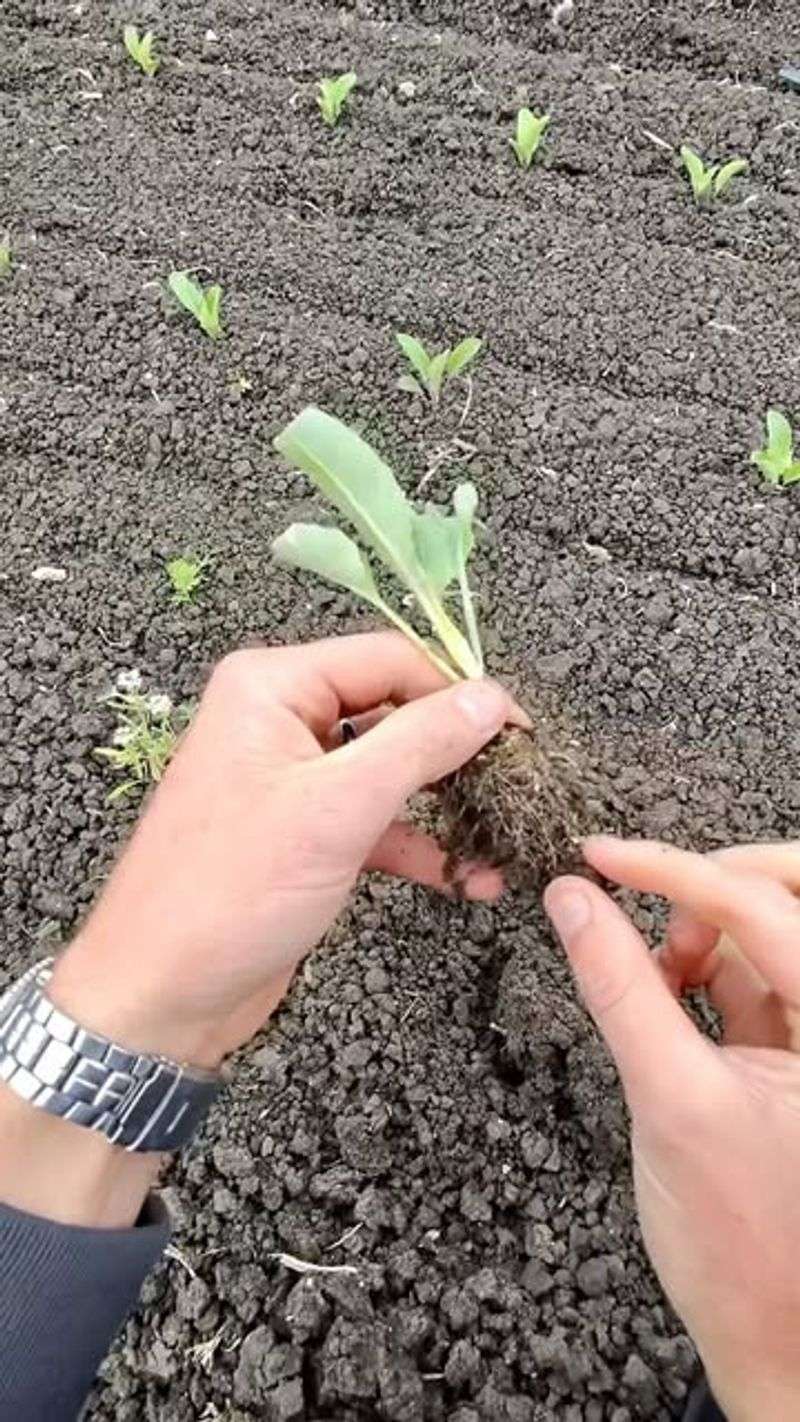
Picture this: it is mid-September, and you are trying to get cauliflower seedlings into the ground that you started just two weeks ago. The plants are tiny, barely holding themselves upright, and the fall window is already ticking by.
That is a stressful situation that July starters almost never have to face.
Seedling strength comes from time. Roots need weeks to spread out and anchor themselves properly.
Stems need to thicken so they can support the weight of large leaves and eventually a full head.
A seedling that has had four to six weeks of steady growth in a controlled environment is a completely different plant from one that was rushed into existence at the last minute.
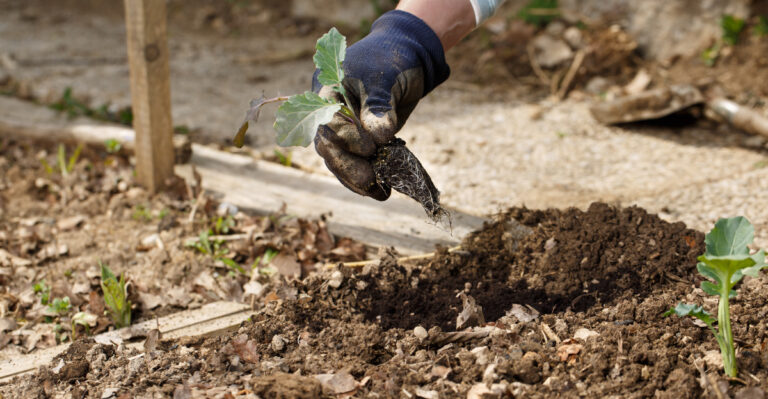
When you start in July, your seedlings have time to develop at their own pace without the pressure of a looming deadline. You can water them consistently, give them good light, and harden them off gradually before transplanting.
Hardening off is the process of slowly introducing indoor-grown seedlings to outdoor conditions over several days, and it makes a real difference in how well plants settle into the garden.
Transplant shock is much less severe when the plant is already healthy and strong going in. Weak seedlings that skip this process often stall after being planted, spending weeks just trying to recover instead of growing.
July starting gives you the gift of time, and in gardening, time is one of the most valuable resources you have. Strong transplants equal stronger harvests, plain and simple.
6. August Transplants Fit Many North Carolina Fall Gardens
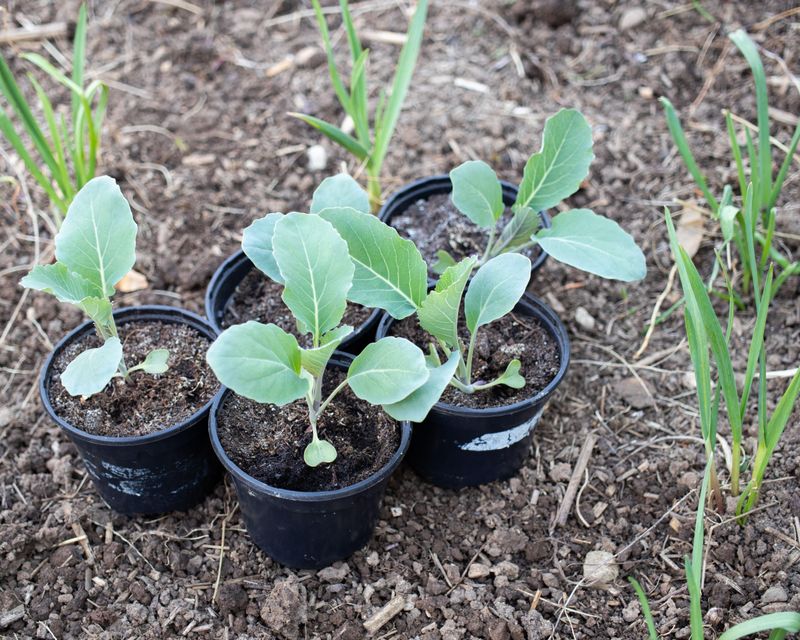
Timing in the garden is everything, and for North Carolina cauliflower growers, August is often the sweet spot for getting transplants into the ground.
Many gardening guides for the state recommend setting out cauliflower transplants between mid-July and late August, depending on your specific region and the variety you are growing.
If you start your seeds in early to mid-July, you will have transplant-ready seedlings right when August arrives. That alignment is not accidental.
It is the result of working backward from your ideal harvest window and giving each growth stage the time it deserves. Gardeners who nail this timing tend to have some of the most productive fall cauliflower patches in the neighborhood.
North Carolina has three distinct growing regions: the Mountains, the Piedmont, and the Coastal Plain. Each area has slightly different planting windows, but July seed starting gives gardeners across all three regions a comfortable buffer.
Mountain gardeners face earlier frosts and may want to start on the earlier end of July. Coastal Plain gardeners can sometimes stretch a little later, since their frost dates come further into the year.
No matter where you are in the state, having transplants ready in August puts you in a strong position. You are not scrambling, not planting tiny seedlings, and not hoping the weather holds long enough for your plants to catch up.
You are planting with confidence, with healthy starts, and with the entire fall season ahead of you. That is a great feeling to have in the garden.
7. Earlier Planning Gives More Time For Pest Protection
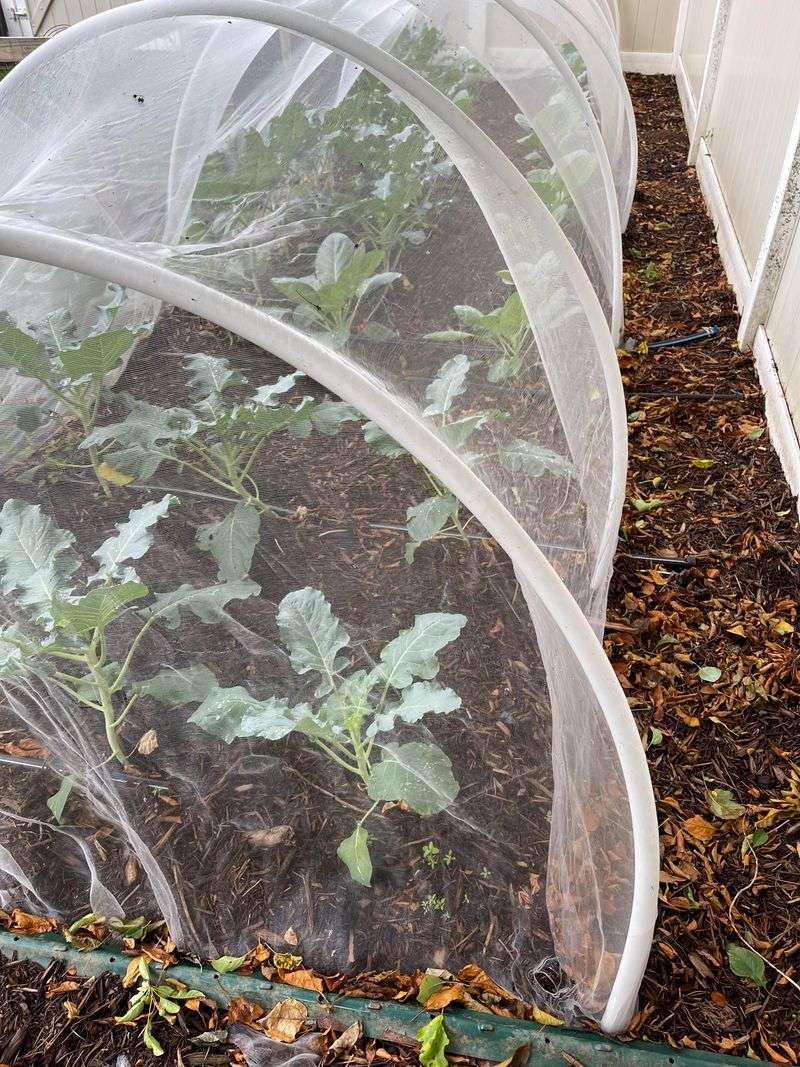
Cauliflower does not grow in a bubble. As soon as those leaves unfurl in your garden, insects take notice.
Cabbage worms, imported cabbageworms, and cabbage loopers are among the most common visitors to cole crops in North Carolina, and they can do serious damage to young plants if you are not watching closely.
Starting in July gives you something valuable: extra time to prepare. You can set up row covers before transplanting so that moths and butterflies cannot reach the plants to lay eggs on the leaves.
Row covers are lightweight fabric barriers that let in light and water while keeping pests out, and they are one of the most effective tools a home gardener can use for cole crop protection throughout the season.
Checking leaves regularly is a habit that pays off quickly. Cabbage worm eggs are tiny and easy to miss, but catching them early means you can remove them before they hatch into hungry caterpillars.
Gardeners who start early have time to build these routines before the pressure of a tight harvest window sets in.
Bacillus thuringiensis, commonly called Bt, is a natural soil-dwelling bacteria that is very effective against caterpillar pests and safe for people, pets, and beneficial insects when used correctly.
Having it on hand before trouble starts is a smart move. Early planters also have more flexibility to respond to problems without panicking.
When your plants are strong and your harvest window is not closing in fast, dealing with a pest issue feels manageable rather than overwhelming. That peace of mind is worth a lot in the fall garden.
8. July Starting Lets Gardeners Choose Better Varieties
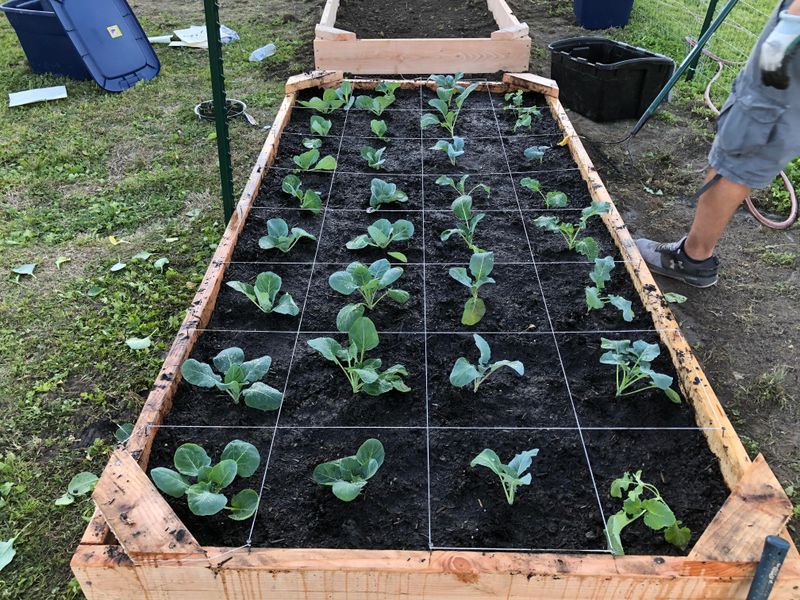
Walk into a garden center in August looking for cauliflower transplants and you will likely find one, maybe two options sitting in the corner of the vegetable section.
Those transplants may not be ideal for your fall timing, your garden space, or your part of North Carolina.
When you depend on what is available at the store, your variety choices are limited by someone else’s decisions.
Starting from seed in July puts that decision back in your hands. Seed catalogs and online seed retailers offer a wide range of cauliflower varieties suited to different maturity times, head sizes, and climate conditions.
You can choose a compact variety for a small raised bed, a longer-season type for the Piedmont, or a colorful variety like purple or orange cauliflower that brings something extra to the harvest basket and the dinner table.
Variety selection also affects how well your cauliflower handles the specific conditions in your area. Some varieties are more heat-tolerant during establishment, which matters when you are transplanting in August while temperatures are still warm.
Others are bred for better cold tolerance, which can help Mountain region gardeners push the season a little further into fall.
Reading through seed descriptions and choosing a variety that matches your goals is genuinely one of the most satisfying parts of vegetable gardening.
July starting gives you that freedom. Instead of grabbing whatever is left on the shelf, you can grow the exact cauliflower you want, from the very beginning, with full confidence in your fall harvest plan from start to finish.