Plants That Attract Beneficial Night Creatures Like Bats And Moths To Michigan Yards
The nighttime ecology of a Michigan garden is easy to overlook because it happens in the dark. However, these overnight activities have major consequences for pest populations, pollination, and overall garden health.
Bats consume enormous quantities of pest insects on a single summer night, and certain moth species serve as pollinators for plants that receive little attention during daylight hours.
Attracting these creatures consistently requires planting choices that most gardening guides never specifically address because they fall outside the typical daytime pollinator conversation.
Several plants are genuinely effective at drawing beneficial night activity into Michigan yards, and adding even a few of them to an existing garden changes what is happening in that space in ways that support everything growing there.
1. Common Evening Primrose
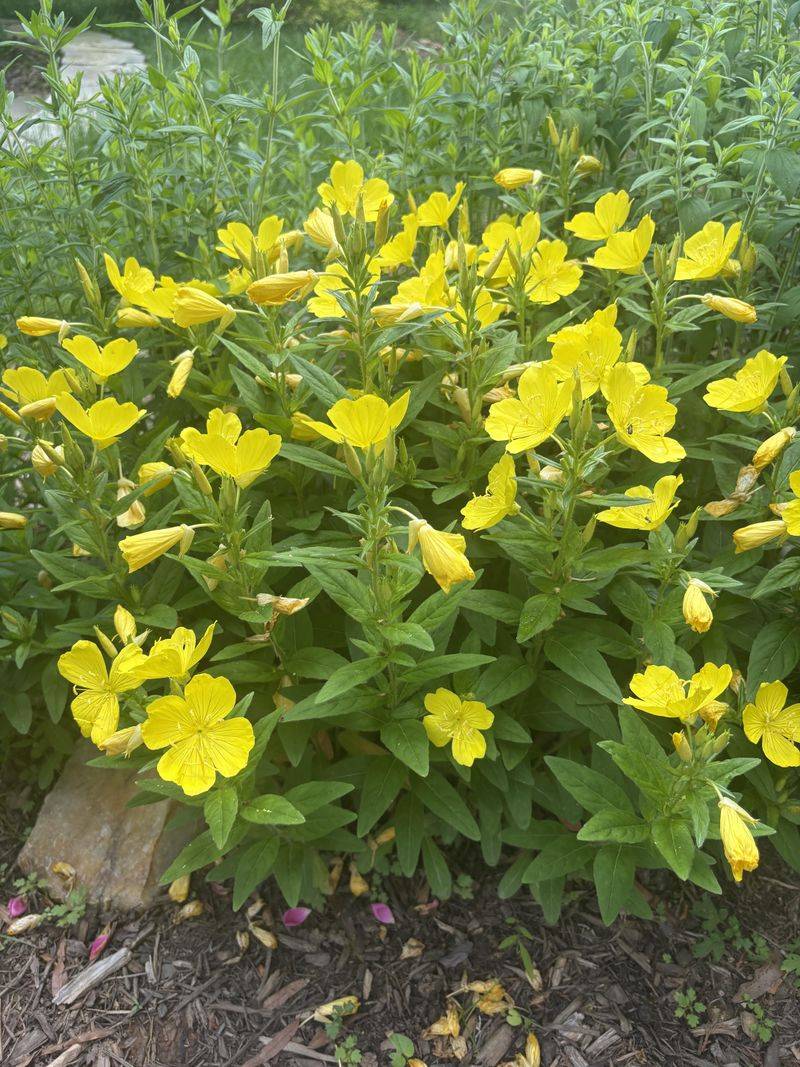
Few plants put on a show quite like common evening primrose. Just as the sun dips below the horizon, those pale yellow flowers begin to open, almost as if they know it is time to work.
This native has a fascinating trick up its sleeve, timing its blooms to attract the pollinators that fly after dark.
Night-flying moths are strongly drawn to pale, fragrant flowers, and evening primrose checks both boxes.
Sphinx moths and other species visit these blooms regularly, drawn in by the soft color and sweet scent that carries through the evening air.
More moth activity around your yard means more food available for insectivorous bats, which hunt flying insects at night across Michigan.
Growing common evening primrose is straightforward. It thrives in sunny, well-drained spots and tolerates poor soil better than most garden plants.
You can find it growing naturally along roadsides, fields, and open areas throughout the state. Plant it along a garden edge or in a naturalized area where it can self-seed freely.
The plant supports the nighttime food web by boosting moth populations, which in turn creates better feeding conditions for bats patrolling your yard after sunset.
2. Common Milkweed
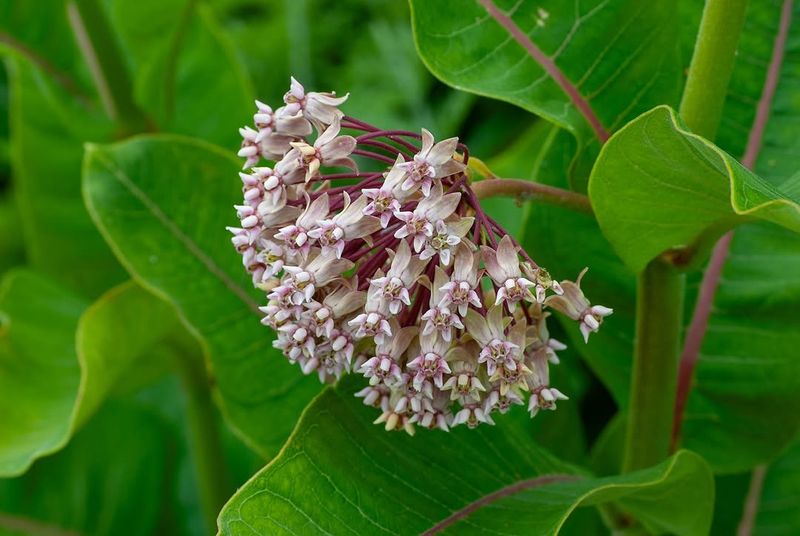
Common milkweed is one of those plants that keeps on giving, season after season.
Most people know it as monarch butterfly territory, but milkweed supports a much wider community of insects than many gardeners realize.
According to MSU Extension, milkweed tussock moth caterpillars use milkweed as a host plant, making it a direct resource for moth development right in your yard.
Beyond hosting caterpillars, milkweed produces clusters of sweetly fragrant flowers that attract a long list of pollinators.
Bees, butterflies, beetles, and moths all visit the blooms throughout summer, creating a buzzing, fluttering hub of insect activity.
When insect populations are healthy and diverse, bats have more to work with on their nightly hunting runs over neighborhoods and natural areas.
One thing worth knowing before you plant: common milkweed spreads through underground rhizomes and can move through a garden bed fairly quickly.
Giving it a dedicated spot with room to expand, like a meadow edge, a naturalized strip, or an open corner of the yard, works much better than tucking it into a tight border.
It handles average to dry soil well and loves full sun. For a plant that does so much for the nighttime food web, it asks for very little in return.
Your Michigan Garden Changes Every Week. Your Plan Should Too.
Gardening in Michigan changes quickly throughout the season. Every Friday you’ll receive a simple weekly plan showing exactly what to plant, prune, fertilize, harvest, and protect so you never miss the right timing.
3. Swamp Milkweed
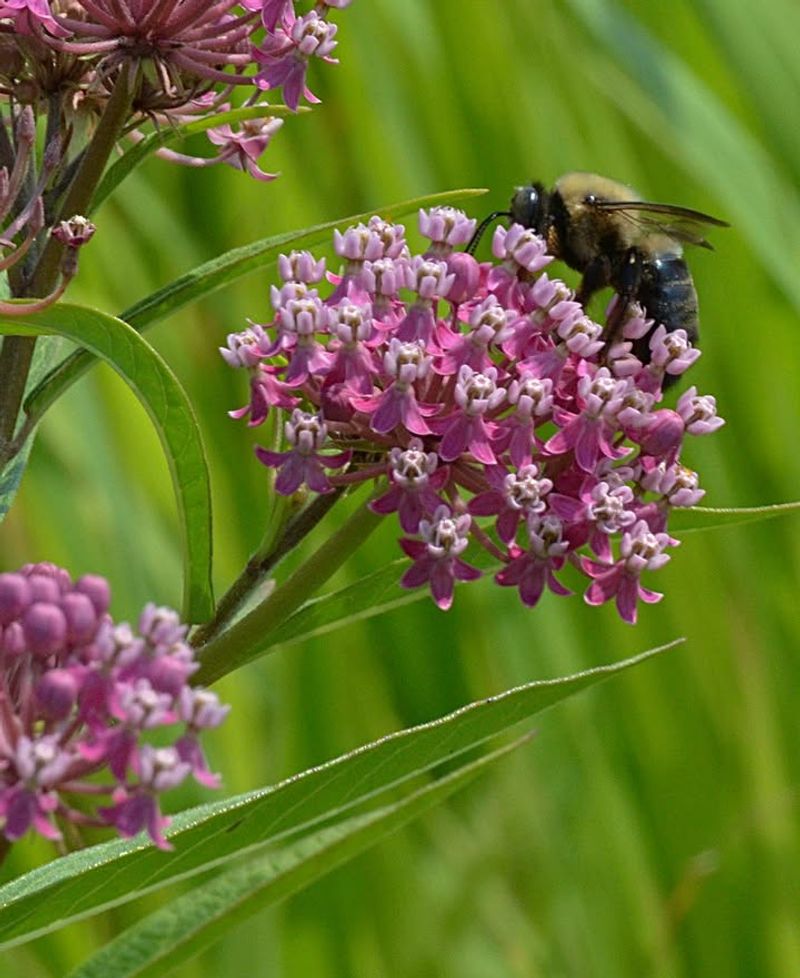
Not every Michigan yard is dry and sunny, and swamp milkweed was practically made for the spots that stay wet.
Rain gardens, pond edges, low-lying areas, and damp sunny borders are where this native plant truly shines.
It handles soggy conditions that would stress most other garden plants, and it does so while producing beautiful clusters of rosy-pink flowers through midsummer.
Like its common milkweed cousin, swamp milkweed supports milkweed-specialist insects, including moths that depend on milkweed plants as part of their life cycle.
Wet garden areas naturally attract a wide range of insects, and pairing that moisture with a plant that actively supports moth caterpillars is a smart combination.
More insects in a small area means richer feeding opportunities for the larger food web, bats included.
Swamp milkweed stays more compact than common milkweed and spreads less aggressively, making it a friendlier choice for structured garden beds near water features.
It prefers full sun to light shade and consistently moist to wet soil.
Planting it alongside other natives like buttonbush or blue flag iris creates a layered, insect-friendly planting that looks beautiful and functions as a miniature wildlife habitat.
For anyone working with a challenging wet corner of their yard, swamp milkweed turns a problem area into a genuine asset for Michigan night wildlife.
4. Buttonbush
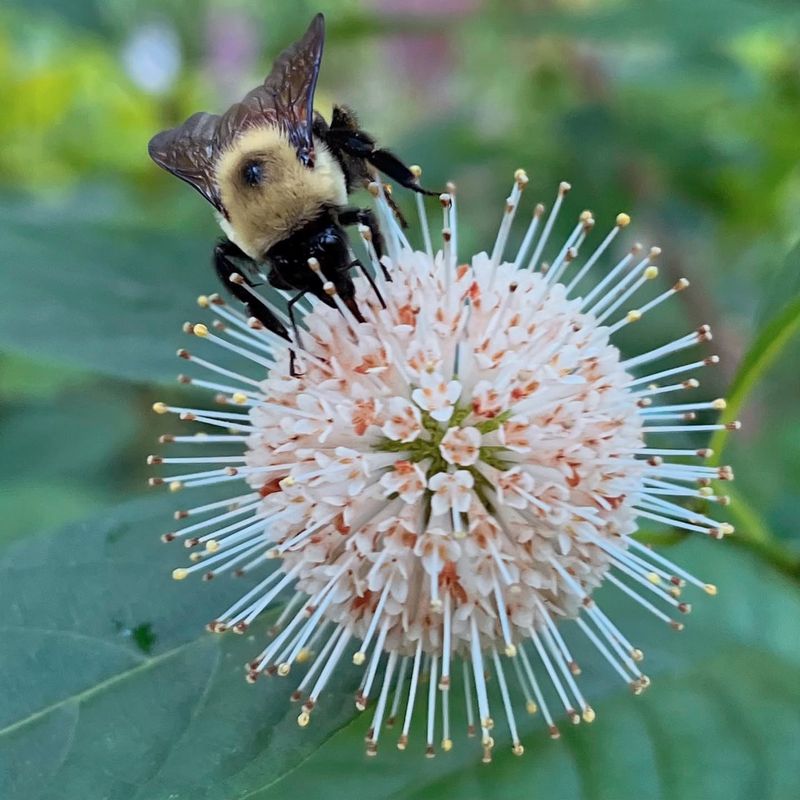
Buttonbush has one of the most distinctive flowers in the Michigan native plant world.
Those perfectly round, white, pin-cushion blooms look almost otherworldly, and they are incredibly attractive to pollinators throughout summer.
MSU lists buttonbush as a plant that draws in both pollinators and natural enemies of garden pests, making it a hardworking addition to any yard with a wet or low-lying spot.
Wet, sunny areas are prime bat-foraging territory in Michigan. Bats regularly hunt along pond edges, stream banks, and open water because insects concentrate in those spaces.
Planting buttonbush near a rain garden, pond edge, or low depression adds structure and insect-supporting value to exactly the kind of habitat bats prefer for their nightly feeding runs.
Buttonbush is a medium to large native shrub that can handle standing water for extended periods, which few plants tolerate well.
It works beautifully as a naturalistic screen near water features or as an anchor plant in a rain garden design.
Butterflies, bees, and various flies visit the flowers heavily, and the plant produces small fruits that waterfowl and other birds enjoy in fall.
If your yard has a persistently wet area that seems difficult to plant, buttonbush may be the most practical and wildlife-friendly solution available for gardeners looking to support the broader nighttime food web.
5. Wild Bergamot
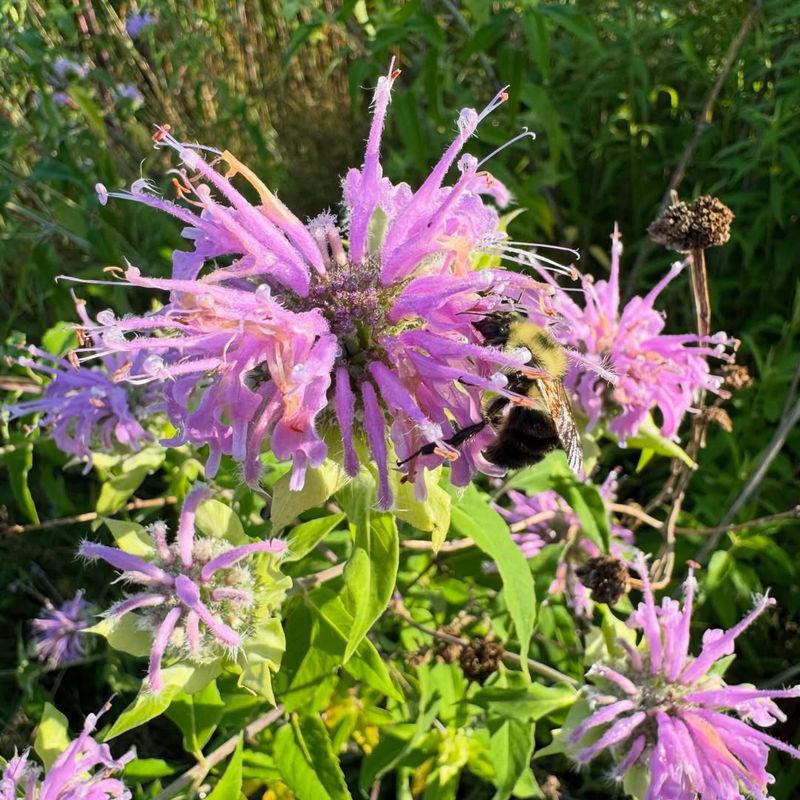
There is something wonderfully aromatic about wild bergamot. Brush against the foliage on a warm summer evening, and you get a wave of minty, herbal fragrance that lingers in the air.
This Michigan native belongs to the mint family, and that fragrance is part of what makes it so appealing to a wide range of beneficial insects throughout the summer months.
Butterflies and bees are the most visible visitors, but wild bergamot also attracts hummingbird clearwing moths, one of the more fascinating insects you might spot in a Michigan garden.
These moths hover at flowers much like hummingbirds do, and while they are mostly active during the day, their presence reflects the kind of rich, diverse insect community that builds up around a well-planted native garden.
More insect variety generally means more activity across all hours, including after dark. Wild bergamot thrives in full sun with average to dry, well-drained soil.
It is drought-tolerant once established, which makes it low-maintenance in typical summer conditions.
The plant forms attractive clumps and spreads slowly over time, working well in meadow plantings, sunny borders, and pollinator gardens.
Pairing it with other summer-blooming natives like coneflower or black-eyed Susan creates a visually striking and insect-rich planting that supports the evening food web from multiple angles.
For a plant that smells great and works hard, wild bergamot earns its place in any native garden.
6. Woodland Phlox
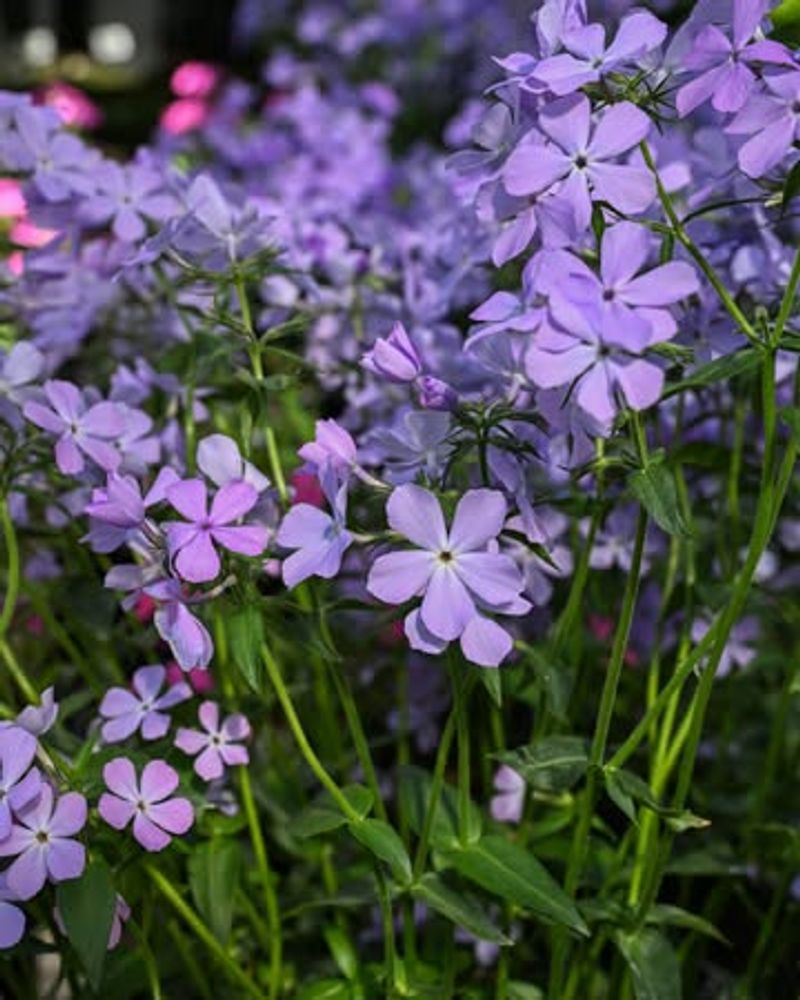
Spring in a Michigan shade garden gets a serious upgrade with woodland phlox in the mix.
The soft clusters of tubular flowers in shades of lavender, pale blue, and white appear in mid to late spring, arriving just when the garden could use some color after a long winter.
Beyond the beauty, those tubular blooms are shaped in a way that favors long-tongued pollinators, which includes certain moths that probe deep into flowers to reach nectar.
Woodland phlox fits naturally into shaded and partially shaded spots that can be tricky to plant for wildlife value.
Under a tree canopy, along a wooded garden edge, or in a naturalistic border where the sun filters through are all ideal locations.
The plant creates soft, low-growing drifts that look right at home in a woodland-style garden design, and it spreads gently over time without becoming invasive.
Supporting moths in a shaded garden setting matters because those moths become part of the broader insect community that feeds bats on their nightly patrols.
Woodland phlox does not attract bats directly, but it contributes to the food web by supporting the insects bats depend on.
It prefers moist, well-drained soil rich in organic matter and benefits from a layer of leaf mulch.
For gardeners working with shade, this plant offers genuine pollinator value in a space where options can feel limited.
7. Joe Pye Weed
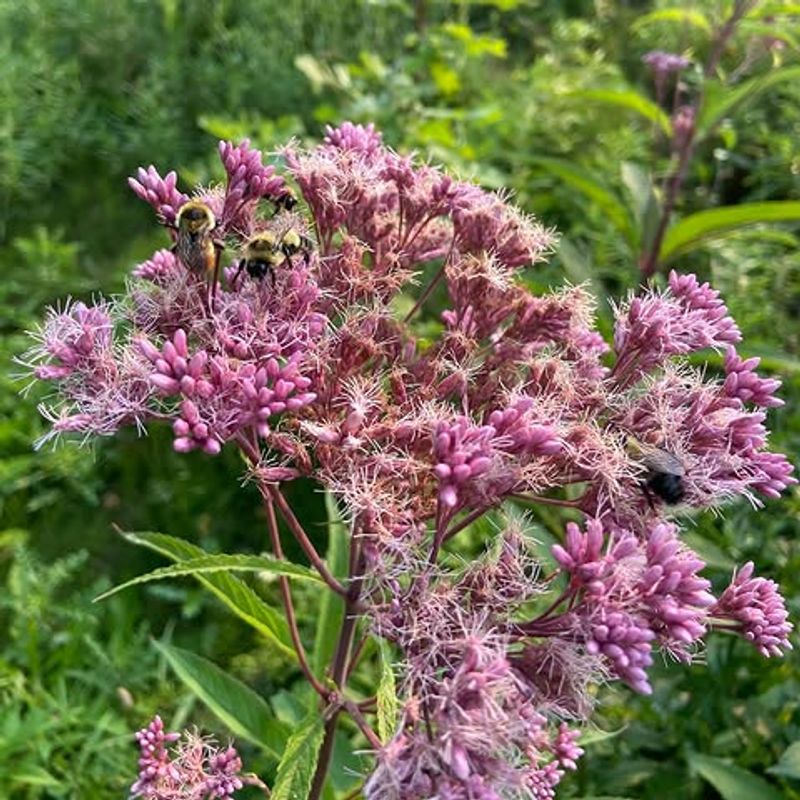
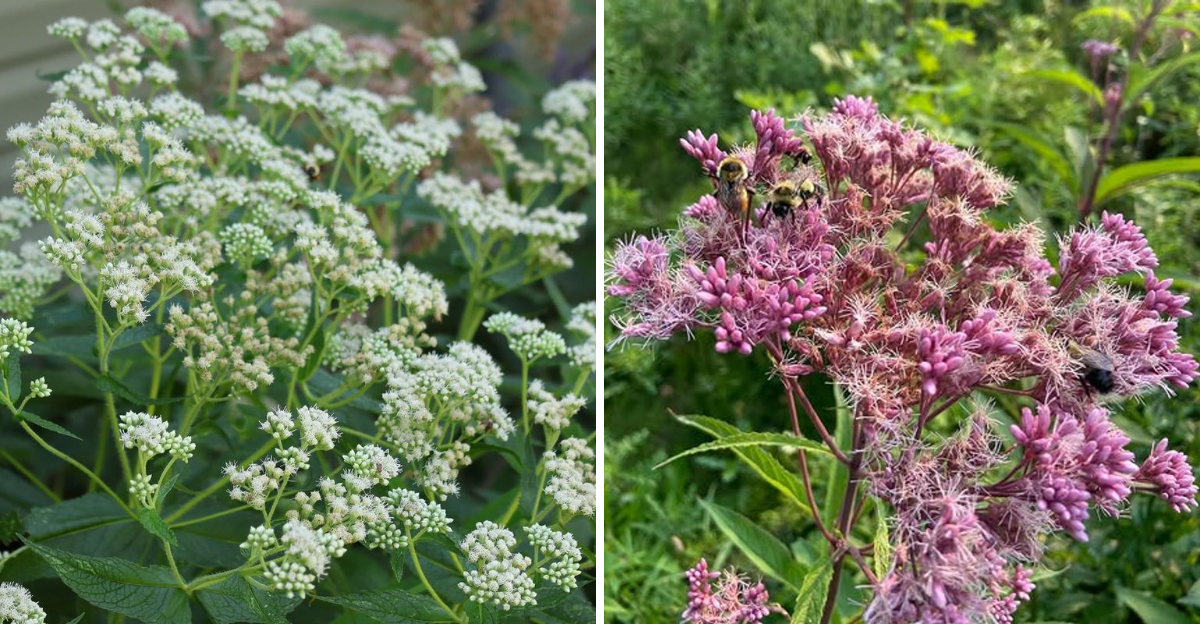
Tall, bold, and absolutely buzzing with life in late summer, Joe Pye weed is one of those plants that stops people in their tracks.
The large, dusty mauve-pink flower clusters sit on top of sturdy stems that can reach six to eight feet in height, creating a dramatic backdrop for any Michigan garden bed.
But the real show happens when you look closely at those flower heads and count the pollinators visiting them.
Butterflies, bees, and moths all flock to Joe Pye weed throughout summer and into early fall.
The flowers are accessible to a wide range of insect sizes, and the sheer volume of blooms means the plant can support many visitors at once.
Planting it along a garden edge, near a rain garden, or in a damp sunny border creates a concentrated hub of insect activity that enriches the food web well into the evening hours.
Joe Pye weed performs best in full sun to part shade with medium to moist soil. It handles average Michigan garden conditions well once established and rarely needs supplemental watering after its first season.
The plant pairs naturally with other tall natives like swamp milkweed, ironweed, and native goldenrod, creating a layered planting that blooms in sequence and keeps insect activity high across multiple months.
For gardeners who want big impact with strong wildlife value, Joe Pye weed delivers on every level.
8. Boneset
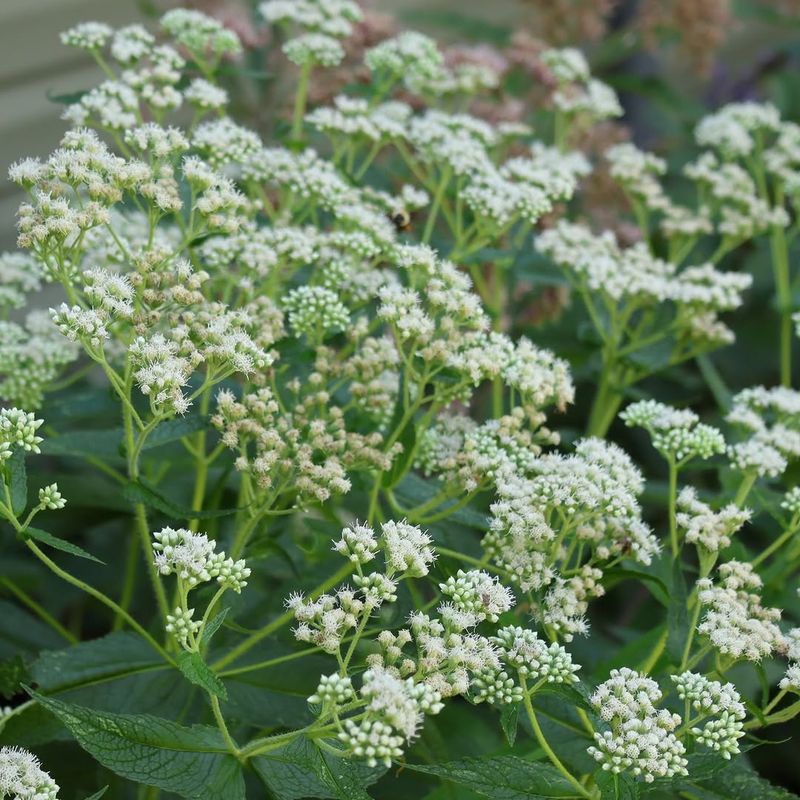
Boneset might not be the showiest plant on this list, but what it lacks in visual drama it more than makes up for in ecological value.
The flat-topped clusters of small white flowers that appear in late summer attract an impressive variety of small pollinators, including flies, wasps, butterflies, and moths.
Because the flowers are open and accessible, they welcome insects that longer, tubular blooms would exclude.
Late summer is an important time in the garden pollinator calendar. Many plants have finished blooming, and the insects that depend on late-season nectar need reliable sources to find.
Boneset fills that gap with consistent, abundant flowering from August into September, keeping insect activity high in the garden during a period when it might otherwise start to slow down.
All of that late-season insect activity has a ripple effect that reaches right up the food web.
Bats that feed on flying insects after sunset benefit when gardens support healthy moth and fly populations through late summer and into fall.
Boneset grows well in moist to wet soil in full sun to partial shade, fitting naturally into rain gardens, streamside plantings, and damp meadow edges across Michigan.
It is not a plant you plant for curb appeal, but for anyone serious about building a yard that genuinely supports night wildlife, boneset is an underrated and highly practical choice worth including.
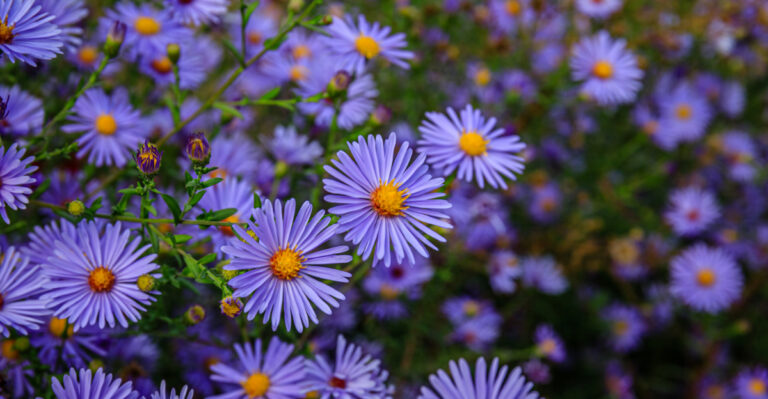
9. Native Asters
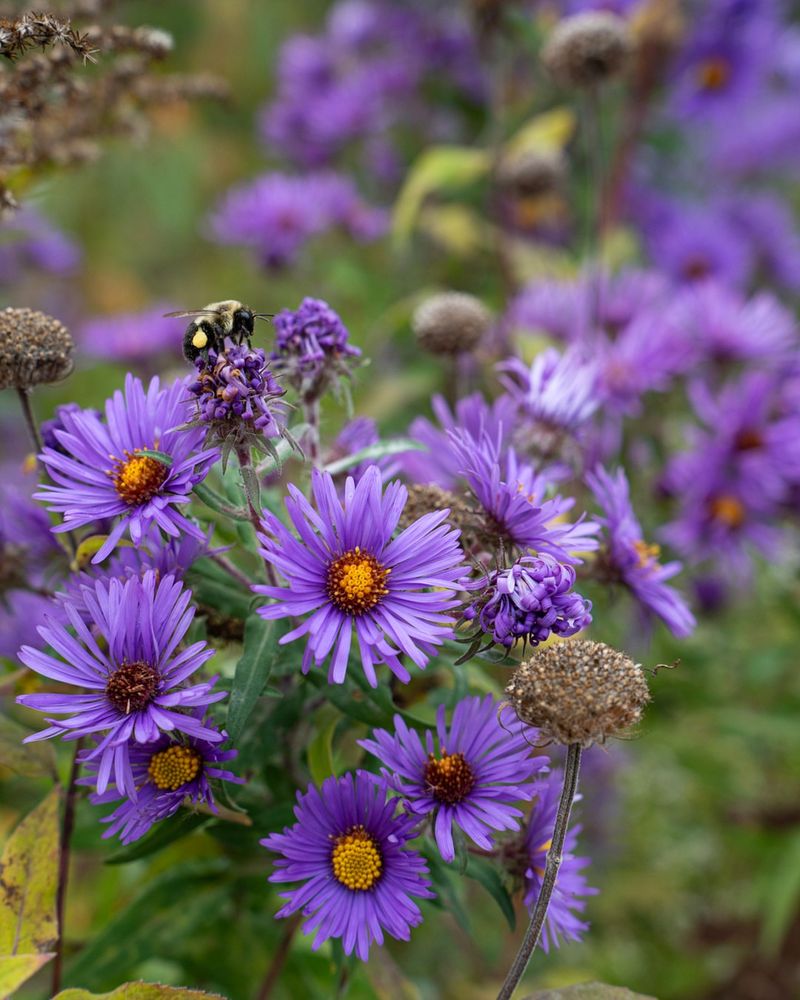
When most of the garden has wrapped up for the season, native asters are just hitting their stride.
These late-blooming wildflowers bring a burst of color to Michigan yards in September and October, right when pollinators are scrambling to find enough nectar before the cold arrives.
For moths and other fall-active insects, a yard full of asters is genuinely valuable late-season habitat. Native asters do double duty by supporting both adult pollinators and caterpillars.
Many moth species use asters as host plants for their caterpillars, which means planting asters contributes to the moth population at multiple life stages.
More moths in the fall means more activity in the evening sky, which matters for Michigan bats that continue feeding well into autumn as they build up energy reserves.
Choosing the right aster for your site makes a big difference. New England aster is bold and tall, working well in sunny borders and meadow plantings.
Smooth aster handles drier conditions and stays more compact. Blue wood aster tolerates shade, making it a strong choice for woodland garden edges.
All three are natives that support local insect communities better than non-native aster varieties.
Planting a mix of these species across different areas of your yard extends insect activity across a range of conditions, giving the entire nighttime food web more to work with heading into fall.
10. Goldenrod
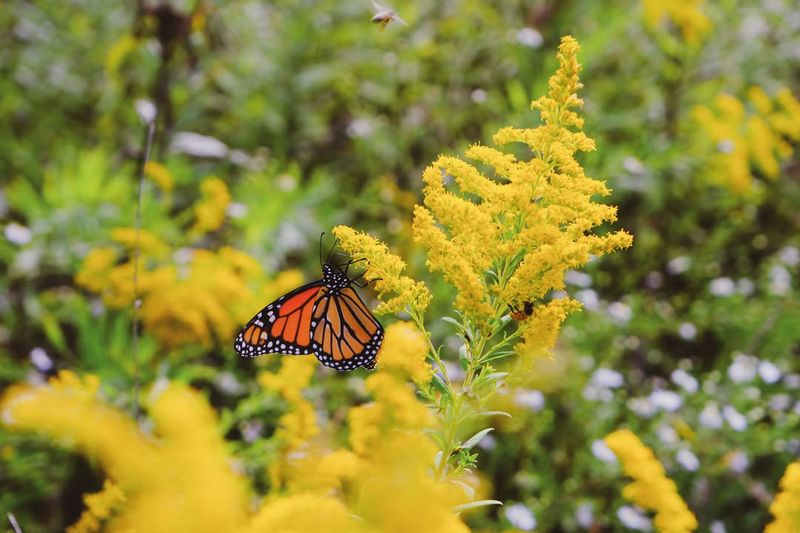
Goldenrod gets an unfair reputation. Many people blame it for fall allergies, but the real culprit is ragweed, which blooms at the same time and spreads its pollen through the air.
Goldenrod, by contrast, relies on insects to carry its heavy pollen, which means those bright yellow flower plumes are actively feeding a community of bees, butterflies, and moths rather than causing sneezes.
Native goldenrods are among the most ecologically productive plants a gardener can grow.
They support an enormous number of insect species, including caterpillars of many moth and butterfly species that use goldenrod as a host plant.
That combination of adult nectar source and caterpillar host plant makes goldenrod a two-for-one investment in the insect community that the broader food web, including bats, depends on.
One practical note worth keeping in mind: some native goldenrod species spread vigorously through rhizomes and can take over a garden bed in rich soil.
Stiff goldenrod and zigzag goldenrod tend to stay better behaved in garden settings, while tall goldenrod and Canada goldenrod are better suited to open meadows or naturalized areas where spreading is welcome.
Planting goldenrod in the right spot unlocks all of its wildlife value without the headache of managing aggressive spread.
For late-season insect activity in Michigan, few plants come close to matching what goldenrod delivers.