What Wilting Impatiens In North Carolina Shade Gardens Really Means After Heavy Rain
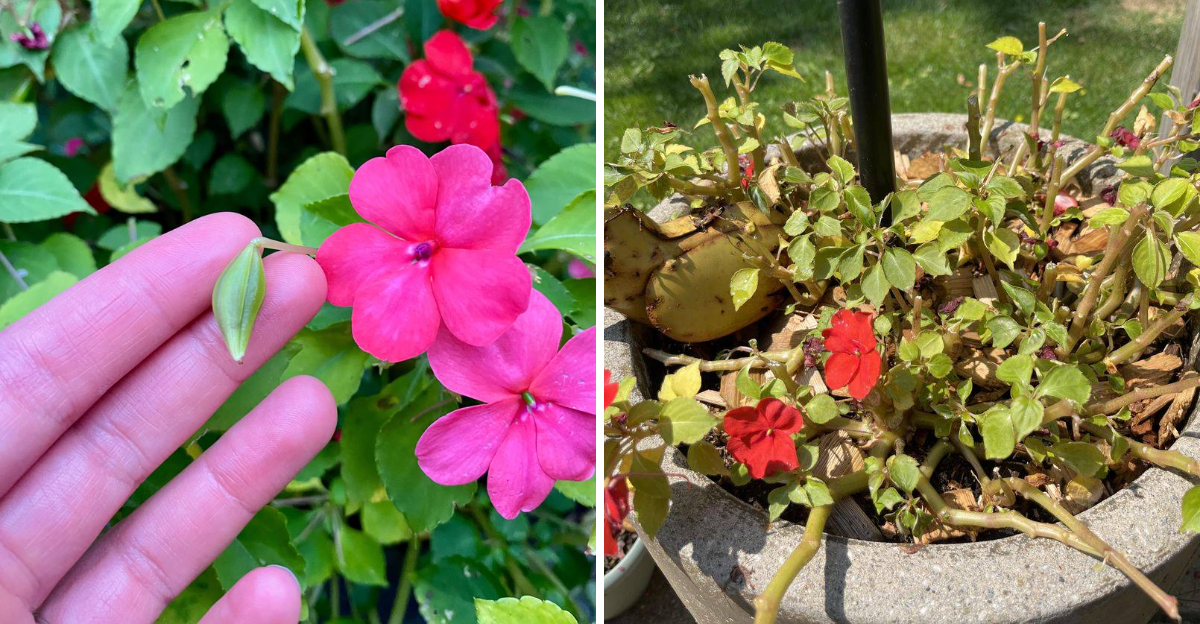
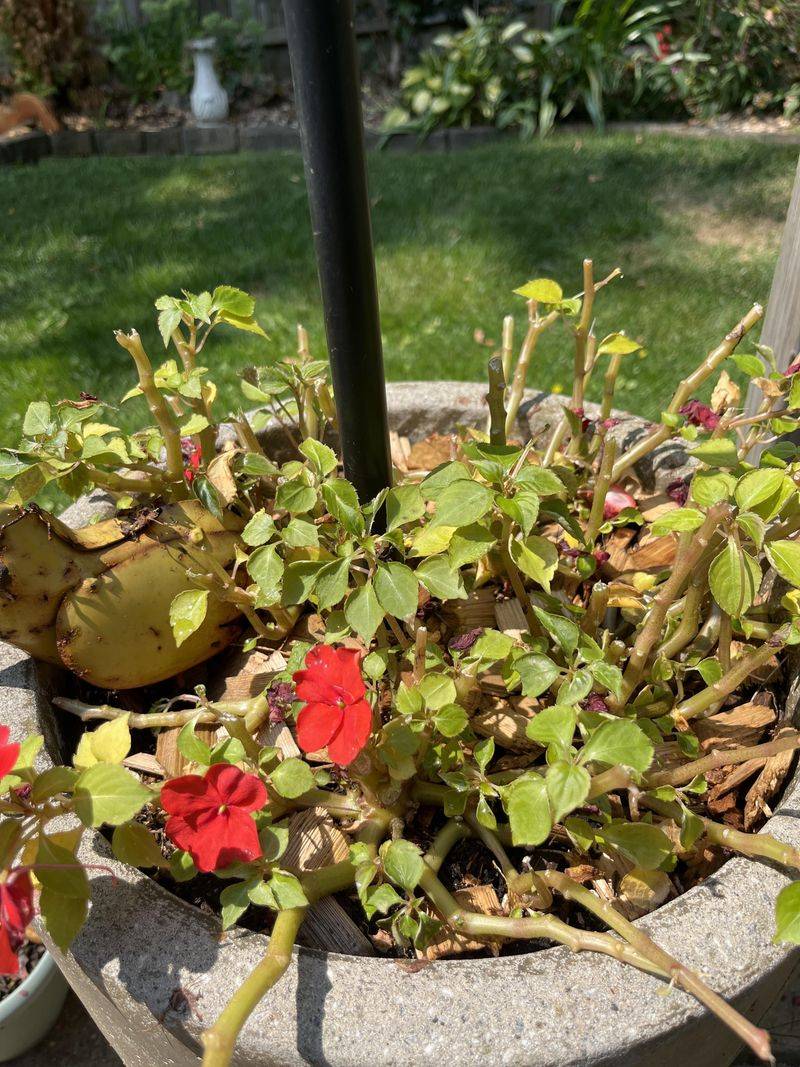
Impatiens wilting in a shade garden after heavy rain seems like a contradiction. The plants just received more water than they could have wanted, and yet they are drooping as if the opposite were true.
This specific combination of symptoms points away from drought stress and toward something happening at the root level that excess water makes significantly worse rather than better.
North Carolina’s clay-heavy soils in many shaded garden areas drain slowly enough that heavy rain events push soil past the saturation point impatiens roots can tolerate.
The wilting that follows is a root stress response, not a thirst response. Watering more is the worst possible reaction.
Identifying what actually needs to change fixes the problem in a way that more water never will.
1. The Root Zone May Be Too Saturated
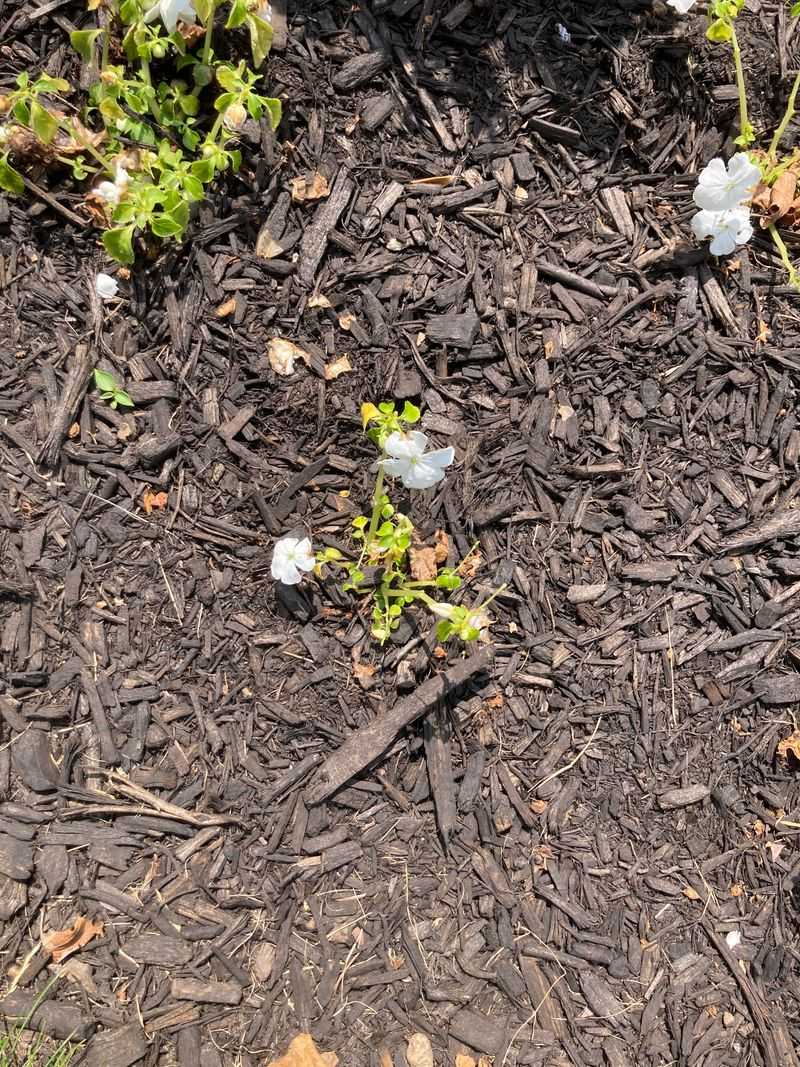
Soggy soil after a big storm is one of the most misleading situations in gardening. Your impatiens look like they should be perfectly happy with all that moisture, yet the leaves hang limp and the whole plant looks defeated.
The surprising truth is that too much water can be just as stressful as too little.
Impatiens prefer steady, even moisture around their roots. They thrive when the soil stays consistently moist but never waterlogged for long stretches.
North Carolina shade gardens can hold water longer than sunny beds because less sunlight means slower evaporation, so the root zone stays wet well beyond what the plant can handle.
When soil stays saturated, roots begin to struggle. They cannot function properly in conditions where every air pocket in the soil is filled with water instead of oxygen.
Even though plenty of moisture surrounds the roots, the plant cannot move water up through its stems efficiently, and wilting is the visible result.
A simple squeeze test can tell you a lot. Grab a small handful of soil from around the plant and squeeze it.
If water drips out freely, the root zone is still too wet, and adding more water would only make things worse. Give the bed time to drain before doing anything else.
Checking moisture before reaching for the hose is a habit every North Carolina shade gardener should build.
Letting the soil dry slightly between waterings keeps impatiens roots healthy and gives them the breathing room they need to pull moisture up properly.
2. Poor Drainage Is Showing Up After The Storm
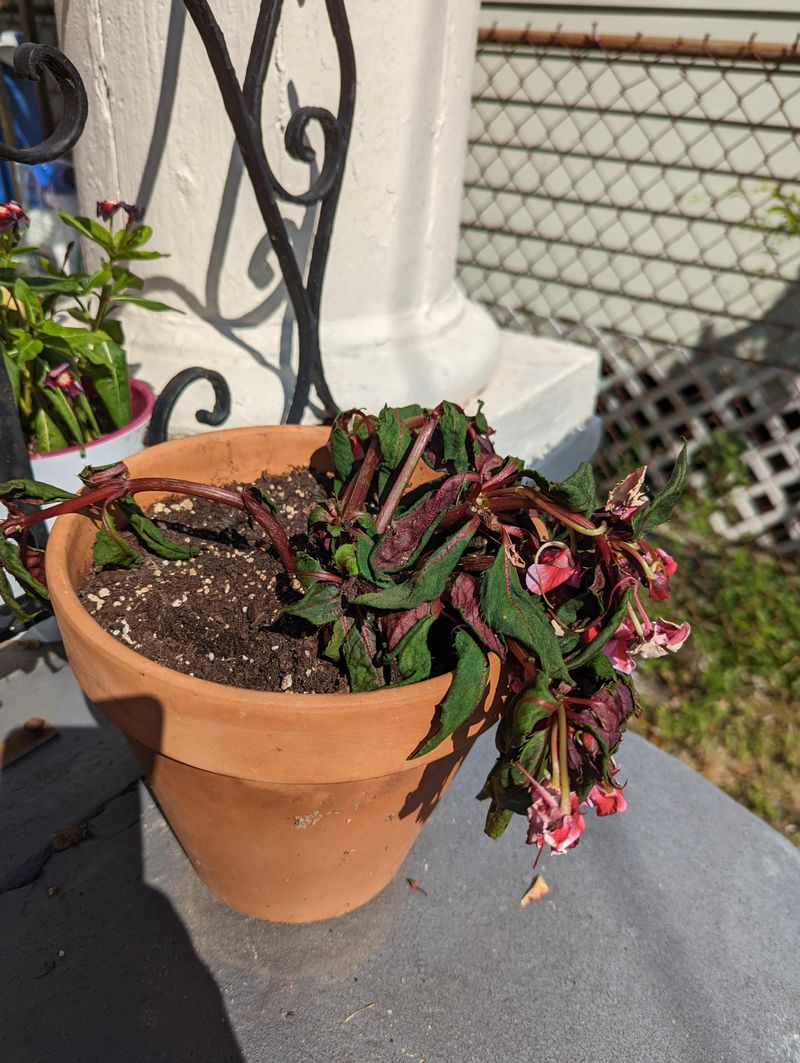
Some garden beds look fine on a dry afternoon but reveal a completely different story after a storm rolls through.
Low spots, dense clay soil, compacted ground, and beds positioned directly under roof runoff zones can turn into miniature ponds during heavy rain.
Impatiens planted in these areas will sag quickly because their roots simply cannot breathe in standing water.
North Carolina has a high percentage of clay-heavy soil, especially in the Piedmont region. Clay holds water tightly and drains slowly, which means a bed that received three inches of rain might still be saturated two full days later.
That extended wet period puts serious stress on impatiens roots and can lead to wilting that does not improve even as temperatures cool.
Your North Carolina Garden Changes Every Week. Your Plan Should Too.
Gardening in North Carolina changes quickly throughout the season. Every Friday you’ll receive a simple weekly plan showing exactly what to plant, prune, fertilize, harvest, and protect so you never miss the right timing.
Roof runoff is a sneaky culprit that many gardeners overlook. Beds positioned near downspouts or along the edge of a roofline can receive far more water than surrounding areas during a storm.
Even a garden that normally drains well can become overwhelmed when extra runoff funnels directly into the planting bed.
Fixing poor drainage does not have to be complicated. Mixing coarse compost or fine pine bark into the soil before planting improves structure and helps water move through more quickly.
Raising the bed even a few inches by adding amended soil can make a meaningful difference in how fast the area drains after rain.
Redirecting downspouts away from planting beds is another practical step that pays off every single time a storm passes through the area.
3. Roots May Not Be Getting Enough Air
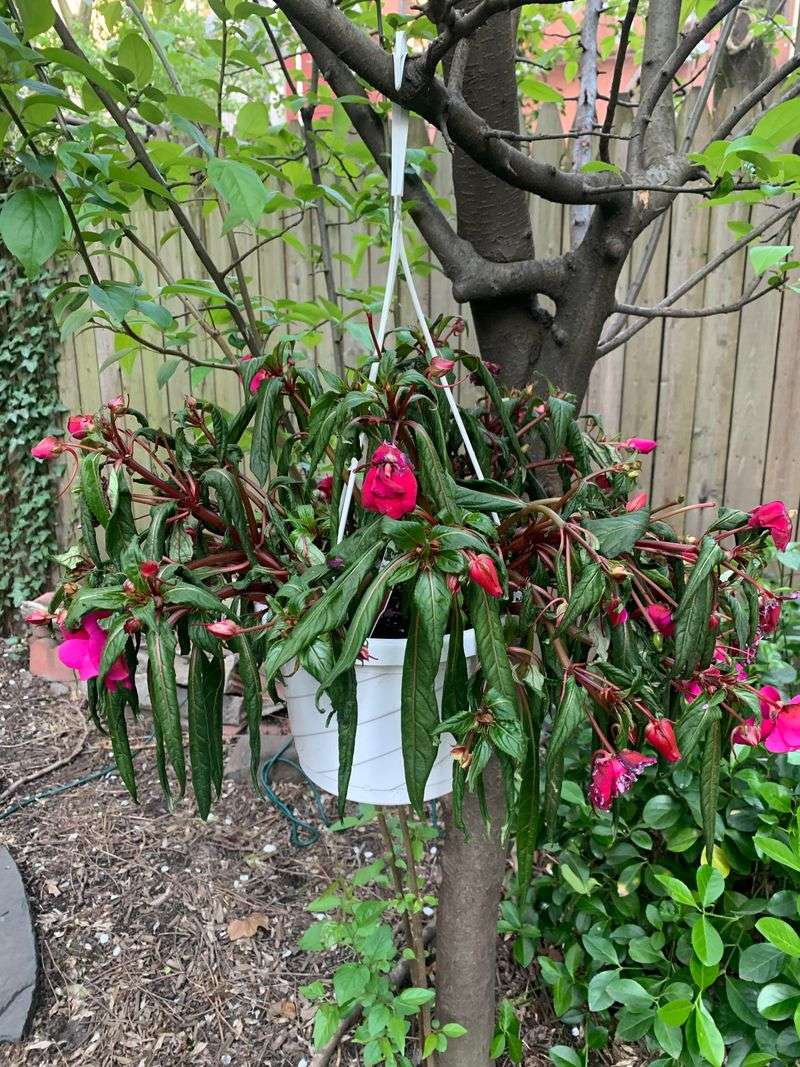
Roots need two things to stay healthy: moisture and air. Most gardeners think about water constantly but rarely consider that roots also pull oxygen from tiny pockets of air inside the soil.
When heavy rain fills every one of those pockets with water, roots can find themselves in serious trouble even though the soil looks perfectly moist.
Healthy soil has a sponge-like structure full of small gaps where air and water both live. When a storm dumps several inches of rain in a short period, those gaps fill up completely.
The roots of your impatiens are now sitting in conditions similar to being submerged, and they respond by losing their ability to take up water efficiently. Leaves wilt because water transport breaks down, not because the plant is thirsty.
This is called oxygen deprivation at the root level, and it is more common in North Carolina shade gardens than most people realize.
Shaded areas already have slower airflow and evaporation, so the soil takes longer to return to a healthy balance of air and moisture after a major storm.
Gently loosening the top inch of soil around your impatiens after the bed drains can help air move back in faster. Avoid digging deeply since wet roots are fragile.
A light cultivation with a hand fork around the plant is enough to open things up without causing more harm.
Patience is key here. Most impatiens will perk back up naturally once the soil dries to a normal moisture level and oxygen returns to the root zone.
4. Root Or Crown Problems May Be Starting
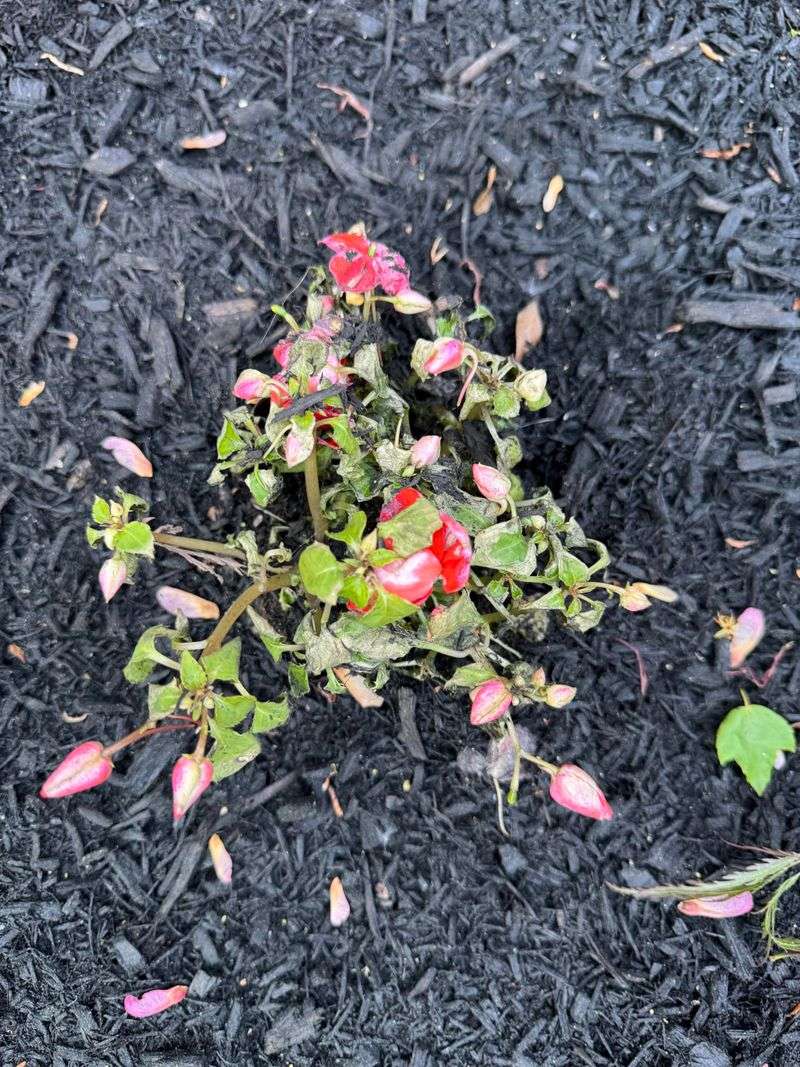
Not every case of wilting after rain is just a temporary stress reaction. Sometimes the problem runs deeper, literally.
Extended wet conditions in shade gardens create the perfect environment for root and crown problems to develop, and impatiens are particularly vulnerable when soil stays soggy for several days in a row.
Crown rot is one of the most frustrating issues a gardener can encounter. It starts at the base of the stem right where the plant meets the soil, and it moves fast.
The first sign is often a soft, mushy feeling at the stem base that you can notice when you gently press your fingers around the plant. Leaves may turn yellow, and the plant will not bounce back even after the soil dries out.
Root problems can also show up without any obvious visible damage above the soil line at first.
Pulling a struggling plant gently from the ground and inspecting the roots can reveal brown, mushy tissue instead of the firm white roots a healthy impatiens should have.
Once roots lose their structure, the plant cannot recover its normal function. Preventing these problems starts with good planting practices. Keeping mulch pulled back at least an inch from the base of each plant reduces moisture buildup right at the crown.
Improving drainage before planting season is far more effective than trying to fix things after a problem has already started.
Plants that show soft stems and do not improve after the bed drains should be removed promptly so the issue does not spread to neighboring impatiens in the same bed.
5. Downy Mildew May Be More Than Rain Stress
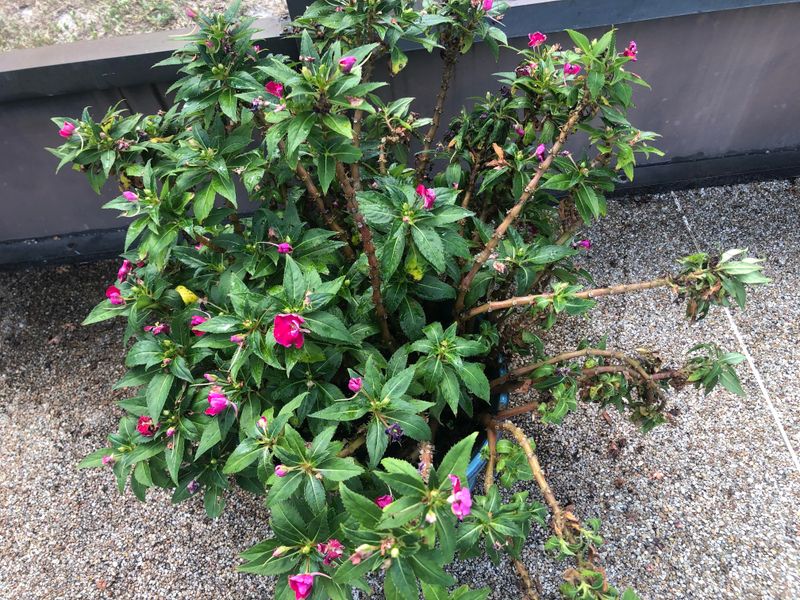
Humid, rainy weather in North Carolina does more than just saturate the soil. It creates ideal conditions for a plant disease called downy mildew, and standard garden impatiens are highly susceptible to it.
If your plants are wilting, dropping leaves, and not recovering the way they should after a storm, downy mildew might be the real issue hiding behind what looks like simple rain stress.
Downy mildew caused significant losses for gardeners across the eastern United States starting around 2011, and North Carolina shade gardens were no exception.
The disease spreads through airborne spores that travel easily during wet, windy weather. Once it takes hold in a bed, it moves through impatiens plants quickly and is very difficult to stop.
Checking the undersides of leaves is the most reliable way to spot it early. Look for a white or grayish fuzzy growth on the lower leaf surface.
The tops of the leaves may appear pale, yellowish, or slightly curled before the plant starts dropping foliage rapidly. A plant that loses most of its leaves within a few days of a rainstorm is showing a classic downy mildew pattern.
Standard Impatiens walleriana varieties have very little natural resistance to this disease. New Guinea impatiens, on the other hand, are naturally resistant and perform beautifully in North Carolina shade gardens without the same risk.
Switching to New Guinea varieties is the most practical long-term solution for gardeners who have dealt with repeated outbreaks.
Remove and bag affected plants carefully to avoid spreading spores to other parts of the garden.
6. Wet Shade Keeps Leaves Damp Too Long
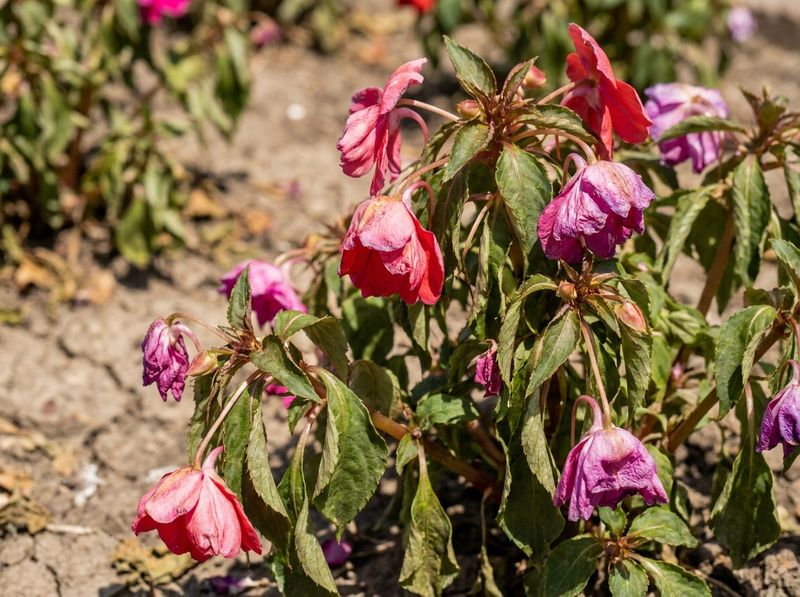
Shade is one of the reasons gardeners love growing impatiens in the first place, but that same shade creates conditions that can work against the plants after a heavy rain.
Shaded garden beds stay damp much longer than sunny spots because sunlight is not available to evaporate moisture off the leaves, soil, and mulch.
When foliage stays wet for hours or even an entire day after a storm, plant stress builds up steadily.
Still air makes things worse. Sunny garden areas often benefit from breezes that carry moisture away from leaves fairly quickly.
Shade gardens tucked against fences, walls, or under dense tree canopies tend to have minimal airflow. Wet leaves with no moving air around them are an open invitation for fungal issues and extended physical stress on the plant tissue itself.
Crowded planting is another factor that many gardeners underestimate. When impatiens are planted too closely together, their foliage overlaps and traps moisture between plants.
Water from the rain has nowhere to evaporate and simply sits on leaf surfaces for far longer than it should. Thinning out overcrowded sections of the bed improves airflow dramatically and helps plants dry out faster after storms.
Mulch is helpful in most situations, but piling it too close to plant stems creates a moisture trap right at the most vulnerable part of the plant.
Keeping mulch pulled back an inch or two from each stem base allows air to circulate and reduces the time stems stay wet after rain.
Small adjustments to spacing and mulch placement can make a noticeable difference in how quickly your shade bed recovers after every North Carolina storm.
7. Slugs And Snails May Be Feeding After Rain
Heavy rain does not just affect the soil and roots. It also wakes up one of the most destructive nighttime visitors in any shade garden: slugs and snails.
These soft-bodied creatures thrive in wet, shady conditions and become extremely active after storms. If your impatiens are looking ragged, wilted, and chewed up at the same time, you might be dealing with more than just water stress.
Slugs and snails feed primarily at night, which is why many gardeners never actually see them causing damage.
They move through the bed under the cover of darkness, rasping through tender leaves and stems with a rough tongue-like structure called a radula.
By morning, all that is left behind is wilted, tattered foliage and the glistening slime trails they leave across the soil and mulch.
Look carefully at the damage pattern to figure out what you are dealing with. Water stress causes uniform wilting across the whole plant, while slug feeding creates irregular ragged holes, notched leaf edges, and missing tender new growth at the tips.
Finding slime trails on leaves or along the soil surface confirms the culprit right away.
Going out to the garden after dark with a flashlight is the most reliable way to catch slugs in the act. A simple trap made from a shallow container filled with beer and set at soil level can capture large numbers of slugs overnight.
Iron phosphate-based baits are another effective and wildlife-friendly option that works well in damp shade gardens.
Check the bed after every heavy rain event, especially during warm months when slug populations in North Carolina are at their highest.
8. The Fix Is Drainage First, Water Second
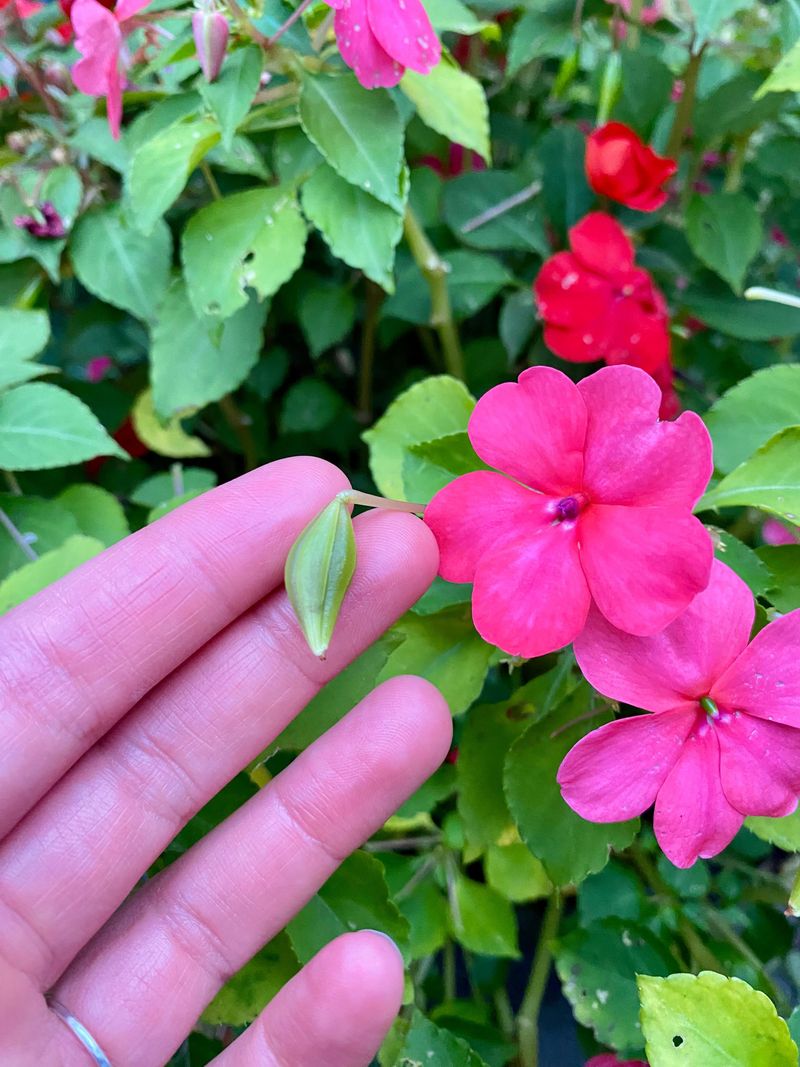
After a heavy rain leaves your impatiens looking sad and droopy, the instinct to water them is strong. Resist it.
The single most important step you can take is checking soil moisture before adding anything else to the bed. Squeeze a handful of soil near the roots.
If it clumps and feels wet, the garden does not need water yet, it needs time and better drainage.
Improving drainage is the most valuable long-term investment you can make in a North Carolina shade garden. Work coarse compost, aged pine bark, or perlite into the soil to open up the structure and help water move through more efficiently.
Raising beds slightly above the surrounding grade gives water somewhere to go instead of pooling around plant roots after every storm.
Thinning out crowded plants and pulling mulch back from stems are two quick fixes that pay off immediately. Better airflow through the bed means foliage dries faster, stems stay healthier, and the whole planting recovers more quickly after wet weather.
These small adjustments take only a few minutes but make a real difference over the course of a rainy North Carolina summer.
Inspect the undersides of leaves regularly after storms. Catching downy mildew early gives you a chance to remove affected plants before the disease spreads.
If mildew has been a repeated problem in your garden, switching to New Guinea impatiens is the smartest move you can make for next season.
Healthy shade gardens come from paying attention to what plants are actually telling you. Wilting after rain is a message worth reading carefully, and the right response starts with drainage, not more water.