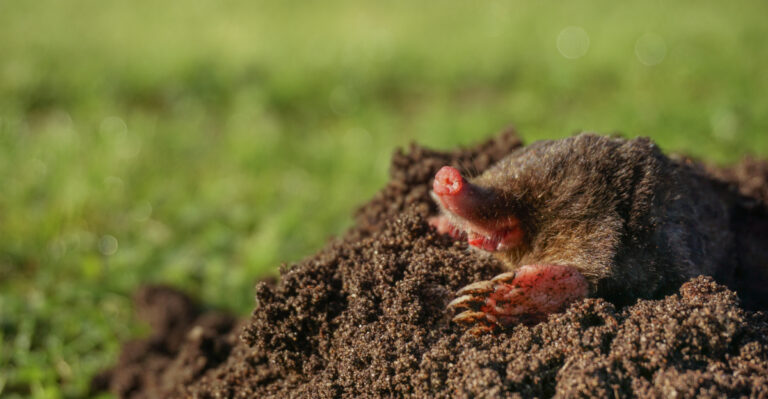
The Real Reason A Red-Tailed Hawk Is Watching Your Oklahoma Yard
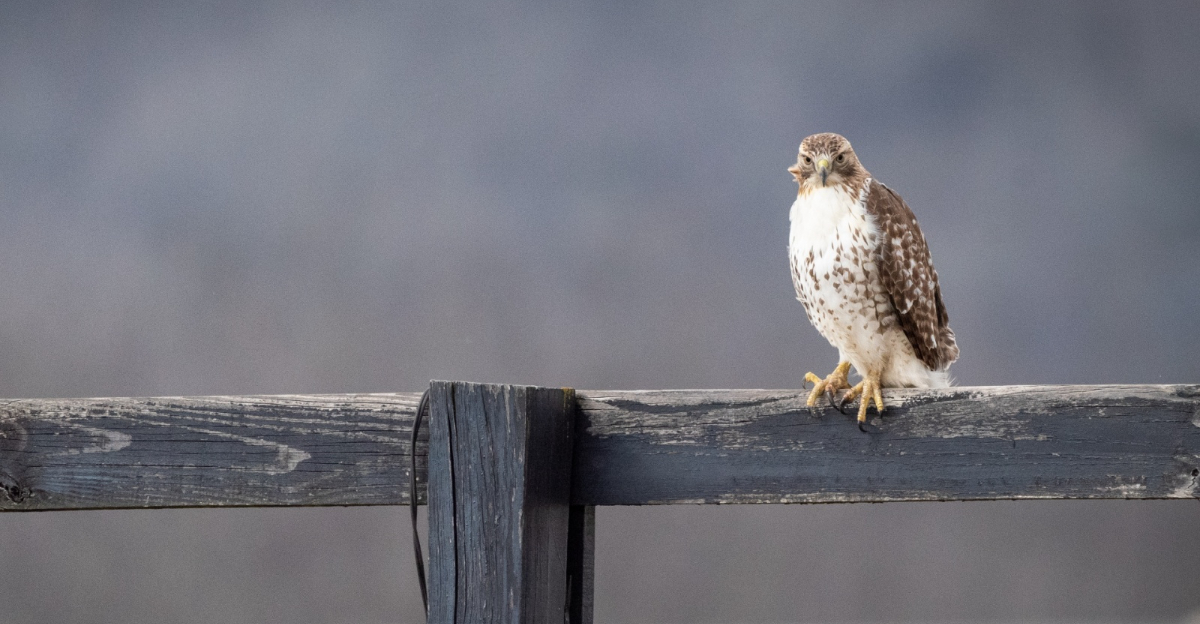
Perched on your fence post, a red-tailed hawk locks its gaze directly onto you. That stare is deliberate, focused, and impossible to look away from.
What exactly is this bird looking for in your yard? Red-tailed hawks are some of the most precise and strategic hunters across all of North America.
Their eyesight is sharp enough to track a mouse moving through tall grass from a hundred feet above. Every single perch they choose is a calculated decision, not a coincidence.
Your yard did something to earn this visit. Something is moving through your grass, your garden beds, and your trees that this hawk finds worth watching.
Oklahoma’s most common raptor does not waste its time on empty ground. Understanding what drew this hawk to your Oklahoma backyard will completely change how you see your own outdoor space.
Your Local Ecosystem Is Healthy And Thriving
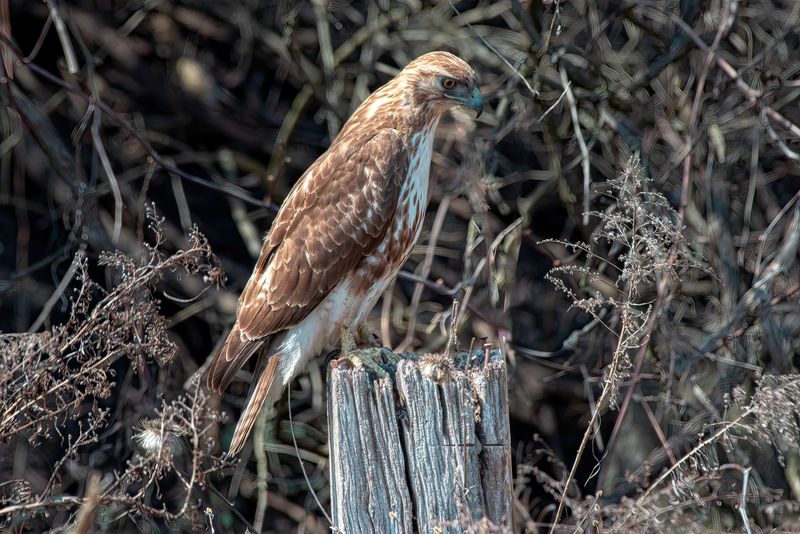
A hawk sitting in your yard is actually a compliment worth understanding. Nature sent you a quality-control inspector, and your yard passed the test.
Red-tailed hawks never waste their time on lifeless or barren spaces. They are drawn to yards where the food chain is actively working, where insects feed small animals and small animals feed larger predators.
Layers of life attract these birds more than anything else ever could. When your yard supports life from soil bugs all the way up to squirrels and songbirds, a hawk pays close attention.
Your native plants, leaf litter, and overgrown corners are not signs of neglect. Those features signal productive, functioning habitat to every predator flying overhead.
Oklahoma yards with diverse, varied plant life consistently attract more prey species than manicured lawns ever do. More prey gives a hawk more reason to return, perch, and stay longer each time.
Consider the hawk a living signal about the condition of your outdoor space. Healthy yards do not just look appealing from the outside.
They function like small, self-sustaining wild spaces where energy moves constantly between species.
Spotting a red-tailed hawk regularly means your yard has genuinely earned a place inside the local food web. Most homeowners never realize they built something that remarkable.
Rodents Or Small Prey Are Active Nearby
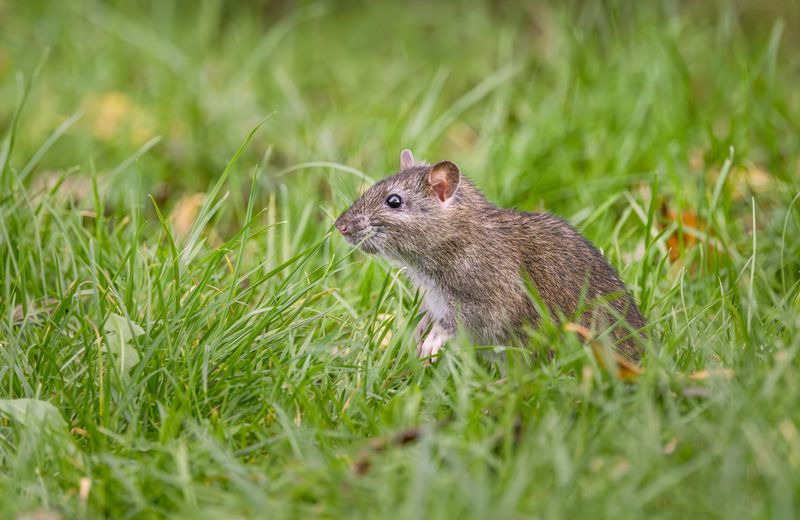
If a hawk is watching your yard closely, something is definitely moving down there. Mice, voles, rats, and rabbits sit at the very top of a red-tailed hawk’s preferred menu.
Their eyesight is roughly eight times sharper than any human eye. Spotting a mouse cutting through tall grass from a hundred feet in the air is completely routine for these birds.
Oklahoma yards near open fields, drainage ditches, or stacked woodpiles are considered prime hunting territory. Rodents gravitate toward exactly those spots, and hawks have learned precisely where to look for them.
Bird feeders are an easy-to-miss factor in all of this. Spilled seed pulls in mice and sparrows, which then pull in the hawk perched patiently above your entire feeder station.
Compost piles, raised garden beds, and brush piles also shelter surprising numbers of small prey animals. Your yard may be unknowingly running a full-time diner for the local rodent population without you realizing it.
Your Oklahoma Garden Changes Every Week. Your Plan Should Too.
Gardening in Oklahoma changes quickly throughout the season. Every Friday you’ll receive a simple weekly plan showing exactly what to plant, prune, fertilize, harvest, and protect so you never miss the right timing.
Fortunately, a red-tailed hawk is one of the most effective natural pest controllers found anywhere in North America.
Regular visits from one can quietly reduce rodent pressure across your property without a single trap, poison, or chemical product ever involved.
Your Yard Offers Ideal Perching Or Hunting Structure
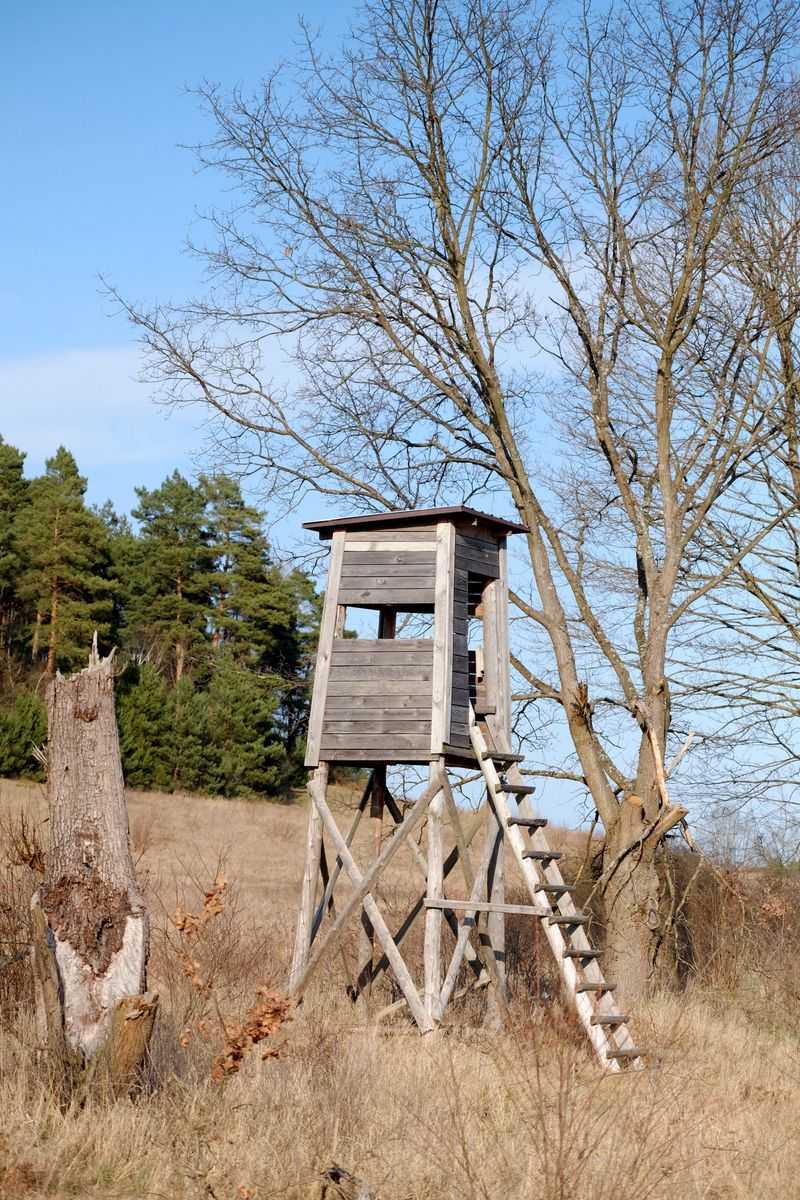
Hawks are picky about real estate. They need height, open sightlines, and a clear flight path to strike from above.
Fence posts, utility poles, bare tree snags, and tall oak branches are hawk favorites. If your yard has any of these, you have basically set up a hunting platform for a skilled aerial predator.
Red-tailed hawks hunt by watching and waiting, not by chasing. A high perch with an unobstructed view of open ground is their version of a prime hunting blind.
Yards with a mix of open lawn and taller structures are especially attractive. The open area gives the hawk a clear strike zone while the elevated perch gives it control.
If you have noticed the same hawk returning to one specific spot, that perch offers something special. Maybe it has the best angle, the least wind interference, or the most reliable prey traffic below.
Providing natural perch structures in your yard is one easy way to support local raptors. Even a single tall post near an open patch of lawn can become a regular hawk stop on its daily patrol route.
You’re Living Near Open Oklahoma Prairie Or Pasture
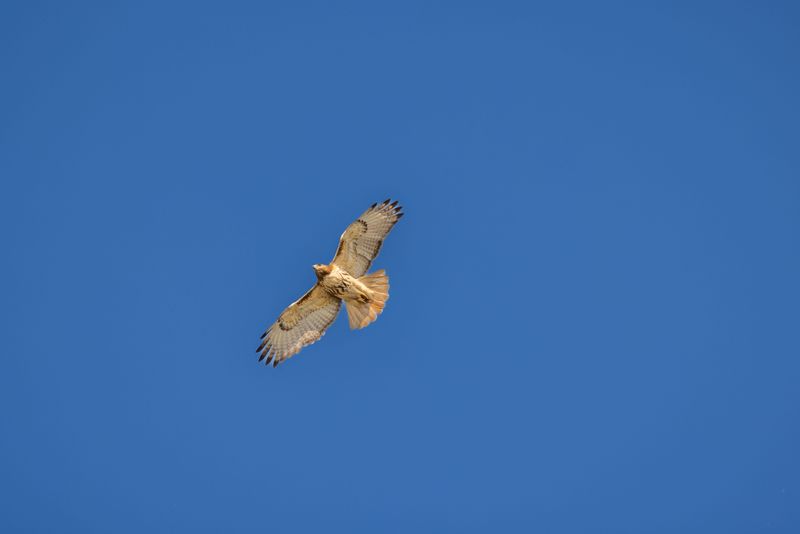
Oklahoma’s wide open spaces are essentially hawk paradise built by geography. Rolling grasslands, cattle pastures, and sprawling prairie corridors give red-tailed hawks precisely the terrain they spent thousands of years evolving to hunt.
Homes sitting near a field, a working ranch, or even a large vacant lot become natural extensions of that open habitat.
Along those edges where suburban yards meet wild spaces, hawks patrol with remarkable consistency and focus.
Transition zones between neighborhoods and open land are called ecotones by ecologists and biologists.
These areas concentrate prey species at higher densities than almost anywhere else, making them reliable magnets for hunting raptors.
Rural and semi-rural Oklahoma homeowners spot red-tailed hawks far more frequently than city dwellers ever do.
Proximity to pasture or open grassland directly increases how often a hawk includes your yard in its daily hunting circuit.
Cattle pastures deserve special mention as exceptionally productive hunting grounds for these birds.
Grazing livestock constantly disturb the soil and surrounding grass, flushing insects and rodents directly into the open air where hawks strike.
Location alone can explain everything about why a red-tailed hawk has decided your yard is worth serious attention. Your property sits inside an active hunting territory, and the hawk is simply working its route.
A Hawk May Be Migrating Through Or Claiming New Territory
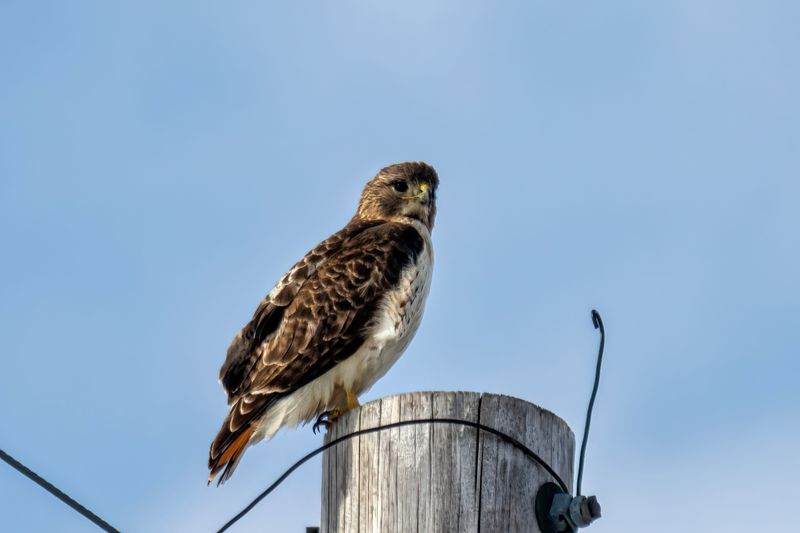
Not every hawk you see is a permanent resident. Some are just passing through, scouting new ground during seasonal migration or range expansion.
Red-tailed hawks in Oklahoma are year-round residents, but their populations swell in fall and winter as northern birds push south. A hawk you see in October may be from Canada or the Great Plains.
Young hawks born the previous spring are also on the move in late summer. They are searching for unclaimed territory, and your yard might be getting an audition as their new home base.
Territory-claiming hawks often perch in a visible spot and call loudly. That classic screaming raptor sound you hear in movies is almost always a red-tailed hawk announcing ownership of an area.
If you see a hawk circling your neighborhood in wide loops, it is likely mapping the area. That circling behavior is how a red-tailed hawk reads the landscape before committing to a territory.
Whether it stays or keeps moving, a hawk scouting your yard means your space has potential. A hawk willing to pause and survey your space is at least considering it worth a closer look.
Your Area Is Relatively Free Of Harmful Pesticides
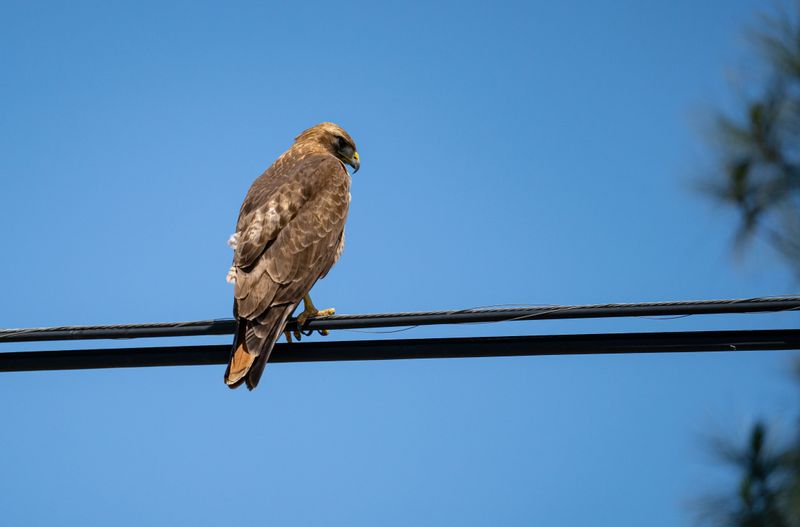
Hawks are sensitive to pesticide contamination in ways most people never consider. When prey animals eat poisoned insects or grain, that toxin moves up the food chain directly into the hawk.
A red-tailed hawk choosing to hunt in your yard is often a quiet sign that your local prey base is clean. Contaminated prey makes hawks sick, and areas with depleted or poisoned prey simply stop supporting them.
Neighborhoods with heavy pesticide use tend to have fewer raptor sightings. The birds are not gone; they have simply moved to cleaner hunting grounds where the food is safer.
Organic gardeners and homeowners who skip chemical lawn treatments often report more hawk activity. Their yards support healthier rodent and songbird populations that are safe for predators to eat.
Oklahoma has a strong agricultural heritage, and chemical use in some rural areas can be significant. If a hawk is actively hunting your yard, you may be living in a cleaner pocket of the landscape.
Choosing pesticide-free lawn care is one of the best things you can do for local raptors. Your decision to go natural may be exactly why a red-tailed hawk keeps coming back.
Nesting Season May Be Approaching Or Already Underway
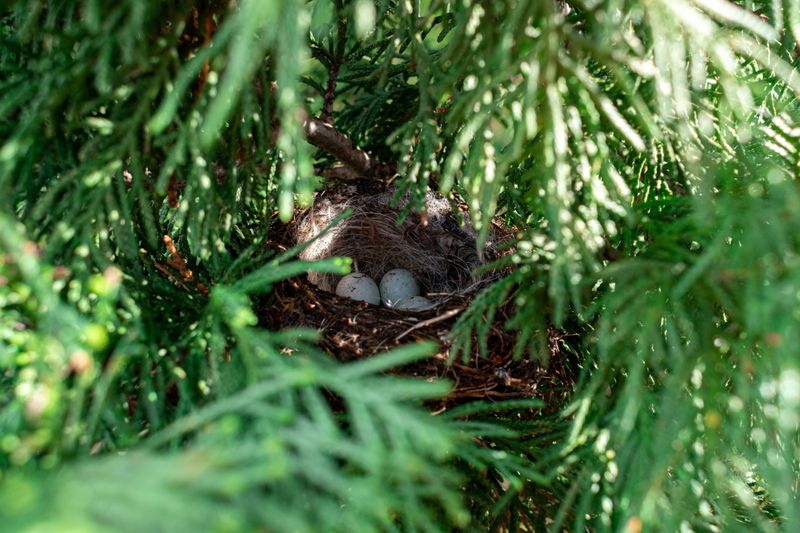
When a red-tailed hawk starts paying close attention to your yard in late winter or early spring, love might be in the air. Nesting season for red-tailed hawks in Oklahoma typically kicks off between February and April.
Mated pairs scout territories together before settling on a nest site. If two hawks are circling or perching near your yard, you may be watching a couple house-hunting in real time.
Red-tailed hawks prefer tall trees with strong branch forks for their bulky stick nests. Mature oaks, pecans, and cottonwoods in Oklahoma yards are top candidates for nest placement.
Once a pair selects a territory, they defend it actively and with real persistence. You may notice the hawk becoming more vocal and bold, even swooping low near people or pets who wander too close to a nest tree.
Nesting hawks are a protected species under federal law, so if a pair does settle near your home, enjoy the front-row seat. You cannot legally disturb their nest, but you absolutely can watch and appreciate it.
Raising a red-tailed hawk family near your yard is a rare and remarkable experience. That hawk watching your space might be choosing you as a neighbor for the whole season.