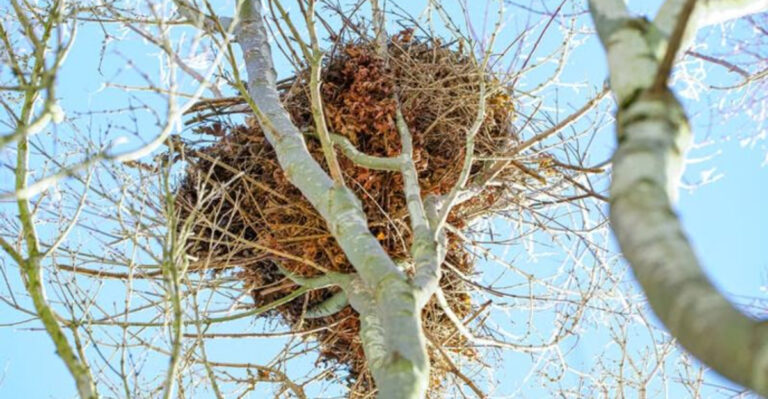
Here Is What It Means When Cardinals Choose Your Mississippi Yard
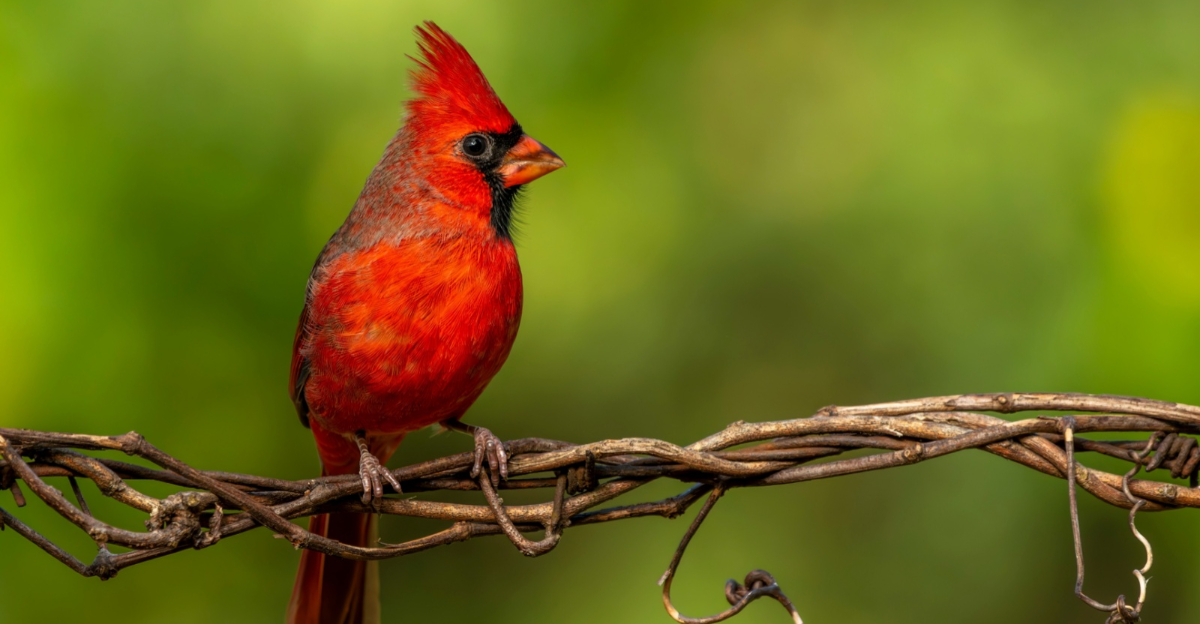
A flash of red cuts through your yard. You stop. You look. That brilliant male cardinal is not passing through. He chose this place. He chose you.
Cardinals do not settle just anywhere. They read the land before they commit. Dense shrubs, reliable food, safe nesting cover. Your yard either has what they need or it does not.
What does his presence say about yours? That question matters more than you think. Cardinals are selective in ways most birds are not. When one claims your yard as territory, it signals something real.
Your space is healthy enough to hold him. That is not a small thing. Mississippi yards that attract cardinals share specific qualities. Some are intentional.
Some are accidental. All of them work. Understanding what cardinals actually want puts you in control of something genuinely worth having. The next move is yours.
Your Yard Is A Healthy Native Habitat
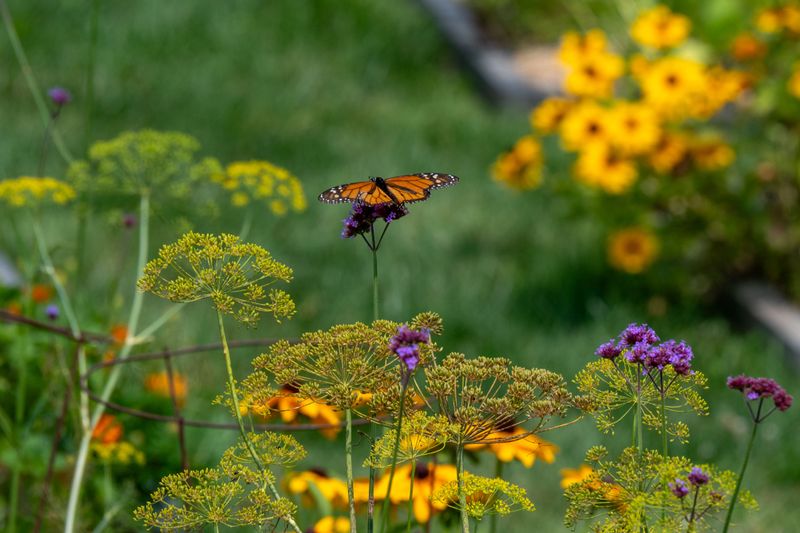
Red birds do not settle just anywhere. When cardinals choose your Mississippi yard, one of the clearest signals is that native plants are doing their job.
That matters more than any feeder you could buy. Cardinals rely heavily on seed-bearing natives like beautyberry, native grasses, and wild sunflowers.
These plants produce the exact food cardinals need to thrive through the season. No supplement replaces what grows naturally from Mississippi soil.
A yard full of exotic ornamentals often lacks the nutritional density that native species provide. Cardinals have evolved alongside these local plants over countless generations.
That relationship runs deep, and your yard either supports it or it does not. Planting natives also attracts the insects that cardinals feed their young during nesting season.
Without bugs, baby birds cannot survive their first few weeks. A single native plant can support dozens of insect species that make that possible, and larger natives like oaks can host hundreds.
Your yard becomes a living system when natives take root. Each plant connects to a web of creatures, and cardinals sit near the top of that backyard food chain.
Pull one thread and the whole web shifts. If cardinals keep coming back, take it as a green light. Your habitat is doing something right.
Small additions like a native shrub border or a patch of wild sunflowers can only make it stronger, and the birds will notice before you do.
A Clean Water Source Is Close By

Cardinals are picky about water. Spotting one splashing around in your yard is a sign that clean, fresh water is accessible nearby. That is not luck. That is your yard earning it.
These birds need shallow water for drinking and bathing, usually no deeper than two inches. A simple bird bath placed in a shaded spot can make all the difference. Position matters as much as the water itself.
Stagnant or dirty water sends cardinals elsewhere fast. They prefer moving or recently refreshed water, which signals safety from bacteria and predators lurking near murky edges.
A clean bath is not optional. It is the standard cardinals expect. Mississippi summers are relentless, and water sources dry up quickly in the heat.
Your Mississippi Garden Changes Every Week. Your Plan Should Too.
Gardening in Mississippi changes quickly throughout the season. Every Friday you’ll receive a simple weekly plan showing exactly what to plant, prune, fertilize, harvest, and protect so you never miss the right timing.
A yard that maintains a reliable, clean water supply becomes a magnet for cardinals seeking relief. When everything else dries out, your yard stands apart.
Changing your bird bath every two to three days keeps the water fresh and mosquito-free. Cardinals will notice, and so will other beneficial backyard wildlife.
One small habit creates a ripple effect far beyond the bath itself. Adding a small solar-powered dripper or wiggler creates gentle movement in the water.
That subtle ripple acts like a dinner bell for cardinals passing overhead. They catch it from a distance. They angle down. They land. Your yard just became the one they remember.
The Local Food Web Is Intact
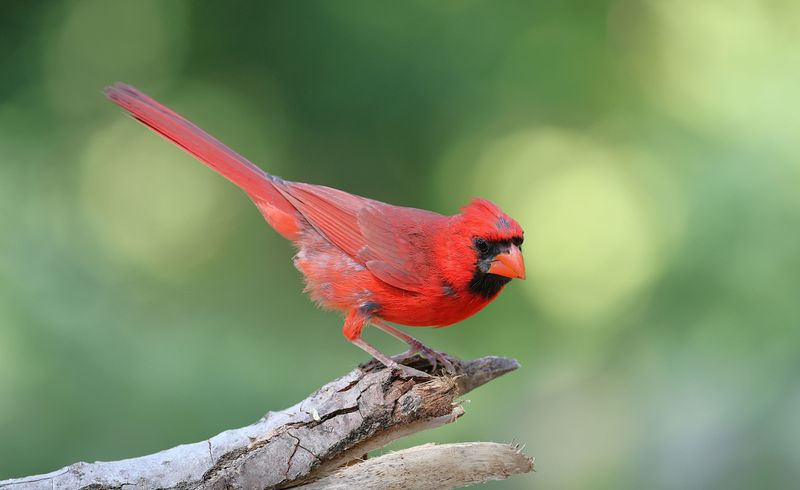
A cardinal showing up at your feeders is exciting, but a cardinal foraging on the ground is extraordinary. Ground foraging means the natural food web around your yard is still functioning.
That is a sign worth paying attention to. Cardinals eat seeds, berries, and insects depending on the season.
When all three food types exist naturally in your space, you have something special going on beneath the surface. Your yard is feeding them without you even trying.
An intact food web means insects are present, plants are producing, and nothing has disrupted the chain. Healthy soil supports healthy plants, which support healthy bugs, which feed healthy birds.
Disrupt one link and the whole system quietly begins to shift. Many suburban yards break this chain with heavy lawn chemicals or aggressive leaf blowing.
Cardinals notice those gaps and simply move on to better hunting grounds. Your restraint matters as much as anything you plant.
Leaving some leaf litter under your shrubs gives insects a place to overwinter. Those insects become a spring feast for cardinals returning to nest and raise their chicks.
That small, forgotten corner of your yard is doing serious work. When cardinals choose your Mississippi yard for foraging, celebrate quietly.
You have built or preserved something that chemical-heavy neighbors cannot buy at a garden center. It took patience, intention, and a willingness to let nature lead. That is worth protecting.
Nesting Season Is Actively Underway Nearby
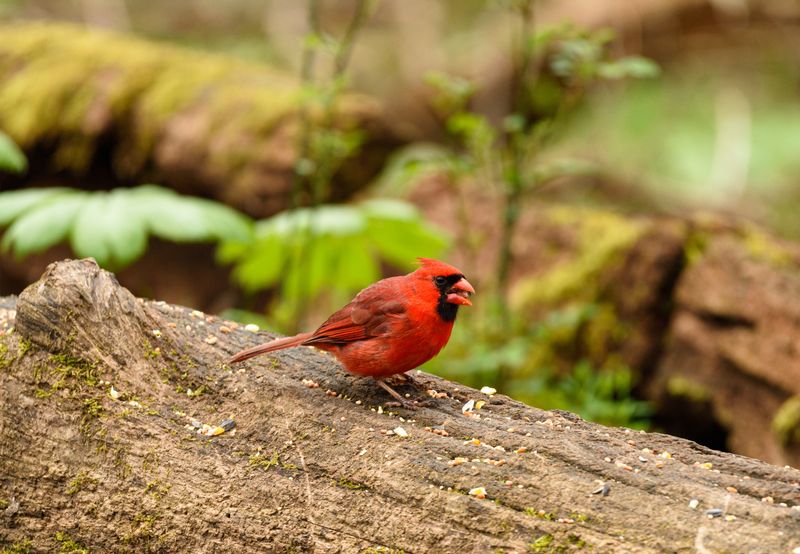
Seeing a pair of cardinals together in your yard is not a coincidence. When a male and female show up as a duo, nesting season is likely already in motion nearby. Your yard is part of their plan.
Male cardinals feed females during courtship, a behavior called mate feeding. If you spot a male passing a seed to a female beak-to-beak, nesting activity is likely already underway nearby.
You are watching something most people never notice. Cardinals prefer dense, thorny shrubs for nesting, like hollies, hawthorns, or climbing roses.
If your yard or your neighbor’s yard has these plants, your space may already sit inside their nesting territory. Proximity counts just as much as what you plant.
Nesting females stay close to reliable food and water, which means your yard is passing their checklist. They need to eat frequently while incubating eggs for about twelve days straight.
Every visit she makes is a vote of confidence in your space. Keeping cats indoors during spring dramatically improves nesting success for ground-level nesters like cardinals.
Even well-fed outdoor cats pose a serious threat to low-nesting songbirds. That one decision protects more than you might expect.
A cardinal nest in or near your yard means you have earned their trust. Wild birds do not give that freely. They watched your yard, tested it, and decided it was worth the risk. That is not nothing.
Pesticide Use In Your Yard Is Low
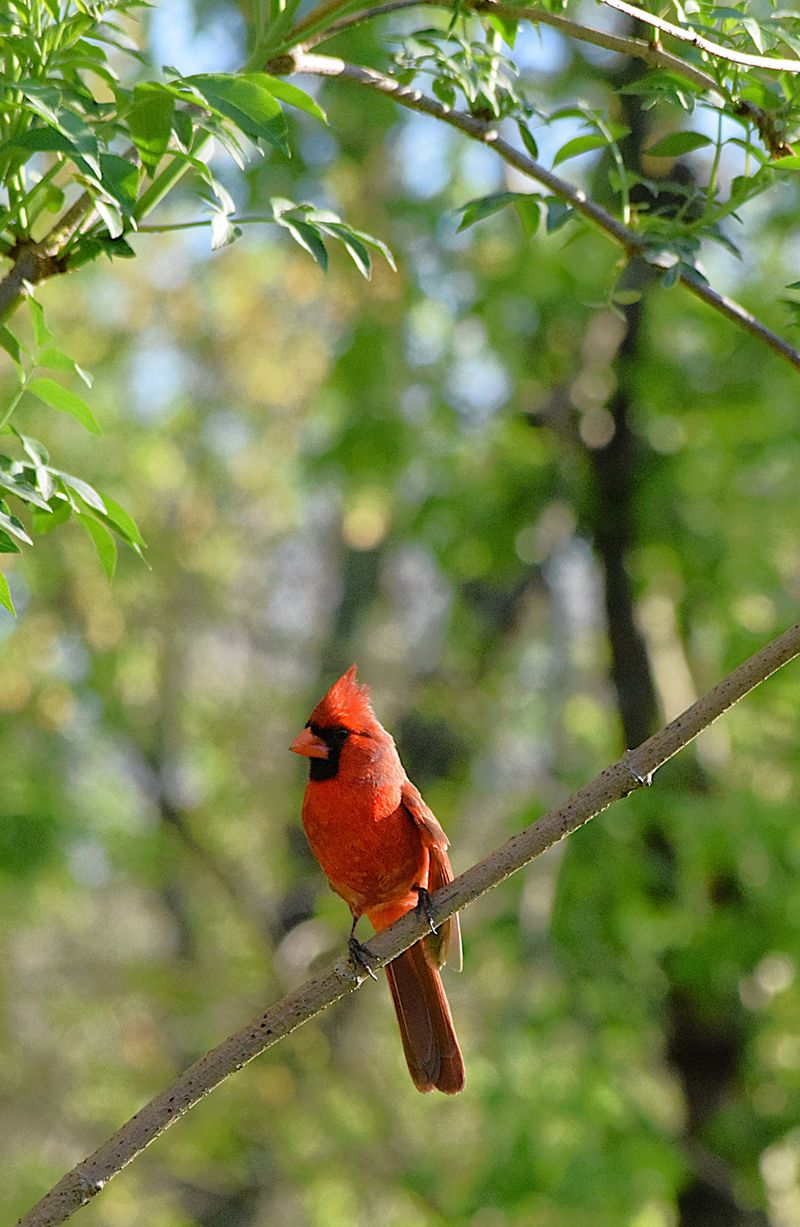
Cardinals are a reliable signal of what is happening in your own yard. When they nest and feed freely in your space, low chemical use is very likely part of the story.
Their presence is the test result you never had to run. Pesticides do not just affect the insects they target.
Residues move through the food chain, concentrating in the bodies of birds that eat contaminated prey. What you spray on your lawn does not stay on your lawn.
Insecticides like neonicotinoids are especially harmful to songbirds. Even small exposures can impair navigation, reduce fertility, and weaken the immune systems of songbirds, a risk that extends to backyard species like cardinals.
The damage is quiet, cumulative, and easy to miss until the birds stop showing up. A yard that skips the spray bottle and reaches for organic solutions instead becomes a refuge.
Cardinals quickly learn which yards are safe and return to them season after season. That reputation builds one visit at a time.
Encouraging natural pest control through native plantings attracts beneficial insects like ladybugs and lacewings. Those insects do the pest management work without leaving toxic residue on seeds and berries.
Your garden stays balanced without the chemical cost. Your pesticide-free choices also influence the landscape around you.
When cardinals choose your Mississippi yard as a safe zone, you become an anchor of health in a neighborhood that needs more of them. One yard is a meaningful start.
Your Yard Offers A Warm, Sheltering Microclimate
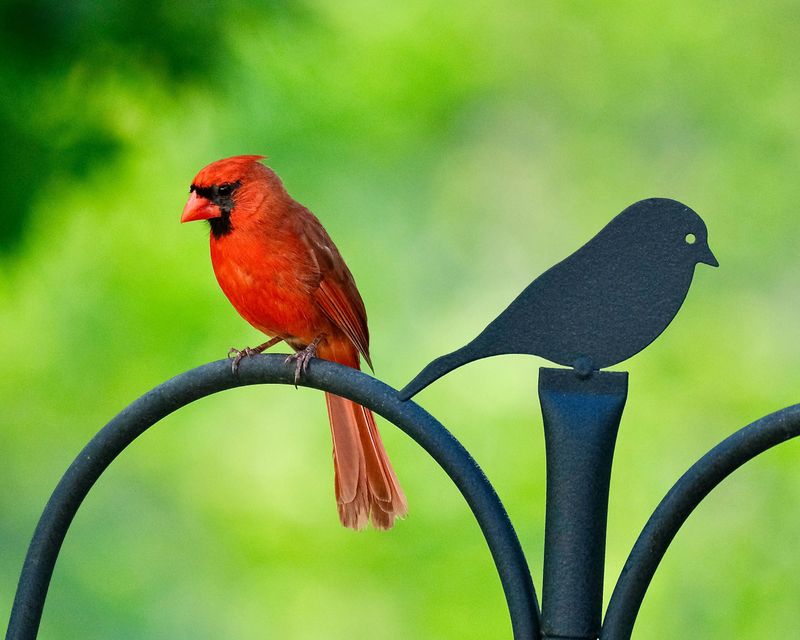
Cardinals do not migrate, which means your yard needs to deliver year-round comfort. When they stick around through December and January, your space is providing real thermal shelter.
That kind of commitment from a wild bird has to be earned. Dense evergreen shrubs like wax myrtle, cedar, and native hollies trap heat and block cold winds.
Cardinals roost inside these plants overnight, staying warmer than birds exposed in open or sparse yards. The right shrub in the right place saves lives when temperatures drop.
A south-facing fence or wall can create a microclimate several degrees warmer than the surrounding area. Cardinals learn to exploit these warm pockets, especially during cold snaps that sweep through the South.
They remember what worked last winter and come back to it. Structures like brush piles and dense hedgerows also provide emergency cover from hawks and cold rain.
A yard with layered shelter options is far more attractive than a tidy, open lawn. Messiness, done right, is a survival strategy.
A cardinal that stays through a Mississippi winter is the ultimate compliment, and that kind of loyalty is built one sheltering shrub at a time.
Intact Forest-Edge Habitat Is Within Range
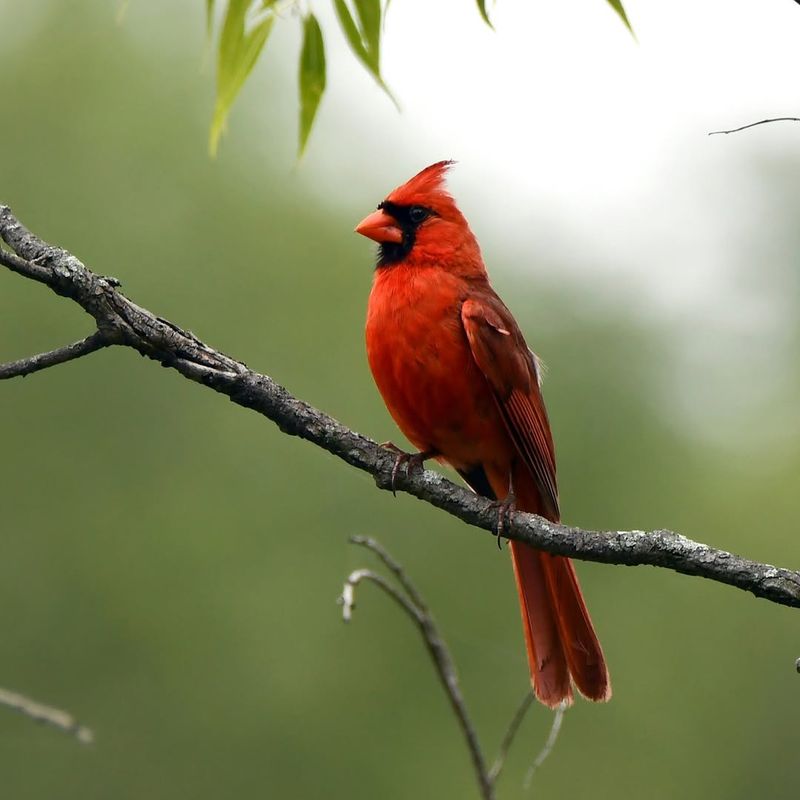
Cardinals are forest-edge specialists, meaning they thrive where open space meets woodland cover. If your yard sits near a tree line or wooded corridor, you are sitting on prime cardinal real estate.
The birds already know what your property is worth. Forest edges provide the perfect mix of open foraging ground and dense protective cover.
Cardinals zip between the two zones all day, feeding in the open and retreating to trees when threatened. That rhythm plays out dozens of times before noon.
Mississippi is blessed with hardwood corridors, creek-side tree lines, and suburban lots that back up to wooded patches.
These landscapes create natural highways that cardinals travel and settle along. Your yard may already sit inside one without you realizing it.
Even a single large tree near your property can serve as a launching pad for a nearby cardinal family. Mature oaks and pecans offer both insects and seeds, making them anchor points for bird activity.
One tree pulls more weight than an entire row of ornamentals. Preserving any existing trees on your lot is one of the most powerful things you can do for cardinals.
A mature canopy takes decades to grow and cannot be replaced by a feeder. Protect what is already there before adding anything new.
When cardinals choose your Mississippi yard near a forest edge, the land itself is speaking. Your property is part of a living corridor, and every native plant you add strengthens that connection for generations to come.