How To Grow A Venus Flytrap That Actually Thrives Indoors In Mississippi
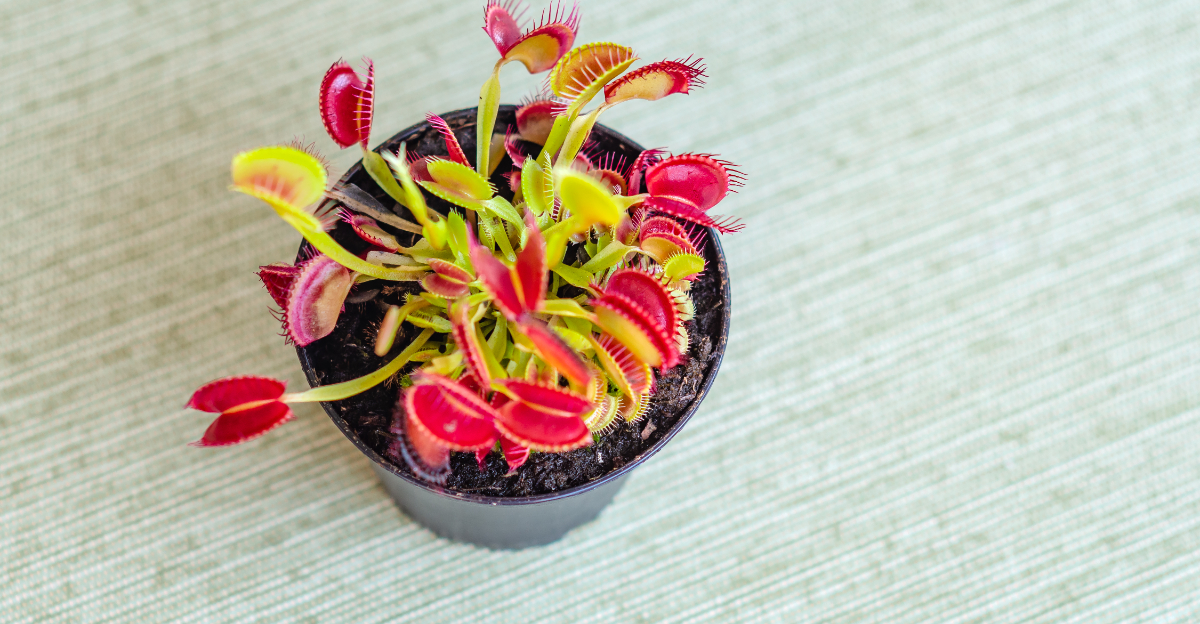
A Venus flytrap on your windowsill looks like a prop smuggled in from another planet. Yet this snapping little predator asks for less drama than most people expect.
Mississippi gardeners already hold a quiet advantage here. Long, muggy summers and mild winters mirror the boggy wetlands where these plants first evolved.
Most flytraps fail because of one overlooked habit, not because the plant itself is fragile. Fix that single habit, and the plant stops sulking almost overnight.
New growth pushes up in strange reddish fans, and healthy traps snap shut on unlucky gnats within days. The whole pot starts to feel like a tiny swamp ecosystem living on your sill.
Get the basics right, and a single Venus flytrap can turn a plain windowsill into the most talked-about spot in the house.
1. Six Hours Of Direct Sun Makes Or Breaks This Plant
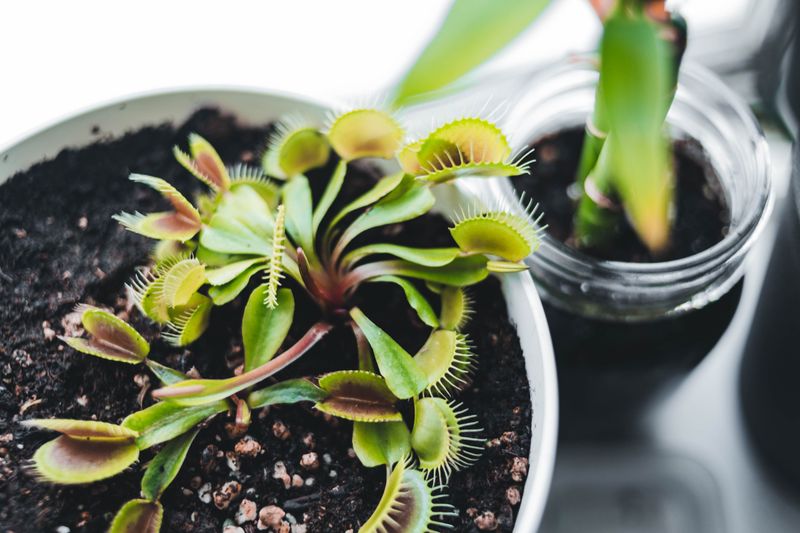
Sunlight is everything to a Venus flytrap. Without enough of it, the plant slowly weakens, loses color, and stops producing strong traps.
A Venus flytrap needs at least six hours of direct sun each day. Bright indirect light simply will not cut it for this plant.
In nature, these plants grow in open, sunny bogs with zero shade. Replicating that indoors means finding your brightest window without compromise.
South-facing windows are the first spot to check. East or west windows can work in summer, but only if the sun hits the plant directly for six solid hours.
During Mississippi summers, the sun is intense and long-lasting. That actually works in your favor, since the plant can soak up rays from early morning through late afternoon.
A grow light can fill the gap on cloudy days or in darker homes. Full-spectrum LED lights placed six to twelve inches above the plant work well as a supplement.
Watch the leaf color to gauge your light situation. Healthy plants show deep red coloring inside the traps and bright green on the outside leaves.
Pale green or yellowish leaves are a signal that your plant is not getting enough light. Move it closer to the window or add a grow light immediately.
Positioning matters more than most people realize. Even a foot closer to the glass can make a significant difference in daily light exposure and overall plant health.
2. A South-Facing Window Rarely Provides Enough Light Alone
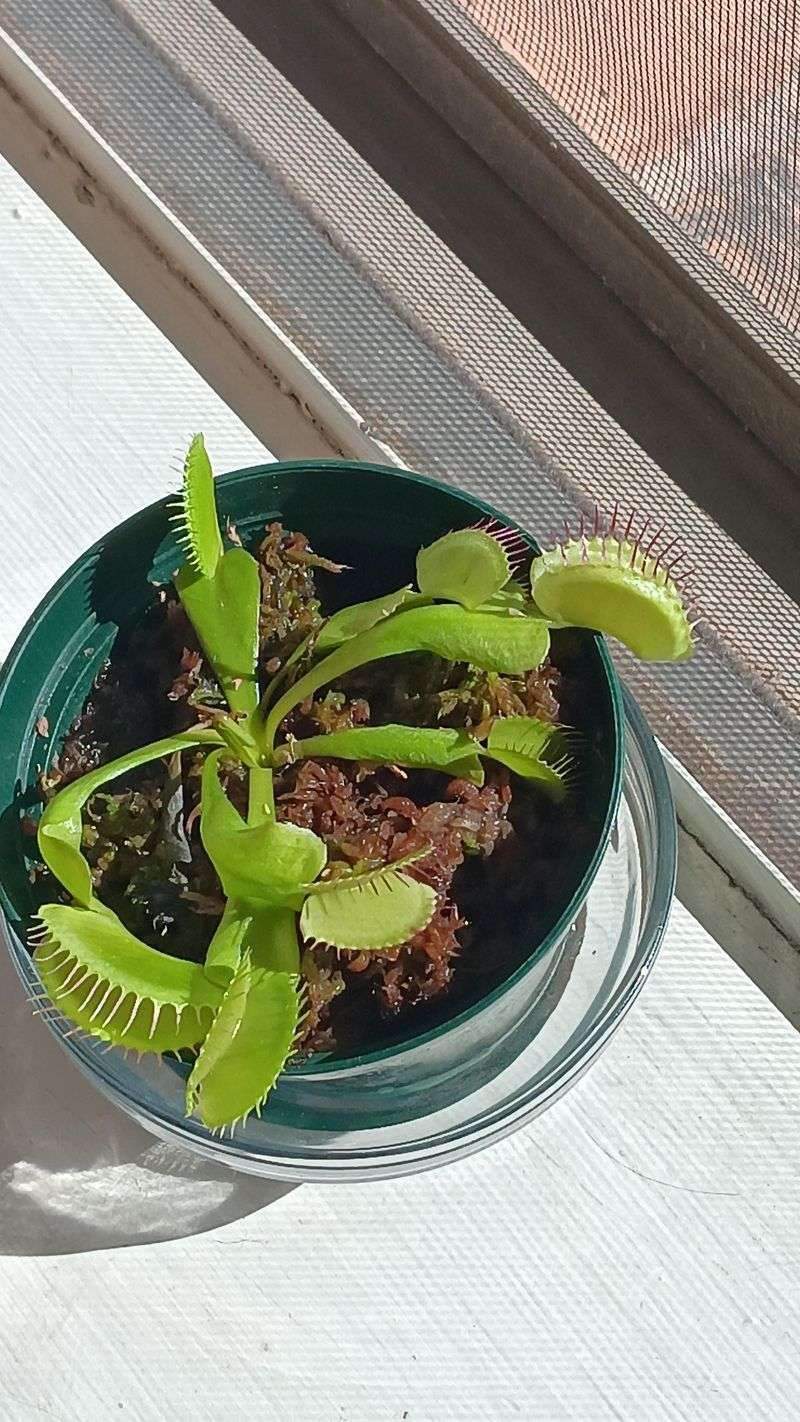
South-facing windows get the most sun of any indoor exposure in the Northern Hemisphere. But glass filters UV rays, and that changes the equation fast.
Even a perfectly placed south window can fall short during cloudy weeks or winter months. The plant needs consistency, not just occasional sunshine.
Window glass blocks a portion of the light spectrum that plants depend on. What looks bright to your eyes may still be insufficient for a sun-hungry carnivorous plant.
Screens, curtains, or nearby trees can cut light levels dramatically. Remove any barriers between the glass and your plant to maximize every ray of available sun.
Seasonal changes also affect how much light reaches indoor plants. In winter, the sun sits lower in the sky, reducing the intensity and duration of light through any window.
Your Mississippi Garden Changes Every Week. Your Plan Should Too.
Gardening in Mississippi changes quickly throughout the season. Every Friday you’ll receive a simple weekly plan showing exactly what to plant, prune, fertilize, harvest, and protect so you never miss the right timing.
A quality grow light paired with your south window creates a reliable setup year-round. LED grow lights designed for high-light plants are widely available and reasonably affordable.
Place the grow light on a timer set for fourteen to sixteen hours during the growing season. Consistency signals to the plant that conditions are stable and safe for active growth.
Growers who rely solely on window light often notice their plants struggling by late fall. Adding supplemental lighting before that happens keeps the plant strong through the dormancy transition.
Think of the grow light as insurance, not a replacement. The sun is still the best source, and your window should be the starting point for how to grow a Venus flytrap successfully indoors.
3. Tap Water Slowly Damages A Venus Flytrap’s Roots
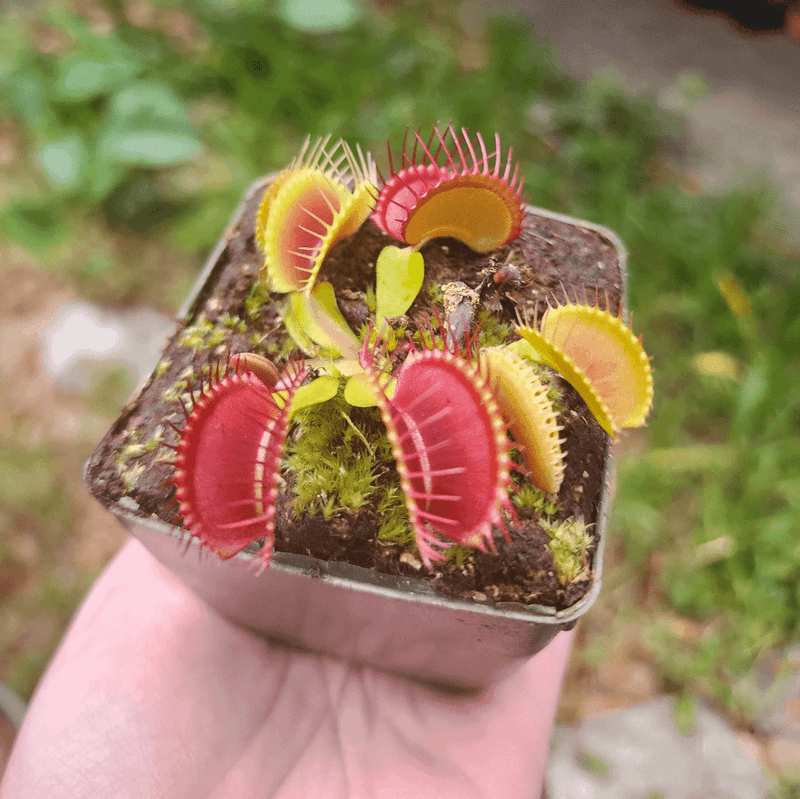
Tap water seems harmless, but for a Venus flytrap, it is a slow-moving problem. Minerals, chlorine, and fluoride build up in the soil over time and damage the roots.
These plants evolved in nutrient-poor, acidic bogs. Their roots are not built to handle the mineral content found in most municipal water supplies.
Distilled water is the gold standard for Venus flytraps. It contains zero dissolved minerals, which keeps the soil chemistry close to what the plant expects in the wild.
Rainwater is an excellent free alternative. Collect it in a clean bucket during storms and store it for regular watering throughout the week.
Reverse osmosis water also works well. Many grocery stores sell it by the gallon, making it an easy option if collecting rainwater feels inconvenient.
The tray method is the most effective way to water these plants. Set the pot in a shallow dish filled with about an inch of distilled water and let the soil absorb moisture from the bottom up.
Keep the tray filled consistently during the growing season. The soil should stay moist but not fully waterlogged, since standing water for too long can cause root rot.
In winter, reduce water slightly but avoid letting the soil dry out fully. The plant still needs moisture during dormancy, just not as much as during active growth.
Switching from tap to distilled water is one of the fastest ways to improve plant health. Roots recover surprisingly well once the mineral stress is removed from the equation.
4. Mississippi’s Humidity Actually Works In Your Favor
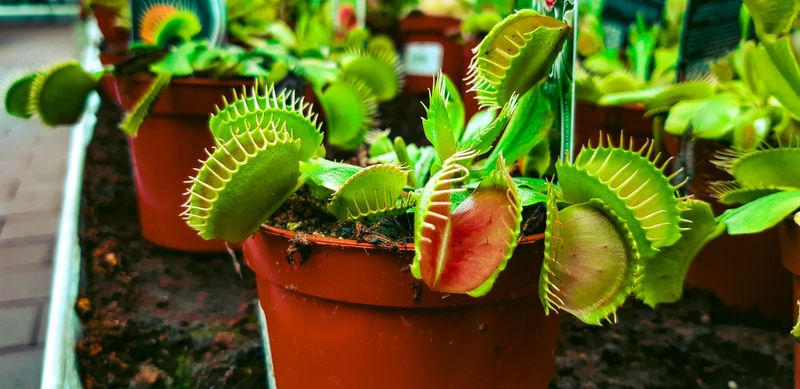
Mississippi summers are famously sticky, and most indoor gardeners curse the humidity. For Venus flytrap growers, that same thick air is a genuine gift.
These plants come from the coastal bogs of North and South Carolina, where humidity runs high year-round. A muggy Mississippi home mimics that environment better than most climates in the country.
Aim for indoor humidity levels between 50 and 70 percent. Most Mississippi homes sit comfortably in that range from spring through early fall without any extra effort.
Winter is where things can get tricky. Central heating dries out indoor air fast, dropping humidity well below what the plant prefers during its dormancy period.
A small humidifier near the plant solves this problem efficiently. Set it to maintain around 50 percent relative humidity and check it weekly to keep the water reservoir full.
Grouping plants together also raises local humidity naturally. As each plant releases moisture through transpiration, the air around them stays slightly wetter than the rest of the room.
Avoid placing the flytrap near heating vents or air conditioning units. Forced air strips moisture from both the soil and the surrounding air in a matter of hours.
Terrariums can create a humid microclimate for the plant. Use an open-top terrarium to allow airflow while still trapping enough moisture to keep the environment comfortable.
High humidity alone will not save a neglected plant, but it removes one major stressor. When combined with proper light and water, the moist air becomes a true advantage for how to grow a Venus flytrap indoors.
5. Lean, Acidic Soil Mimics Its Native Bog Habitat
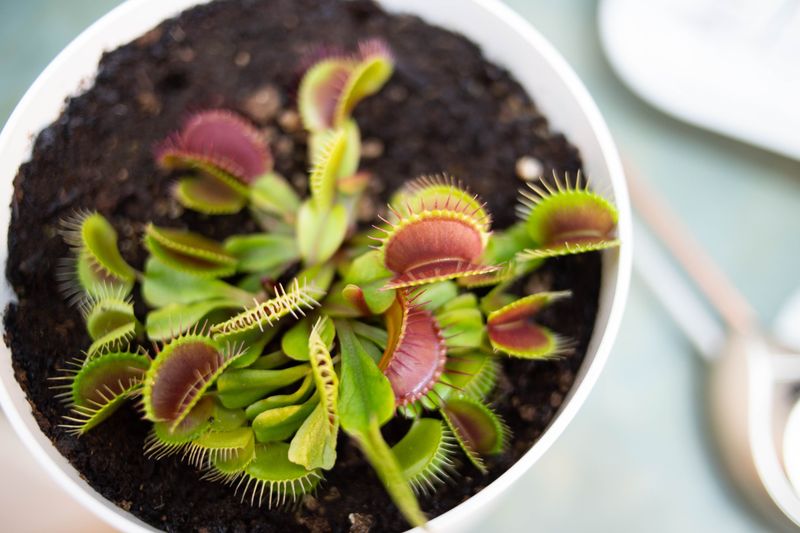
Most potting soils are a recipe for disaster with Venus flytraps. Standard mixes are packed with fertilizers and nutrients that overwhelm the plant’s sensitive root system.
The ideal soil for a Venus flytrap is lean, acidic, and almost completely free of nutrients. That sounds counterintuitive, but these plants get their nutrients from insects, not the ground.
A classic mix combines one part sphagnum peat moss with one part perlite. Both ingredients are cheap, widely available, and create the low-nutrient, acidic environment the plant craves.
Sphagnum peat moss lowers soil pH naturally, keeping it in the 4.0 to 5.0 range that Venus flytraps prefer. That acidity discourages harmful bacteria while supporting healthy root growth.
Perlite improves drainage and prevents the soil from becoming too compacted. Good drainage is critical because waterlogged roots rot quickly, even in a plant that loves moisture.
Avoid regular potting mix, garden soil, or compost. Even small amounts of added fertilizer can cause root burn and weaken the plant within a few weeks.
Long-fiber sphagnum moss is another excellent option as a standalone medium. It holds moisture well, resists decomposition, and keeps the pH stable over a long growing season.
Repot every one to two years to refresh the growing medium. Old peat breaks down over time, loses its acidity, and can harbor bacteria that stress the plant’s roots.
Getting the soil right from the start saves a lot of troubleshooting later. Proper mix is the foundation that every other care step builds on for long-term success.
6. Winter Dormancy Isn’t Optional, Even Indoors
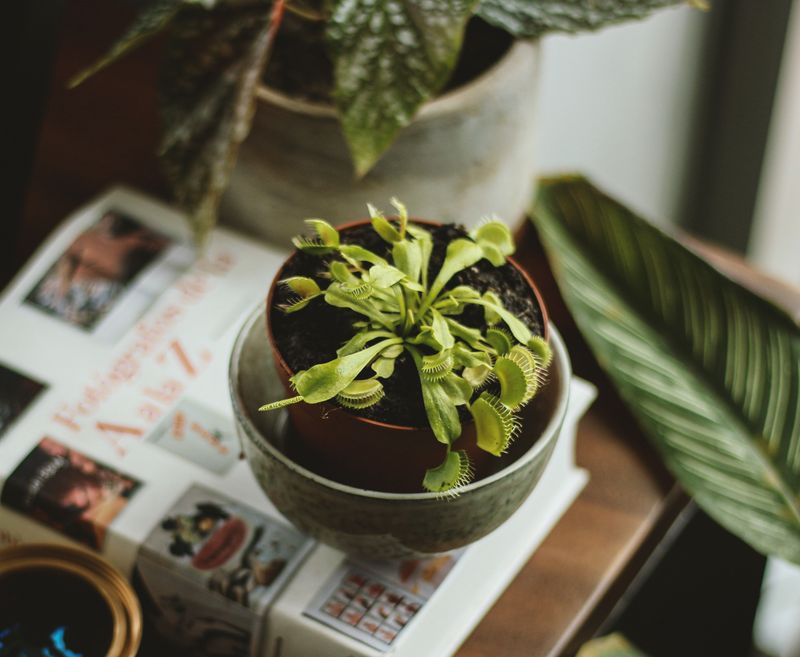
Every November, something strange happens to a healthy Venus flytrap. It slows down, drops some leaves, and looks like it is fading away, but that is exactly what it should be doing.
Dormancy is a biological reset that the plant must complete each year. Skipping it shortens the plant’s lifespan and leaves it weaker going into the next growing season.
During dormancy, the plant needs cooler temperatures between 35 and 50 degrees Fahrenheit. An unheated garage, a cool basement, or even a refrigerator can provide the right conditions indoors.
The refrigerator method works surprisingly well for apartment growers. Wrap the plant in slightly damp sphagnum moss, seal it loosely in a plastic bag, and store it for three months.
Reduce watering during dormancy but avoid letting the soil go fully dry. The roots are still alive and need a small amount of moisture to survive the rest period.
Light requirements drop significantly during this phase. The plant does not need strong sun while dormant, so a cool windowsill with low light is perfectly acceptable.
Dormancy typically lasts from November through February in most climates. By March, new growth will begin to emerge as temperatures and light levels naturally increase.
Do not panic when leaves turn black as the plant goes dormant during this period. That is a completely normal part of the cycle, not a sign that anything is wrong with your plant.
Giving your flytrap a proper winter rest pays off directly in next season’s growth. Plants that complete dormancy come back stronger, with larger traps and more vigorous growth in spring.
7. Feeding Insects Helps But Isn’t Strictly Necessary
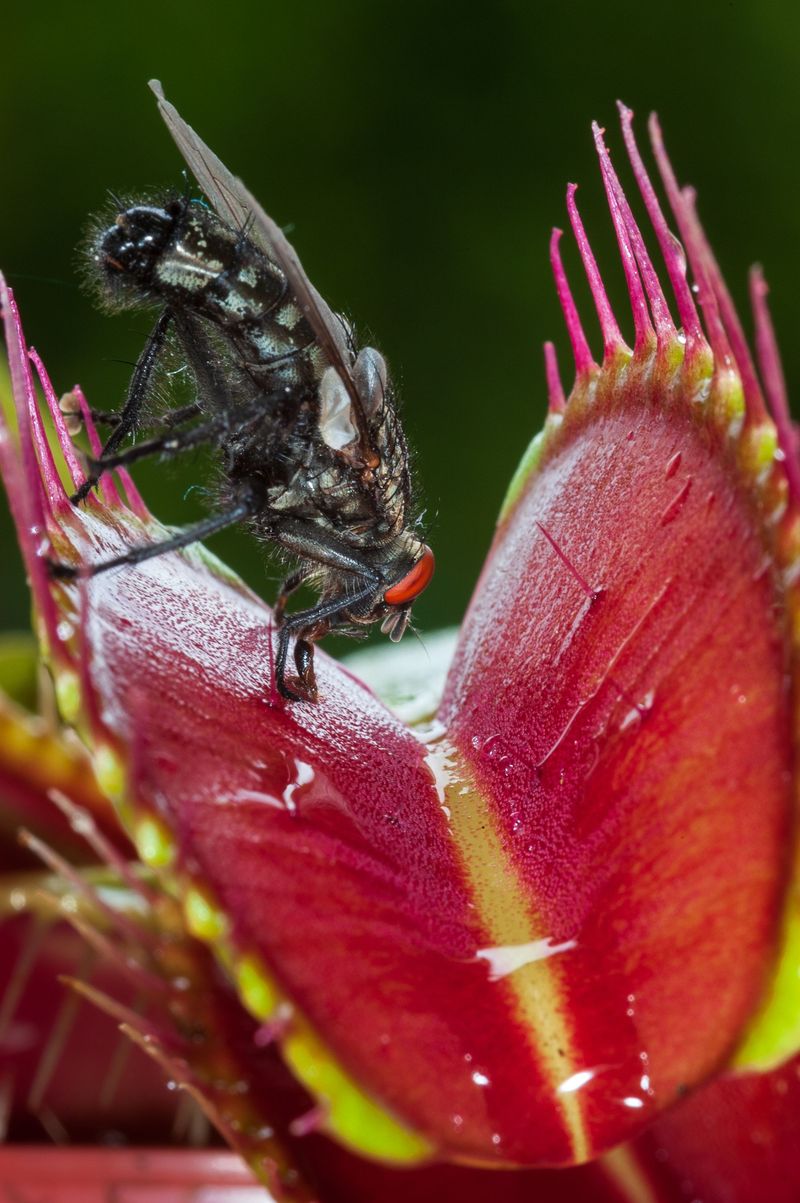
Watching a Venus flytrap snap shut on a live insect is one of the most satisfying things in indoor gardening. But feeding is less critical than most people think.
A plant growing in good light with proper soil and water can survive indefinitely without a single insect. Photosynthesis covers most of its energy needs on its own.
Insects provide nitrogen, which the plant uses to produce enzymes and grow new traps. In a nutrient-poor environment, that extra nitrogen gives the plant a noticeable boost.
Feed one trap every two to four weeks during the growing season. Overfeeding stresses the plant, since each trap can only close and reopen a limited number of times before it stops working.
Small live insects work best because movement triggers the trap to seal tightly. Crickets, mealworms, and fruit flies are all excellent choices that are easy to find at pet stores.
If live insects are not your thing, freeze-dried mealworms are a solid alternative. Rehydrate them slightly and gently stimulate the trigger hairs inside the trap to get it to close.
Avoid feeding the plant hamburger, cheese, or any human food. Those items cause the trap to rot and can introduce harmful bacteria into the growing medium.
Always feed traps that are at least one-third mature in size. Feeding tiny or newly formed traps can damage them before they have fully developed their digestive capability.
Feeding is a fun bonus, not a survival requirement. Focus first on light, water, and soil, and let the insects be a rewarding extra step in your care routine.
8. Blackened Traps Are Often Normal, Not A Warning Sign
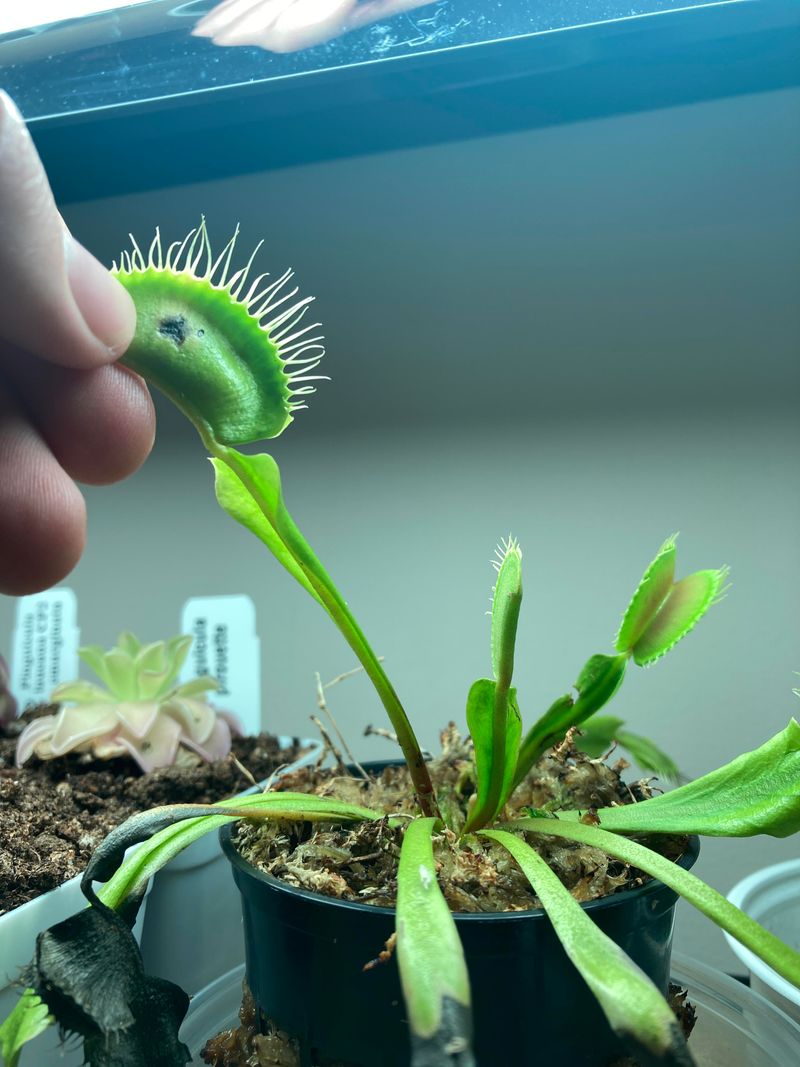
New growers panic the first time a trap turns black and shrivels up. It looks alarming, but in most cases, it is simply part of the plant’s natural cycle.
Each trap has a limited lifespan of about three to five closures before it stops responding. After that, the trap naturally darkens and shuts down while the plant redirects energy to new growth.
Blackening at the tips of traps is common after a feeding. The digestion process itself can cause some discoloration, especially if the prey item was too large for the trap.
A trap that turns black after catching an insect has done its job successfully. Trim it off cleanly with sterilized scissors to keep the plant looking tidy and to prevent any mold spread.
Widespread blackening across multiple traps at once is a different story. That pattern can signal overwatering, root rot, or a sudden drop in light, and it deserves a closer look.
Check the roots if the blackening seems excessive or rapid. Healthy roots should be white or light tan, while rotted roots appear dark brown, mushy, and have an unpleasant smell.
Sunburn can also cause trap blackening in plants moved suddenly to intense light. Introduce any new light source gradually over a week to let the plant adjust without stress.
Learning to read your plant’s signals takes a little time but becomes intuitive quickly. Knowing the difference between normal shutdown and actual distress is the key to keeping your Venus flytrap thriving indoors in Mississippi long-term.