The Georgia Yard Features Fireflies Use Most After Sunset
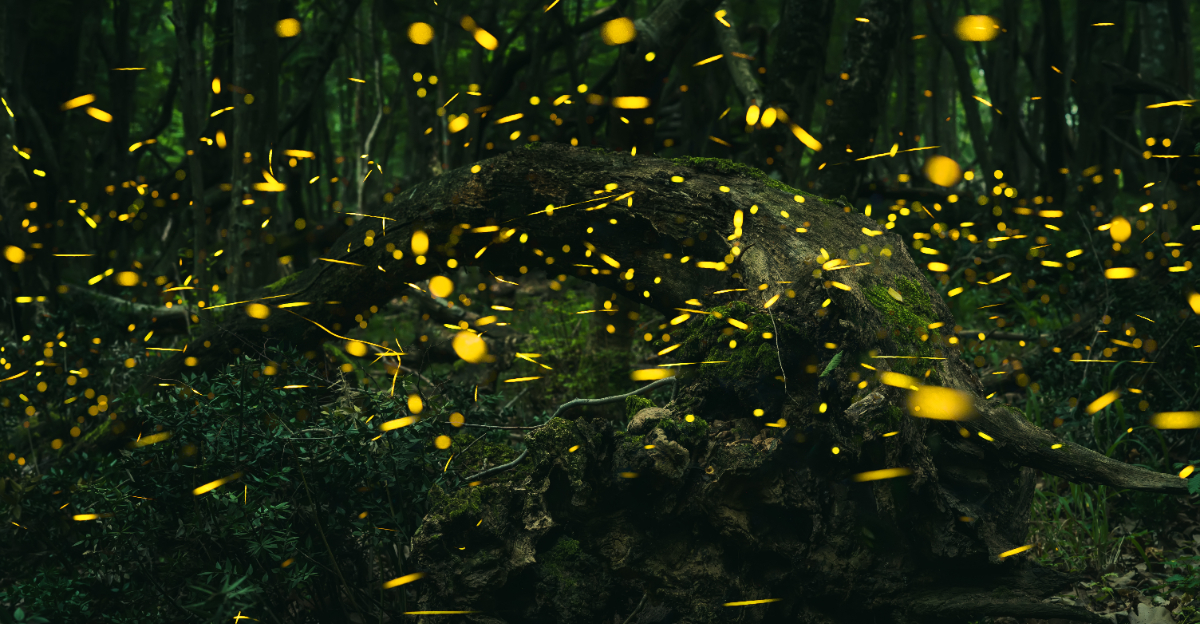
Summer evenings have a rhythm of their own. The heat finally starts easing off, sprinklers switch on, and the backyard becomes a little more inviting after a long day.
Then a small flash appears near the grass. A few seconds later, another follows somewhere nearby.
Seeing fireflies always feels a little special. Some nights bring only a handful of flashes.
Other nights seem almost magical, with lights appearing from several corners of the landscape at once. That difference can leave homeowners wondering why certain properties attract more activity than others.
Many people assume fireflies simply show up wherever they want. The reality is a little more interesting.
Georgia properties that regularly attract these insects tend to have something in common after sunset.
Once you know what they are drawn to, it becomes much easier to understand why some yards seem far more active than others during summer nights.
1. Damp Soil Helps Fireflies Stay Active After Sunset
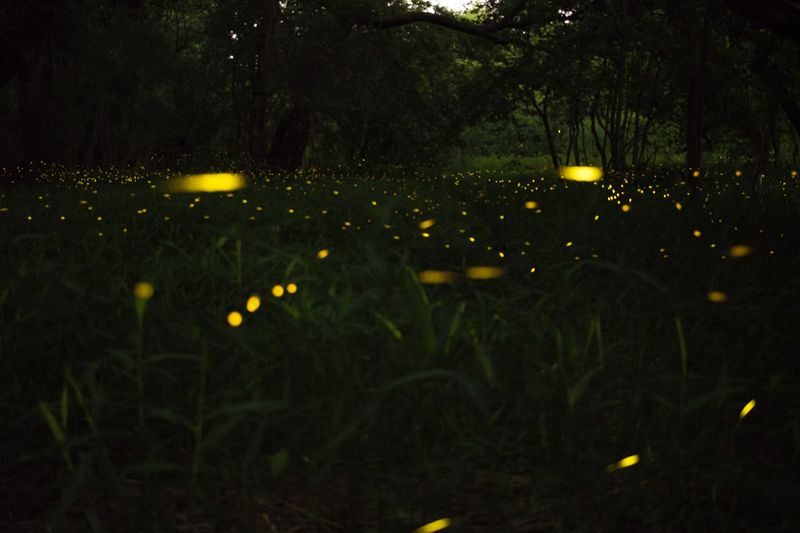
Wet soil is not just good for plants. Firefly larvae live underground for one to two years, and they need consistently moist soil to survive and grow.
Dry, compacted ground makes it nearly impossible for them to move, hunt, or develop properly.
Low spots in your yard that stay damp after rain are prime firefly real estate. A shaded garden bed that holds moisture longer than sunny areas will often show more firefly activity come summer evenings.
Patches near downspouts or natural drainage paths tend to stay wetter, and fireflies notice that.
Keeping soil loose and organic-rich helps it hold moisture without becoming waterlogged. Adding compost to your garden beds improves soil structure over time.
Mulching lightly around garden edges also slows evaporation without smothering the ground too much.
Avoid letting soil dry out completely during dry spells in summer. A slow, deep watering a few times per week keeps the top few inches consistently moist.
That moisture supports not only larvae but also the soft-bodied insects and worms that firefly larvae feed on underground.
Compacted lawn areas with poor drainage tend to produce fewer fireflies over time. Aerating your lawn once a year improves water absorption.
Over several seasons, healthier soil structure means more larvae can complete their development and emerge as the glowing adults you see at night.
2. Shallow Water Features Can Draw More Firefly Activity
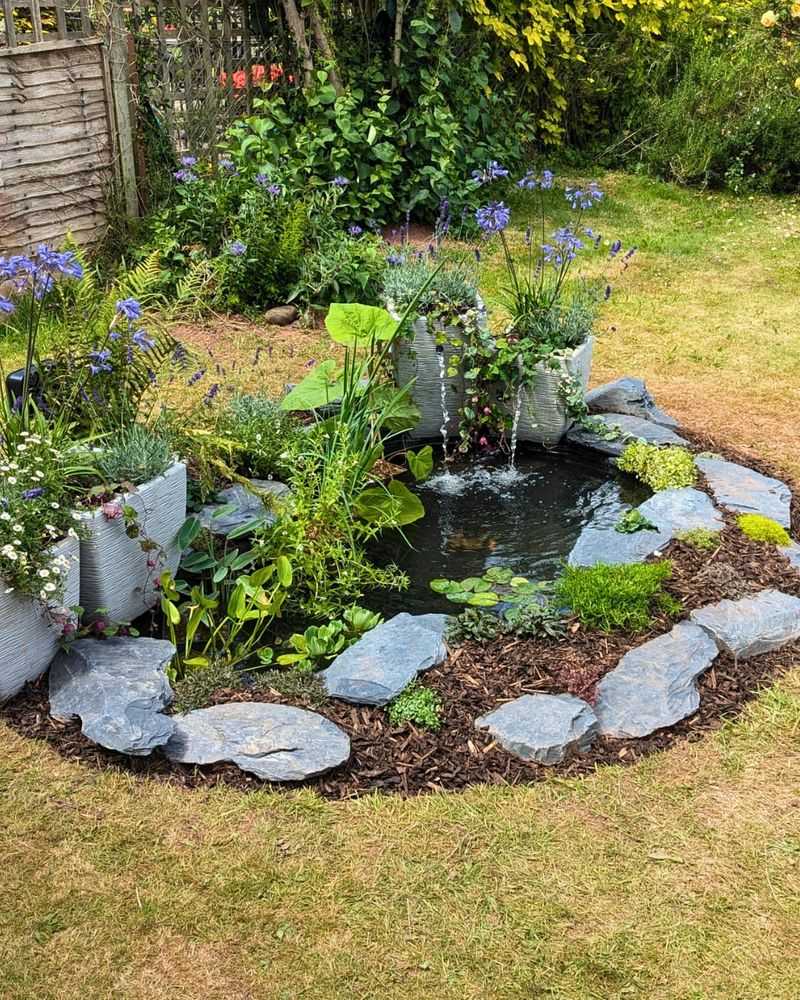
Still water changes everything in a yard after dark. Fireflies are strongly attracted to areas near ponds, birdbaths, and shallow puddles.
The humidity that rises from standing water creates exactly the kind of microclimate they prefer on warm summer nights.
Even a small container water garden placed near garden beds can increase firefly sightings noticeably. Water features do not need to be large or expensive.
A shallow ceramic bowl sunk into the ground and filled with water works surprisingly well as a firefly magnet.
Placement matters a lot. Putting a water feature near low-growing plants or tall grasses gives fireflies both the moisture they want and the vegetation cover they need.
Your Georgia Garden Changes Every Week. Your Plan Should Too.
Gardening in Georgia changes quickly throughout the season. Every Friday you’ll receive a simple weekly plan showing exactly what to plant, prune, fertilize, harvest, and protect so you never miss the right timing.
Open water in the middle of a lawn with no nearby plants tends to attract fewer fireflies than water tucked near plant borders.
Fireflies tend to do best in landscapes that avoid unnecessary chemical use. Limiting pesticide use helps protect these beneficial insects.
Standing water also supports the soft invertebrates that firefly larvae feed on in nearby soil. Worms, snails, and small insects thrive in moist ground near water.
That food supply underground is just as important as the humidity above it. A well-placed water feature supports the full firefly life cycle from larvae to the adults lighting up your evenings.
3. Unmulched Natural Areas Support Young Fireflies
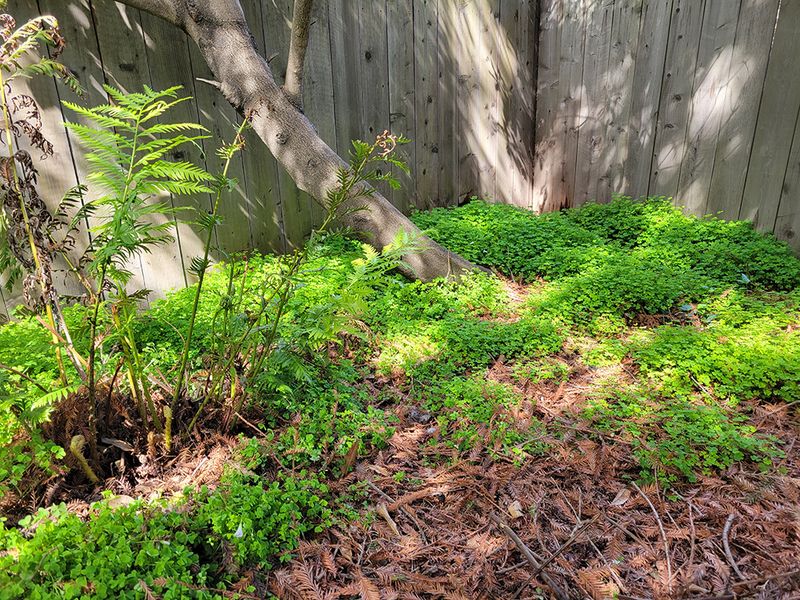
Bare, natural ground covered with fallen leaves and organic debris is where firefly larvae spend their earliest stages of life. Thick rubber mulch or landscape fabric blocks their access to soil and disrupts the moist, loose environment they depend on.
Leaving sections of your yard in a more natural, unmulched state gives larvae room to move and hunt. Leaf litter from oak, sweetgum, or other native trees breaks down slowly and creates excellent habitat.
Raking every leaf away every fall removes shelter and food sources that young fireflies rely on.
A shaded corner of the yard with natural leaf cover and loose soil can support surprising numbers of larvae over the course of a year. Firefly larvae are hunters.
They track down small snails, slugs, and soft insects hiding under that leaf layer.
Thin wood chip mulch applied lightly is less harmful than rubber or thick bark mulch. It still allows some moisture exchange and does not create a physical barrier that larvae cannot navigate.
Depth matters too. Anything deeper than two inches begins limiting larval movement significantly.
Natural areas do not need to look messy to be functional. A defined leaf pile near a tree base or a small woodland edge planting with minimal ground cover can serve as excellent larval habitat.
4. Low-Growing Vegetation Creates Valuable Hiding Spots
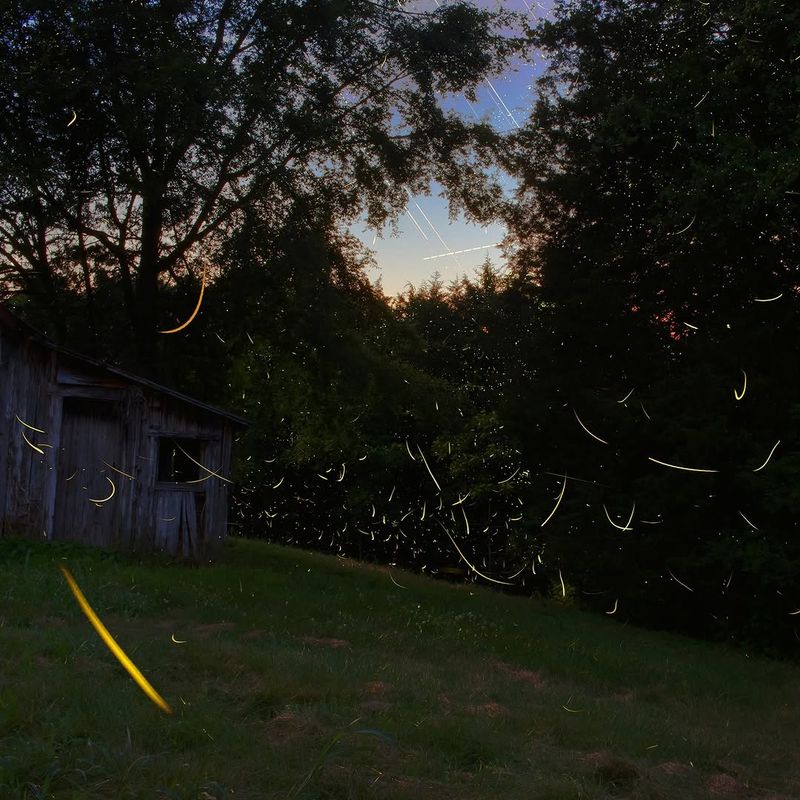
Fireflies do not just fly around in open air all night. Adults spend a lot of time resting low in vegetation between flashing sequences.
Short grasses, ground covers, and low shrubs give them exactly the kind of cover they prefer after sunset.
Areas where grass is allowed to grow slightly taller than a typical manicured lawn show noticeably more firefly activity.
Even a few extra inches of height creates microhabitats at ground level where adults can perch, rest, and search for mates without being exposed.
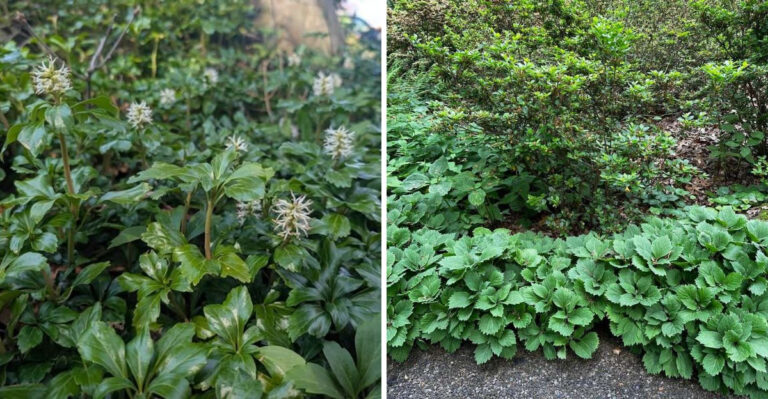
Native ground covers like wild ginger, creeping phlox, or low ferns work especially well. They stay close to the ground, hold moisture near the soil surface, and provide dense leaf coverage that fireflies can navigate easily.
Non-native ornamental ground covers can work too, but natives generally support more of the associated insect life that fills out a firefly-friendly yard.
Mowing schedules make a real difference. Cutting grass very short every week removes resting spots and disrupts humidity near the ground.
Letting some sections go unmowed for stretches during firefly season, roughly late spring through midsummer, gives adults more places to hide between displays.
Low vegetation near a fence line, a garden border, or the edge of a tree line tends to produce the most firefly activity. Those transitional zones between open lawn and taller plants are natural firefly corridors.
Keeping them planted and low to the ground pays off on warm summer nights.
5. Older Trees Add Shelter And Protection
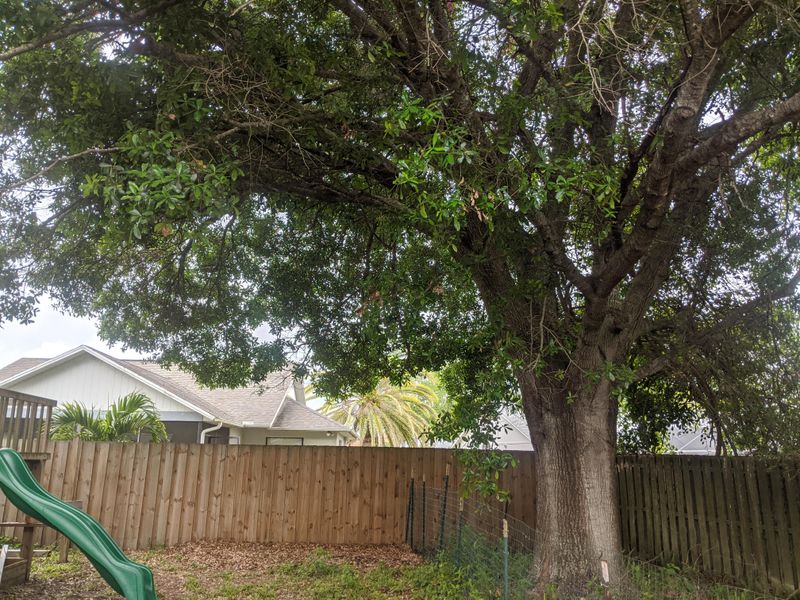
Mature trees do more for fireflies than most people realize. Their canopy slows wind, holds humidity underneath, and creates a sheltered zone that fireflies actively seek out after dark.
Open yards without tree cover tend to be drier and more exposed, which fireflies generally avoid.
Oak trees are especially valuable. Their bark supports lichen and fungal growth, which in turn supports the small invertebrates that firefly larvae feed on in the surrounding soil.
Older oaks also drop significant quantities of leaf litter each fall, which enriches the ground beneath them over years.
The area under a mature tree canopy stays several degrees cooler and significantly more humid than open lawn on a summer evening. Fireflies are sensitive to temperature and moisture.
That shaded microclimate under old trees matches their preferred conditions almost perfectly.
Older trees also provide vertical structure. Fireflies use that structure during their flashing displays.
Males fly upward through open gaps in the canopy while females watch from lower vegetation. A yard with tall trees and low understory planting beneath them creates a layered environment that supports the full flashing ritual.
Preserving existing trees rather than removing them is one of the most impactful things a homeowner can do for local firefly populations. Planting new trees takes decades to produce the same effect.
6. Natural Garden Edges Create Valuable Habitat
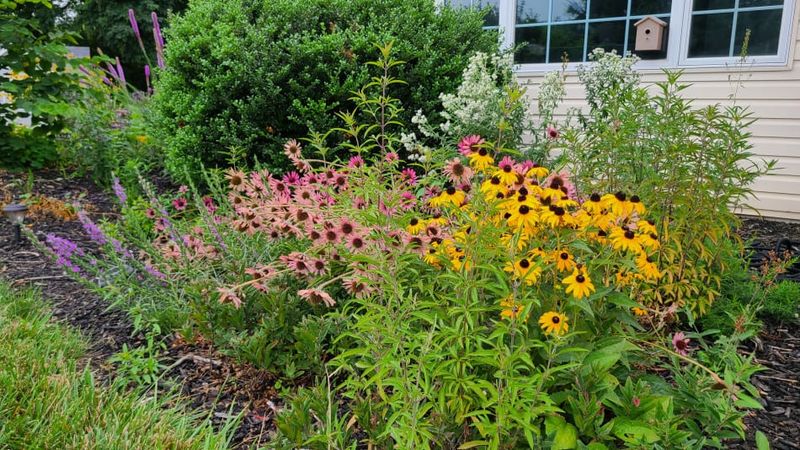
Sharp, clean garden edges look tidy but they leave very little room for fireflies. Natural, slightly ragged garden borders with a mix of grasses, wildflowers, and low shrubs create the kind of transitional zone that fireflies actively use during their nightly activity periods.
Edge habitat is important in ecology because it blends characteristics of two different environments. A yard edge that transitions gradually from lawn to shrubs to taller plants mimics natural woodland margins.
Fireflies evolved in exactly those kinds of layered, mixed-vegetation zones.
Planting native wildflowers along fence lines or property edges adds structure without requiring much maintenance. Black-eyed Susans, native coneflowers, and wild bergamot all work well.
They attract the soft-bodied insects that firefly larvae hunt while also providing adult fireflies with resting spots between flashes.
Leaving a strip of unmowed grass along a garden edge adds to the habitat value significantly. Even a two-foot-wide unmowed strip along a fence or tree line creates a usable corridor for fireflies moving through the yard after sunset.
Width matters less than consistency. A continuous strip works better than isolated patches.
Natural edges also reduce the amount of open, exposed ground in your yard. Fireflies avoid large open spaces where they feel exposed and where humidity drops quickly after sunset.
7. Connected Planting Areas Help Fireflies Move Through The Yard
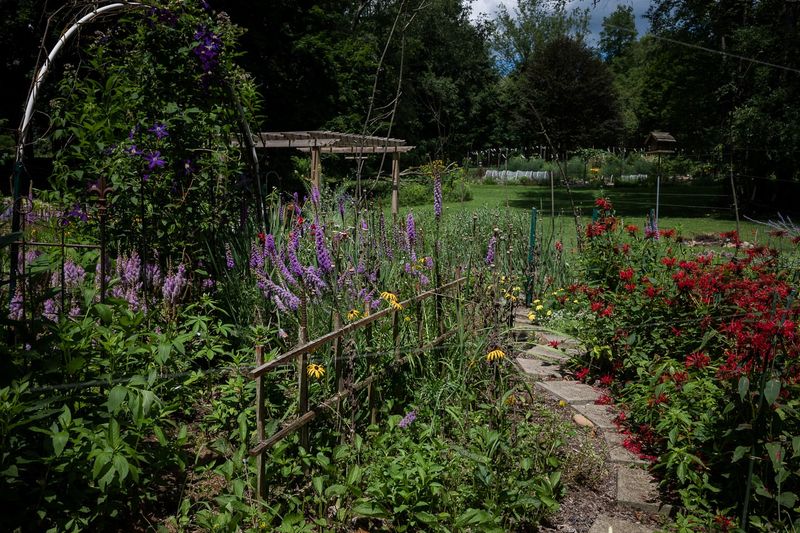
Isolated garden beds surrounded by open lawn act like islands. Fireflies moving through your yard need connected vegetation to navigate comfortably.
Disconnected patches force them into open, exposed areas they tend to avoid, which limits how much of your yard they actually use.
Linking planting beds with low ground cover strips, stepping stone plantings, or narrow grass corridors makes a real difference. Fireflies follow vegetation lines as they move and flash.
A connected planting layout gives them a natural pathway from one part of the yard to another without crossing wide open lawn sections.
Even simple connections work well. A row of native shrubs running from a garden bed to a tree line creates a usable corridor.
Ornamental grasses planted in a loose line between two separate beds achieve the same effect with very little cost or effort.
Connectivity also matters underground. Firefly larvae move through soil between feeding areas.
Compacted lawn between garden beds acts as a barrier for larvae just as open space acts as a barrier for adults. Keeping soil loose and organic-rich across connected areas supports larvae movement between seasons.
Thinking about your yard as a network rather than a collection of separate spaces changes how you plan plantings. Every connection you add between existing planting areas expands the usable habitat for fireflies.