Pennsylvania Citrus Tree Care Checklist Before Summer Heat Hits
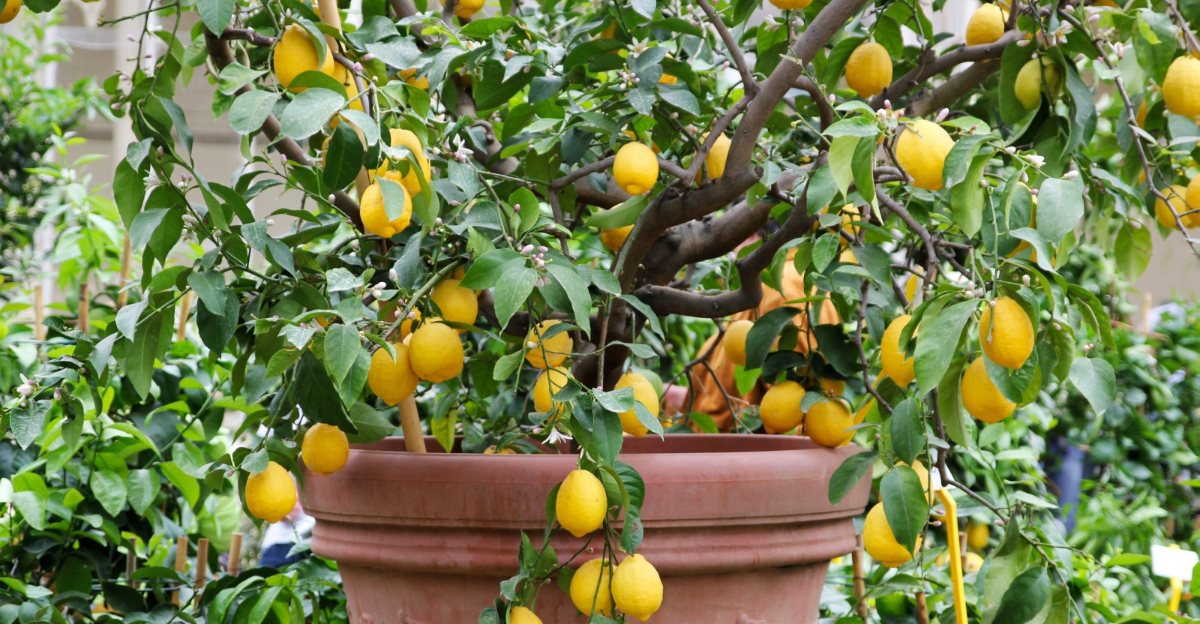
Growing citrus in Pennsylvania is not exactly the path of least resistance, and honestly that is part of what makes it so satisfying.
There is something genuinely fun about hauling a lemon tree onto the patio in late spring and watching it settle back into outdoor life like it owns the place.
But that transition from indoor winter quarters to summer patio living is also where things can go sideways fast if the timing and care are off.
Pennsylvania’s spring weather has a habit of feeling warm one week and surprisingly cold the next, and citrus trees have opinions about all of it.
Getting ahead of the seasonal shift with a solid care routine can make a real difference in how well your lemon, lime, calamondin, or kumquat performs through the summer months ahead.
1. Move Citrus Outdoors Gradually
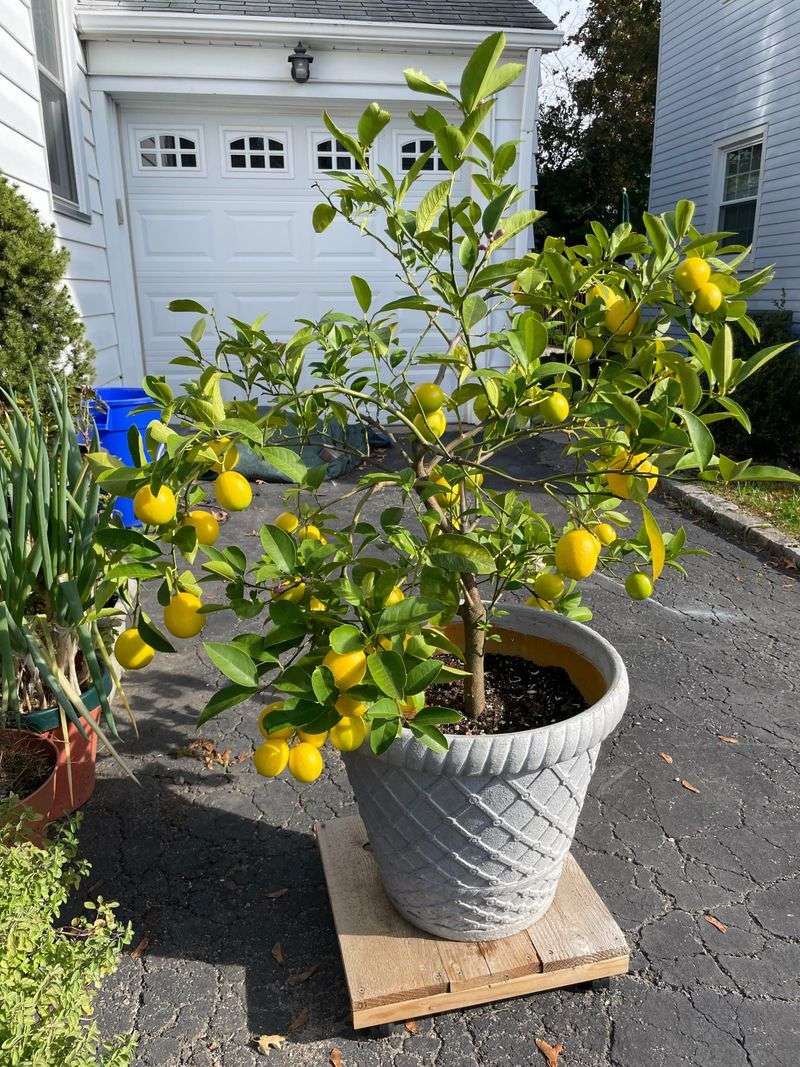
Bringing a potted citrus tree out of the house after a long Pennsylvania winter feels exciting, but rushing that process can stress the plant more than you might expect.
Citrus that has been sitting near a window indoors for several months has adjusted to lower light levels and more stable temperatures.
Putting it directly in full afternoon sun can cause leaf scorch, where leaves turn pale, bleached, or develop brown patches at the tips and edges.
A gradual transition works much better. Start by placing the container in a shaded spot outdoors for a few days, somewhere with bright indirect light but no direct sun.
A covered porch or a spot under a tree canopy works well for this first stage. After about a week, move the tree somewhere it gets morning sun but stays shaded in the afternoon.
Slowly increase sun exposure over two to three weeks until the tree is comfortable in its final summer spot.
Pennsylvania springs can still bring chilly nights in April and early May, so keep an eye on nighttime temperatures during this period. If temperatures are expected to drop below 50 degrees Fahrenheit, bring the container back inside or cover it.
Patience during this acclimation stage pays off with healthier foliage and a stronger tree heading into summer.
2. Place The Tree In A Sunny Spot
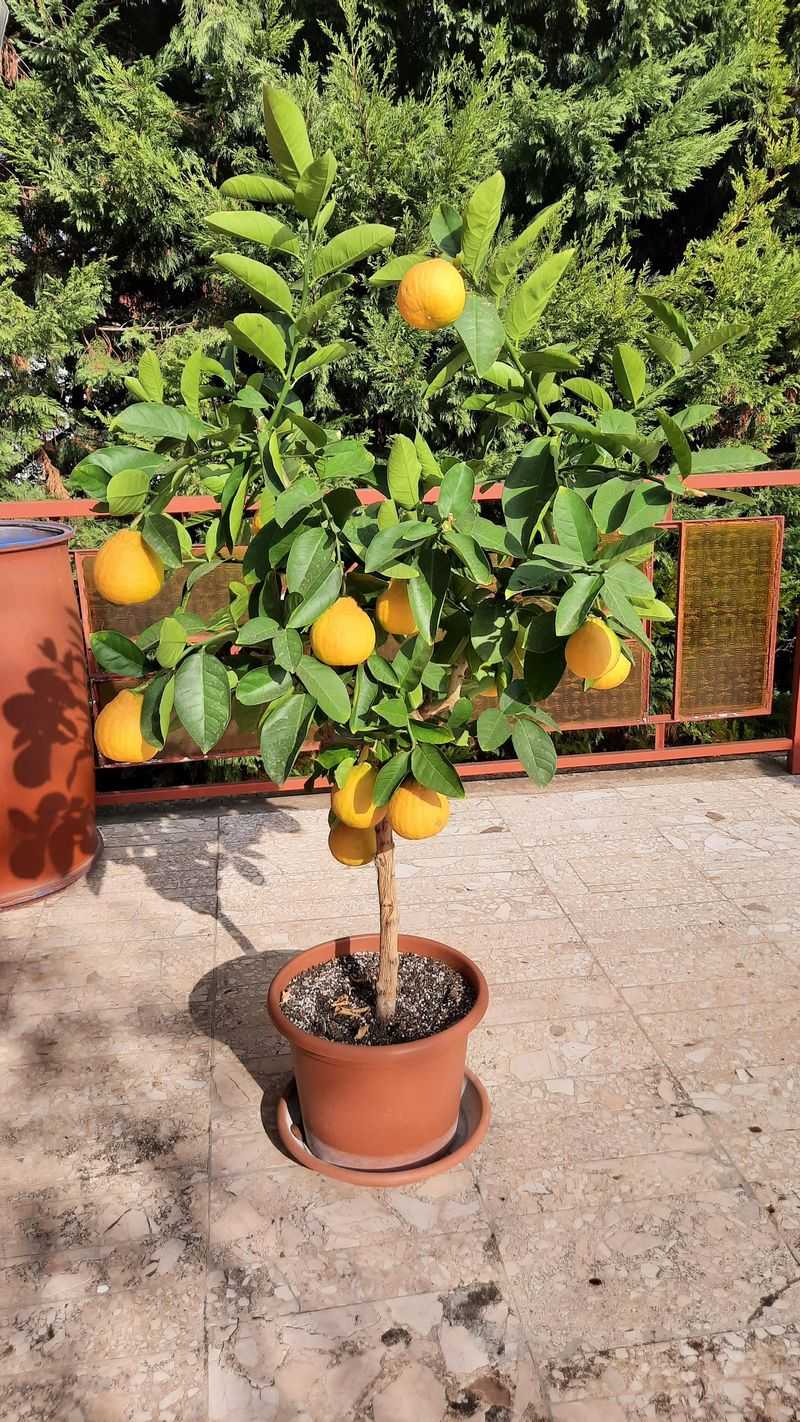
Bright light is one of the most important things a citrus tree needs to thrive during summer, and Pennsylvania patios and south-facing yards can actually deliver that well.
Once your tree has finished its gradual acclimation period, finding the right permanent spot for the season matters quite a bit.
Citrus generally does well with at least six to eight hours of direct sunlight each day, and a south- or west-facing patio tends to offer the best exposure in most Pennsylvania locations.
Keep in mind that patio surfaces like concrete, brick, or stone can absorb heat throughout the day and radiate it back toward the container in the evening. This extra warmth can be helpful on cooler nights but may dry out the pot faster than you expect during heat waves.
Placing the container on a plant stand or wooden deck boards rather than directly on hot pavement can help moderate root zone temperatures.
Your Pennsylvania Garden Changes Every Week. Your Plan Should Too.
Gardening in Pennsylvania changes quickly throughout the season. Every Friday you’ll receive a simple weekly plan showing exactly what to plant, prune, fertilize, harvest, and protect so you never miss the right timing.
Avoid spots where the tree gets reflected heat from walls or glass surfaces for extended hours, especially during peak summer afternoons.
While citrus appreciates warmth, the goal is steady, consistent sunlight rather than intense radiant heat from surrounding surfaces.
Rotating the container every couple of weeks helps all sides of the canopy get even light exposure, which encourages balanced growth throughout the summer season in Pennsylvania.
3. Check Soil Moisture Often
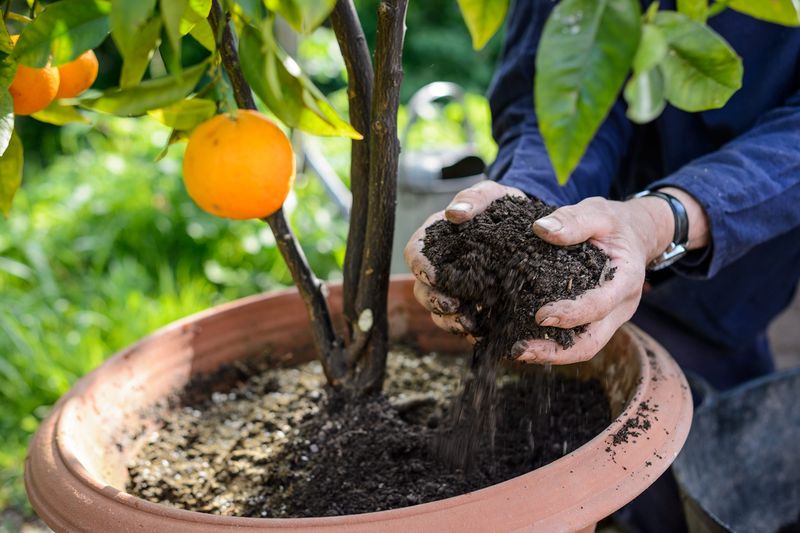
Container soil behaves very differently from in-ground soil, and that difference becomes especially noticeable once summer heat settles in across Pennsylvania.
A potted citrus tree sitting on a sunny patio can go from adequately moist to quite dry within a day or two, depending on the temperature, wind, and how porous the container material is.
Terracotta pots, which are popular for citrus because they allow airflow to the roots, tend to dry out faster than plastic or glazed ceramic containers.
Getting into the habit of checking moisture levels regularly is one of the simplest things you can do to support your tree through summer. Push your finger about an inch or two into the soil near the edge of the pot.
If the soil feels dry at that depth, it is likely time to water. If it still feels cool and slightly moist, give it another day before checking again.
Relying on a schedule alone without actually feeling the soil can lead to either overwatering or underwatering, both of which cause stress to citrus roots.
Yellowing leaves are sometimes a sign of inconsistent moisture, though they can also point to other issues like drainage problems or nutrient gaps.
Keeping a simple routine of checking soil moisture every day or every other day during hot Pennsylvania summer weeks gives you the information you need to respond before the tree shows visible stress.
4. Water Deeply Without Leaving The Pot Sitting In Water
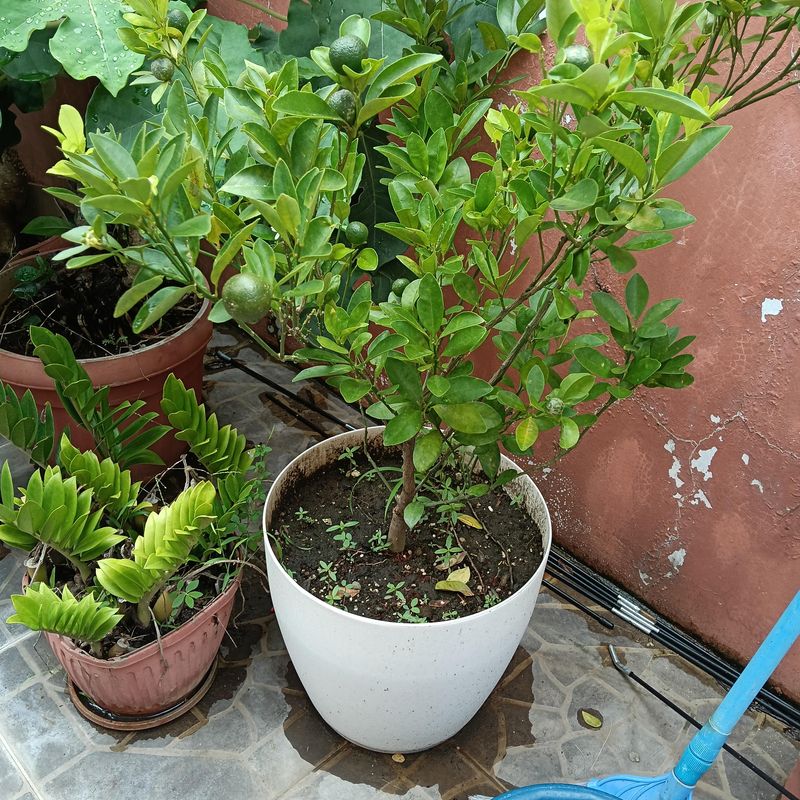
Watering a container citrus tree well is about more than just adding water to the top of the pot. Deep watering means applying water slowly and evenly until it flows freely out of the drainage holes at the bottom of the container.
This approach encourages roots to grow downward through the full depth of the pot rather than clustering near the surface where moisture evaporates fastest.
On a hot Pennsylvania summer day, shallow watering can leave the lower portion of the root zone dry even when the top inch of soil feels damp.
Over time, that uneven moisture can weaken the root system and make the tree less resilient during heat waves or brief dry spells.
Taking the time to water thoroughly, rather than giving the pot a quick splash, makes a real difference in root health over the course of the season.
One thing to watch carefully is whether your container is sitting in a saucer or tray that collects water after each watering session.
Citrus roots are sensitive to standing water around the base of the pot, and a saucer that holds water for hours can create soggy conditions at the root zone even when the rest of the soil is fine.
Empty saucers within an hour or two after watering to keep the root environment well-drained and healthy through Pennsylvania’s warmer months.
5. Make Sure The Container Drains Well
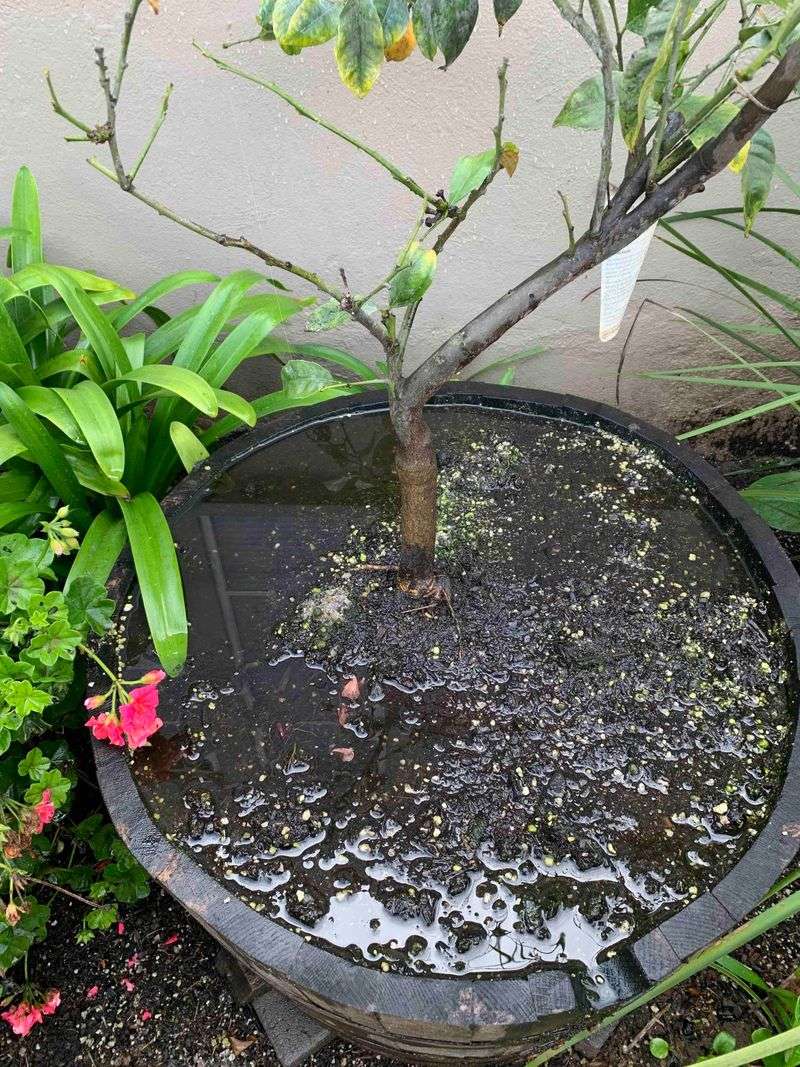
Good drainage is not optional when it comes to container citrus, and it is worth double-checking before the busy summer season begins.
Over time, drainage holes in pots can get partially blocked by compacted soil, roots, or debris that accumulates around the base of the container.
A pot that looked like it drained fine last fall may not perform the same way after sitting through a Pennsylvania winter.
To test drainage, take the container outside and water it thoroughly, then watch whether water exits the drainage holes steadily and freely.
If the water pools on top of the soil for a long time before slowly soaking down, or if barely any water drains out the bottom, the drainage situation needs attention.
You may need to gently loosen the root ball, check whether roots are blocking the holes, or consider repotting into a container with more or larger drainage openings.
Raising the container slightly off the ground using pot feet, a small wooden platform, or a wheeled plant caddy can also improve drainage by preventing the holes from being pressed directly against a flat surface.
This small adjustment makes it easier for water to exit freely after each watering.
For Pennsylvania gardeners who leave containers on flat concrete or stone patios all summer, this simple step can make a noticeable difference in how well the root zone stays balanced between moist and waterlogged.
6. Use A Well-Drained Container Mix
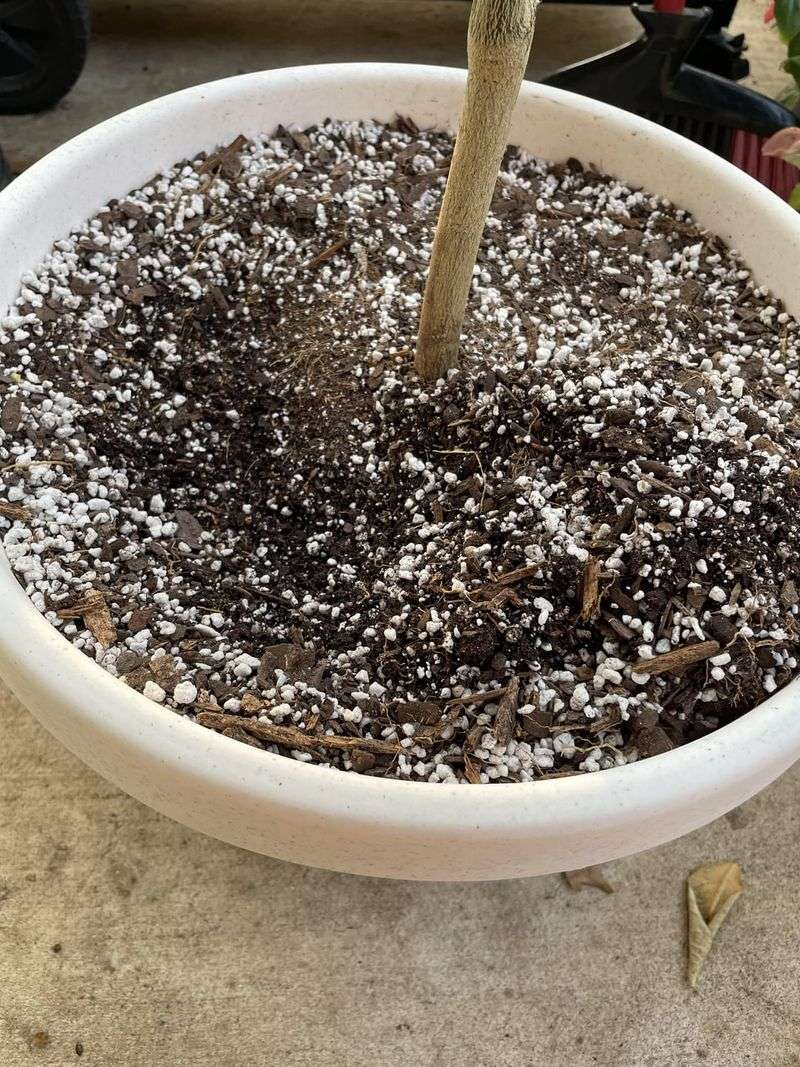
Regular all-purpose potting soil tends to hold more moisture than citrus roots prefer, especially in containers that stay outdoors in warm Pennsylvania summer weather.
Citrus roots like a mix that drains quickly, dries out at a reasonable pace between waterings, and still holds enough structure to support the root system.
A mix designed specifically for citrus or cactus and succulent plants usually has the right texture and drainage properties for container citrus.
Some Pennsylvania gardeners blend their own container mix by combining a quality potting mix with additional perlite or coarse sand to improve drainage and aeration.
The goal is a mix that feels loose and gritty rather than dense and heavy when you squeeze a handful.
A well-aerated mix allows oxygen to reach the roots between waterings, which supports healthy root function throughout the growing season.
If your citrus tree has been in the same container for two or more years, the potting mix may have broken down and compacted over time, reducing drainage and aeration.
Spring, just before moving the tree outdoors for summer, is a reasonable time to consider repotting into fresh mix if the current soil seems dense or the roots appear to be crowding the container.
Moving up one pot size rather than jumping to a much larger container helps keep the root zone from staying excessively wet after watering during Pennsylvania’s summer months.
7. Feed During Active Growth
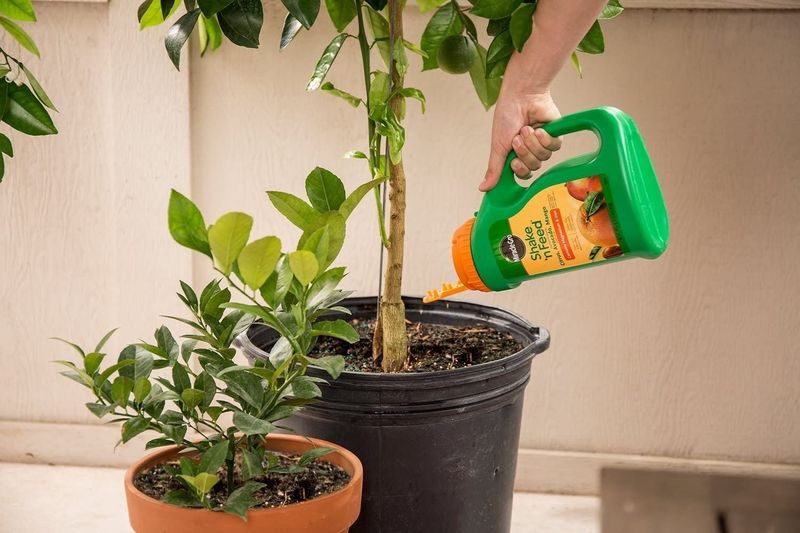
Fresh growth on a potted citrus tree is a sign that the plant is actively building new leaves, stems, and possibly flower buds, and that activity uses up nutrients that a container cannot replenish on its own.
Unlike trees planted in garden soil, container citrus depends entirely on what you add to the pot for its nutritional needs.
Summer is typically the most active growth period for citrus in Pennsylvania, making it the most important time to keep up with feeding.
Fertilizers formulated specifically for citrus tend to include nitrogen, phosphorus, and potassium along with trace minerals like iron, manganese, and zinc that citrus uses in smaller amounts.
A granular slow-release citrus fertilizer applied according to the product label can provide steady nutrition over several weeks.
Liquid citrus fertilizers applied more frequently at lower concentrations are another option that many container gardeners find easy to work into their regular watering routine.
Avoid the temptation to feed more than the label recommends, since over-fertilizing can lead to salt buildup in the container soil over time.
If you notice leaf tip burn or a white crust forming on the soil surface, flushing the container with plain water can help clear excess mineral accumulation.
Keeping feeding consistent but measured through the Pennsylvania summer growing season supports steady, healthy growth without pushing the tree past what it can comfortably manage in a container environment.
8. Inspect Leaves For Common Pests
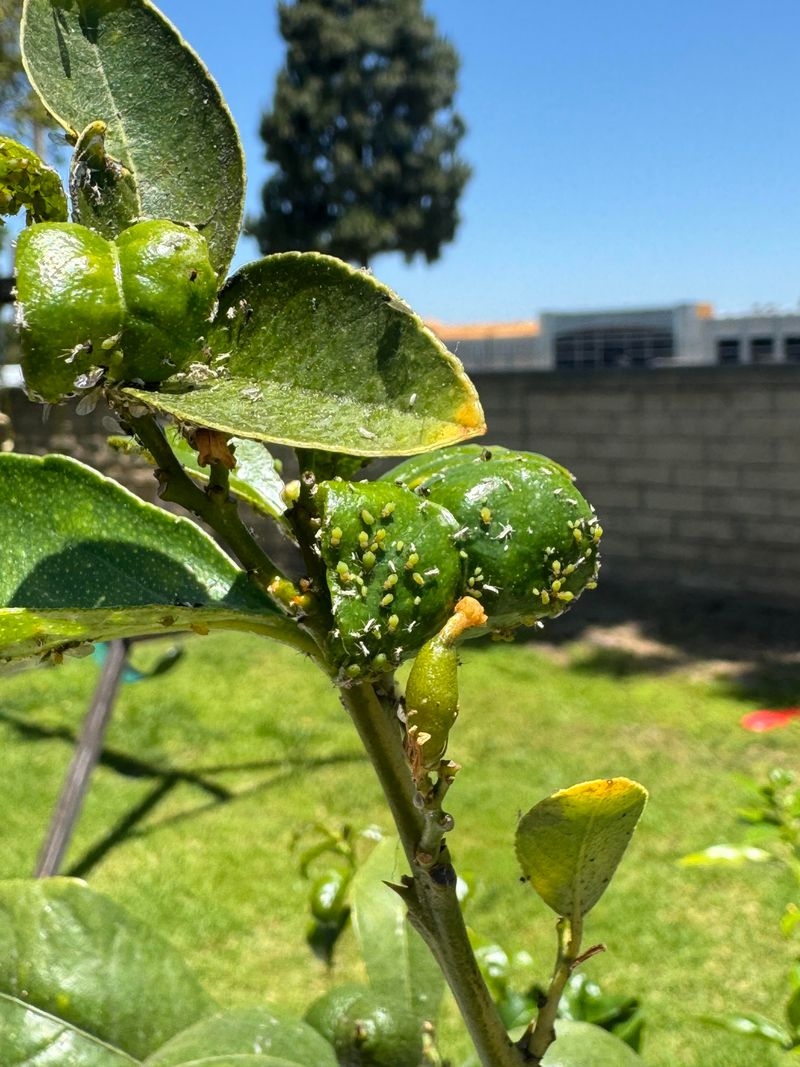
Sticky residue on the leaves or tiny insects clustered along new growth are often the first clues that a pest problem is developing on a container citrus tree.
Moving a citrus plant outdoors in Pennsylvania exposes it to a wider range of insects than it encountered indoors, and warm summer conditions can allow pest populations to build up quickly if they go unnoticed for a few weeks.
Scale insects, spider mites, citrus leafminers, and aphids are among the more common pests that show up on container citrus. Scale insects often look like small brown or tan bumps attached to stems and the undersides of leaves.
Spider mites tend to show up during hot, dry stretches and leave a fine stippled pattern on leaf surfaces. Aphids cluster on tender new growth and can cause leaves to curl or distort.
Checking the undersides of leaves regularly, especially on new growth, makes it much easier to catch these issues before they spread.
For small infestations, a strong stream of water directed at the affected areas can knock off insects without using any products.
Insecticidal soap or neem oil, applied according to label directions, are options that many home gardeners use on container citrus for moderate pest pressure.
Staying observant during weekly watering and moisture checks means you are already looking at the tree closely enough to notice early warning signs before a small pest issue becomes a larger problem on your Pennsylvania patio.