The Mulch Mistakes That Can Make Rat And Tick Problems Worse In Pennsylvania Yards
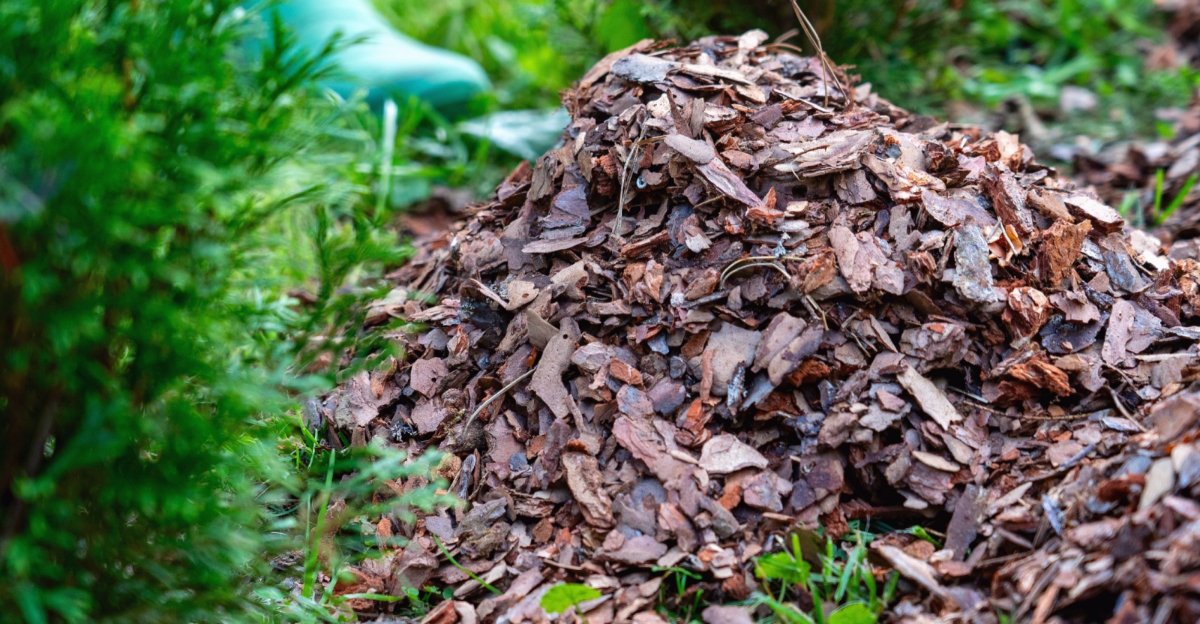
Mulch is one of those garden tools that feels like it can do no wrong. It keeps soil moist, smothers weeds, makes beds look intentional, and gives the whole yard a cleaner, more finished appearance.
Honestly, what is not to like? Quite a bit, it turns out, if you are applying it the wrong way or in the wrong spots.
Certain mulching habits create exactly the kind of dark, damp, sheltered conditions that rats and ticks find genuinely comfortable, and Pennsylvania yards, with their wooded edges, shaded foundation beds, and dense shrubs, can be especially prone to this.
Nobody puts down a fresh layer of mulch thinking they are rolling out a welcome mat for pests, but it happens more often than most homeowners realize.
A few smarter habits can change that picture considerably.
1. Piling Mulch Too Deep Around Foundations
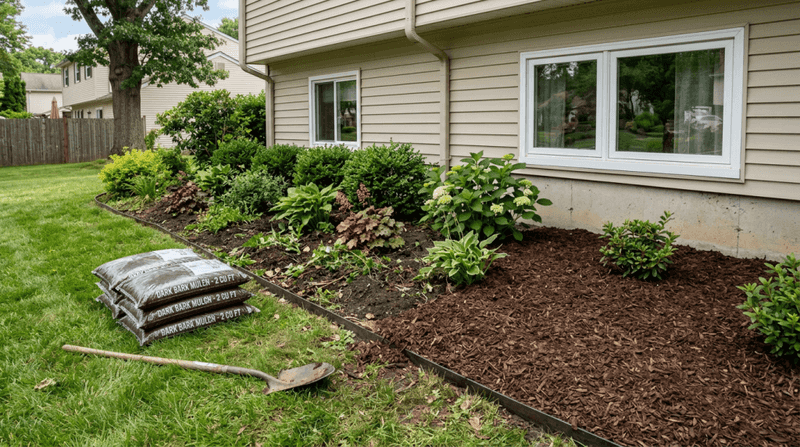
Damp mulch pressed tight against a home’s foundation is one of the more common yard habits that can quietly work against you. When mulch is piled several inches thick right up against the siding or brick, it stays wet longer than mulch spread out in an open bed.
That combination of moisture, warmth, and shelter is exactly what rats look for when scouting a nesting spot near a structure.
Pennsylvania homes with dense foundation plantings are especially prone to this issue. Thick mulch against a foundation can also give ticks a shaded, humid resting place close to where people walk in and out of the house.
Ticks generally prefer moist, shaded environments, and a deep mulch layer touching a wall can provide just that kind of cover near a high-traffic area.
A practical rule of thumb is to keep mulch a few inches away from the foundation wall itself and try to keep the depth closer to two or three inches rather than five or six. Pulling mulch back from the base of the structure allows the area to dry out between rains.
It also makes it easier to spot signs of rodent activity, like small burrow openings or disturbed soil, before a bigger problem has a chance to develop in your Pennsylvania yard.
2. Letting Leaf Litter Build Up As Mulch Near Lawn Edges
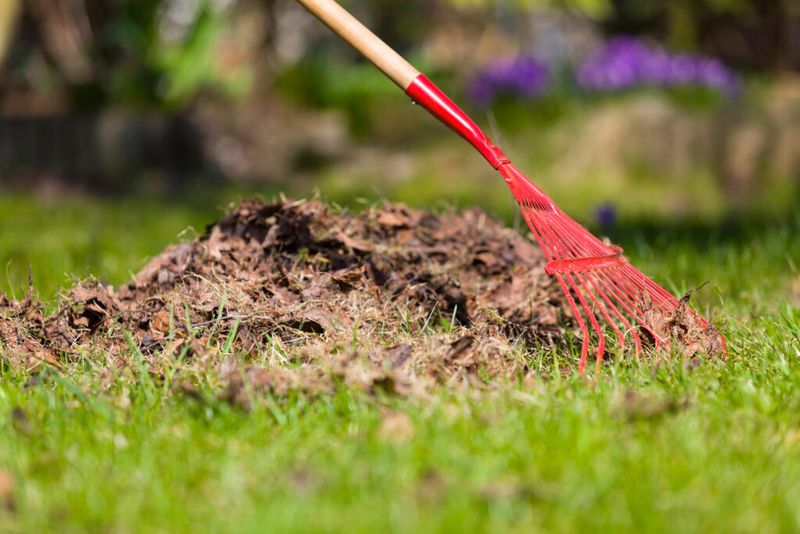
Along fence lines and lawn edges, fallen leaves have a way of collecting into thick, matted layers that homeowners sometimes leave in place as a natural mulch. It feels resourceful, and in some garden beds, a modest layer of leaves can be useful.
But when leaf litter builds up in dense, wet mats along the edges where lawn meets landscape, it creates a microhabitat that ticks find very attractive.
Ticks in Pennsylvania are strongly associated with leaf litter, shaded ground cover, and the transitional zones between maintained lawn and wilder areas.
A thick mat of decomposing leaves holds moisture well, stays cool in summer, and provides the kind of low-to-the-ground hiding spots where ticks wait for a passing host.
Rodents also tend to travel along edges and use leaf piles as lightweight cover during their daily movement patterns.
Your Pennsylvania Garden Changes Every Week. Your Plan Should Too.
Gardening in Pennsylvania changes quickly throughout the season. Every Friday you’ll receive a simple weekly plan showing exactly what to plant, prune, fertilize, harvest, and protect so you never miss the right timing.
Keeping lawn edges cleaner, especially where your yard borders a wooded area, a brushy fence line, or an unmaintained neighboring property, can reduce the amount of tick-friendly habitat right at the edge of where your family spends time.
Raking and removing leaf accumulation rather than letting it mat down is a simple habit that can make a noticeable difference.
In Pennsylvania, where fall leaf drop can be heavy, staying on top of edge cleanup through autumn is worth the extra effort for a tidier and less pest-welcoming yard.
3. Using Wet, Matted Grass Clippings As Mulch
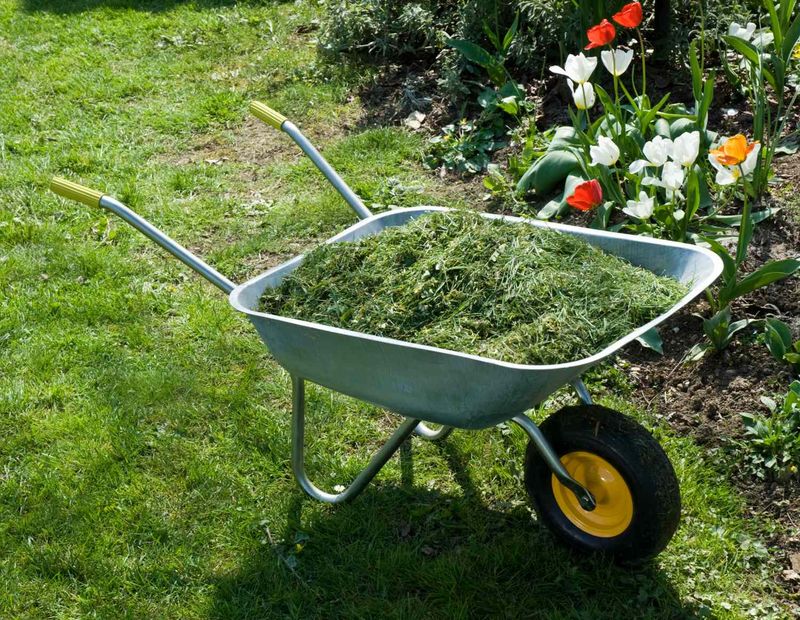
Right after mowing, a pile of fresh grass clippings might seem like a free and easy mulch option for garden beds. Clippings are organic, widely available, and break down relatively quickly, which sounds ideal.
The trouble is that grass clippings tend to mat together when applied thickly, trapping moisture underneath and creating a dense, wet layer that is slow to dry out even on warm Pennsylvania summer days.
That wet, compacted mat can become a surprisingly hospitable spot for pests. Rodents are drawn to areas where moisture and soft organic material are combined, especially near vegetable gardens or compost corners where food scraps might also be present.
Ticks, which depend on humid microclimates to survive, can also take advantage of thick, damp clippings laid against the base of plants or along bed edges.
If you want to use grass clippings in the garden, keeping the layer thin, around an inch or less, and allowing them to dry before adding more can reduce the matting problem significantly.
Mixing clippings with coarser organic material also helps with airflow.
Avoiding thick clipping applications near shed walls, fence bases, or dense shrub borders is a good habit for Pennsylvania homeowners who want to keep their mulch from becoming more of a liability than an asset through the warmer months of the growing season.
4. Spreading Straw Or Hay Thickly Near Sheds And Garden Beds

Straw mulch is popular in Pennsylvania vegetable gardens, especially around raised beds and strawberry patches, where it helps keep soil temperatures steady and reduces mud splash on low-growing crops.
It works well in many situations, but spreading it thickly near sheds, garage walls, or cluttered garden corners can introduce a different kind of problem worth thinking about before you apply another bale.
Thick straw and hay are materials that rats and mice find genuinely useful for nesting.
Loose, dry straw is soft, insulating, and easy to pull apart, which makes it an appealing building material for rodents looking to set up a sheltered nest near a food source like a vegetable bed or a compost bin.
Sheds with gaps in the siding or foundation are especially vulnerable when surrounded by deep straw mulch that provides both cover and nesting material close to an entry point.
Ticks can also use thick straw layers near brushy or shaded shed surroundings as a humid resting spot, particularly when the straw stays damp after rain.
Keeping straw applications to a reasonable depth, around two to three inches, and pulling it a few inches away from shed walls and fence posts can reduce how inviting those areas feel to both rodents and ticks.
In Pennsylvania gardens, a little straw goes a long way toward helping plants without going overboard in pest-sensitive spots.
5. Keeping Damp Organic Mulch Against Dense Shrubs

Dense shrubs with low-hanging branches create a naturally shaded and sheltered zone at ground level that stays protected from sun and wind.
When thick organic mulch is kept wet and packed tightly against those shrubs, the environment underneath can stay surprisingly humid and cool even during dry spells.
That combination of shade, moisture, and ground-level cover is a setup that ticks tend to favor.
In Pennsylvania yards, foundation shrub beds are some of the most common places where mulch stays damp because the dense canopy of branches limits sun exposure and airflow near the soil.
Ticks that quest for hosts from low vegetation or leaf litter can find these shrub borders very accommodating, especially when they are located close to where people walk along a path, step off a porch, or move between the driveway and the front door.
Rodents also use dense shrub borders as travel corridors, moving along sheltered edges close to structures where they feel less exposed.
Keeping mulch slightly pulled back from the base of shrubs, thinning out overgrown branches to improve airflow, and allowing the mulch surface to dry out between waterings or rain events can reduce how pest-friendly these areas become.
Choosing a coarser mulch that drains and dries faster than fine, compacted wood mulch can also help.
Pennsylvania homeowners with established shrub borders benefit most from paying attention to how much moisture is staying trapped near the base of those plants through the spring and summer seasons.
6. Mulching Right Up To Brushy Or Wooded Edges Without A Dry Barrier
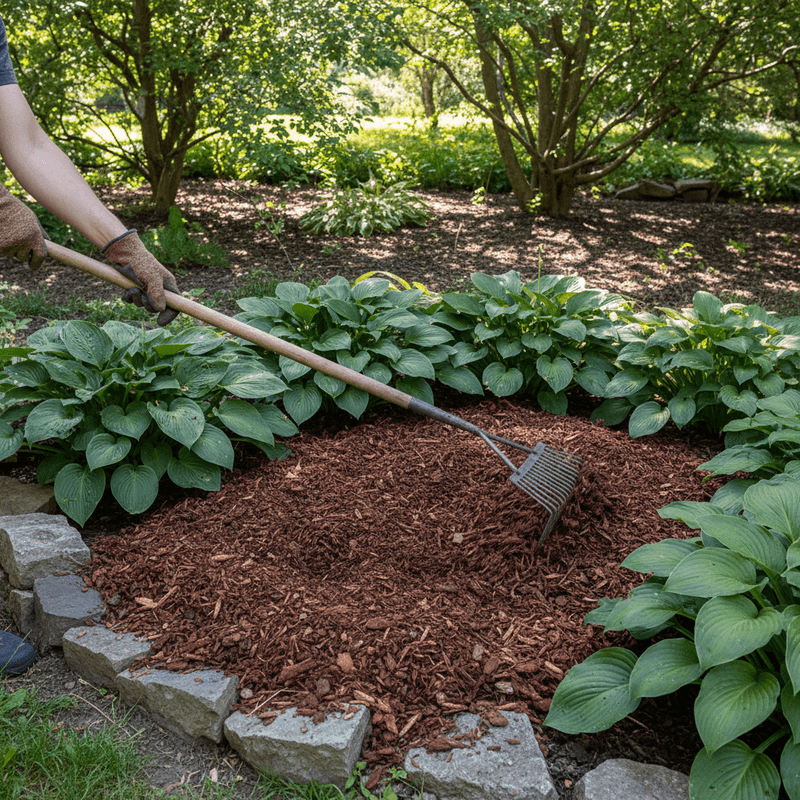
Where a Pennsylvania yard meets a wooded or brushy edge, the transition zone is one of the most tick-active areas on a typical residential property.
Ticks associated with wooded areas tend to concentrate at the edges where vegetation changes, which is exactly where many homeowners extend their mulched beds to create a finished look along the back of the yard.
Bringing organic mulch right up to that wooded edge without any kind of dry or open barrier can effectively connect the tick habitat of the woods with the maintained areas of the yard.
Some tick-aware landscape guidance suggests creating a buffer of dry wood chips, gravel, or a mowed strip between the lawn and any wooded or brushy border.
The idea is that ticks prefer moist, shaded environments and are less likely to cross a dry, sunny, open strip to reach the lawn area.
This does not mean every mulched bed near a wooded edge creates a serious problem, but being thoughtful about material choice and depth is worth considering for Pennsylvania properties that back up to woods, overgrown fields, or brushy fence lines.
Adding a dry barrier between mulched beds and those wilder zones is a simple step that can make a meaningful difference in how welcoming the transition area feels to unwanted visitors.
Keeping the edge area well mowed, removing brush piles, and avoiding deep organic mulch right at the wooded border are practical steps that can make the transition zone a little less welcoming to ticks moving from wooded cover toward the yard.
7. Leaving Mulch Piles Sitting In The Yard
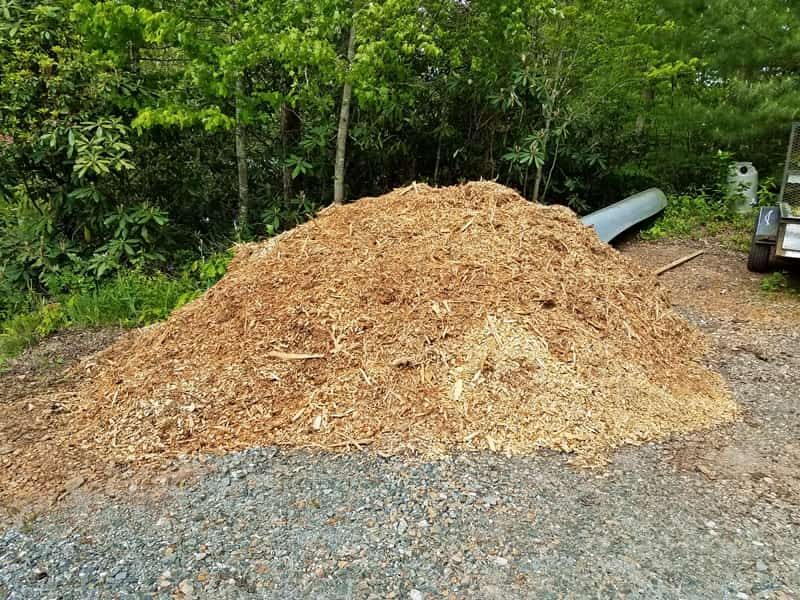
Beside driveways, near sheds, or tucked into a corner of the yard after a landscape delivery, mulch piles have a way of sitting longer than originally planned.
A pile of wood chips or bark mulch that gets rained on and left in place for weeks becomes a different kind of material than fresh, dry mulch spread thinly across a bed.
It starts to break down, hold heat, retain moisture, and develop the kind of interior environment that rodents find genuinely useful.
Rats and mice are attracted to large, undisturbed organic piles that offer warmth, shelter, and soft material for nesting.
A mulch pile sitting near a fence, a shed wall, or a garden edge in a Pennsylvania yard can become a temporary shelter point, especially if there are food sources like a vegetable bed, bird feeder, or compost bin nearby.
Ticks can also find large, shaded organic piles to be a reasonably humid resting spot.
Spreading mulch promptly after delivery, rather than letting it sit in a pile, is one of the simpler habits that can reduce this risk.
If you need to store mulch temporarily, keeping the pile as small as possible, away from structures, and covered with a tarp to limit moisture absorption can help.
Pennsylvania homeowners who order mulch in bulk each spring benefit from having a plan to use it quickly rather than letting it become a long-term yard fixture.
8. Using Mulch To Hide Clutter Instead Of Clearing It
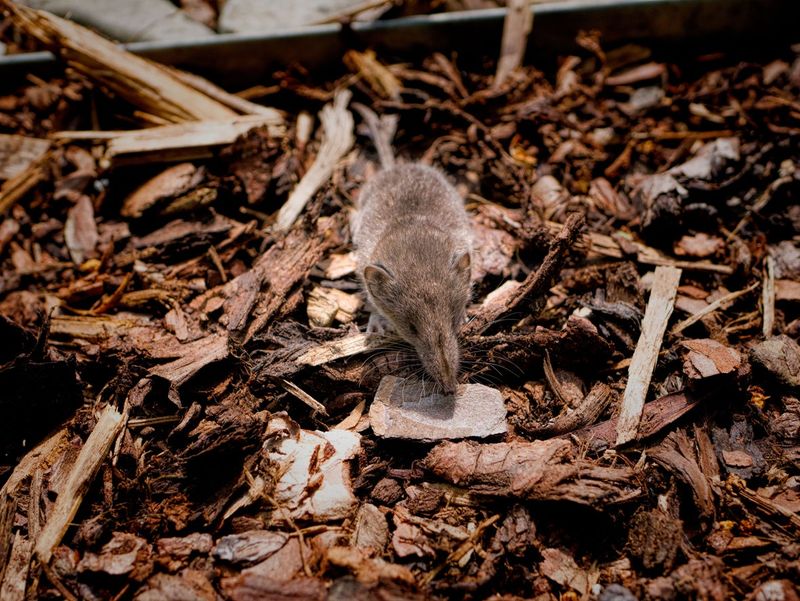
Spreading mulch over a cluttered corner of the yard instead of clearing out what is underneath is a shortcut that can create more problems than it solves.
Old boards, broken pots, scrap wood, garden hoses, and forgotten yard tools all become harder to see once mulch is spread over and around them, but the clutter is still there, and now it has added cover on top of it.
Rodents are strongly attracted to cluttered areas where they can move around under cover, nest in undisturbed materials, and stay close to shelter without being easily spotted.
A mulched area that conceals debris near a shed, fence, or garden edge in a Pennsylvania yard can quietly become a very comfortable spot for rats or mice to settle in, especially if there is a food source nearby like a vegetable garden or an outdoor pet feeding station.
Ticks also benefit from cluttered, shaded ground-level environments where moisture collects and organic material accumulates.
Clearing out the clutter before applying mulch, rather than burying it, gives you a much cleaner and less pest-attractive foundation to work with.
Stacking firewood away from the house, removing old materials from garden corners, and keeping shed perimeters clear are all habits that make Pennsylvania yards feel tidier and give pests fewer hidden places to settle in.
Those sanitation habits work alongside smarter mulching choices rather than replacing them, and the combination tends to produce better results regardless of how much or how little mulch you decide to apply afterward.