This Elegant Ornamental Grass Is Taking Over Pennsylvania Gardens For Good Reason
Ornamental grasses have been having a moment in Pennsylvania gardens, and one native in particular has been showing up in yards, landscape designs, and garden center conversations with increasing frequency for reasons that become obvious the moment you see it performing through all four seasons.
This is not a grass that coasts on novelty or requires a specific design style to work.
It fits into naturalistic plantings and more structured borders with equal ease, brings movement and texture that few other plants can match.
It also transitions through the seasons in a way that keeps it interesting from the moment it pushes up in spring to the point where its winter form is standing upright in January catching the low afternoon light.
Pennsylvania’s climate suits it exceptionally well, and once it is established it handles drought, poor soil, and heat with a self-sufficiency that makes it one of the lower-maintenance plants in the entire garden.
The enthusiasm around this grass is well-founded, and it is only growing.
Meet Switchgrass
Not every garden plant earns a loyal following across an entire state, but switchgrass has done exactly that. Panicum virgatum is a native North American grass that grows naturally in meadows, prairies, and open woodlands.
Pennsylvania gardeners have been planting it in growing numbers, and once you see it up close, the reason becomes obvious.
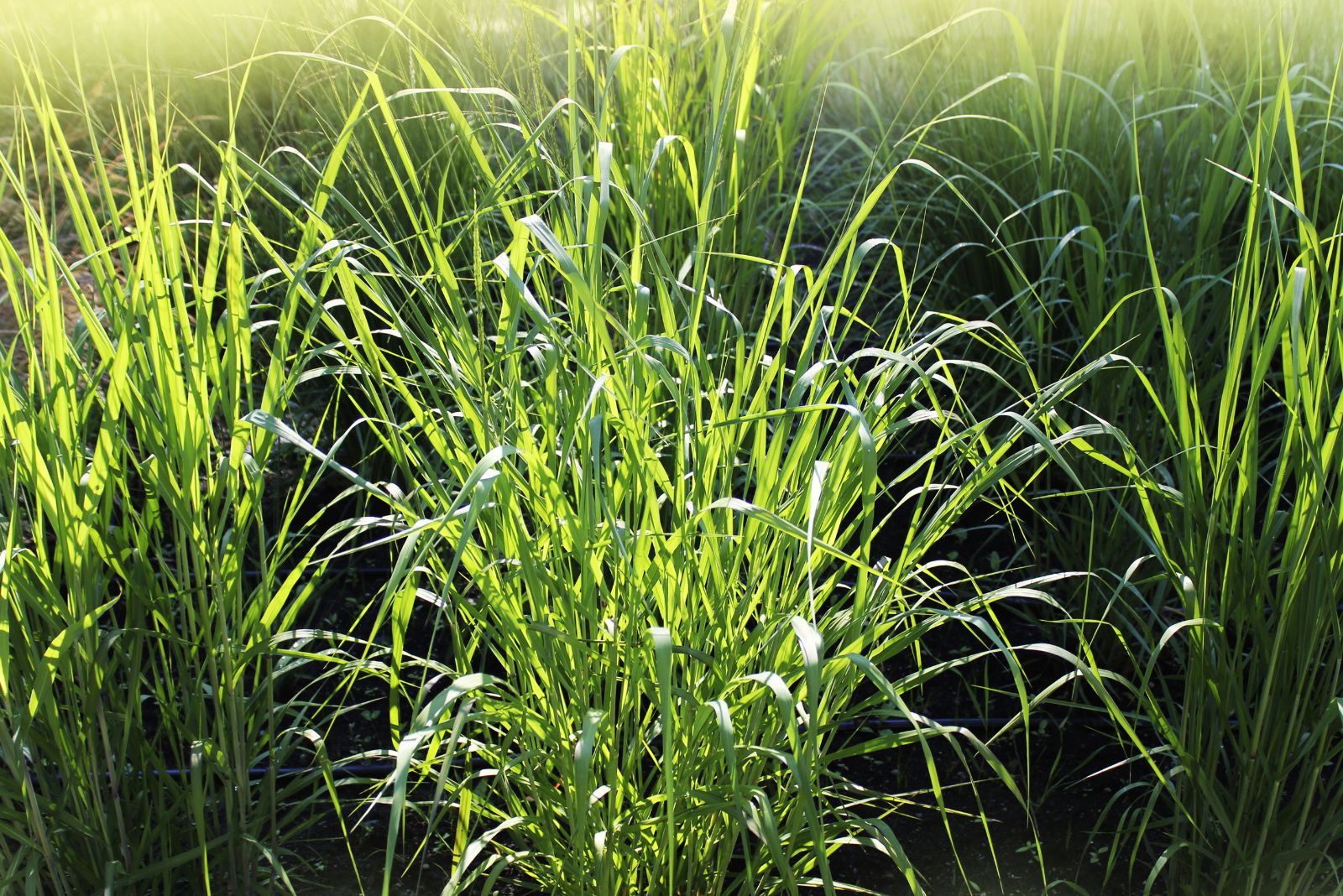
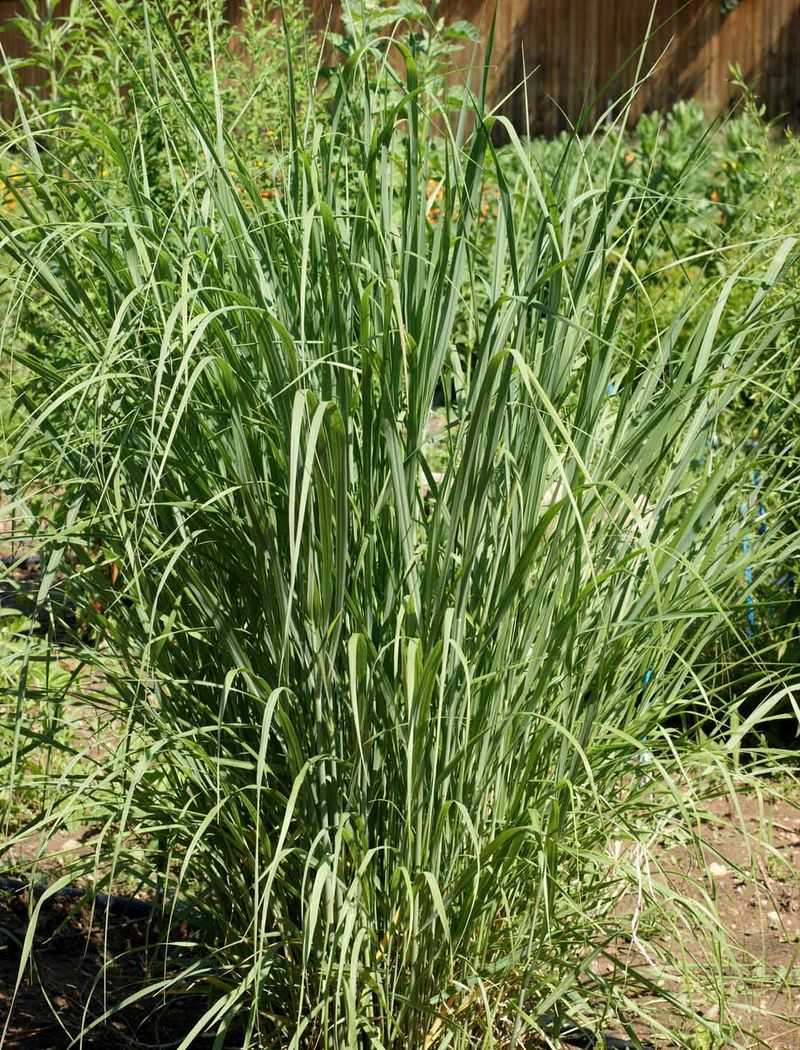
Switchgrass grows in a tight, upright clump that can reach anywhere from three to six feet tall, depending on the variety. Its stems are sturdy and straight, giving the plant a clean, architectural look in the garden.
Even without flowers, the plant earns its place just through its form and posture. What really makes switchgrass special is what happens as the seasons change. In late summer, the plant sends up clouds of tiny, airy seed heads that seem to float above the foliage.
These delicate plumes catch the light beautifully in the morning sun. They give the garden a soft, natural texture that is hard to replicate with any other plant.
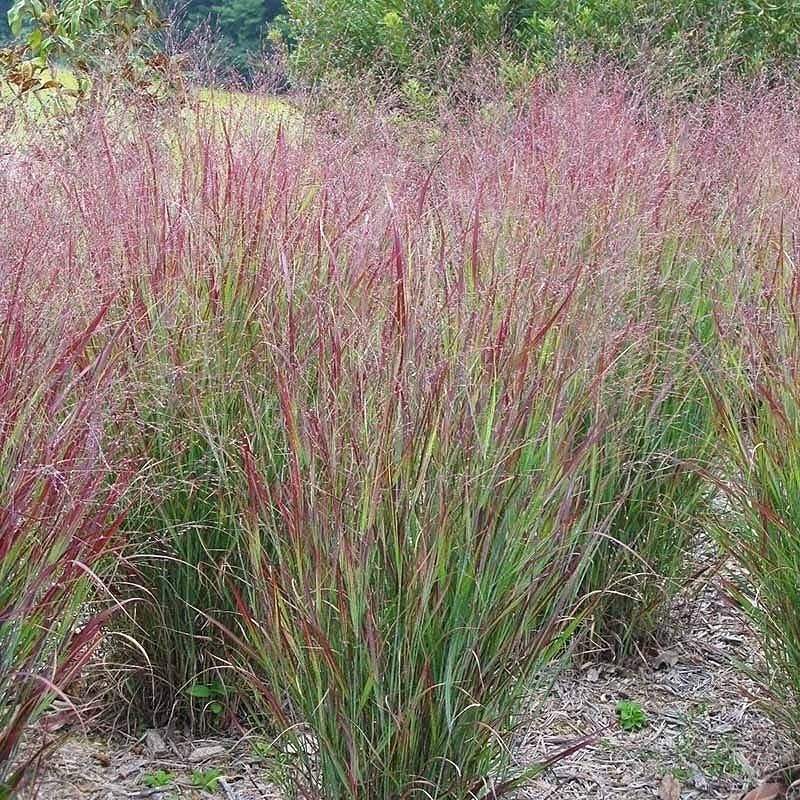
By fall, the foliage shifts from green to warm shades of gold, orange, and red. Some varieties even take on a deep burgundy tone.
The plant holds its shape through winter, standing tall even under light snow, giving the garden structure when most other plants have disappeared.
There are many named varieties available today, including Shenandoah, Heavy Metal, and Northwind. Each one has slightly different height, color, and habit.
With so many choices, it is easy to find one that fits your garden perfectly. Switchgrass is truly a four-season plant worth knowing.
Adapted To Pennsylvania Gardens
Pennsylvania has a lot going on weather-wise. Summers can get hot and humid. Winters bring freezing temperatures and heavy snow. Spring and fall are unpredictable.
Many garden plants struggle with this kind of variety, but switchgrass handles it all without complaint.
One reason switchgrass thrives so well here is that it is native to this region. It evolved alongside Pennsylvania’s climate and soil conditions over thousands of years.
Your Pennsylvania Garden Changes Every Week. Your Plan Should Too.
Gardening in Pennsylvania changes quickly throughout the season. Every Friday you’ll receive a simple weekly plan showing exactly what to plant, prune, fertilize, harvest, and protect so you never miss the right timing.
That means it already knows how to handle the local weather. You are not forcing a foreign plant to adapt. You are simply giving a native plant room to do what it does naturally.
Pennsylvania soils range from heavy clay to sandy loam, and switchgrass grows in all of them. It tolerates wet spots near drainage areas and also handles dry, rocky hillsides.
This flexibility makes it useful in spots where other plants give up. Many homeowners use it in areas that are hard to maintain, like slopes or low-lying corners of the yard.
Switchgrass grows well in full sun, which is where it looks its best. However, it also handles part shade without much trouble.
You might notice slightly less vibrant fall color in shadier spots, but the plant still grows strong and fills in nicely. That sun tolerance range gives gardeners a lot of flexibility when planning a planting layout.
USDA hardiness zones 5 through 9 cover most of Pennsylvania, and switchgrass fits comfortably within that range. It is cold-hardy, reliable, and consistent from year to year.
Once established, it comes back every spring without fail, making it a dependable long-term addition to any Pennsylvania yard.
Low-Maintenance Appeal
Busy homeowners, take note. Switchgrass might be the most low-effort ornamental plant you can put in your yard.
Once it gets established in its first season, it requires very little attention to stay healthy and look great. That kind of reliability is rare in the gardening world.
Watering is minimal once the roots settle in. Switchgrass has deep root systems that can reach down several feet into the soil.
Those deep roots help the plant find moisture even during dry stretches in summer. You might water it a few times during its first year, but after that, rainfall alone usually keeps it going strong.
Fertilizer is rarely needed. In fact, too much fertilizer can make switchgrass grow floppy and fall over.
The plant prefers lean soil and does not need the extra boost that many garden plants demand. Skip the fertilizer and let it grow on its own terms. You will get a sturdier, more upright plant as a result.
Pests and diseases are not a major concern with switchgrass. It has natural resistance to most common garden insects and fungal problems.
You will not need to spray it with anything or treat it regularly. That makes it a great choice for gardeners who prefer organic or chemical-free landscapes.
The only real maintenance task is cutting it back in late winter or early spring. Before new growth starts, trim the old stems down to about four to six inches from the ground.
That one simple step refreshes the plant and gives it a clean start for the season. A pair of garden shears or a string trimmer makes the job quick and easy.
Wildlife Benefits
A garden that supports wildlife is a garden that feels alive. Switchgrass does more for local animals than almost any other ornamental plant you can grow.
From birds to butterflies to small mammals, the plant offers food, shelter, and habitat all in one tidy clump.
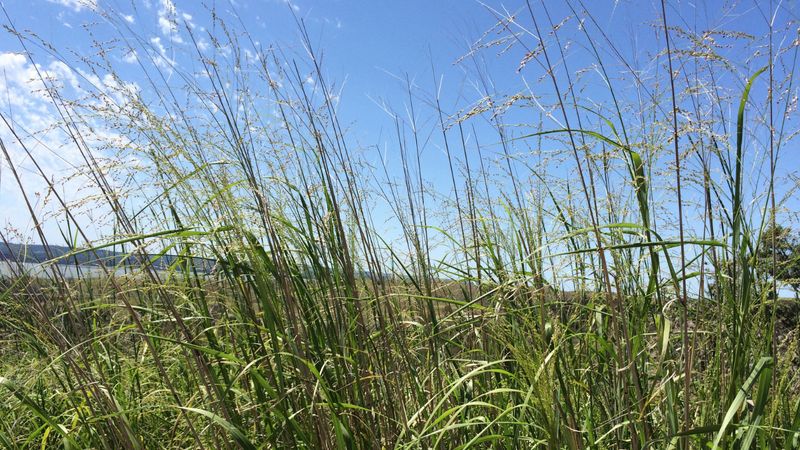
The seed heads that form in late summer are a major food source for birds. Sparrows, juncos, finches, and other seed-eating birds flock to switchgrass in fall and winter.
They pick the tiny seeds right off the stems. If you leave the plant standing through winter instead of cutting it back in fall, you essentially create a free bird feeder in your own yard.
Dense clumps of switchgrass also provide excellent ground-level cover. Small mammals like rabbits and voles use the thick base of the plant for shelter.
Ground-nesting birds may also take advantage of the cover it provides. In a world where natural habitat is shrinking, even a few clumps of native grass in a backyard can make a real difference for local wildlife populations.
Switchgrass also supports insects that many people overlook but that are critically important to the ecosystem. Several native bee species and skipper butterflies use switchgrass as a host plant.
Caterpillars feed on the leaves, and those caterpillars eventually become food for birds raising their young. The whole food web benefits when native plants like switchgrass are part of the landscape.
Choosing switchgrass is a simple way to make your garden a more welcoming place for nature. You get beauty and ecological value at the same time, which is a combination that is hard to beat in any yard.
Seasonal Interest
Most plants look great for one season and then fade into the background. Switchgrass is a rare exception.
It delivers something worth looking at in every single season, which makes it one of the most valuable plants you can add to a Pennsylvania garden.
Spring is when the fresh green shoots emerge from the ground. The new growth is bright and clean, giving the garden an energetic feel after a long winter.
The clump fills in quickly and reaches its full height by midsummer. Some varieties, like Shenandoah, develop hints of red even during the warmer months, which adds color before fall even arrives.
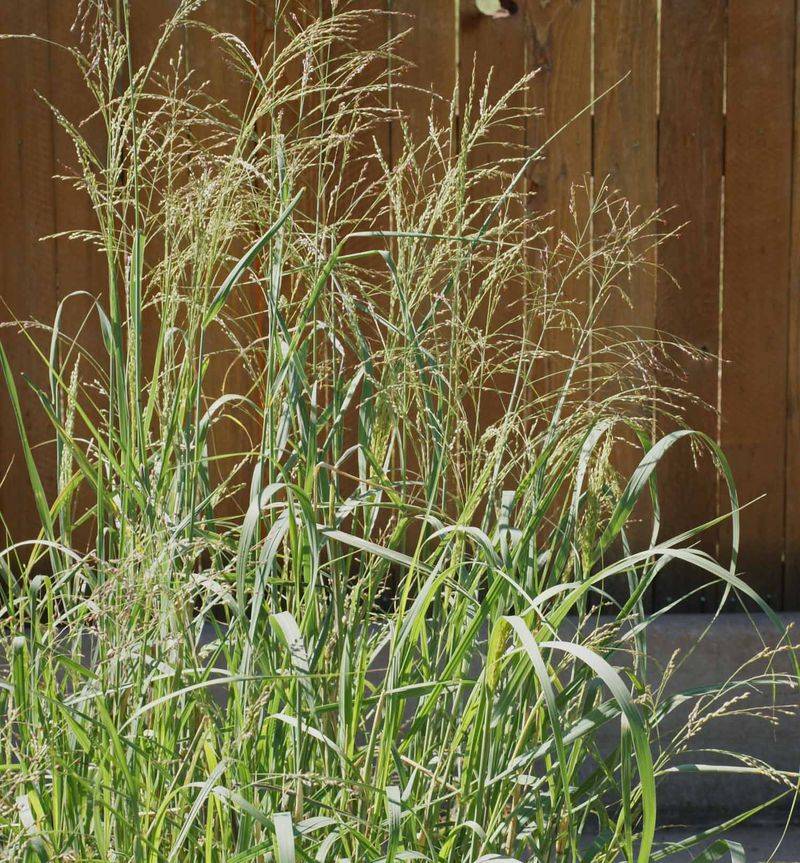
Summer brings the airy seed heads that are one of switchgrass’s most beloved features. The tiny blooms rise above the foliage on thin, branching stems.
They catch the light in a way that makes the whole plant glow, especially in late afternoon sun. The movement of those seed heads in a breeze adds life and rhythm to any garden space.
Fall is when switchgrass truly steals the show. The foliage turns shades of gold, copper, and red that rival even the most colorful trees.
Planted in a border or massed together in a meadow-style garden, switchgrass in autumn is genuinely breathtaking. It pairs beautifully with late-season perennials like asters and rudbeckia.
Winter is where most ornamental grasses earn their keep by simply staying upright. Switchgrass holds its structure through cold temperatures and stands tall against a snowy backdrop.
The bleached tan stems and seed heads create a quiet, sculptural beauty that reminds you something wonderful is waiting just under the surface for spring.
Landscaping Uses And Planting Tips
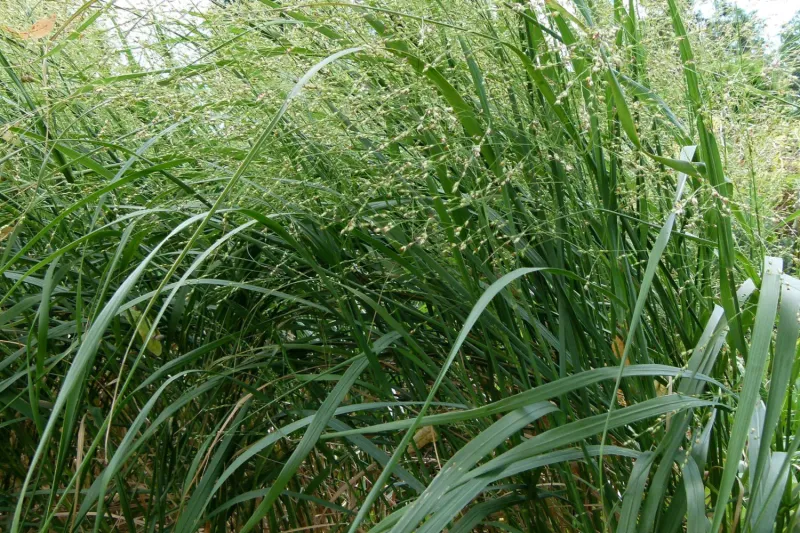
Switchgrass is one of those plants that landscape designers love because it works in so many different situations. Whether you want a formal border, a naturalized meadow, or a simple accent planting near your front door, switchgrass fits the role beautifully.
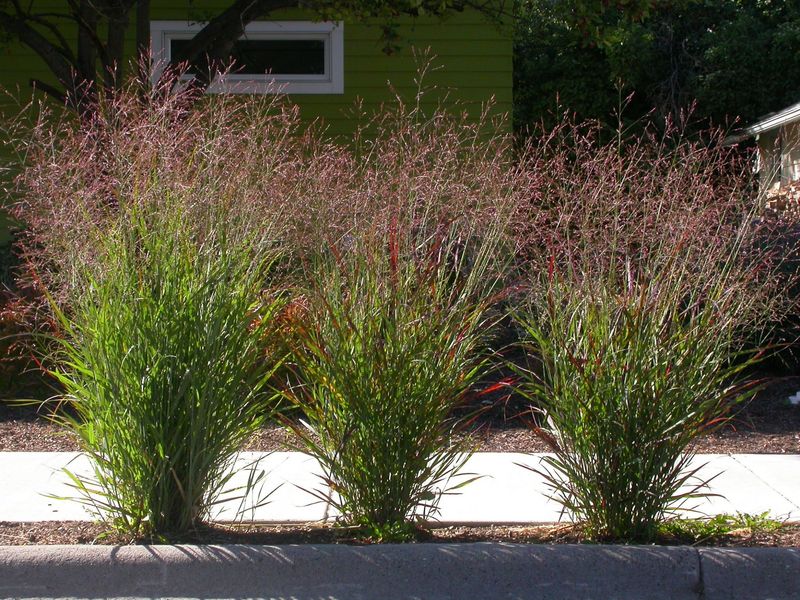
Its upright form and graceful texture make it easy to work with in almost any design style. For borders, plant switchgrass in groups of three or five clumps for the most natural look. Odd numbers tend to look less stiff and more organic in a garden setting.
Space each clump about three to four feet apart to give the plants room to spread slightly without crowding each other. That spacing also allows air to circulate, which keeps the plants healthy.
Switchgrass works especially well when paired with native perennials. Try planting it alongside coneflowers, black-eyed Susans, wild bergamot, or native asters.
These plants bloom at different times throughout the season, so you get continuous color and texture from late spring all the way through fall. The combination also creates excellent wildlife habitat, which is a bonus for any garden.
For a naturalized or meadow-style area, mass plantings of switchgrass create a stunning visual effect. Plant them in large groups and let them fill in over time.
This approach works well on slopes, along property edges, or in areas that are hard to mow regularly. It reduces maintenance while looking intentional and designed.
When planting, choose a spot with well-drained soil and at least six hours of sun per day. Water regularly during the first growing season to help roots establish.
After that first year, your switchgrass will be ready to thrive on its own for many seasons ahead.