Fast-Growing Trees That Actually Survive North Carolina Coastal Wind And Sandy Soil
Coastal North Carolina properties present a tree-growing challenge that no amount of enthusiasm fully prepares you for until you have watched a poorly chosen species struggle through its first summer and come out looking worse for it.
Sandy soil drains so fast that drought stress sets in quickly after planting, salt air adds persistent stress to foliage and bark, and wind exposure on coastal lots is categorically different from what inland trees experience.
Most fast-growing tree recommendations fall apart in these conditions because they were developed for sites that bear no resemblance to a coastal North Carolina yard.
The trees covered here were selected specifically because they establish quickly and hold up through the actual conditions that coastal properties in this state deliver across all four seasons.
1. Southern Wax Myrtle
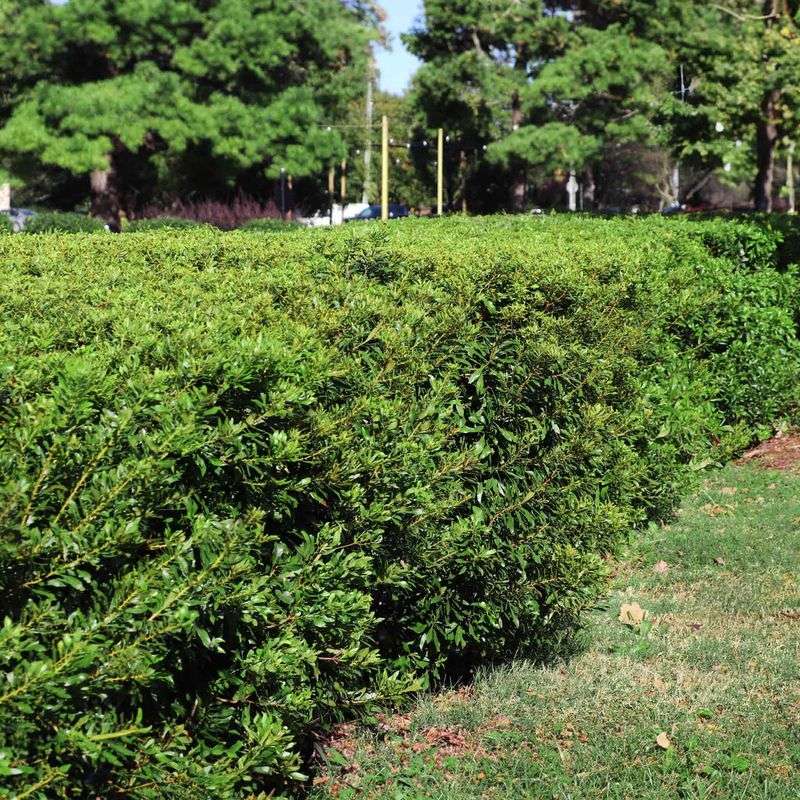
Few plants earn their place in a coastal yard quite like southern wax myrtle.
This native evergreen grows fast, sometimes putting on several feet of new growth in a single season, and it handles sandy soil, salt spray, coastal wind, and occasional flooding without much complaint.
Once it gets established, it can even push through short dry spells without extra watering.
Wax myrtle works beautifully as a small tree, a layered privacy screen, or a coastal border planting. Its aromatic gray-green leaves stay on year-round, giving you reliable coverage in every season.
Birds absolutely love it too, especially during winter when its waxy blue-gray berries are ripe and ready.
One thing to keep in mind is that wax myrtle has a natural tendency to sucker and spread outward, forming loose colonies over time.
That spreading habit is actually useful in large naturalized spaces or coastal buffer zones, but it can get out of hand in a tidy formal garden.
Planting it where you have room to let it do its thing makes management much easier.
With minimal care and maximum resilience, southern wax myrtle is one of the smartest choices for any North Carolina coastal property looking for fast results with a native plant.
2. Yaupon Holly
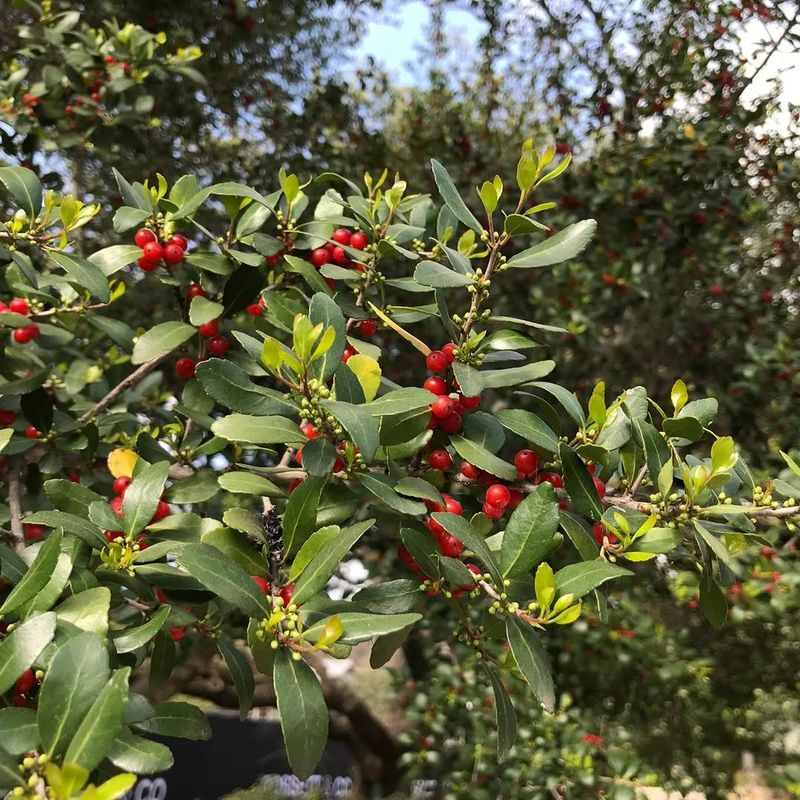
Yaupon holly might just be the toughest small evergreen tree you can plant along the North Carolina coast.
It grows quickly, keeps its glossy green leaves year-round, and handles just about everything coastal life throws at it, including salt spray, sandy soil, drought, occasional flooding, strong wind, and even deep shade.
Very few trees can claim that kind of flexibility. Gardeners love yaupon holly for screens, hedges, and property-edge plantings because it responds so well to pruning.
You can shape it into a tidy formal form or let it grow into a more natural layered canopy.
Female plants produce clusters of small red or yellow berries that birds find irresistible through fall and winter, which adds another layer of value to an already impressive tree.
One practical note worth remembering is that spacing matters when you plant yaupon holly near structures.
It works best when given enough room to reach its full mature width without crowding buildings or fences.
Choosing the right cultivar from the start saves a lot of trimming work later, since mature sizes vary from compact forms under six feet to larger specimens reaching twenty feet or more.
Your North Carolina Garden Changes Every Week. Your Plan Should Too.
Gardening in North Carolina changes quickly throughout the season. Every Friday you’ll receive a simple weekly plan showing exactly what to plant, prune, fertilize, harvest, and protect so you never miss the right timing.
For coastal North Carolina properties that need a dependable, low-fuss evergreen with real staying power, yaupon holly consistently delivers season after season.
3. River Birch
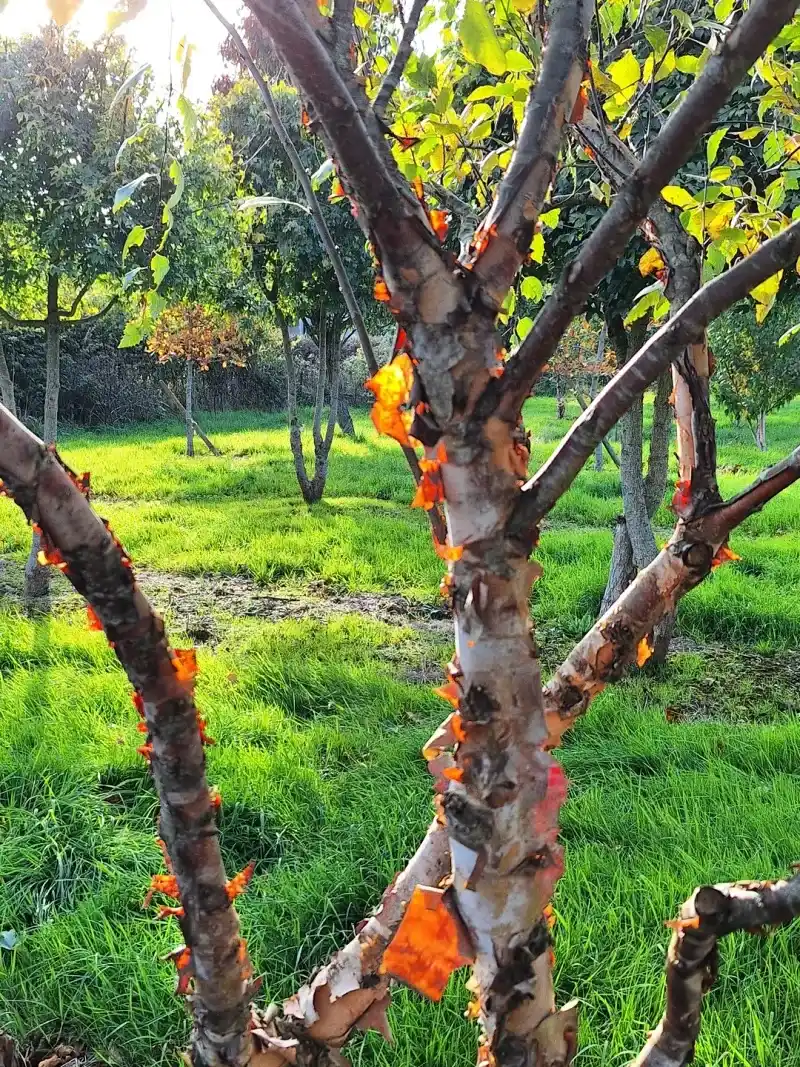
There is something genuinely eye-catching about a river birch. Its peeling, cinnamon-colored bark stands out in any landscape, and watching it flutter in a coastal breeze gives a yard a lively, natural energy that most trees simply cannot match.
Beyond good looks, river birch grows fast and brings real substance to the right spot in a coastal North Carolina yard.
The key phrase there is “the right spot.” River birch performs best in moist to occasionally wet sandy soil, making it a natural fit for rain gardens, low-lying areas, swales, pond edges, and naturalized corners of the yard where water tends to collect.
It handles those damp conditions better than almost any other fast-growing tree, and its roots help stabilize soil in areas prone to erosion.
Where river birch struggles is in dry, loose dune sand or tight foundation beds close to a house.
Planting it in those situations sets it up for a tough time, so matching it to the right location really is the most important decision you will make.
When you give it a moist, open spot with room to grow, river birch can reward you with dramatic seasonal interest, excellent wildlife habitat, and a canopy that fills in faster than you might expect.
It is a genuinely rewarding tree when planted thoughtfully.
4. Crape Myrtle
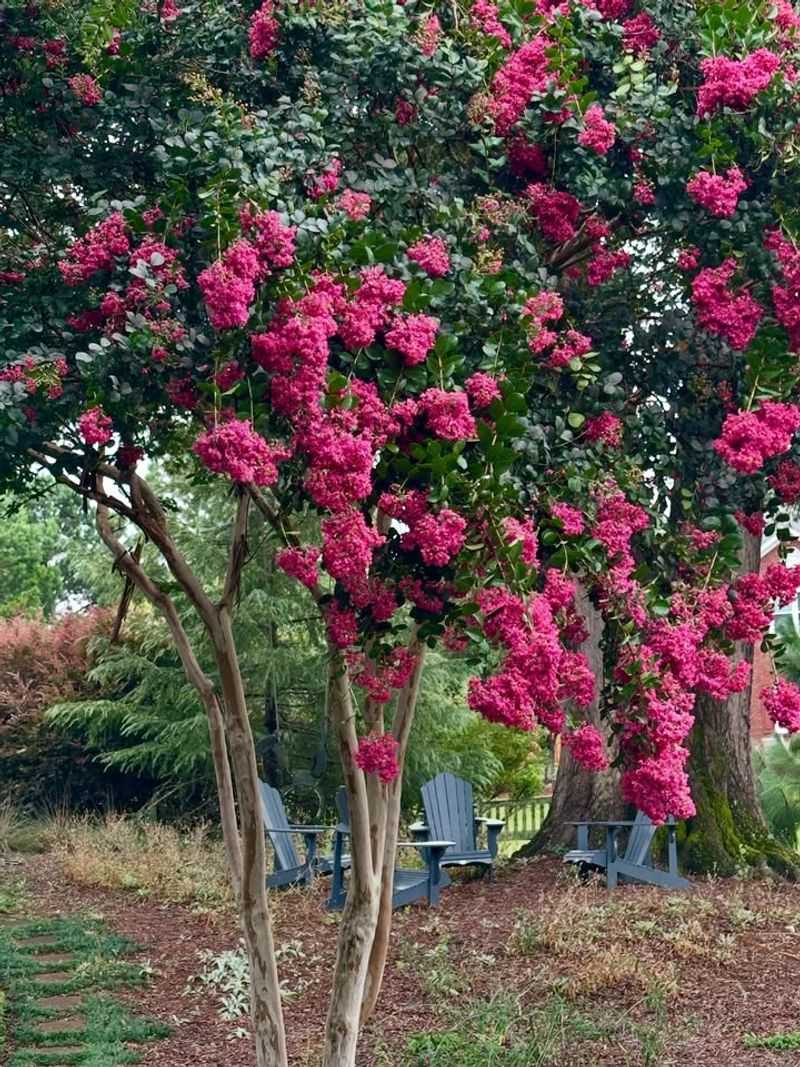
Summer along the North Carolina coast gets a serious upgrade when crape myrtles are in bloom.
These fast-growing small trees put on one of the most colorful shows of the warm season, covering themselves in clusters of pink, red, white, or lavender flowers from midsummer well into fall.
And beyond the beauty, they bring real toughness to the right coastal setting. Crape myrtle thrives in full sun and well-drained soil, which makes it a natural match for many coastal Carolina yards.
Extension research consistently lists it among the wind-resistant small trees suitable for coastal areas, and its relatively shallow, flexible root system helps it handle gusts without much drama.
It grows quickly once established, often adding several feet of height per season in good conditions. The most important thing to know is placement.
Crape myrtle performs best in protected coastal yards with good air movement, away from the direct salt blast of an oceanfront exposure.
Harsh, unfiltered salt wind can stress the foliage, so a bit of natural buffer from other plantings or structures makes a real difference.
Choosing the right mature size upfront also matters enormously. Compact cultivars stay manageable without heavy pruning, while larger varieties need generous space.
Pick the right size for your spot and this tree will reward you with decades of brilliant seasonal color.
5. Eastern Red Cedar
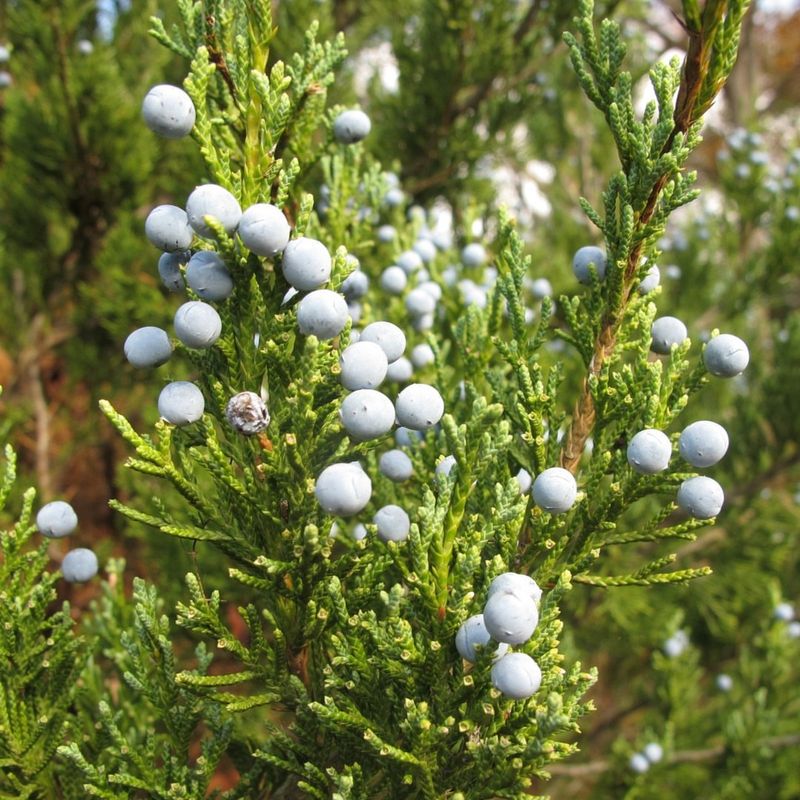
Eastern red cedar has been growing along the North Carolina coast for centuries, and there is a very good reason for that.
This native evergreen is genuinely tough, handling sandy soil, occasional drought, coastal wind, salt exposure, and full sun with the kind of quiet reliability that gardeners come to deeply appreciate over time.
It is the kind of tree that just keeps going, season after season, without demanding much in return. One of its best uses in coastal landscapes is as a natural screen or windbreak.
Its dense, dark green foliage holds year-round, creating a solid visual barrier and a buffer against prevailing coastal winds.
Wildlife value is another strong point, since cedar berries support dozens of bird species through the fall and winter months when other food sources get scarce.
Honestly, eastern red cedar is not the fastest tree on this list, especially when planted in very poor sandy soil where growth can be slower in the early years.
Patience pays off though, because once it gets going, it becomes one of the most dependable trees in the landscape.
One heads-up for gardeners who also grow apples or crabapples nearby: eastern red cedar can be involved in the spread of cedar-apple rust, a fungal issue that affects both plants.
Keeping that in mind when choosing planting locations helps you avoid future headaches.
6. Bald Cypress
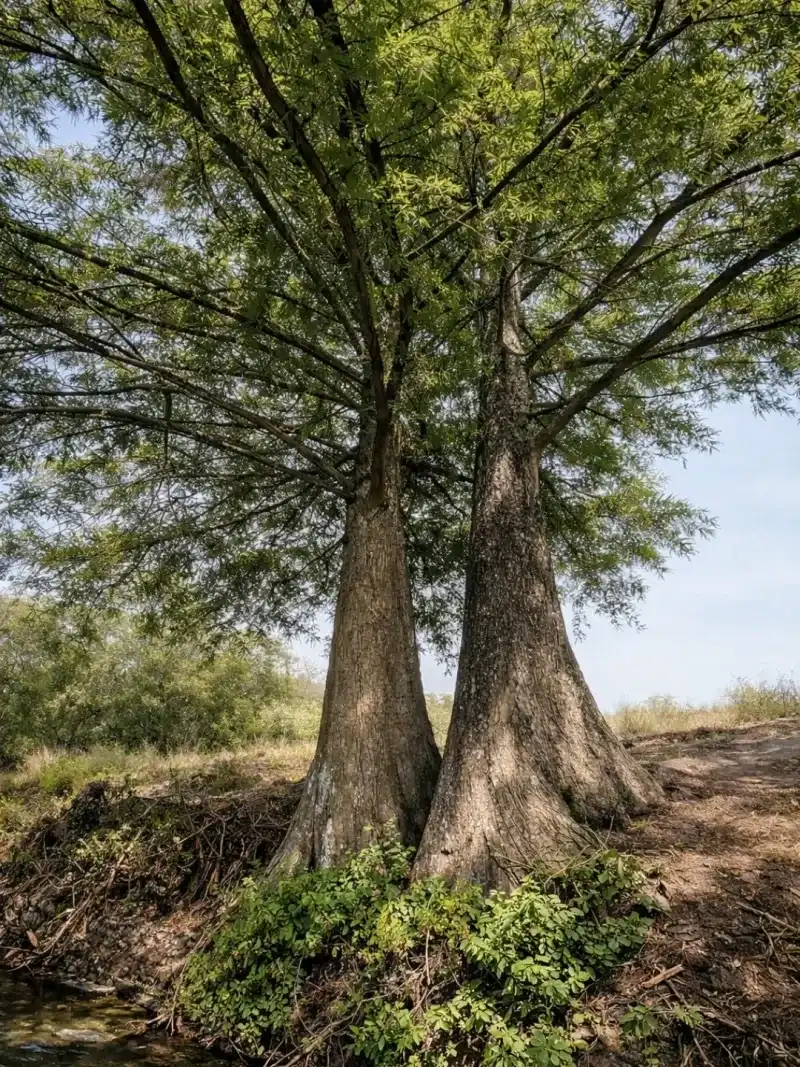
Bald cypress is one of those trees that seems almost prehistoric in the best possible way.
Its feathery, soft green foliage and the strange woody knees that rise from its roots near water give it a character unlike anything else in the landscape.
For coastal North Carolina properties with wet or low-lying ground, it is genuinely hard to beat.
This tree loves moist, acidic, sandy soil and handles standing water and extended flooding better than nearly any other large tree you could choose.
That makes it a perfect candidate for pond edges, swales, rain gardens, and low coastal yards where water tends to sit after heavy rain.
After a few years of establishment, it also develops a solid tolerance for drier periods, which adds flexibility to its appeal. Space is the one thing bald cypress truly needs.
It grows into a large, stately tree over time, and its wide, spreading root system means it is not a good fit for narrow foundation beds or small residential lots.
Open coastal yards, large properties, and naturalized waterfront spaces are where it really shines.
Planted in the right spot, bald cypress becomes an anchor for the entire landscape, providing shade, wildlife habitat, erosion control, and a visual presence that improves with every passing decade.
It is a long-term investment that absolutely delivers.
7. Common Persimmon
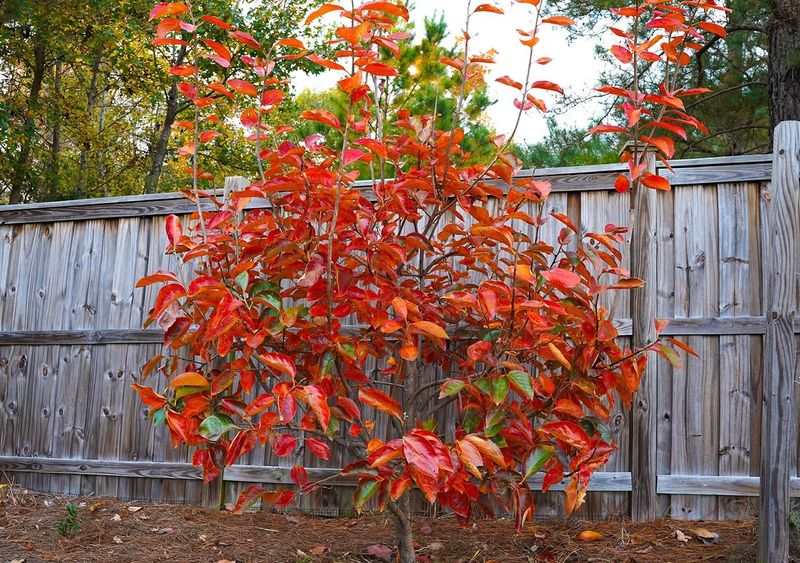
Common persimmon does not always get the attention it deserves in coastal landscaping conversations, but this native tree quietly earns its place wherever it grows.
It handles sandy soil, poor fertility, hot dry conditions, urban stress, and coastal wind without skipping a beat.
For naturalized spaces, large informal yards, and wildlife-focused plantings along the North Carolina coast, it brings serious value. Wildlife absolutely flock to persimmon trees in fall and winter.
White-tailed deer, foxes, raccoons, opossums, and dozens of bird species rely on the sweet orange fruit as a critical food source when other options get thin.
Planting a persimmon on your property is essentially rolling out a welcome mat for local wildlife, which makes it a wonderful choice for anyone interested in creating a backyard habitat.
A couple of practical things to keep in mind: common persimmon is not a fast grower, so manage your expectations on timeline.
It is tough and reliable, but it takes its time getting established.
Also, the fruit drop can be messy in late fall, and the tree tends to send up root suckers that spread outward over the years.
Both of those traits make it a better fit for natural edges, large open yards, and informal settings than for tidy, formal garden spaces near walkways or patios. Give it the right spot and it genuinely thrives.
8. Black Gum
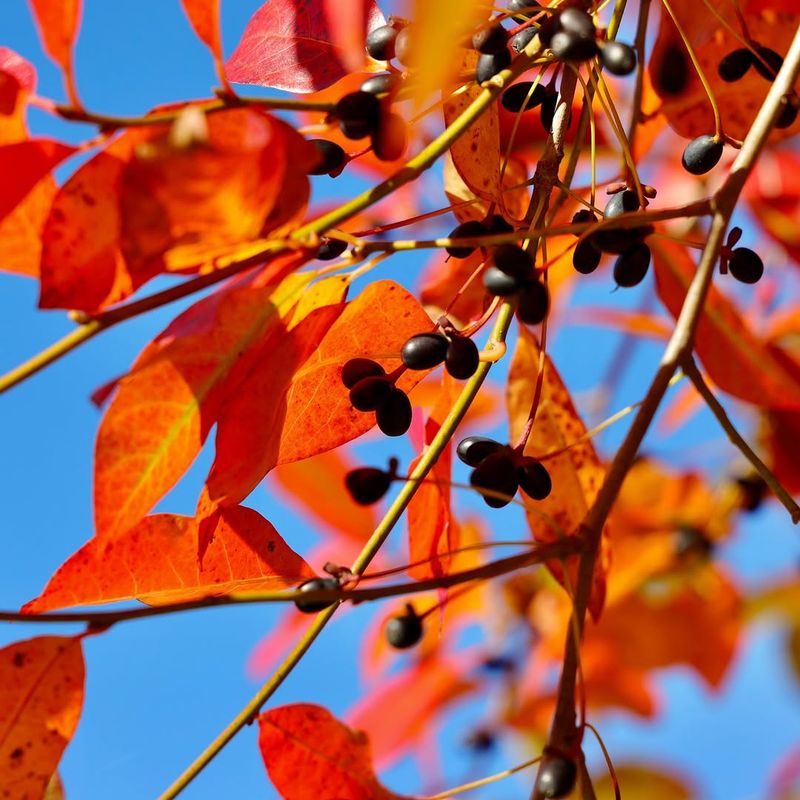
When fall arrives on the North Carolina coast, black gum puts on one of the most brilliant color displays of any native tree.
Its leaves shift into deep reds, oranges, and purples well before most other trees even begin to change, making it a real standout in any landscape.
That seasonal drama alone would make it worth planting, but black gum brings a lot more to the table than just good looks.
This native tree handles an impressive range of conditions, including heat, drought, wet soil, wind, and even moderate salt exposure.
That kind of adaptability is valuable in coastal yards where soil moisture can swing dramatically depending on the season and rainfall patterns.
It is equally comfortable in low, occasionally wet areas and in drier upland spots, which gives gardeners more flexibility when choosing a planting location.
Black gum is not the fastest-growing tree on this list, and being upfront about that matters. Growth tends to be moderate, especially in the early years before the root system really establishes itself.
The payoff comes later, when you have a strong, long-lived native tree with excellent wildlife value, outstanding fall color, and the kind of structural presence that anchors a landscape for generations.
Give it enough room to spread, invest in solid establishment care its first couple of seasons, and black gum will become one of the most rewarding trees on your entire property.
9. Live Oak
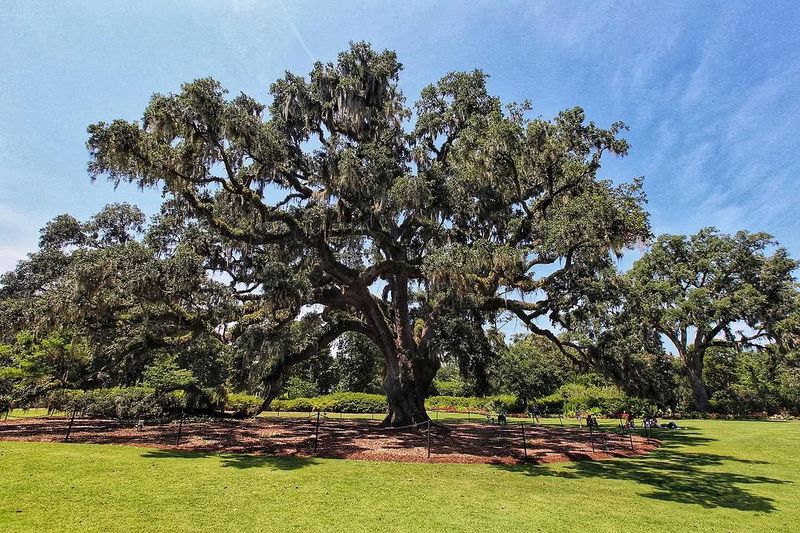
Some trees define a landscape. Live oak is one of them.
Its massive, spreading canopy, gnarled branches, and year-round evergreen foliage give it a presence that no other coastal tree quite matches.
Along the North Carolina coast, live oak has been standing up to salt spray, sandy soil, periodic flooding, and powerful coastal winds for hundreds of years, which is about as strong an endorsement as a tree can get.
Choosing live oak means thinking long-term, and that is actually one of its greatest strengths. It is not the fastest-growing tree on this list, but it is one of the most dependable.
Over decades, it develops into a broad, shading canopy that can stretch far wider than it is tall, creating a cool, sheltered outdoor space that becomes more valuable with every passing year.
Wildlife benefit enormously from live oaks too, since acorns support deer, squirrels, turkeys, and dozens of other species. The one non-negotiable with live oak is space.
Its canopy can spread sixty to one hundred feet wide at maturity, so tight lots, narrow side yards, and small residential properties are not the right fit.
Planting it where it has genuine room to grow and spread is essential for long-term success.
For large coastal properties, open yards, and anyone thinking about legacy planting, live oak is simply one of the best choices available anywhere in the coastal Southeast.
10. Southern Magnolia
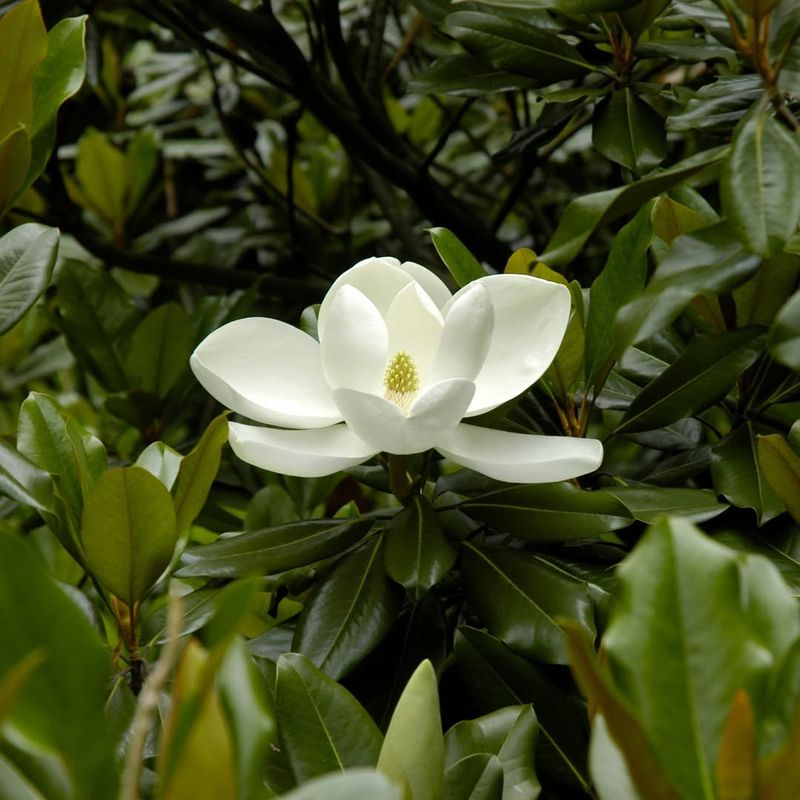
Southern magnolia is one of the most iconic trees in the American South, and for good reason.
Its large, glossy dark green leaves stay on year-round, its creamy white flowers are enormous and sweetly fragrant, and its overall presence in a landscape is nothing short of commanding.
For the right coastal North Carolina property, it adds a layer of elegance that few other evergreen trees can match.
It grows at a medium rate, typically one to two feet per year under good conditions, and it performs best in sun to partial shade with well-drained, reasonably fertile soil.
Protected coastal yards, where direct oceanfront salt blast is softened by distance or other plantings, are the sweet spot for southern magnolia.
It handles coastal conditions well in those settings, bringing both beauty and practical screening value to the landscape. Size is the one thing that surprises people most about southern magnolia.
The straight species can reach eighty feet tall and forty feet wide at full maturity, which is simply too large for many residential lots.
Compact cultivars like “Little Gem” or “Bracken’s Brown Beauty” offer a much more manageable footprint without sacrificing the signature glossy leaves and fragrant blooms.
Choosing a cultivar sized right for your specific space from the beginning prevents future crowding issues and keeps the tree looking its best for the long haul on your coastal property.