The Best Pennsylvania Plants For A Water Wise Gravel Garden That Looks Beautiful All Summer
Gravel gardens have been gaining real traction among Pennsylvania gardeners who are tired of fighting their most difficult spots with plants that need more water, more maintenance, and more forgiveness from the climate than those areas naturally provide.
The combination of sharp drainage, heat retention, and low soil fertility that a gravel garden creates suits a specific group of plants so well that they outperform almost anything that would grow in a conventional bed in the same spot.
Pennsylvania summers give gravel gardens a long and productive season, with the stored warmth in the gravel extending the growing window and the drainage preventing the root problems that heavy Pennsylvania soils are known for.
The plants that thrive in this setting are also genuinely beautiful, bringing texture, color, and structural interest through summer in a way that requires almost no supplemental water once they are settled in.
A well-planted Pennsylvania gravel garden looks intentional in every season and demands almost nothing to stay that way.
1. Purple Coneflower
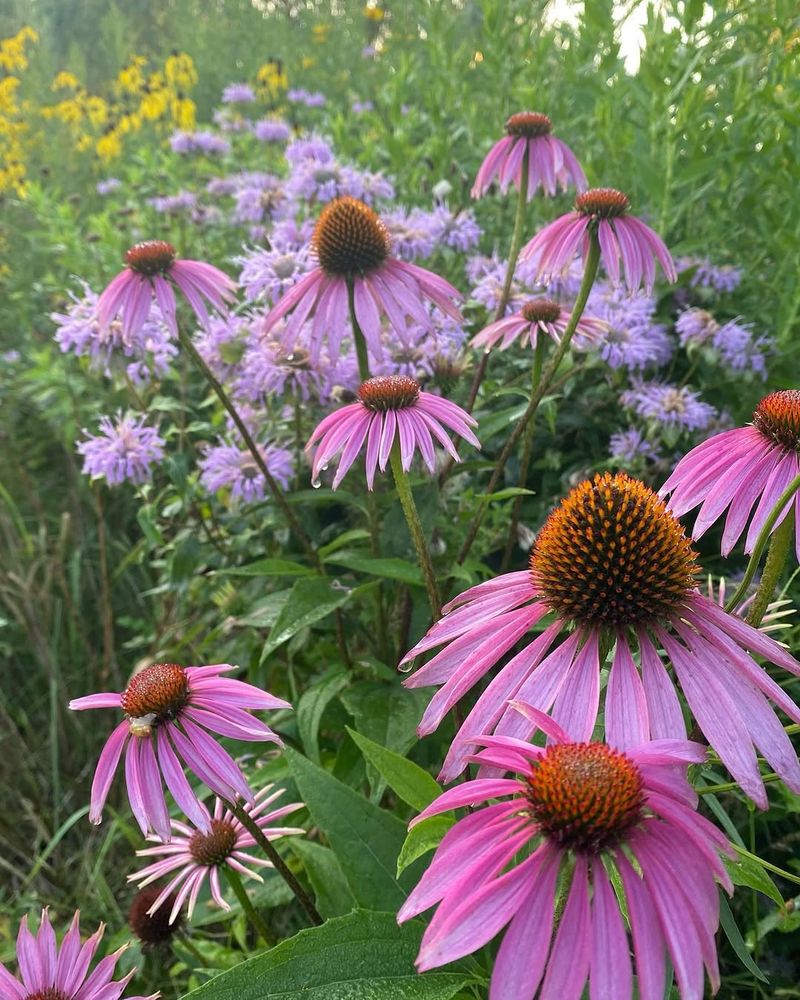
There is something almost magical about a Purple Coneflower standing tall in the summer heat while everything else around it seems to wilt. These plants are built for tough conditions, and they wear their rosy-purple petals with serious confidence.
Gardeners across Pennsylvania have been reaching for Echinacea purpurea for decades, and once you grow it, you will quickly understand why.
Purple Coneflowers are native to the eastern United States, which means Pennsylvania’s climate suits them perfectly. They bloom from midsummer through early fall, giving you weeks of color without extra watering.
Their deep taproots pull moisture from lower in the soil, so even during a dry July, they stay strong and upright.
For a gravel garden, this plant is an outstanding choice. The excellent drainage that gravel provides actually helps coneflowers avoid root rot, which can be a problem in heavy clay soils.
Plant them in a spot that gets at least six hours of direct sun each day, and they will reward you with non-stop blooms.
Pollinators go absolutely wild for coneflowers. Bumblebees, honeybees, and monarch butterflies treat these plants like a favorite restaurant.
Even after the petals drop, the spiky seed heads become a feast for birds like finches and chickadees through late fall and winter.
Did you know Echinacea has been used in herbal medicine for centuries? Native American tribes used the roots and leaves to treat everything from coughs to infections.
Today it shows up in immune-support supplements worldwide. Growing Purple Coneflower means you are nurturing a plant with a genuinely rich and fascinating history.
2. Black-Eyed Susan
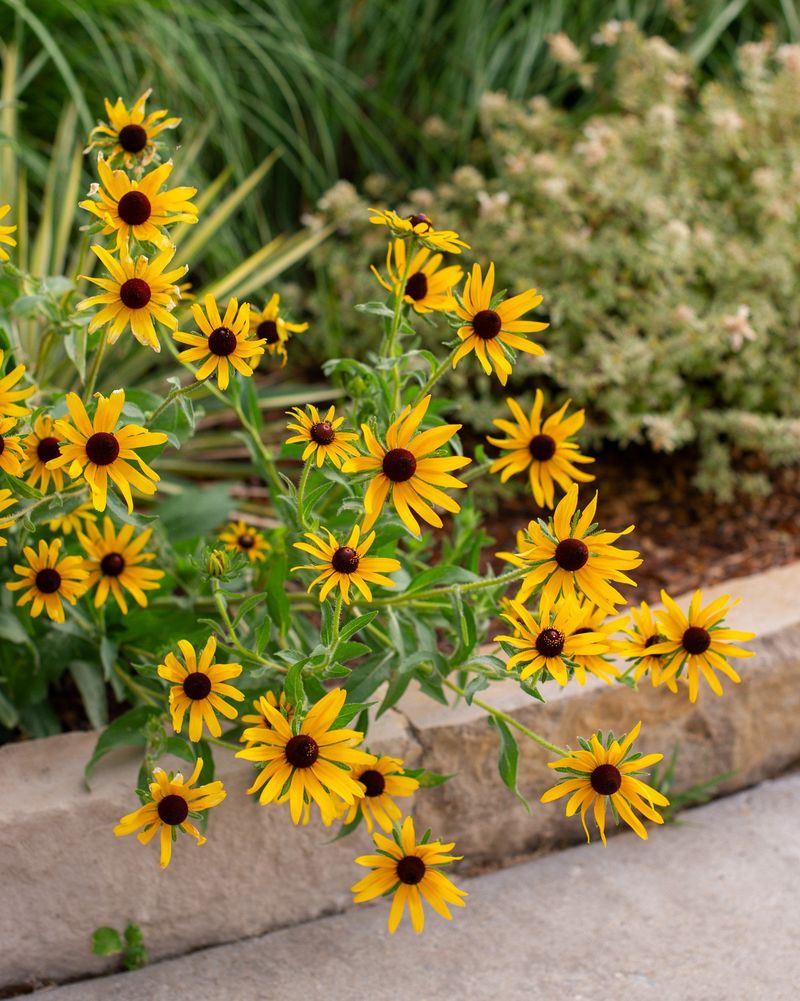
Few flowers say “Pennsylvania summer” quite like the Black-Eyed Susan. Those bold yellow petals surrounding a rich, dark brown center are impossible to miss, and they just keep coming from June all the way through September.
If you have ever driven past a sunny roadside and spotted a sea of golden blooms, chances are you were looking at this cheerful wildflower.
Black-Eyed Susans are incredibly tough. Once they settle into a gravel garden, they ask for almost nothing in return.
Your Pennsylvania Garden Changes Every Week. Your Plan Should Too.
Gardening in Pennsylvania changes quickly throughout the season. Every Friday you’ll receive a simple weekly plan showing exactly what to plant, prune, fertilize, harvest, and protect so you never miss the right timing.
They handle dry spells without a fuss, shrug off poor soil, and still manage to put on a jaw-dropping show. That makes them one of the top picks for any water-wise garden setup in Pennsylvania.
Planting them is easy too. You can start from seed or grab transplants from your local nursery.
They prefer full sun and well-drained soil, so gravel beds are basically their dream home. Space them about 12 to 18 inches apart and let them spread naturally over time.
Bees, butterflies, and even goldfinches absolutely love these plants. The flowers attract pollinators all summer, and when the blooms fade, the seed heads feed birds well into fall. You get season-long interest without lifting a finger.
One fun fact worth knowing: Black-Eyed Susans are actually biennial or short-lived perennials, but they self-seed so reliably that your garden will always have fresh plants coming up each year.
Once you plant them, they essentially take care of themselves. That is the kind of low-effort beauty every gardener dreams about.
3. Coreopsis
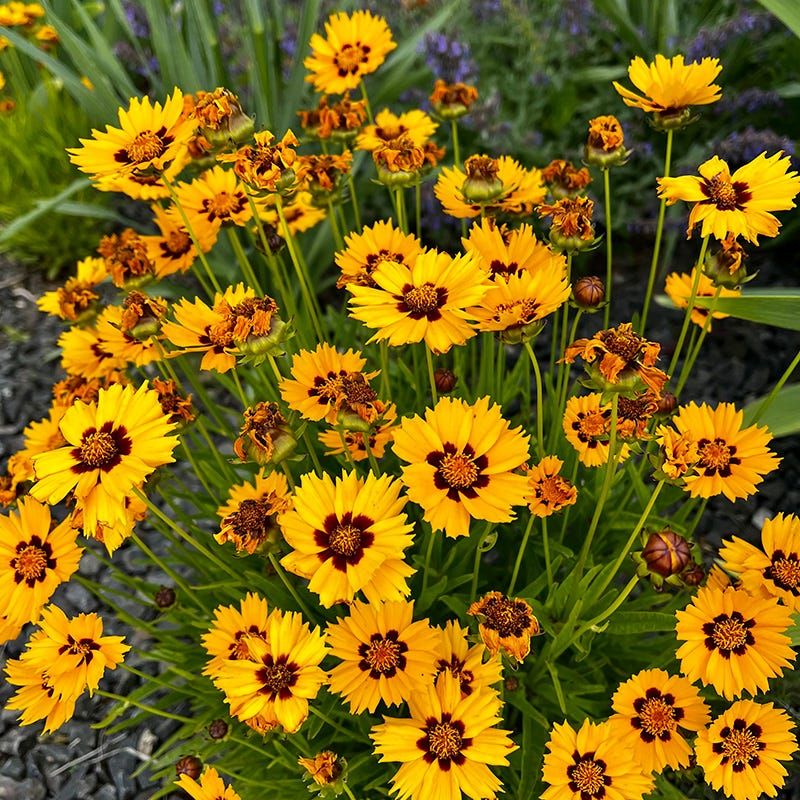
If you want a plant that practically radiates sunshine, Coreopsis is your answer. Sometimes called tickseed, this cheerful perennial covers itself in small, daisy-like yellow flowers from late spring all the way through summer.
It is one of those plants that looks like it belongs on a greeting card, yet it is surprisingly tough and no-fuss to grow.
What makes Coreopsis such a standout for gravel gardens is its love of poor, well-drained soil. Rich, moist garden beds can actually make these plants grow too lush and floppy.
Gravel gardens, on the other hand, give Coreopsis exactly the lean, dry conditions it craves. Pennsylvania summers with their heat and occasional dry stretches are practically tailor-made for this plant.
There are several species to choose from. Coreopsis lanceolata and Coreopsis verticillata are two popular varieties that perform beautifully in Pennsylvania.
The threadleaf types, like Zagreb, form tight mounds of feathery foliage topped with a constant parade of golden blooms. They are compact, neat, and perfect for the front edge of a gravel bed.
Deadheading spent flowers encourages even more blooms, but if you skip it, that is perfectly fine too. The plants will still flower generously, and the seed heads attract small songbirds.
Bees and butterflies also visit regularly, making your garden a lively, buzzing ecosystem all summer long.
Coreopsis is also remarkably long-lived when planted in the right spot. Some clumps persist for ten years or more with minimal care. Divide them every three to four years to keep them vigorous and blooming at their best.
4. Prairie Dropseed
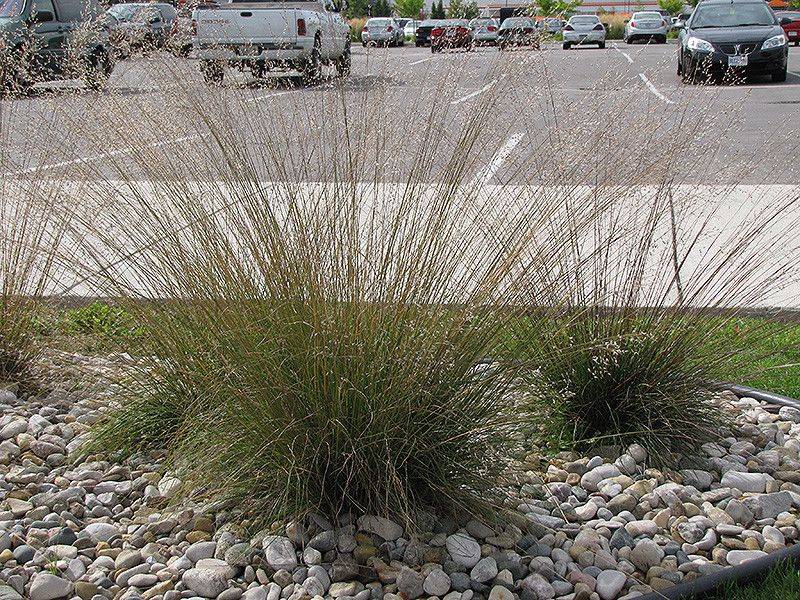
Not every great garden plant needs to show off with flashy flowers. Prairie Dropseed proves that texture and movement can be just as beautiful.
This native ornamental grass forms tidy, arching mounds of incredibly fine, hair-like foliage that sways gracefully with every breeze.
When late summer arrives, delicate airy flower stalks rise above the leaves, releasing a scent that many gardeners describe as buttery popcorn. Yes, really.
Prairie Dropseed is one of the most drought-tolerant grasses you can grow in Pennsylvania. Once established, it can go weeks without rain and still look polished and green.
Its deep root system reaches far into the soil for moisture, making it a powerhouse in dry gravel beds where other plants might struggle.
This grass is also incredibly slow to establish, so patience is key in the first year or two. But once it settles in, it asks for almost nothing.
No fertilizing, no frequent watering, no cutting back every season. Just let it grow and enjoy the show.
In fall, the foliage turns a warm golden bronze that glows beautifully in afternoon light. The seed heads persist through winter, giving birds something to snack on and adding structure to your garden even after the growing season ends.
It is a four-season plant packed into one low-maintenance clump. Prairie Dropseed pairs wonderfully with bold flowering plants like Black-Eyed Susans and Purple Coneflowers.
The fine texture of its foliage creates a soft contrast against broader leaves and brighter blooms. For a gravel garden that looks thoughtfully designed, this grass is an essential ingredient.
5. Sedum / Stonecrop
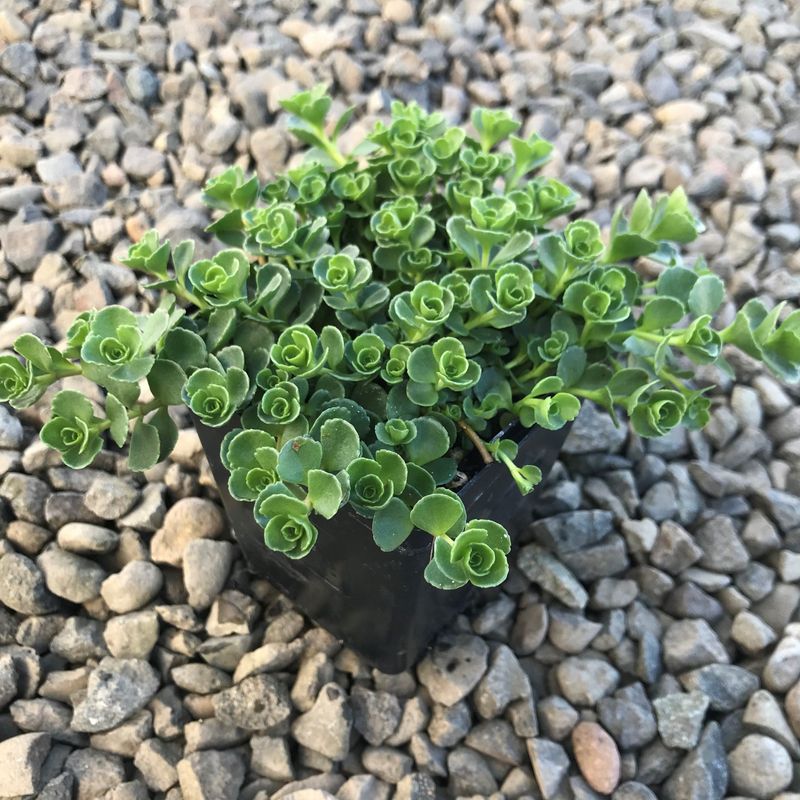
Sedum is the ultimate survivor of the plant world. Also known as Stonecrop, this succulent stores water right inside its thick, fleshy leaves, which means it can handle long dry spells without missing a beat.
For a gravel garden in Pennsylvania, that kind of built-in water storage is incredibly valuable, especially during hot August stretches when rainfall gets scarce.
There are dozens of Sedum varieties to explore, ranging from low, mat-forming ground covers to upright clumping types like Sedum spectabile, also called Autumn Joy.
The ground-cover varieties are perfect for filling gaps between stones and spilling over gravel edges.
The taller clumping types add structure and produce large, flat-topped flower clusters that bees simply adore.
Sedum blooms typically appear in mid to late summer and stretch well into fall. The flowers start as pale green buds, shift to pink or rosy red, and eventually deepen to a rich coppery bronze as temperatures drop.
That long color progression means your garden stays interesting for months rather than weeks.
One of the best things about Sedum is how forgiving it is. Plant it in full sun, forget to water it, and it will still look great.
It thrives in poor, rocky, or sandy soil with excellent drainage. Wet, heavy soils are really the only thing it dislikes, making gravel gardens a near-perfect environment.
Propagating Sedum is almost ridiculously easy. Break off a stem, press it lightly into the soil, and it will root within a few weeks.
That means one small plant can quickly fill an entire section of your gravel garden without spending extra money at the nursery.
6. Wild Bergamot
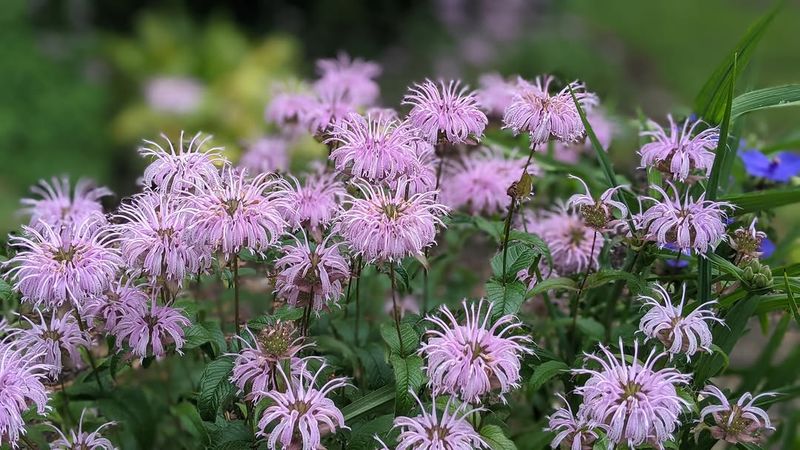
Walk past a patch of Wild Bergamot on a warm afternoon and you will catch a scent that stops you in your tracks. This native perennial carries a spicy, oregano-like fragrance in its leaves and flowers that is surprisingly strong and genuinely pleasant.
It is one of those plants that engages all your senses at once, which makes it a real standout in any garden setting.
Wild Bergamot produces clusters of lavender-pink, spiky flowers from July through August, right when many gardens start looking tired and sun-scorched.
The blooms sit atop tall stems that can reach two to four feet high, giving your gravel garden some welcome vertical presence. When the wind blows, those stems sway elegantly, adding life and movement to the space.
Unlike its cousin Bee Balm, Wild Bergamot is much more tolerant of dry conditions. It thrives in well-drained, sunny spots and actually performs better in lean soils than in rich, moist ones.
Gravel beds suit it perfectly because the drainage prevents the soggy roots that can cause mildew problems in other Monarda varieties.
Pollinators treat Wild Bergamot like a VIP lounge. Bumblebees, hummingbirds, sphinx moths, and several species of native bees visit constantly throughout the bloom period. If supporting local wildlife is important to you, few plants deliver as reliably as this one.
Fun fact: Native American communities used Wild Bergamot medicinally for centuries, brewing it into teas to treat respiratory issues. Early European settlers also adopted it as a culinary herb.
Today it is primarily grown for its ornamental and wildlife value, but that rich history adds a meaningful layer to an already impressive plant.
7. Blazing Star
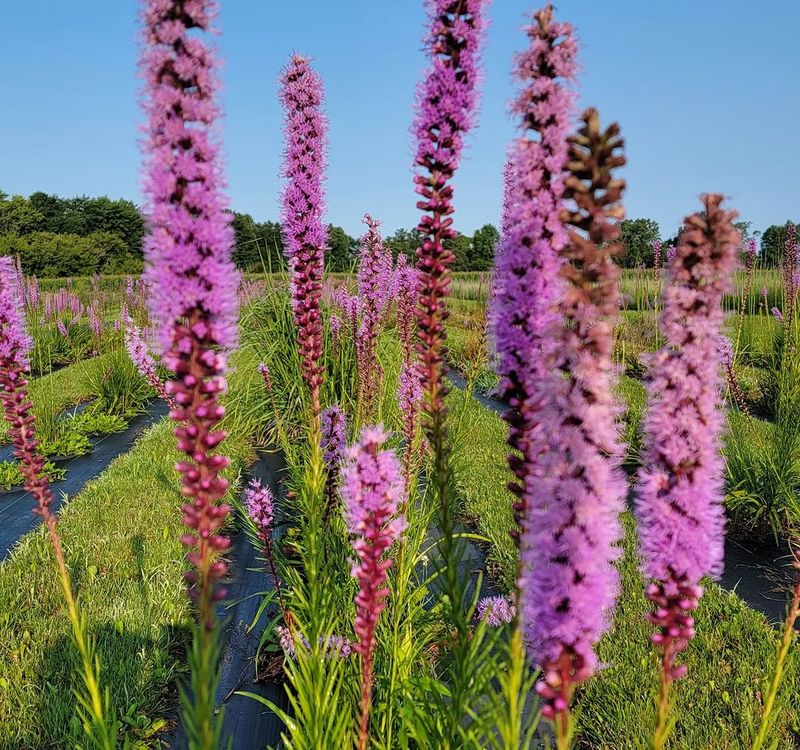
Blazing Star earns its dramatic name every single summer. When those tall, torch-like spikes of vivid purple shoot up from the ground in July and August, they command attention from across the yard.
There is nothing subtle about Liatris, and that is exactly what makes it so exciting. It adds vertical drama to a gravel garden that low-growing plants simply cannot provide on their own.
One quirky thing about Liatris that surprises many gardeners is that its flowers open from the top of the spike downward, which is the opposite of most flowering plants.
That unusual blooming pattern means the display lasts longer, since fresh flowers keep opening lower on the stem as the upper ones fade. You get more bang for your buck from every single spike.
Liatris grows from underground corms, which are small bulb-like structures that store energy and moisture. This storage system makes the plant incredibly drought-tolerant once it gets established.
In a gravel garden with excellent drainage and full sun, Liatris will thrive year after year with almost no intervention from you.
Butterflies, especially monarchs and swallowtails, are powerfully attracted to the nectar-rich blooms.
Bees also visit heavily, making Liatris one of the most wildlife-friendly plants you can add to a Pennsylvania garden. After flowering, the fluffy seed heads attract birds through the fall season.
For best results, plant Liatris corms about two to three inches deep in the fall or early spring. They establish quickly and start blooming reliably by their second season.
Pair them with Coreopsis or Sedum for a color combination that looks professionally designed but requires almost no effort to maintain.