The Most Underrated Florida Patio Plant That Deters Both Ticks And Mosquitoes
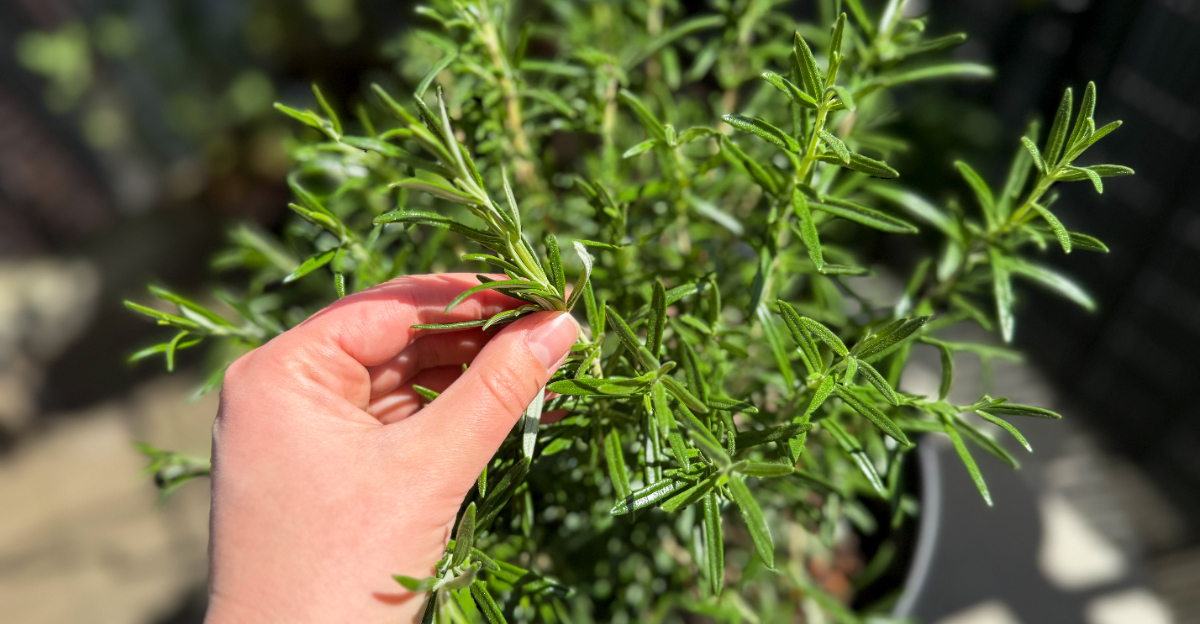
Florida patios should be places you actually want to spend time. Ticks and mosquitoes change that calculation fast.
Most homeowners reach for sprays and candles without considering that one plant in a container might be doing more work than anything else on the patio. This plant does not get the attention it deserves in Florida gardening circles.
It is not flashy. It does not show up on most pest deterrent lists.
But the facts behind it tell a story that makes the oversight hard to justify. Most people walk past it at the nursery without a second look.
That is a mistake worth correcting, because what this plant actually does for a Florida patio goes well beyond how it looks in a pot. The facts behind it are surprising.
Some are rooted in science. Others come from consistent gardener experience that adds up to something real.
1. Rosemary Is The Patio Herb With The Strongest Double-Duty Case
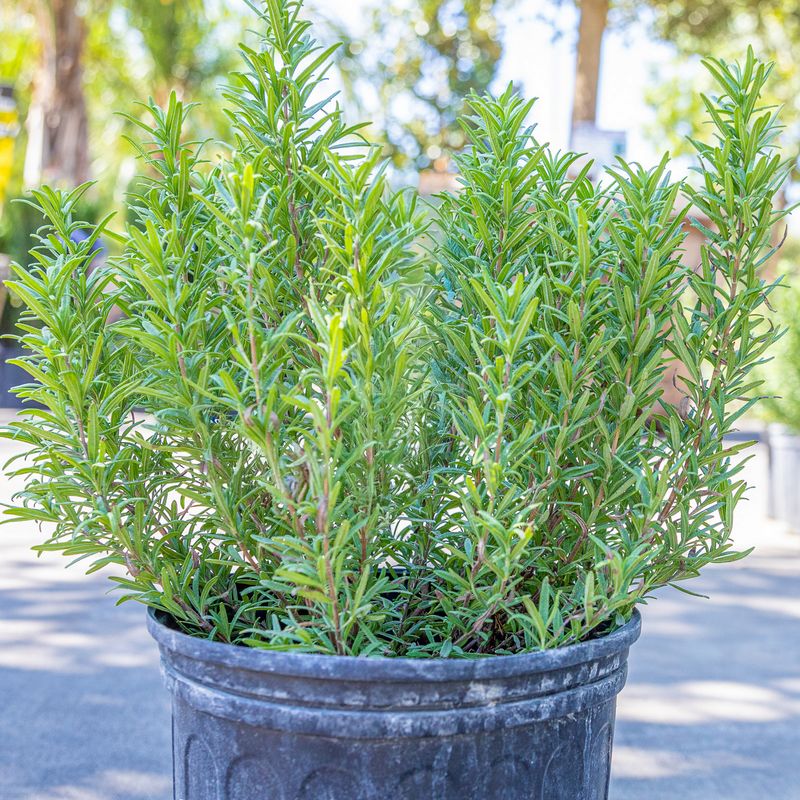
Few herbs can match rosemary when it comes to earning a permanent spot on a Florida patio. Salvia rosmarinus has strongly aromatic foliage that releases fragrance when brushed or warmed by the sun.
That scent, combined with culinary usefulness and a tidy upright form, gives rosemary a double-duty role that most ornamental patio plants simply cannot offer.
Historically, rosemary has been grown around outdoor living spaces for centuries. Gardeners in warm regions have long placed it near doorways, seating areas, and pathways for its fragrance and practical value.
Container-grown rosemary fits naturally beside chairs, on porch steps, along balcony rails, and near outdoor kitchens where fresh herbs are actually used.
The pest-deterring side of the story is real but limited. Rosemary’s aromatic oils may make a patio slightly less inviting to mosquitoes, according to some horticultural sources.
Tick-related claims are weaker and less supported, so rosemary should never be treated as a tick-control method on its own. Present rosemary for what it truly is: a helpful, hardworking herb that supports a more pleasant patio experience.
It is not a complete pest-control solution, but no single plant is. Growing rosemary in containers near seating areas is a practical, low-effort choice that brings real benefits without overpromising results.
2. Its Scent Is Useful, But It Is Not A Bug Force Field
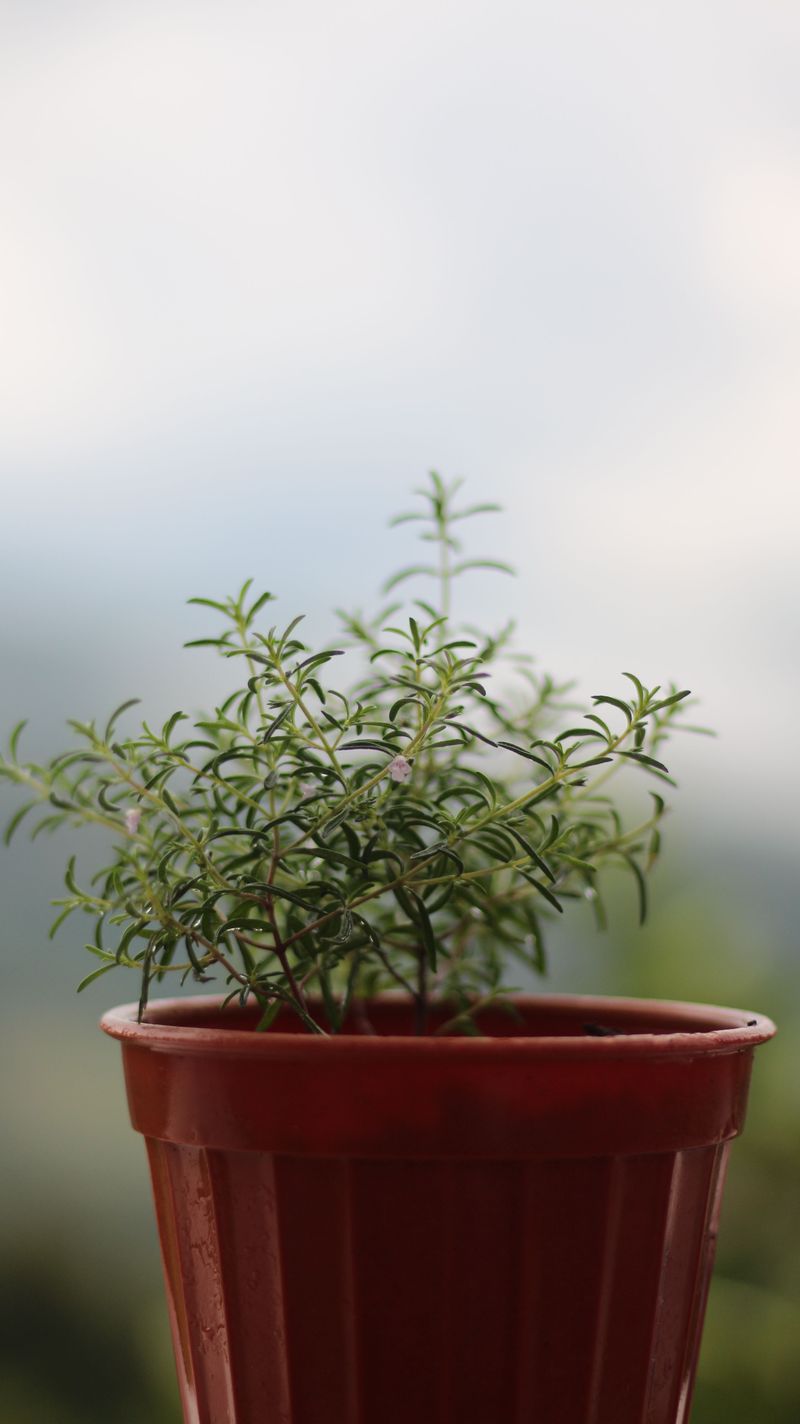
Walk past a rosemary pot on a warm afternoon and you will understand immediately why gardeners associate it with keeping pests at bay. The sharp, piney fragrance comes from volatile aromatic compounds in the foliage, and that scent is genuinely strong.
Some research and horticultural guidance suggest that certain aromatic herbs may make an outdoor area less attractive to mosquitoes.
A living rosemary pot, however, is not the same as a concentrated repellent product. EPA-registered repellents, permethrin-treated clothing, and proven mosquito-prevention methods work at a completely different level than a fragrant plant sitting nearby.
Rosemary’s scent drifts through the air in small amounts and may contribute to a slightly less inviting patio atmosphere. However, it will not protect your skin from bites and should never be used as a substitute for real personal protection.
Your Florida Garden Changes Every Week. Your Plan Should Too.
Gardening in Florida changes quickly throughout the season. Every Friday you’ll receive a simple weekly plan showing exactly what to plant, prune, fertilize, harvest, and protect so you never miss the right timing.
For ticks, the evidence is even more limited. Ticks rely on questing behavior and host contact, not airborne scent cues in the same way mosquitoes might respond to smell.
Treating rosemary as a tick deterrent based on scent alone is not well-supported. Keep the expectation realistic: rosemary adds pleasant fragrance, culinary value, and a sense of a well-tended patio.
Pair it with proven prevention habits rather than relying on scent as your primary line of defense.
3. Containers Keep Rosemary Tidy Where People Actually Sit
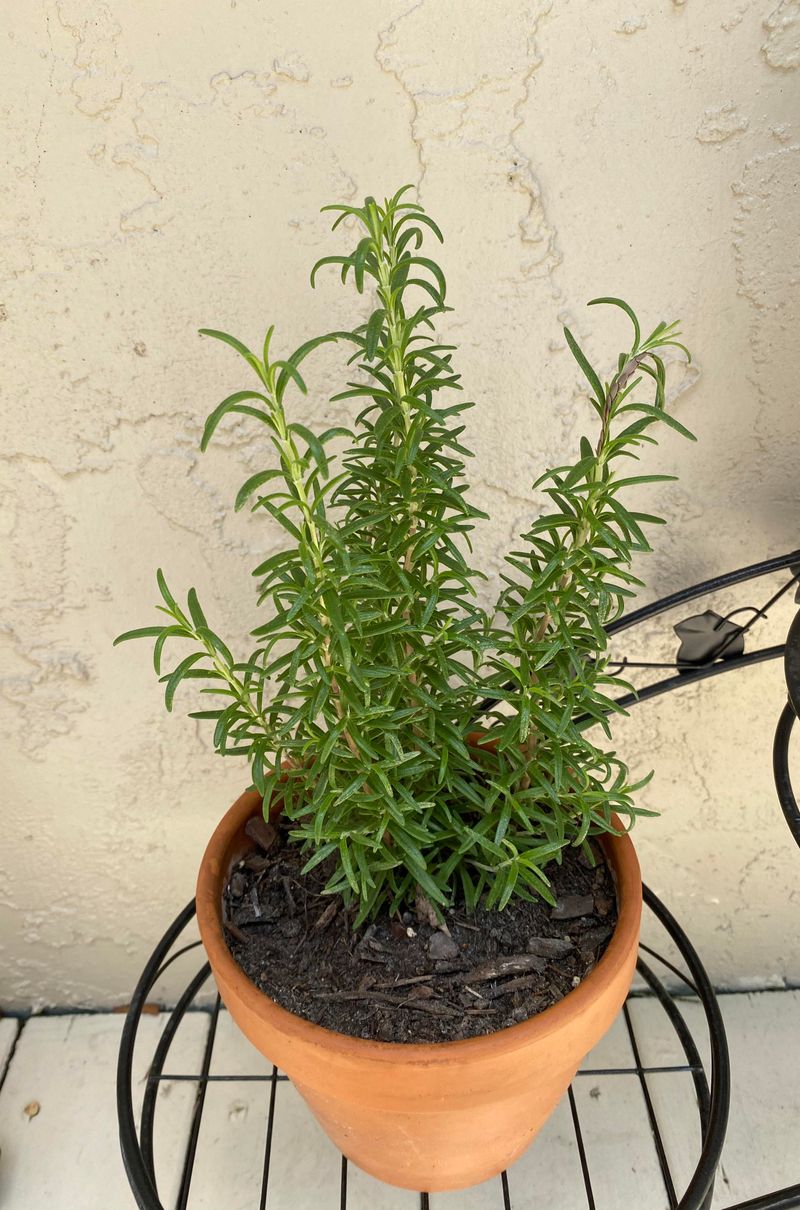
One of rosemary’s most practical advantages is how well it behaves in containers. A pot near a patio chair puts the herb exactly where people spend time, which is also where you most want a fragrant plant.
Rosemary grows upright and stays relatively compact in containers. That makes it easy to tuck beside steps, position along a balcony rail, or place near an outdoor kitchen without overwhelming the space.
Container growing also gives you control. You can move pots into better sun, bring them under cover during heavy storms, and rotate them to keep growth even.
Harvesting a few sprigs for cooking is simple when the plant is right beside the door. Pots near seating areas also mean the fragrance is close enough to be noticeable without needing a large planting bed.
Getting the container setup right matters. Pots need drainage holes at the bottom, and saucers should be emptied after rain to avoid both root problems and standing water that attracts mosquitoes.
A light, well-drained potting mix works far better than dense soil. Root space matters too: a pot that is too small will stress the plant quickly in summer heat.
A container roughly 12 to 14 inches wide gives rosemary room to grow while staying manageable on a patio. Placing pots strategically near seating is smart, but do not expect placement alone to stop pests.
4. Sharp Drainage Matters More Than Constant Watering
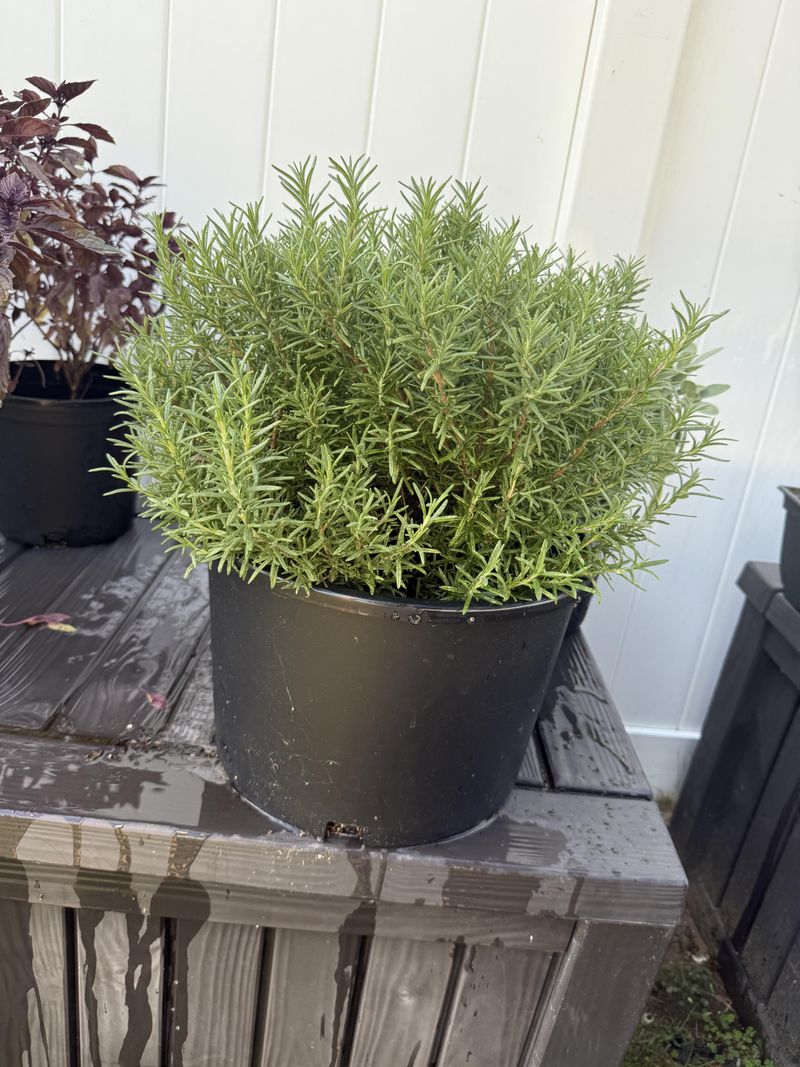
Rosemary struggles more from wet roots than from dry spells, and that is especially true during the rainy season in Florida. When roots stay soggy in waterlogged soil, the plant weakens, loses fragrance, and becomes far less useful as a patio herb.
Heavy potting mixes that hold moisture too long are one of the most common reasons rosemary declines in container gardens here.
Sharp drainage is the single most important factor in keeping rosemary healthy through summer. A mix that drains quickly allows excess water to move through the pot rather than sitting around the roots.
Try a blend of quality potting mix with added perlite or coarse sand. Drainage holes at the bottom of every pot are non-negotiable.
Saucers are convenient but should never hold standing water for more than a few hours.
Watering on a fixed daily schedule does not work well for rosemary. Check the moisture level an inch or two below the surface before watering.
If it still feels damp, wait. During rainy periods, nature may handle watering entirely for stretches at a time.
Letting the top layer of soil dry slightly between waterings keeps the roots healthier than constant moisture.
A rosemary plant with poor drainage will lose its vigor, its dense aromatic foliage, and its overall patio appeal far sooner than one grown in a well-drained container.
5. A Sunny Patio Spot Keeps The Plant Stronger
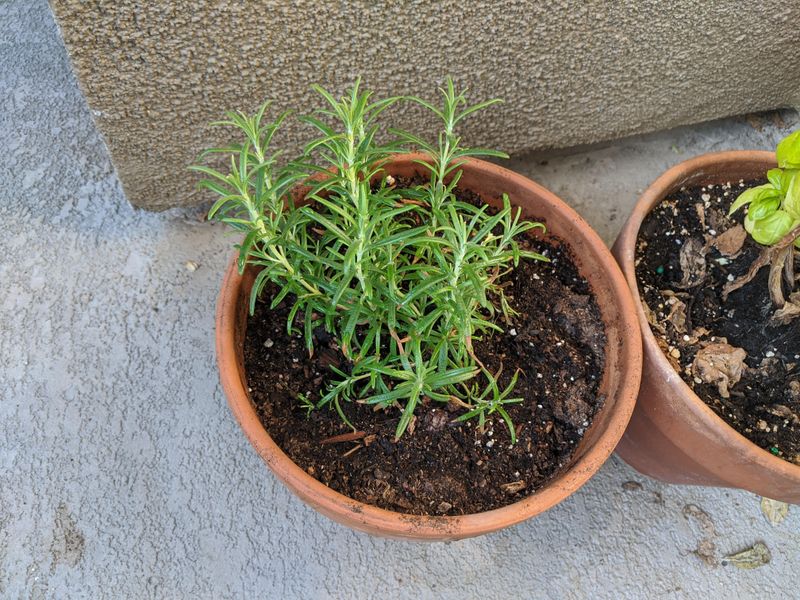
Rosemary is a full-sun herb, and it performs best with at least six hours of direct sunlight each day. On a bright patio, balcony, pool deck, or sunny porch, rosemary stays dense, deeply aromatic, and visually appealing.
Move it into shade, and the plant stretches, thins out, and loses the tight foliage that makes it both attractive and fragrant.
Morning sun is ideal in warm regions because it provides strong light while avoiding the most intense afternoon heat. Patios with southern or eastern exposure tend to work well for rosemary containers.
Reflected heat from concrete pavers, walls, and light-colored surfaces can raise the temperature around pots significantly during summer afternoons.
That reflected heat speeds up soil drying, which means a pot in a very hot, bright spot may need water more often than one in softer morning light.
Practical placement means balancing sun exposure with root stress. If a pot sitting against a white wall is drying out completely within a day or two, it may need to shift slightly.
It can also be moved to a spot with a bit of afternoon shade during peak summer. During tropical storms or heavy wind events, moving pots to a sheltered area protects both the plant and the container.
A rosemary plant that gets the right light stays compact, healthy, and far more rewarding as a patio herb through every season.
6. Mosquito Control Still Starts With Standing Water
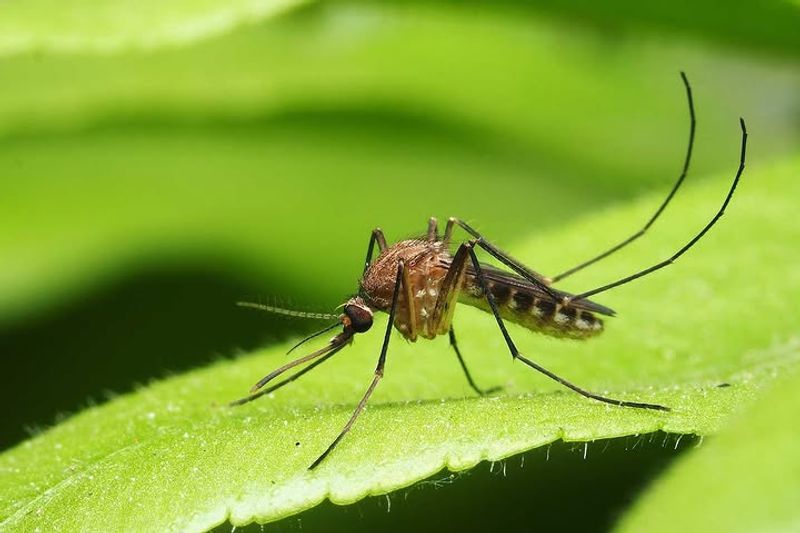
A single plant saucer left full of water after a rainstorm can undo a lot of good patio habits. Mosquitoes breed in standing water, and they do not need much of it.
Saucers, buckets, plant trays, clogged gutters, birdbaths, upturned lids, tarps, low spots in the yard, and forgotten containers are all potential breeding sites.
Addressing those spots is the most direct and effective step any homeowner can take against mosquito pressure.
Rosemary near a patio may add a pleasant scent that some mosquitoes find less inviting, but that scent has no effect on standing water nearby. If a rosemary pot sits in a saucer that collects an inch of water every afternoon, the plant is sitting next to a mosquito nursery.
Empty saucers after every rain, drill extra drainage holes if needed, and check all water-holding items around the patio regularly.
The CDC and UF/IFAS both emphasize source reduction as the foundation of mosquito management around homes. That means removing, covering, or treating standing water before turning to any other method.
Rosemary can be part of a well-maintained, clean patio setup, but it cannot substitute for source reduction. Think of it as a supporting character in a larger routine, not the lead.
Pairing rosemary with consistent water management gives you a much better result than relying on scent alone.
7. Tick Prevention Needs More Than One Herb Pot

Ticks are a real concern in many parts of this state, and managing them requires a layered approach that goes well beyond what any single herb pot can offer. Habitat management is the foundation of tick prevention around a home.
Keeping grass trimmed short and clearing leaf litter both help reduce tick-friendly conditions. Removing brush piles and maintaining a tidy yard edge also reduce the shaded, moist environments where ticks wait for a host.
Personal protection habits matter just as much as yard management. Checking yourself, your children, and your pets after spending time in grassy or wooded areas is one of the most reliable ways to catch ticks early.
Light-colored clothing, long sleeves, and EPA-registered repellents provide meaningful protection when spending time in tick-prone areas. These habits are supported by CDC and UF/IFAS guidance and are far more effective than any plant-based approach.
Rosemary near a patio may contribute to a cleaner, sunnier, more open sitting area, which is a less hospitable environment for ticks compared to shaded, brushy corners. That is a real, if modest, benefit.
A tidy patio with good airflow and less clutter simply gives ticks fewer places to rest. But rosemary itself will not stop ticks from crossing into your yard from a neighboring property or from attaching to a pet that wanders through tall grass.
Treat it as one small piece of a much larger prevention routine.
8. Rosemary Works Best With A Cleaner Patio Routine

A rosemary pot sitting in a cluttered, shaded corner surrounded by old leaves and damp saucers is not doing much for anyone. Rosemary performs best when it is part of a genuinely well-kept patio setup.
Swept pavers, dry saucers, trimmed surrounding plants, good airflow, and less clutter all create an outdoor space that is less hospitable to pests in general.
Caring for the rosemary plant itself is part of that routine. Light, regular pruning keeps the plant dense and encourages fresh aromatic growth.
Harvesting sprigs for cooking is a natural form of maintenance that prevents the plant from becoming woody and sparse at the top.
During the rainy season, check on container drainage more often and remove any standing water around the patio consistently.
Replace a struggling plant before it becomes a source of withered wood and debris. A healthy, actively growing rosemary plant in a clean, well-drained container contributes more to a pleasant patio.
A neglected one stressed by soggy soil or poor light offers much less value. The realistic takeaway here is straightforward: rosemary is genuinely useful, visually appealing, and worth growing on a patio in this state.
Pest prevention, however, still depends on your habits. Rosemary supports a cleaner routine, but your consistent effort is what makes that routine actually work against mosquitoes and ticks.