What It Really Means When Fireflies Light Up Your Illinois Yard
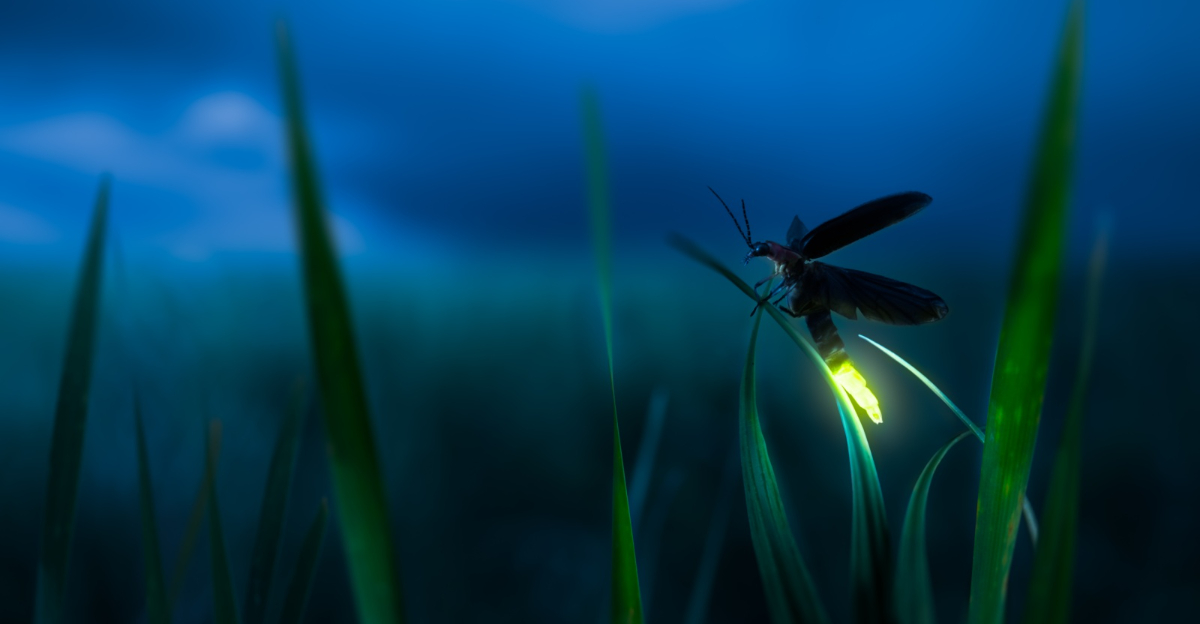
Blinking lights are rising from your grass right now. Not fireflies from a childhood memory or a movie screen.
Real ones, alive and drifting through the warm Illinois dark, are choosing your yard on this very night. These small beetles do not settle for just any outdoor space.
What made them pick yours over every other yard on the block? More is happening beneath your feet than you ever stopped to realize.
Healthy soil draws them in. Clean air and real darkness keep them coming back season after season.
Low chemical use and the right humidity level seal the whole deal. Every flicker you see is a verdict, not a coincidence.
Something in your environment is balanced, alive, and working exactly as it should. Nature does not hand out signals like this to just any Illinois yard. Yours earned them, and fireflies only light up the places genuinely worth lighting.
Healthy, Pesticide-Free Soil Lies Beneath Your Yard
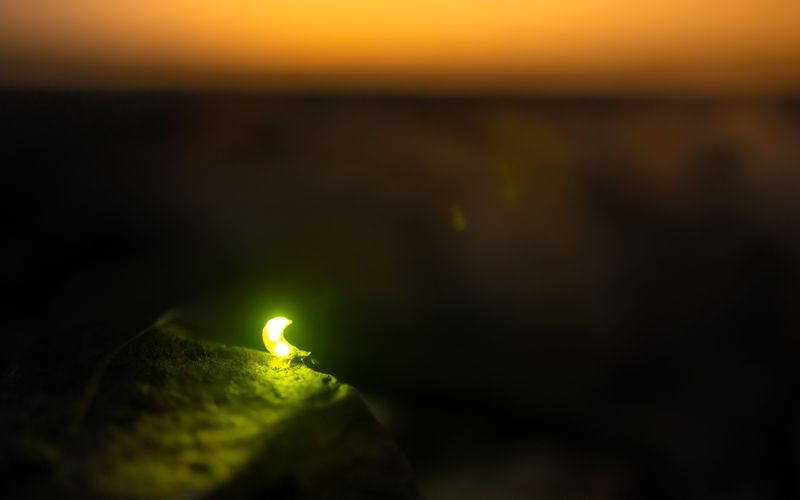
Your soil is quietly doing something incredible right now. Fireflies spend most of their lives underground as larvae, and they need soft, moist, chemical-free earth to survive.
Healthy soil is full of earthworms, beetle grubs, and small insects that firefly larvae eat. Without that underground buffet, the next generation never makes it to adulthood.
Pesticides and synthetic fertilizers can significantly reduce the microorganisms that keep soil alive. When you skip those treatments, you allow a whole underground community to flourish.
Firefly larvae actually hunt slugs and small worms beneath the surface. They are natural pest controllers doing quiet, invisible work for your garden.
If your yard has soft, loamy soil with good drainage, you have already created a firefly nursery.
That blinking light above your grass started its journey just beneath the surface, in leaf litter, shallow soil, and organic matter, depending on the species and season.
Composting and mulching are two of the best things you can do to maintain that quality. Organic matter feeds the soil life that feeds the larvae.
Seeing fireflies light up your Illinois yard means the ground beneath your feet is genuinely thriving. That is not a small thing, and it is worth protecting with every gardening decision you make.
A Thriving Local Ecosystem Has Taken Root Around You
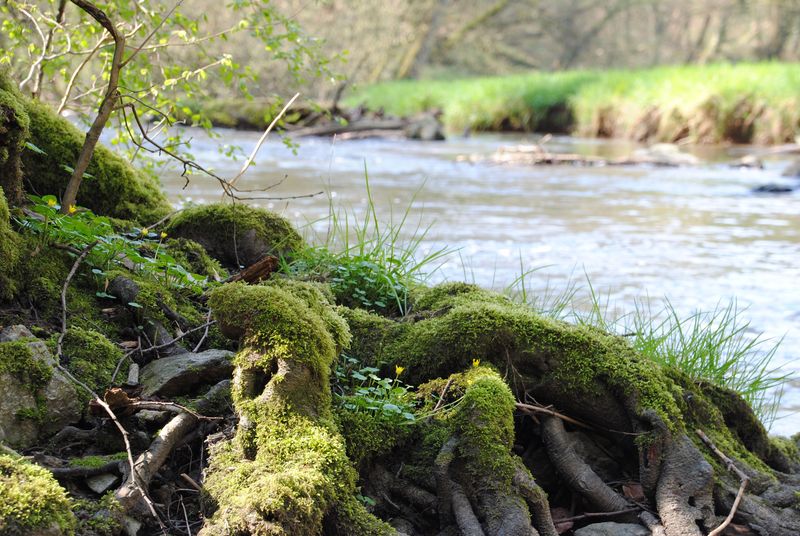
Fireflies do not show up in ecological wastelands. They arrive where balance already exists, where predators, prey, and plants have found a rhythm together.
Your yard is part of a larger web of life. Birds, frogs, spiders, and beetles all play roles that make firefly survival possible.
Frogs eat the insects that would otherwise compete with firefly larvae. Birds manage the populations of larger pests that could disrupt the whole system.
When you see fireflies light up your Illinois yard, you are witnessing the payoff of a healthy food chain. Every creature in that chain had to show up and do its part.
Backyard ecosystems take years to develop. If you have been avoiding harsh chemicals and leaving some wild areas untouched, you have been building this without even realizing it.
Your Illinois Garden Changes Every Week. Your Plan Should Too.
Gardening in Illinois changes quickly throughout the season. Every Friday you’ll receive a simple weekly plan showing exactly what to plant, prune, fertilize, harvest, and protect so you never miss the right timing.
A thriving ecosystem also supports pollinators, songbirds, and beneficial insects that improve your garden. Fireflies are just the most visible and charming sign of that invisible abundance.
The good news is that ecosystems are resilient when left alone. Keep reducing interference, and that living network around your home will only grow stronger and more diverse over time.
Moisture Levels In Your Ground Are Just Right
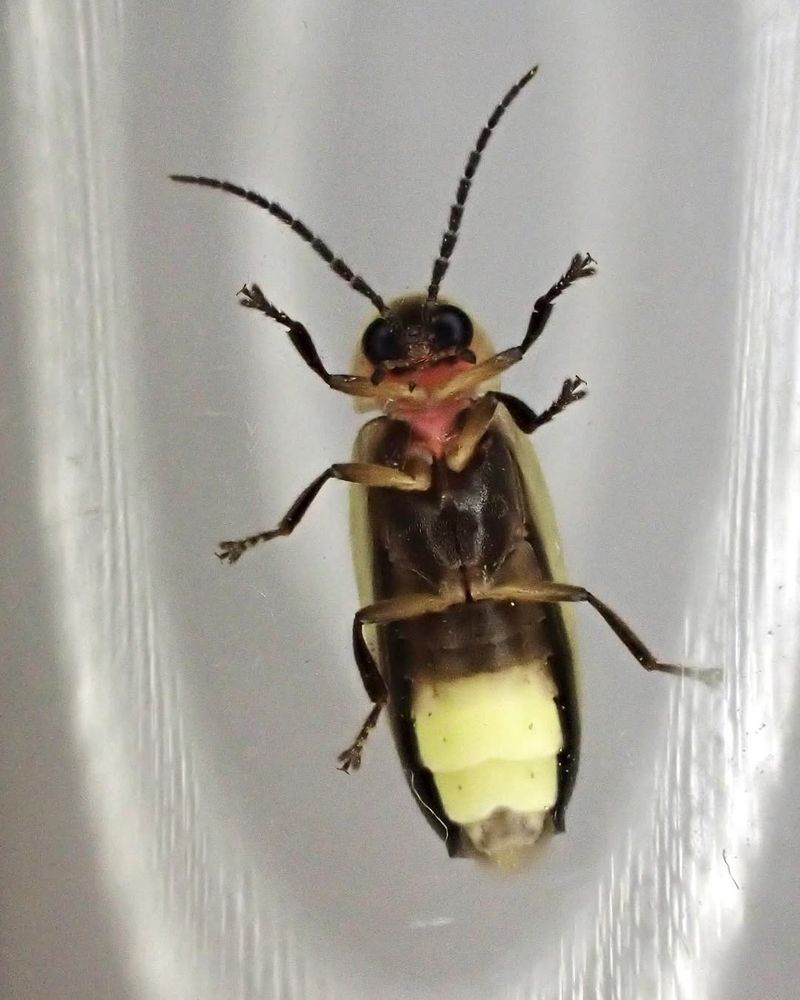
Fireflies are moisture lovers from the moment they hatch. Their larvae need consistently damp soil to move, hunt, and grow through multiple seasons underground.
Too dry, and the larvae cannot survive the winter. Too waterlogged, and the soil suffocates the organisms they depend on for food.
That sweet spot of balanced ground moisture is exactly what fireflies seek out. Your yard has apparently found that balance, which is genuinely impressive in a midwestern summer.
Illinois summers can swing between drought and heavy rain. If fireflies keep returning to your space, your soil is holding moisture well without becoming swampy.
Trees, shrubs, and ground cover plants help regulate soil moisture naturally. Their roots hold water during dry spells and improve drainage when rains get heavy.
If you have been watering deeply but infrequently, you are doing exactly the right thing. That technique encourages deep root growth and keeps moisture levels stable below the surface.
Low-lying areas near ponds, streams, or rain gardens are classic firefly hotspots. The consistent dampness there creates ideal conditions for larvae to spend their long underground development period.
When fireflies light up your Illinois yard on a humid evening, your soil moisture is part of the reason. Protect that balance and they will keep coming back.
Darkness Still Dominates Your Nights Naturally
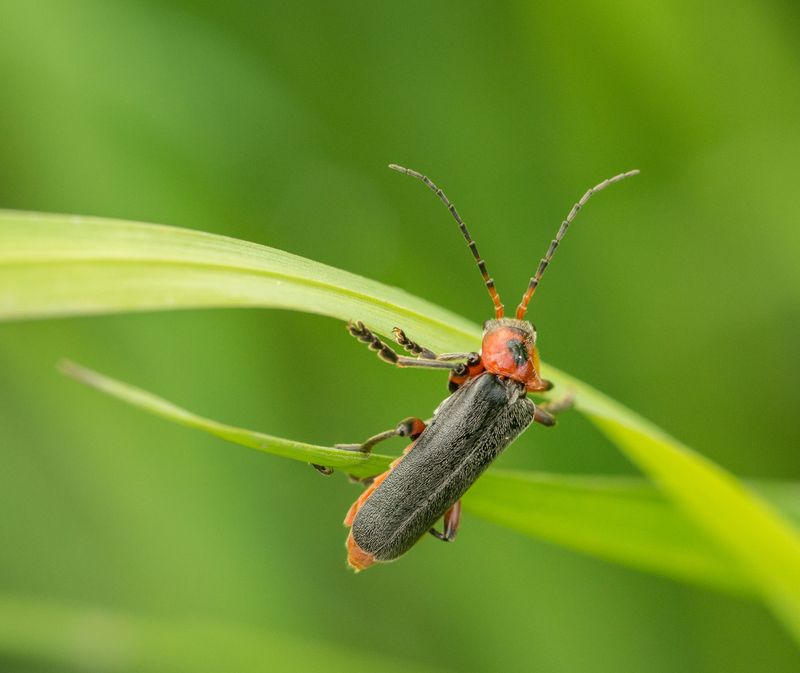
Light pollution is one of the biggest threats facing firefly populations across North America. Male fireflies flash to attract mates, and females respond from the grass below.
When artificial light floods a yard, that silent conversation gets scrambled. Females cannot spot flashes against a bright background, and mating fails.
Your yard apparently still gets genuinely dark at night. That is rarer than you might think, especially in and around populated Illinois towns and suburbs.
Streetlights, porch lights, and neighbors with floodlights all contribute to a glow that disrupts firefly communication. A dark yard is a protected space in a sea of interference.
Switching to motion-activated lighting is one of the smartest moves a firefly-friendly homeowner can make. You get safety when you need it without constant background glow disrupting nature.
Amber-toned bulbs are also less disruptive than bright white LEDs. Small changes in how you light your outdoor spaces can have a surprisingly large impact on local wildlife.
Fireflies light up your Illinois yard partly because your nights are still beautifully dark. That darkness is a gift, and keeping it means turning off what does not need to be on.
Native Plants And Leaf Litter Remain Beautifully Intact
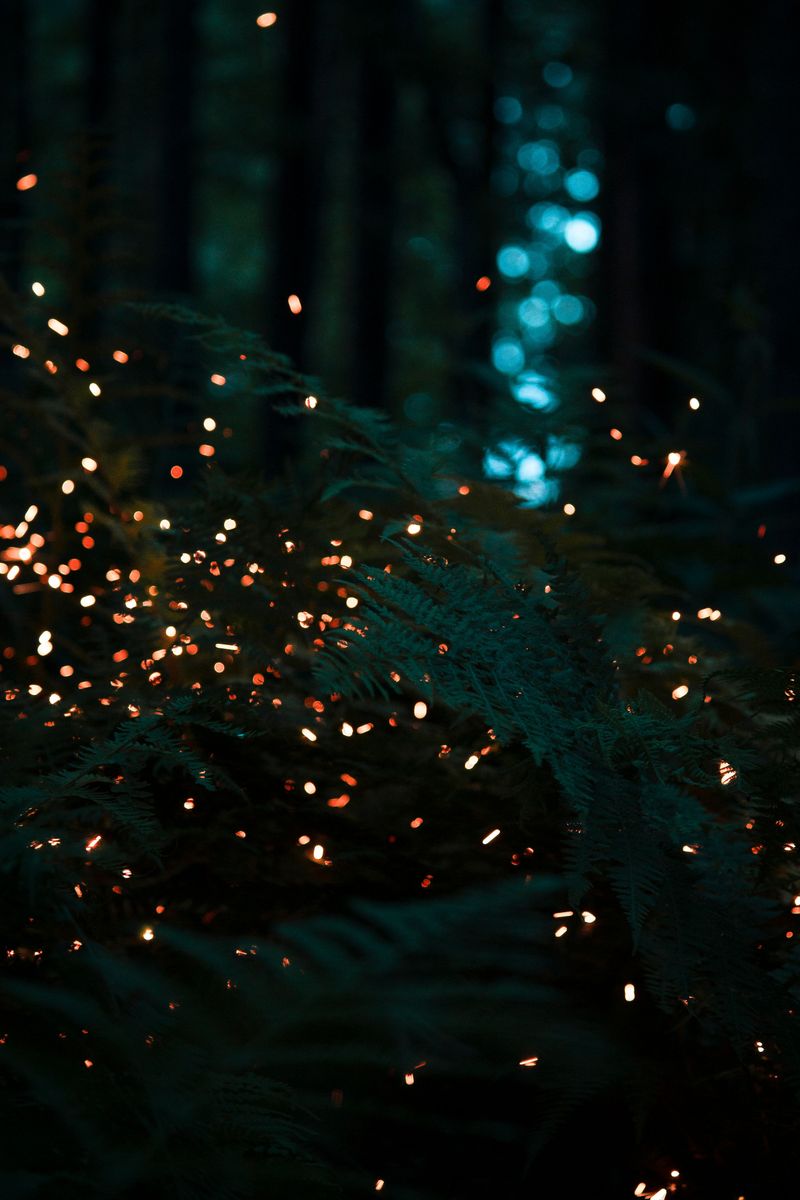
Leaf litter is not a mess. To a firefly, it is a five-star hotel, a hunting ground, and a moisture trap all at once.
Firefly larvae hide and hunt beneath fallen leaves, bark, and organic debris. Raking everything up and bagging it removes the habitat they depend on to survive.
Native plants play an equally important role. They attract the native insects that firefly larvae eat, creating a local food supply that non-native plants simply cannot replicate.
Prairie grasses, wild bergamot, coneflowers, and goldenrod are all Illinois natives that support the broader insect community. Planting even a small patch transforms your yard into a functioning habitat.
Many homeowners have shifted toward leaving a portion of their yard a little wilder. That shift, even in a small corner, can make a measurable difference for local firefly numbers.
The edges of your yard where lawn meets garden bed are particularly valuable. Those transitional zones tend to hold more moisture, more leaf debris, and more insect diversity.
When fireflies light up your Illinois yard on a June evening, that pile of leaves you left last fall probably played a role. Resist the urge to over-tidy, and nature rewards you generously.
Chemical Use In Your Area Appears To Be Low
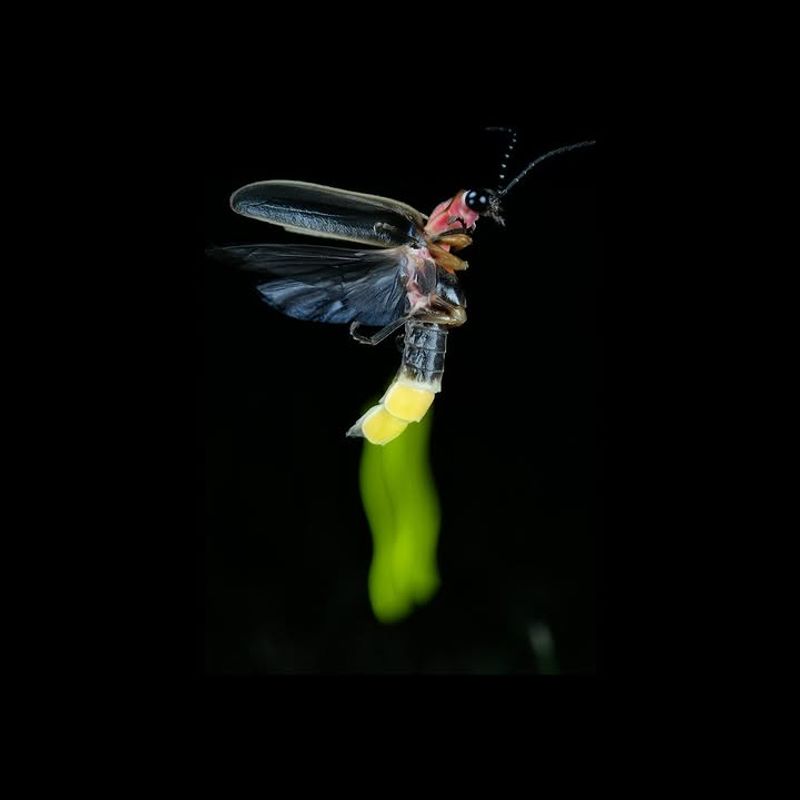
Pesticide drift is a real problem for fireflies. Sprays used on lawns and gardens do not stay put, and neighboring properties can affect your yard too.
If fireflies are thriving in your space, it likely means chemical use in your immediate area has stayed low. That is something worth acknowledging and actively maintaining.
Common lawn treatments, including grub treatments and broad-spectrum insecticides, are particularly harmful. They target the very soil insects that firefly larvae depend on for survival.
Mosquito fogging services have grown in popularity across suburban areas in recent years. Unfortunately, those treatments blanket entire yards and harm far more than just mosquitoes.
Organic alternatives like neem oil, diatomaceous earth, and companion planting can handle many pest problems. They work more slowly, but they do not broadly disrupt the surrounding ecosystem in the process.
Talking to your neighbors about reducing chemical use can feel awkward, but the conversation is worth having. A shared commitment to lower-impact gardening benefits everyone on the block.
Fireflies light up your Illinois yard as a direct response to what has not been sprayed there. Every season you choose restraint with chemicals is another season of glowing summer nights ahead.
Warm, Humid Illinois Summer Air Has Finally Arrived
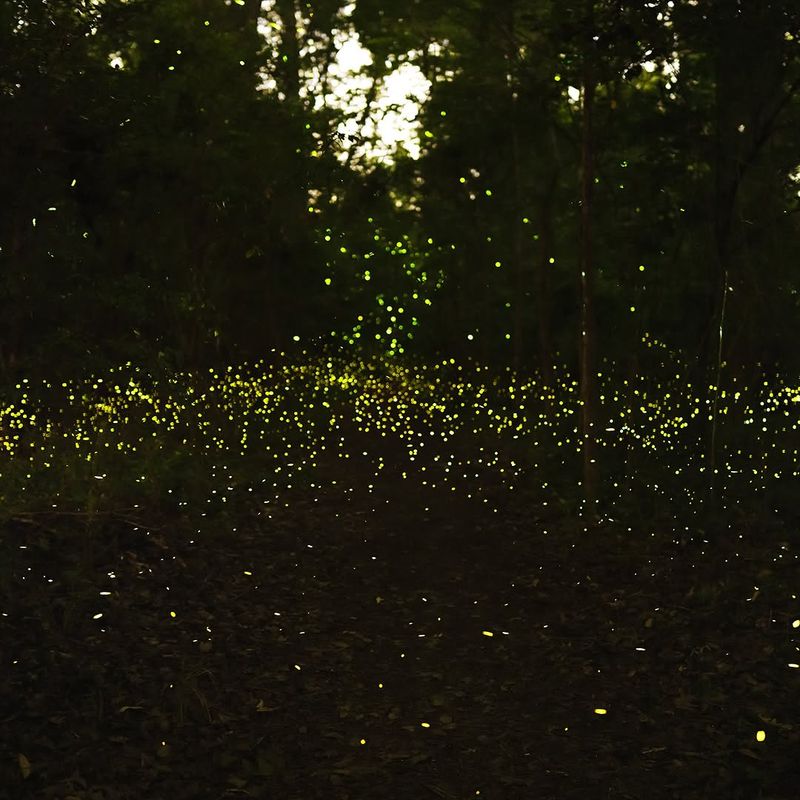
There is a specific feeling to an Illinois summer night that firefly watchers know well. The air is thick, warm, and just a little sticky, and then the lights begin.
Fireflies emerge when air temperatures consistently stay above 50 degrees Fahrenheit at night. That threshold usually hits in late May or early June across most of the state.
Humidity matters just as much as heat. Fireflies are soft-bodied insects, and dry air causes them to dehydrate quickly, cutting their active time significantly short.
Illinois summers deliver both heat and humidity in generous amounts. That combination creates a perfect window, usually lasting through mid-July, when firefly activity peaks.
Evenings right after a warm rain are especially spectacular for firefly watching. The moisture in the air and soil seems to trigger a surge in activity that feels almost choreographed.
Different firefly species in Illinois flash at different times of night. Some prefer the first 30 minutes after sunset, while others wait until full darkness has completely settled in later in the evening.
When fireflies light up your Illinois yard on a muggy July night, the weather itself is part of the invitation. Step outside, turn off the porch light, and let the show begin.