Why Illinois Homeowners Are Ripping Out Bradford Pears This Summer
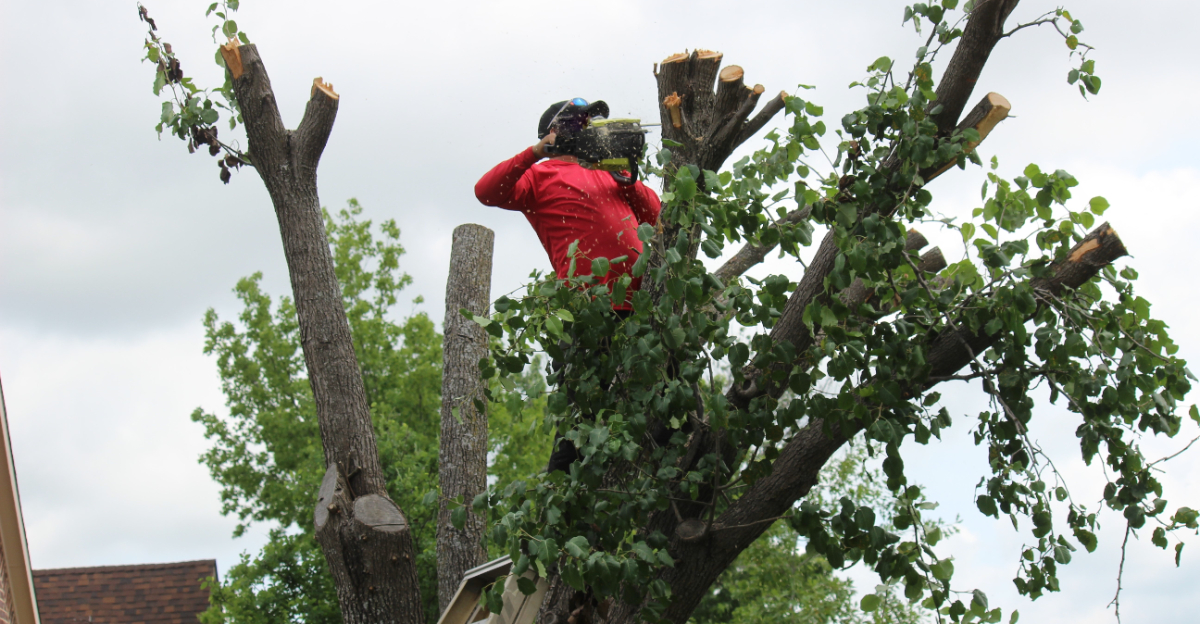
Chainsaws are humming through Illinois neighborhoods this summer, and the sound has nothing to do with storm cleanup. Tree crews are booked out for weeks, and the calls keep coming from the same quiet subdivisions.
The tree in question is one homeowners once planted with pride. It lined driveways, framed cul-de-sacs, and showed up in nearly every development built between the 1970s and the early 2000s.
Now that same tree is being hauled off by the truckload. Some owners point to limbs that split apart in heavy wind. Others mention the smell that drifts across the yard each spring.
A growing number blame what has been creeping past their fence lines into fields and woodlots nearby. Illinois residents have stopped waiting for the situation to improve on its own.
Weak Branch Structure Leads To Storm Damage
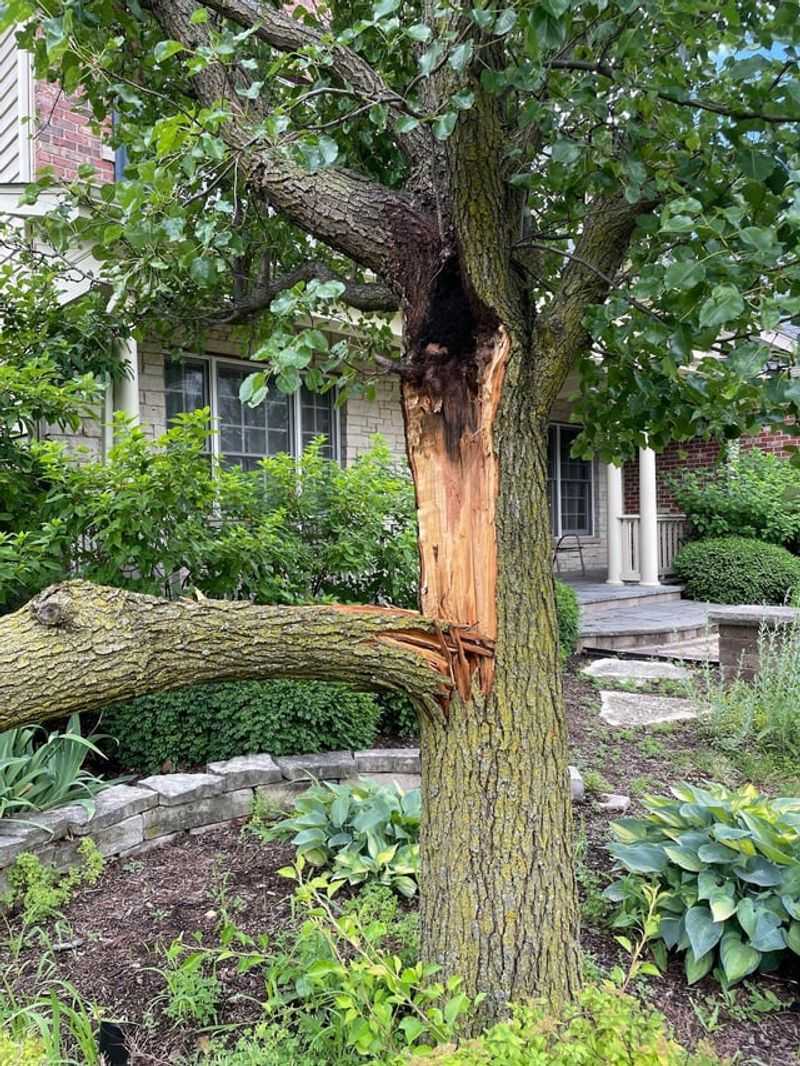
Bradford pears look gorgeous in spring, but their structure works against them. Their branches grow at tight, narrow angles that create weak attachment points in the trunk.
When a storm rolls through with strong winds, those weak joints are often the first to give way. Homeowners across the Midwest have watched large sections of these trees crack off mid-storm.
The problem comes down to how the tree grows. Multiple large branches compete for the same narrow space at the top of the trunk, creating what arborists call a “co-dominant stem” structure.
That structure means no single branch is fully anchored. Under pressure from wind or ice, the whole crown can split apart into large, unstable sections.
A falling limb can damage a fence, dent a car roof, or land on a porch roof. Repair costs from one storm event can easily run into the thousands of dollars.
Many homeowners only learn about this flaw the hard way. One bad thunderstorm is all it takes to turn a beautiful tree into a dangerous liability.
Certified arborists in the region have been warning about Bradford pear instability for years. Structural pruning can help, but it rarely fixes the core problem.
Once the tree matures past ten or fifteen years, the risk grows sharply. Choosing removal now, before the next big storm hits, is the smarter and safer financial move for any homeowner.
The Trees Have Become Invasive Across Illinois
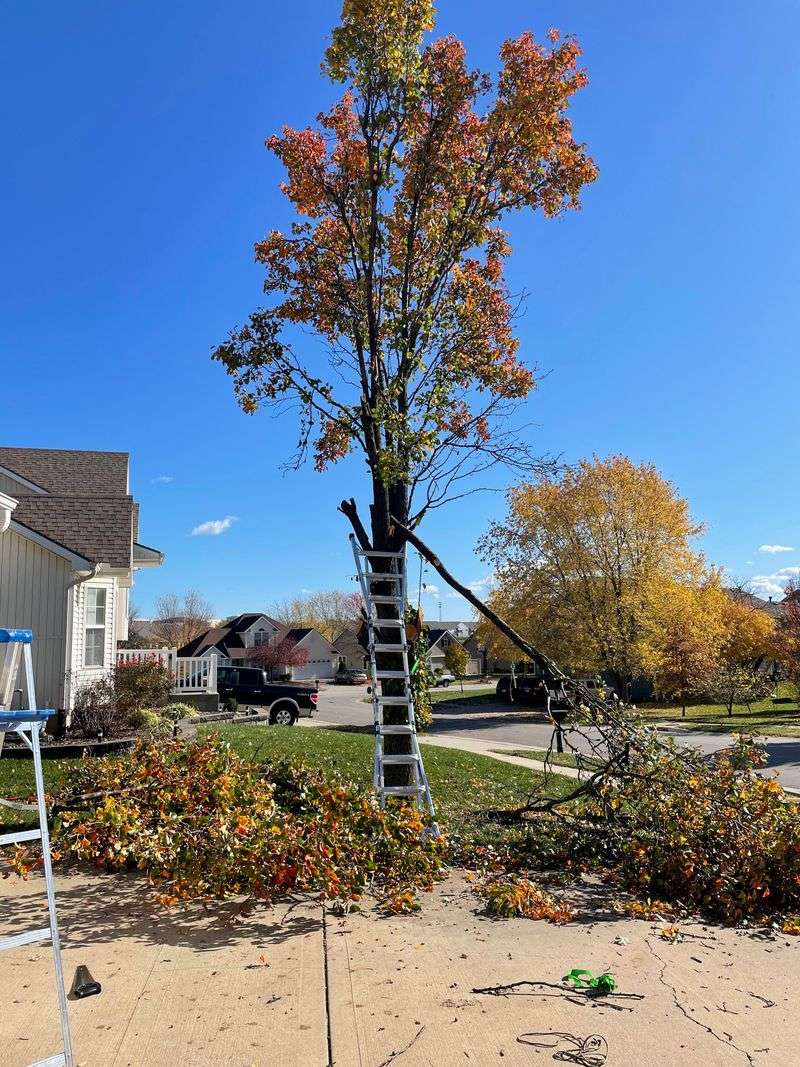
Bradford pears were marketed as self-sterile, meaning a single tree could not produce fruit on its own, so plant sellers promoted them as environmentally safe. That claim turned out to overlook what happens once multiple trees grow near each other.
When two Bradford pears grow near each other, they cross-pollinate and produce seeds. Birds eat those small fruits and carry the seeds into forests, fields, and roadsides.
Wild seedlings sprout with sharp thorns, unlike the tame nursery version. These thorny offspring spread aggressively and crowd out native plants that local wildlife depends on for food and shelter.
Illinois added callery pear, the species that includes Bradford pear, to its Exotic Weeds Act in October 2025. Sales, distribution, and new plantings become illegal statewide on January 1, 2028, after a phase-out period for growers.
Your Illinois Garden Changes Every Week. Your Plan Should Too.
Gardening in Illinois changes quickly throughout the season. Every Friday you’ll receive a simple weekly plan showing exactly what to plant, prune, fertilize, harvest, and protect so you never miss the right timing.
Driving through rural parts of the state in spring, you can spot the problem immediately. White blooms now line highway medians and fence rows far from any yard where they were originally planted.
Ecologists warn that dense thickets of invasive pears reduce biodiversity in natural areas. Native grasses, shrubs, and wildflowers cannot compete once these fast-growing trees take hold.
Removing a Bradford pear from your yard does not just protect your property. It actually helps stop the spread of seeds into nearby green spaces and preserves local ecosystems.
Choosing removal now is a small act with a genuinely big environmental payoff for your community and the natural landscapes that surround it.
Their Spring Blooms Carry An Unpleasant Odor
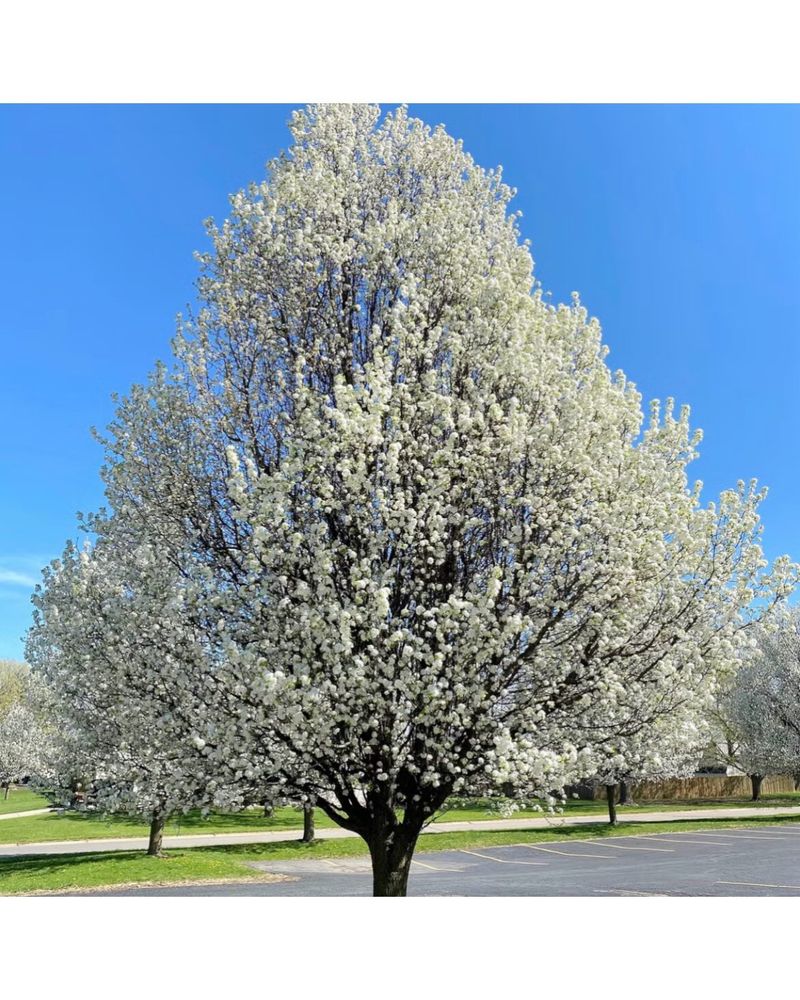
Every April, Bradford pears burst into clouds of white blossoms that look striking from a distance. Step a little closer, though, and your nose will tell a very different story.
The flowers produce a smell that many people compare to spoiled seafood or a locker room. It is not subtle, and it lingers in the air around the tree for weeks.
Neighbors with open windows during bloom season often complain about the odor drifting inside. Backyard cookouts scheduled for peak bloom time can turn into an unpleasant experience nobody planned for.
The scent comes from chemical compounds in the pollen that attract certain insects for pollination. What works for bugs is rarely pleasant for humans trying to enjoy their outdoor space.
Families who planted Bradford pears for curb appeal often feel tricked once bloom season arrives. The tree that looked so lovely in the nursery catalog smells nothing like a spring garden.
Allergy sufferers face an added layer of frustration. The heavy pollen load from these trees can trigger sneezing, itchy eyes, and sinus pressure for weeks at a stretch.
Plenty of flowering trees offer beautiful spring displays without the offensive smell. Native serviceberry and redbud both bloom with elegance and rarely draw odor complaints from the neighbors.
Once homeowners realize the smell returns each spring, trading that tree for something better starts sounding less like a project and more like a relief worth celebrating.
Native Alternatives Offer Better Long Term Value
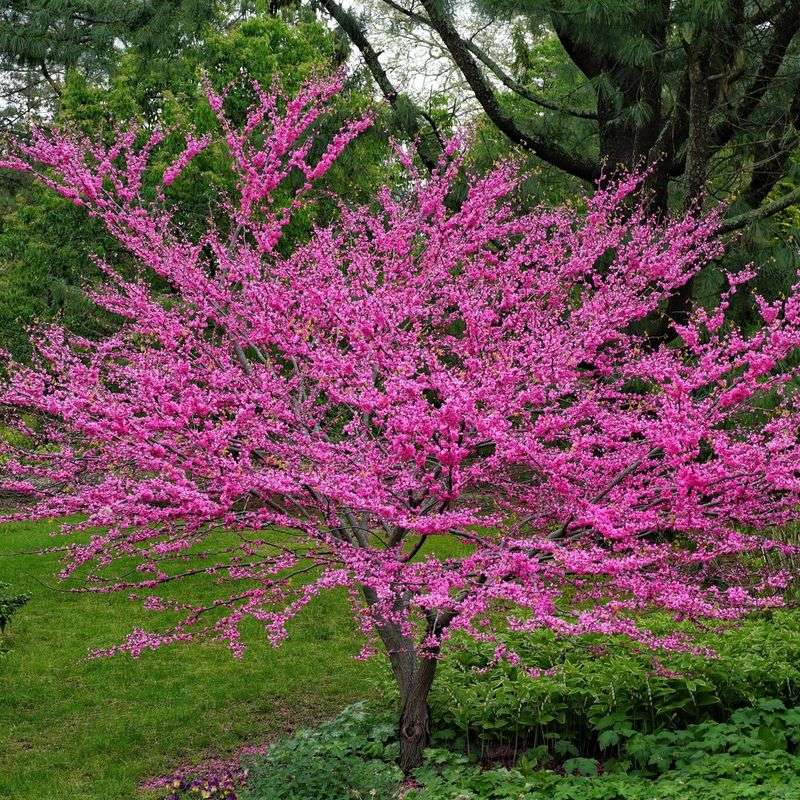
Pulling out a Bradford pear does not mean your yard has to look bare or boring. A whole lineup of native trees is ready to take its place with far better results.
Eastern redbud is one of the top choices for Illinois yards right now. Its pink-purple spring flowers are stunning, and the tree stays manageable in size without aggressive pruning.
Serviceberry is another excellent swap. It blooms white in early spring, produces edible berries that birds love, and turns brilliant orange-red in autumn for a full season of interest.
Native flowering dogwood brings layered beauty to any landscape. The spring blooms, summer berries, and fall color make it a four-season performer with far more year-round appeal than Bradford pear.
Beyond aesthetics, native trees support local ecosystems in ways that Bradford pears simply do not. They feed native caterpillars, bees, and birds that co-evolved with these specific plants over thousands of years.
Property value is another factor worth considering. Mature, well-chosen native trees can add curb appeal and shade value that some buyers factor into home sales.
Nurseries across the region report growing interest in native alternatives this season. Homeowners removing Bradford pears are increasingly planning their replacement planting in advance.
Making the switch is genuinely one of the most satisfying yard upgrades available right now, and the trees that replace a Bradford pear will reward you for decades ahead.
Removal Costs And Timing Homeowners Should Know
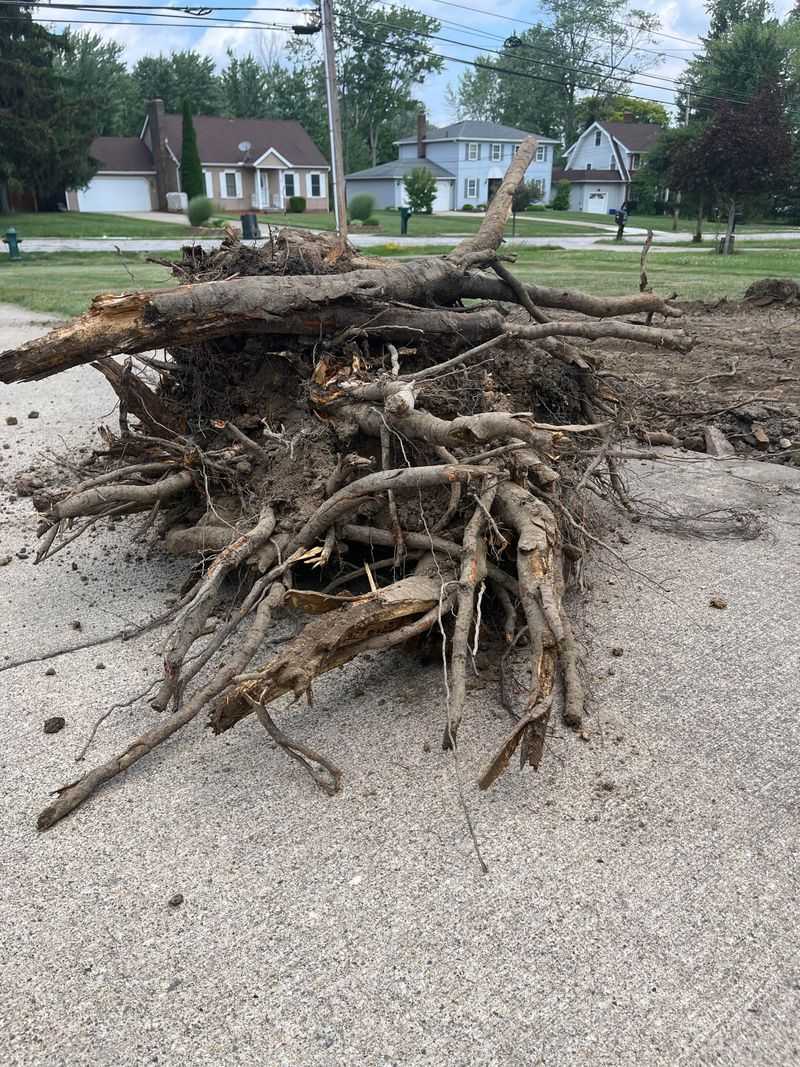
Knowing when and how much removal will cost helps homeowners plan without surprises. Bradford pear removal typically runs between $300 and $1,200 depending on tree size and access.
Smaller trees under twenty feet tall cost less and take less time for crews to handle safely. Larger, mature specimens with wide crowns require more equipment and a bigger team on site.
Summer is actually a smart time to schedule removal in the Midwest. Tree crews tend to have more availability in mid-summer than in the busy spring or post-storm fall rush.
Getting multiple quotes from certified arborists is generally the smart move. Prices can vary significantly between companies, and a certified professional will identify any risks before work begins.
Stump grinding is usually a separate cost on most quotes. Expect to add $75 to $200 for grinding, depending on stump diameter and root complexity below the soil.
A few Illinois communities have budgeted for removing and replacing invasive pears on public land, so it is worth checking with your village or park district before scheduling work.
Timing removal before fall storm season is the financially savvy approach. Bradford pears removed in summer cannot cause storm damage in September or October when severe weather peaks.
Booking early also gives you time to plan your replacement planting. Autumn is one of the best seasons to put new native trees in the ground, so the timing lines up perfectly for Illinois homeowners acting now.
Many Homeowners Are Acting Before Fall Storms Hit
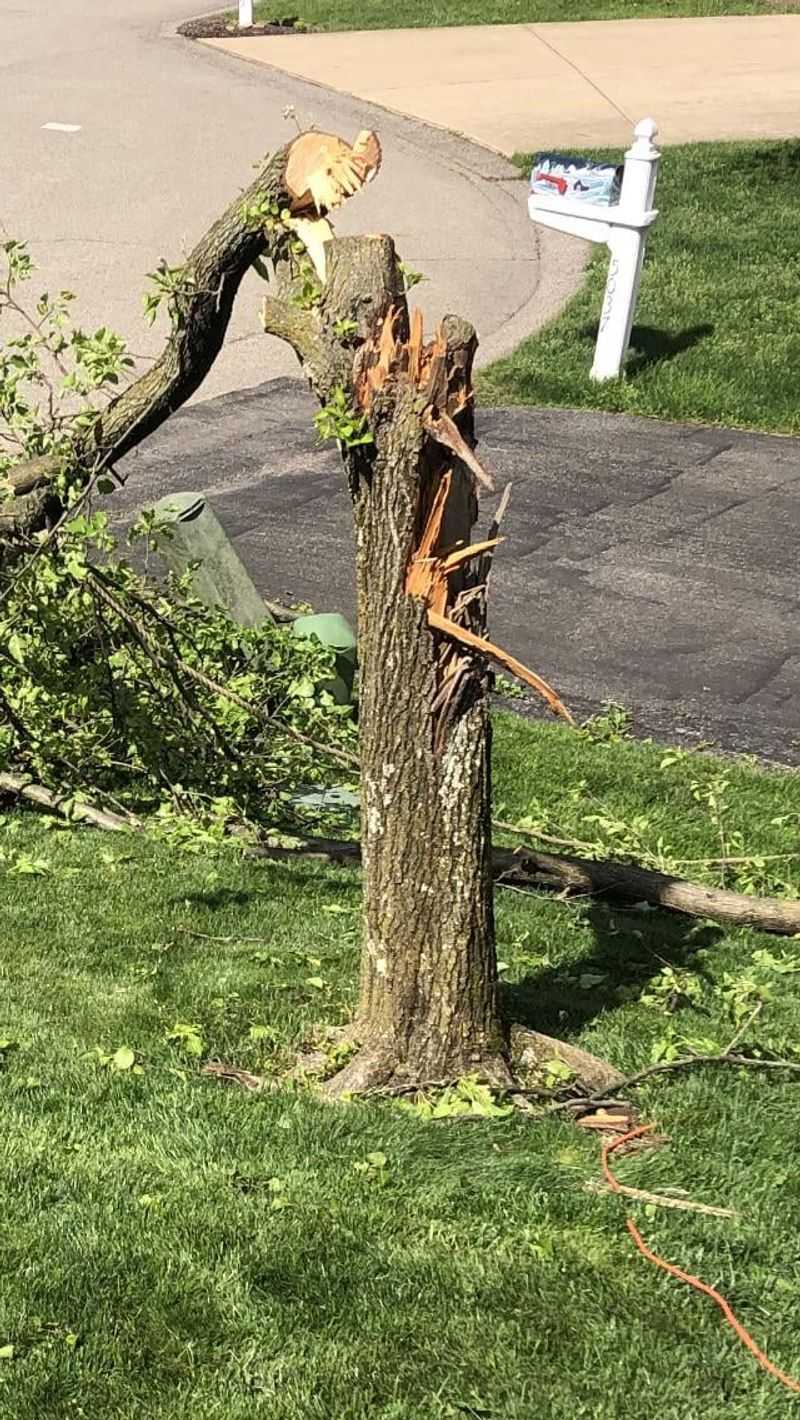
More homeowners in subdivisions across the state are taking action this season. Neighbors are noticing removal crews in nearby yards and asking questions about what comes next.
Social media groups for local homeowners are buzzing with posts about Bradford pear removal. Photos of fresh stumps and newly planted redbuds are a common sight in these discussions.
The urgency is real and practical. Fall storm season in the Midwest brings high winds and early ice events that test every structural weak point a tree has developed over the year.
Homeowners who remove their Bradford pears now eliminate the risk of a costly mid-storm emergency call. Emergency tree removal after storm damage can cost two to three times the normal rate.
Some homeowners also factor storm-damage liability into their decision, since a falling tree near a structure can complicate an insurance claim.
Community awareness has also shifted the conversation around these trees. What once felt like removing something pretty now feels like protecting your home, your neighbors, and local green spaces all at once.
Extension offices and conservation districts across Illinois offer guidance on identifying and managing invasive callery pear.
Acting before fall storms hit is not just smart planning for Illinois homeowners. It is the kind of proactive decision that protects your property, supports native ecosystems, and keeps your neighborhood safer through every season ahead.