This Is The Invasive Vine Oregon Gardeners Keep Buying Without Realizing The Problem
It looks incredible at the nursery. Fast-growing, feathery, covered in small white flowers, and priced like a bargain.
Oregon gardeners pick it up regularly in spring, take it home, plant it along a fence or trellis, and spend the next several years trying to understand what went wrong.
It is one of those plants that reveals its true nature slowly and then all at once.
By the time most gardeners realize what they have, it has climbed the fence, crossed into the neighbor’s yard, sent seeds drifting into the natural area down the road, and started heading up the nearest tree.
Oregon put it on the state noxious weed list for documented reasons, but the plant keeps showing up at garden centers under a name that sounds almost romantic.
Have you ever bought something without thinking twice about it? That might be worth reading about before your next nursery trip.
1. Know Old Man’s Beard First
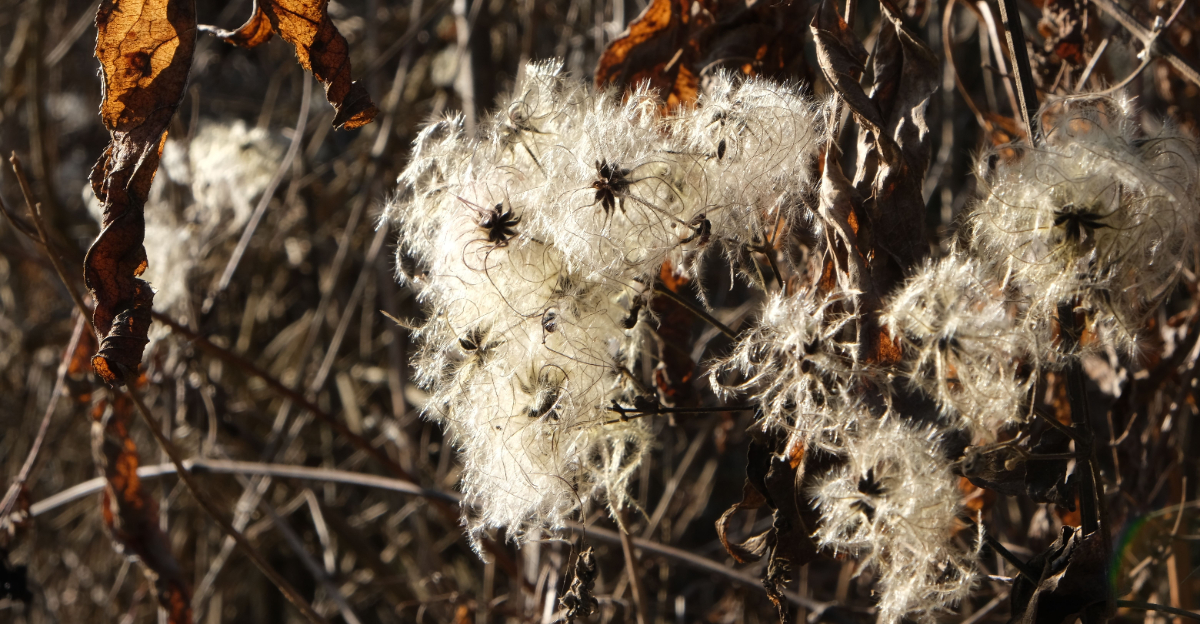
A vine so vigorous it earned a nickname from its wild, white, wispy seed clusters that look exactly like a scraggly old beard.
That plant is Clematis vitalba, and it goes by two common names worth memorizing: old man’s beard and traveler’s joy.
Oregon gardeners encounter it regularly without realizing it is the same plant listed as a Class B noxious weed by the Oregon Department of Agriculture.
Native to Europe and parts of Asia, this woody vine was introduced to the Pacific Northwest as an ornamental plant.
It seemed harmless enough at first. Fast-growing, attractive, and easy to establish, it checked all the boxes for covering an ugly fence or filling a bare corner of the yard quickly.
That reputation helped it spread from garden to garden before anyone looked closely at what it was doing outside the fence line.
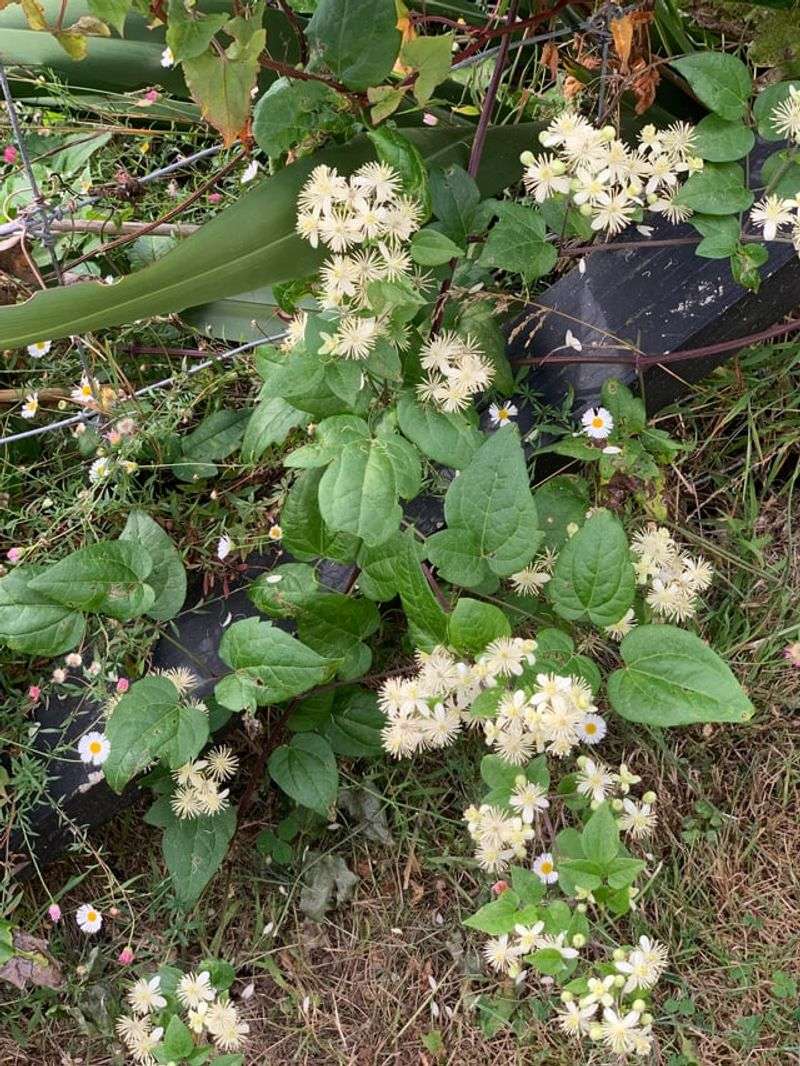
Young plants look like many other ornamental clematis species sold at garden centers. The leaves are compound with several leaflets attached to one stem, and the vine uses twisting leaf stalks to grab onto anything nearby.
Flowers are small and creamy white, blooming in clusters during summer, which is part of what makes it genuinely pretty and genuinely easy to misidentify.
Knowing this plant by both names gives you a real advantage at the nursery. Traveler’s joy sounds charming and completely harmless, but behind that name hides one of the most problematic vines in western Oregon.
Recognition is your first line of defense against accidentally planting a weed that will take years to fully remove from your property.
2. Spot The Fluffy Seed Heads
Walk past a fence line in late summer or early fall and you might notice something that looks like someone draped cotton candy across the shrubs.
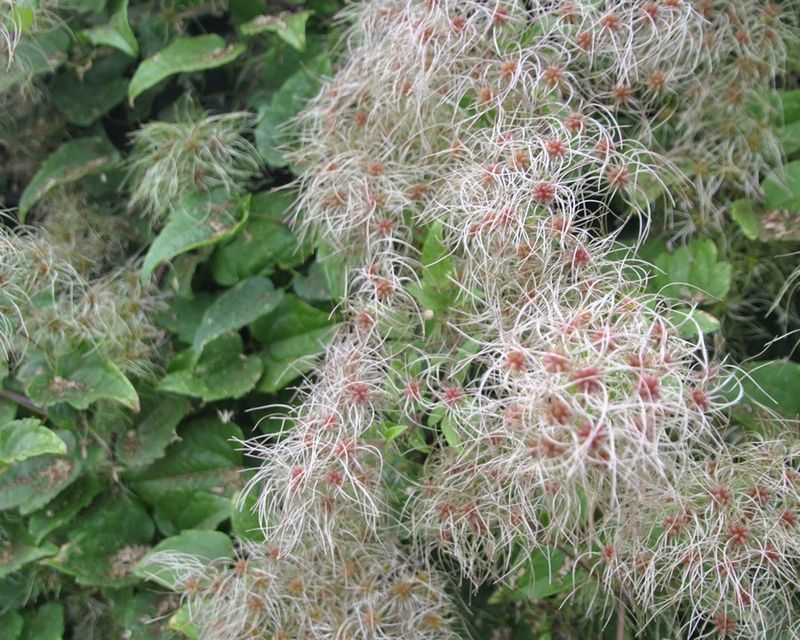
Those fluffy, silvery clusters are the seed heads of old man’s beard, and they are the main reason this vine spreads so effectively across Oregon landscapes.
Each plant can produce thousands of seeds in a single season, which is not a detail to read past quickly.
Every seed comes attached to a feathery tail called an achene. That tail acts like a tiny parachute, catching the breeze and carrying seeds far from the parent plant.
Your Oregon Garden Changes Every Week. Your Plan Should Too.
Gardening in Oregon changes quickly throughout the season. Every Friday you’ll receive a simple weekly plan showing exactly what to plant, prune, fertilize, harvest, and protect so you never miss the right timing.
Seeds can travel hundreds of feet on a windy Oregon day, landing in neighboring yards, along roadsides, and into natural areas where no gardener ever intended them to go.
Spotting these seed heads early gives you a critical window to act before the next generation takes root. The fluffy clusters typically appear from August through November in western Oregon.
They start out greenish, then turn silver-white and cottony as the seeds fully mature. Once you know what to look for, they become surprisingly easy to notice from a distance even while driving past a fence line.
A single mature vine can blanket an entire fence section with seed heads by the end of the growing season. That means one overlooked plant is launching thousands of future vines into your neighborhood.
Catching the seed heads before they fully open and disperse is one of the most important steps you can take to stop the spread right in your own backyard before it becomes someone else’s problem too.
3. Watch It Climb Tree Canopies
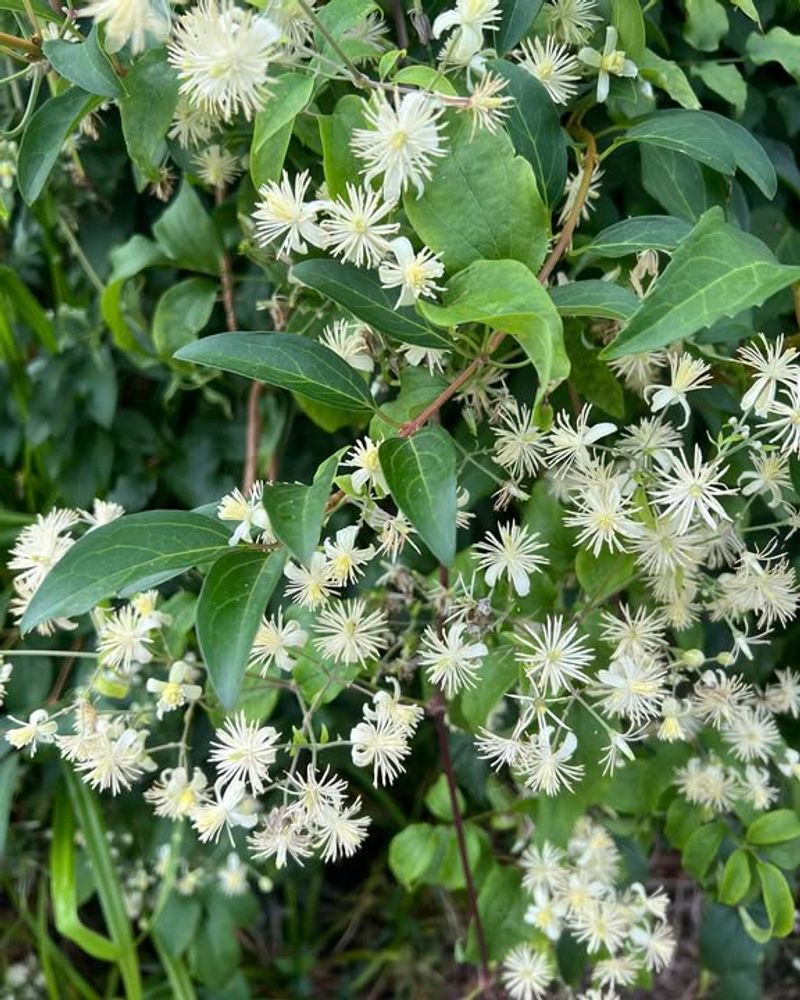
A fence might seem like the worst-case scenario for an aggressive vine, but old man’s beard has much bigger ambitions.
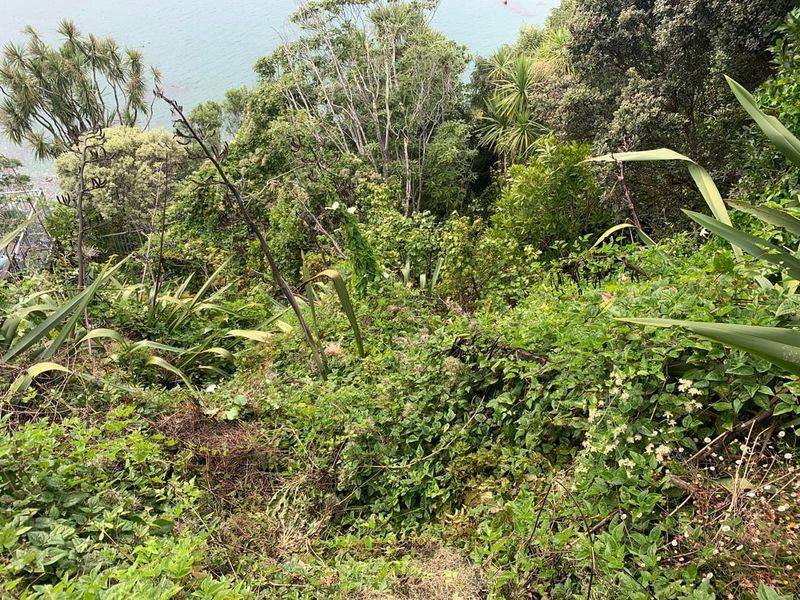
Left unchecked, this climber heads straight for the nearest tree, wrapping its stems around branches and working its way up toward the canopy.
In mature infestations, entire trees can disappear under a thick green blanket of vine growth that looks dramatic in the worst possible way.
The weight of old man’s beard on tree branches creates serious structural problems over time. Heavy vine growth blocks sunlight from reaching the tree’s own leaves, weakening the host tree progressively through the season.
Branches under vine pressure become more vulnerable to storm damage, especially during Oregon’s wet, windy winters when rain-soaked vines become significantly heavier.
Aggressive climbing vines can reduce the health and vigor of host trees in ways that compound year over year.
Old man’s beard is particularly problematic because it does not just climb one tree. It bridges between trees, creating a connected web of vine growth that spreads the infestation sideways as well as upward at the same time.
Young vines are the easiest to pull away from trees. Once the woody stems mature and thicken, removal becomes much harder and considerably more time-consuming.
Check your trees every spring for new vine growth starting at the base of the trunk.
Catching the climbing habit early, before the vine reaches the lower branches, saves an enormous amount of work and protects your trees from the kind of long-term stress that does not reverse quickly once it takes hold.
4. Notice Vines Along River Edges
Riparian areas, the zones right along rivers, streams, and wetlands, are some of the most vulnerable places in Oregon for old man’s beard to establish and spread.
Disturbed soil near water combined with the vine’s preference for full to partial sun makes riverbanks practically ideal habitat.
Seeds dropped into the water travel downstream and sprout wherever they wash ashore, which means a single upstream plant can seed a long stretch of riverbank over several seasons.
The Willamette Valley and the Coast Range river corridors have documented infestations spreading along waterways.
Once the vine gets into a riparian zone, it smothers native plants like red-osier dogwood, willows, and native clematis species that provide important habitat for birds, pollinators, and other wildlife.
The ecological impact extends well beyond the vine itself and into the food webs that depend on those native plants.
Hikers and outdoor enthusiasts often first notice old man’s beard along popular trail corridors near rivers in the fall. The fluffy seed heads are unmistakable against the autumn colors of native vegetation.
Reporting sightings to Oregon’s invasive species reporting tools, like the Oregon Invasives Hotline, helps land managers respond faster to new infestations before they become fully established.
If you live near a creek, river, or wetland, pay extra attention to what grows along your property edge. A few wispy stems along a fence near the water can quickly become a dense mat covering the bank.
Riparian areas deserve the most vigilant monitoring because seeds spread downstream with almost no effort at all, and reversing an established riparian infestation is genuinely difficult work.
5. Avoid Buying Traveler’s Joy
Here is a scenario that plays out in Oregon nurseries every single spring.
A gardener spots a fast-growing vine with delicate white flowers and a poetic-sounding name, traveler’s joy, and thinks it sounds absolutely perfect for the back fence.
The label mentions vigorous growth and attractive seed heads. Nothing on the tag says noxious weed. Into the cart it goes without a second thought.
This is exactly how old man’s beard keeps spreading in Oregon gardens.
The Oregon Department of Agriculture lists Clematis vitalba as a Class B noxious weed, meaning its sale and distribution are regulated, but enforcement at the retail level is not always consistent.
Some garden centers still stock it, sometimes under the ornamental name traveler’s joy, without clear warning labels that would actually help a gardener make an informed decision.
Knowing both names is genuinely useful when you are shopping. If you see Clematis vitalba on a label, set it back down.
If you see traveler’s joy without a species name attached, ask a nursery employee for the full botanical name before buying. A reputable nursery will give you that information without hesitation.
Oregon gardeners can also check the ODA noxious weed list online before shopping for any new vine. The list is updated regularly and includes photos that make identification considerably easier.
Spending two minutes checking before a nursery trip can save years of removal work in your garden.
Buying smart at the start is always easier than managing an aggressive vine after it has already settled in and started spreading enthusiastically in every direction.
6. Pull Young Plants Early
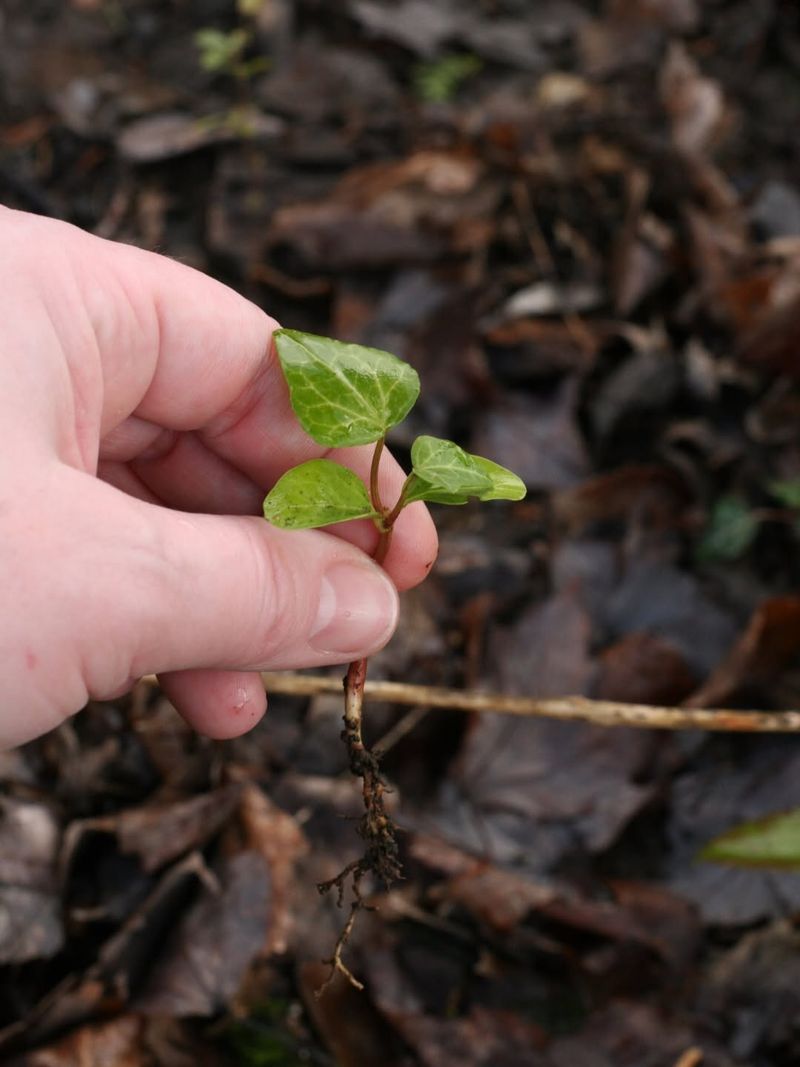
Catching old man’s beard while it is still young and small is the single most effective thing you can do to manage it in your garden.
Seedlings pulled in their first season come out of the ground relatively easily, root system and all.
Wait another year and you are dealing with a woodier, better-anchored plant that requires considerably more effort to remove completely and cleanly.
Spring is prime pulling season. Seeds that germinated over fall and winter begin pushing up new growth as temperatures warm.
Look for small plants with compound leaves and twisting stem tips already trying to grab onto anything nearby.
They often appear at the base of fences, along walls, and under established shrubs where seeds dropped from a nearby mature vine during the previous fall.
Wear gloves when pulling old man’s beard since some people experience mild skin irritation from handling the plant.
Pull slowly and steadily to get as much of the root as possible. Broken roots left in the soil can sometimes resprout, so patience during removal pays off more than speed.
Loosening the soil around the base first helps considerably if the ground is dry and compacted.
Do not compost pulled plants, especially if any seed heads are developing. Bag them in a sealed plastic bag and place them in your regular garbage bin instead.
Composting invasive plants risks spreading seeds or viable plant material back into your garden later, which turns a cleanup effort into a replanting effort in the most frustrating way possible.
7. Bag Seed Heads Before They Spread
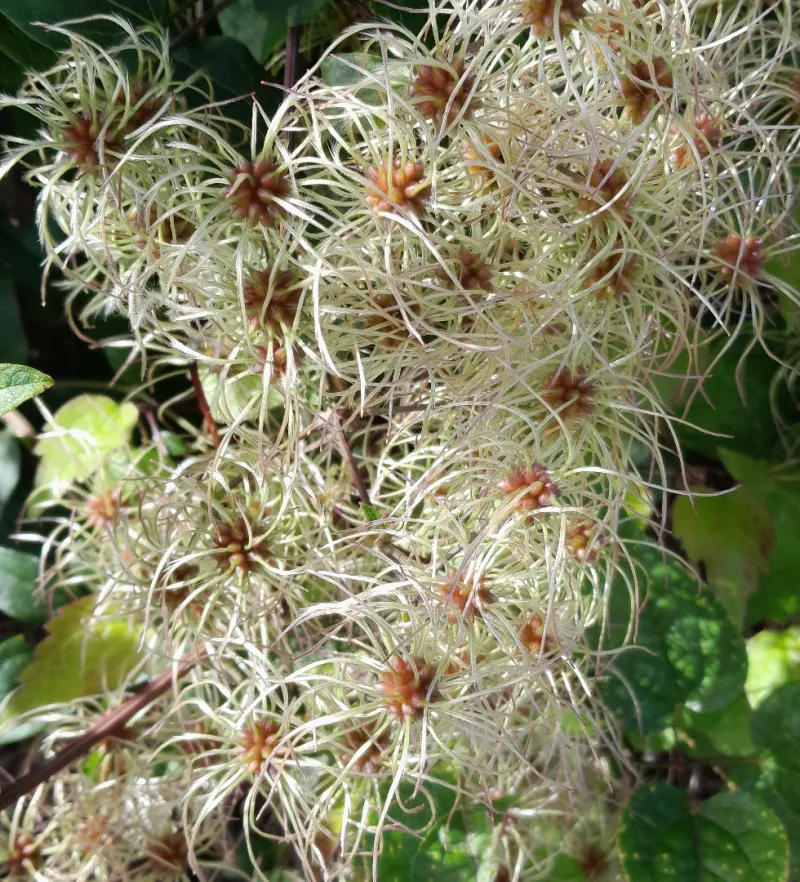
Timing matters enormously when dealing with old man’s beard seed heads.
The window between when seeds mature and when they start flying on the breeze can be surprisingly short, especially during a windy Oregon fall.
Catching seed heads before they fully open is one of the most impactful actions you can take to prevent next year’s seedling explosion across your yard and your neighbors’.
Start checking plants in late summer, around August in western Oregon. Seed heads that are still greenish or just beginning to turn fluffy are at the ideal stage for removal.
Snip them off carefully and place them directly into a sealed plastic bag as you work. Shaking or disturbing the seed heads too much during removal can release seeds right there in your garden, which defeats the entire purpose of the cleanup effort.
Double-bag the seed heads if possible before placing them in your trash.
Do not leave filled bags sitting open outdoors, and never put seed heads into your yard debris bin or compost pile.
Municipal composting facilities may not reach temperatures high enough to destroy all viable seeds, meaning old man’s beard could potentially hitch a ride back into gardens through finished compost purchased the following spring.
Even removing seed heads from a plant you plan to fully remove later still reduces the spread dramatically.
Every seed head you bag before it opens represents hundreds of potential seedlings that will never take root in your yard, your neighbor’s yard, or the natural areas nearby.
Small, careful actions during the seed head window add up to real results over time, which is a better return on effort than most garden tasks can honestly claim.