7 Ohio Potting Mix Mistakes That Makes Containers Too Heavy To Move
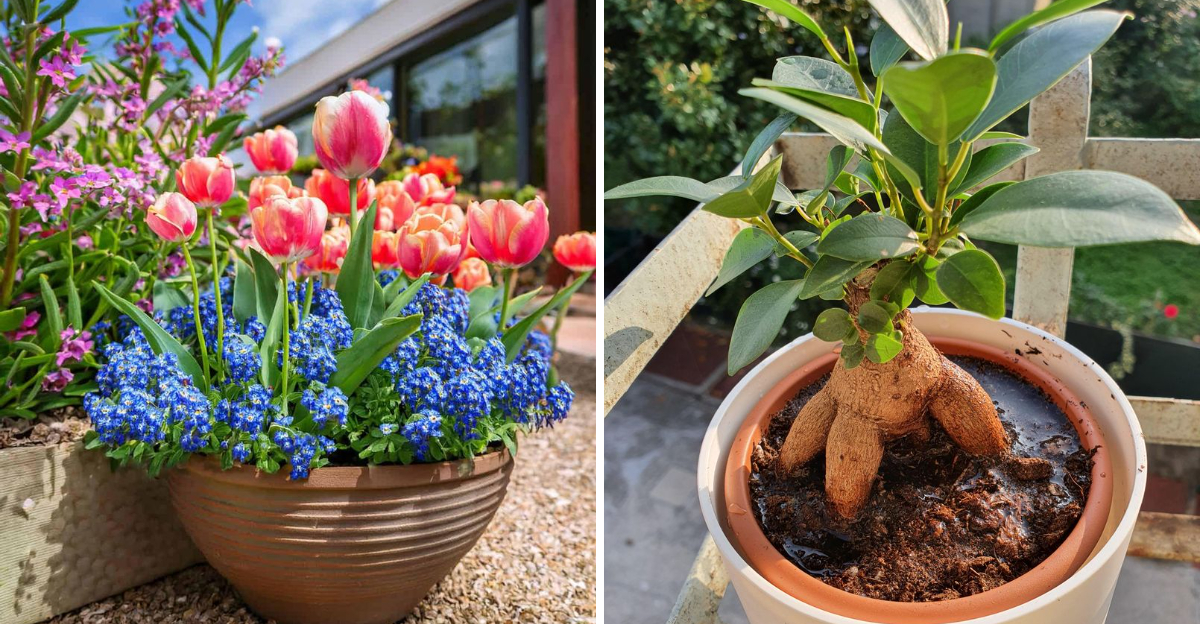
You planted it in May. It looked great. A manageable pot, a solid location, a plant you were excited about.
Then August arrived and you needed to move it.
You grabbed the sides, shifted your weight, and realized the container had apparently been filled with wet concrete at some point over the summer.
Heavy containers are one of the most common and least-talked-about problems in Ohio container gardening. Many people assume the weight is just the nature of a full pot. It is not.
The weight is almost always the result of specific decisions made at planting time, many of which feel completely reasonable in the moment and quietly create a much heavier situation over the season.
The fixes are simple once you know what is causing the problem. A few are free. Most take thirty seconds to apply.
All of them result in containers that are lighter, healthier, and actually rearrangeable without a strategy meeting. So, want your patio back?
1. Filling Pots With Garden Soil
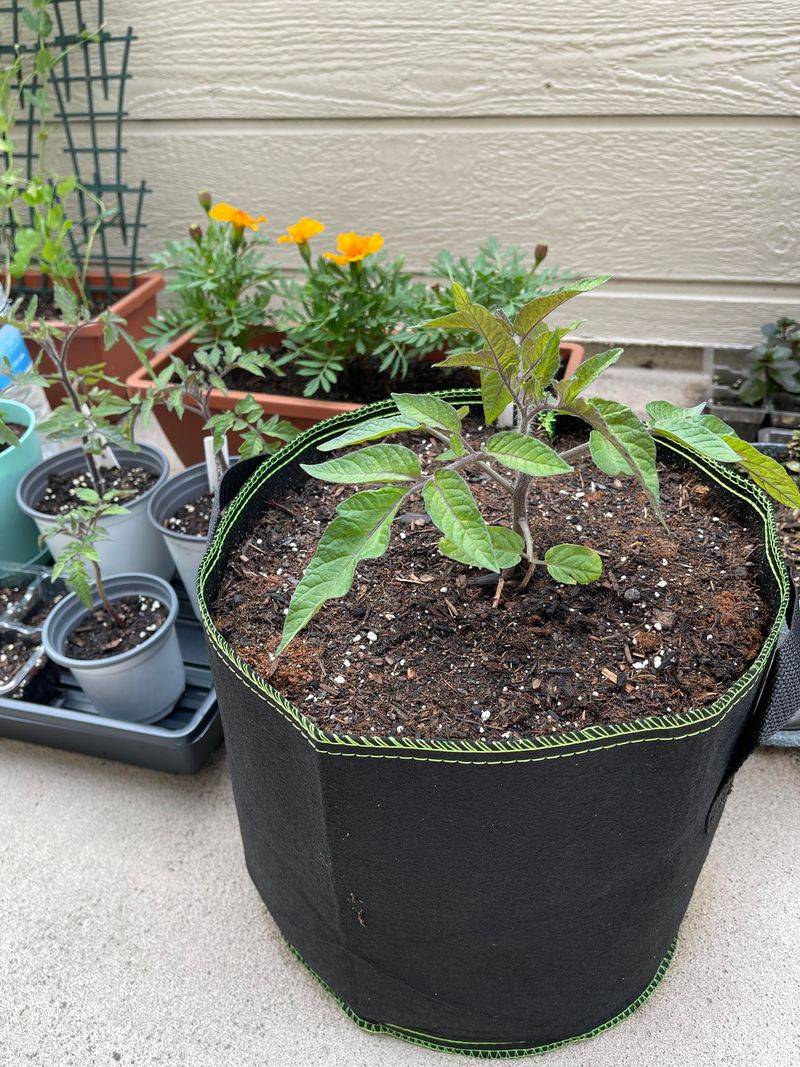
Grabbing a shovel and filling containers straight from the yard feels like the kind of practical move that saves time and money.
The soil is right there, it is free, and it has already proven itself capable of growing things. The problem is that garden soil was never designed to live inside a pot, and Ohio yards make that incompatibility worse than most.
Ohio soils lean heavily toward clay, and clay soil compacts quickly when confined to a container. Without the open ground around it, clay loses the air pockets that roots depend on for oxygen.
Water pools at the bottom instead of draining through, and roots end up sitting in exactly the wet, airless conditions they struggle most to survive in. The soil that works well in the ground becomes a problem the moment you put walls around it.
Beyond root health, wet clay is extraordinarily heavy. A single 12-inch container filled with yard soil can easily top 40 pounds after a rainstorm.
Larger pots push that number significantly higher, turning a moveable planter into a permanent fixture that you work around rather than with.
Garden soil also brings weed seeds, fungal spores, and insects along for the ride. Those extras cause real problems in a confined environment where plants have nowhere to escape.
A quality commercial potting mix solves all of this at once: lighter, well-draining, and free of the hitchhikers that come with yard soil.
Spending a few extra dollars on the right mix at planting time is an investment in every season after that. Your back will notice the difference immediately.
Your plants will notice it within the first week. The weeds from your yard soil will not get the chance to notice anything at all.
2. Skipping Lightweight Potting Mix
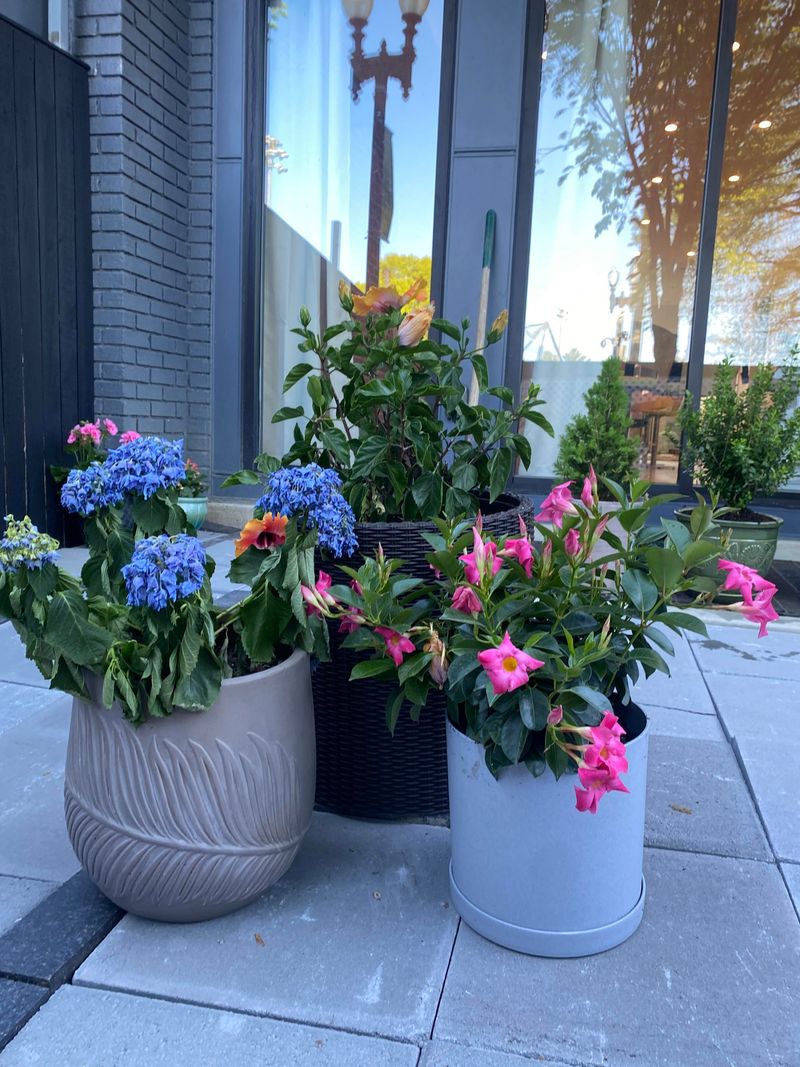
Grabbing the cheapest bagged soil product at the hardware store without reading the label is one of the most common container gardening mistakes made across Ohio every spring.
The bag is on a pallet, it says soil on the front, and it seems like a reasonable choice. The label on the back tells a different story if you take thirty seconds to read it.
Your Ohio Garden Changes Every Week. Your Plan Should Too.
Gardening in Ohio changes quickly throughout the season. Every Friday you’ll receive a simple weekly plan showing exactly what to plant, prune, fertilize, harvest, and protect so you never miss the right timing.
Topsoil, garden soil, and raised bed mixes are formulated very differently from true potting mix.
Topsoil and garden blends tend to be dense and moisture-retaining, which sounds like a benefit until you realize what that means inside a closed container.
Dense, waterlogged material in a pot is both a root-health problem and a serious weight problem, and Ohio’s rainy summers make both worse.
A proper lightweight potting mix contains ingredients like peat moss, coco coir, composted bark, and perlite.
These materials create a spongy, airy structure that holds just enough moisture while draining excess water freely.
The mix stays manageable in weight even after a full week of Ohio rain because it is designed to let water move through rather than hold it indefinitely.
A 14-inch pot filled with the wrong dense product can weigh 50 or more pounds when saturated. Moving it alone becomes a genuine problem, especially on uneven decks or up patio steps.
The label check at the store takes thirty seconds and the weight difference across a full season is significant.
Look for the words potting mix or container mix on the bag. Those two words on the front mean the product inside was actually designed for the job you are asking it to do.
Everything else is a compromise that shows up in your back by August.
3. Packing The Mix Too Tightly
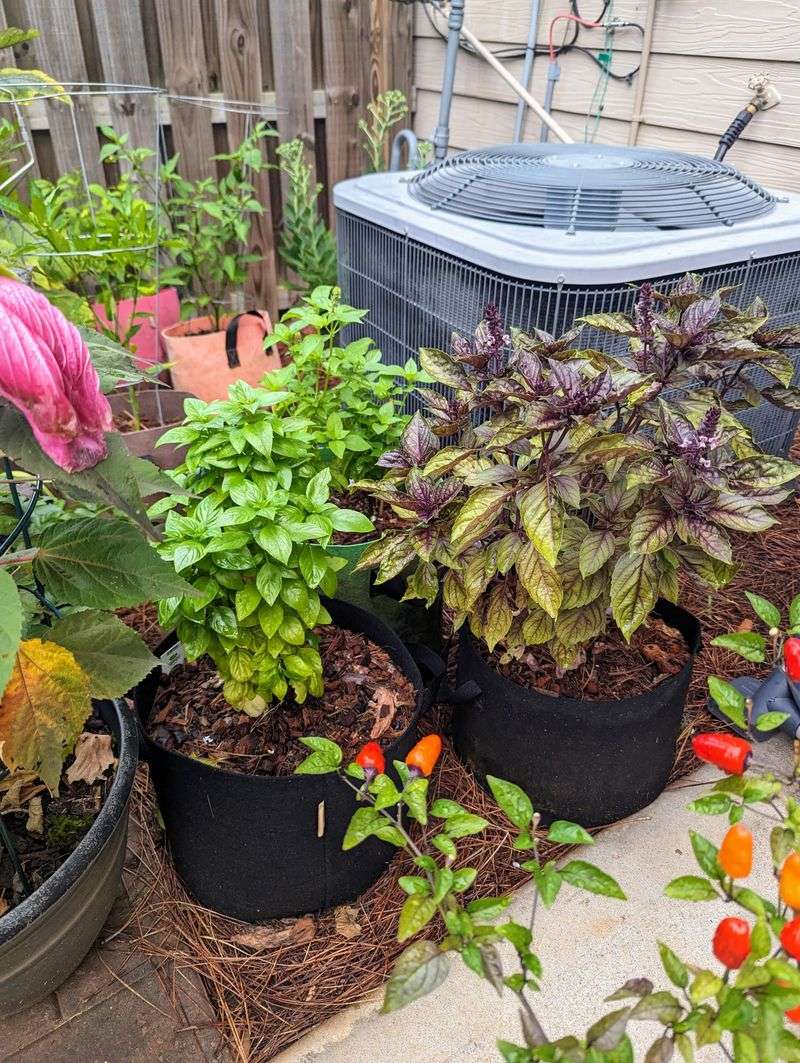
Packing soil down firm feels like the responsible thing to do. It looks tidy, fills the pot efficiently, and creates a surface that seems stable and settled.
That satisfying density is working against everything a container garden needs, starting with the roots and ending with the person who eventually has to move the pot.
Compaction removes the tiny air pockets that roots depend on for oxygen. Plant roots are not just searching for water and nutrients.
They also need oxygen, and in a tightly packed mix without air space, roots suffocate slowly while the plant shows increasing signs of stress that look exactly like underwatering.
The more you water, the heavier the pot gets, and the roots still do not improve.
Tightly packed mix also resists water penetration. Instead of soaking in evenly, water runs down the inside walls of the pot and straight out the drainage holes before roots get a chance to absorb it.
You water frequently, the pot feels heavy, and the center of the root ball stays dry. That is a frustrating cycle to diagnose and even more frustrating to fix mid-season.
Dense packing also adds weight directly. Soil compressed by hand holds more particles per square inch with fewer air gaps, making the overall pot heavier than it needs to be.
Fill containers gently, leave a small gap at the top, and let a light watering settle the mix naturally. Top off with fresh mix if needed rather than pressing everything down.
A lightly filled container and a well-packed one can look identical from above.
One of them has healthy roots and a manageable weight. The other has neither. The difference was about thirty seconds of restraint at planting time.
4. Choosing Oversized Heavy Containers
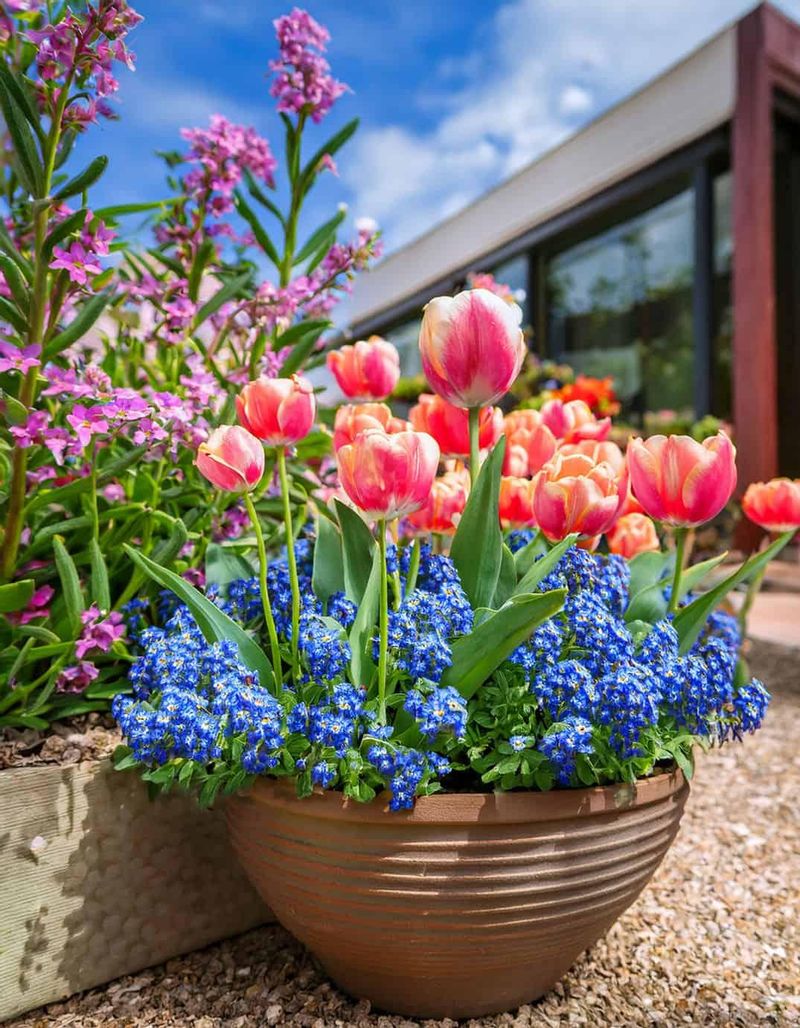
Bigger always feels better when choosing a container. A large pot looks substantial, suggests generosity toward your plants, and makes a real visual statement on the patio.
The problem arrives when you need to move it, bring it inside before frost, or just shift it a few feet for better light.
At that point, the bold statement the pot was making becomes a statement about how long you are committed to leaving it exactly where it is.
Matching pot size to plant size is a basic rule that gets ignored constantly. When a pot is much larger than the root system inside it, the extra mix stays wet for too long between waterings.
All that soggy unused soil adds unnecessary weight and creates root conditions that are far worse than a properly sized container would produce. Bigger is not better. It is just heavier and wetter.
The container material itself adds weight before a single scoop of mix goes in. Concrete, ceramic, and terracotta pots are genuinely beautiful but genuinely heavy.
A large ceramic pot can weigh 30 to 50 pounds completely empty. Add saturated potting mix and a full-grown plant and the container requires two people and significant optimism to relocate.
Lightweight resin or fiberglass containers look nearly identical to ceramic or concrete from any normal viewing distance and weigh a fraction of the amount.
Choose a pot that gives roots about two inches of extra space beyond the root ball. That sizing keeps weight manageable and keeps the plant far healthier than it would be in an oversized vessel with too much wet mix surrounding it.
The right-sized pot in a lightweight material is not a compromise. It is the version of the same design decision that you can actually act on when the season changes.
The beautiful concrete urn is very committed to its current location. Are you?
5. Adding Rocks That Increase Weight
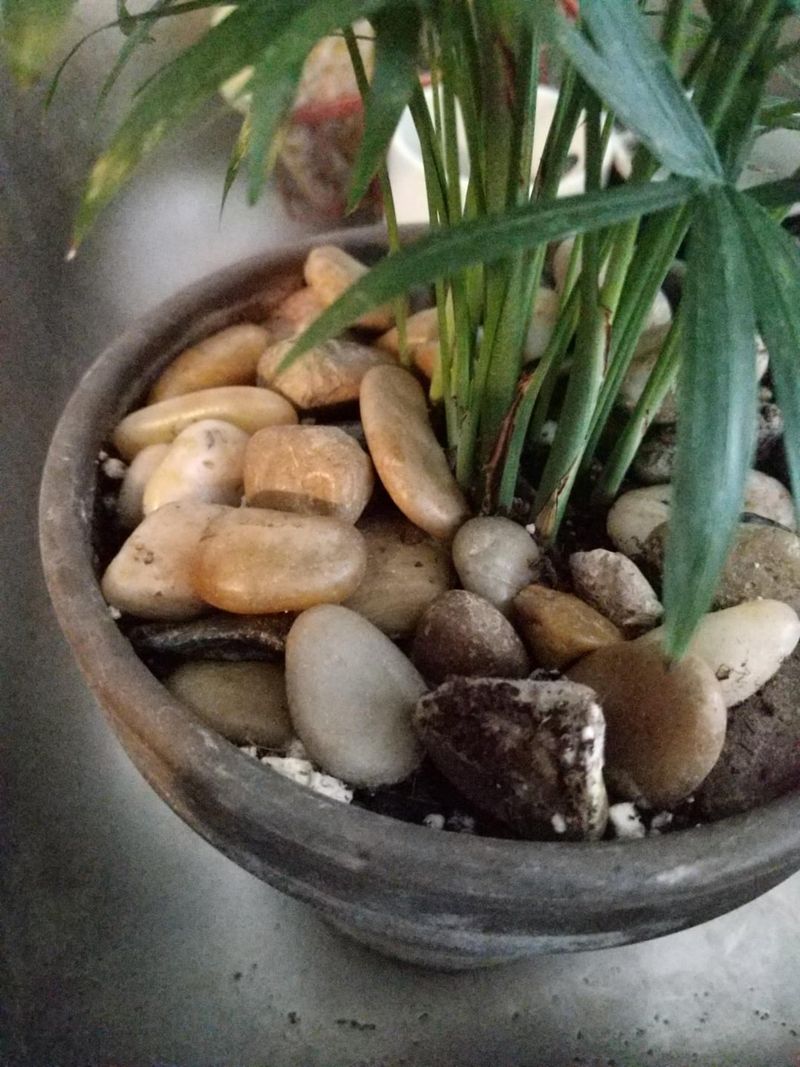
Placing a layer of rocks or gravel at the bottom of a container before adding soil is one of the most widely practiced gardening habits in Ohio, and also one of the most counterproductive.
The reasoning behind it sounds completely solid: rocks create drainage space, so water flows away from roots more easily. The science behind what actually happens in a closed container tells a completely different story.
Water does not move easily from a fine-textured material like potting mix into a coarser material like gravel.
Instead of draining through, the mix above the rock layer stays saturated for longer, creating a zone of standing moisture right at the level where roots are most active.
The gravel layer does not improve drainage. It raises the point at which the mix becomes waterlogged, which is the exact opposite of the intended effect.
Beyond the drainage myth, rocks add serious weight with zero benefit. A two-inch layer of pea gravel in a 16-inch pot can add five to ten pounds immediately.
Larger, heavier rocks push that number higher. Every pound of rock in the bottom of the pot is a pound you are lifting every time the container needs to move.
Proper drainage in containers comes from using a well-structured potting mix with good internal drainage, not from layering heavy materials underneath it.
A single piece of mesh screen or a coffee filter over the drainage hole keeps mix from washing out without adding any meaningful weight. That is the entire solution.
Skip the rocks, save the weight, and actually improve your drainage at the same time. It is genuinely one of those situations where doing less produces a better outcome.
The rocks had good intentions. They were still wrong.
6. Forgetting Perlite Or Bark
A basic potting mix straight from the bag is a decent starting point, but it rarely delivers the best possible results on its own.
Skipping lightweight amendments at planting time is a missed opportunity that affects both how the plant grows and how heavy the container feels when you need to deal with it in August.
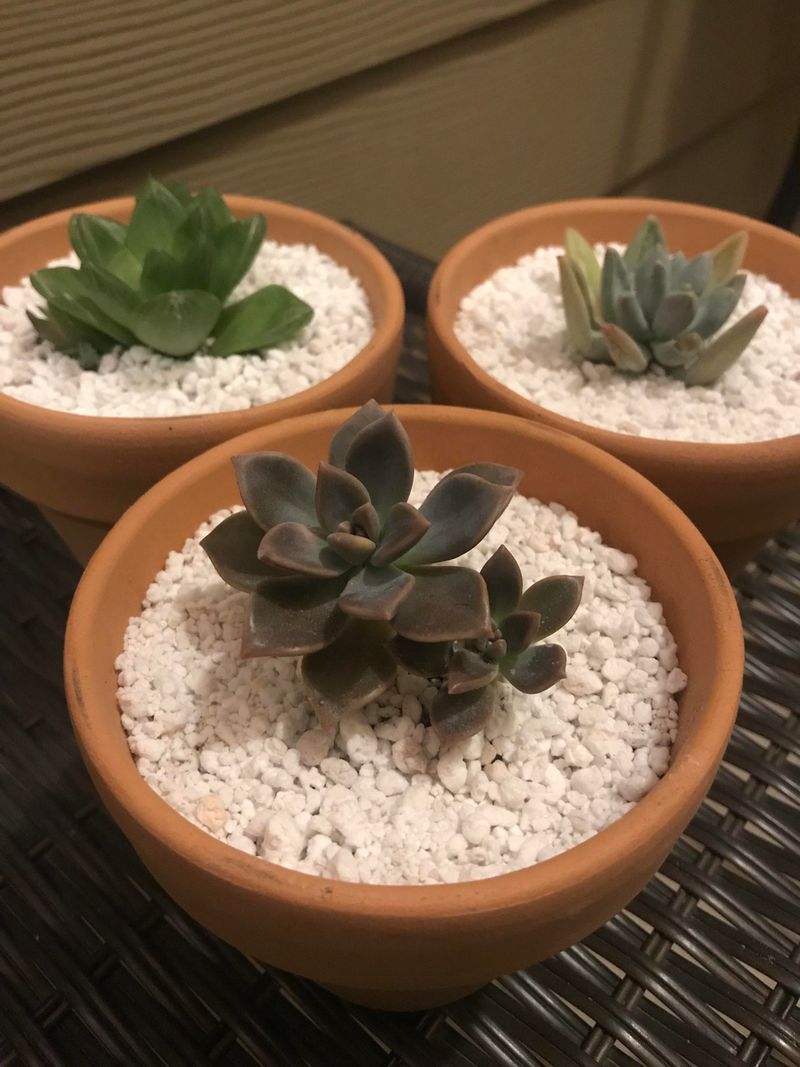
Perlite is one of the most useful and most overlooked tools in container gardening.
Made from volcanic glass heated until it expands into lightweight white granules, perlite creates permanent air pockets throughout the mix that do not compress over time.
Those pockets improve drainage, increase oxygen flow to roots, and prevent the gradual compaction that makes containers progressively heavier and less hospitable as the season advances.
Composted bark is another excellent addition for Ohio container gardeners. Bark particles create structure in the mix, resist decomposition longer than peat moss, and reduce overall density compared to heavier organic materials.
Many experienced container growers blend bark specifically to manage weight in large planters while maintaining a growing environment that roots actually thrive in.
Blending perlite into standard potting mix at roughly one part perlite to four parts mix is a simple adjustment that noticeably reduces container weight while improving the growing environment.
Coco coir, made from coconut husks, is another lightweight option that holds moisture efficiently without becoming waterlogged. Either addition makes a measurable difference in both plant performance and container weight.
A bag of perlite costs a few dollars and lasts for multiple seasons. The weight reduction it produces across a full planting of containers adds up to something your back will notice and appreciate by mid-July.
Small amendment, sustained payoff, genuinely easy habit to build.
7. Letting Wet Mix Stay Dense
Moving-day regret hits hardest when you grab a pot that felt manageable at planting and discover it now weighs nearly twice as much.
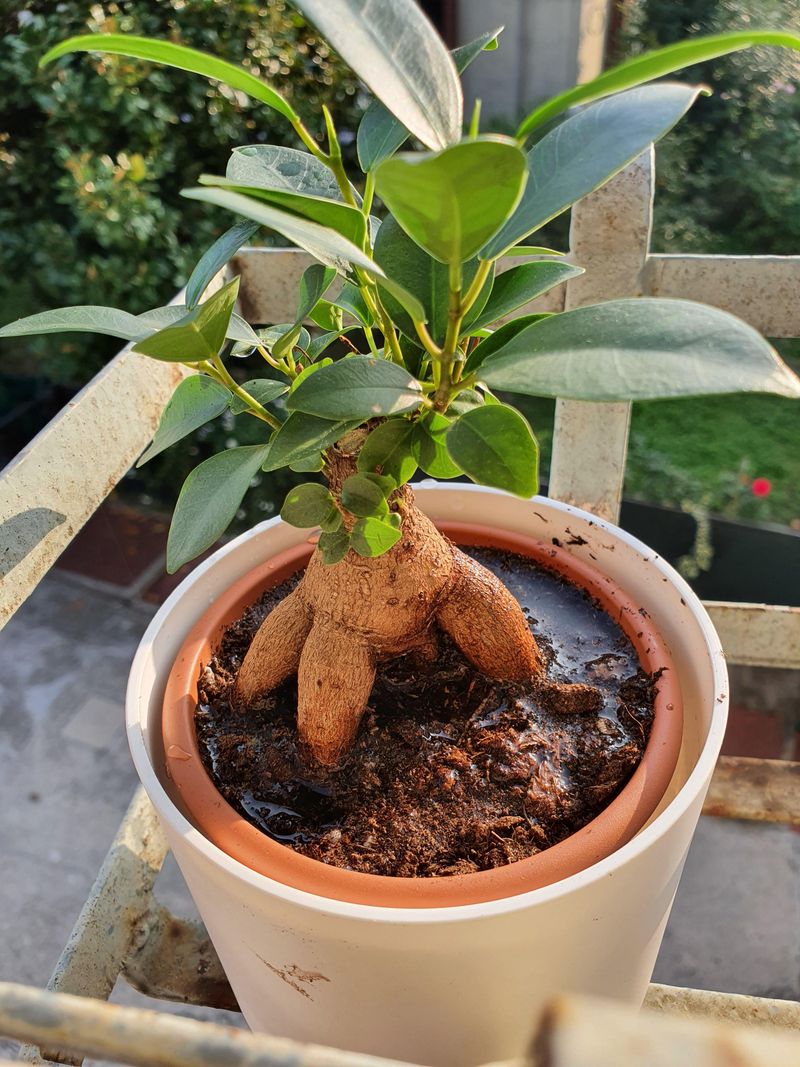
Saturated potting mix is one of the biggest contributors to unexpectedly heavy containers, and the weight gain sneaks up over the season in a way that makes the final number genuinely surprising.
Water adds enormous weight to any growing medium. A single gallon weighs about 8.3 pounds.
A large container holding several gallons of saturated mix can gain 30 or more pounds of water weight after a heavy Ohio rain or an enthusiastic watering session.
When dense mix drains poorly, that water stays in the pot for days rather than hours, and the container stays heavy until the next round of moisture arrives and the cycle repeats.
Persistently wet containers stress roots in ways that show up as yellowing leaves, wilting despite wet soil, and stunted growth that puzzles even experienced gardeners.
Overwatering is often the driving factor, especially combined with Ohio’s unpredictable summer rainfall patterns that make a fixed watering schedule unreliable from week to week.
Allowing mix to partially dry between watering sessions gives containers a chance to shed excess moisture and lighten up naturally.
Checking moisture by pressing a finger about an inch into the mix before watering takes five seconds and prevents both overwatering and the weight that accumulates with it. Lighter containers are almost always healthier containers.
The mix that drains well, dries partially between waterings, and never stays permanently saturated is the mix that stays manageable all season.
Better drainage starts with smarter watering habits and a potting mix that actually supports them. Your containers were never supposed to require a moving team. Let them get back to being portable.