The One Thing You Must Do To Ohio Tomatoes Before July For A Bigger Harvest
Ohio tomatoes have a narrow window and everyone who has grown them knows it. The season starts late, ends early, and everything in between feels like a negotiation with the weather.
Most Ohio gardeners focus on planting dates and watering schedules and miss the one task that has the most direct impact on how much those plants actually produce. July is coming fast.
Before it arrives, there is something specific your tomato plants need that most home gardeners skip entirely. Not because it sounds complicated, but because nobody ever explained why it matters this much at this particular point in the season.
Do it now and your plants put their energy exactly where you want it. Skip it and you spend the rest of summer with plants that look busy but underdeliver at harvest time.
Ohio’s short tomato season does not leave room for missed opportunities like this one.
1. Prune Lower Tomato Leaves Before July Humidity Builds
A humid Ohio morning can reveal problems that were easy to miss the day before. Lower leaves may be sagging into damp mulch or resting right on bare soil.
That low growth is often the first place to start during a late-June reset.
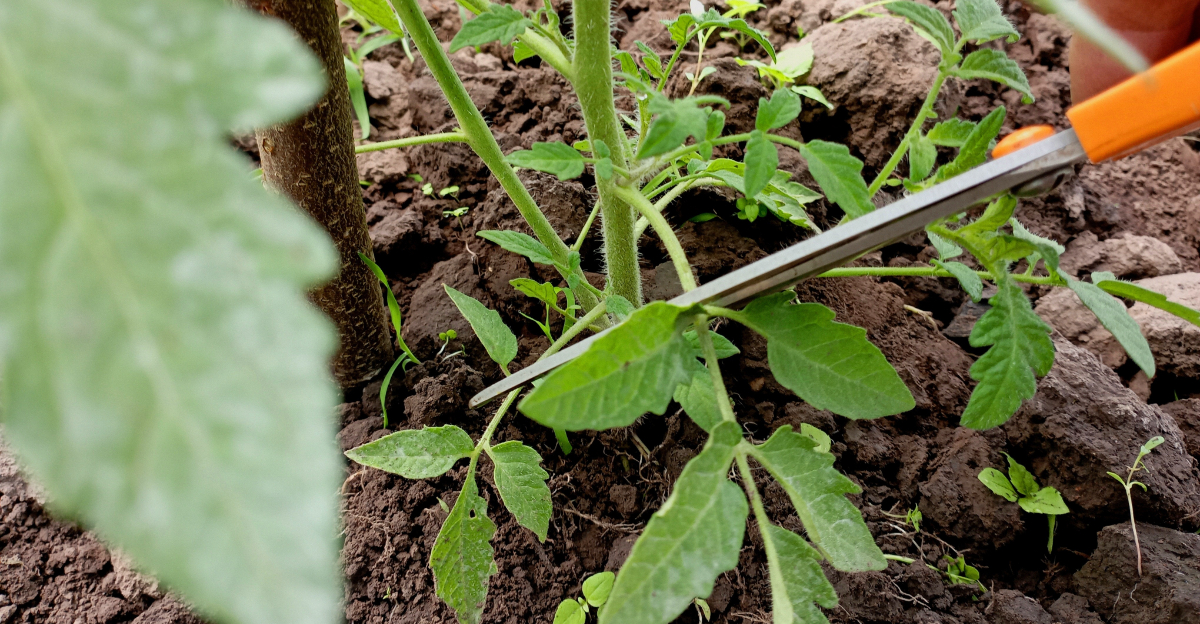
Remove leaves that touch the ground or sit close enough to catch soil splash. Many gardeners use six to eight inches above the soil as a practical guide.
The goal is not to strip the plant. The goal is to open the base and keep foliage away from mud.
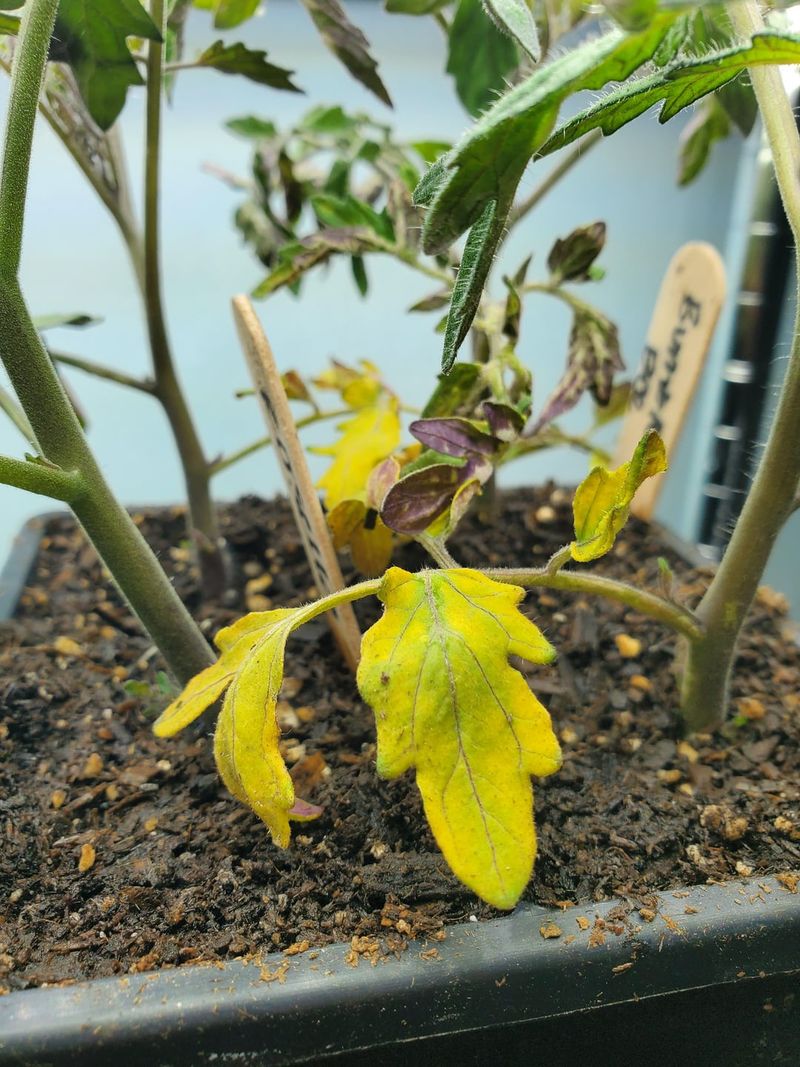
Use clean pruners, scissors, or clean hands. If you see spotted or yellowing lower leaves, remove those first.
Put questionable foliage in the trash instead of the compost pile. That is a simple way to avoid moving disease problems around the garden.
Work slowly if the plant is large. Taking off a few lower leaves is different from removing a big part of the canopy.
Healthy leaves feed the plant and shade developing fruit. Too much pruning at once can expose fruit to harsh sun and stress the plant.
This job is useful for both raised beds and in-ground gardens. Air can move better around the base, and leaves dry faster after rain or watering.
That does not block every disease problem. It simply makes the plant less crowded at soil level before July humidity settles in.
2. Remove Small Suckers Before Plants Get Too Crowded
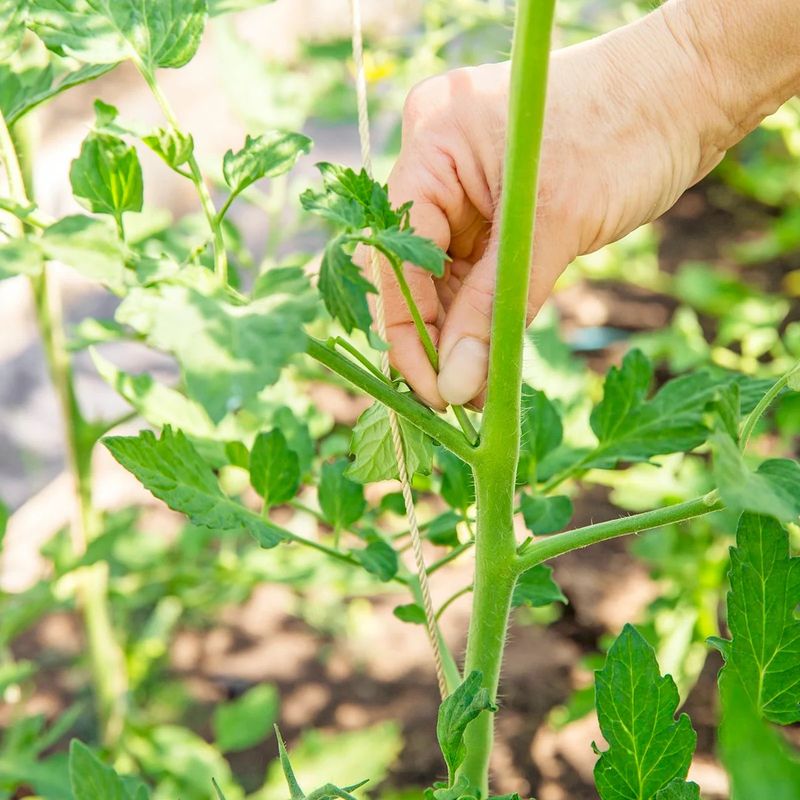
A tidy plant can turn into a green maze when new shoots appear at every branch joint. Those shoots are called suckers.
They grow in the small angle where a leaf stem meets the main stem.
On indeterminate tomatoes, selective sucker pruning can help keep growth open and easier to tie. Indeterminate types keep growing taller through the season.
Cherry tomatoes, many slicers, and many heirlooms often fall into this group.
Start with small suckers that are only a few inches long. Pinch them with clean fingers or snip them with clean scissors.
Small cuts heal more easily than large, woody cuts. Removing a few early also keeps you from wrestling with thick stems later.
Your Ohio Garden Changes Every Week. Your Plan Should Too.
Gardening in Ohio changes quickly throughout the season. Every Friday you’ll receive a simple weekly plan showing exactly what to plant, prune, fertilize, harvest, and protect so you never miss the right timing.
Do not turn this into a rule for every plant. Determinate tomatoes grow in a bushier form and set much of their crop over a shorter window.
Roma types and many canning tomatoes are often determinate. Heavy pruning on those plants can remove growth that would have carried fruit.
For determinate plants, keep pruning light. Remove damaged lower leaves and any growth touching soil.
Then stop before you thin the plant too much.
The best reset is selective, not severe. You are opening crowded spots, not forcing every plant into one bare stem.
A slightly open plant is easier to inspect, tie, water, and harvest. It also dries faster after wet weather, which helps in sticky summer conditions.
3. Tie Tall Stems Before Heavy Fruit Starts Pulling
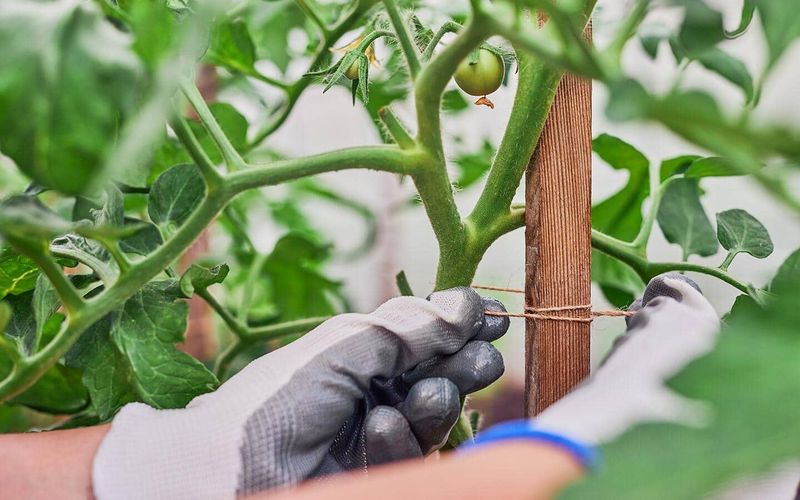
Fruit weight changes the whole feel of a tomato plant. A stem that stood straight in mid-June can bow once clusters begin to size up.
By then, lifting it without cracking or bending it can be tricky.
Late June is a good time to look at each plant from the side. Find stems that are leaning, rubbing against cage wires, or slipping outside the support.
Tie them before the fruit gets heavier.
Use soft ties that will not cut into the stem. Strips of old cotton cloth, soft garden tape, twine, or flexible plant ties can work well.
Tie the stem to a stake, cage, or trellis with a loose loop. Leave room for the stem to thicken as it grows.
Avoid tight knots right against the plant. A figure-eight tie can help because one loop holds the support and the other holds the stem.
This keeps the stem from scraping hard against the stake.
Place ties below a leaf joint when possible. Do not tie directly under a fruit cluster, since the weight may tug on the cluster.
Spread support along the plant instead of relying on one tie near the top.
This step matters most for indeterminate plants, but bushy plants may need help too. A strong cage can still lean when soil softens after rain.
Check the whole support system before July storms and heavy fruit make small issues harder to fix.
4. Keep Leaves Off The Soil To Slow Disease Splash
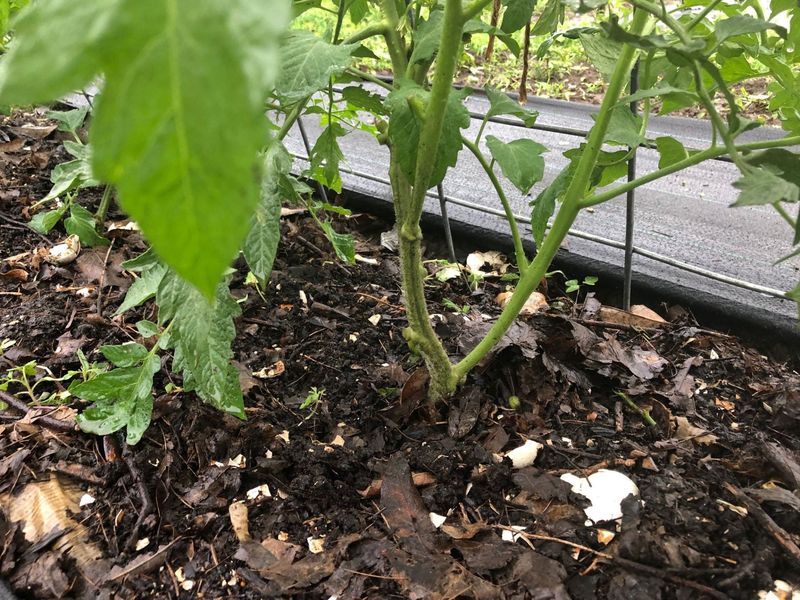
A summer downpour in Ohio can turn bare soil into a splash zone. Tiny droplets bounce upward and land on the lowest leaves.
In local gardens, that is one common way disease problems move from soil or old plant debris onto tomato foliage.
The reset should lift the plant out of that splash zone. Start by tying low stems that are flopping outward.
Then prune leaves that drag on soil or sit close to it. If a branch is healthy but too low, try lifting and securing it before cutting.
Mulch is the other half of this step. A layer of organic mulch acts like a cushion between rain and soil.
It reduces splash, keeps the surface calmer, and helps the lower leaves stay cleaner.
This is not a cure-all. Wind, insects, tools, infected transplants, and weather can still spread problems.
Early blight, Septoria leaf spot, and other tomato issues can show up even in tidy gardens. The goal is risk reduction, not a promise.
Watering style also matters. Aim water at the soil, not the leaves.
A watering wand, drip line, or soaker hose can help keep foliage drier. If you hand-water, use a gentle flow near the base.
After wet weather, walk the row and look low on the plant first. Remove suspect leaves with clean tools.
Then wash your hands or clean your pruners before moving to the next plant. Small habits can slow the spread across a crowded bed.
5. Mulch Before Summer Heat Dries The Roots
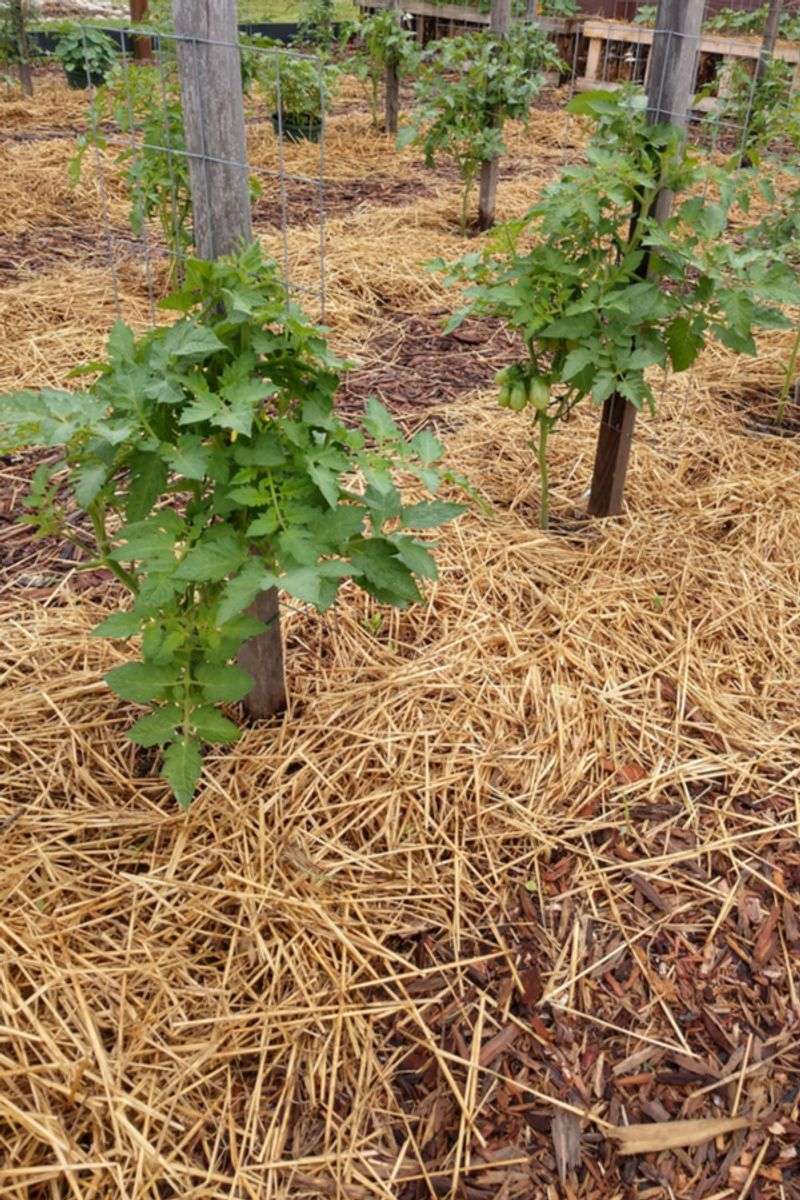
The soil surface tells a story by late June. Bare ground may crust after rain, crack during hot spells, or dry out faster than the roots prefer.
Mulch helps smooth out those swings before July turns up the heat.
Use a two to three inch layer of organic mulch around each plant. Straw, shredded leaves, clean grass clippings, composted leaf mold, and similar untreated materials can work.
If you use grass clippings, apply thin layers so they do not mat into a soggy sheet.
Keep mulch slightly away from the main stem. A small open ring at the base improves airflow and keeps the stem from staying damp.
The mulch should cover the root zone, not pile against the plant like a mound.
Mulch helps conserve soil moisture and moderate soil temperature. It also reduces soil splash during rain or watering.
Those benefits are practical in backyard gardens, especially when fruit is forming and plants need steady moisture.
Before you add more mulch, check the soil. If it is dry, water deeply first.
Mulch works best when it helps hold moisture that is already there. If the soil is very wet, give it time to breathe before adding a thick layer.
Refresh thin spots around cages and paths. Gardeners often pull mulch aside while weeding or tying plants.
Put it back before heat, humidity, and summer storms become the regular pattern.
6. Water Deeply, Not Lightly, Before Fruit Loads Up
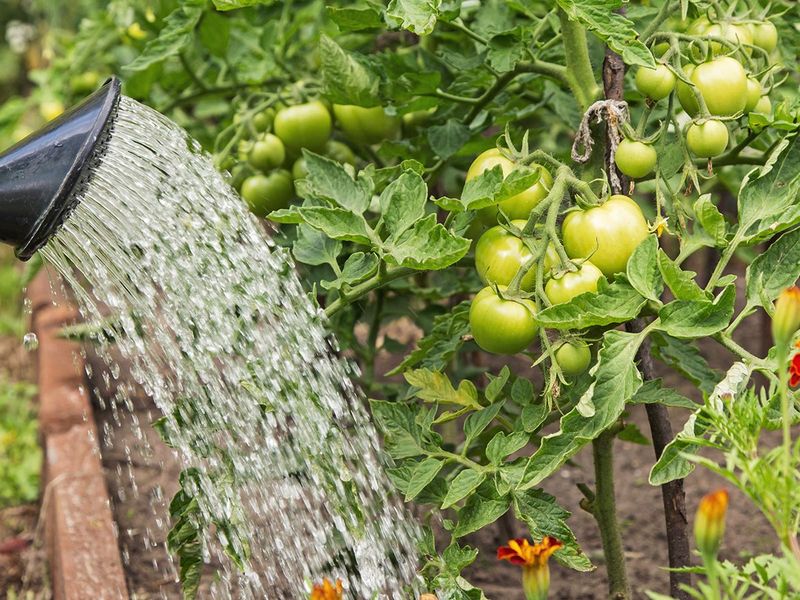
A quick splash from the hose may make leaves look fresh for a moment. It often does little for roots.
As fruit begins to size up, tomatoes need steady moisture deeper in the soil.
Deep watering means soaking the root zone, then giving the soil time to settle before watering again. For many home gardens, that works better than brief daily sprinkling.
The exact schedule depends on rainfall, soil type, mulch, plant size, and bed style.
Water at soil level whenever you can. Wet leaves can stay damp longer in humid weather.
A soaker hose, drip line, or slow hose flow near the base helps put water where the plant can use it.
Consistent moisture is the key phrase. Wide swings from dry soil to soaked soil can contribute to fruit cracking.
Uneven moisture can also play a role in blossom-end rot, along with calcium movement and root stress.
A simple finger test helps. Push a finger into the soil near the plant, under the mulch.
If the top inch is dry but the soil below still feels moist, you may not need water yet. If it feels dry deeper down, water slowly.
Raised beds and containers often dry faster than in-ground gardens. Heavy clay can hold water longer.
Watch the plant and the soil, not just the calendar. By late June, a better watering routine can prevent many July headaches.
7. Check Cages And Stakes Before Plants Outgrow Them
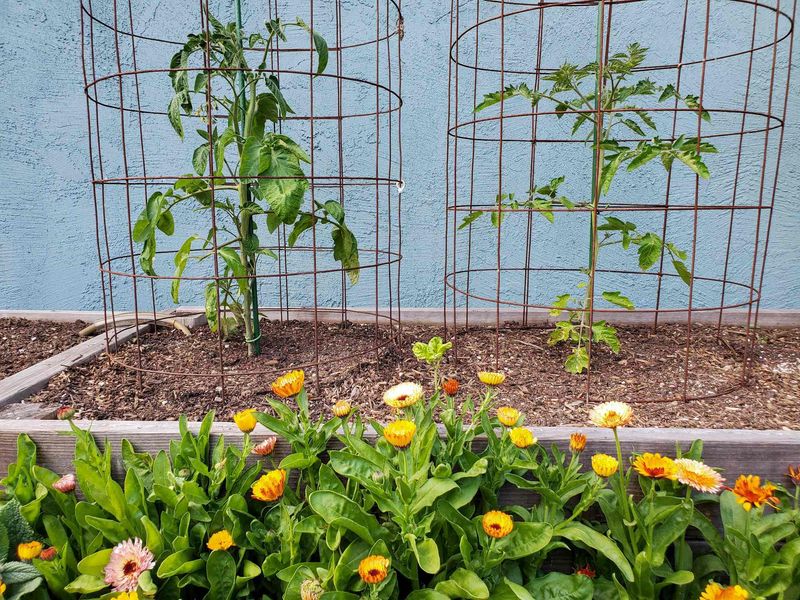
Support problems usually start small. One cage tilts a little after rain.
One stake loosens. One branch slips through a wire opening and keeps growing sideways.
A week later, the plant is sprawled across the bed.
Late June is the time to fix those small problems in your Ohio garden. Press cages back into place and add an extra stake if they wobble.
For tall plants, drive stakes deeper while you can still reach the main stem without bending it sharply.
Check every tie you already made. Some may be too tight.
Others may have slid down or snapped. Replace rough ties with softer ones.
Leave enough slack so stems can expand.
If a plant has already leaned, lift it in stages. Do not yank it upright in one move.
Raise a stem a little, tie it, then support another section. This reduces the chance of cracking tender growth.
Raised beds often have loose, rich soil that lets cages shift more easily. In-ground gardens can have the same problem after heavy rain.
Either way, the support should carry the plant before fruit clusters add more weight.
Look for fruit hiding against the soil too. Lift those stems or add a low support.
Fruit that rests on mulch is easier to miss and may be more exposed to pests or rot. A solid support check keeps the plant visible, upright, and easier to harvest.
8. Stop Overfeeding Before Leaves Outpace Tomatoes
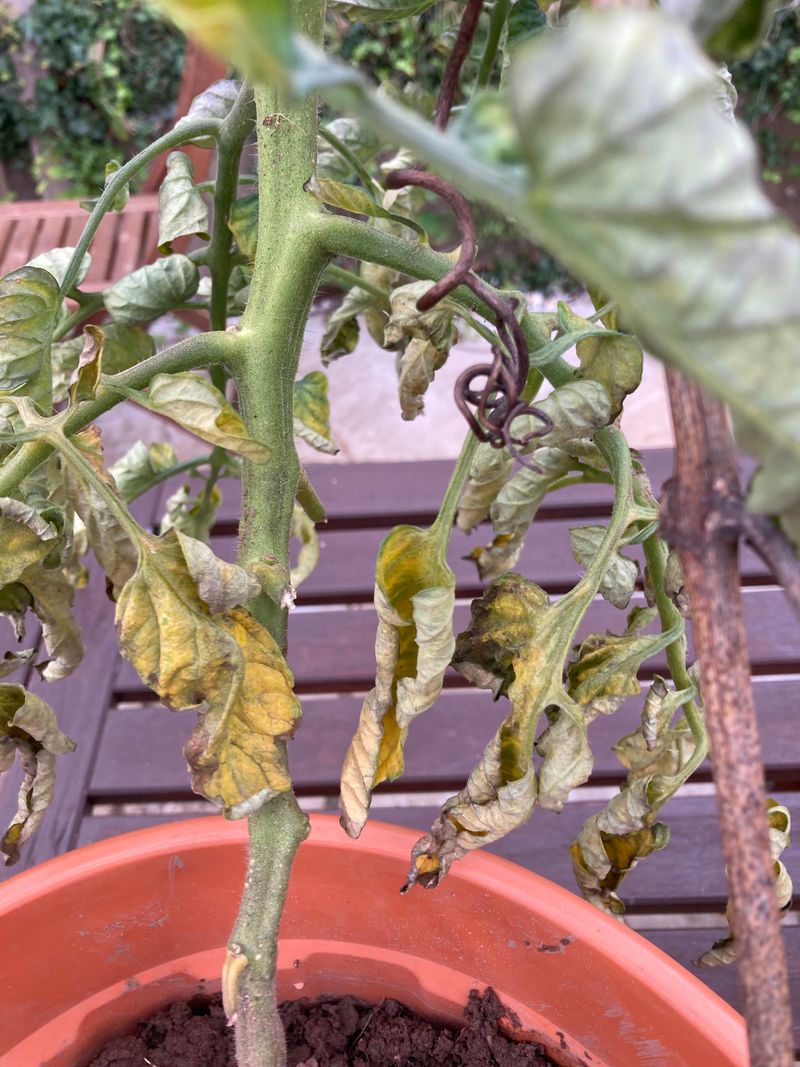
By late June, a tomato plant should be moving from pure growth into serious fruit production. If it looks huge, dark green, and leafy but has little fruit, fertilizer may be part of the story.
Too much nitrogen can push leaves and vines ahead of tomatoes.
This does not mean starving the plant. Tomatoes are heavy feeders and still need nutrients.
The point is to stop guessing and avoid heavy-handed feeding once plants are lush.
A soil test is the best guide. It tells you what the bed actually needs, including pH and nutrient levels.
Without that, follow the fertilizer label and use the lightest sensible approach. More is not automatically better.
Be extra careful with high-nitrogen products. Lawn fertilizers do not belong in vegetable beds, and some contain herbicides.
Even without herbicides, the nitrogen balance may be wrong for fruiting tomatoes.
If plants look pale or weak after heavy rain, nutrients may have leached lower in the soil. That is different from feeding a plant that is already too leafy.
Match the response to what you see.
Water fertilizer in at soil level when labels direct it. Keep it off leaves unless a product is meant for that use.
Good mulch, steady moisture, clean pruning, and firm support often do more for July tomatoes than another scoop of plant food.
The late-June reset is about balance. Keep the plant open, upright, watered, mulched, and fed with care.
That gives your tomatoes a steadier path into the hottest part of the season.