The One Thing You Must Do To North Carolina Endless Summer Hydrangeas Before July
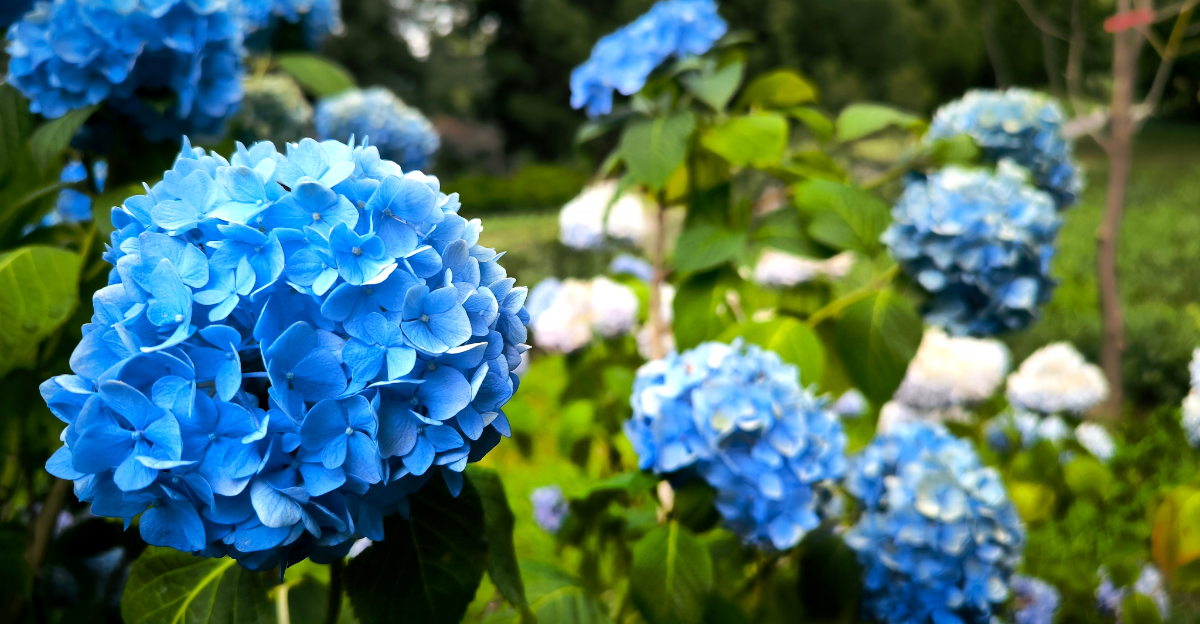
Endless Summer hydrangeas carry a lot of expectation in North Carolina gardens, and when they underperform through the back half of the season, the disappointment is real.
These hydrangeas bloom on both old and new wood, which is exactly what makes them special, but that characteristic also means they respond more strongly to one specific pre-July task than almost any other hydrangea type grown in the state.
North Carolina summers hit hard and fast once July arrives, and the window for getting this done while it still meaningfully influences summer bloom performance is narrower than most gardeners realize.
Skipping it does not ruin the plants permanently, but it produces noticeably sparser flowering through August and September in a region where these hydrangeas are fully capable of looking spectacular well into fall.
1. Endless Summer Needs Spent Bloom Removal, Not A Hard Prune
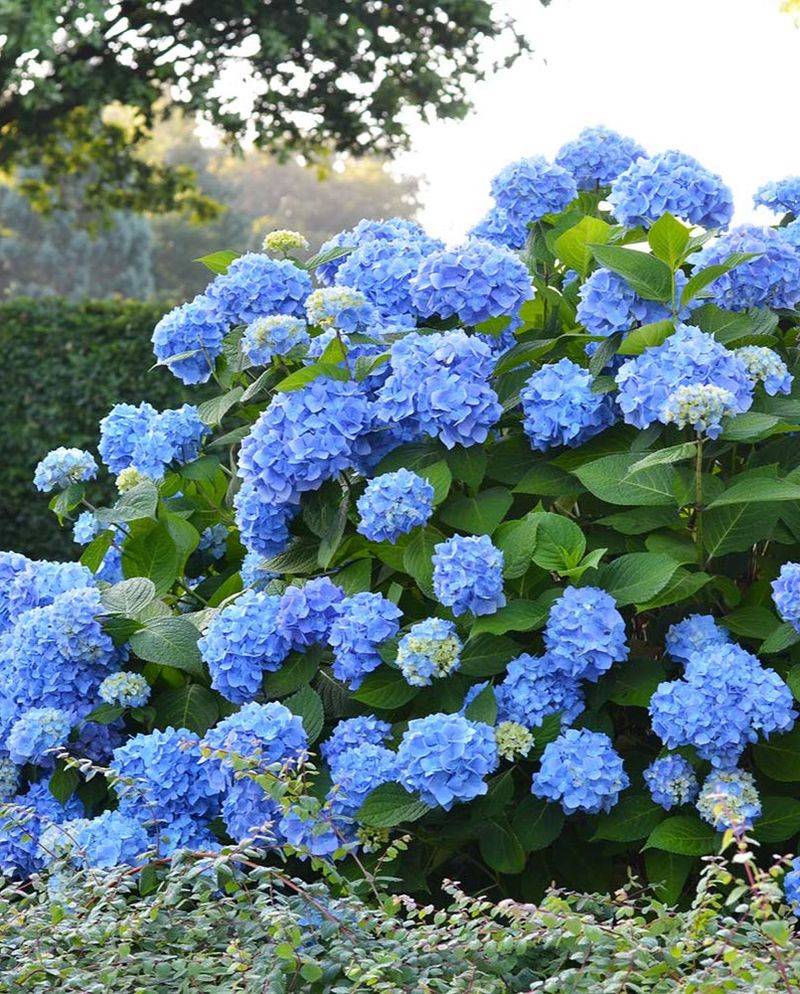
Here is something a lot of North Carolina gardeners get wrong every single summer: grabbing the pruners and cutting the whole shrub back when the first blooms start fading.
Endless Summer hydrangeas are not like old-fashioned hydrangeas that only bloom on last year’s wood.
They can produce flowers on both old stems and brand-new growth, which changes everything about how you should handle them in June.
Heavy pruning in summer can seriously reduce your next wave of flowers. When you cut too far back, you remove budding stems that were quietly getting ready to bloom again.
The plant then has to spend energy regrowing what you removed instead of pushing out those next-round flowers you were hoping for.
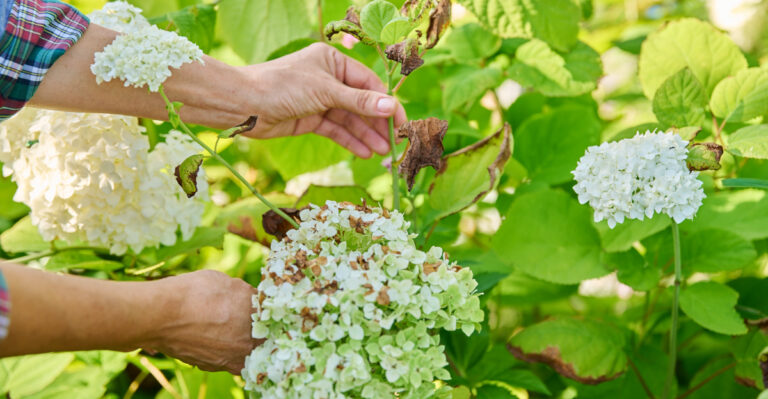
The right move is much lighter than most people think. All you need to do is remove the faded flower heads, not reshape the whole plant. Think of it as tidying, not transforming.
This small distinction makes a huge difference in how your hydrangea performs through the rest of the summer season.
Gardeners who skip the hard prune and stick to careful deadheading are often rewarded with a second and even third flush of color before fall.
Endless Summer hydrangeas earned their name for a reason.
Give them the light cleanup they actually need, protect those healthy stems, and the blooms will keep coming well into the warmer months ahead.
2. Cut Only The Faded Flower Head
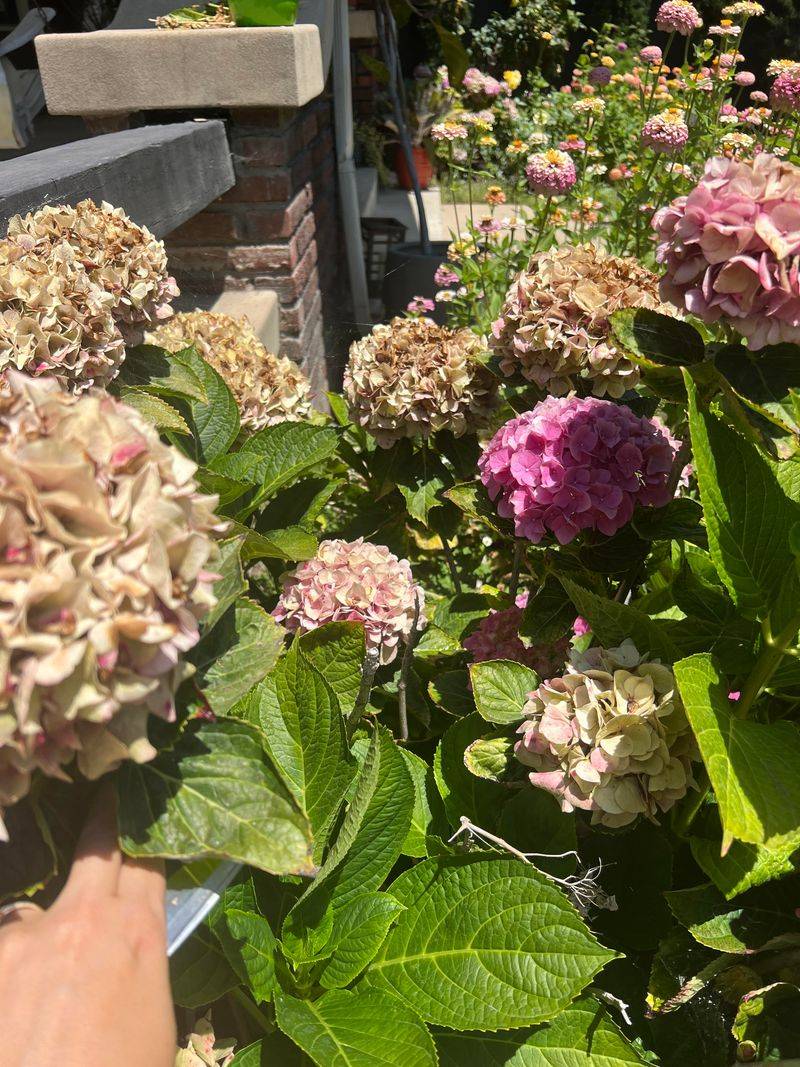
Precision matters more than most people realize when removing spent blooms from Endless Summer hydrangeas.
The cut you make is not random. Where you place those pruners determines whether the plant keeps its healthy framework or loses stem sections it was still planning to use.
One small, well-placed snip is all it takes. Start with clean, sharp pruners. Dull blades crush stems instead of cutting cleanly, and that kind of damage opens the door to disease and stress.
Wipe your blades with rubbing alcohol before you begin, especially if you have been working with other plants.
It takes thirty seconds and makes a real difference for plant health. Find the faded flower head and trace the stem down to the next healthy pair or set of large leaves.
Your North Carolina Garden Changes Every Week. Your Plan Should Too.
Gardening in North Carolina changes quickly throughout the season. Every Friday you’ll receive a simple weekly plan showing exactly what to plant, prune, fertilize, harvest, and protect so you never miss the right timing.
That is where you want to make your cut, just above that leaf node. You are leaving the strong stem in place while removing only the part that has finished blooming.
The remaining stem still has the energy and structure to support new bud development. Do not rush through this process.
Moving too quickly means you might accidentally cut below a promising bud set or remove more stem than you intended.
Take your time with each flower head, especially on a shrub that has been blooming heavily.
A careful, methodical approach keeps the plant looking tidy and sets it up for the best possible second round of summer color in North Carolina.
3. Leave Strong Green Stems Alone
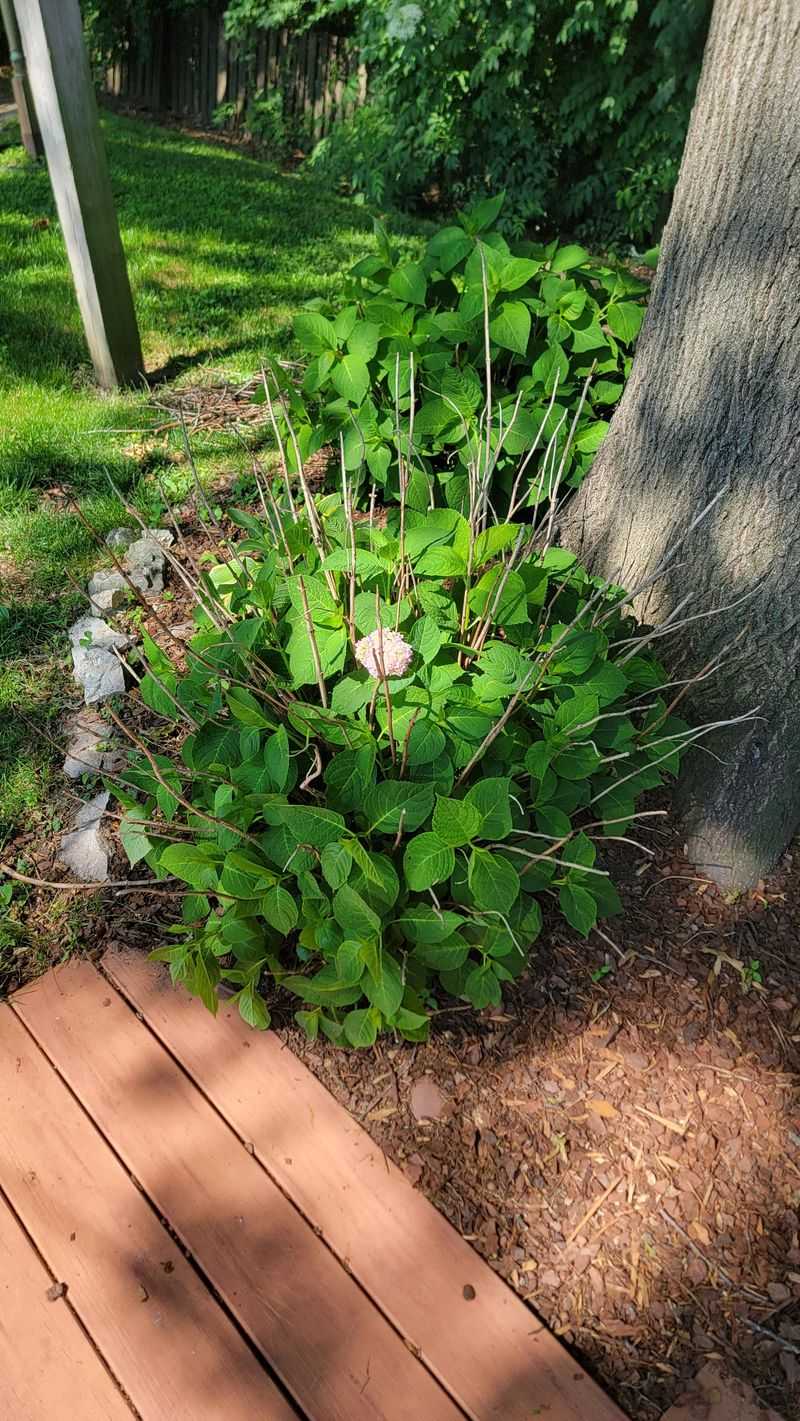
When a hydrangea looks full and bushy after its first bloom flush, the temptation to reshape it is completely understandable.
It can feel overgrown, a little wild, maybe even out of place in a tidy garden bed. But those strong green stems you are eyeing are not a problem.
They are actually your best asset for what comes next. Healthy green stems on Endless Summer hydrangeas often carry developing buds that are not visible yet.
The plant is already working on its next round of blooms from those very stems.
Cutting them off because the shrub looks full is like clearing your table before dessert arrives. The good stuff is still coming.
North Carolina homeowners sometimes prune too eagerly after the first big flower flush, thinking they are helping the plant look cleaner.
But the result is often a sparse shrub with fewer summer blooms.
The plant has to redirect energy into regrowing what was removed rather than producing new flowers from stems that were already in progress. Restraint is the skill here.
Walk around the shrub, look at what is faded and what is still green and strong, and only remove what has clearly finished.
A lightly deadheaded Endless Summer hydrangea that keeps its green framework almost always outperforms one that gets cut back aggressively.
Trust the plant, leave those healthy stems where they are, and watch what happens when July rolls around in North Carolina.
4. Remove Spent Blooms After They Fade, Not By The Calendar Alone
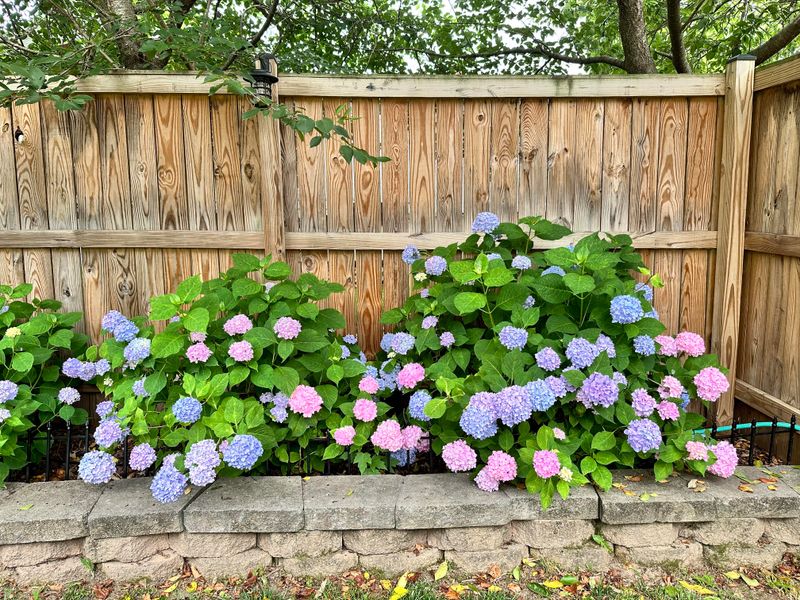
June is often the right time to start deadheading Endless Summer hydrangeas in North Carolina, but the calendar alone should not be your guide. The plant tells you when it is ready.
Watching the blooms rather than the date gives you a much more accurate signal for when to act, and it makes the whole process more effective.
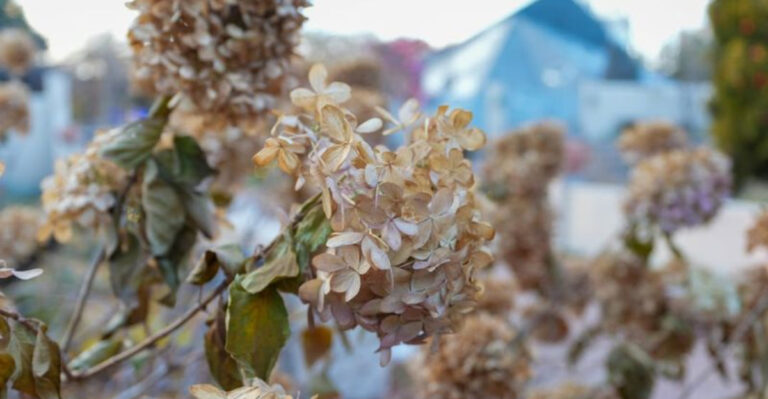
After the first big flush of flowers, the blooms begin to fade from their vibrant pink, blue, or purple shades into dull, papery, brownish tones. That is your cue.
Removing those spent heads at that point helps the shrub look cleaner immediately and redirects the plant’s energy away from the finished flowers and toward developing the next set of buds.
Waiting too long to remove faded blooms can slow things down a little. The plant continues spending some energy on flower heads that have already run their course.
Getting ahead of that by cutting as blooms fade, rather than letting them linger, keeps the plant focused on what matters most: growing and blooming again.
Check your hydrangeas every week or so through June and into early July. Some stems may still be holding fresh color while others have clearly finished. You do not need to do a single big cleanup session.
A few minutes of attentive deadheading every week or two keeps the shrub looking its best and encourages the steady reblooming that makes Endless Summer such a favorite across North Carolina gardens all season long.
5. Do Not Strip Off Too Many Leaves
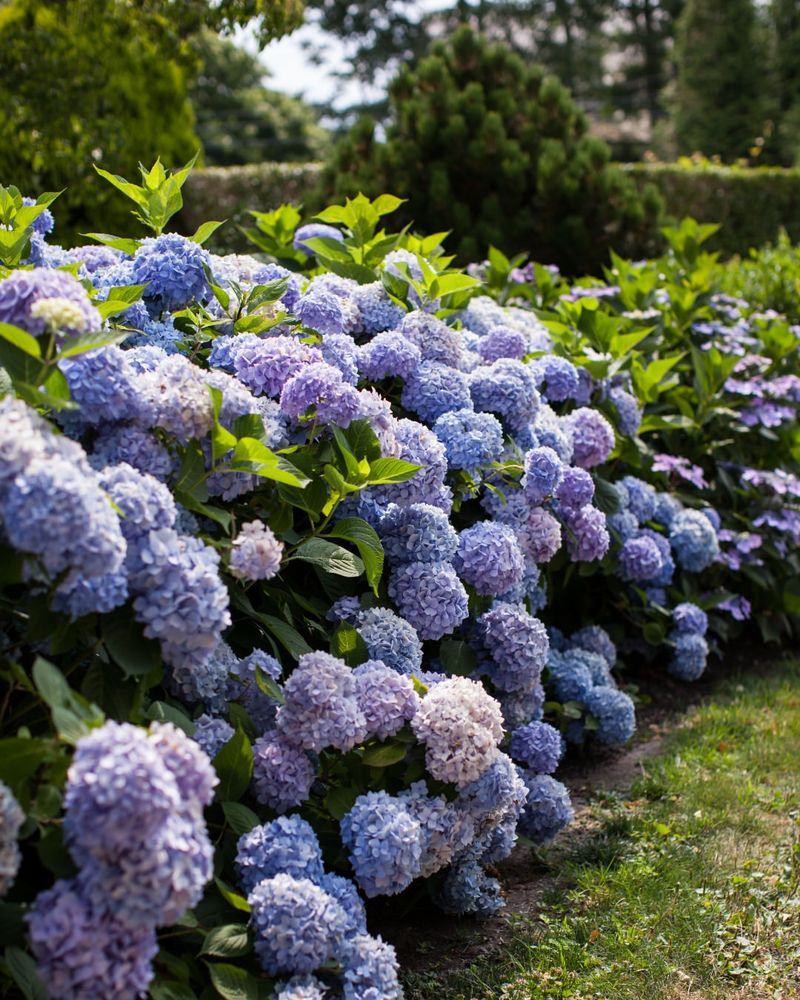
Leaves do a lot more than make a plant look full and green.
Every single leaf on your Endless Summer hydrangea is actively working, capturing sunlight and converting it into the energy the plant needs to grow, bloom, and stay healthy through a long North Carolina summer.
Removing too many of them during deadheading is one of the most common and easily avoidable mistakes gardeners make.
The goal when removing spent blooms is to clip close to the flower head, just above the next healthy set of leaves. That is it.
You are not thinning the shrub, not cleaning up the interior branches, and not removing foliage because it looks a little crowded. The leaves stay.
The more foliage the plant keeps, the more energy it can produce for the next round of blooms.
Some gardeners accidentally strip leaves while cutting spent flowers, especially when working quickly or when the stems are tangled.
Slow down and make deliberate cuts. If you accidentally remove a leaf or two, it is not a disaster.
But making a habit of pulling off foliage while deadheading can gradually weaken the plant over the course of the summer. A well-leafed Endless Summer hydrangea going into July is a strong hydrangea.
It has the fuel it needs to handle North Carolina heat, push out new buds, and maintain its color and vigor.
Keep the leaves, clip only the faded flowers, and the plant will reward you with consistent summer performance that feels almost effortless once you get the rhythm down.
6. Water First If The Shrub Is Wilted From Heat
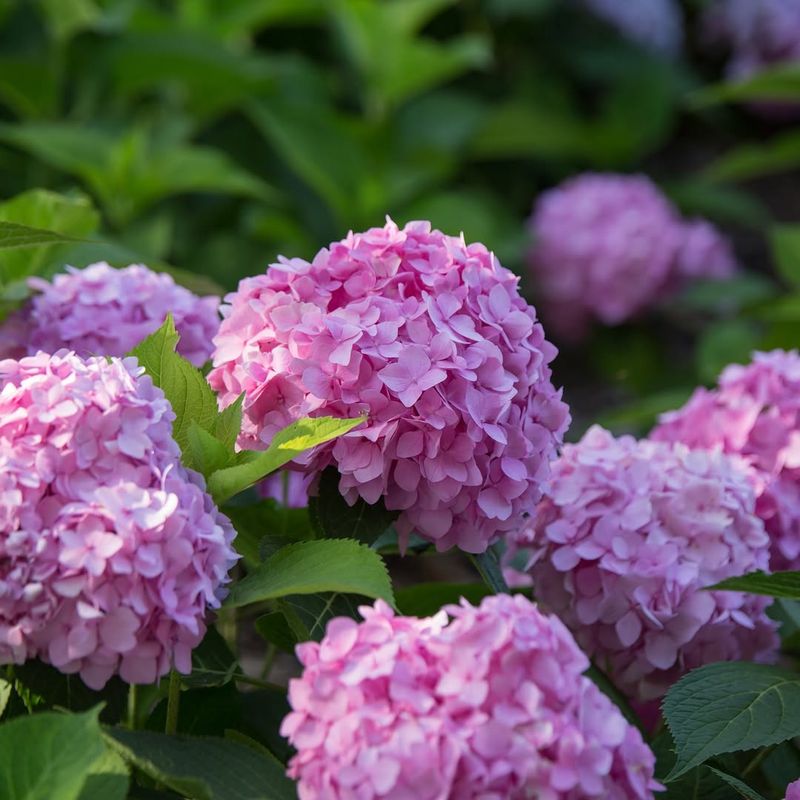
North Carolina afternoons in June can be brutal for bigleaf hydrangeas.
The combination of heat, humidity, and direct sun can cause leaves and stems to droop dramatically, even when the soil still has some moisture in it.
Seeing your hydrangea looking wilted and sad right before you planned to do some cleanup is frustrating, but grabbing the pruners at that moment is not the right first move. Water deeply at soil level before you do anything else.
Use a slow, steady stream directly at the base of the plant, soaking the root zone thoroughly rather than spraying the foliage.
Bigleaf hydrangeas recover surprisingly well once they get the water they need, and most will perk back up within a few hours, especially if you water in the morning or early evening when temperatures are a little lower.
Deadheading a heat-stressed shrub is harder on the plant than it needs to be. When a hydrangea is wilted, its tissues are under stress and less able to recover cleanly from cuts.
Waiting until the plant is well-hydrated means cleaner healing at cut points and a smoother overall response to the light pruning you are doing.
Make watering a regular habit before your June cleanup sessions, not just a rescue move when things look bad.
Consistent deep watering at the root zone sets Endless Summer hydrangeas up to handle North Carolina heat with much more resilience.
A hydrated, well-supported plant is simply easier to work with and recovers faster from any garden task you put it through.
7. Use The Cleanup Moment To Check Sun And Moisture
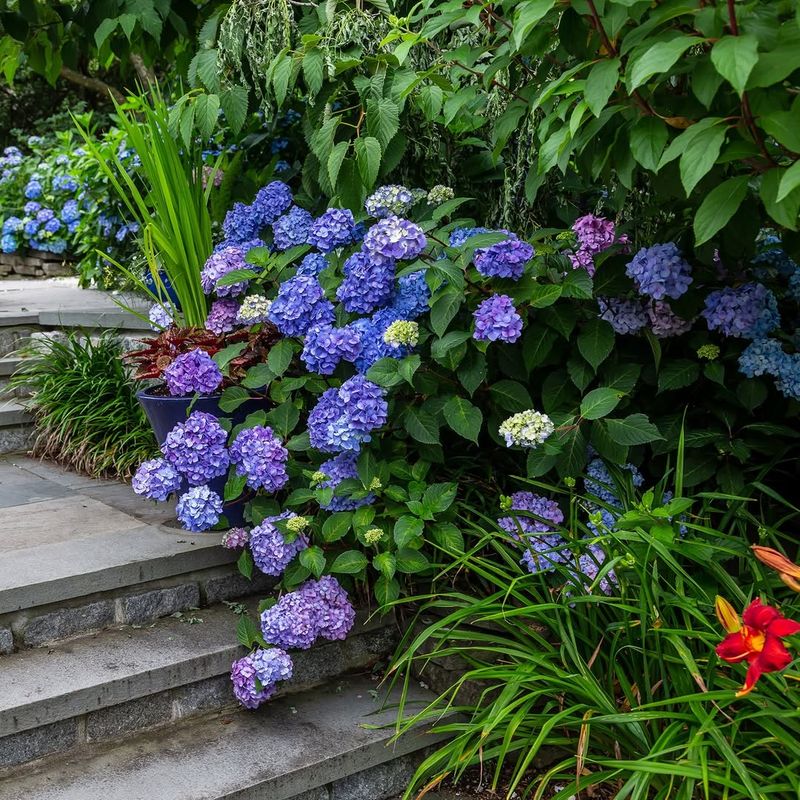
Removing spent blooms gives you a reason to spend a few extra minutes really looking at your hydrangea, and that time is worth using well.
While you are right there with the plant, pay attention to what the growing conditions actually look like.
You might notice something you would have missed on a quick walk past. Endless Summer hydrangeas do best with morning sun and afternoon shade or dappled light.
Full afternoon sun in North Carolina, especially from around two in the afternoon onward, can be more intense than these plants prefer.
If your hydrangea is sitting in direct western sun all afternoon and struggling to bloom well or wilting consistently, the sun exposure may be part of the issue.
Check the soil while you are there too. Press a finger about an inch into the soil near the base of the plant. If it feels dry or only barely damp, the plant needs more consistent moisture going into July.
Endless Summer hydrangeas are not drought-tolerant shrubs, and North Carolina summers do not forgive gaps in watering the way cooler climates might.
If the soil dries out quickly between waterings, a fresh layer of mulch around the base of the plant makes a noticeable difference.
Mulch holds moisture in the soil, keeps roots cooler during heat waves, and reduces how often you need to water.
Two to three inches of organic mulch, kept a few inches away from the main stem, is one of the smartest things you can do for your hydrangea before July heat builds up.
8. Finish With Mulch And A Gentle Watering
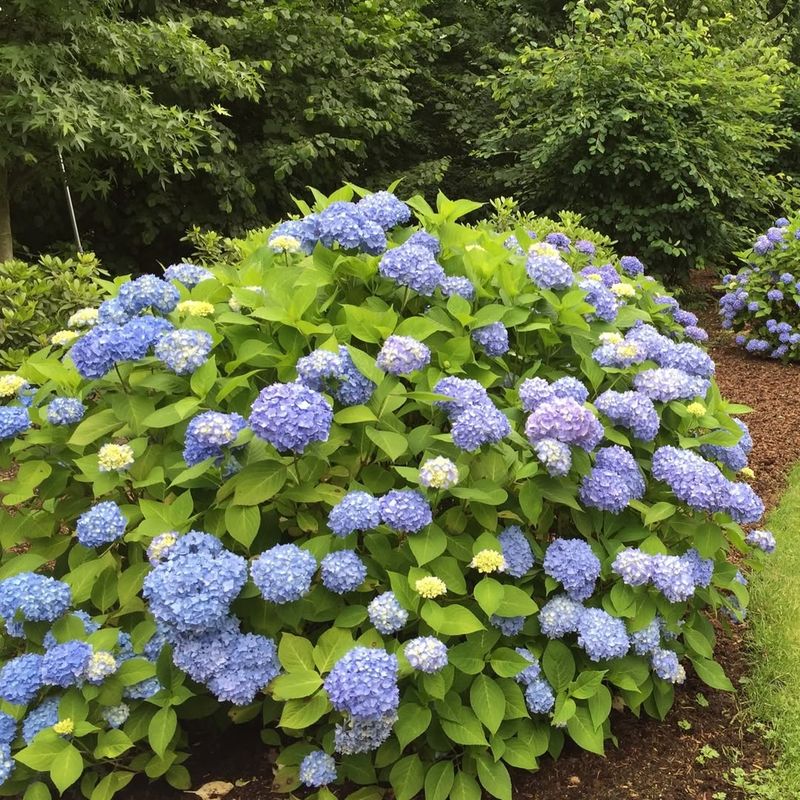
After the spent blooms are off and the plant looks clean and cared for, there is one final step that ties the whole June cleanup together.
Refreshing the mulch around your Endless Summer hydrangea and following up with a deep watering gives the plant exactly what it needs to move confidently into the hottest part of the summer season in North Carolina.
Pull back any old mulch that has compacted or broken down, and add a fresh two to three inch layer of organic material around the base of the shrub.
Shredded hardwood, pine bark, or pine straw all work well. Keep the mulch a few inches away from the main stem to prevent moisture from sitting against it.
This layer acts as a buffer between the soil and the summer heat, keeping roots cooler and moisture more consistent for weeks at a time.
Once the mulch is in place, water slowly and deeply at the root zone. A long, slow soak is far more effective than a quick sprinkle. You want the water to reach down into the root system, not just wet the surface.
A deeply watered plant heading into July is a resilient plant, one that can handle heat spikes and brief dry stretches far better than one that only gets surface moisture.
The whole June task is genuinely simple when you break it down: remove faded flower heads carefully, protect healthy stems, keep the leaves in place, maintain steady soil moisture, and finish with fresh mulch.
That is all it takes to set your Endless Summer hydrangeas up for a beautiful, blooming summer ahead in North Carolina.