The Grass-Cutting Habits That Bring More Ticks Into Oregon Yards This Summer

A freshly cut lawn can look neat, but the way you mow may affect more than curb appeal. Oregon yards can become more inviting to ticks when grass stays too tall near shady edges or piles of clippings sit where moisture lingers.
Ticks like protected spots where they can avoid drying out, and certain mowing habits can give them exactly that. The goal is not to scalp the lawn or turn the yard into a bare patch.
It is to keep grass managed in the places where people, pets, and wildlife move most. A smarter mowing routine can make paths, fence lines, and garden borders less welcoming to ticks.
Pay attention to what happens after you cut, and your summer yard can feel cleaner, safer, and easier to enjoy.
1. Letting Grass Grow Too Tall Gives Ticks More Cover
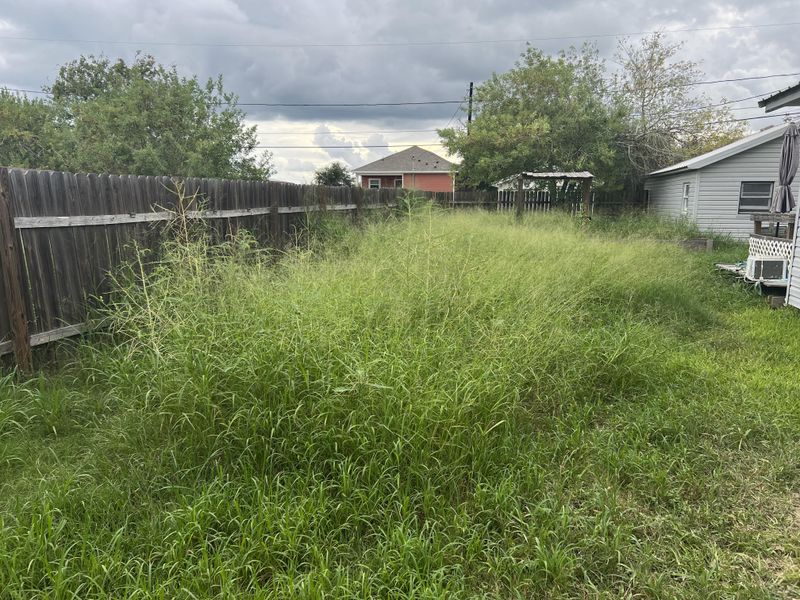
Tall grass is basically a five-star hotel for ticks. When your lawn grows past three or four inches, it creates a shaded, humid environment that ticks absolutely love.
They cling to the tips of long grass blades and wait for a passing host, whether that is your dog, your child, or you.
Most ticks in Oregon are active from late spring through early fall. During that time, keeping your grass trimmed short is one of the easiest ways to reduce tick activity.
A well-mowed lawn dries out faster after rain, and ticks struggle to survive in dry, sunny conditions.
Lawn care experts generally recommend mowing your grass to a height of about three inches or less. Cutting it shorter than that can stress the grass and invite weeds.
But keeping it in that sweet spot removes the shady cover ticks depend on to stay moist and active.
Try to mow at least once a week during the peak summer months. If life gets busy and you miss a week, do not let it go longer than two weeks.
Even a few extra inches of growth can quickly turn your tidy yard into a tick-friendly zone. Consistent mowing is one of the best tools you have for protecting your outdoor space this summer.
2. Skipping The Edges Leaves Tick Habitat Behind
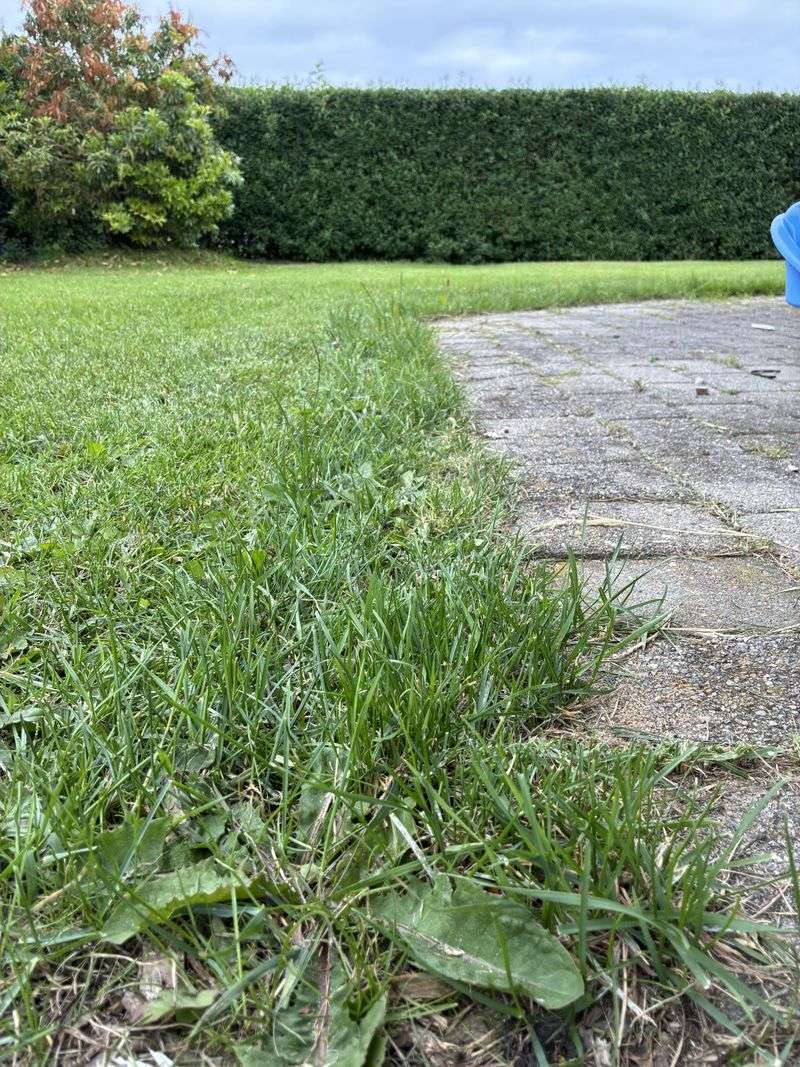
Most people focus on the middle of their yard when they mow, but the edges often get ignored.
Those strips of grass along sidewalks, driveways, garden beds, and fences can grow tall and wild between mowing sessions. That overgrowth is exactly the kind of habitat ticks look for.
Ticks do not usually hang out in the center of a well-maintained lawn. They prefer the transition zones, the spots where mowed grass meets taller, wilder vegetation.
These border areas offer the shade and moisture they need to stay alive and active.
Using a string trimmer or edger after every mow can make a real difference. It only takes a few extra minutes, but it eliminates those thin corridors of tall growth where ticks like to gather.
Pay special attention to areas where your lawn meets mulch, flower beds, or ground cover plants.
Your Oregon Garden Changes Every Week. Your Plan Should Too.
Gardening in Oregon changes quickly throughout the season. Every Friday you’ll receive a simple weekly plan showing exactly what to plant, prune, fertilize, harvest, and protect so you never miss the right timing.
If you have a garden path or a stone border running through your yard, trim along both sides of it regularly.
Ticks can use these narrow strips of overgrown grass as travel routes from wooded areas into the main part of your lawn.
Staying consistent with your edging routine is a small effort that pays off in a big way when it comes to reducing tick exposure for your whole family throughout the summer months.
3. Ignoring Fence Lines Lets Weeds Shelter Tick Hosts
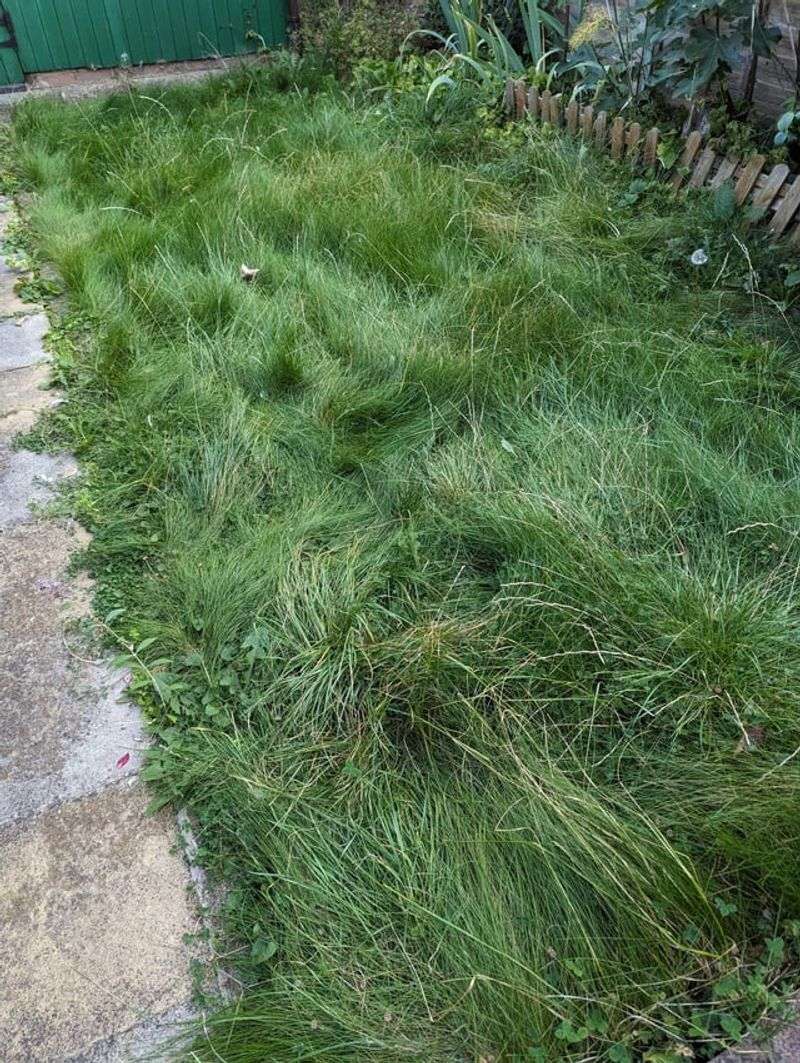
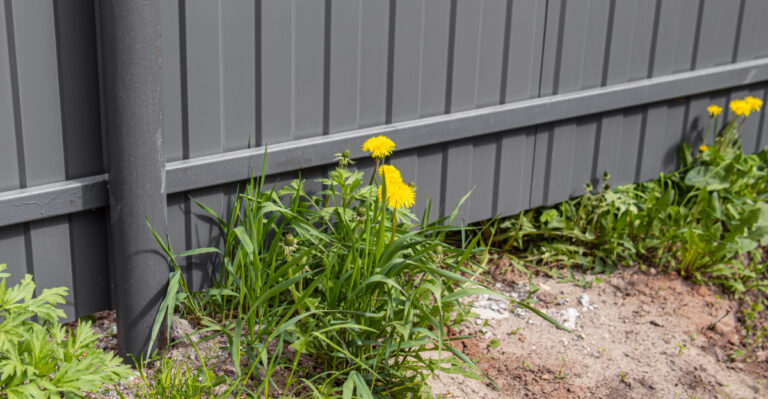
Fence lines are easy to overlook during yard maintenance. Mowers cannot always get close enough to the base of a fence to trim the grass there, so weeds and tall plants tend to pile up along those edges.
Over time, that strip of overgrown vegetation becomes a magnet for small animals like mice and voles, which are some of the most common carriers of ticks.
When rodents travel through your yard, they bring ticks with them. Those ticks drop off into the tall weeds near your fence and wait for the next host to come along.
If your kids or pets play near that fence, the risk of a tick encounter goes up significantly.
Clearing out the weeds and trimming the grass along your fence line every week or two can break this cycle. A handheld trimmer works well for tight spots where your mower cannot reach.
Some homeowners also lay down a narrow strip of gravel or wood chips along the base of their fence to discourage weed growth.
Removing brush piles and debris near fence lines also helps reduce the habitat available to small animals. Fewer rodents in your Oregon yard means fewer ticks being carried onto your property.
Keeping fence lines clean and clear is one of those easy maintenance habits that quietly protects your family without requiring a lot of extra time or money.
4. Leaving Brushy Borders Makes Mowing Less Effective

Brushy borders along the edges of your yard can look natural and even pretty, but they create a serious problem when it comes to ticks.
A thick row of shrubs, wild plants, or overgrown vegetation right next to your lawn acts as a launching pad for ticks entering your mowed space.
No matter how often you cut the grass, ticks can simply walk out of that brushy border and onto your lawn.
Oregon wildlife like deer, raccoons, and rabbits often use these overgrown borders as cover while moving through neighborhoods. As they pass through, ticks drop off and settle into the vegetation.
From there, it is a short trip to the open lawn where your family spends time.
Trimming back brushy borders by at least three feet can reduce tick migration into your yard.
You do not have to remove all your landscaping, but keeping it neat and well-maintained makes a big difference.
Ticks need dense, shaded ground cover to survive, and a thinned-out border gives them far less to work with.
If you have ornamental grasses, native shrubs, or wild berry plants along your yard’s edge, try to keep them pruned and off the ground. Remove damaged branches and leaf buildup from inside the shrubs regularly.
A little extra attention to these border areas throughout summer can noticeably cut down on the number of ticks making their way into your main outdoor living space.
5. Letting Grass Clippings Pile Up Keeps The Yard Damp
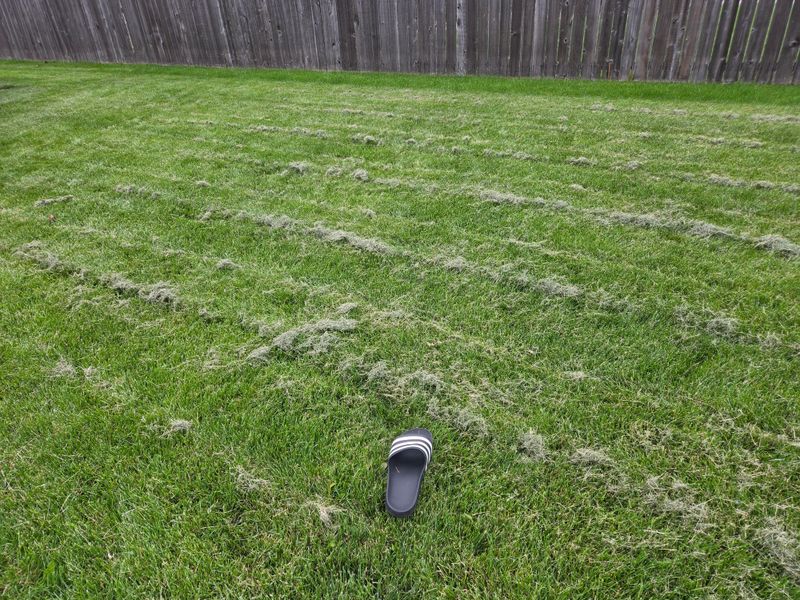
After a mowing session, it can be tempting to just leave the clippings where they fall. In small amounts, clippings can actually break down and feed your lawn.
But when they pile up in thick clumps, they trap moisture underneath and create a damp layer close to the soil. That is exactly the kind of microhabitat ticks love.
Ticks need humidity to survive. Without moisture, they dry out and become far less active.
When thick grass clippings sit on your lawn for days, they hold water against the soil and keep the ground beneath them cool and moist, even when the sun is shining above.
Raking up or bagging heavy clippings after you mow is a simple way to reduce this moisture problem. If your mower has a mulching setting, use it on dry days when the clippings are short and will break down quickly.
Avoid mowing when the grass is wet, because wet clippings clump together and pile up even faster.
Also pay attention to areas near trees or garden beds where clippings tend to collect. These spots stay shaded and do not dry out as quickly as the open lawn.
Removing clipping buildup from those areas is especially important. Keeping your lawn surface dry and clean after every mow is one of the most overlooked ways to make your yard less welcoming to ticks all season long.
6. Mowing Around Leaf Litter Does Not Remove The Problem
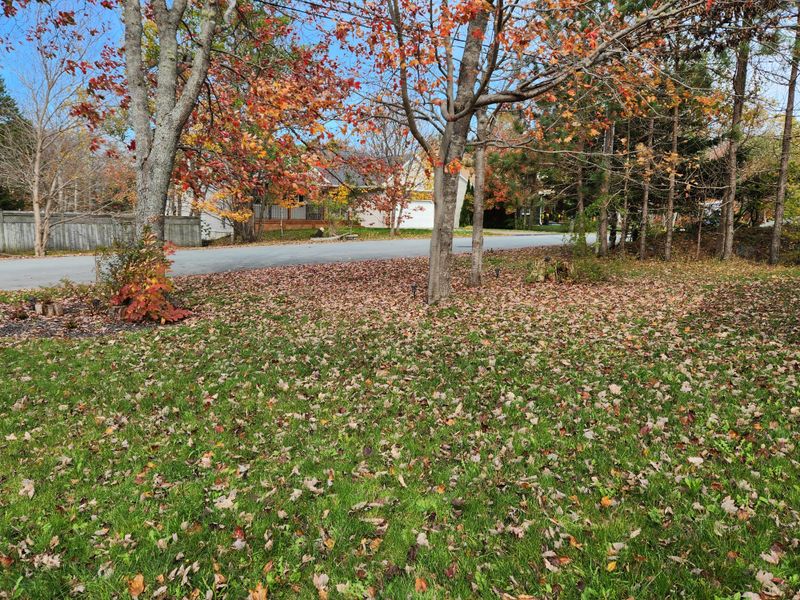
Plenty of yards have trees that drop leaves throughout the year, not just in fall. When leaves collect on the lawn and you simply mow around them or over them without raking, they break into smaller pieces and settle into the grass.
That layer of broken-down leaf litter holds moisture and creates a protected space right at ground level where ticks can thrive.
Ticks are especially fond of decomposing organic material. It keeps them cool, moist, and hidden from view.
A thin layer of leaf litter beneath your grass might not look like much, but it can shelter ticks through dry spells and give them a stable environment to wait for a host.
Raking up leaf litter before or after mowing makes a noticeable difference. Even a quick pass with a leaf blower can clear out the loose debris that tends to collect under trees and along garden edges.
Removing that material regularly removes one of the key resources ticks depend on.
If you have a compost pile, put the leaves there rather than leaving them on the lawn. Keep the compost bin away from the main play and gathering areas of your yard.
Leaf litter near patios, play sets, or garden seating is particularly worth addressing.
Clearing it out every week or two through the warmer months is a straightforward habit that reduces tick-friendly conditions right where your family spends the most time outdoors.
7. Forgetting Shady Corners Gives Ticks A Place To Hide
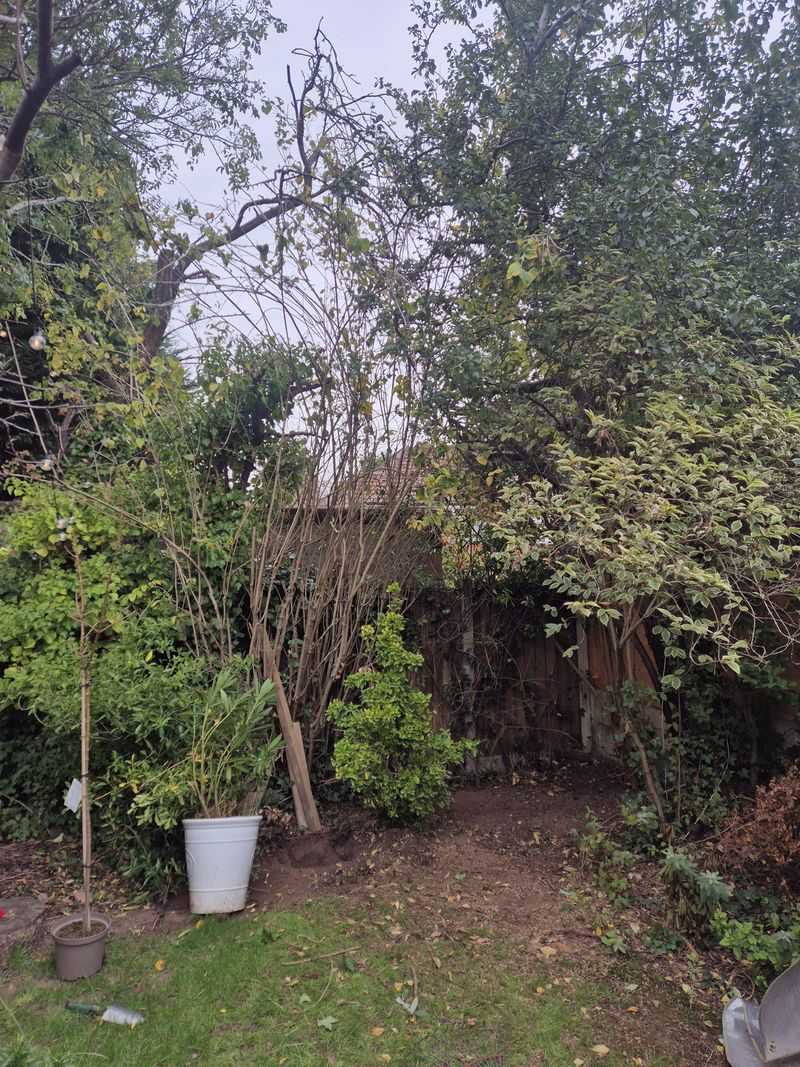
Every Oregon yard has at least one shady corner, maybe under a large tree, behind a shed, or along the north side of the house.
These spots get less sunlight, dry out more slowly, and often go longer between mowing sessions because they are out of the way.
For all those reasons, they are prime tick territory throughout the summer months.
Ticks do not thrive in hot, dry, sunny areas. They seek out cool, damp, and shaded spots to rest and wait.
A neglected corner that stays moist and overgrown is practically an invitation for them to set up camp.
Even if the rest of your yard is perfectly maintained, one forgotten shady patch can serve as a source of ticks that spread outward over time.
Make a point to include shady corners in your regular mowing and trimming schedule. Yes, these spots can be awkward to reach, but skipping them regularly allows problems to build up.
A handheld trimmer or a smaller push mower can help you get into tight spaces under trees or between structures.
Also consider thinning out dense tree canopies or shrubs overhead to let in more sunlight. More sun means faster drying, which makes those corners much less hospitable to ticks.
Adding wood chips or gravel in areas where grass struggles to grow can also help reduce moisture.
Paying attention to these forgotten spots is one of the smartest moves you can make for a safer, tick-resistant yard this summer.