8 Beautiful Ground Covers That Grow Almost Anywhere In Oregon
You know that spot in your yard. The one you keep walking past, hoping it will somehow figure itself out.
Maybe it is bone dry and gravelly. Maybe nothing survives the shade. Maybe it turns into a swamp every winter and bakes hard in July.
Oregon yards collect these spots like souvenirs, and many gardeners spend years throwing the wrong plants at them.
Ground covers are supposed to solve this problem, but most lists hand you the same five options that look great on a label and fail in real Oregon conditions.
However, this list is different.
Every plant here actually belongs in the Pacific Northwest. Some handle drought. Some thrive in deep shade. Some spread across a rocky slope without a second thought. A few do things that will genuinely surprise you.
Oregon’s climate is specific, and the plants that perform best here tend to be the ones that evolved here.
So before you buy another plant that struggles through two seasons and gives up, keep reading.
1. Kinnikinnick Is Your Best Bet For Dry, Sunny Slopes
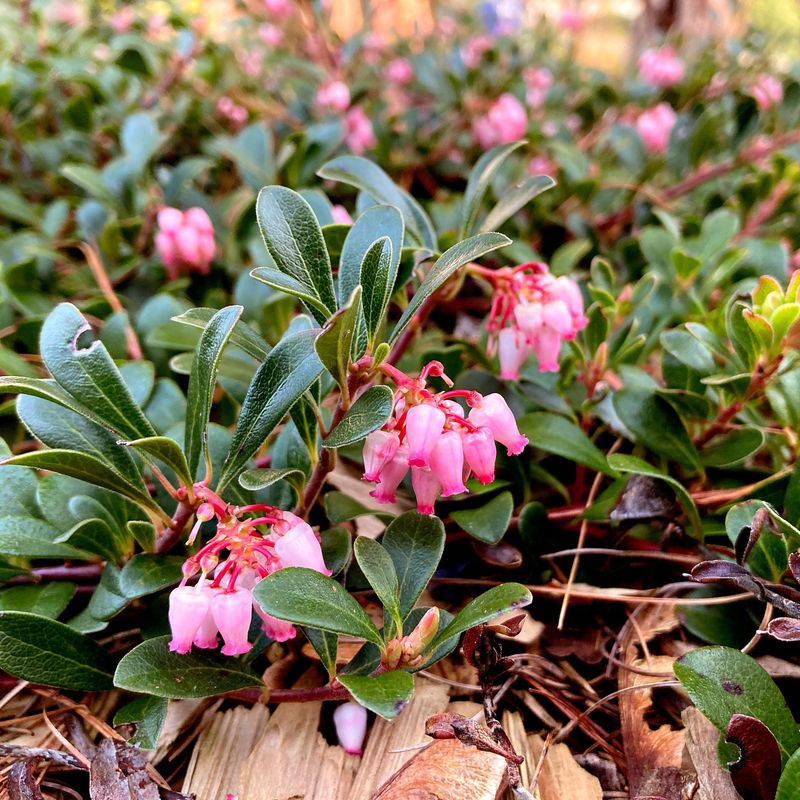
A bare, sun-scorched slope with crumbly, dry soil sounds like a nightmare for most plants. Kinnikinnick, also known as bearberry or Arctostaphylos uva-ursi, laughs at those conditions.
This tough native evergreen creeps along the ground in wide, flat mats, hugging the soil with small, leathery, glossy leaves that stay green all year.
Kinnikinnick is a Pacific Northwest native built for exactly the spots Oregon gardeners struggle with most. It grows slowly but spreads steadily, eventually covering large areas without needing much help from you.
In spring, tiny pink-white bell-shaped flowers appear, followed by bright red berries that birds return for season after season.
Location matters with this plant more than most. It needs excellent drainage and full sun to perform well. Sandy or gravelly soil is ideal.
Clay-heavy soil with poor drainage will cause problems, so choose a naturally fast-draining spot or amend accordingly. Space plants about two to three feet apart and water regularly during the first season to help roots settle in.
Here is the part Oregon gardeners tend to appreciate most: once kinnikinnick is established, it needs almost no irrigation through the dry summer months.
Skip the heavy fertilizer too. This plant prefers lean soil and actually performs worse when you fuss over it.
It also holds slopes beautifully, making it a smart choice for erosion-prone hillsides where other plants wash out or give up.
Lean soil, full sun, good drainage, and a little patience. Kinnikinnick handles the rest without ever asking for a thank you.
2. Coastal Strawberry Gives Your Yard Edges A Softer, Wildlife-Friendly Look
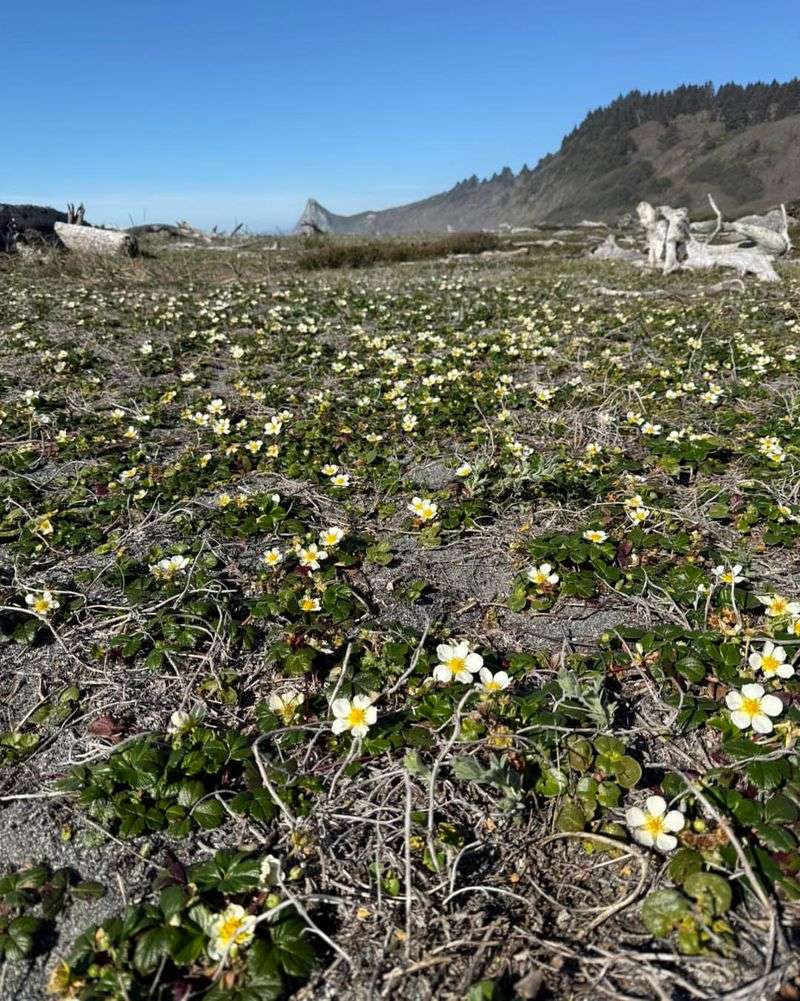
Along open meadow edges, sunny garden borders, and coastal bluffs, one plant earns its spot with cheerful white flowers, edible little fruits, and runners that spread quickly to fill bare ground.
Coastal strawberry, Fragaria chiloensis, is a Pacific Northwest native that has been doing this job beautifully for thousands of years without any help from gardeners.
Coastal strawberry grows about six inches tall and sends out long runners that root wherever they touch soil.
Your Oregon Garden Changes Every Week. Your Plan Should Too.
Gardening in Oregon changes quickly throughout the season. Every Friday you’ll receive a simple weekly plan showing exactly what to plant, prune, fertilize, harvest, and protect so you never miss the right timing.
That spreading habit makes it excellent for covering open edges, gentle slopes, and transitional zones between lawn and wilder areas.
The flowers appear in spring and bring in native bees reliably. Small red berries follow and attract birds and other wildlife through summer.
This plant handles full sun to partial shade and tolerates a range of soil types, including sandy coastal soils and heavier inland soils, as long as drainage is reasonable.
It is moderately drought-tolerant once established but appreciates some summer moisture in hotter inland parts of Oregon.
To get coastal strawberry going, plant rooted runners in fall or early spring and space them about twelve to eighteen inches apart. They fill in quickly.
Mow or cut them back every few years to refresh growth and keep the planting looking tidy and vigorous.
For a carefree, wildlife-friendly edge treatment that also happens to produce actual fruit you can eat straight off the ground, coastal strawberry is a hard plant to talk yourself out of.
It covers ground, feeds birds, and grows itself. What else do you want from a plant?
3. Oregon Oxalis Turns Your Damp Shade Into A Lush Woodland Carpet
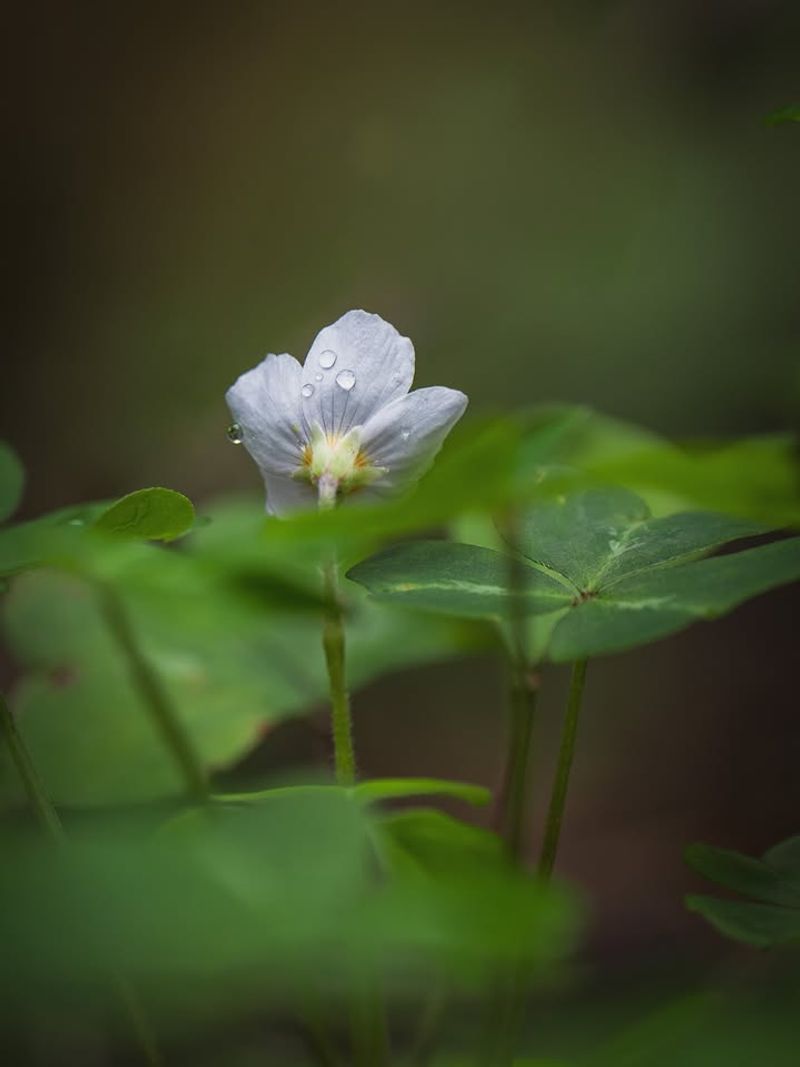
Step under a canopy of big-leaf maples or western red cedars in Oregon and you will often find the forest floor carpeted in something that looks almost too soft and perfect to be real.
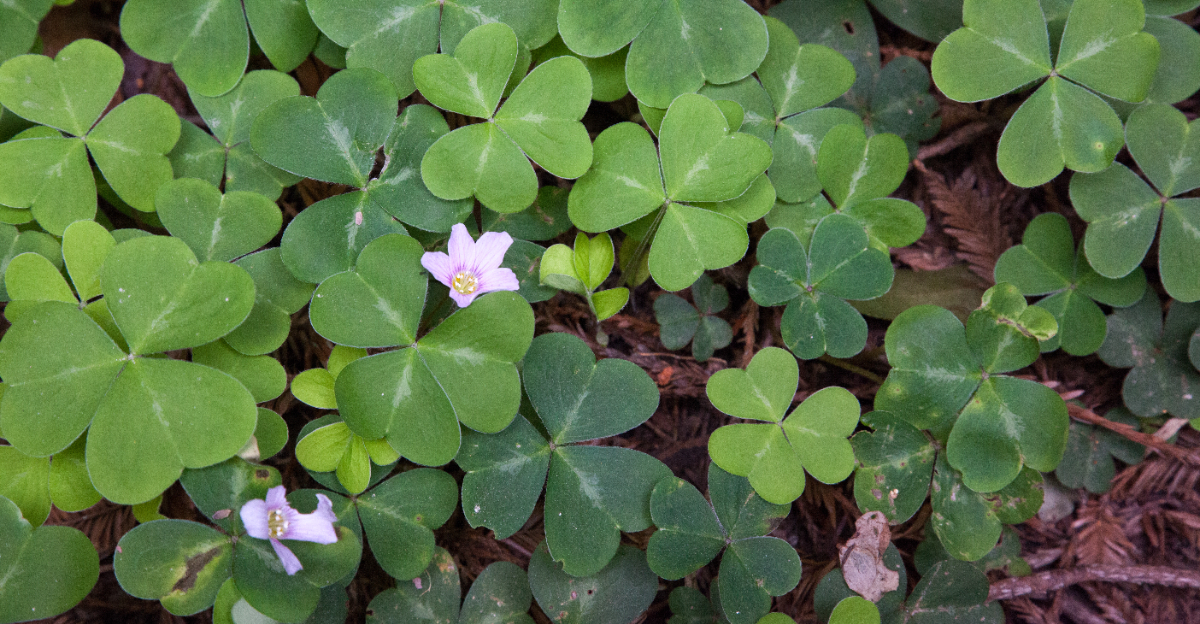
That velvety green blanket is Oregon oxalis, also called Oregon wood sorrel, Oxalis oregana, and it is one of the most charming native ground covers the Pacific Northwest has to offer.
Oregon oxalis thrives in exactly the conditions that trip up most gardeners: deep shade, consistent moisture, and competition from tree roots.
The clover-like leaves are bright, fresh green and fold down at night or during intense light, giving the plant a lively, almost animated personality that is oddly fun to watch. Delicate white or pale pink flowers appear in spring and again in fall.
For home gardens, Oregon oxalis works beautifully under large trees, along north-facing house foundations, or in any shaded corner that stays reliably moist.
It spreads by underground rhizomes and fills in gradually without becoming aggressive. Plant divisions or potted starts in fall or early spring, spacing them about twelve inches apart.
Oregon oxalis does not love hot, dry spots or heavy clay that stays waterlogged. Good organic matter in the soil helps enormously.
Mulch around new plantings to hold moisture and moderate soil temperature. Once settled in, this plant practically tends itself, creating a lush woodland-style floor that looks polished and intentional all year round.
It basically makes your most neglected corner look like you planned it that way from the start.
4. Salal Gives Your Tough Woodland Corners Year-Round Evergreen Coverage
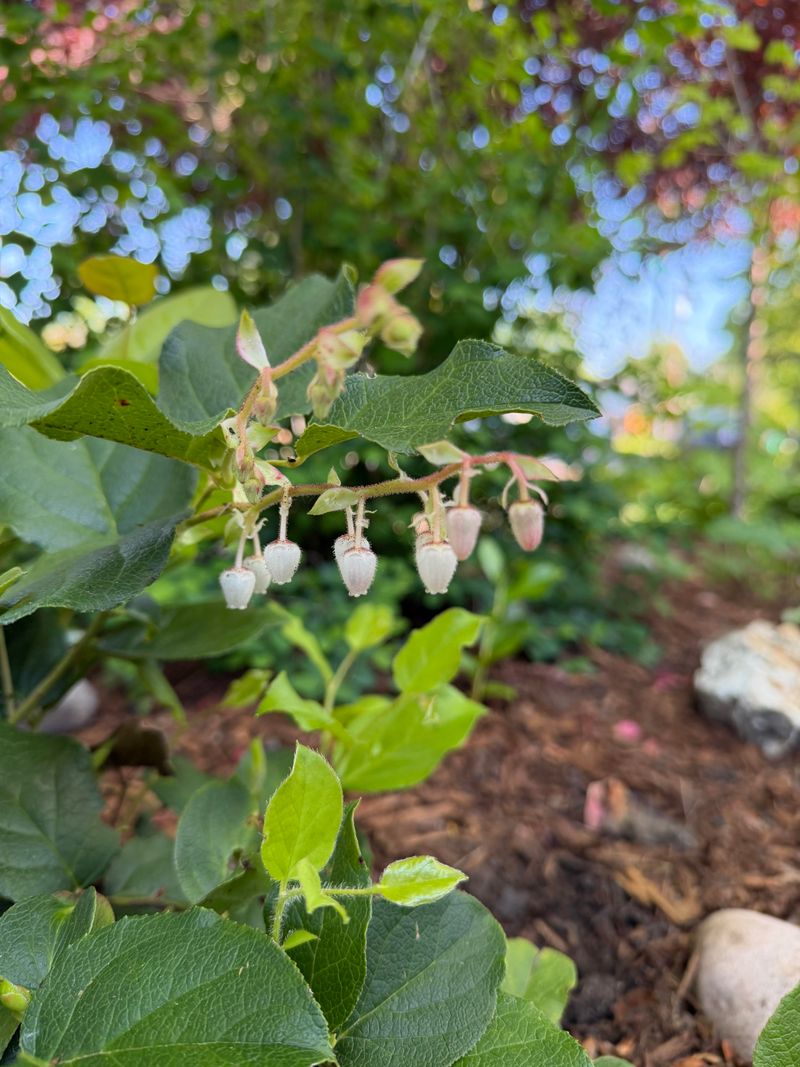
Tough, handsome, and deeply woven into the fabric of Pacific Northwest forests, salal is the kind of plant that makes other ground covers look a little fragile by comparison.
Gaultheria shallon grows from coastal bluffs to dense inland forests across Oregon, forming dense, knee-high thickets of glossy dark green leaves that stay evergreen through every season, rain or shine.
Salal handles deep shade under conifers, moderate sun on open slopes, dry summers, wet winters, and poor acidic soils without missing a beat.
Florists have long prized its leathery leaves for arrangements, which tells you something about the quality of the foliage before a single flower even opens.
In late spring, strings of small pink-white bell-shaped flowers hang from the stems, followed by dark blue-purple berries that ripen in late summer.
Native peoples of the Pacific Northwest traditionally used these berries as food, and wildlife from birds to bears still rely on them. Planting salal adds real ecological value to a yard, not just good visual coverage.
Salal spreads by underground rhizomes and can reach three to five feet tall in ideal conditions, though it stays lower in drier or sunnier spots.
Plant container-grown starts in fall for best results and space them two to three feet apart. Water through the first summer, then step back and let it do its thing.
Salal takes care of itself once its roots find their footing, which, in Oregon, usually does not take long at all. A plant this self-sufficient deserves a little more credit than it gets.
5. Oregon Stonecrop Belongs On The Rocky Slopes Where Your Other Plants Struggle
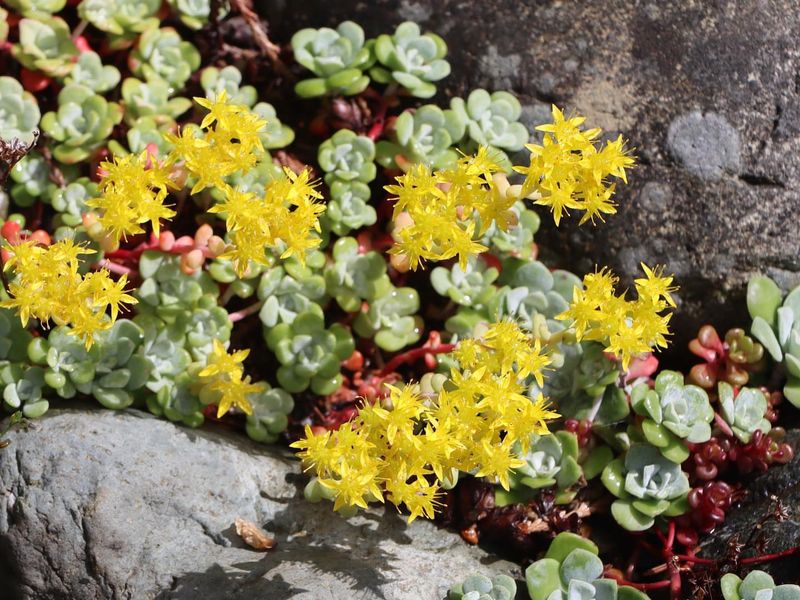
Rocky outcrops, steep gravel slopes, and bone-dry hillsides that bake in the summer sun are places most plants avoid entirely.
Oregon stonecrop, Sedum oreganum, treats those spots as prime real estate.
This native succulent clings to thin, rocky soil with remarkable ease, spreading into low, fleshy mats that look sculptural and interesting even when nothing else is blooming nearby.
Oregon stonecrop is a true Pacific Northwest native, found naturally on rocky cliffs and outcrops from the coast to the Cascades.
Its thick, spoon-shaped leaves store water, allowing the plant to shrug off weeks of dry weather without wilting or losing its composure.
In late spring and early summer, clusters of bright yellow star-shaped flowers cover the mats and pull in pollinators with a cheerful burst of color.
For garden use, Oregon stonecrop is ideal for rock gardens, dry stone walls, steep sunny banks, and any spot where the soil drains so fast that other plants simply struggle to stay hydrated.
It grows only two to four inches tall, so it stays tidy without any pruning required. Full sun and sharp drainage are the two non-negotiable requirements. In heavy clay or consistently wet soil, it will not perform well at all.
Plant Oregon stonecrop from container starts or cuttings in spring or fall, spacing plants about twelve inches apart. After that, rainfall alone usually carries them through Oregon’s wet season.
Skip the fertilizer entirely. Rich soil actually makes stonecrop leggy and weak, which is the opposite of everything this plant is supposed to be.
Lean and gritty is the goal, both for the soil and, frankly, for the plant’s personality.
6. Wild Ginger Takes Over The Ground Your Trees Left Behind
Shady spots under large conifers or maples can feel nearly impossible to plant successfully.
Tree roots compete for water, light barely reaches the soil, and most ornamental plants simply stall and sit there looking unconvinced.
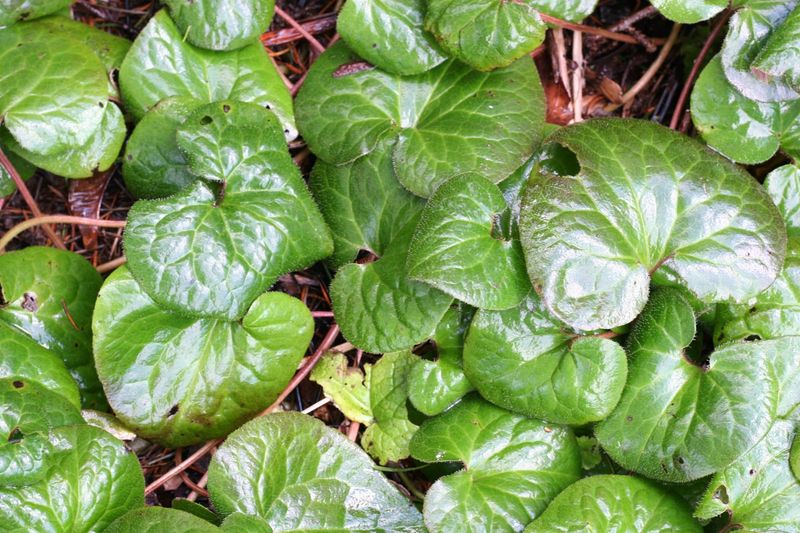
Wild ginger, Asarum caudatum, has other ideas entirely. This Pacific Northwest native spreads slowly but confidently across the shadiest, most root-choked ground and covers it with a lush, velvety carpet of large heart-shaped leaves.
Wild ginger is not related to culinary ginger, but its roots carry a pleasant ginger-like scent when broken.
The leaves are the real star here, rich dark green, soft to the touch, and wide enough to create a full, layered look under tall trees that feels genuinely intentional rather than accidental.
In spring, curious brownish-purple flowers hide beneath the foliage close to the soil, small and easily missed but quietly charming.
This plant spreads by rhizomes at a moderate pace, filling in over several seasons without becoming invasive.
It pairs beautifully with ferns, Oregon oxalis, and other shade-loving natives, creating a layered woodland floor that looks completely natural and requires almost no editing once established.
Plant rooted divisions or container starts in fall or early spring, spacing them about twelve to eighteen inches apart.
Wild ginger needs consistent moisture during the first growing season, but once established it handles Oregon’s dry summers reasonably well in deep shade where the soil stays cooler.
Rich, well-drained soil with plenty of organic matter gives it the best possible start. The leaves will reward you by looking deep, full, and healthy straight through to the end of the season.
A plant that thrives in your worst spot and looks good doing it is basically the Oregon garden dream.
7. Creeping Oregon Grape Brings Structure To The Spots That Need It Most
Not every ground cover is soft and easygoing.
Sometimes a garden needs something with a little backbone, a plant that holds its structure through freezing winters, dry summers, and deep shade without looking ragged or defeated.
Creeping Oregon grape, Mahonia repens, delivers exactly that kind of quiet toughness wrapped in genuinely beautiful packaging.
Creeping Oregon grape is the low-growing cousin of the taller Oregon grape, Oregon’s state flower.
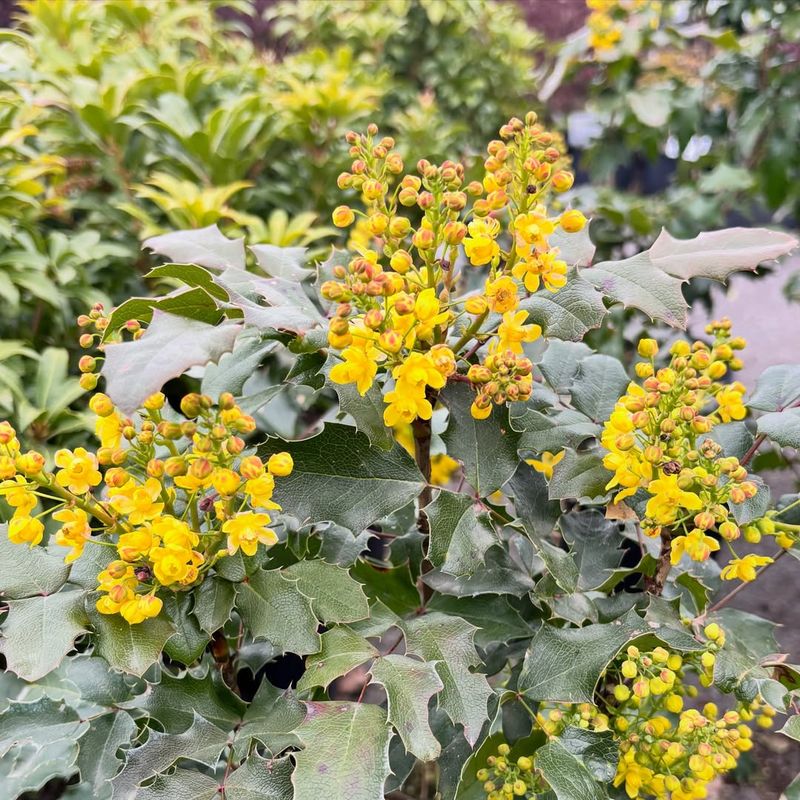
It stays under two feet tall and spreads slowly by underground stems, forming a dense evergreen mat of glossy, holly-like leaves that turn attractive shades of bronze and purple in winter.
In early spring, clusters of bright yellow flowers appear before most other plants have even stirred, giving pollinators an early food source when they need it most.
After flowering, clusters of blue-purple berries develop through summer and attract birds and other wildlife reliably.
The berries are edible and tart, historically used by Indigenous peoples of the Pacific Northwest to make juice and jellies.
Planting creeping Oregon grape adds genuine ecological function alongside visual structure, which is a combination worth having in any yard.
This plant grows in full shade to partial sun and handles poor, dry soil once established.
It is one of the more drought-tolerant native ground covers for Oregon gardens, making it a strong choice under trees or on dry, shaded slopes.
Plant container-grown starts in fall and space them two to three feet apart. Water through the first summer, then reduce irrigation and let the plant find its rhythm.
Creeping Oregon grape gets better every single year, which is more than most things in a garden can honestly claim.
8. Foam Flower Carpets The Ground Beneath Your Shadiest Trees
Tiarella trifoliata is not a plant that shows off loudly. It earns attention gradually, the way good things in a garden tend to do.
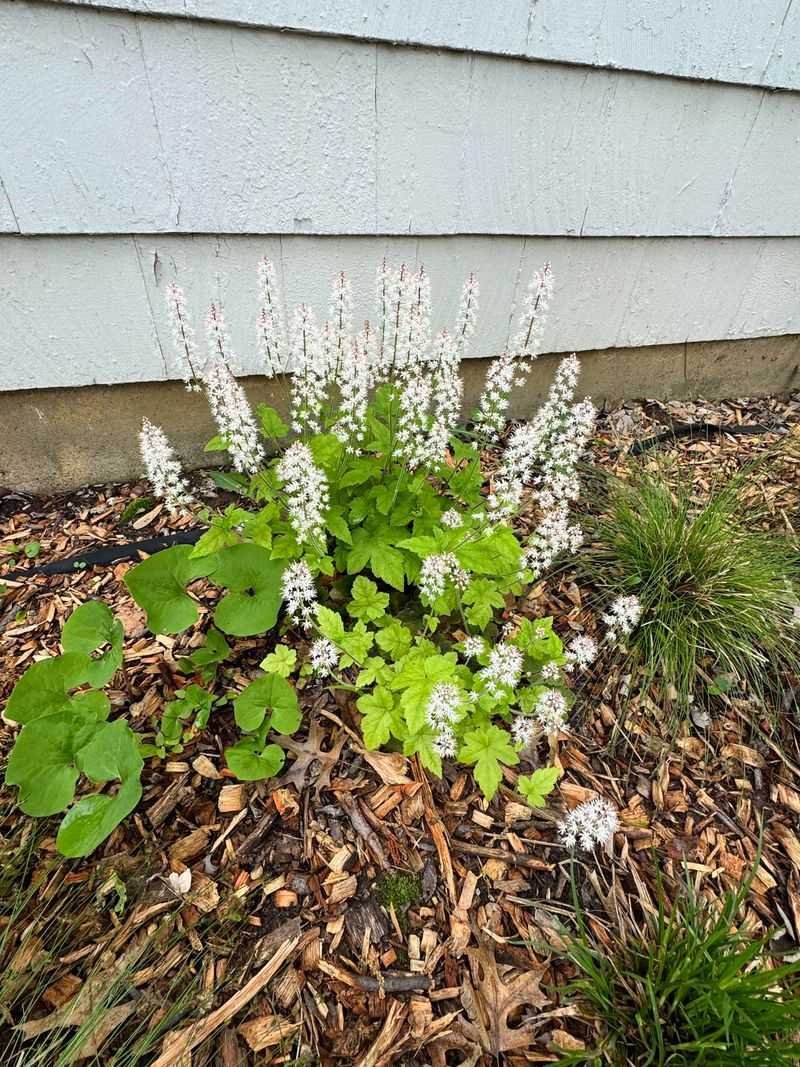
Foam flower is a Pacific Northwest native that spreads into soft, low mounds of lobed green leaves beneath trees and along shaded borders, and once it settles in, it looks like it has always been there.
The common name comes from the flowers, delicate white spikes that rise above the foliage in spring and look almost like foam caught on a breeze.
They are subtle but genuinely lovely, especially in large drifts where dozens of flower spikes rise together through the shade. Pollinators find them reliably even in spots where little else blooms.
Foam flower grows six to twelve inches tall and spreads slowly by stolons, sending out short runners that root nearby and gradually fill in the ground beneath trees and shrubs.
It is not aggressive. It is methodical, which is exactly what a shaded understory planting needs.
This plant thrives in moist, humus-rich soil with good organic content and consistent shade. It handles the root competition under large conifers and maples better than most ornamental plants.
That makes it genuinely useful in the spots Oregon gardeners struggle with most. Pair it with wild ginger and ferns for a layered woodland floor that looks completely intentional.
Plant container starts in fall or early spring, spacing them about twelve inches apart. Keep soil moist through the first season.
Once established, Oregon’s rainy winters do most of the watering work for you.
A plant that thrives in deep shade, spreads politely, and blooms in spring deserves considerably more attention than it usually gets in Oregon gardens.