These Are The Pennsylvania Vegetables That Actually Prefer Being Planted In June
Most Pennsylvania vegetable gardening advice treats June as a late start rather than an ideal one, and that framing causes a lot of gardeners to skip plantings that would have actually done better going in now than they would have a month or two earlier. Not every vegetable is chasing the spring window.
A specific group of crops genuinely performs better when planted in June, benefiting from warm soil that speeds germination, longer days that drive steady growth, and conditions that match what these plants were built to thrive in.
Pennsylvania’s June weather, with its combination of warmth, decent rainfall, and long light hours, creates a growing environment that suits these vegetables in a way that the unpredictable swings of April and May simply do not.
If you have been treating June as a month for maintaining what is already in the ground rather than adding to it, this list makes a strong case for reconsidering that approach.
1. Bush Beans
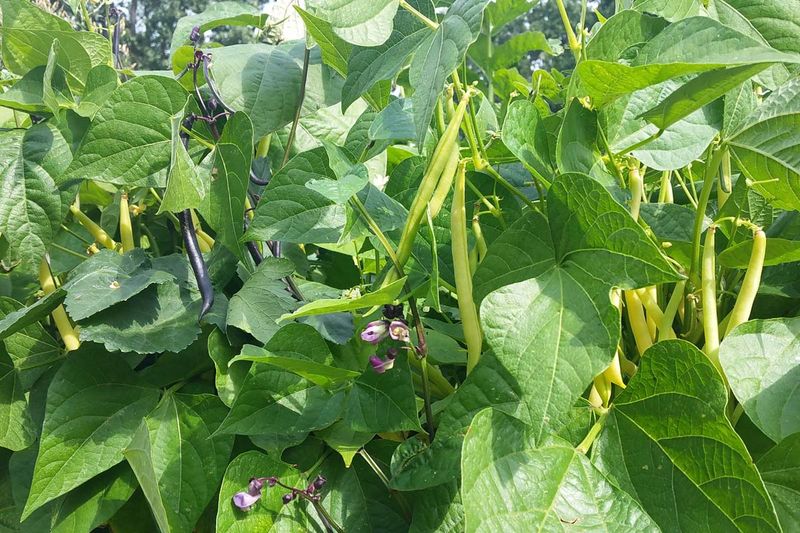
Few vegetables reward a June gardener quite like bush beans. They sprout fast, grow low to the ground without needing stakes or trellises, and start producing pods before you know it.
For Pennsylvania gardeners, planting bush beans in June means the soil is already warm, which is exactly what these plants crave.
Bush beans prefer soil temperatures above 60 degrees Fahrenheit. June planting hits that sweet spot perfectly, giving seeds the warmth they need to germinate in just seven to ten days.
Cool spring soil often slows germination and can cause seeds to rot, so waiting until June actually gives you a head start.
You can expect to harvest fresh beans roughly 50 to 60 days after planting. That puts your harvest right in the heart of summer and stretching into early fall.
Staggering your plantings every two weeks through June gives you a continuous supply of tender pods.
Bush beans are also incredibly easy to grow. They do not need much fertilizer, especially if your soil is decent.
In fact, like other legumes, they fix nitrogen from the air into the soil, which benefits the plants around them too.
Water them consistently, about one inch per week, and keep weeds away from young plants. Mulching around the base helps lock in moisture during hot Pennsylvania summers.
Pick pods regularly when they are slim and firm, because leaving mature pods on the plant signals it to stop producing. The more you pick, the more beans you get. It is one of the most satisfying cycles in the garden.
2. Cucumbers
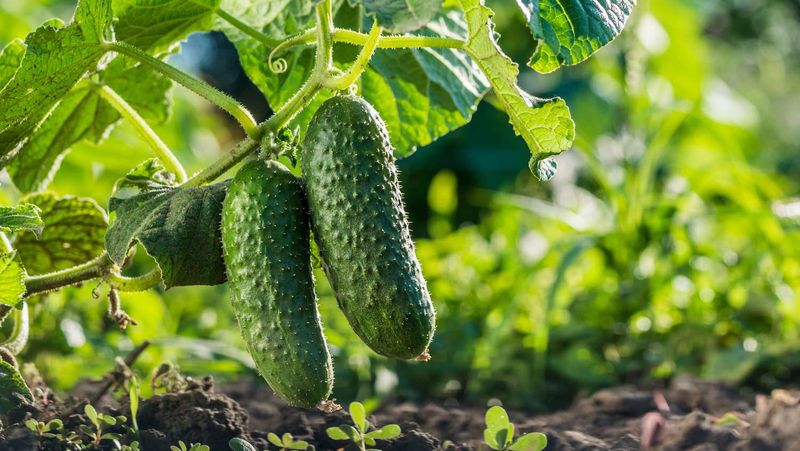
Cucumbers are warm-weather superstars, and they have no patience for cold soil. Planting them in June in Pennsylvania gives them exactly what they want: long sunny days, warm nights, and soil that stays above 65 degrees.
That combination pushes cucumber plants to grow fast and fruit heavily. Did you know cucumbers are actually 96 percent water? That makes them one of the most refreshing vegetables to grow and eat during a hot Pennsylvania summer.
They are also quick to mature, with most varieties producing fruit in just 50 to 70 days from planting.
Your Pennsylvania Garden Changes Every Week. Your Plan Should Too.
Gardening in Pennsylvania changes quickly throughout the season. Every Friday you’ll receive a simple weekly plan showing exactly what to plant, prune, fertilize, harvest, and protect so you never miss the right timing.
Cucumbers need full sun, meaning at least six to eight hours of direct sunlight each day. They also need consistent moisture.
Uneven watering leads to bitter-tasting fruit, so aim for deep, regular watering sessions rather than light daily sprinkles. Drip irrigation or soaker hoses work really well for cucumbers.
You can grow cucumbers on the ground or train them up a trellis. Trellising saves space, improves air circulation, and makes harvesting easier. It also keeps fruit off the soil, reducing the chance of rot or pest damage.
June planting in Pennsylvania gives cucumbers enough runway to produce a solid harvest well before the first fall frost, which typically arrives in October. Varieties like Straight Eight, Marketmore, and Spacemaster all perform well in Pennsylvania conditions.
Harvest cucumbers while they are still firm and dark green. Overgrown cucumbers become seedy and bitter quickly.
Check your vines daily once fruiting begins, because these plants can go from perfect to overripe in just a couple of days.
3. Summer Squash
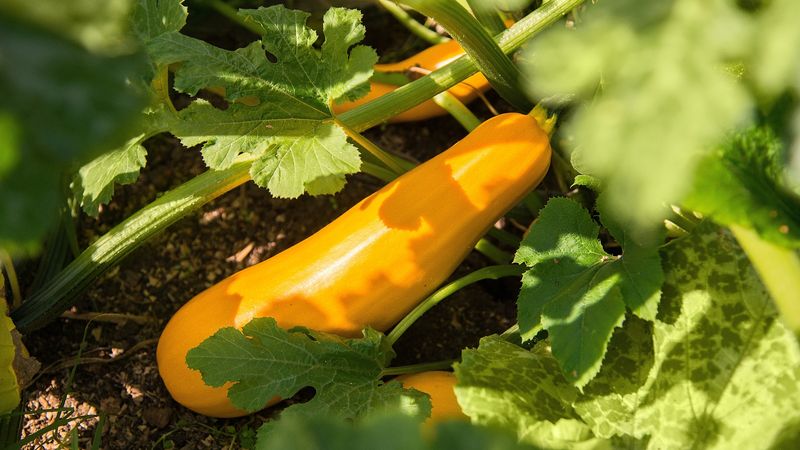
If you have ever planted zucchini, you already know how enthusiastically summer squash produces. One plant can flood a kitchen with more vegetables than a family can eat in a week.
Planting in June means your squash hits peak production right in the middle of summer, when growing conditions in Pennsylvania are at their best.
Summer squash loves warm soil and does not tolerate frost at all. June planting sidesteps the risk of a late spring cold snap that can set young plants back.
By the time seeds go in, Pennsylvania soil has had weeks to warm up, and squash seeds sprout quickly, often within five to seven days.
Zucchini, yellow crookneck, and pattypan are all popular varieties that thrive in Pennsylvania summers. Each has a slightly different flavor and texture, but all of them grow on compact, bushy plants that fit well in raised beds or traditional garden rows.
These plants are heavy feeders. Adding compost or a balanced vegetable fertilizer at planting time gives them the nutrients they need to produce abundantly. Side-dress with compost again when plants begin to flower for an extra boost.
Watering is critical for summer squash. They need about one to two inches of water per week.
Inconsistent moisture can cause blossom end issues or misshapen fruit. Mulching heavily around the base keeps moisture in and weeds out.
Harvest summer squash when it is small to medium-sized, around six to eight inches long for zucchini. Smaller squash is more tender and flavorful. Leaving squash on the plant too long reduces overall production significantly.
4. Okra
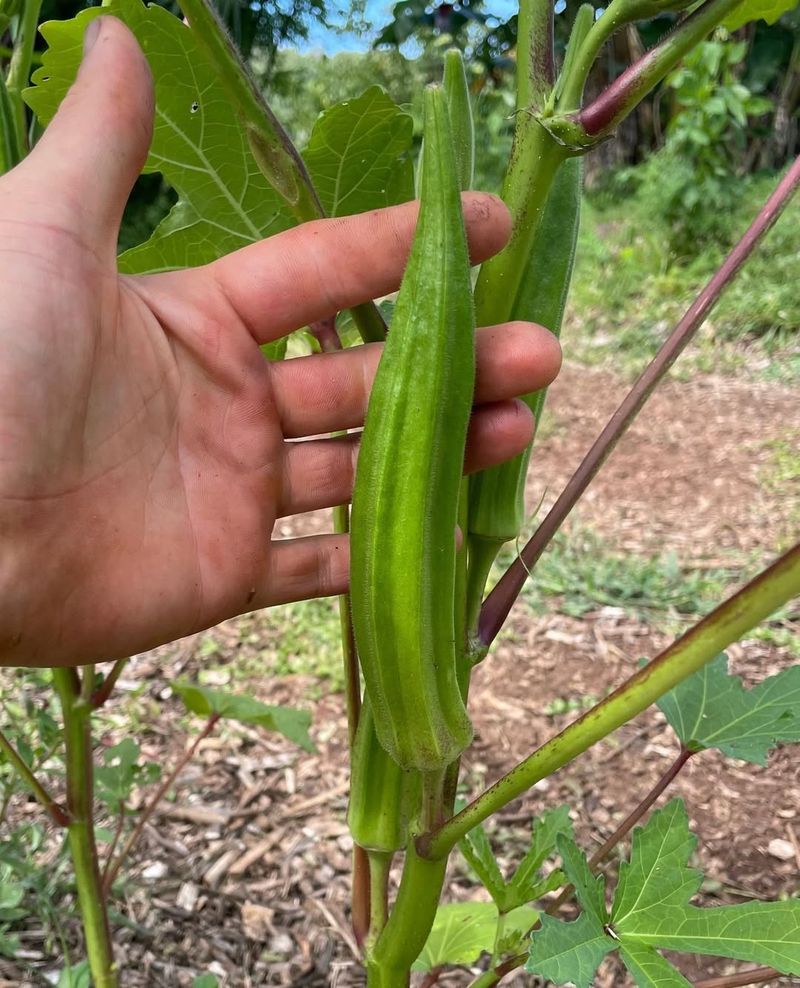
Okra might surprise you as a Pennsylvania garden crop, but this Southern staple has been quietly thriving in Pennsylvania summers for years.
It is a heat-chasing plant that wants nothing to do with cool temperatures, which makes June the perfect time to get it in the ground.
By late summer, you will be harvesting tender pods that can be fried, roasted, pickled, or tossed into soups and stews.
Originally from Africa, okra is related to hibiscus and cotton. It produces beautiful yellow flowers before the pods form, making it one of the most attractive plants in a vegetable garden. The flowers only last one day, but they are stunning while they are open.
Okra needs soil temperatures of at least 65 degrees Fahrenheit to germinate well, and it grows fastest when daytime temperatures stay above 80 degrees.
Pennsylvania summers regularly deliver those conditions from June through August, giving okra plenty of time to establish and produce before cooler fall weather arrives.
Soaking okra seeds overnight before planting speeds up germination. Plant seeds about half an inch deep and thin seedlings to about 18 inches apart once they are a few inches tall.
Okra grows tall, sometimes reaching five to six feet, so plant it where it will not shade shorter crops.
Once pods start forming, check plants every two days. Pods grow fast and become tough and fibrous if left too long.
Harvest when pods are two to four inches long for the best texture and flavor. Wear gloves when harvesting, as the plant has fine bristles that can irritate skin.
5. Southern Peas / Cowpeas
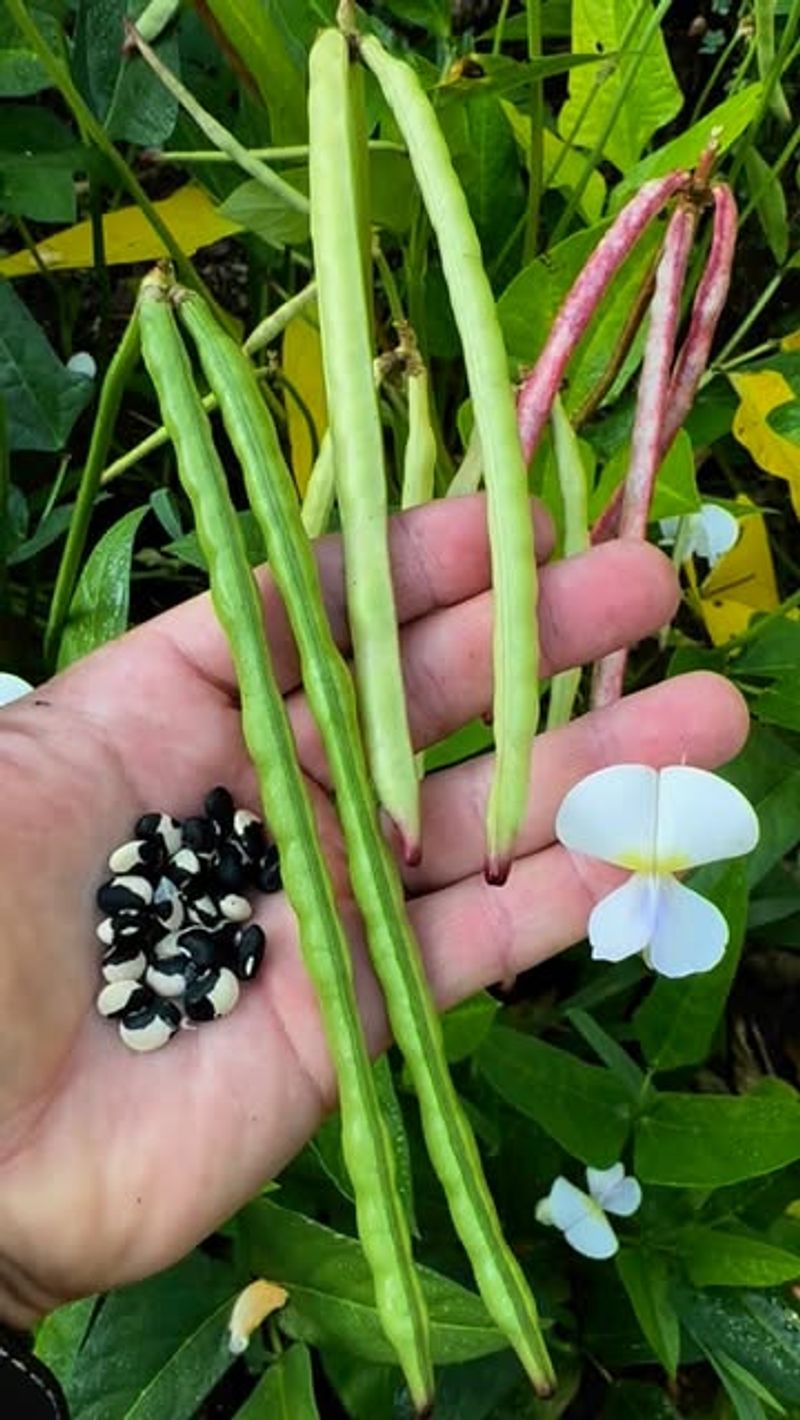
Southern peas, also called cowpeas, are one of the most underrated vegetables a Pennsylvania gardener can plant in June. They are tough, heat-tolerant, and incredibly productive in warm weather.
Most people associate them with Southern cooking, but they have no trouble thriving in a Pennsylvania summer garden when given the right conditions.
What makes cowpeas especially interesting is their ability to improve your soil while they grow. Like other legumes, they work with soil bacteria to capture nitrogen from the air and store it in the soil.
That means your garden beds are actually getting more fertile while you wait for your harvest. It is one of the few vegetables that gives back as much as it takes.
Varieties like Black-eyed Peas, Crowder Peas, and Purple Hull Peas all perform well in Pennsylvania summers. They prefer full sun and well-drained soil.
Once established, they handle heat and even brief dry spells better than many other garden vegetables. They are not fans of overly wet conditions, so avoid planting in low-lying spots that collect water.
June planting gives cowpeas about 60 to 90 days to mature before Pennsylvania fall temperatures start dropping. Plant seeds about one inch deep and six inches apart.
They do not need heavy fertilization because of their nitrogen-fixing ability. Too much nitrogen fertilizer can actually reduce pod production.
Harvest pods when they are plump and filled out but still green for fresh eating, or let them dry on the plant for dried peas. Either way, you get a protein-rich, satisfying harvest from a plant that practically takes care of itself.
6. Sweet Corn
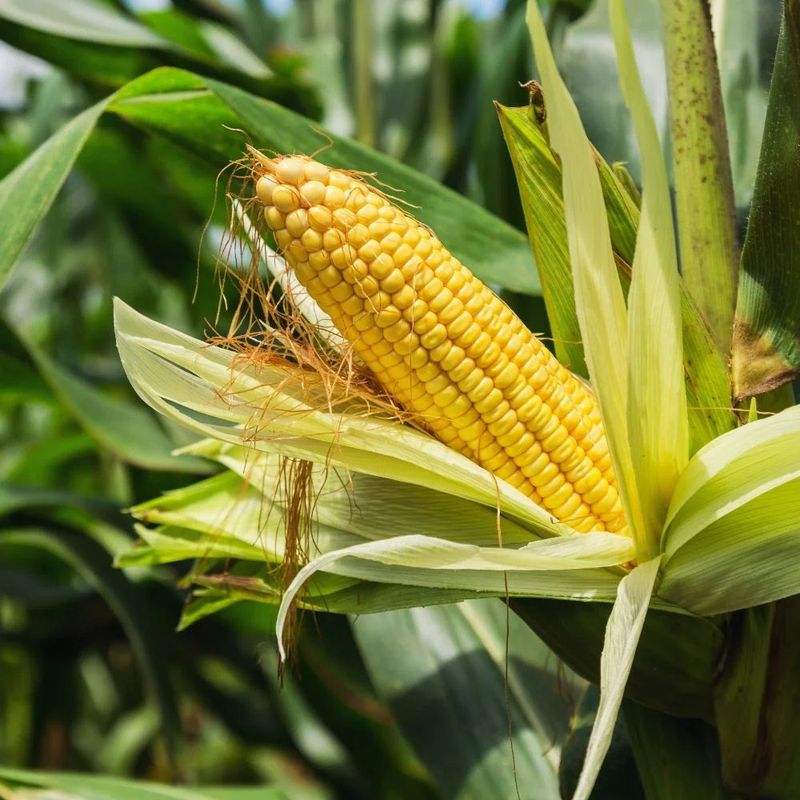
There is nothing quite like pulling an ear of sweet corn straight from your own garden, peeling back the husk, and biting into it while it is still warm from the sun.
Pennsylvania gardeners who plant sweet corn in June can enjoy that exact experience by late summer. Few vegetables are as deeply satisfying to grow and eat.
Sweet corn is a warm-season crop that grows fast once the soil heats up. Planting in June gives it the long, warm days it needs to push stalks up quickly and fill out ears fully before fall arrives.
Most sweet corn varieties mature in 65 to 90 days, putting your harvest right around late August or September.
Corn is wind-pollinated, which means it needs to be planted in blocks rather than single rows. A block of at least four rows side by side ensures good pollination and full, well-filled ears.
Planting in a single long row often results in poorly developed ears with missing kernels. Sweet corn is a heavy feeder and loves nitrogen. Amend your soil with compost before planting, and side-dress with a nitrogen-rich fertilizer when plants are about knee-high.
Water deeply and consistently, especially when tassels and silks appear, because that is when kernels are forming.
Watch for common Pennsylvania pests like corn earworm and Japanese beetles. Applying a few drops of mineral oil to the silk tips after pollination helps deter earworms.
Harvest ears when the silks turn brown and dry, and kernels squirt milky juice when pierced. Sweet corn loses its sugar content fast after picking, so eat it as soon as possible for peak flavor.
7. Bush Or Pole Tomatoes
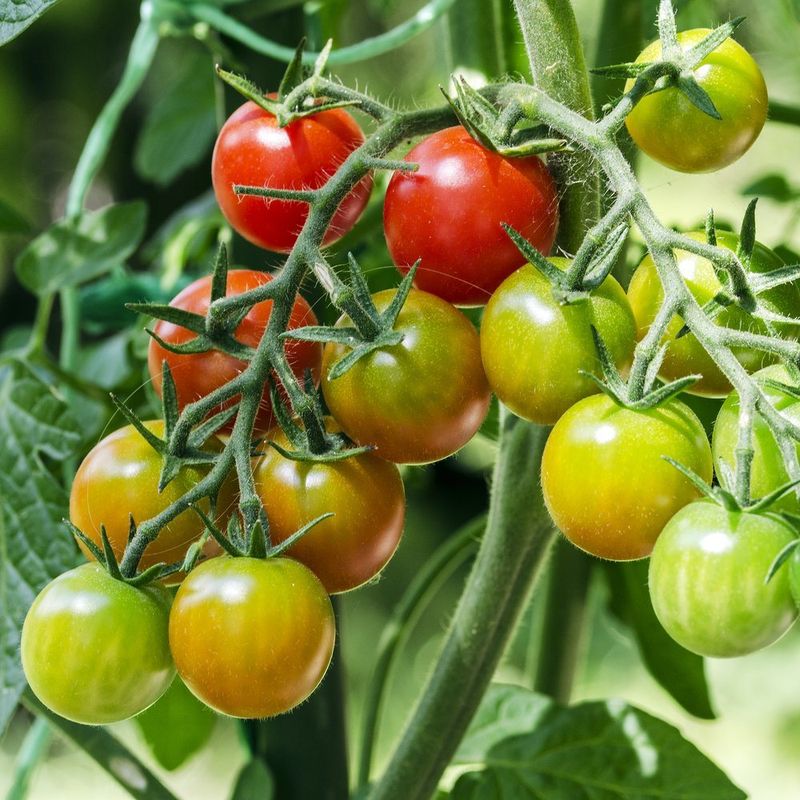
Tomatoes are probably the most popular vegetable in any Pennsylvania garden, but not everyone realizes that planting a second round in June can be a brilliant strategy.
While most gardeners put transplants in during May, heat-loving tomato varieties actually settle in beautifully when planted in June. The warmer soil encourages faster root development and stronger early growth.
June-planted tomatoes also sidestep some of the early-season disease pressure that often plagues May transplants. Early blight and other fungal issues tend to be worse in cool, wet spring conditions.
By June, the weather is more stable and consistently warm, giving plants a healthier start overall.
Bush tomatoes, also called determinate varieties, grow to a set size and ripen all their fruit around the same time. They are great for gardeners who want a big harvest for canning or preserving.
Pole tomatoes, or indeterminate varieties, keep growing and producing until cold weather stops them. Both work well for June planting in Pennsylvania.
Choose varieties that mature in 70 days or fewer for June planting to ensure a full harvest before October frosts. Celebrity, Roma, and Early Girl are solid choices for Pennsylvania conditions.
Plant deeply, burying the stem up to the lowest set of leaves to encourage a strong root system.
Water tomatoes consistently and deeply. Inconsistent watering causes blossom end rot and cracking.
Stake or cage plants early, before they need it, so roots are not disturbed later. Mulch heavily to retain moisture and regulate soil temperature. With the right care, June-planted tomatoes can deliver a generous harvest well into fall.