7 Common Fig Tree Spacing Mistakes North Carolina Gardeners Make Near The House
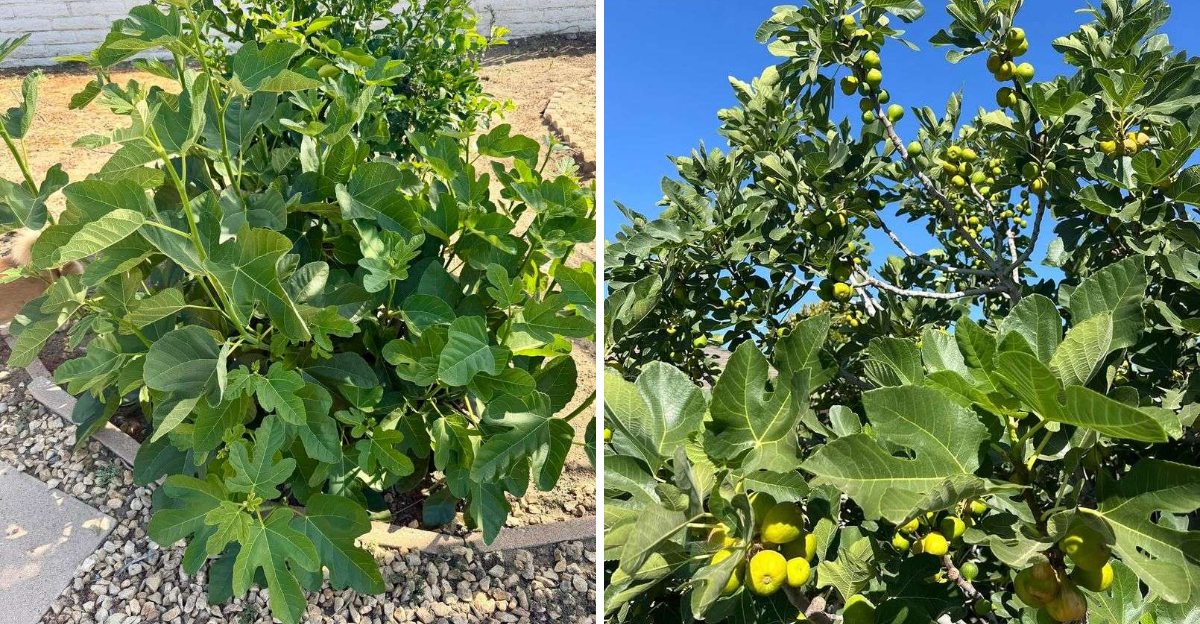
Figs are one of the great joys of a North Carolina garden. They are generous, they are beautiful, and they produce fruit that makes people genuinely excited about their backyard.
Then a few seasons pass. The tree that looked so manageable in its nursery pot is now pushing against the siding, blocking the walkway, and sending roots in directions nobody planned for.
It happens faster than you expect, and it happens to experienced gardeners just as often as beginners.
The problem is almost never the fig itself. Figs are excellent trees. The problem is where they got planted, and by the time the issue becomes obvious, moving the tree is a significant undertaking.
A few specific spacing mistakes show up in North Carolina yards over and over again, and every one of them was completely avoidable with a little information upfront.
The good news is that none of this is complicated. You just need to know what to watch for before the shovel goes in the ground.
1. Planting Figs Too Close To Walls
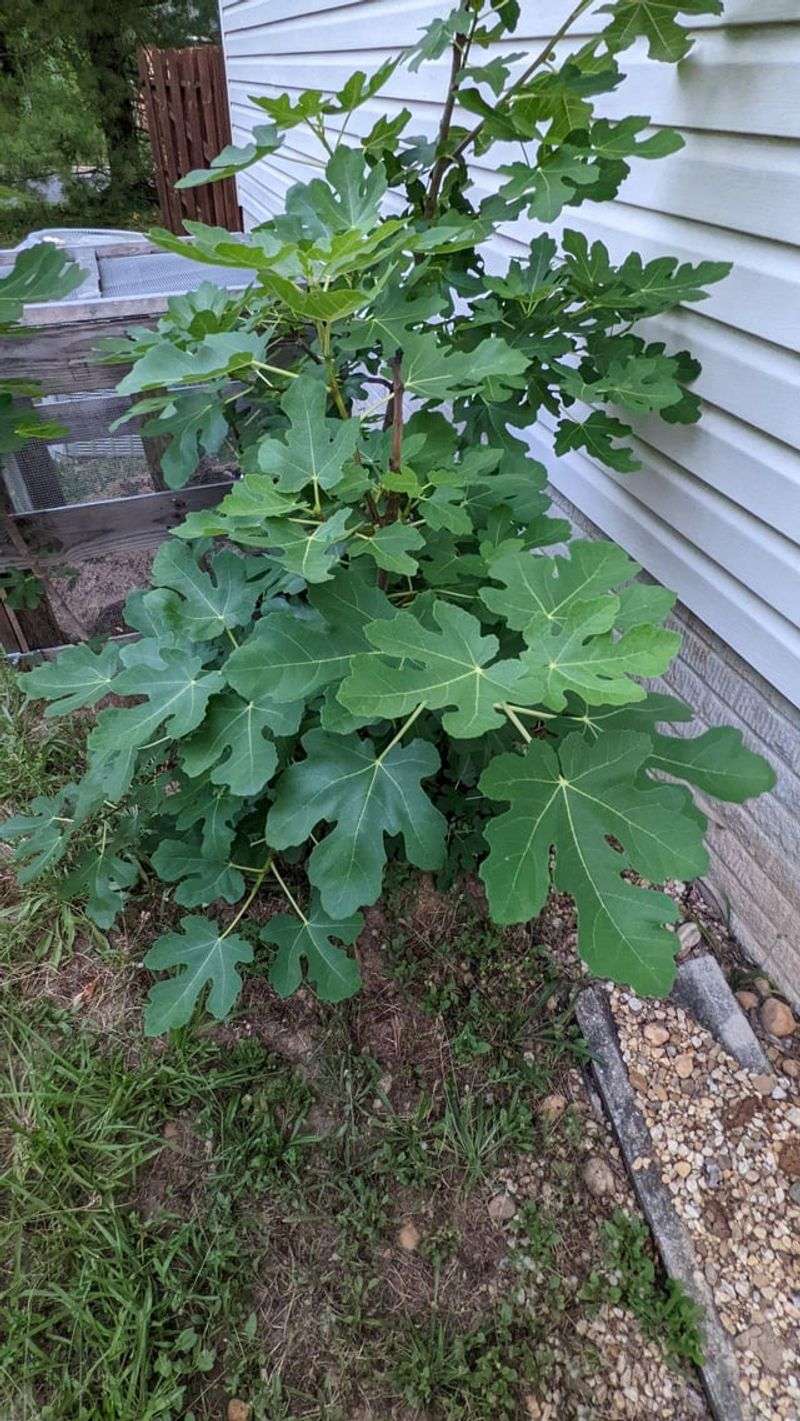
A tight foundation bed looks tidy when you first put a young fig in the ground. Give it three or four seasons and that cozy spot becomes a genuine headache.
Fig trees in North Carolina can easily reach 10 to 15 feet tall and spread just as wide. Plant one a foot or two from a wall and you are setting up a slow conflict between roots, branches, and your home’s structure that nobody wins cleanly.
Keeping fig trees at least 8 to 10 feet away from any structure gives the root system room to spread without pushing against your foundation.
Roots seeking moisture work their way into small cracks in concrete or brick over time. That kind of pressure is quiet, gradual, and expensive to fix once it gets established.
Branches pressed against siding trap moisture between the wood and the wall. That moisture creates a reliable environment for mold, rot, and pest activity along your home’s exterior.
Siding repairs are costly and frustrating, especially when the cause turns out to be a fig tree that simply needed a few more feet of breathing room from day one.
Young figs look harmless in a nursery pot. It is genuinely easy to underestimate how fast they grow once they settle into North Carolina soil.
Planting with the mature size in mind saves you from having to relocate a well-established tree later, which is stressful for everyone involved, including the fig.
And figs, it turns out, have strong opinions about being moved.
2. Forgetting Mature Width
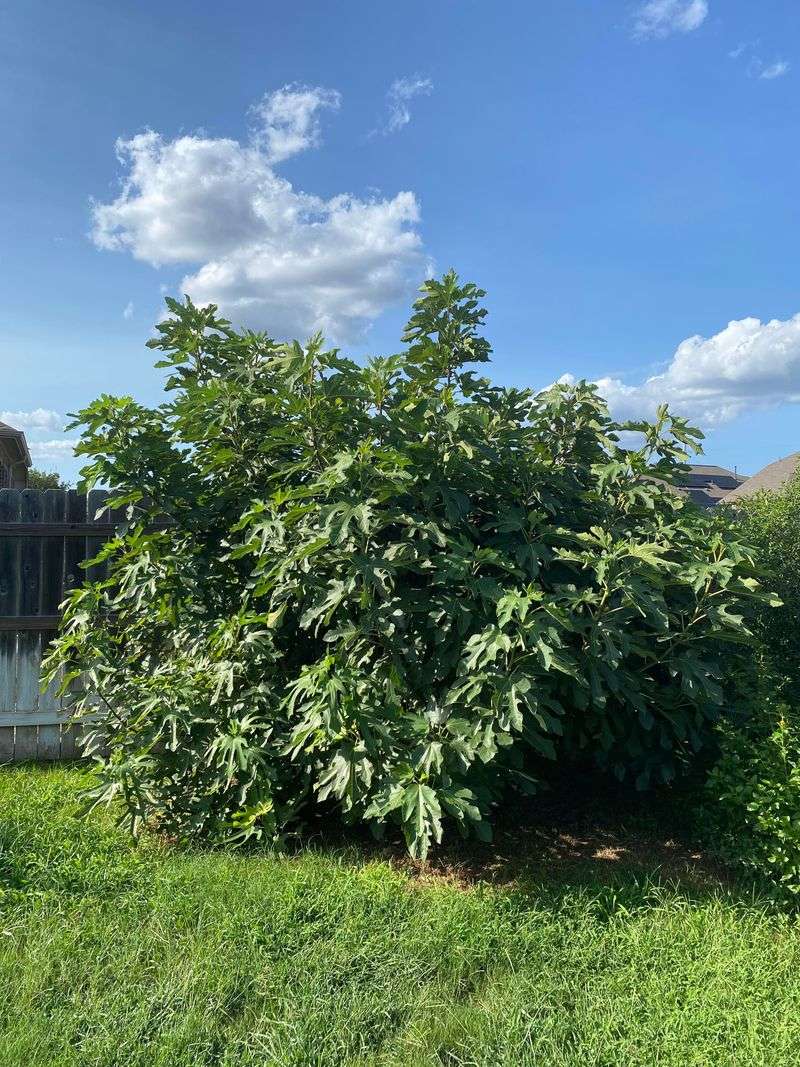
Most gardeners picture a small, manageable bush when they buy a fig. What shows up a few years later is something far more impressive and considerably more space-hungry.
A mature fig tree in North Carolina, depending on the variety, can spread 12 to 15 feet wide. Brown Turkey, one of the most popular varieties in the state, is particularly well known for its vigorous spreading habit.
The spread is the part most people forget to plan for. You might dig a hole three feet from a nearby shrub, thinking that is plenty of room.
Your North Carolina Garden Changes Every Week. Your Plan Should Too.
Gardening in North Carolina changes quickly throughout the season. Every Friday you’ll receive a simple weekly plan showing exactly what to plant, prune, fertilize, harvest, and protect so you never miss the right timing.
By year five, the canopy is shading everything around it and competing for the same patch of ground. Both plants underperform, and neither looks particularly happy about the situation.
Spacing figs at least 10 to 15 feet from other trees and large shrubs gives everyone enough room to develop properly.
When a fig gets its full footprint from the beginning, the canopy develops evenly. Air circulates through the branches, sunlight reaches the interior, and fruit production improves noticeably compared to a crowded planting.
Grab a tape measure before you plant and physically walk out the mature spread in your yard. It feels like a lot of empty space at first. Stick with it.
You can fill that space temporarily with annuals or low-growing herbs that will not compete as the fig matures. Future-you will be genuinely grateful for that foresight every single harvest season, and future-you deserves that win.
3. Blocking Walkways With Low Branches
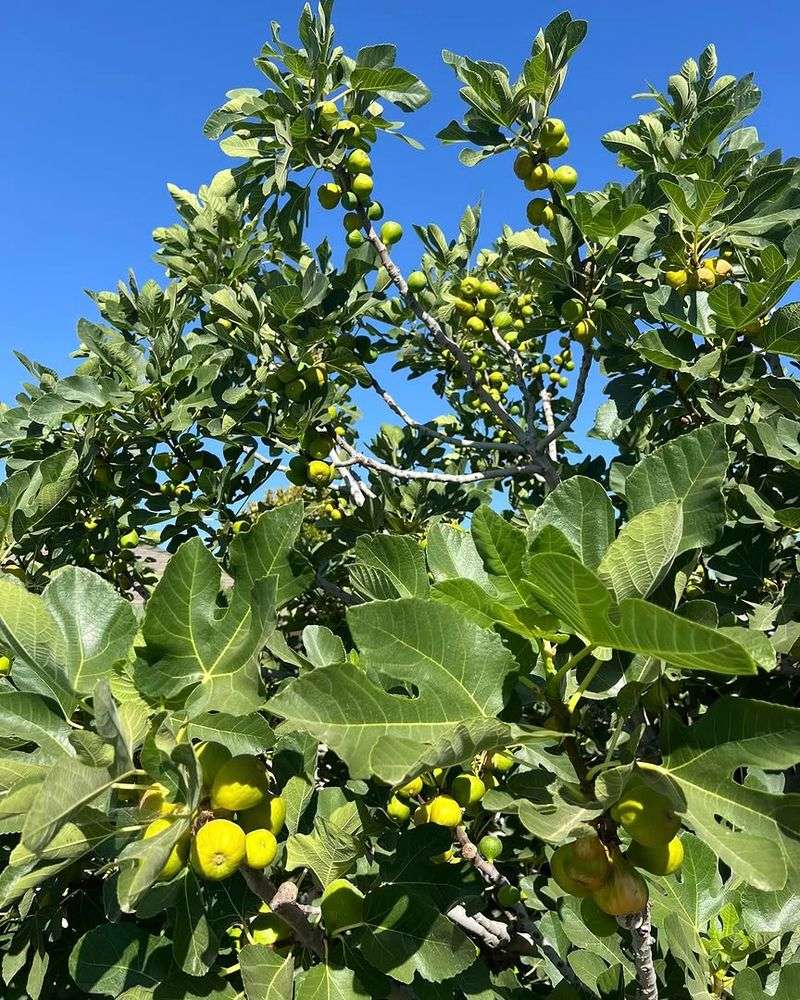
A walkway problem sneaks up on gardeners who plant figs just a little too close to a path. The tree looks fine at first, tucked neatly beside a sidewalk or garden trail.
Then summer arrives, branches fill out with broad leaves, and suddenly the path feels like an obstacle course with fruit on it.
Low-hanging fig limbs can drop to four or five feet off the ground, especially on bush-form plants allowed to grow without training.
Figs planted within six feet of a walkway almost always cause access issues. Branches reach outward as the plant matures, and they do it faster than most people expect.
Someone carrying groceries or garden tools should not have to duck or push branches aside every single time they walk past. That kind of daily inconvenience compounds quickly into genuine frustration.
The fix is straightforward when you plan ahead. Keep figs at least eight feet from any frequently used path.
In tight spaces, choose a tree-form fig and train it with a clear trunk of at least five to six feet before the canopy begins. This keeps the walking surface clear while still letting you enjoy the plant close to the house.
Pruning low limbs back each year is an option, but it adds maintenance and can stress the plant if done too aggressively or too frequently.
Starting with proper placement is always the easier path, literally. A well-positioned fig loaded with ripe fruit in late summer is a pleasure to walk past. One hanging directly in your face at 6 a.m. is considerably less charming.
4. Crowding Foundation Airflow
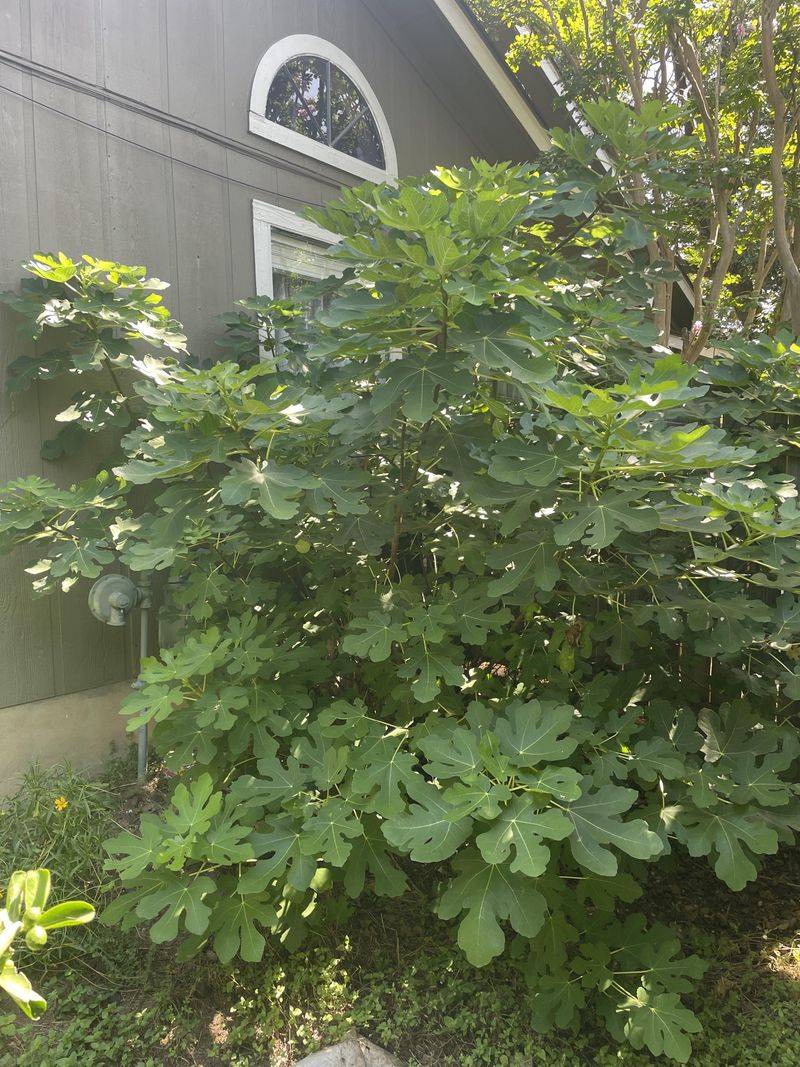
Airflow around walls and house edges matters more than many gardeners realize.
When plants grow too close to a structure, air stops moving freely between the foliage and the building surface.
Stagnant air holds moisture, and moisture is the starting point for a long list of problems, including fungal disease on the fig itself and gradual deterioration of your home’s exterior materials.
North Carolina summers bring humidity that is already challenging for many plants. Figs are reasonably tough, but even they struggle with diseases like fig rust and leaf spot when airflow is restricted.
These fungal issues spread faster in tight, humid corners where air cannot circulate. Planting too close to the house essentially creates a humidity trap that works against the fig’s health all season long.
Your home’s siding, trim, and paint suffer too when a dense plant sits right against them. Moisture that cannot evaporate promotes mildew growth on exterior surfaces.
Over several seasons, paint peels, wood softens, and repair costs climb. What started as a simple planting decision quietly turns into a home maintenance issue with a real price tag attached to it.
Keeping your fig at least eight to ten feet from the foundation allows air to move freely on all sides. That simple buffer makes a noticeable difference in how healthy the plant looks by midsummer.
It also protects your home’s exterior from the slow, steady damage that moisture causes when plants and buildings share space without enough room to breathe between them.
Some problems are invisible until they are expensive, and this is definitely one of those.
5. Ignoring Full Sun Needs
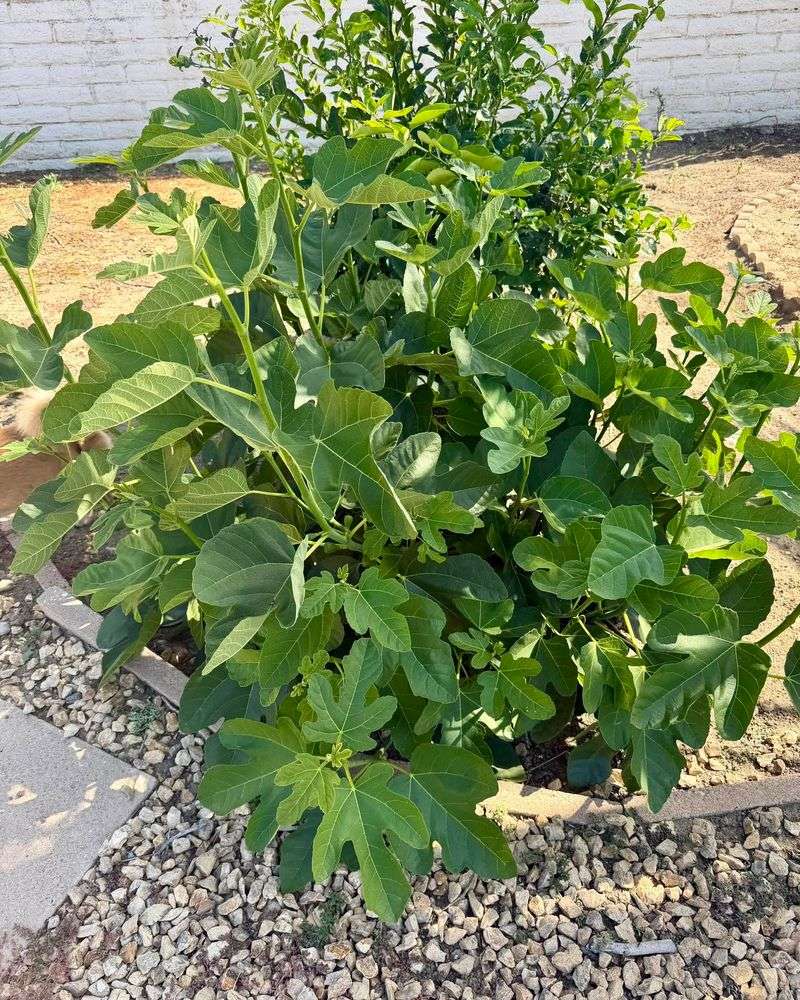
Figs are sun-worshippers. They need a minimum of eight hours of direct sunlight daily to produce a strong, flavorful crop.
Many North Carolina gardeners plant figs in spots that look sunny in spring but become heavily shaded by midsummer when the house, a fence, or a nearby tree starts casting long afternoon shadows across the planting area.
A fig in a shady spot near the house will grow, but it will not perform the way it should. Fruit production drops significantly in low-light conditions.
The figs that do develop tend to be smaller, less sweet, and slower to ripen. The plant takes up valuable yard space while delivering a harvest that feels like a lot of work for a modest return.
Walk your yard at different times of day before choosing a planting spot. Check the area at 10 a.m., at noon, and again at 3 p.m. to see how sunlight moves across the space.
Spots that look open in the morning can fall into deep shade by early afternoon, especially on the north and east sides of a house.
South and west-facing locations typically offer the strongest, most consistent sun exposure for figs in North Carolina.
Full sun is non-negotiable for good fig production. No amount of fertilizer or extra watering compensates for a shady planting spot.
It is one of those garden rules that sounds simple but gets ignored surprisingly often because the spot looked fine in April.
April is not August, and your fig knows the difference even if the planting decision was made before it could say anything about it.
6. Letting Roots Compete With Shrubs
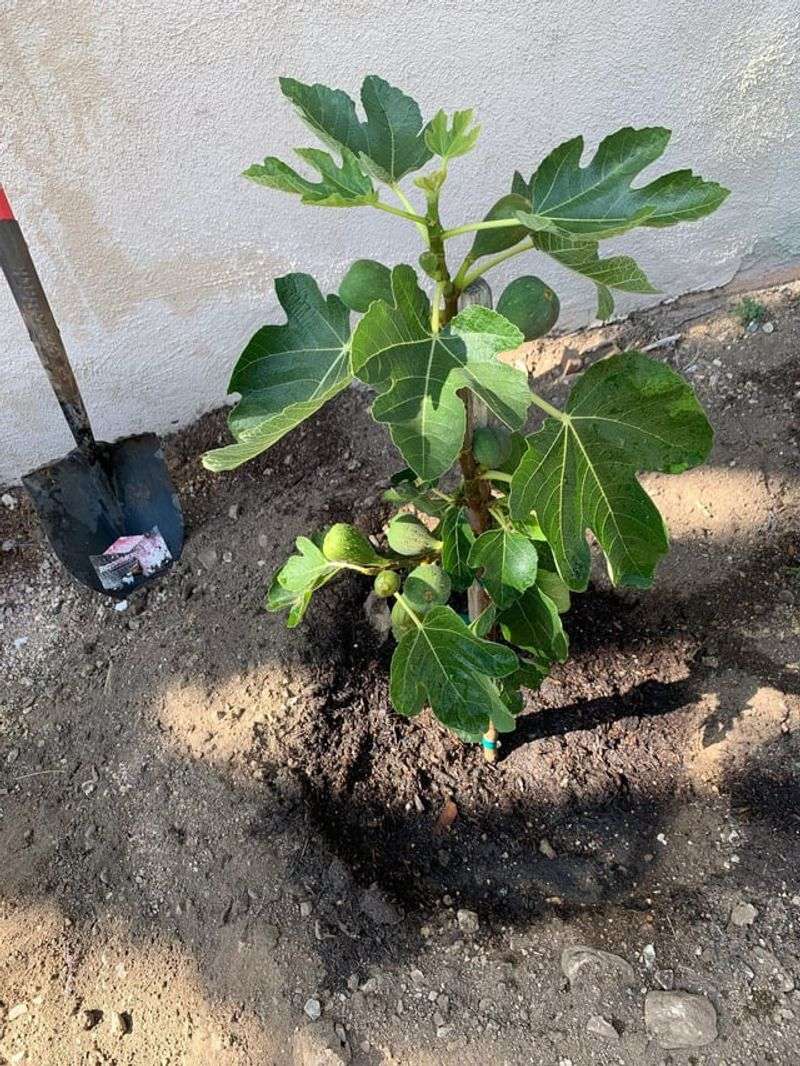
Competition from nearby landscape plants is a problem that builds slowly underground before you ever notice it above the soil line.
Fig roots are vigorous and spread wide, often reaching well beyond the canopy edge. Plant a fig within a few feet of established shrubs like hollies, boxwoods, or ornamental grasses, and both plants start pulling from the same limited pool of water and nutrients.
The fig usually wins these underground competitions because of its aggressive root system. But winning comes at a real cost.
The fig may grow unevenly, directing energy toward root competition rather than fruit production. The surrounding shrubs often decline noticeably, looking thin and stressed even when you are watering and fertilizing them on schedule.
The actual issue is happening entirely underground where you cannot see it.
Keeping figs at least eight to ten feet from established shrubs and perennials gives everyone enough space to develop properly.
If you are designing a new bed, plan the fig’s footprint first and build the rest of the planting around it.
Shallow-rooted groundcovers and annuals can coexist closer to a fig than deep-rooted woody shrubs, making them genuinely better companion choices for tighter spaces.
Mulching around the base of your fig also helps manage root competition by conserving soil moisture and reducing pressure on both plants.
A three to four inch layer of wood chip mulch extending out to the drip line is a practical step that most gardeners overlook entirely.
It is one of those low-effort adjustments that quietly improves everything around it without asking for any credit.
7. Skipping Pruning Access
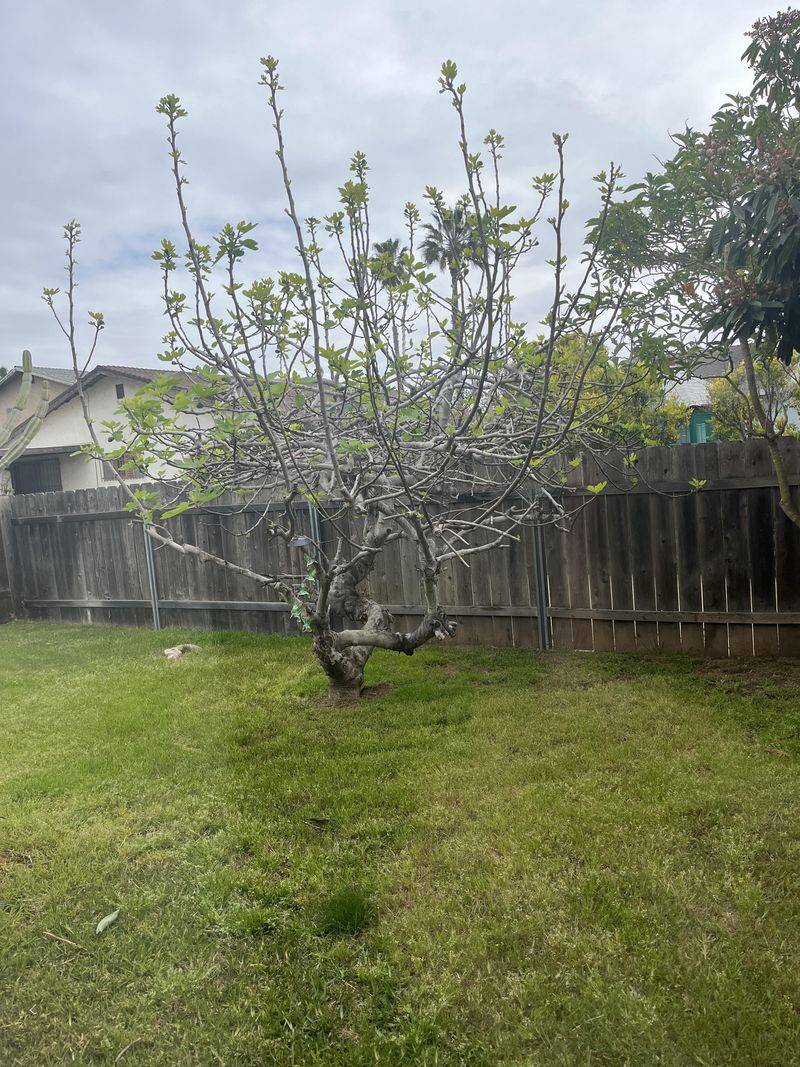
Excitement about a new plant has a way of making people forget about practical details like maintenance access.
Figs need annual pruning to stay productive and manageable, especially near a home.
Without enough clearance around the plant, pruning becomes an awkward, frustrating task that most people eventually start avoiding. An unpruned fig near a house grows into an overgrown situation faster than you would expect.
At least three to four feet of clear working space around the entire plant is needed to prune effectively.
That means room to stand comfortably, swing a pair of loppers, and position a ladder safely when the plant gets tall.
A fig wedged between a fence and the side of the house might technically fit in the space, but the day you try to prune it properly, the regret will be immediate and specific.
Harvesting has its own space demands too. Ripe figs bruise easily and need to be picked with care. When branches are crammed against a wall or tangled into neighboring plants, reaching fruit without damaging it becomes a real challenge.
Gardeners in that situation often leave ripe figs on the plant because they simply cannot get to them comfortably, and abandoned ripe fruit attracts wasps and pests that complicate the whole situation further.
Build pruning access into your spacing plan before the hole gets dug. A fig with good clearance on all sides is a genuine pleasure to maintain.
You can shape it properly each season, keep the size in check, and harvest every ripe fruit without a struggle.
That kind of easy maintenance is what keeps gardeners enjoying their figs for decades, rather than planning to remove them.