These Are The Native Florida Ground Covers To Plant Instead Of Liriope Along Walkways
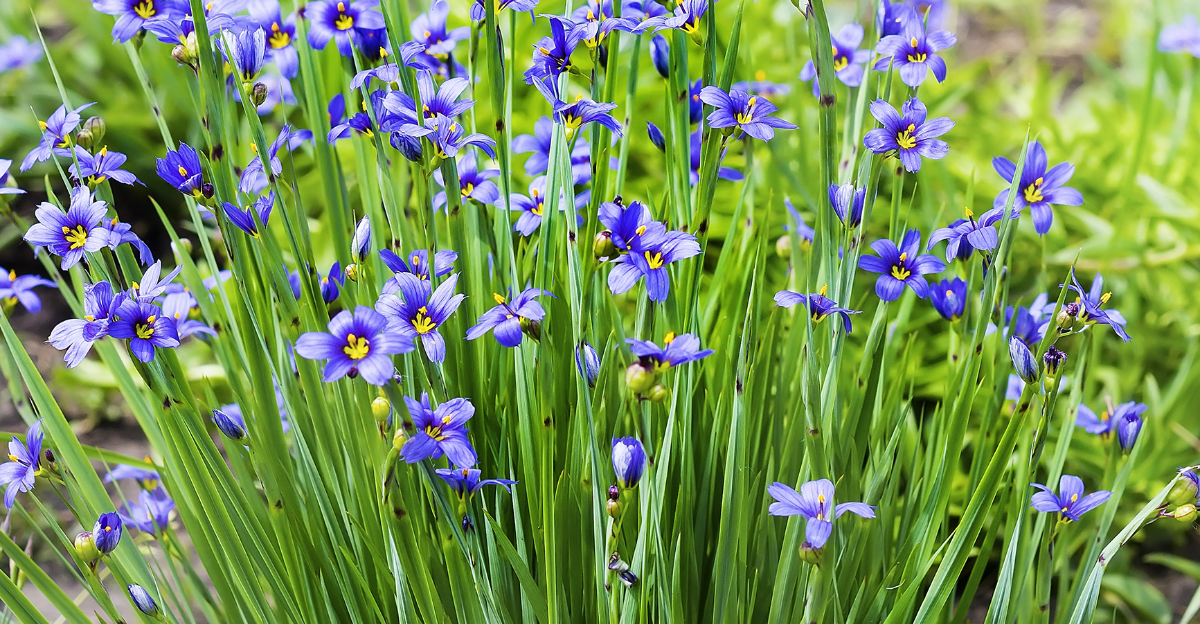
Liriope shows up along Florida walkways the way a default setting shows up in software. Nobody made a strong case for it.
It was just there, available, and familiar enough that it became the automatic choice for a lot of landscape installs across the state. It does the job.
It stays green, it edges a path reasonably well, and it does not ask for much. But it brings nothing else to the table, no wildlife value, no ecological fit, no real connection to the Florida landscape it sits in.
Natives built for exactly this spot exist, and several of them outperform liriope in ways that matter beyond basic coverage.
Pollinator support, seasonal interest, better adaptation to Florida’s rainfall patterns, and a look that feels intentional rather than installed by default.
A walkway edge should do more than fill space. The right native makes that border worth actually noticing.
1. Creeping Sage Edges Shady Walkways With Low Native Green
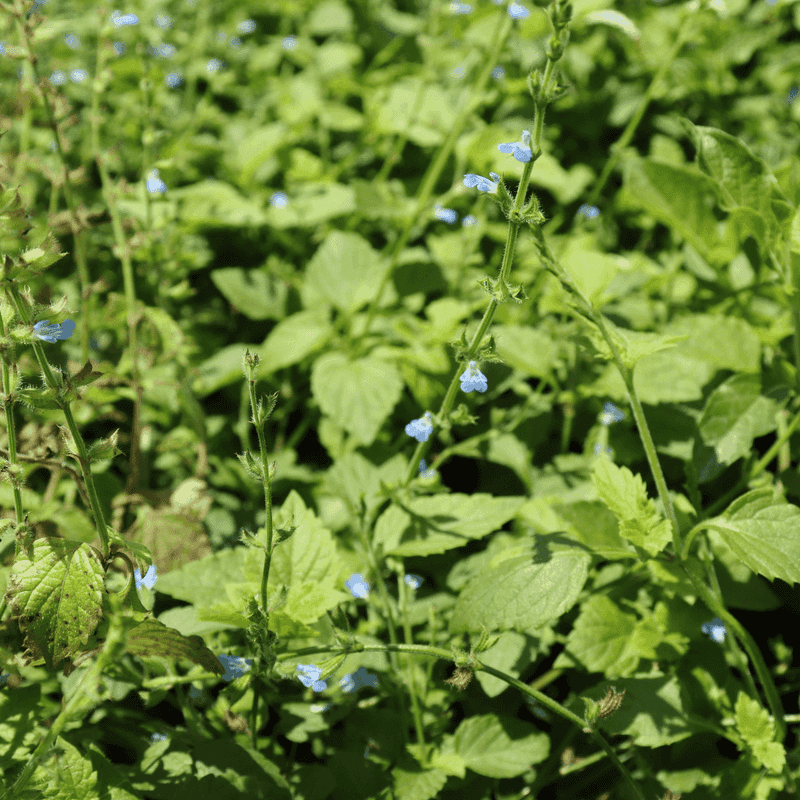
A shady walkway that feels too hard-edged and bare can be one of the most frustrating spots in a home landscape. Creeping sage, known botanically as Salvia misella, offers a soft, low-growing native option for exactly these kinds of spots.
Its small leaves spread close to the ground and create a gentle green layer that feels more natural than a clipped liriope strip.
This plant works best along walkway edges that receive shade or partial shade for most of the day. It is not built for full sun or hot, exposed paths.
Between informal stepping stones in a woodland-style garden, it can fill gaps with quiet, low-growing green. That growth blends into the surrounding landscape without demanding attention.
Small flowers appear on short stems and add a delicate detail that liriope simply does not offer. The overall habit stays low and spreading, which makes it useful as a soft border rather than a structured edge.
It should not be treated as a turf substitute or expected to hold up under foot traffic.
Spacing and light matter here. Match this plant to genuinely shaded or lightly filtered spots, and give it time to establish before expecting full coverage.
It reads as naturalistic rather than formal, so it suits informal garden paths far better than clipped entry walkways. Use it where softness and native character matter more than a tidy, manicured line.
2. Blue-Eyed Grass Gives Path Borders A Native Liriope Feel
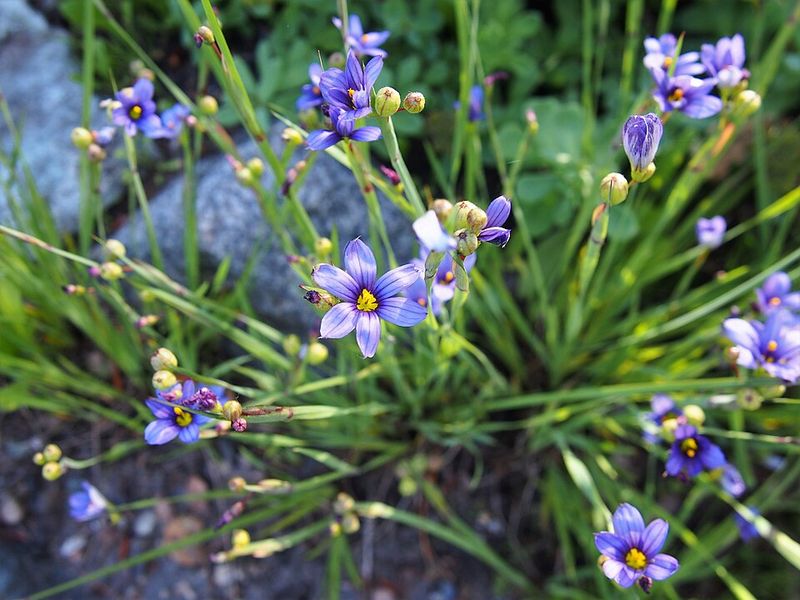
Gardeners who want something that reads like liriope but brings more seasonal interest to a path border often find a satisfying answer in blue-eyed grass. Sisyrinchium angustifolium is not actually a grass at all.
It belongs to the iris family. Its narrow upright leaves can fool the eye into thinking you are looking at a softer, more refined version of that familiar green edge strip.
What sets it apart is the bloom. Small blue to violet flowers appear on slender stems and give path borders a cheerful, native character that liriope’s purple flower spikes rarely match for charm.
Your Florida Garden Changes Every Week. Your Plan Should Too.
Gardening in Florida changes quickly throughout the season. Every Friday you’ll receive a simple weekly plan showing exactly what to plant, prune, fertilize, harvest, and protect so you never miss the right timing.
The clumping habit keeps growth reasonably contained, which helps it read as a tidy border plant rather than a spreading mass.
Moisture matters with this one. Blue-eyed grass tends to prefer seasonally moist or consistently moist sites.
It can handle full sun to light shade but may thin out in dry, sandy soil without some supplemental water during establishment. Matching it to the right conditions is the key to keeping it looking full along a walkway edge.
It is not a one-for-one liriope replacement in every yard. Formal entry paths with dry, well-drained soil may not suit it well.
Along a moist garden path, a shaded side yard, or a naturalistic border, the right conditions make this plant shine. It brings a native liriope-adjacent feel with genuine seasonal color that earns its place.
3. Partridgeberry Carpets Cool Shade With Tiny Native Leaves
Cool, shaded garden paths in woodland-style yards often call for something truly low and delicate. They need something that feels like the forest floor rather than a landscape product.
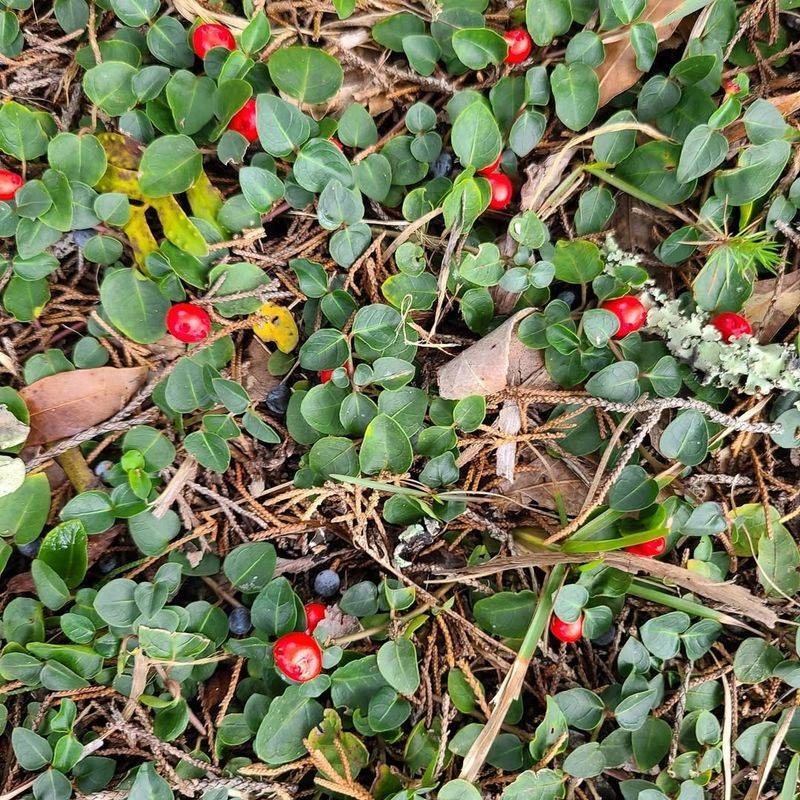
Partridgeberry, Mitchella repens, fits that description with an honesty that few plants can match. Its tiny paired leaves stay close to the ground and form a slow, dense carpet that looks at home beneath oaks and along naturalistic paths.
White flowers appear in pairs on the stems and are followed by small red berries that add a quiet seasonal detail. The berries are a wildlife bonus, attracting birds and blending into the natural understory look that shaded woodland gardens aim for.
Nothing about this plant reads as flashy, and that restraint is exactly what makes it work.
Growth is slow. Partridgeberry spreads gradually and should not be expected to fill a large border quickly.
It is best suited to small-scale shaded edges, narrow paths between trees, or intimate woodland corners. These are places where patience and a naturalistic approach are part of the design plan.
Hot, sunny walkways are not right for this plant. It needs cool shade, consistent moisture, and a site that mimics woodland conditions.
It is also a plant that may be harder to source than common nursery staples. Checking with native plant nurseries or plant sales before planning a large planting is a smart first step.
Used in the right spot, it rewards with quiet, year-round beauty.
4. Florida Peperomia Glosses Up Warm Shady Path Edges
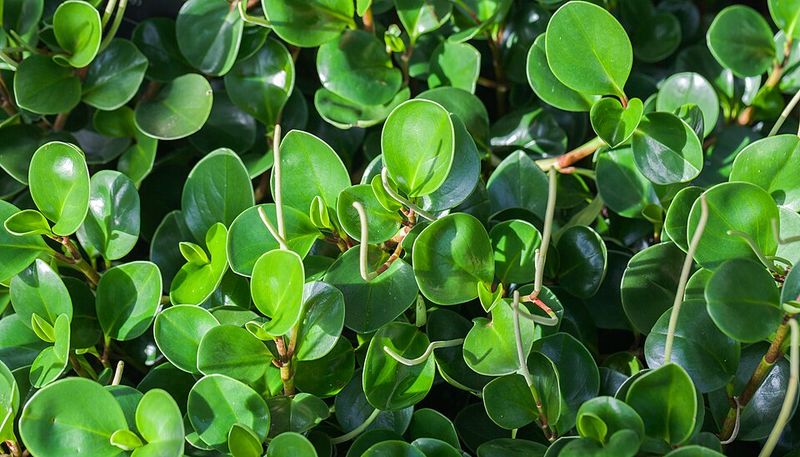
There is something satisfying about a plant that brings a glossy, almost tropical quality to a shaded path edge without needing much fuss. Florida peperomia, Peperomia obtusifolia, does exactly that in the right setting.
Its thick, succulent-like leaves catch whatever filtered light reaches a shaded border and reflect it back in a way that makes the path edge feel lush and intentional.
This native plant grows low and spreads modestly, making it a reasonable choice for shaded or partly shaded walkway edges in warmer parts of the state. Southern regions and frost-free coastal areas are where it performs most reliably.
In northern regions, cold sensitivity becomes a real concern, and plants may suffer damage or loss during hard freezes.
The look is more tropical than the soft, grassy feel of liriope. That makes it a better fit for shaded tropical-style gardens, container borders, or warm courtyard paths than for traditional formal entry walks.
It can also work tucked under large shrubs or beneath a tree canopy where light is low and warmth is consistent.
Do not expect this plant to cover ground quickly or compete with aggressive spreaders. Its appeal is in the leaf quality and the warm-region native status, not in rapid coverage.
Verify local availability before planning a large planting, and treat it as a specialty accent rather than a workhorse border plant. In the right warm, shaded spot, the glossy effect is genuinely striking.
5. Lyreleaf Sage Softens Bright Shade With Native Rosettes
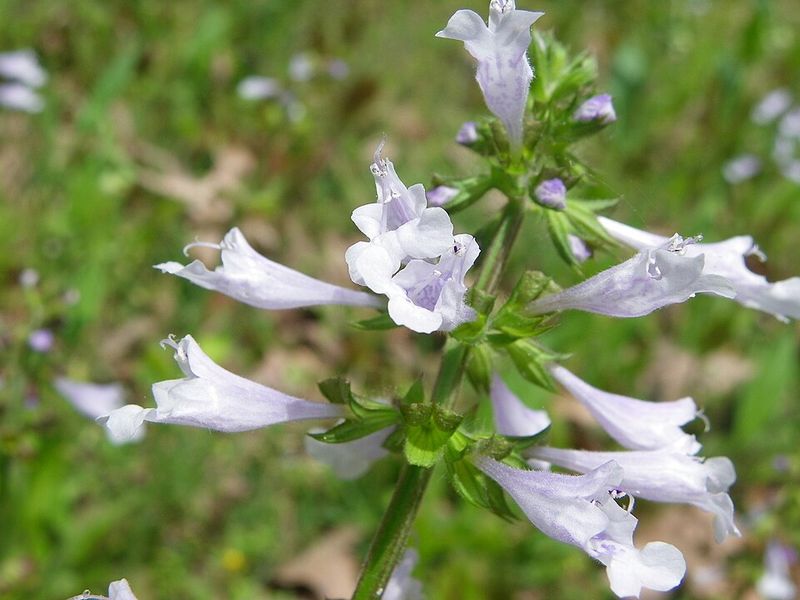
Along a partly shaded path, the light may shift through a canopy and the ground layer may feel flat and uninspired. Lyreleaf sage brings a layered, naturalistic quality that formal ground covers rarely achieve.
Salvia lyrata forms basal rosettes of lobed, textured leaves that hug the ground through much of the year. Those rosettes give path edges a living, layered appearance that feels genuinely rooted in place.
Spring is when this plant really draws attention. Tall flower spikes rise from the rosettes and carry small purple-blue blooms that pollinators visit readily.
The contrast between the low leaf rosettes and the upright flower stems creates a dynamic edge. It shifts with the season in a way that a static liriope strip never does.
Reseeding is worth knowing about before planting. Lyreleaf sage can spread by seed in suitable conditions.
That makes it a good naturalizer in informal native beds but a less predictable choice for tightly managed formal borders. Treat it as a semi-wild path edger rather than a clipped, controlled ground cover.
Bright shade to partly sunny conditions suit it best. Full, harsh sun without any shade can stress the plant, especially during summer heat.
It is not a tight evergreen mat, and it may look more seasonal than year-round. But for gardeners who want a naturalistic, native feel along an informal shaded path, lyreleaf sage brings real character without demanding a lot in return.
6. Pineland Heliotrope Flowers Low Along Sunny Warm Paths
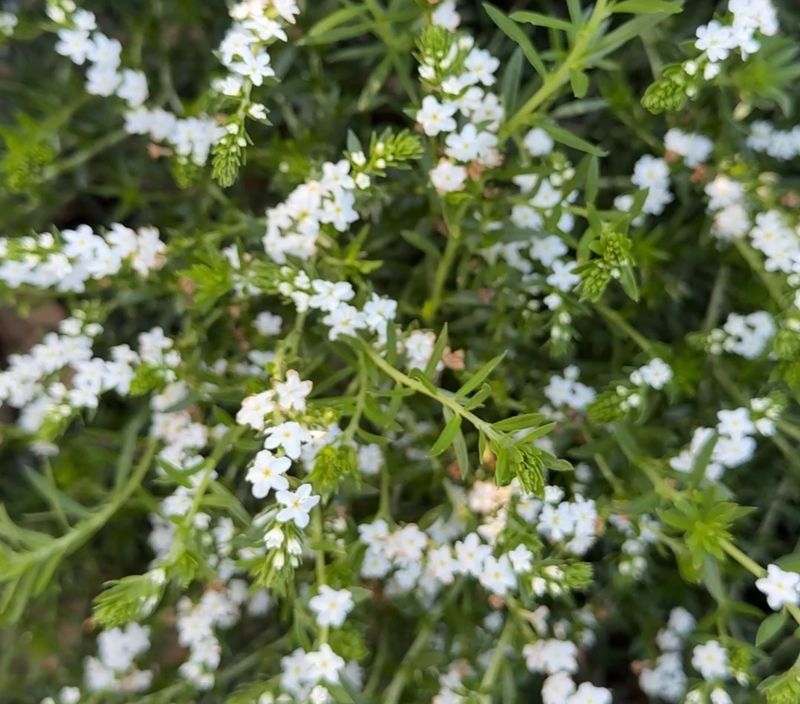
Sandy, open, sun-drenched path edges are some of the hardest spots to plant well in this state. Most ground covers want more moisture or more shade than these bright, dry borders can offer.
Pineland heliotrope, Euploca polyphylla, is one of the few native low-growing plants that actually belongs in these conditions. It looks at home there rather than stressed and struggling.
Small white flowers cover the low stems and create a delicate flowering edge that draws pollinators to sunny path borders. The plant stays close to the ground and spreads in a relaxed, open way that suits naturalistic or pineland-inspired garden designs.
It does not create the same dense, uniform look as liriope, but it offers something liriope cannot: genuine pollinator value in a hot, dry, sunny spot.
Regional suitability matters here. Pineland heliotrope is native to specific open, sandy habitats, and it performs best where drainage is excellent and sun is consistent.
It is not a plant for shaded, moist, or clay-heavy sites. Verify that it is appropriate for your local area before planting.
Source it from a reputable native plant nursery rather than expecting to find it at a general garden center.
Along a sunny stepping-stone path or an open sandy border, it earns its place with low growth and steady seasonal bloom.
Expect a naturalistic appearance rather than a manicured edge, and place it where the informal, open look fits the overall garden style.
The small white flowers are a genuine reward for the right site.
7. Frogfruit Softens Sunny Walkway Edges With Tiny Blooms
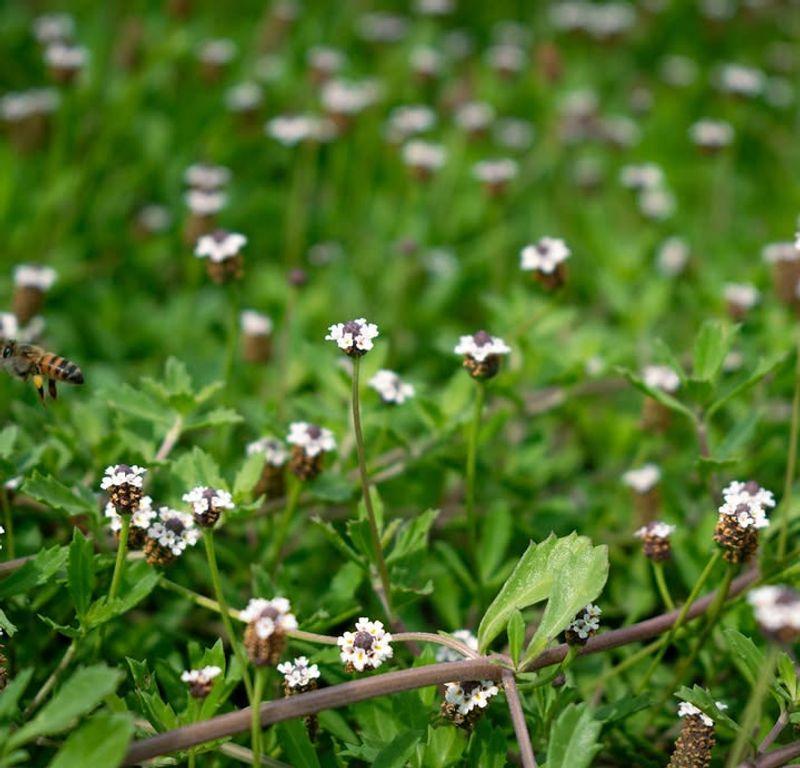
A sun-baked path edge that looks bare and hard between stepping stones is exactly the kind of spot where frogfruit earns its reputation. Phyla nodiflora spreads low and quickly in sunny, warm conditions, filling gaps between stones and softening the line between path and planting bed.
It creates a carpet of tiny leaves and small flowers that appear through much of the warm season.
The blooms are small, white to pale pink, and clustered on short stems. They may look modest up close, but they attract butterflies and other pollinators with real consistency.
Along a sunny walkway edge, that pollinator activity adds life and movement to what might otherwise be a static green border. It is a practical benefit that liriope cannot match.
Spreading behavior is something to plan for honestly. Frogfruit moves quickly in favorable conditions and can extend well beyond the original planting area if edges are not maintained.
A simple edging routine keeps it from wandering into turf or adjacent beds. Without any edging, it will spread where it finds sun, moisture, and open soil.
It is not a formal, clipped border plant. The look is casual, low, and naturalistic.
It suits informal stepping-stone paths, side yards, and pollinator-friendly garden edges far better than clipped formal entry walks.
Give it sun, reasonable drainage, and occasional edging, and it will soften a sunny walkway edge reliably through the warm months with minimal extra effort.
8. Twinflower Brings Low Native Color To Path Borders
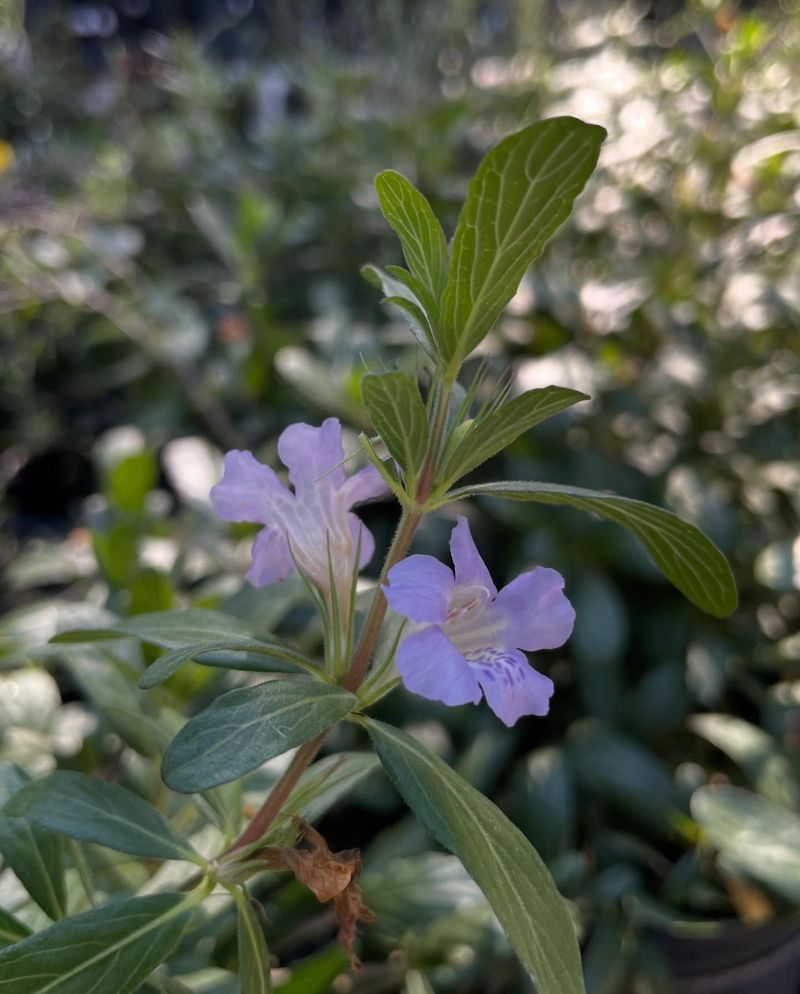
Path borders that feel flat and colorless in the warm months get a real lift from twinflower. Dyschoriste oblongifolia earns its name from the paired purple-blue flowers that appear along its low spreading stems.
Those blooms show up reliably through warm weather in the right conditions. For a sunny to partly sunny walkway edge that needs native color without height, it is a plant worth knowing.
The spreading habit keeps growth close to the ground, which gives path borders a soft, filled-in look without the upright formality of liriope.
Butterflies and bees visit the flowers, adding the kind of garden activity that makes a walkway feel alive rather than simply edged.
The color contrast between the small blooms and the green foliage is subtle but genuinely attractive up close.
Regional conditions shape how well this plant performs. It suits warm, sunny to partly sunny sites with decent drainage and is best verified for local suitability before planting across a large area.
In the right conditions, it can spread to fill a border over time, but it should not be expected to behave like a precisely contained edging plant.
Formal, clipped entry paths are not the best match for twinflower. It fits more naturally into informal native beds, pollinator borders, and relaxed walkway edges where a spreading, flowering ground layer is welcome.
Pair it with good edging if you want to keep spread in check, and treat it as a living, seasonal border rather than a static green strip.