Native Pennsylvania Flowers That Bloom From June Through September With Almost No Care
A Pennsylvania garden that carries color from June through September without demanding constant attention is not an unrealistic goal.
It just requires choosing the right plants from the start rather than relying on high-maintenance annuals that need replacing or perennials that bloom for three weeks and then disappear until next year.
Native Pennsylvania flowers are the most practical path to that outcome, built for local soil, rainfall patterns, and the full range of temperatures that the growing season delivers here.
Several of them bloom across a stretch that rivals or exceeds anything in the cultivated plant world, and they do it while supporting pollinators, resisting drought, and returning each year with less coaxing than the season before.
The gap between what these natives are capable of and how infrequently they show up in Pennsylvania gardens is one of the more correctable missed opportunities in local horticulture, and summer is the perfect time to see exactly what they can do.
1. Purple Coneflower
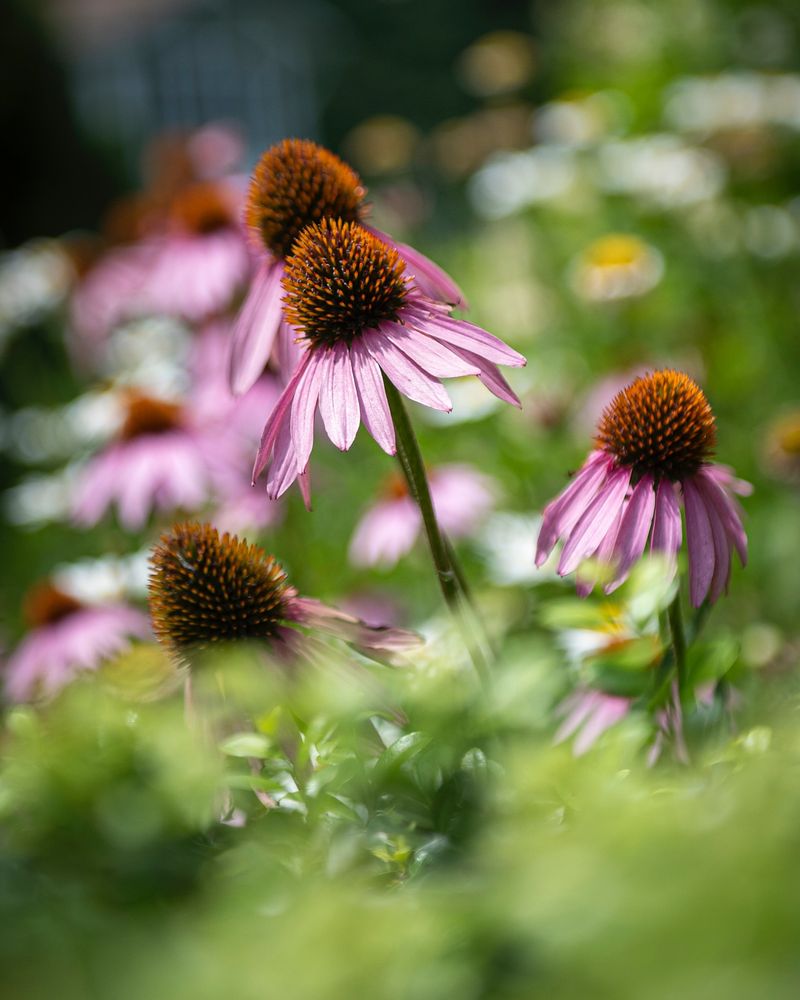
Few flowers are as recognizable as the Purple Coneflower, with its bold purple petals sweeping back from a spiky, coppery-orange center.
Native Americans used this plant for centuries as a natural remedy, and today it remains one of the most beloved wildflowers across Pennsylvania. It has a long, proud history tied to this land.
Purple Coneflower blooms from June through September, giving you a solid four months of color. It thrives in full sun and handles drought like a champ.
Once established, it rarely needs watering, even during those brutal Pennsylvania August heat waves. Poor or average soil is perfectly fine for this plant.
Pollinators absolutely love it. Bees, butterflies, and goldfinches flock to coneflowers throughout the season.
Goldfinches especially love picking at the seed heads in late summer and fall, so consider leaving the spent blooms standing instead of cutting them back. The birds will thank you for it. Planting is simple. You can start from seed or buy transplants at a local nursery.
Space plants about 18 to 24 inches apart to give them room to grow and spread over time. They naturally multiply by self-seeding, so your patch will slowly get bigger each year without any extra effort from you.
Purple Coneflower also pairs beautifully with other native plants like Black-Eyed Susan and Blazing Star. Together, they create a low-maintenance, pollinator-friendly garden that looks like it took serious planning.
Honestly, it just takes smart plant choices. This flower is proof that stunning gardens do not have to be complicated.
2. Black-Eyed Susan
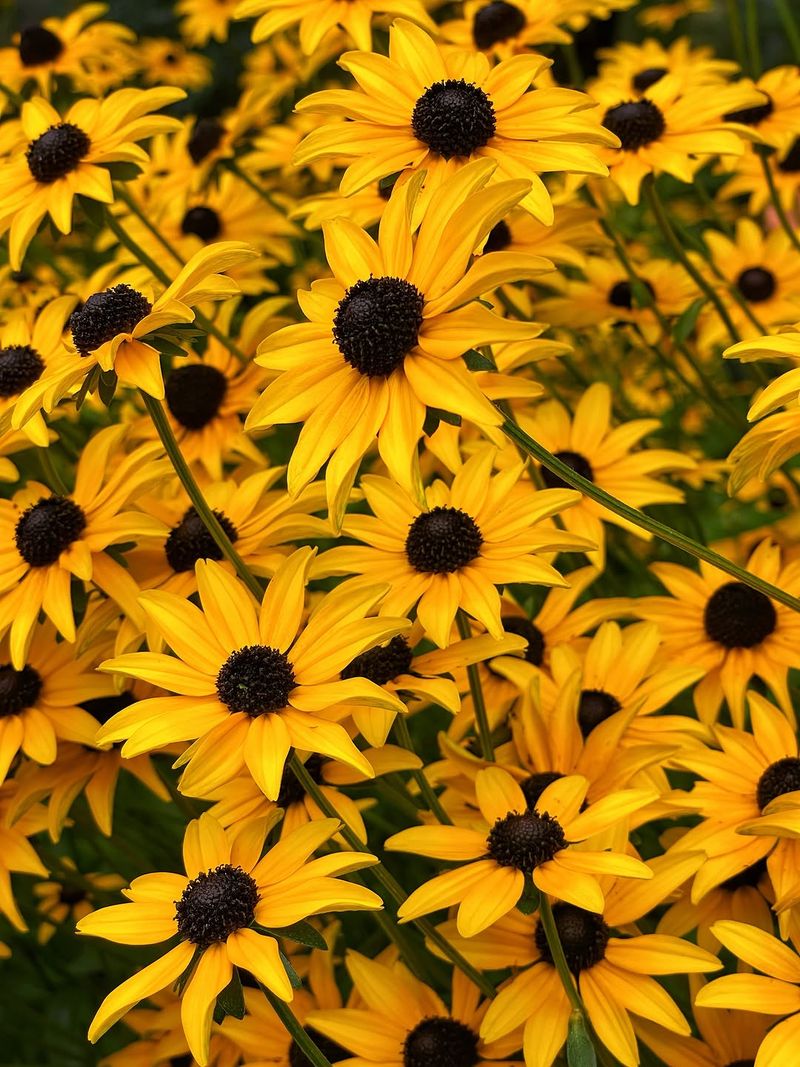
Walk past any Pennsylvania roadside in July and you will almost certainly spot the cheerful yellow blooms of Black-Eyed Susan.
That bright yellow with a dark chocolate-brown center is instantly recognizable. It is the kind of flower that makes you smile without even trying.
Black-Eyed Susan is a true survivor. It thrives in full sun and actually prefers poor, dry soil over rich garden beds.
Overwatering or overly fertile soil can cause it to flop or grow too leafy without as many blooms. Less really is more with this plant, which makes it ideal for gardeners who do not want to fuss.
Your Pennsylvania Garden Changes Every Week. Your Plan Should Too.
Gardening in Pennsylvania changes quickly throughout the season. Every Friday you’ll receive a simple weekly plan showing exactly what to plant, prune, fertilize, harvest, and protect so you never miss the right timing.
Blooms appear from June and keep going strong well into September. Each plant produces dozens of flowers, so even a small cluster creates a big visual impact.
The flowers also make excellent cut flowers for indoor arrangements, lasting up to a week in a vase with fresh water.
Butterflies and bees visit Black-Eyed Susans constantly throughout summer. Like coneflowers, the seed heads attract finches in fall, so leaving them standing adds late-season wildlife value to your yard.
It is a small decision that makes a big difference for local bird populations. Starting Black-Eyed Susan from seed is easy and inexpensive. Direct sow in early spring or fall, and the seeds will germinate when the time is right.
Once established, plants self-seed freely, spreading naturally across garden beds and meadow areas. You plant them once and they practically take care of the rest themselves. It is one of the easiest native plants you can grow.
3. Butterfly Weed
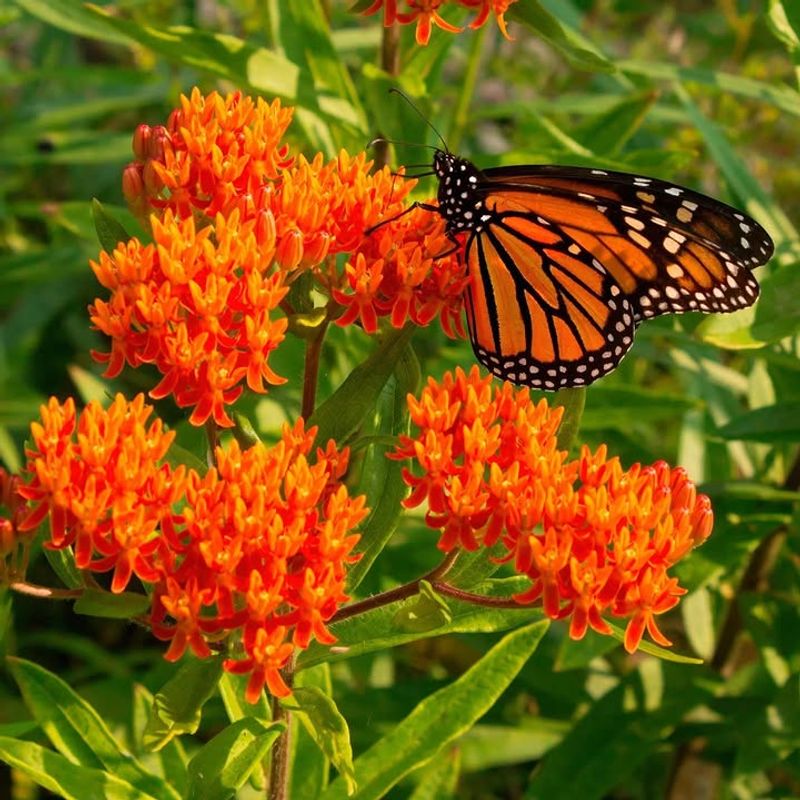
Imagine a flower so bright orange it almost looks like it is glowing in the summer sun. That is Butterfly Weed, and it is one of the most eye-catching native plants you can grow in Pennsylvania.
It is also one of the most important plants for monarch butterflies, which depend on milkweed species like this one to complete their life cycle.
Unlike common milkweed, Butterfly Weed does not spread aggressively or produce the same sticky sap. It stays in a tidy clump and is much easier to manage in a home garden.
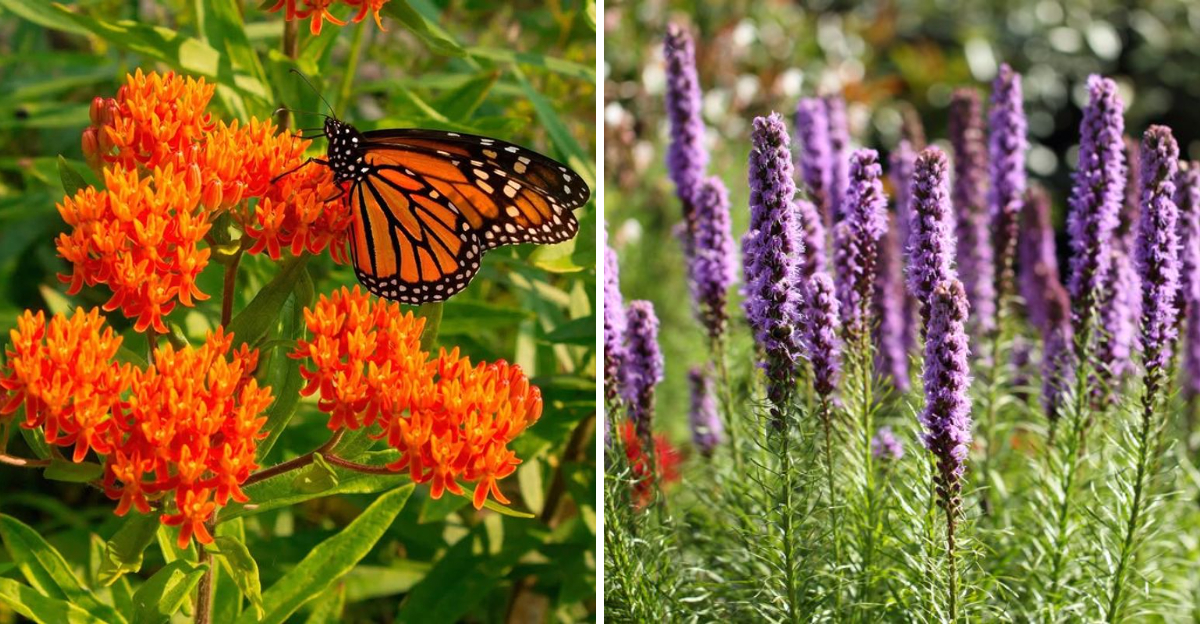
The flat-topped clusters of bright orange flowers bloom from late June into August, drawing in monarchs, swallowtails, bees, and hummingbirds all at once.
Heat and drought do not bother this plant at all. It evolved in dry, open meadows and roadsides, so it actually prefers sandy or rocky, well-drained soil.
Heavy clay soil can cause root rot, so if your yard has poor drainage, consider planting in a raised bed or adding some coarse sand to the planting area.
One important thing to know: Butterfly Weed is slow to emerge in spring. Do not assume the plant is gone just because nothing is showing in April or early May.
Mark the spot so you do not accidentally dig it up. Once it appears and gets going, it grows quickly and rewards your patience with spectacular blooms.
Butterfly Weed is also incredibly long-lived. A well-placed plant can thrive in the same spot for many years, getting bigger and more beautiful each season without needing division or extra attention.
4. Blazing Star / Liatris
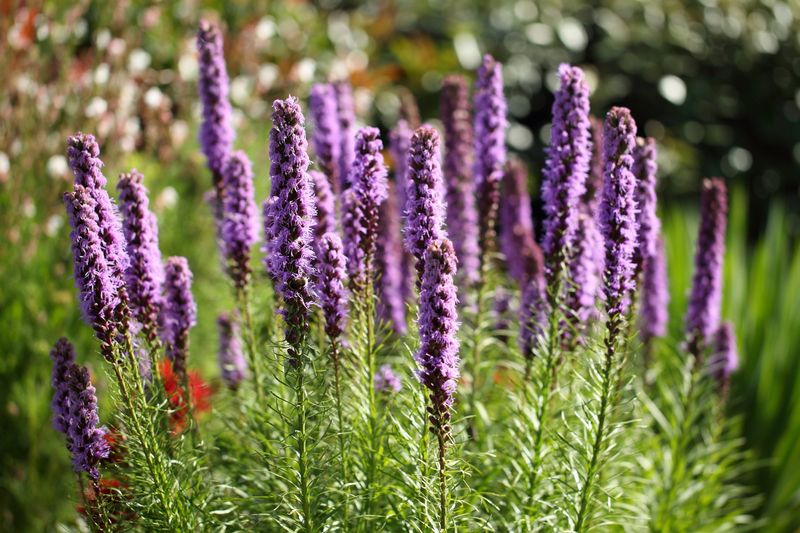
Most flowers open from the bottom of their stalks upward, but Blazing Star does the opposite.
Its tall, feathery purple spikes open from the top down, which gives the plant a dramatic, almost theatrical look as it blooms through midsummer into early fall. That quirky blooming habit alone makes it worth growing.
Liatris spicata is native to moist meadows and prairies across Pennsylvania, and it handles both wet and dry conditions better than most plants. It prefers full sun but tolerates light shade.
Once established, it needs almost no supplemental watering. It simply grows, blooms, and quietly goes about its business.
The tall purple spikes, which can reach three to five feet in height, are absolutely irresistible to pollinators. Bumblebees, monarch butterflies, and swallowtails swarm around the blooms.
Hummingbirds also visit regularly. Few plants attract such a wide variety of beneficial insects and birds in one compact space.
Blazing Star grows from small corms, which look a bit like tiny bulbs. Plant them in fall or early spring about two to three inches deep and six inches apart.
They are affordable and widely available at garden centers and native plant sales. Within a year or two, established plants will begin multiplying on their own.
Another big perk is that deer tend to leave Liatris alone. In areas where deer browsing is a constant problem, this plant holds its own without needing fencing or repellent sprays.
Pair it with Black-Eyed Susan and Purple Coneflower for a bold, low-effort native garden that looks professionally designed from June straight through September.
5. Wild Bergamot
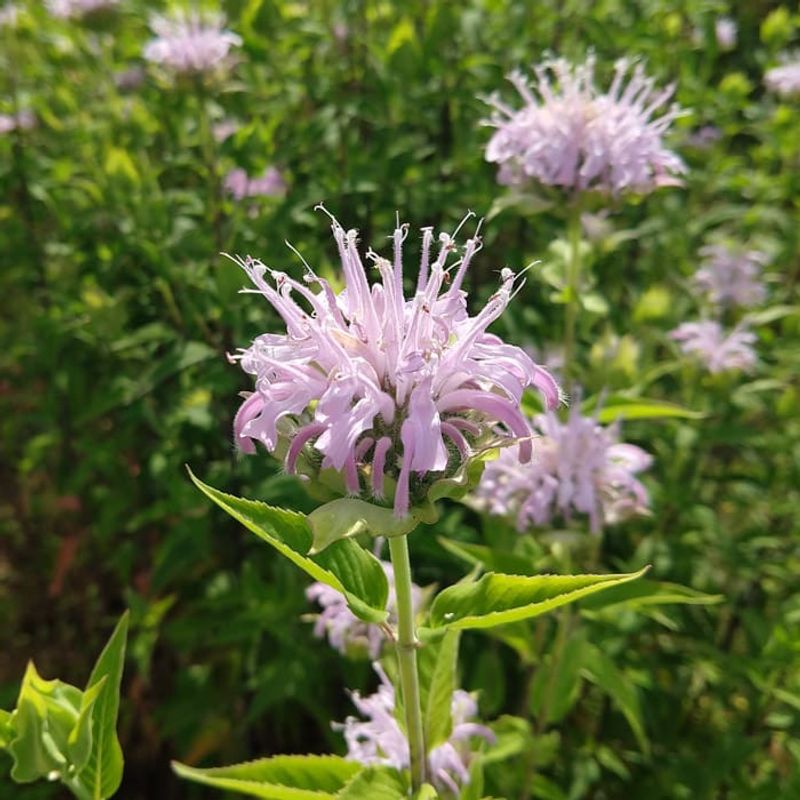
Rub a leaf of Wild Bergamot between your fingers and you will instantly understand how this plant got its name. The strong, oregano-like fragrance is unmistakable and surprisingly pleasant.
Native bees go absolutely wild for it, which is why this plant is sometimes called Bee Balm, though it is a different species from the red-flowering garden variety most people know.
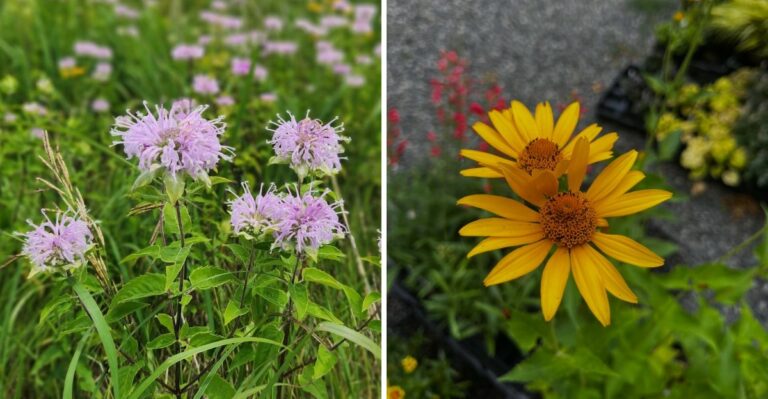
Wild Bergamot produces soft lavender-pink flower clusters from July through August, sometimes stretching into September.
Each bloom is a little crown of tubular petals that hummingbirds, butterflies, and native bees find completely irresistible. A single plant in full bloom can be buzzing with activity on a warm summer afternoon.
One of the best things about Wild Bergamot is how tough it is. It handles drought, heat, and neglect without complaint.
It is also naturally deer-resistant, thanks to that strong aromatic scent. In areas where deer regularly browse through gardens, Wild Bergamot keeps standing tall while other plants get nibbled down to stubs.
Powdery mildew can sometimes appear on the leaves late in the season, especially during humid Pennsylvania summers. This is mostly cosmetic and does not seriously affect the plant.
Choosing a spot with good air circulation and avoiding overhead watering helps minimize the issue. Thinning the clump every few years also keeps it healthy and vigorous.
Wild Bergamot spreads steadily by underground rhizomes, forming a wider patch each year. This makes it excellent for filling in large areas of a naturalized garden or meadow planting.
Just give it space and let it do what it does best, which is bloom abundantly and feed pollinators all summer long.
6. Coreopsis
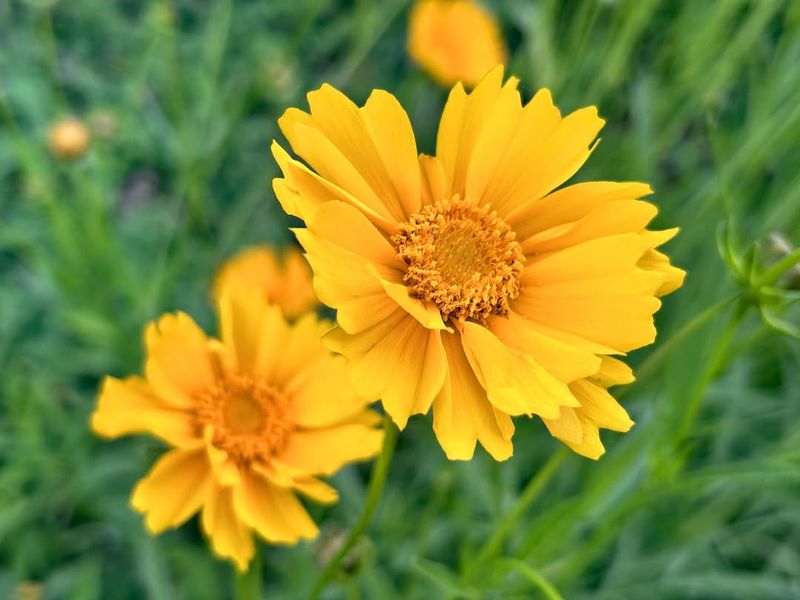
Some plants are just plain cheerful, and Coreopsis is at the top of that list. Also called Tickseed, this native Pennsylvania flower covers itself in small, sunny yellow blooms from June all the way through September.
It is one of the longest-blooming native plants you can grow, and it asks for almost nothing in return.
Coreopsis thrives in full sun and poor, dry soil. Rich or overly moist soil can actually cause the plant to grow floppy and produce fewer flowers.
If you have a dry, sunny spot where other plants struggle, Coreopsis will genuinely thrive there. It is one of those plants that rewards neglect rather than extra attention.
Deadheading, which means removing spent blooms, encourages the plant to keep producing new flowers. It only takes a few minutes each week, and the payoff is a much longer bloom season.
If you skip deadheading entirely, the plant will still bloom well, just with slightly fewer flowers toward the end of summer.
Several native Coreopsis species grow naturally in Pennsylvania, including Coreopsis lanceolata and Coreopsis tripteris. All of them attract bees and butterflies and have similar care requirements.
Mixing a few species together creates a layered, naturalistic look that feels right at home in a meadow-style garden design.
Coreopsis is also an excellent choice for container gardens on sunny patios and decks. It handles the heat reflected off pavement better than most plants and keeps blooming even when temperatures soar.
Pair it with native grasses or Purple Coneflower for a bold, low-water container display that lasts from early summer to the first frost.
7. Tickseed Sunflower
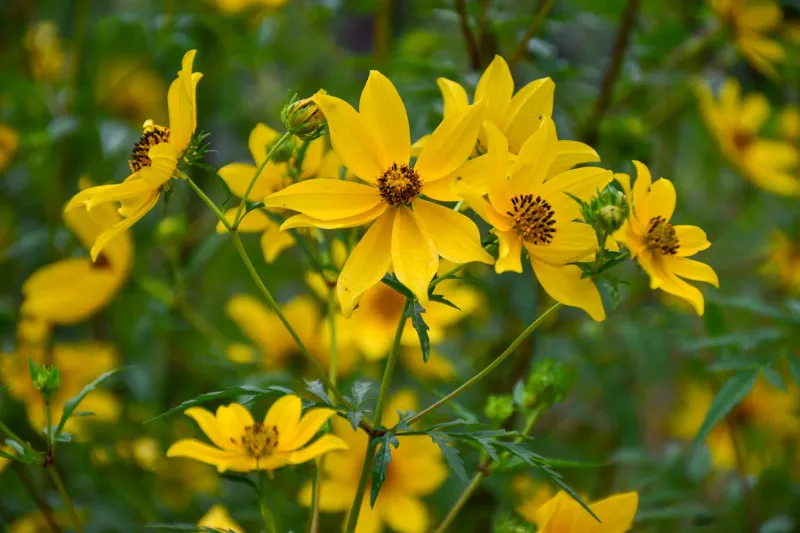
Late summer in Pennsylvania can feel like the garden is winding down, but Tickseed Sunflower has other ideas.
This cheerful native sunflower bursts into bloom from mid-July through September, filling the late-season garden with golden yellow, daisy-like flowers just when many other plants are finishing up. It is like a second act nobody expected but everyone appreciates.
Helianthus divaricatus, commonly called Woodland Sunflower, is one of the most adaptable native plants in the state. Unlike many sunflowers that demand full sun, this species handles partial shade surprisingly well.
It grows naturally along woodland edges, roadsides, and open woods, which means it works in garden spots that get only four to six hours of direct sunlight each day.
Drought tolerance is another strong selling point. Once the roots are established, Tickseed Sunflower needs very little supplemental water.
It handles Pennsylvania’s hot, dry stretches without flinching. Combine that with its ability to grow in poor, rocky, or sandy soil, and you have a plant that practically takes care of itself from season to season.
Pollinators love the bright yellow blooms. Native bees, bumblebees, and butterflies visit constantly throughout the blooming period.
As the flowers fade and seeds develop, goldfinches and other seed-eating birds move in to feast on the seed heads. Leaving spent flower stalks standing through winter provides valuable food for wildlife during leaner months.
Tickseed Sunflower spreads by both rhizomes and self-seeding, gradually forming a lush, natural-looking colony over several years.
Give it room to roam in a larger garden bed or naturalized area, and it will reward you with an ever-expanding display of late-summer gold that requires almost zero effort on your part.