The Amish August Garden Habit Pennsylvania Homeowners Wish They Had Started Earlier
Most Pennsylvania homeowners are fighting heat stress, managing declining summer crops, and wondering if it’s too late to do anything productive in the garden.
Amish gardeners in Lancaster County and across the state are typically harvesting abundantly, planting successively, and preparing the ground for fall with the kind of calm efficiency that comes from doing something the same right way for generations.
They know something most of us have forgotten or never learned. One habit in particular stands out when you look closely at how Amish gardeners approach August.
It’s not complicated, it doesn’t require special equipment, and it’s something any Pennsylvania homeowner could start doing.
But most people have never tried it, and the gardeners who discover it for the first time almost always say the same thing. They wish they had started sooner.
Here’s the August garden habit passed down through Amish farming tradition that Pennsylvania homeowners are quietly adopting and what makes it so effective.
The Late-Summer Succession Planting And The Meaning Behind It
Long before modern gardening books made it trendy, the Amish were quietly practicing one of the smartest garden habits around: succession planting. Put simply, it means replacing crops that have finished producing with new vegetables that will grow well in cooler weather.
Nothing goes to waste, and no garden bed ever sits empty for long. When summer crops like peas, beans, cucumbers, and potatoes start to fade, most gardeners just pull them out and call it a season. Amish families do something different.
They clear those tired plants right away and use that open space to start a whole new round of growing. The cleared bed becomes a fresh start rather than a sign that the season is over.
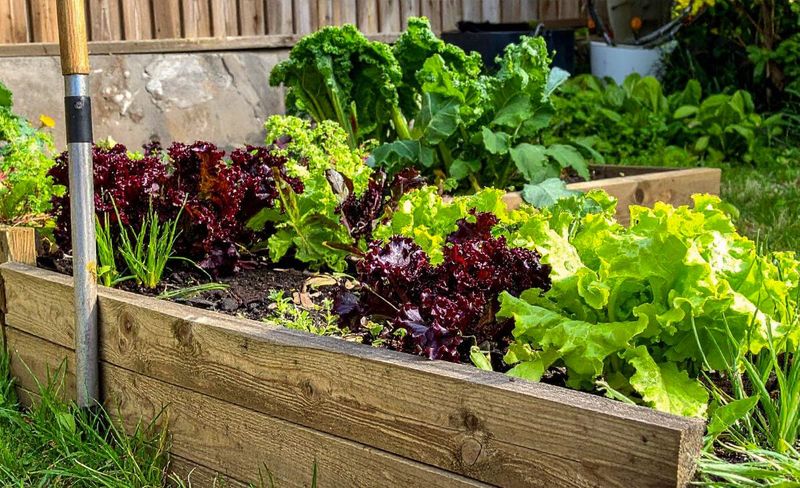
Cool-season crops like lettuce, radishes, spinach, kale, beets, and turnips go into the ground where the summer plants once stood. These vegetables actually prefer the shorter days and dropping temperatures that come with fall.
They are not second-rate crops either. Many gardeners agree that kale and spinach taste sweeter after a light frost touches them.
One garden bed can produce two or even three rounds of food within a single growing season using this method. That kind of productivity is something most Pennsylvania homeowners have never experienced because they stop planting too early.
The Amish do not see the end of summer as a stopping point. They see it as a signal to shift gears and keep going.
Succession planting turns an ordinary backyard garden into a steady, reliable food source that keeps producing well into November and sometimes beyond.
Why Pennsylvania Gardeners Start Before Summer Ends
Timing is everything when it comes to fall gardening, and August is not too early to start thinking about it. Fall vegetables need a solid stretch of warm days to sprout and grow strong before cold weather slows everything down.
If you wait until September, many crops simply will not have enough time to reach a harvestable size.
Experienced gardeners figure out their planting dates by working backward from the first frost date in their area. In Pennsylvania, that date varies quite a bit depending on where you live.
Your Pennsylvania Garden Changes Every Week. Your Plan Should Too.
Gardening in Pennsylvania changes quickly throughout the season. Every Friday you’ll receive a simple weekly plan showing exactly what to plant, prune, fertilize, harvest, and protect so you never miss the right timing.
Gardeners in northern counties like Potter or McKean may see frost as early as late September. Those in the Philadelphia suburbs might not see it until mid-November. Knowing your local frost date is the first step to planning a successful fall garden.
Here is a detail that catches many beginners off guard: the days-to-maturity listed on a seed packet assumes ideal growing conditions. In fall, shorter days and cooler soil mean plants grow more slowly than the packet suggests.
Smart gardeners add at least one to two extra weeks to that number when planning their fall planting schedule.
Higher-elevation parts of Pennsylvania, like the Pocono Mountains region, also have shorter growing windows than lower valleys. Central Pennsylvania falls somewhere in the middle.
Each zone requires its own planting timeline, so a one-size-fits-all approach does not work well here. The Amish have always known this because they live and work within their specific landscape every single day.
Starting before summer ends is not rushing the season. It is simply understanding how the calendar and the climate work together to shape what your garden can produce.
Which Vegetables Can Be Planted In August
August might feel like an odd time to plant seeds, but quite a few vegetables actually love getting started during this month. Mid-August is a great window for beets, kale, collards, kohlrabi, mustard greens, and certain types of lettuce.
These crops handle the remaining summer warmth well and then settle right into fall conditions as temperatures drop.
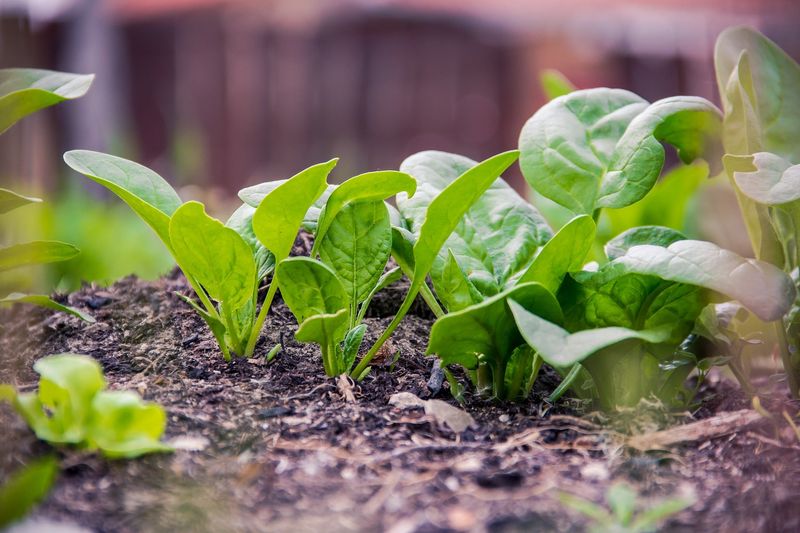
Faster-growing options like radishes, turnips, spinach, and leaf lettuce can be planted a little later in the month or even into early September in warmer parts of Pennsylvania. Radishes, for example, can go from seed to table in as little as three to four weeks.
They are a great choice for gardeners who feel like they have already missed the window. Spinach is another quick grower that handles light frost beautifully.
Broccoli and cabbage are popular fall crops, but they move a bit slower. These brassicas often do better when you start them as transplants rather than direct-seeding them in August.
If you can find healthy starts at a local nursery or grow your own transplants indoors in July, you will be ahead of the game when it comes to these heavier producers.
Choosing the right variety matters just as much as choosing the right crop. Look for seed packets that list shorter maturity times, especially if you are planting in mid-to-late August.
Varieties labeled as early maturing or quick maturing are your best friends for fall planting. The Amish have long selected seeds based on what actually works in their region, not just what looks good on a catalog page.
That practical approach makes all the difference when the season is short.
How To Prepare A Bed For The Second Crop
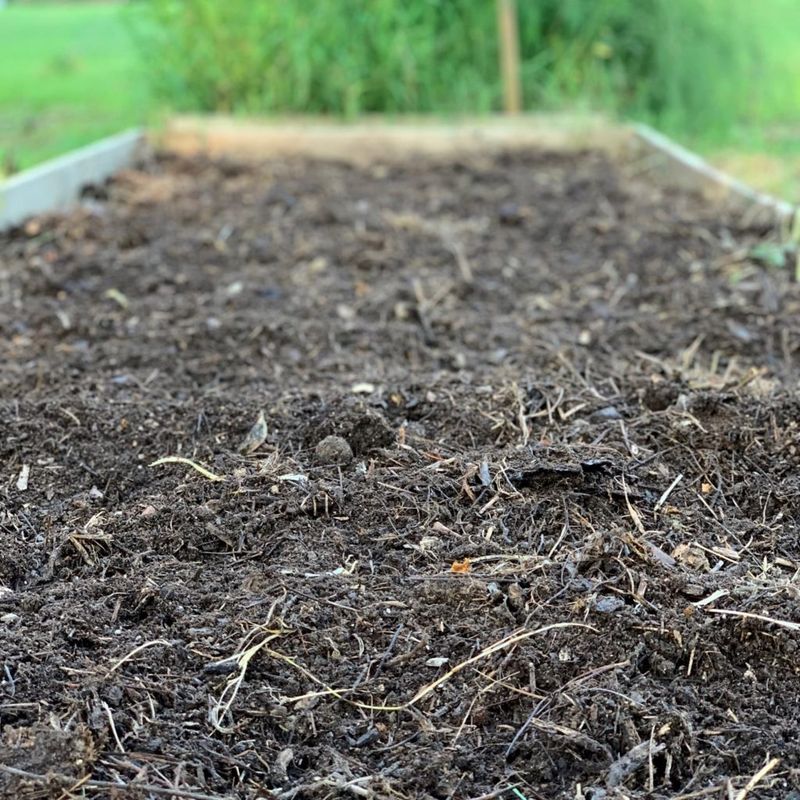
Getting a bed ready for its second round of planting takes a little muscle, but it does not have to be complicated. Start by pulling out any plants that have finished producing.
Do not leave them in the ground hoping they might bounce back. Spent plants take up space, block sunlight, and can harbor pests or disease if left to linger.
While you are clearing things out, pull weeds at the same time. Weeds that go to seed in late summer can create a big headache the following spring.
Remove fallen leaves, rotting fruit, and any plant material that looks diseased. Toss the healthy stuff into your compost bin and get rid of anything that looks suspicious.
A clean bed gives your new seeds the best possible start. Once the bed is clear, loosen the top few inches of soil with a hand cultivator or garden fork. You do not need to dig deep.
Just breaking up the surface crust helps seeds make good contact with the soil and allows young roots to spread easily. Be careful near any neighboring plants that are still producing, since their roots can extend further than you might expect.
Adding finished compost is a smart move if your soil looks tired or compacted after a long summer. Work a thin layer into the top few inches rather than just spreading it on top.
One important note: adding fertilizer without knowing what your soil actually needs can do more harm than good. A simple soil test, available through Penn State Extension, tells you exactly what nutrients your garden needs.
That kind of targeted approach is exactly what the Amish have always relied on to keep their soil healthy year after year.
How To Establish Cool-Season Crops During August Heat
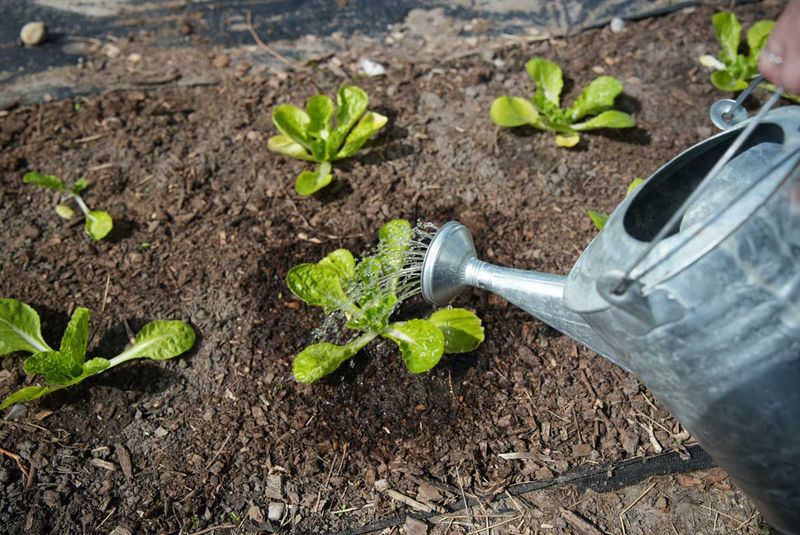
Planting cool-season crops in August sounds a little backwards at first. After all, these are vegetables that prefer chilly weather, but they have to start in the heat.
The biggest challenge is getting seeds to sprout and seedlings to survive when the soil is warm and the sun is still strong. With a few practical tricks, you can make it work.
Lettuce and spinach seeds are especially sensitive to high soil temperatures. When the soil gets too warm, these seeds can go dormant instead of sprouting.
Keeping the upper layer of soil consistently moist is one of the most effective ways to lower soil temperature and encourage germination. Water lightly and frequently rather than soaking the bed once and walking away. Shallow seeds dry out fast in August heat.
Shade cloth is a simple tool that can make a real difference during the hottest part of the day. A lightweight row cover or even a piece of burlap propped up on hoops can reduce heat stress on young seedlings without blocking all the sunlight they need.
Remove the shade once temperatures start dropping in September. At that point, your plants will want every bit of sunlight they can get.
Check newly planted beds every single day during the first week or two. Young seedlings have tiny root systems that cannot reach deep moisture.
If the top inch of soil dries out, seedlings can struggle quickly. Once plants are about two to three inches tall, they become much more resilient.
The Amish understood that the hardest part of fall planting is just the first two weeks. After that, the garden practically takes care of itself as the weather cools down and conditions improve.
How To Keep The Fall Garden Producing Longer
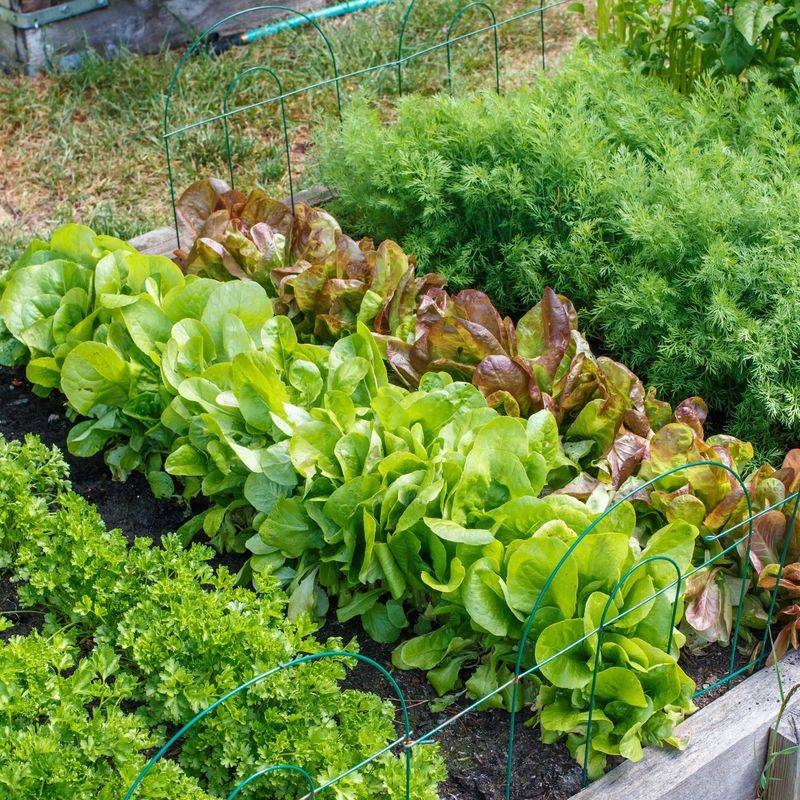
Once your fall crops are growing strong, the next goal is stretching the harvest as long as possible. Pennsylvania autumn weather is unpredictable.
A stretch of warm October days can suddenly give way to a hard freeze overnight. Being prepared ahead of time means you can protect your plants quickly when the forecast turns cold.
Floating row covers are one of the easiest and most affordable tools for extending the season. These lightweight fabric sheets let in light and moisture while trapping just enough warmth to keep crops alive through light frosts.
Drape them over plants in the evening before a cold night and remove them in the morning when temperatures rise again. Low tunnels made from wire hoops and clear plastic offer even more protection and work well for extended cold spells.
Cold frames are a step up from row covers and can keep greens like kale, spinach, and arugula producing well into December in many parts of Pennsylvania. A simple cold frame made from old windows and scrap lumber does the job perfectly.
The Amish have used cold frames for generations because they are cheap, effective, and require no electricity to operate.
Harvest tender vegetables like lettuce and spinach before a hard freeze moves in. These crops do not recover well from temperatures below about 28 degrees Fahrenheit.
Cold-tolerant crops like kale, however, can handle much colder temperatures and actually taste better after being touched by frost. Any section of the garden that will sit empty through winter is a great place to sow a cover crop like winter rye or crimson clover.
Cover crops protect the soil from erosion, suppress weeds, and add organic matter when turned in next spring, setting up next year’s garden for success.