Your Petunias May Be Blooming Less Because Of These 10 Common Mistakes
Your petunias looked perfect at the start, bright, bold, and unstoppable. Then the blooms slowed down and you had no idea why.
Sun was checked, water was covered, so why are those flowers disappearing on you? Something is quietly working against your plants, and it has nothing to do with effort.
Most gardeners never spot it, because hidden inside the smallest daily habits, these mistakes drain color before a single petal drops.
Each one is surprisingly easy to fix once you see it clearly. Thriving petunias are not about doing more, they are about doing less wrong.
Overlooked mistakes cost you an entire season of color without a single warning, and catching them early changes absolutely everything.
Fewer errors mean more flowers, and that trade is simpler than you ever imagined. What if the only thing standing between you and nonstop blooms was knowing exactly where to look?
1. Removing Only The Petals And Leaving The Seed Pod
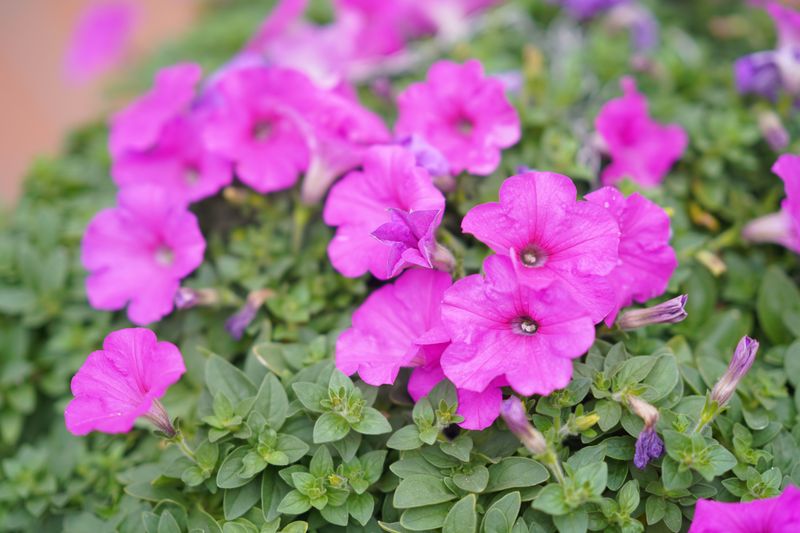
Most people pinch off the faded petals and call it a day. That soft, crinkled petal is just the show, not the whole story.
Beneath every wilted petunia bloom sits a small, round seed pod. That little pod is the real problem when it comes to fewer blooms.
When a plant sets seed, it believes its job is done. It shifts energy away from making new flowers and toward ripening those seeds instead. Think of it like a race with a finish line. Once the plant crosses it, it stops running hard.
To keep petunias blooming, you have to remove the entire spent flower, seed pod included. Pinch or snip right below the base of the pod where it meets the stem.
This tricks the plant into thinking it has not yet completed its reproductive mission. That small signal pushes it to produce more flowers, fast. Many gardeners are surprised by how quickly new buds appear after doing this correctly.
A few minutes of careful removing can completely transform a tired-looking plant. Your petunias are not slacking. They just need the right cue to keep going strong.
2. Not Removing Spent Flowers Regularly Enough
Skipping removing for even a week can noticeably slow your petunia’s bloom production. These plants move fast, and so should your maintenance routine.
Petunias are what gardeners call heavy bloomers. That means they push out flowers quickly, but spent blooms pile up just as fast.
Each old flower left on the plant sends a quiet signal that reproduction is underway. The plant responds by easing off new bud production.
It is a biological efficiency system, and it works against your garden goals. You have to stay one step ahead of it.
Removing spent blooms every two to three days during peak season is exactly what your petunias need. It is actually the sweet spot for keeping petunias at their showiest.
A quick walk through the garden with a pair of snips takes less than ten minutes. That small time investment pays off in weeks of extra color.
Some gardeners set a reminder on their phone for removing days. Making it a habit rather than a chore changes everything about how you approach it.
Your blooms will not wait for a convenient schedule. Show up consistently, and your petunias will absolutely show off for you.
3. Treating Flower Removal As A One-Time Seasonal Chore
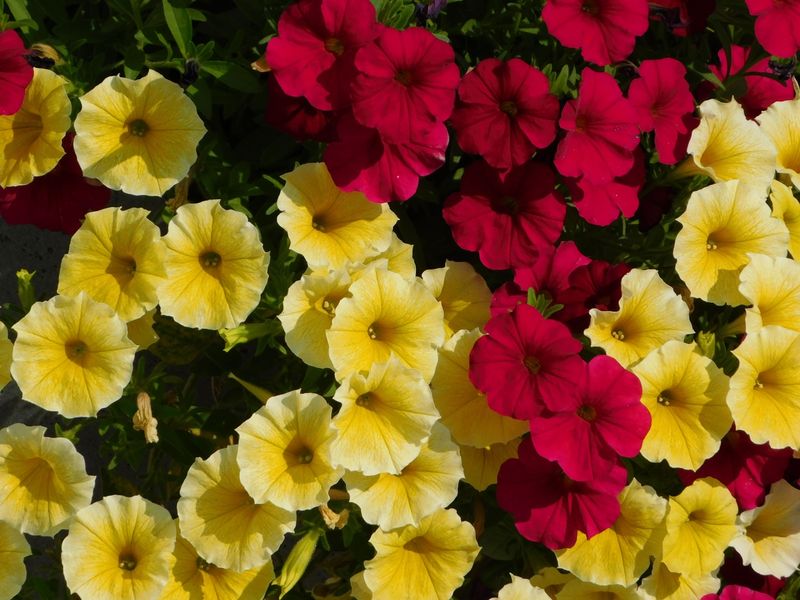
Some gardeners remove once in June and consider the job finished. That single session feels productive, but petunias need ongoing attention to keep flowering.
Treating bloom removal like mulching or planting, tasks you do once and move on, is a common and costly mistake. Petunias are not a set-it-and-forget-it flower.
Their growth cycle is rapid and relentless throughout the warm months. New spent blooms appear almost as fast as you remove the old ones.
Think of removing less like a chore and more like a weekly conversation with your plants. You check in, they respond with fresh color.
Gardeners who remove consistently report thicker, fuller plants with blooms that last from late spring all the way through fall. That is a long payoff for a small habit.
If you skipped a few weeks and your plant looks sparse, do not panic. A good removing session now can restart the blooming cycle within days.
Combine your removing with a quick watering check and a look for pests. Turning it into a mini garden inspection makes the whole routine feel more purposeful. Petunias reward attention. Give them that, and they will rarely disappoint you.
4. Not Fertilizing Container Petunias Frequently Enough
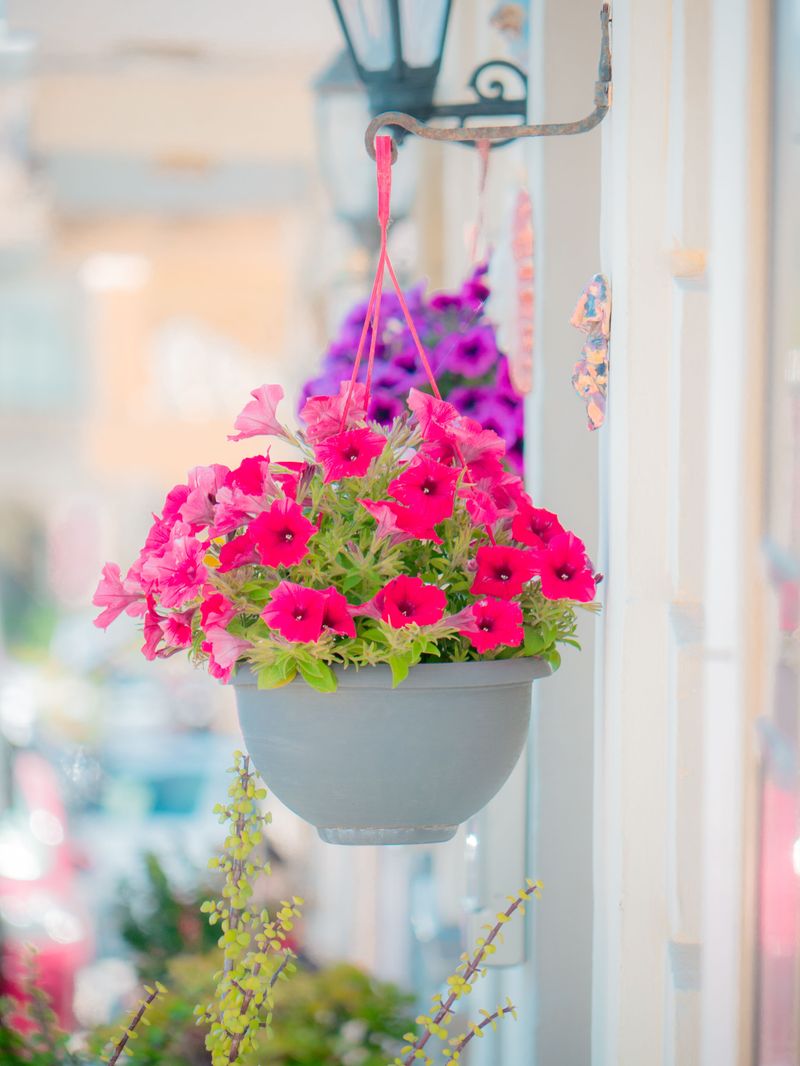
Container petunias are hungry plants, and most people simply do not feed them often enough. A pot has limited soil, which means limited nutrients available to the roots.
Every time you water a container, you flush out a small amount of those nutrients. Over days and weeks, the soil becomes nutritionally depleted.
A petunia growing in a hanging basket or window box needs fertilizer every seven to ten days during the blooming season. That schedule surprises many home gardeners.
Without regular feeding, petunias shift into survival mode. Flower production drops because the plant lacks the energy to sustain it.
Look for a balanced, water-soluble fertilizer with equal parts nitrogen, phosphorus, and potassium. Something labeled 20-20-20 works well for most container situations.
Liquid fertilizers absorb quickly and give plants a near-immediate boost. Many gardeners notice new bud development within one to two weeks of starting a consistent feeding schedule.
Slow-release granules can also work, but they need to be reapplied more frequently in containers than in garden beds. Rain and watering wash them out faster than most labels suggest.
Feed your container petunias like they are training for a marathon. Consistent fuel equals consistent, stunning performance.
5. Using Too Much High-Nitrogen Fertilizer On Plants
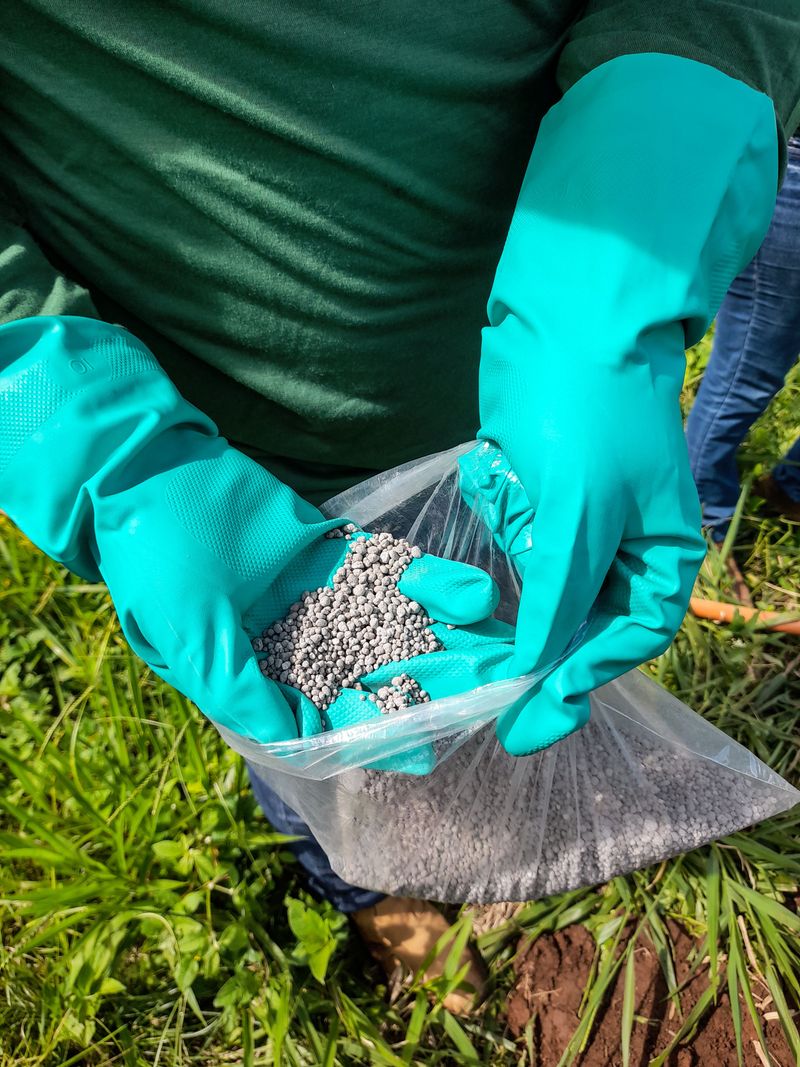
Nitrogen is the growth gas of the plant world, and too much of it sends petunias on a leafy sprint that leaves blooms behind. You end up with gorgeous green mounds and almost no color.
High-nitrogen fertilizers tell a plant to invest in stems and foliage. That is great for lawn grass, but it is the opposite of what flowering plants need.
Petunias need phosphorus to trigger and sustain blooming. A fertilizer heavy on nitrogen and low on phosphorus will consistently underperform for flower production.
Check the three numbers on any fertilizer bag before you buy. For petunias, you want the middle number, which represents phosphorus, to be equal to or higher than the first.
A formula like 10-30-20 is often called a bloom booster, and it lives up to that name. Gardeners who switch from high-nitrogen to bloom-focused fertilizers often see noticeable improvement.
If your petunias are already over-nitrogenized, flush the soil thoroughly with plain water. This helps reduce the nitrogen concentration before you reintroduce a more balanced formula.
Feeding your plants smarter, not just more, is the real secret. The right fertilizer ratio can turn a leafy disappointment into a flowering showstopper.
6. Planting Petunias In Too Much Shade
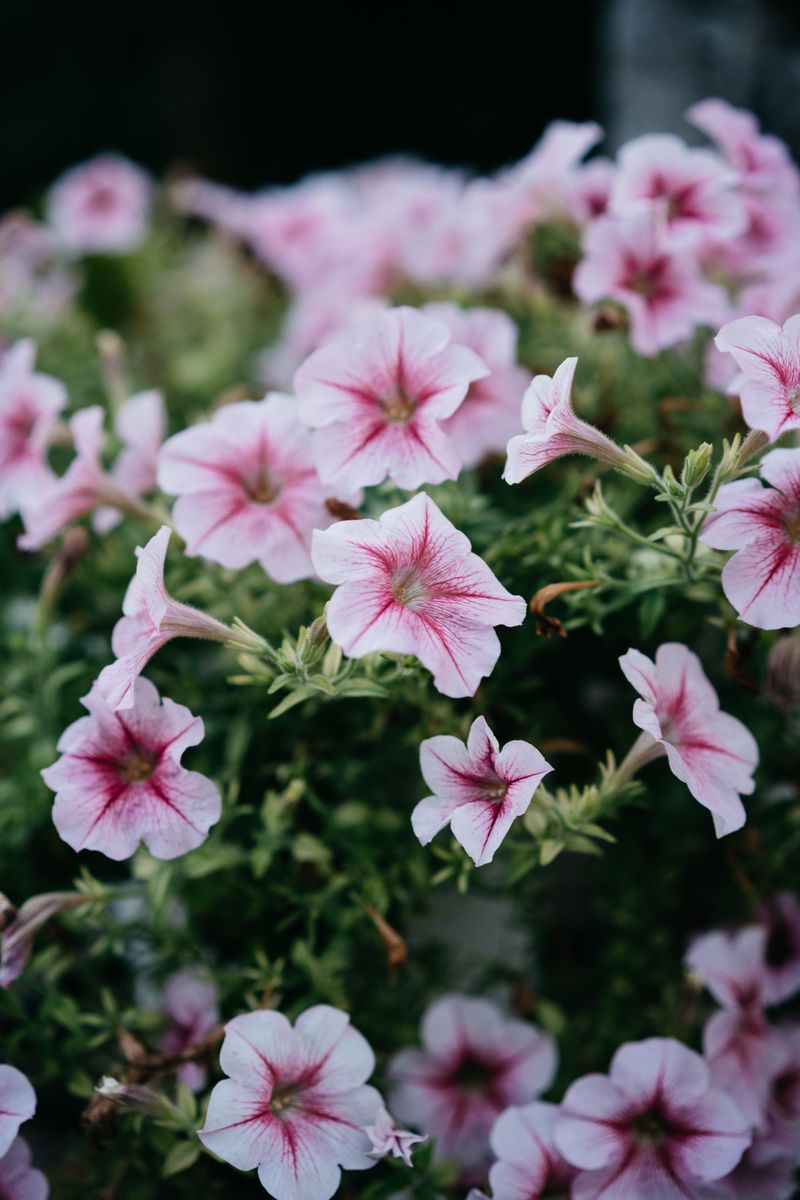
Petunias are sun worshippers, plain and simple. They need at least six hours of direct sunlight each day to bloom at their best.
Planting them under a tree canopy or along a north-facing wall might seem harmless, but the reduced light hits their bloom output hard. Less sun equals fewer flowers, every single time.
In shady conditions, petunias stretch their stems toward whatever light they can find. The plant gets leggy, pale, and sparse instead of full and colorful.
Even partial shade for part of the day can noticeably reduce blooming in varieties that prefer full sun. Morning sun with afternoon shade is tolerable, but in most climates, full afternoon sun is preferable.
Before planting, observe your garden space throughout the day. Note where sunlight lands and for how long, then choose your petunia spots accordingly.
If your petunias are already in a shady spot, consider moving them to a sunnier location. Container plants make this especially easy since you can simply relocate the pot.
Proper placement is one of the most impactful decisions you make for your petunias. Get the sun right from the start, and everything else becomes much easier.
7. Overwatering And Keeping The Soil Too Wet
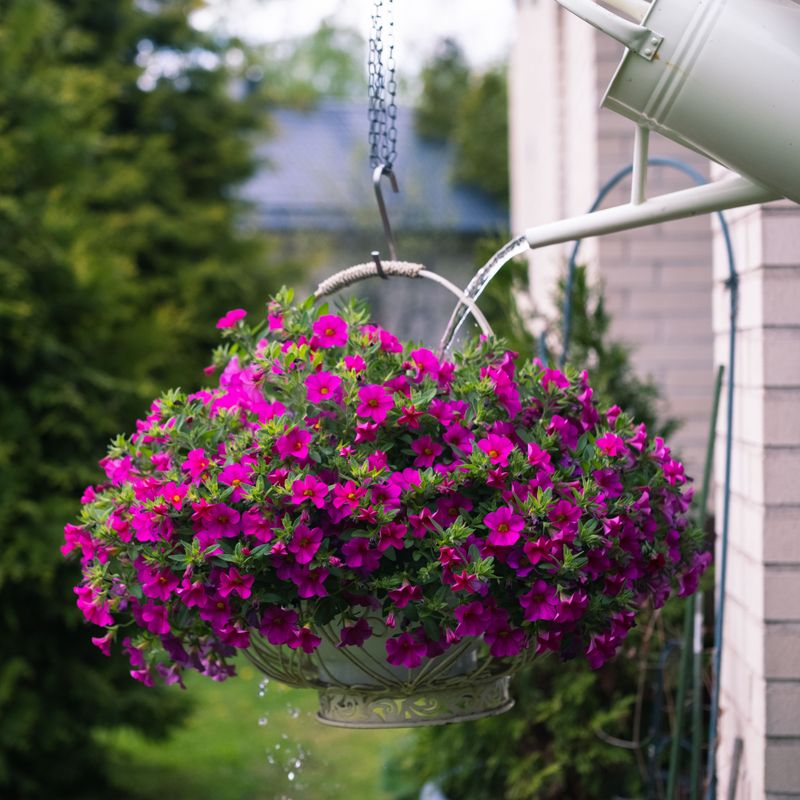
Soggy soil is one of the fastest ways to wreck a petunia’s health and blooming potential. These plants like moisture, but sitting in standing water will damage roots quickly.
Overwatering restricts oxygen to the roots, making it harder for them to function. When roots struggle, the whole plant suffers, and flower production is one of the first things to drop off.
Signs of overwatering include yellowing lower leaves, mushy stems near the soil line, and a general droopy appearance even when the soil is wet. Sound familiar?
The fix starts with checking soil moisture before you water. Stick your finger about an inch into the soil. If it feels damp, skip watering that day.
Well-draining soil is non-negotiable for petunias. If you are growing in containers, make sure there are drainage holes and that water flows freely out the bottom.
In garden beds, amend heavy clay soil with compost or perlite to improve drainage. Raised beds are an excellent option for gardeners dealing with naturally wet ground.
Watering deeply but infrequently encourages roots to grow downward and become more resilient. That kind of deep root system supports stronger, longer-lasting blooms throughout the season.
8. Watering From Above Instead Of At The Roots
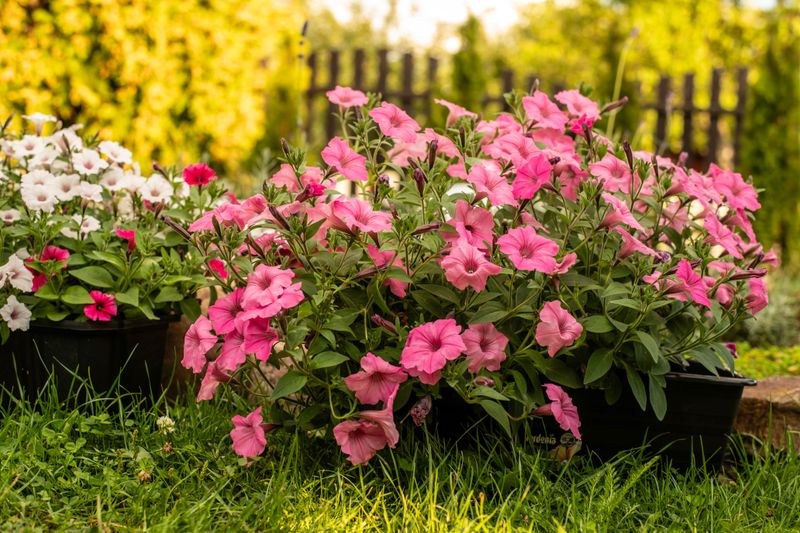
Spraying petunias from above feels satisfying, but it is not doing your plants any favors. Wet foliage and blooms create the perfect environment for fungal issues to develop.
Water sitting on petals speeds up browning and breakdown. Flowers that get drenched from above tend to look tattered and faded much faster than they should.
Beyond the cosmetic damage, overhead watering wastes moisture that never reaches the root zone. Much of it evaporates before the plant can absorb anything useful.
Directing water at the base of the plant gets moisture exactly where it needs to go. Roots drink deeply, and foliage stays dry and healthy.
A watering wand with a gentle head makes base watering easy, even for hanging baskets and dense plantings. These tools are inexpensive and widely available at garden centers.
Drip irrigation is another excellent option for garden beds with multiple plants. It delivers consistent moisture to the root zone without ever touching the leaves or blooms.
Morning is the best time to water petunias regardless of method. Any accidental splash on foliage has time to dry before cooler evening temperatures arrive.
Watering smarter protects your blooms and keeps your petunias looking their best all season.
9. Not Checking And Correcting The Soil pH
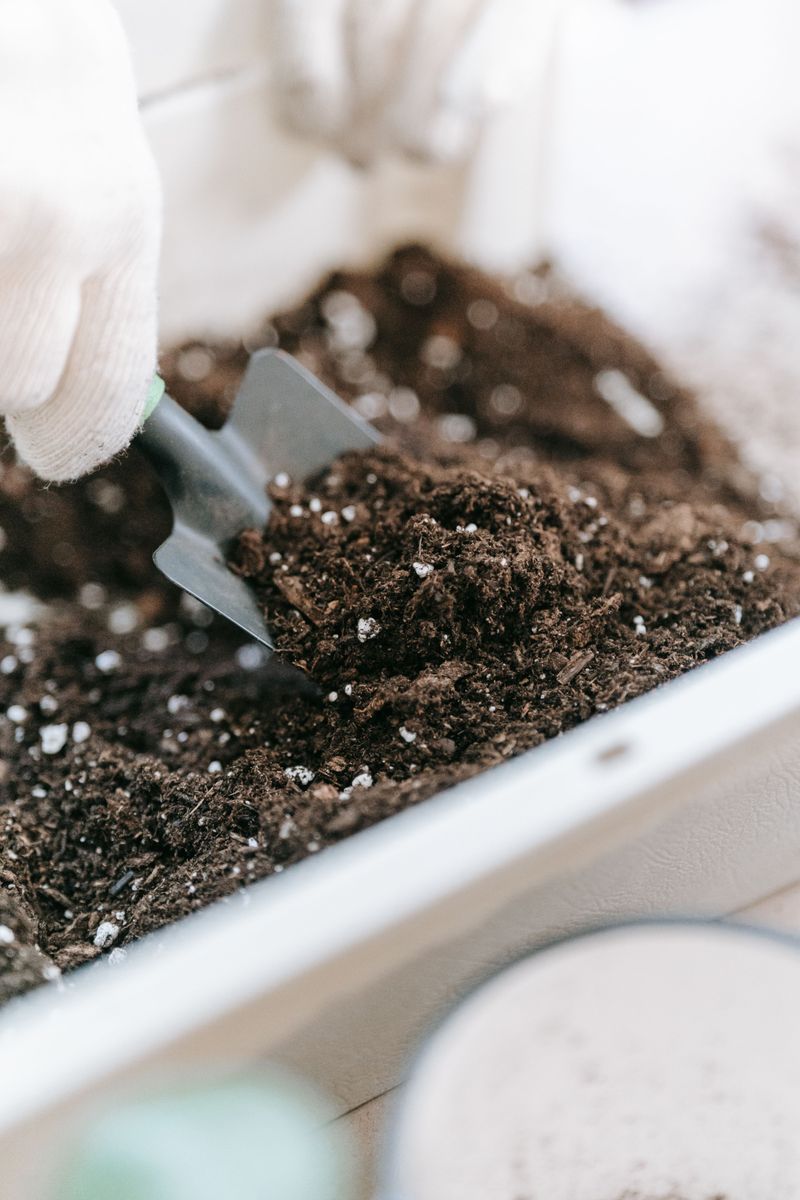
Soil pH is one of those invisible factors that quietly controls everything about how your plants perform. Most gardeners never check it, and their petunias pay the price.
Petunias prefer a slightly acidic soil with a pH between 6.0 and 7.0. Outside that range, the plant’s ability to absorb nutrients is significantly reduced, even when fertilizer is present.
Soil that is too alkaline locks out iron and other key minerals. The result is a plant that looks pale, grows slowly, and produces far fewer blooms than expected.
A basic soil pH test kit costs just a few dollars at any garden center. Testing takes about five minutes and gives you information that can completely change your results.
If your soil tests too alkaline, sulfur amendments can bring the pH down over time. If it leans too acidic, garden lime raises it back toward a neutral, plant-friendly range.
Amending pH is not an overnight fix, but it is absolutely worth the effort. Plants growing in the correct pH range absorb nutrients efficiently and reward you with vigorous, colorful blooms.
Think of pH as your garden’s foundation. Get it right, and everything you plant on top of it has a real chance to thrive.
10. Letting Plants Get Leggy Without Cutting Back
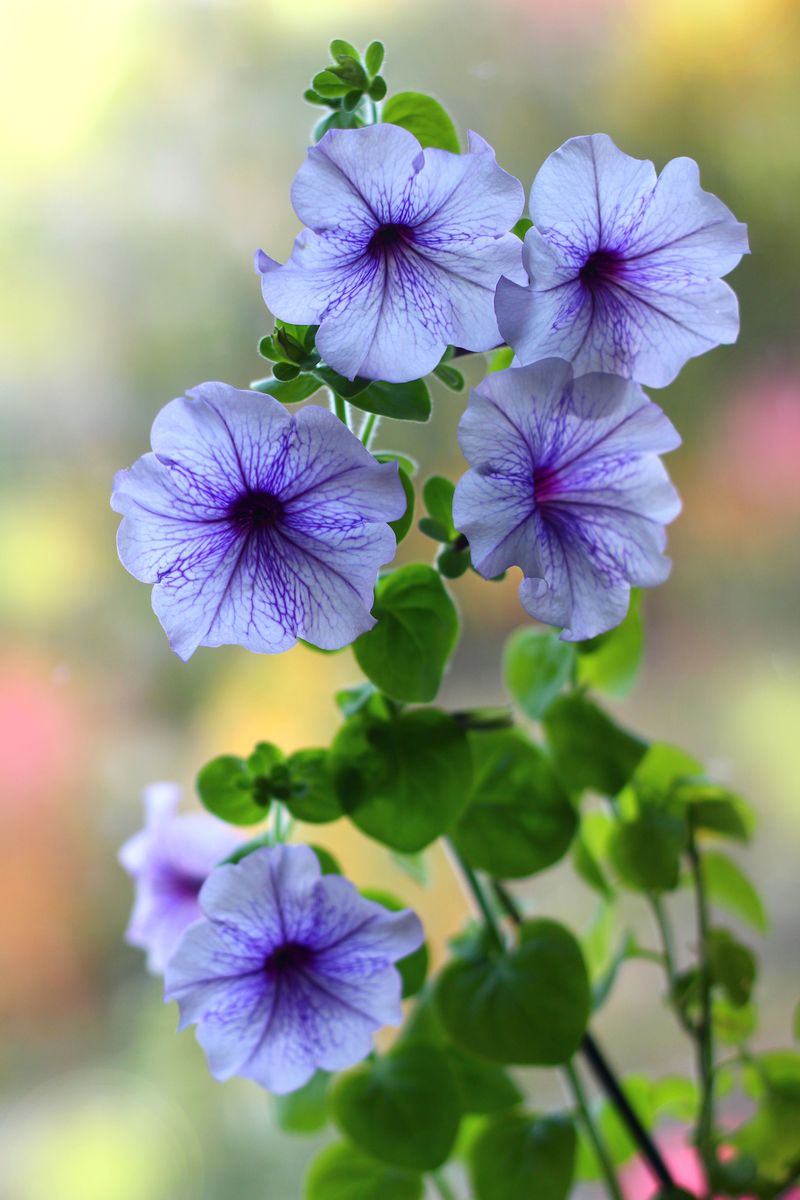
By midsummer, petunias can start looking like they have given up. Long, bare stems stretch out with just a few tired blooms clinging to the tips.
That leggy look is not a sign of a bad plant. It is a sign that the plant needs a hard cutback to restart its blooming engine.
Cutting back petunias aggressively feels scary the first time you do it. Trimming stems back by one-third to one-half seems drastic, but plants respond with vigorous new growth.
New growth means new buds, and new buds mean flowers. The transformation from scraggly to lush can happen in as little as two weeks after a good trim.
Use clean, sharp scissors or pruning shears to make the cuts. Dull blades can crush stems rather than cut them cleanly, which slows recovery and invites disease.
After cutting back, water thoroughly and apply a balanced fertilizer to fuel the rebound. Giving the plant both hydration and nutrition right after a trim accelerates the recovery process.
Many experienced gardeners do a full cutback in late July as a matter of routine. That one step keeps petunias blooming strong all the way through the first frost.