What To Do When Wasps Build A Nest In Your California Garden
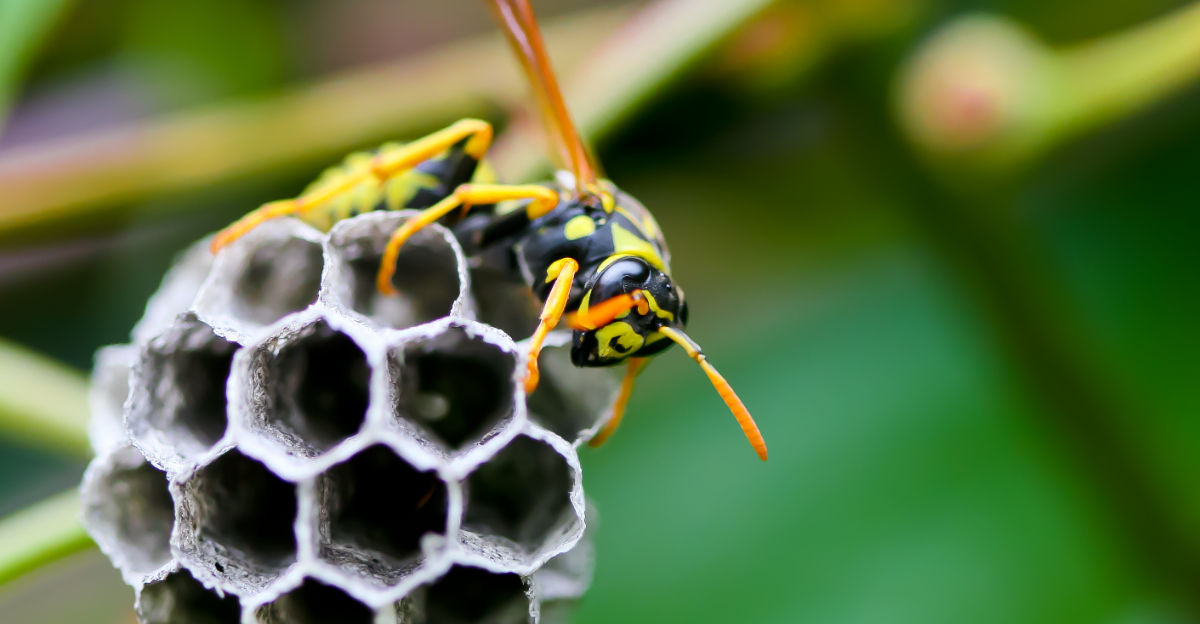
A wasp nest can make a peaceful garden feel tense fast. One small paper nest under an eave or tucked near a shrub may not seem like a big deal at first.
Then the traffic picks up, and every watering trip feels a little more risky. California gardeners often spot nests around fences, sheds, patio covers, or dense plants where wasps can stay sheltered.
The right response depends on where the nest is and how active it has become. A nest far from people may not need the same action as one beside a doorway or play area.
The goal is to stay calm, avoid sudden moves, and know when the job is better left to a pro. Handle the situation wisely, and your garden can feel safe to enjoy again.
1. Identify The Wasp Before You Panic
Before you do anything else, take a moment to look closely at what you are dealing with. Not all wasps behave the same way, and knowing your species can save you a lot of stress.
Some wasps are actually beneficial insects that help control garden pests and pollinate flowers.
Watch from a safe distance of at least ten to fifteen feet. Look at the wasp’s body shape, color, and the style of the nest it is building.
Paper wasps are long and slender with dangling legs when they fly. Yellowjackets are shorter, stockier, and tend to fly in quick, darting patterns.
Mud daubers are dark and thin, often seen collecting mud near puddles.
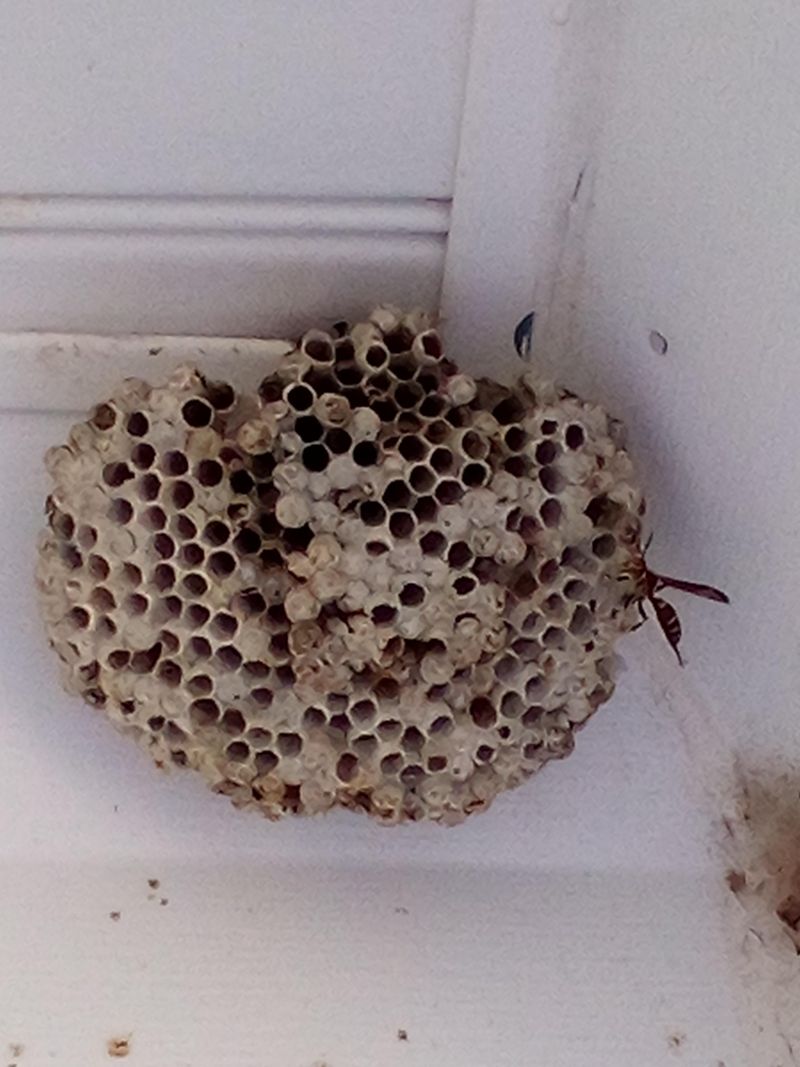
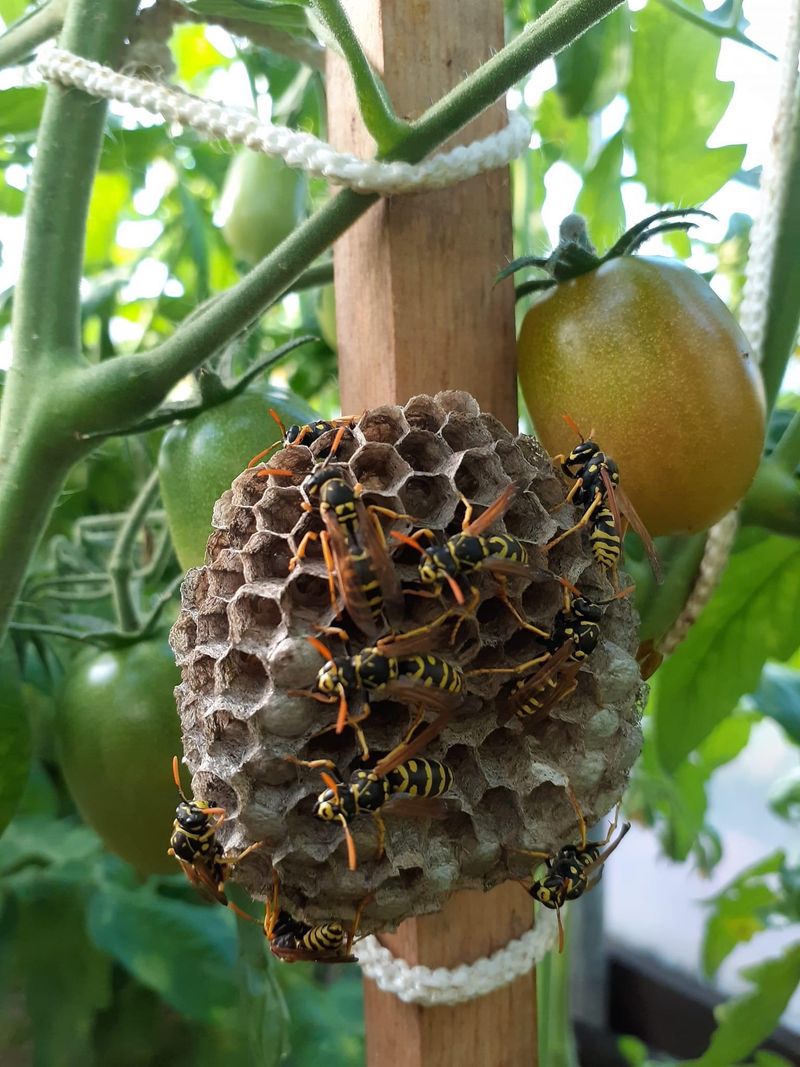
The nest shape also gives you big clues. A papery, open-celled structure hanging from a branch or eave is almost always a paper wasp nest.
A round, enclosed nest made of gray papery material usually belongs to yellowjackets. A muddy tube stuck to a wall or fence is a mud dauber’s home.
You can take a quick photo from a distance and compare it to online resources or your local cooperative extension service’s website. Many counties in California offer free pest identification help.
Getting the species right before you act is the smartest first move you can make.
2. Paper Wasps Are Often Less Aggressive Than Yellowjackets
Many California gardeners are surprised to learn that paper wasps are actually pretty chill insects. They rarely sting unless they feel their nest is being threatened.
If you accidentally walk near a paper wasp nest and the wasps just hover or fly away, that is a sign they are not feeling cornered.
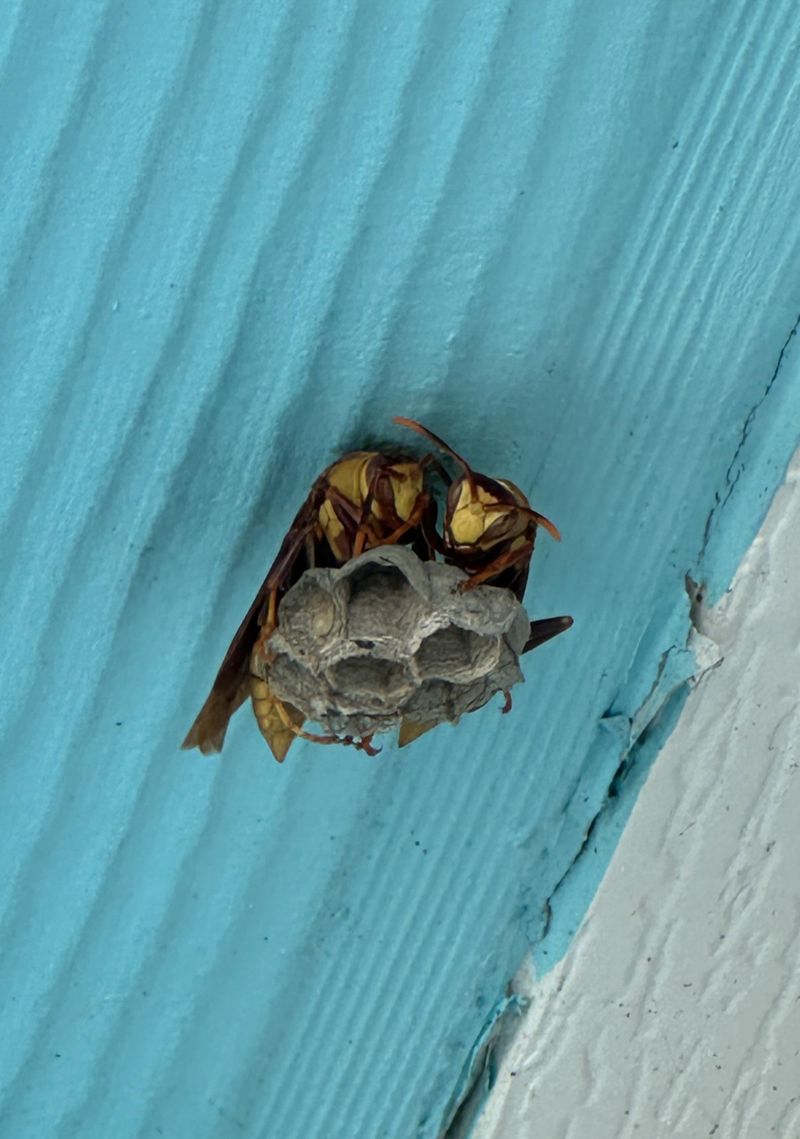
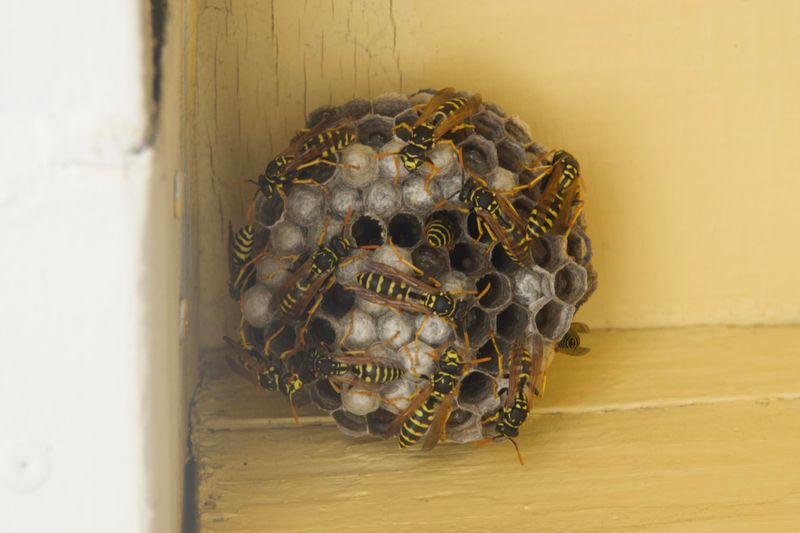
Paper wasps build their nests in sheltered spots like under eaves, inside hollow fence posts, or beneath patio furniture. Their nests look like small upside-down umbrellas made of grayish paper.
Each open cell in the comb holds a developing wasp larva. The structure is fragile and easy to spot.
One great thing about paper wasps is that they are serious garden helpers. They hunt caterpillars, beetles, and other soft-bodied insects to feed their young.
Having a paper wasp nest in a quiet corner of your yard can actually reduce the number of pests eating your vegetable plants.
Your California Garden Changes Every Week. Your Plan Should Too.
Gardening in California changes quickly throughout the season. Every Friday you’ll receive a simple weekly plan showing exactly what to plant, prune, fertilize, harvest, and protect so you never miss the right timing.
If the nest is in a low-traffic area where people and pets rarely go, you might consider leaving it alone for the season. Paper wasp colonies naturally shrink and become inactive by late fall.
Once the cold weather arrives and the wasps are gone, you can safely remove the empty nest. That is often the easiest and safest solution of all.
3. Yellowjacket Nests Need Extra Caution
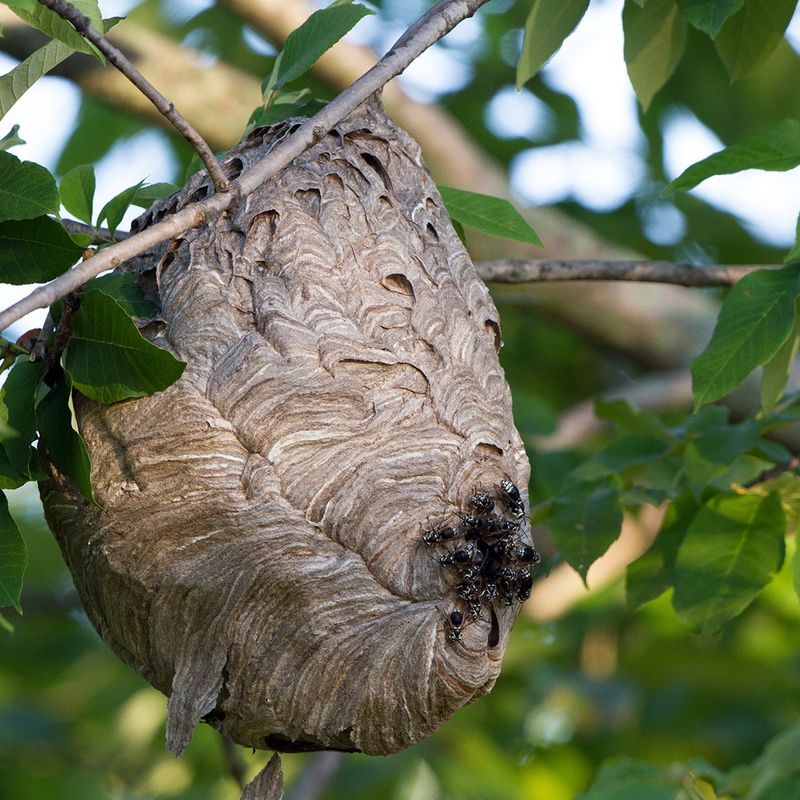
Yellowjackets are a different story from paper wasps. These are the wasps most people are actually afraid of, and for good reason.
They are territorial, fast to sting, and can sting multiple times without losing their stinger. A disturbed yellowjacket nest can send dozens of angry wasps into action within seconds.
In California, yellowjackets are especially active during late summer and early fall. That is when their colonies are at peak size and their food sources start to run low.
They become more aggressive around this time because they are competing for sugary foods and protein. Outdoor meals, fallen fruit, and open trash cans can attract them fast.
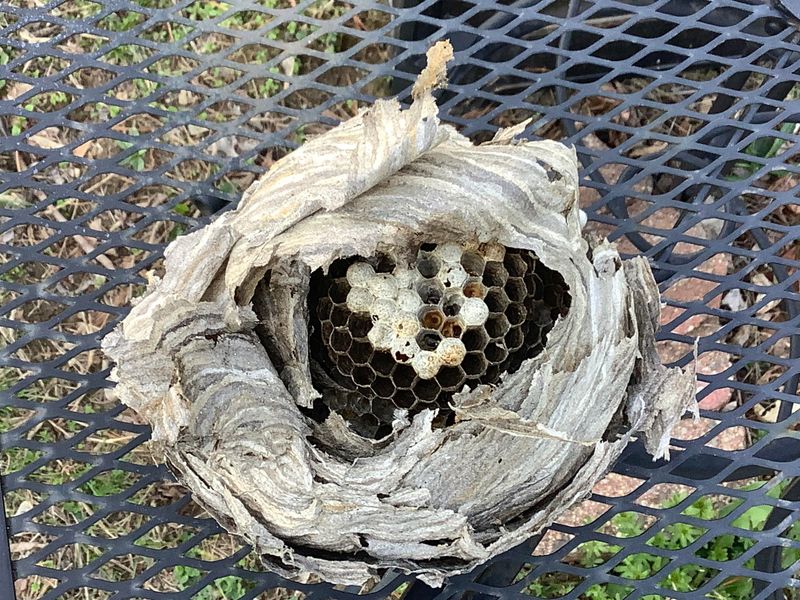
Yellowjacket nests are often enclosed and round, made from chewed wood fibers that look like gray paper. They can be found hanging in trees, tucked inside wall voids, or built underground near tree roots.
Ground nests are especially dangerous because they are easy to step on without realizing it.
If you spot a yellowjacket nest anywhere near a play area, walkway, or garden bed you use regularly, treat it seriously. Keep everyone away from the area and contact a licensed California pest control professional.
Trying to remove a large yellowjacket nest on your own is risky and not recommended. Safety always comes first with this particular species.
4. Mud Daubers Are Usually Not A Garden Emergency
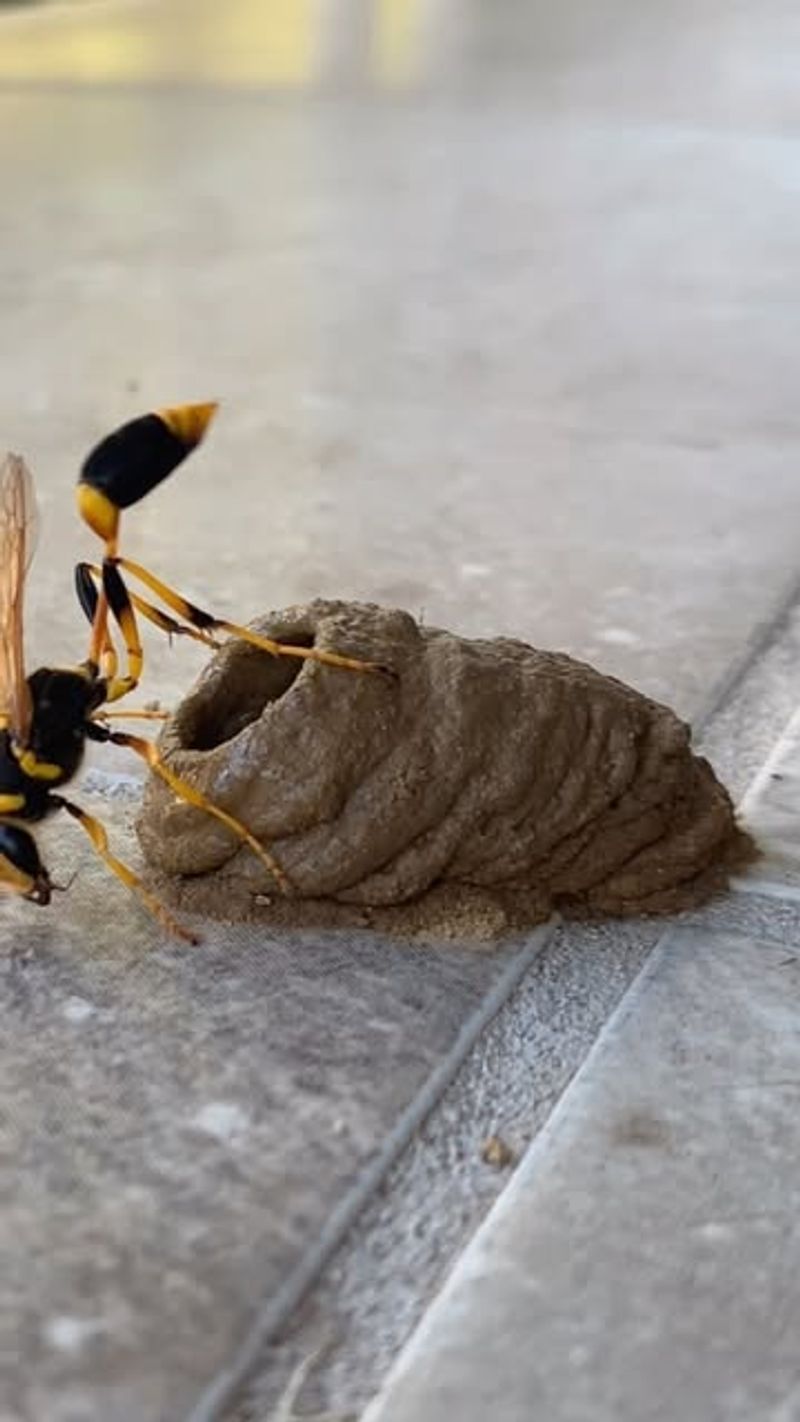
Spotting a mud dauber in your garden might look alarming at first glance. These long, slender wasps are dark in color, sometimes with a metallic blue or yellow sheen, and they move with purpose.
But here is the good news: mud daubers are among the most harmless wasps you will ever encounter in your yard.
Mud daubers are solitary insects. They do not live in large colonies like yellowjackets, and they do not defend their nests with aggression.
A mud dauber might fly close to you while you are gardening, but it is almost certainly just looking for mud or hunting spiders. They rarely sting people, and when they do, it is usually only because someone grabbed them directly.
Their nests are easy to recognize. Mud daubers build small cylindrical tubes made of wet mud, often on walls, fences, or under overhangs.
Each tube holds a single egg and a paralyzed spider the mother has stored as food for the hatching larva. The tubes are roughly the size of a finger and dry to a hard, clay-like finish.
If a mud dauber nest is on an out-of-the-way wall or structure, you can simply leave it. Once the larvae develop and leave, the nest becomes empty.
You can knock it off with a stick or scraper at that point with zero risk. These wasps are genuinely helpful spider hunters in your garden.
5. Do Not Shake, Spray, Or Poke The Nest
It sounds obvious, but the urge to poke or spray a wasp nest can be surprisingly strong in the moment. Maybe you are frustrated, or maybe you just want the problem gone right away.
Resisting that urge is one of the most important things you can do for your safety.
Wasps release alarm pheromones when they feel threatened. These chemical signals tell the entire colony to go into defense mode instantly.
Even spraying water at a nest can trigger this response. Once a colony is alarmed, the wasps will chase whatever they see as the threat, and that could be you.
Trying to knock a nest down with a broom or stick during the day is especially risky. Wasps are most active in the daytime and will respond quickly and aggressively.
Even if you manage to knock the nest down, the wasps do not simply go away. They will swarm the area and look for whoever disturbed them.
If you decide that the nest truly needs to be removed, the safest time to attempt it is very early morning or after dark. Wasps are much less active in cool, low-light conditions.
However, for larger nests or any nest belonging to yellowjackets, calling a licensed pest control professional is always the wiser and safer option. Protect yourself first.
6. Keep Kids And Pets Away From The Nesting Area
Once you have spotted a wasp nest, the very next thing to do is create a clear boundary around it. Kids and pets are the most vulnerable to stings because they move fast, make sudden noises, and are naturally curious about things buzzing in the yard.
A quick reaction near a nest can cause serious trouble.
You do not need fancy equipment to mark off the area. A few orange cones, garden stakes, or even tied-off string can signal that a zone is off-limits.
If the nest is near a play structure, sandbox, or garden path, reroute foot traffic away from it right away. The further everyone stays from the nest, the better.
Dogs and cats are especially prone to getting stung. They often snap at flying insects or sniff around holes in the ground without warning.
A pet that disturbs a yellowjacket ground nest can be stung many times very quickly. Keep pets on a leash or supervised when they are near the affected area of your yard.
Talk to your kids calmly and clearly about the nest. Explain that wasps are not trying to hurt anyone but will defend their home if they feel scared.
Teaching children to move slowly and quietly near insects is a life skill that goes well beyond this one situation. Simple conversations now can prevent painful surprises later.
7. Mark A Ground Nest Without Getting Too Close
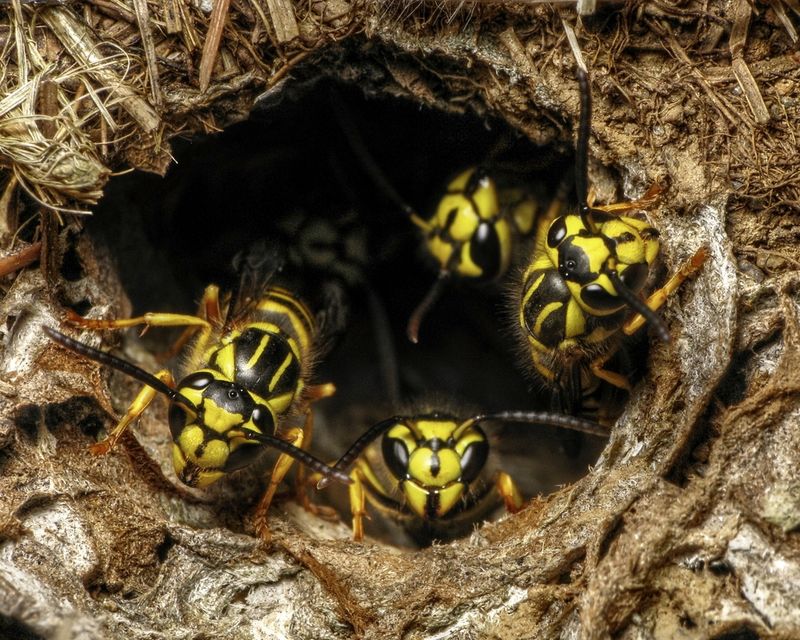
Ground nests are sneaky. You can walk past one every single day without ever noticing it until you accidentally step too close and the wasps come rushing out.
In northern California regions, yellowjackets frequently nest underground, especially in dry, loose soil near garden beds and lawn edges.
The entrance to a ground nest is usually a small hole, maybe the size of a quarter, with wasps flying in and out in a steady stream. If you notice that kind of activity near the base of a shrub or along a garden path, stop and back away slowly.
Do not stomp near the hole or try to cover it up.
Use small garden flags, rocks, or bright stakes to mark the area from a safe distance of at least six to eight feet. This helps you and anyone else in the yard remember to avoid that patch of ground.
You can use a long stick to gently place markers without getting too close to the nest entrance.
Once the area is marked, assess how often people use that part of the yard. If it is a high-traffic zone, calling a pest control expert sooner rather than later is a smart move.
If the nest is in a quiet corner away from foot traffic, you may be able to wait it out until the colony naturally winds down in the cooler months.
8. Move Garden Work Away From The Nest
One of the most practical things you can do once a wasp nest appears in your garden is simply shift your routine. You do not have to give up gardening altogether.
You just need to be thoughtful about where and when you work while the nest is active.
Wasp colonies are most active and most defensive during the warmest parts of the day, typically between mid-morning and late afternoon.
If you need to work near the nest area, try doing so in the early morning when temperatures are cooler and the wasps are slower and less alert.
Focus your gardening energy on beds, containers, and areas that are on the opposite side of the yard from the nest. This is actually a great time to tackle tasks you have been putting off in other parts of the garden.
Weeding, planting, or pruning in a different zone keeps you productive and safe at the same time.
Avoid wearing floral perfumes, bright floral patterns, or sweet-smelling sunscreens when working outdoors near a wasp zone. Wasps are attracted to sweet scents and certain colors.
Wearing light-colored, solid clothing and skipping the fragrance can make you far less interesting to any wasps that might wander your way. Small habit changes really do add up to big safety improvements over time.