The One Thing To Do With California Bougainvillea In July To Keep It Blooming
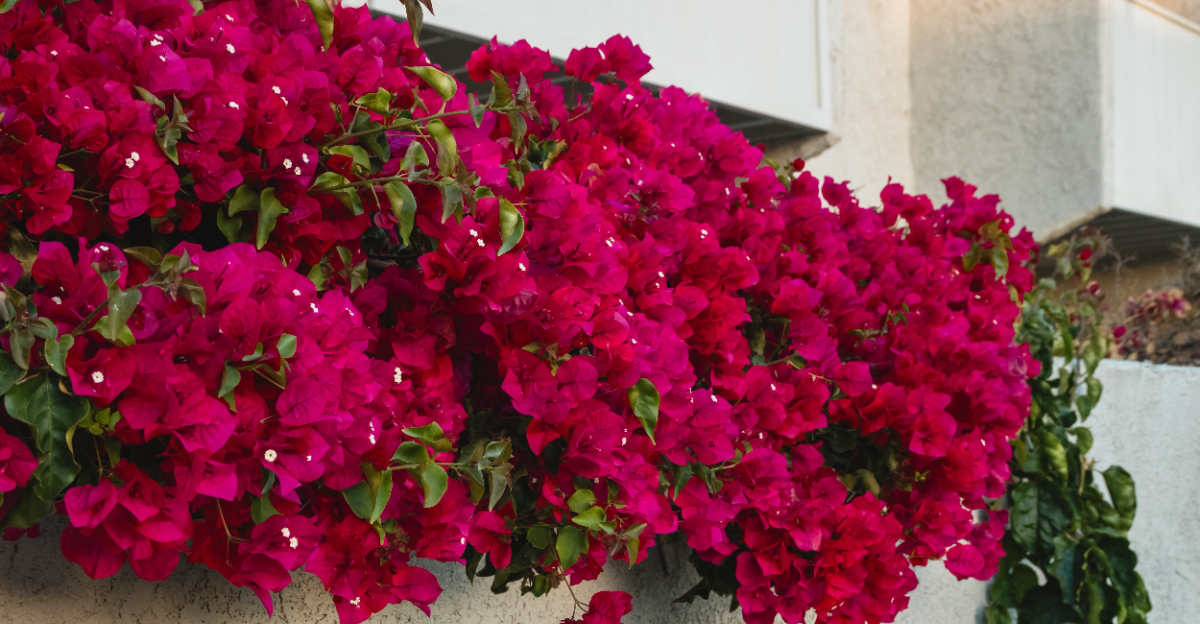
Bougainvillea can put on a huge color show, but it does not respond well to being fussed over. Many California gardeners see lush green growth and assume the plant needs more care.
That can be the reason the blooms slow down. In July, one simple habit matters more than most people think, and it has everything to do with how you water.
Bougainvillea likes a rhythm that keeps it strong without making it too comfortable. Too much attention can push leaves instead of color.
Too little can stress the plant past the point you want. The right balance helps keep those bright bracts coming through the heat.
Before you grab the hose again, it is worth knowing what this plant is really asking for.
1. Let Bougainvillea Dry Slightly Between Waterings
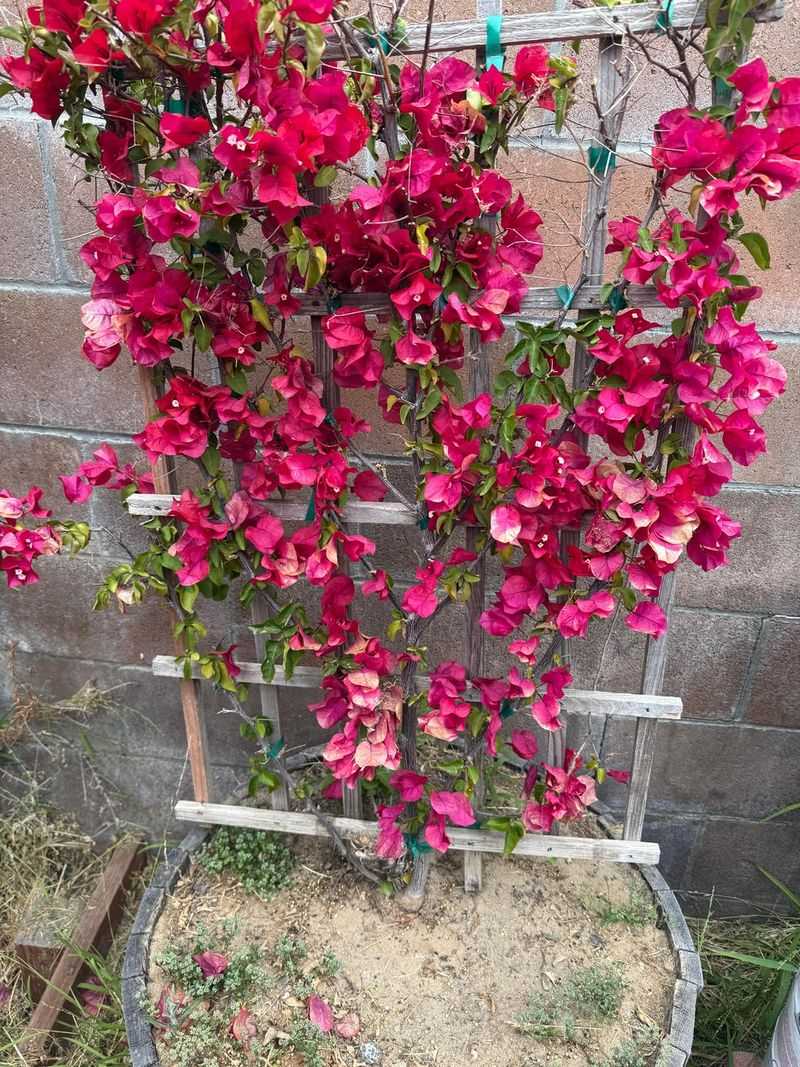
One of the best-kept secrets about growing bougainvillea in our state is that letting the soil dry out a little between waterings actually encourages more blooms.
Most people assume plants always need moist soil to thrive, but bougainvillea works differently.
When the roots feel a bit of dryness, the plant responds by pushing out more of those colorful bracts we all love. It is a survival response that works in the gardener’s favor.
Think of it as the plant saying, “I need to reproduce, so I better look beautiful.”
In July, when the sun is strong and temperatures are high across Southern and inland regions, the soil around your bougainvillea can dry out faster than expected.
Check the top two inches of soil with your finger before reaching for the hose. If it still feels damp, wait another day or two.
This simple habit can make a noticeable difference in how many blooms appear. Watering too soon keeps the roots comfortable and lazy, which signals the plant to grow more leaves instead of flowers.
A little stress from dryness is exactly what pushes bougainvillea into its most colorful phase. Be patient, trust the process, and let the soil guide your watering schedule rather than the calendar.
2. Too Much July Water Can Reduce The Bloom Show
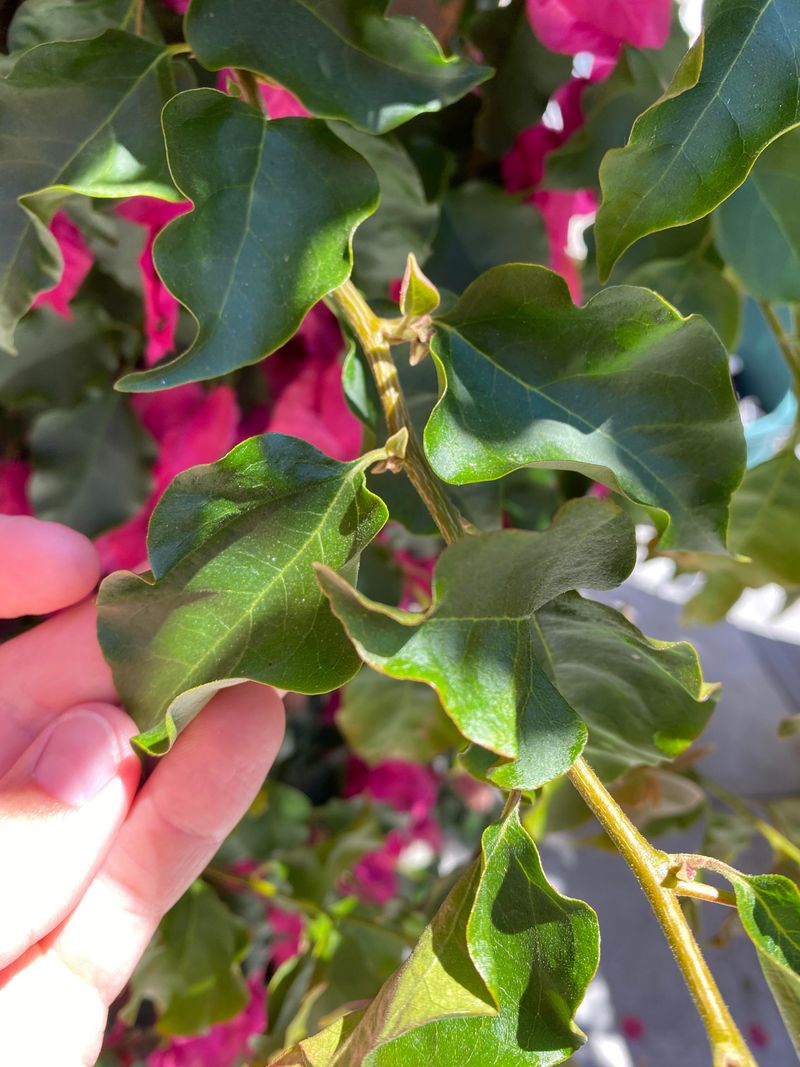
Here is something that surprises many gardeners: watering your bougainvillea too much in July can actually shut down the flower show. More water does not mean more blooms.
In fact, it often means the opposite. When roots stay consistently wet, the plant focuses its energy on producing lush green leaves rather than those vivid, colorful bracts.
The result is a full, leafy vine that looks healthy but has almost no color. That is the last thing anyone wants during peak summer in our state.
Bougainvillea originally comes from dry, tropical regions of South America. Its roots evolved to handle drought, not constant moisture.
Giving it too much water goes against its natural instincts and disrupts its blooming cycle.
During July, aim to water established in-ground plants deeply but infrequently. Once or twice a week is usually enough, depending on your local climate and soil type.
Coastal areas may need less frequent watering than hot inland valleys where the heat is relentless. Always let the soil guide you rather than sticking to a rigid schedule.
Your California Garden Changes Every Week. Your Plan Should Too.
Gardening in California changes quickly throughout the season. Every Friday you’ll receive a simple weekly plan showing exactly what to plant, prune, fertilize, harvest, and protect so you never miss the right timing.
Cutting back on water even slightly can trigger a dramatic increase in blooms within just a few weeks. Give it a try and watch what happens. The results can be impressive.
3. Deep Watering Works Better Than Daily Sprinkling
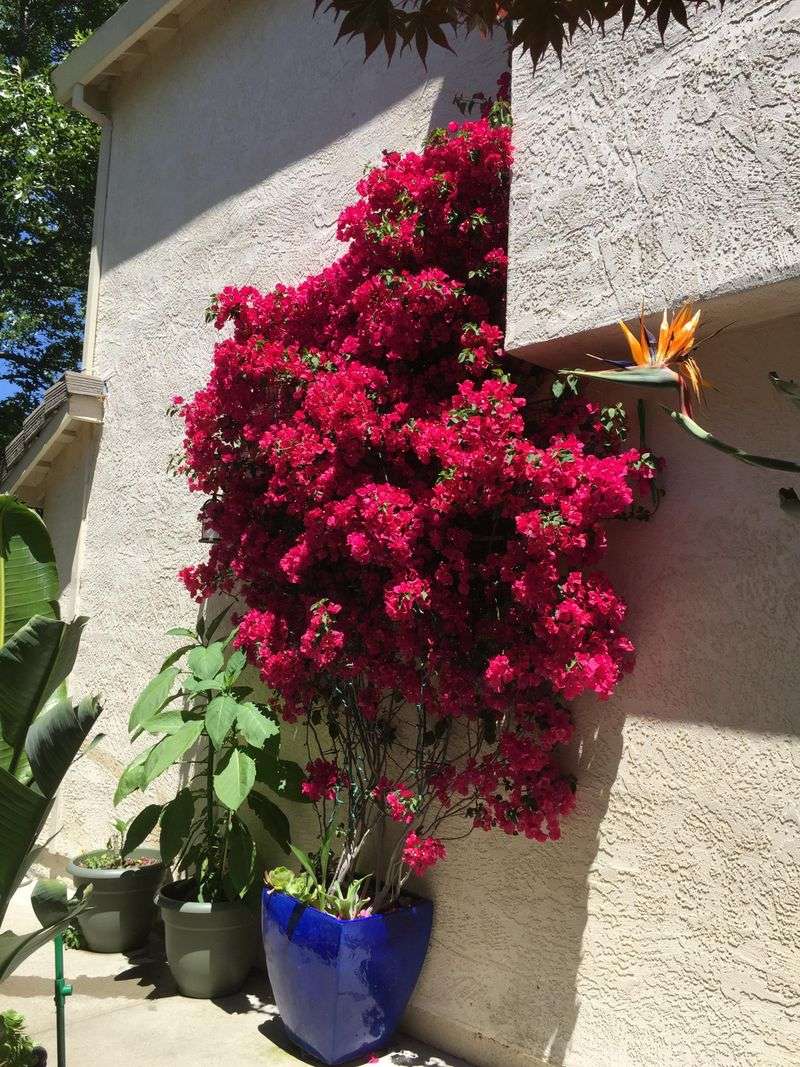
Sprinkling a little water on your bougainvillea every day might feel like good plant care, but it actually does more harm than good.
Frequent watering keeps moisture near the surface and trains roots to stay shallow. Shallow roots make for a weaker, less resilient plant.
Deep watering, on the other hand, pushes moisture down into the lower layers of the soil. Roots follow water, so they grow deeper when you water deeply.
Deeper roots can access more nutrients and handle summer heat much better.
In our state’s warm July climate, especially in inland and desert-adjacent regions, deep watering once or twice a week is far more effective than daily light sprinkling.
When you water, let the hose or drip system run long enough to soak the soil at least eight to ten inches down.
You can test this by digging a small hole near the plant a few hours after watering. If the soil is moist several inches down, you are doing it right.
If only the top inch is wet, you need to water longer each session. Deep watering also encourages bougainvillea to bloom more freely because the roots feel secure and stable.
A well-rooted plant in summer heat will reward you with far more color than one surviving on daily sips.
4. Dry Soil Helps Push More Colorful Bracts
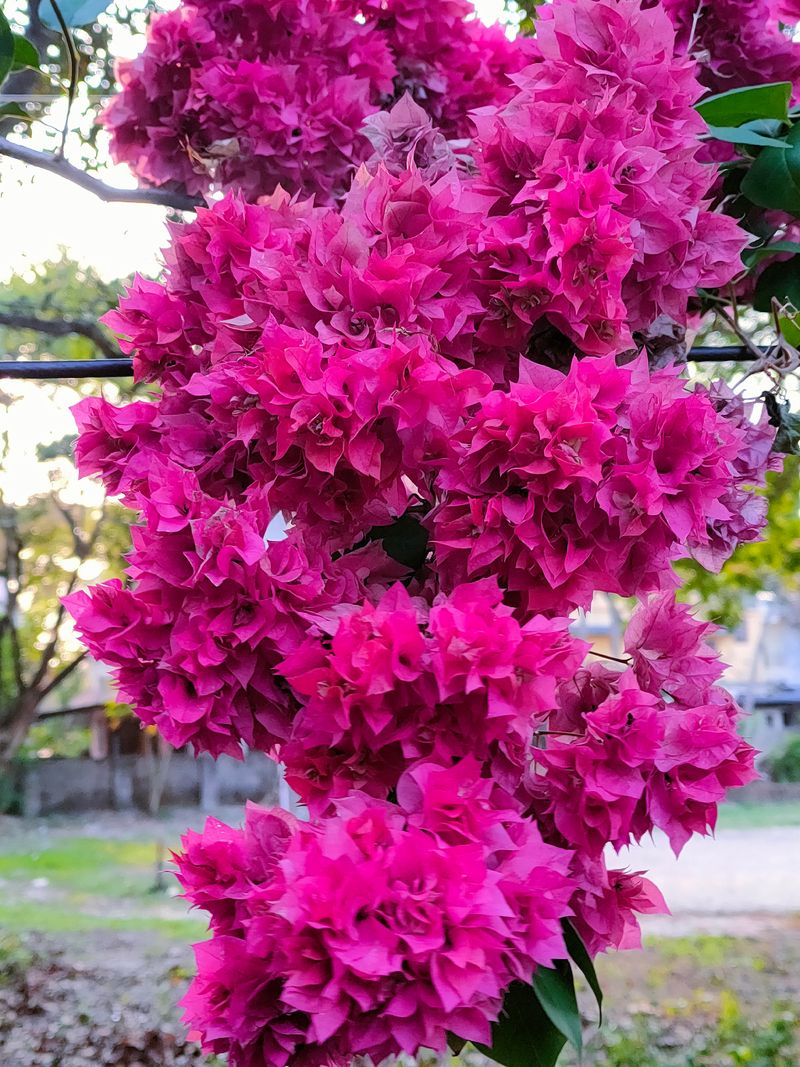
Dry soil is not the enemy of bougainvillea. For this plant, it is actually a friend.
Gardeners who grow bougainvillea in well-draining, slightly dry soil consistently report more blooms and brighter color than those who keep the soil moist all the time.
The science behind this is straightforward. When bougainvillea experiences mild water stress, it triggers a hormonal response that promotes flowering.
The plant shifts its energy from vegetative growth, which means leaves and stems, toward reproductive growth, which means flowers and bracts.
In July, the heat across our state naturally dries out soil faster, especially in areas with sandy or rocky ground. This is actually ideal for bougainvillea.
If your soil holds water for a long time or feels heavy and dense, consider mixing in some coarse sand or perlite to improve drainage.
Good drainage paired with intentional dry periods between waterings creates the perfect environment for a spectacular bloom show.
You will notice the bracts becoming more vibrant and numerous when the plant is slightly stressed by dryness rather than pampered with constant moisture.
It feels counterintuitive, but dry soil truly is one of the most powerful tools you have for pushing bougainvillea into its most colorful state during the hottest month of the year.
5. Wet Roots Can Lead To Leaves Instead Of Flowers
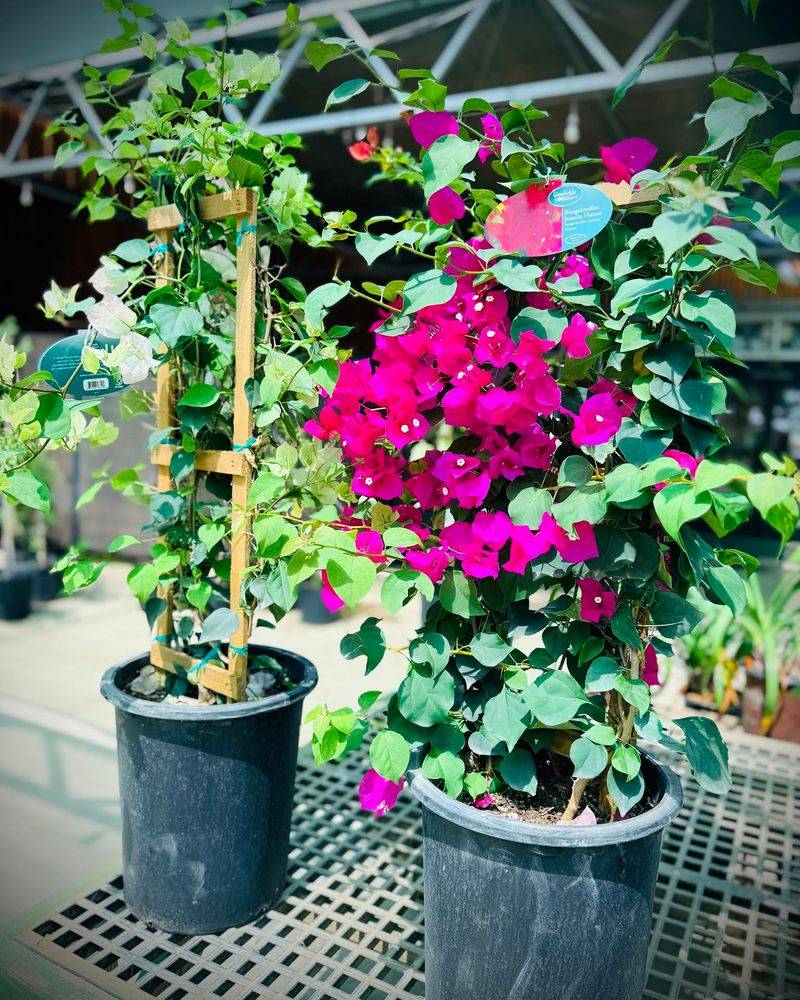
Walk past a bougainvillea that is all leaves and almost no color, and there is a good chance the roots are staying too wet.
Wet roots are one of the top reasons this plant stops blooming, and it is a problem that sneaks up on gardeners who mean well.
When roots sit in consistently moist soil, the plant reads the situation as safe and comfortable. In that comfort, it puts all its energy into growing more leaves and stems rather than producing blooms.
It is the plant equivalent of getting too cozy and forgetting to work.
Root rot is also a real risk when soil stays wet for too long. While full root rot is a serious issue, even mild, ongoing wetness can slow bloom production and weaken the plant over time.
The roots need air as much as they need water, and waterlogged soil cuts off that oxygen supply.
To fix wet root issues in July, check your drainage first. Make sure water is not pooling around the base of the plant after you water.
If it is, improve the soil or raise the planting area slightly. Reduce your watering frequency and let the top few inches of soil dry out before watering again.
These small changes can shift the plant back into bloom mode surprisingly fast.
6. Full Sun Makes The July Bloom Show Stronger
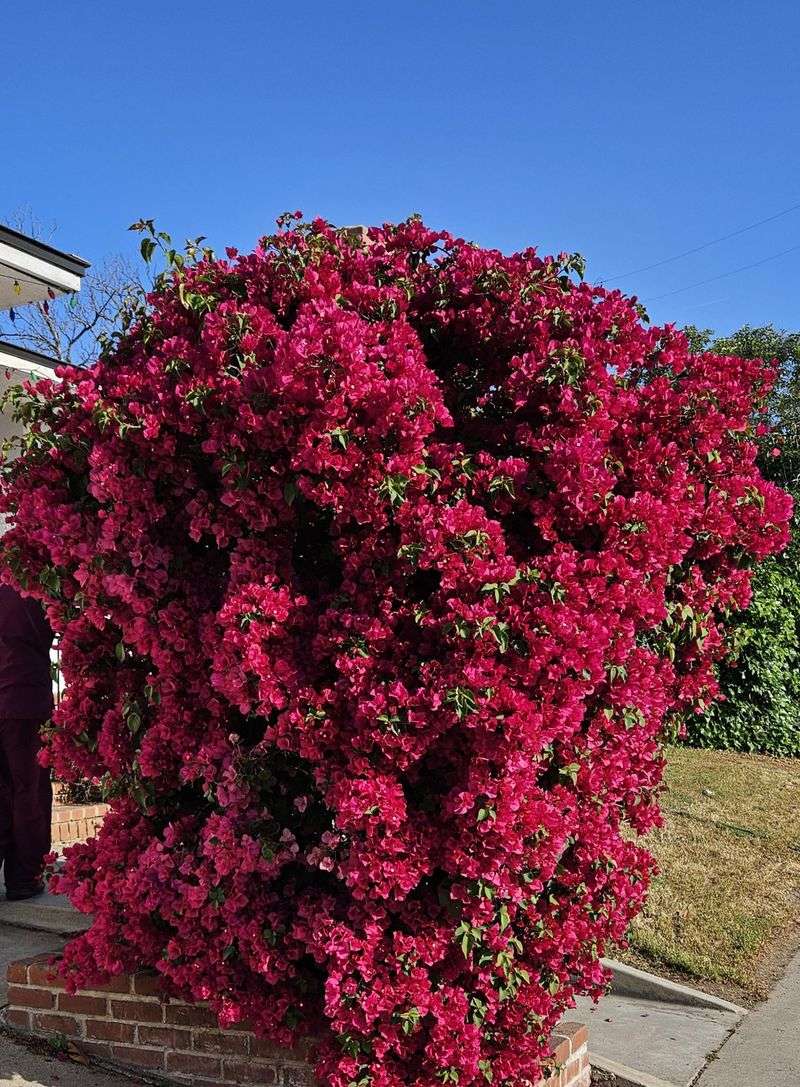
Sunlight is fuel for bougainvillea, and July in our state delivers plenty of it. To get the most dramatic bloom display, make sure your plant is getting at least six hours of direct sun each day.
More sun almost always means more color. Bougainvillea planted in shady spots or areas blocked by trees and buildings will struggle to bloom well, no matter how carefully you manage watering.
Shade tells the plant it does not need to compete for attention, so it stops producing those eye-catching bracts.
In Northern regions of the state, where summers are slightly cooler, placing bougainvillea against a south-facing wall or fence can amplify heat and light. The reflected warmth from light-colored walls acts like a booster for bloom production.
Southern and inland areas of the state already provide intense sun, so placement is less of a concern there.
If your bougainvillea is in a container, July is a great time to move it to the sunniest spot on your patio or deck.
Even shifting it a few feet to catch more direct afternoon sun can trigger a noticeable improvement in bloom production within a couple of weeks.
Full sun is not just preferred by this plant. It is essential for a truly stunning July bloom show that turns heads and brightens the whole yard.
7. Container Bougainvillea Needs A Faster Soil Check
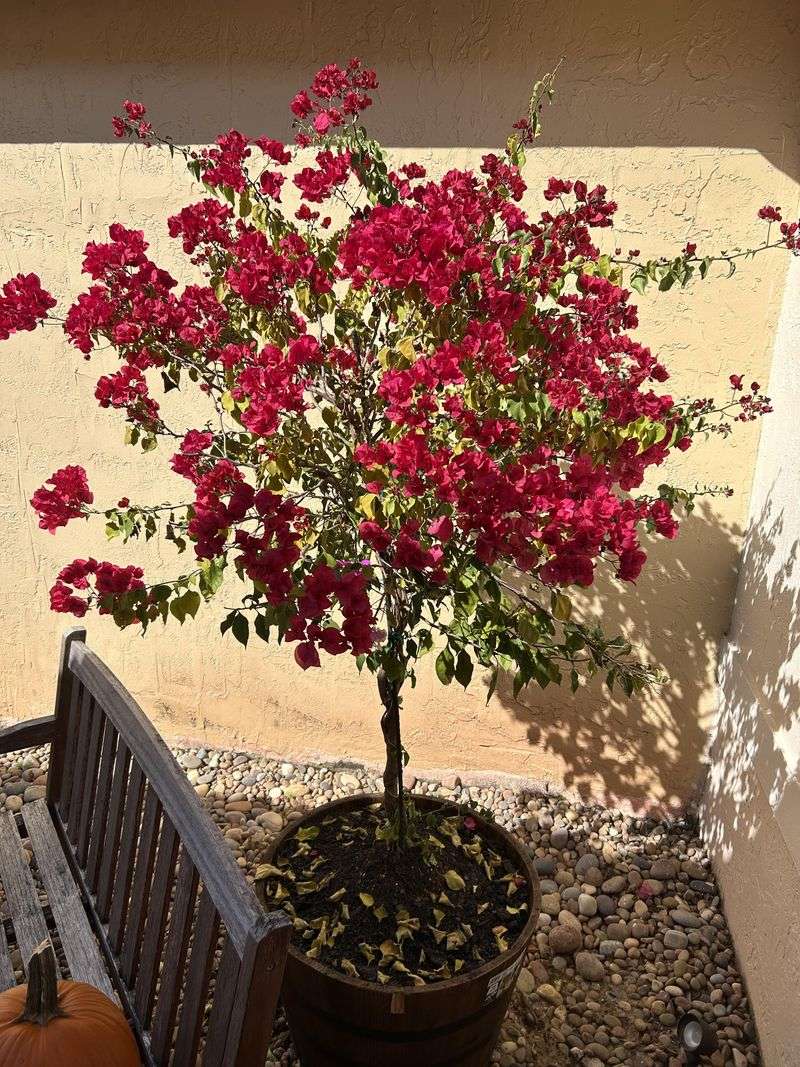
Growing bougainvillea in a container is popular across patios and balconies throughout our state, but potted plants play by slightly different rules than those in the ground.
Containers dry out faster, especially in July heat, so soil checks need to happen more often.
A pot sitting in direct sun can go from moist to bone dry in just a day or two during a heat wave.
That rapid drying can stress the plant too quickly, causing bract drop rather than bloom production.
Checking the soil every day during July is not overkill for container plants. Press your finger about an inch into the soil. If it feels dry at that depth, it is time to water.
If it still feels slightly cool and damp, give it another day. The goal is to let it dry a bit without letting it get so dry that the plant wilts or drops its bracts.
Container size also matters. Smaller pots dry out much faster than larger ones, so they need more frequent monitoring.
A larger container with good drainage holes gives bougainvillea more room for roots and more buffer against extreme drying.
Using a terracotta pot can also help because the porous material allows some air exchange through the walls, which helps regulate moisture levels naturally and keeps roots healthier throughout the summer months.
8. Potted Plants Should Never Sit In Drainage Water
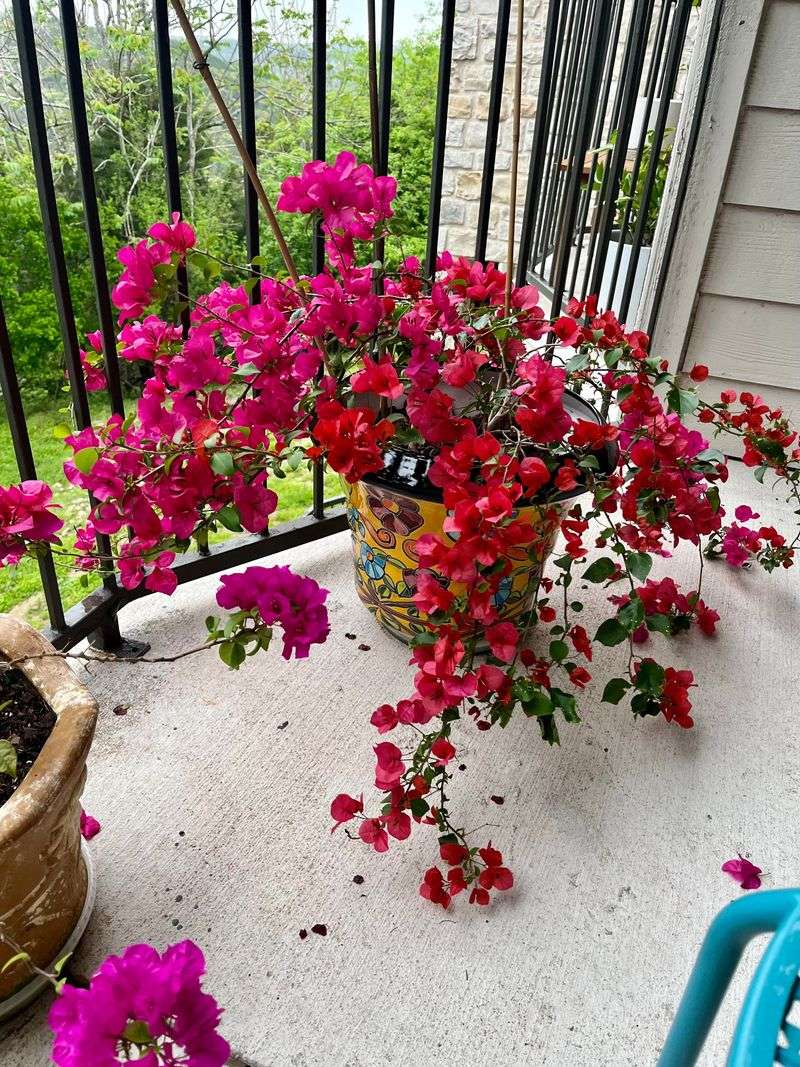
A common mistake with potted bougainvillea is leaving the plant sitting in a saucer full of water after watering.
That pooled water under the pot keeps the drainage holes blocked and the roots soaking in moisture they do not need.
Even if the top of the soil looks and feels dry, the roots at the bottom of the pot may be sitting in standing water.
This creates exactly the kind of wet root environment that shuts down blooming and can lead to root problems over time. It is one of those sneaky issues that is easy to overlook.
After watering your potted bougainvillea, wait about thirty minutes and then empty the saucer completely. This small habit makes a real difference in keeping the roots healthy and the blooms coming.
If your pot is too heavy to move, use a turkey baster or a small sponge to remove the standing water from the saucer.
Some gardeners prefer to skip saucers entirely during summer and just let the water drain freely onto the patio or ground. That works well too, especially in July when the sun will dry up any spilled water quickly.
Keeping those roots free from standing water is one of the simplest yet most impactful things you can do to maintain a strong, colorful bloom show all month long.
9. Skip Heavy Fertilizer During Peak Summer Bloom
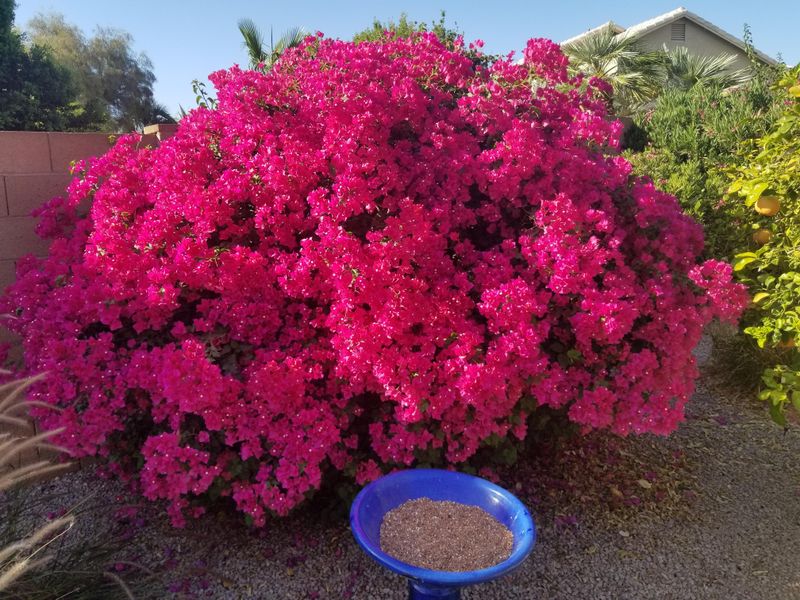
Reaching for a bag of fertilizer when you want more blooms feels like the logical move, but with bougainvillea in July, heavy feeding can actually backfire.
Too much nitrogen, which is the first number on most fertilizer labels, pushes the plant to grow more leaves and stems instead of flowers.
High-nitrogen fertilizers are great for lawns and leafy vegetables, but they are not the right choice for a plant you want to see blooming.
If you fertilize at all during July, choose a low-nitrogen, high-phosphorus formula designed for flowering plants. Phosphorus is the nutrient that supports bloom production.
Even with the right fertilizer, less is more during peak bloom season. A light feeding every four to six weeks is plenty for in-ground plants.
Container plants can handle slightly more frequent feeding since nutrients wash out with each watering, but keep the doses moderate and consistent.
If your bougainvillea is already blooming well, you may not need to fertilize at all in July. The plant is doing exactly what you want, so there is no reason to shake things up.
Save heavier feeding for late summer or early fall when you want to encourage a second bloom cycle before cooler weather arrives.
Keeping fertilizer light during peak bloom is one of the easiest ways to protect and extend that gorgeous July color show.