These Plants Actually Grow Better Once California Summer Heat Hits
Not every plant panics when summer heat settles in. Some seem to wake up right when the rest of the garden starts begging for shade.
California’s hot days can bring out stronger growth, brighter color, and better blooming in plants built for warm weather. These are the garden choices that do not just survive the season.
They start looking better because of it. That makes them perfect for sunny borders, dry beds, patio edges, and spots that feel too harsh for fussier plants.
The trick is knowing which ones truly enjoy heat and which ones only tolerate it for a while. Pick the right summer lovers, and your yard can hit its stride just when other gardens start fading.
1. Angelonia
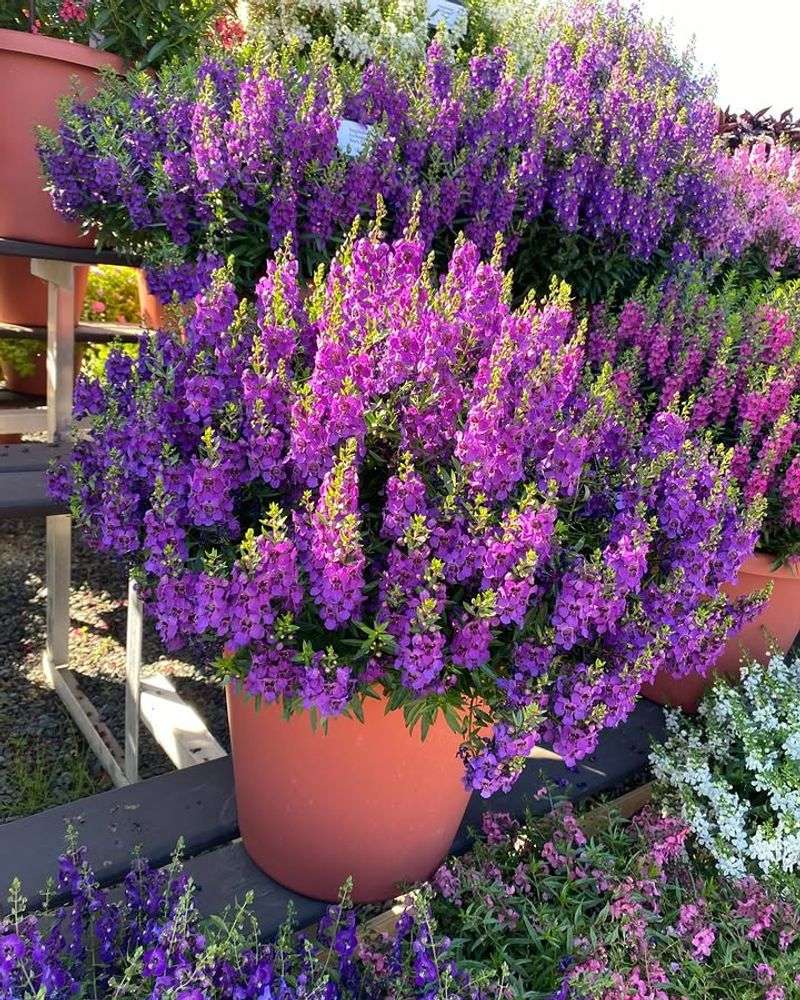
Some flowers act like they were born for the hottest days of the year, and Angelonia is absolutely one of them.
Often called the summer snapdragon, this plant produces tall, slender spikes packed with small, orchid-like blooms in shades of purple, pink, and white.
It keeps flowering from late spring all the way through fall without skipping a beat.
What makes Angelonia so impressive is how little it asks for in return. Once it is established in your garden, it handles dry spells with ease.
It does not need constant watering or special soil. Just give it full sun and warm temperatures, and it will reward you with months of color.
In our state, where summer stretches long and hot, Angelonia practically thrives on neglect. Gardeners love it because it resists pests and rarely needs deadheading to stay looking fresh.
The blooms even have a light, sweet scent that adds a nice bonus on warm evenings.
Plant it in garden beds, containers, or along borders for a pop of color that will not fade when the heat peaks.
It pairs beautifully with other sun-loving plants and adds vertical interest to flat garden spaces.
If you want a low-maintenance plant that performs like a star all summer, Angelonia belongs in your garden without question.
2. Zinnias
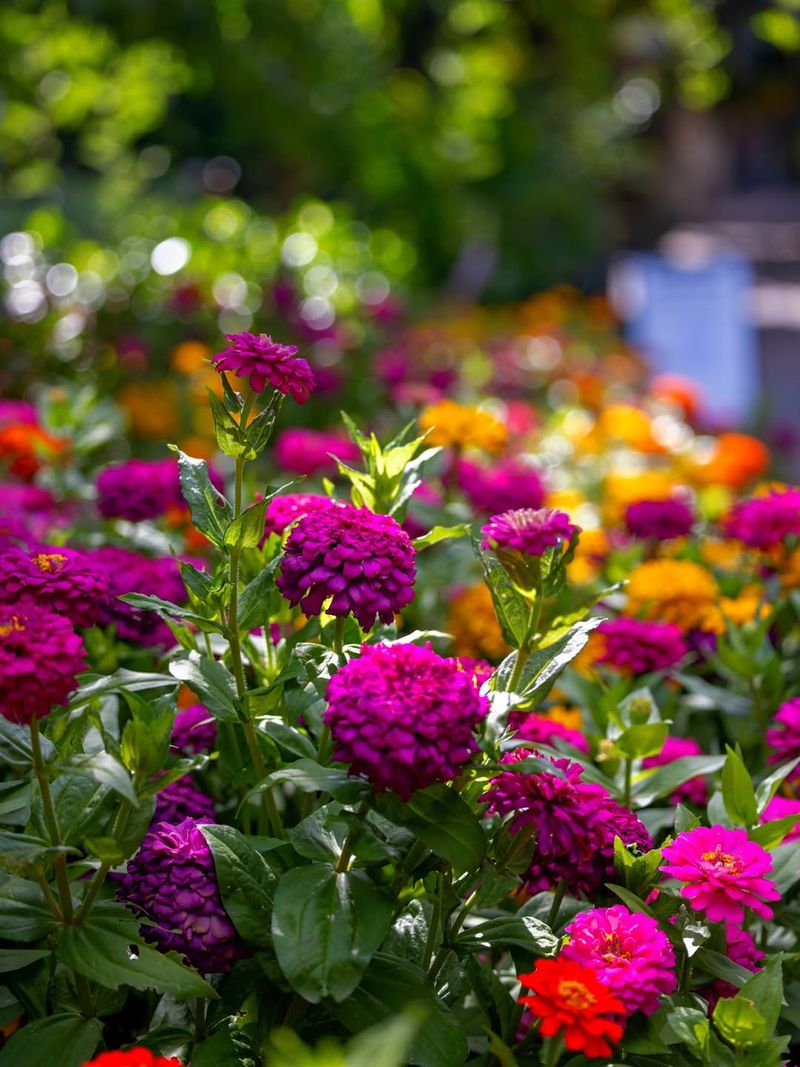
Few flowers are as cheerful and dependable as zinnias when summer heat rolls in. These bold, colorful blooms come in almost every color of the rainbow, from deep red and orange to soft lavender and white.
They are one of those plants that genuinely seem to wake up once the temperatures start climbing past 80 degrees.
Zinnias are incredibly easy to grow from seed, which makes them a favorite for beginners and experienced gardeners alike.
Direct sow them into warm soil after the last cool night passes, and they will sprout quickly.
The more sun they get, the faster they grow and the more flowers they produce.
Here is something fun to know: zinnias are native to Mexico, so hot and dry conditions feel like home to them. In our state, they love the long sunny days and warm nights that summer brings.
They also attract butterflies and bees, turning your yard into a lively little ecosystem.
Keep cutting the blooms for fresh bouquets and the plant will just keep producing more flowers. They are one of the few plants where harvesting actually encourages more growth.
Your California Garden Changes Every Week. Your Plan Should Too.
Gardening in California changes quickly throughout the season. Every Friday you’ll receive a simple weekly plan showing exactly what to plant, prune, fertilize, harvest, and protect so you never miss the right timing.
Plant them in clusters for the biggest visual impact, and watch them transform a plain garden bed into something truly spectacular all summer long.
3. Portulaca (Moss Rose)
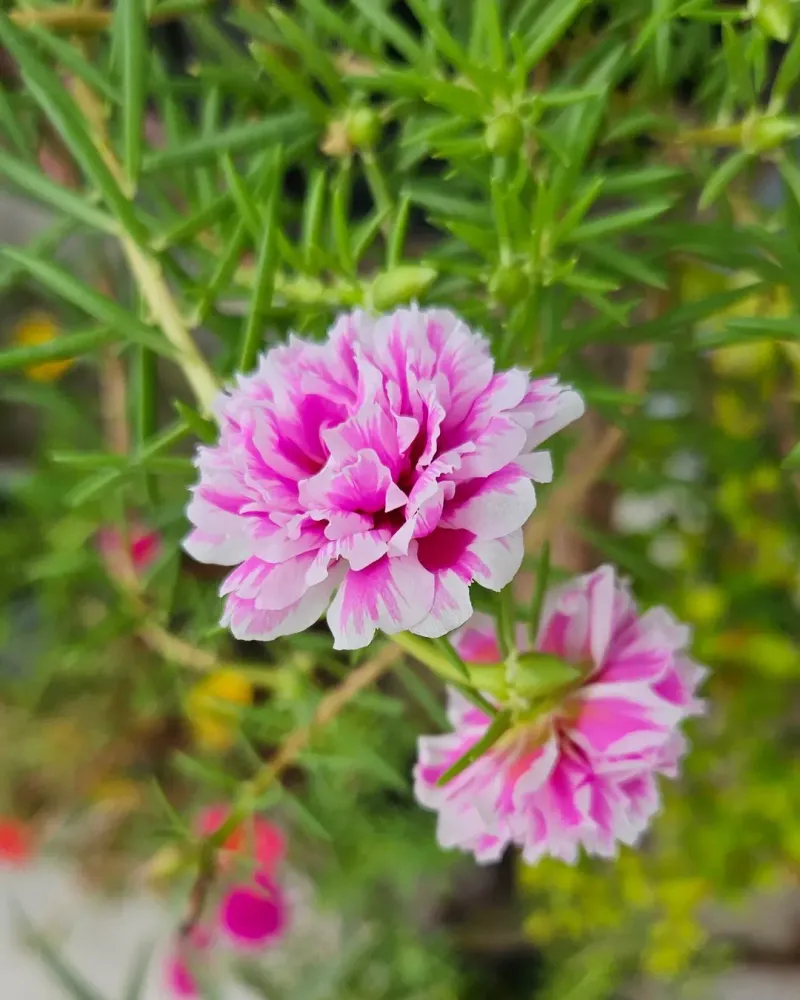
Portulaca, also known as moss rose, has a reputation that gardeners in hot, dry climates absolutely love.
This low-growing ground cover produces silky, tissue-thin blooms in electric shades of pink, orange, yellow, red, and white.
Each flower only lasts a day, but the plant produces so many buds that it always looks full and vibrant.
What sets portulaca apart is its incredible ability to handle heat and drought. The leaves are thick and succulent, storing water for those long dry stretches that are so common in our state during summer.
Even if you forget to water it for a week, portulaca just keeps going strong.
It grows best in poor, sandy soil with full sun exposure, which is the opposite of what most plants prefer. That actually makes it perfect for tough spots in the yard where other plants struggle.
Rock gardens, slopes, and dry borders are ideal places to let it spread and shine.
One quirky detail: the flowers close up at night and on cloudy days, then reopen when the sun comes back out. It is like the plant has its own little schedule.
Plant portulaca once and it may even reseed itself for next year, giving you a free display of color with barely any effort on your part.
4. Autumn Sage (Salvia greggii)
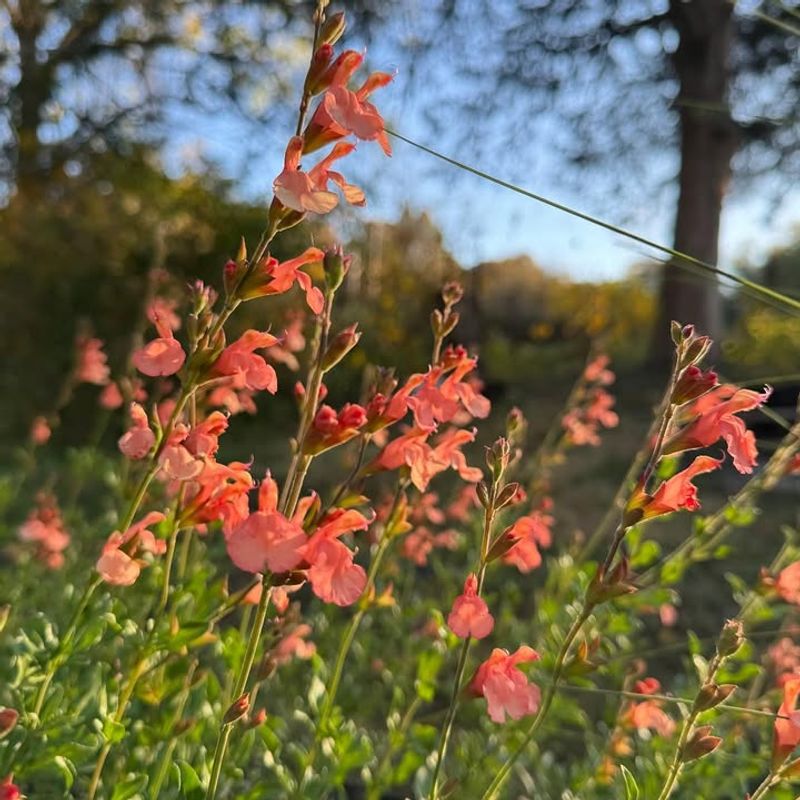
Do not let the name fool you. Autumn sage actually starts putting on a serious show right in the middle of summer heat.
This tough, woody shrub produces clusters of small tubular flowers in red, pink, coral, and white that hummingbirds find absolutely irresistible.
It blooms heavily in spring, takes a brief rest, then roars back to life when summer temperatures peak.
Native to the borderlands of Texas and Mexico, Salvia greggii is built for heat and drought. It has adapted over thousands of years to survive in conditions that would stress most garden plants.
Once it is established in your yard, it needs very little water and almost no special care to keep performing beautifully.
In our state, this plant is a landscaping favorite for a good reason. It fits naturally into water-wise and drought-tolerant garden designs without sacrificing color or wildlife value.
Plant it in full sun with well-drained soil and give it room to spread, because it can reach two to three feet tall and wide at maturity.
Pruning it lightly after each bloom cycle helps keep it tidy and encourages fresh new growth. It also works well as a low hedge or border plant along pathways.
For gardeners who want maximum color with minimum effort during the hottest months, this sage is a true summer champion worth every bit of garden space it takes up.
5. Lavender
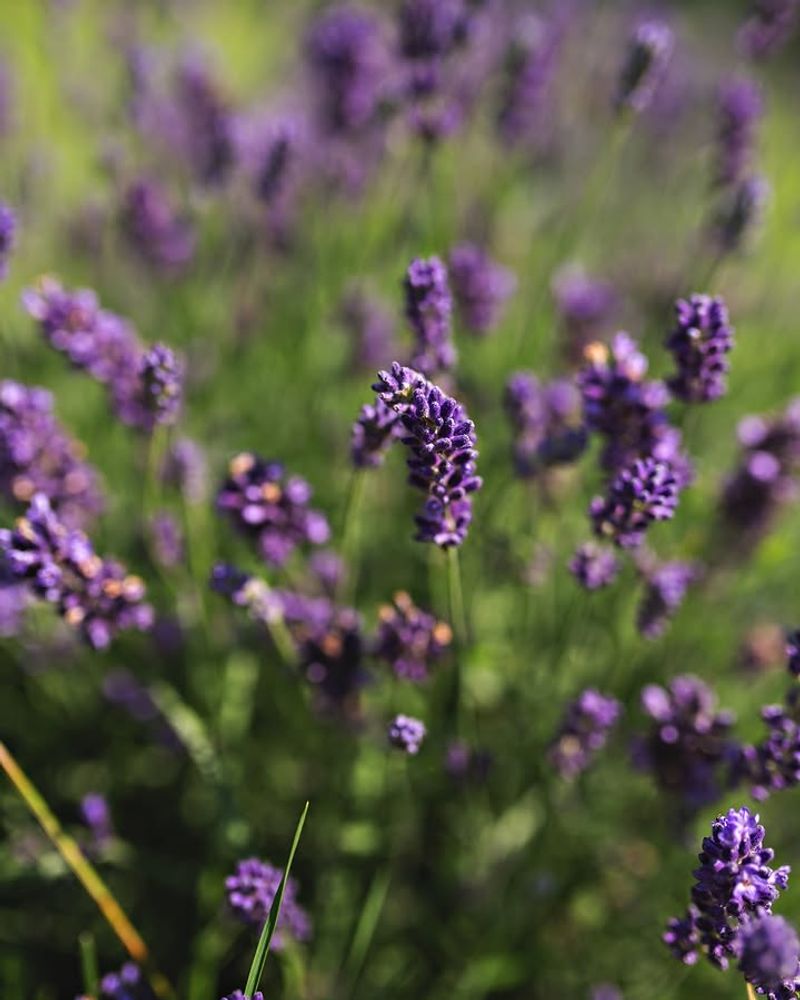
There is something almost magical about a lavender plant in full summer bloom. The long purple flower spikes, the silvery-green leaves, and that unmistakable fragrance create a sensory experience that feels both calming and uplifting at the same time.
And in our state, summer is exactly when lavender hits its peak performance.
Lavender originates from the hot, rocky hillsides of the Mediterranean region, so it is no surprise that it thrives in dry, sunny conditions. It actually prefers poor soil over rich, amended garden beds.
Too much water or heavy clay soil can cause problems, but give it good drainage and blazing sun, and it will flourish for years.
Spanish and French lavender varieties tend to do especially well in the warmer parts of our state.
They bloom earlier and longer than English varieties, often producing flowers from spring all the way through late summer.
Bees, butterflies, and other pollinators flock to lavender, making it a powerhouse plant for supporting local wildlife.
Harvest the flower spikes when they are just beginning to open for the strongest fragrance. Dried lavender bundles can be used in sachets, cooking, and home decor.
Beyond its beauty, lavender is also a practical plant that earns its place in any sunny garden. It is the kind of plant that gets better every year as it matures and fills in.
6. Gaura
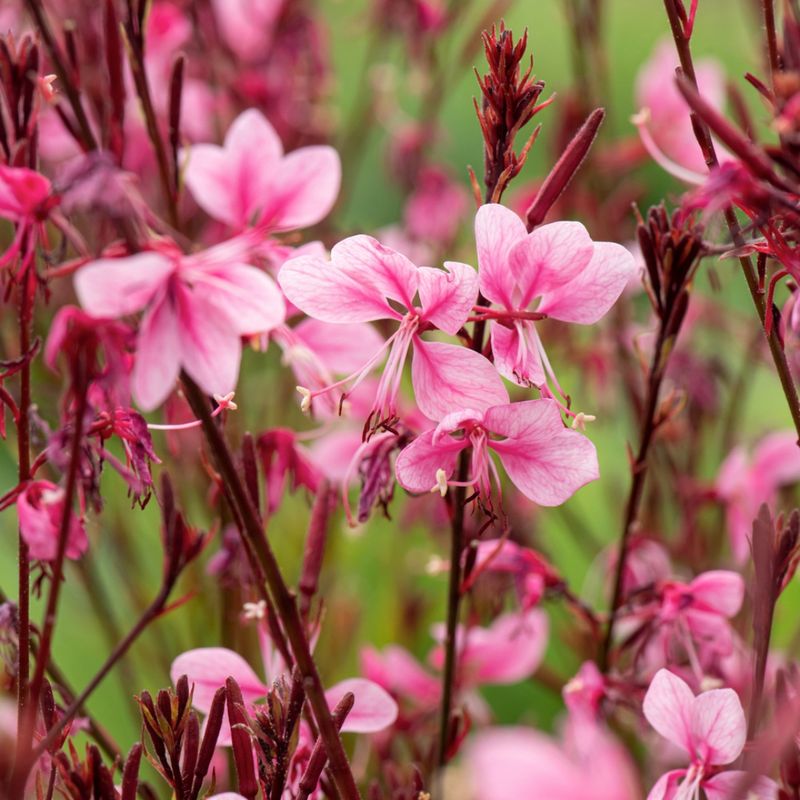
Watch a gaura plant on a breezy summer day and you will understand why it is sometimes called whirling butterflies.
The delicate white and pink blooms dance on long, wiry stems with a lightness that feels almost alive.
It is one of those plants that adds movement and elegance to a garden without requiring any extra effort.
Gaura is native to the southern United States and is extremely well adapted to heat and drought. It sends down a deep taproot that allows it to access moisture far below the soil surface.
Once established, it can go weeks without supplemental watering, making it a smart choice for our state’s dry summer months.
The blooms open from the bottom of the stem upward, so there are always fresh flowers appearing at the top while older ones fade below.
This gives the plant a continuous, never-finished look that keeps the garden interesting from June all the way through September.
It blooms most heavily when temperatures are high and conditions are dry.
Plant gaura in full sun with well-drained soil. It looks stunning when paired with ornamental grasses, lavender, or other airy plants that share its love of heat.
Cut it back by about half in late summer to encourage a fresh flush of growth. It is low-maintenance, beautiful, and genuinely loves the heat our summers deliver.
7. California Fuchsia
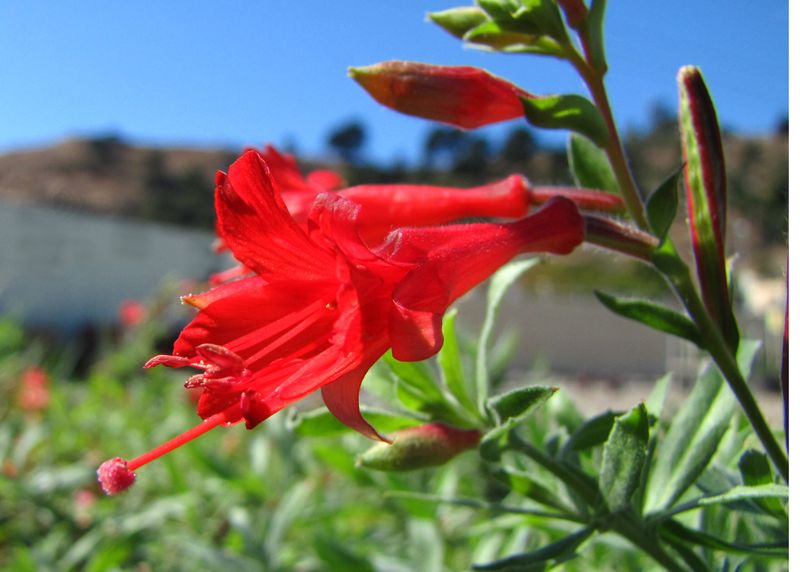
Named right after our state, this plant was practically made for the kind of summer heat we get here.
California fuchsia, also known by its botanical name Epilobium canum, bursts into its most brilliant display right when summer temperatures are at their highest.
While other plants slow down, this one is just getting started. The tubular, flame-orange flowers are a favorite of hummingbirds, who seem to know exactly where to find this plant when it is in bloom.
The silver-green foliage stays attractive all year, but from late summer into fall, the plant becomes a beacon of vivid color in an otherwise dry landscape.
It is native to rocky slopes, canyon walls, and dry hillsides throughout the western United States. That origin story explains everything about how it grows.
Sandy or rocky soil with excellent drainage is ideal. It does not need rich compost or regular fertilizing.
Just full sun and minimal water is all it takes to keep it thriving.
One thing to keep in mind is that it spreads by underground runners, so give it some space or use a root barrier if you want to keep it contained.
Cutting it back hard after flowering keeps it looking tidy and encourages fresh growth the following season.
For a plant that feels like it belongs here because it truly does, California fuchsia is a top pick for any drought-tolerant summer garden.
8. Globe Amaranth
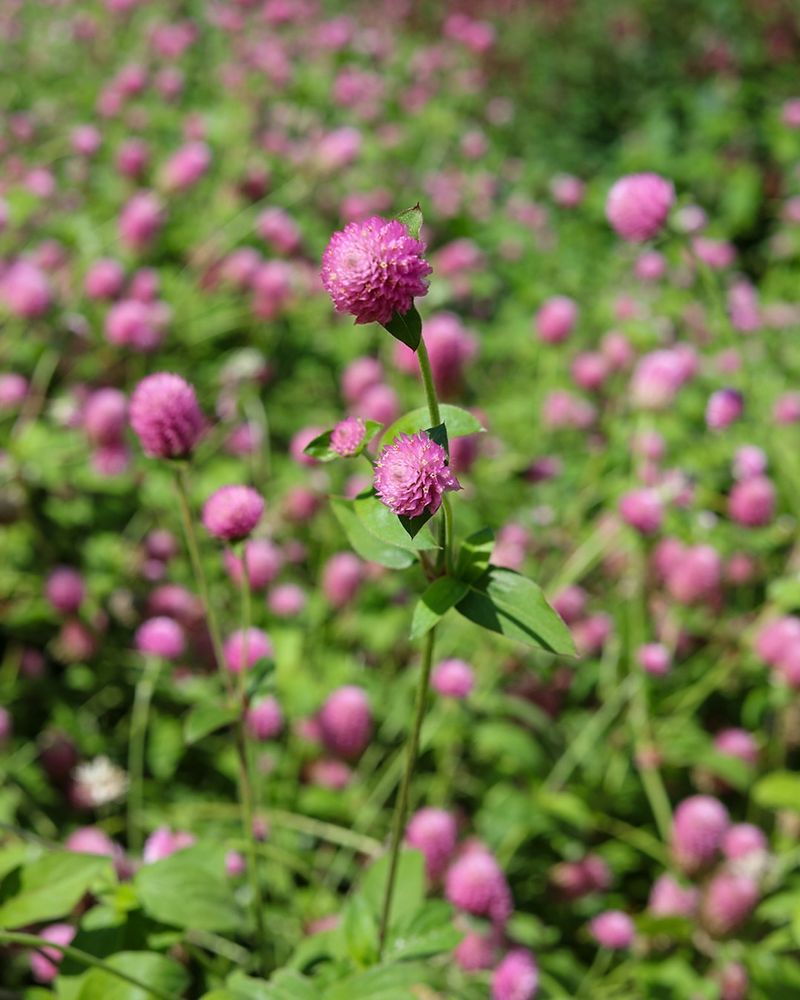
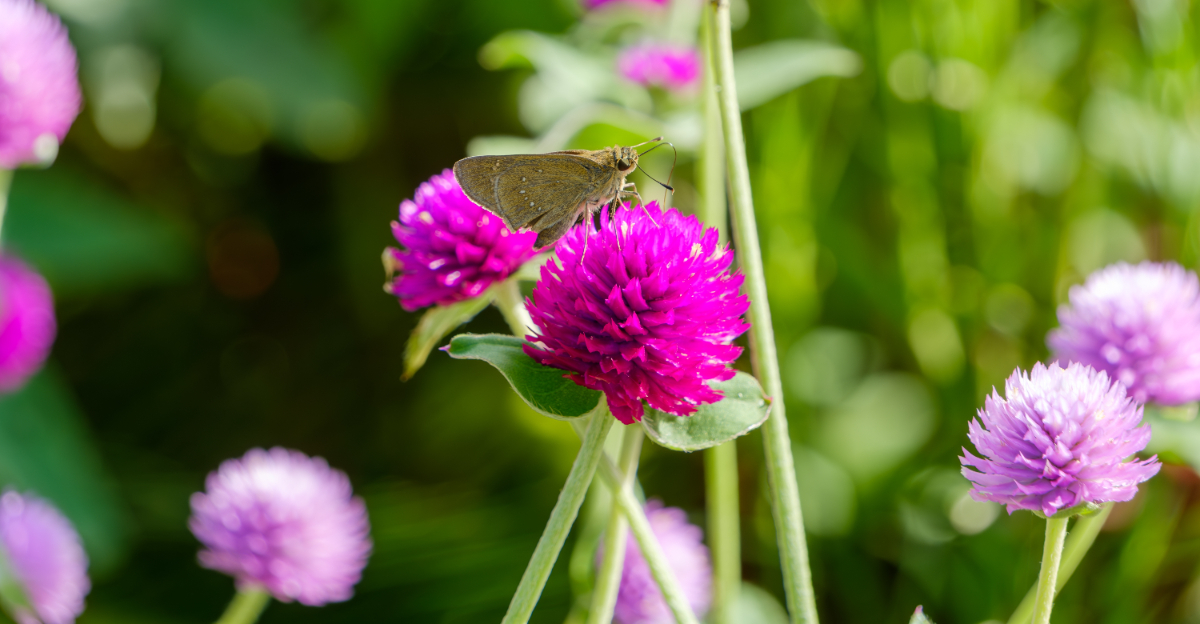
Round, papery, and packed with color, globe amaranth is one of those plants that looks almost too perfect to be real.
The clover-shaped flower heads come in rich shades of magenta, purple, pink, orange, and white.
They hold their color even when dried, which makes them popular for both fresh and preserved arrangements.
Hot weather is when globe amaranth truly shines. It is a tropical plant by nature, and it loves the long, warm days that summer in our state delivers.
Cooler temperatures actually slow it down, but once the heat arrives, it grows quickly and blooms without stopping until the first cool nights of fall.
From a practical standpoint, globe amaranth is one of the easiest annuals to grow. It tolerates poor soil, handles dry spells well, and is rarely bothered by pests or disease.
Direct sow the seeds after the soil warms up, or start transplants indoors a few weeks earlier for a head start on the season.
Cut the blooms regularly to keep the plant producing more flowers. If you want to dry them, harvest the heads just before they are fully open and hang them upside down in a warm, airy spot.
They will hold their shape and color for months. Plant globe amaranth in borders, pots, or cutting gardens and enjoy a summer full of bold, lasting color that even intense heat cannot fade.
9. Coreopsis
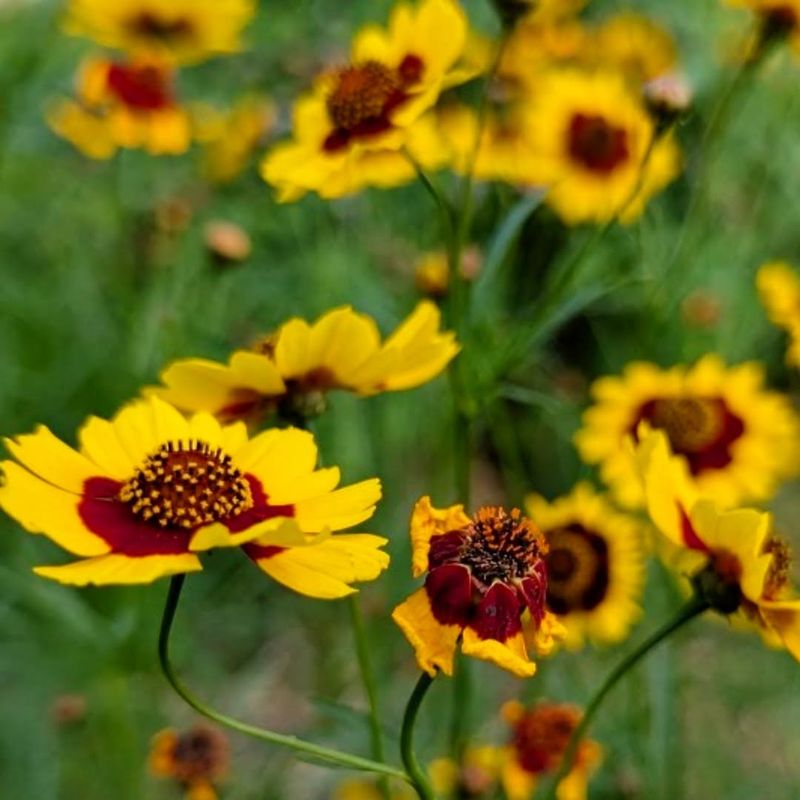
Cheerful is the first word that comes to mind when you see a coreopsis plant in full summer bloom.
The daisy-like flowers are usually a bold golden yellow, though newer varieties come in shades of red, orange, and bi-color combinations.
They have a simple, sunny charm that brightens up any garden space without trying too hard.
Coreopsis is sometimes called tickseed, and it is one of the most heat-tolerant perennials available to home gardeners.
It thrives in full sun and poor, dry soil, which means it fits right into the conditions our state sees during summer.
The more sun it gets, the more flowers it produces, and the heat just pushes it into overdrive.
One of the best things about coreopsis is that it blooms for an incredibly long season. With a little deadheading, meaning removing the spent flowers, it can keep producing blooms from late spring all the way through early fall.
Some varieties are nearly self-cleaning, dropping old flowers on their own to make room for new ones.
As a perennial, it comes back year after year, growing a little larger and fuller each season. It is drought tolerant once established and rarely needs fertilizer.
Pair it with purple salvia, lavender, or ornamental grasses for a color combination that looks stunning from across the yard.
For reliable summer color with almost no fuss, coreopsis is hard to beat in any hot, sunny garden.