This Is The Invasive Vine Destroying Texas Hill Country Native Plant Communities Right Now
The Texas Hill Country is home to some of the state’s most beautiful and ecologically important native plant communities. Rolling landscapes filled with wildflowers, native grasses, and trees that have supported local wildlife for generations.
But right now, a fast spreading invasive vine is tearing through these landscapes, and the damage is happening faster than most people realize. This vine does not play fair.
It climbs over native shrubs and trees, smothering them and blocking the sunlight they need to survive. It spreads aggressively across open ground, choking out wildflowers and grasses that pollinators and wildlife depend on.
Entire sections of Hill Country landscape are being overtaken, and once this vine establishes itself, removing it becomes a serious long term project.
Conservationists and land managers across the region are sounding the alarm, urging property owners to learn how to identify it before it spreads further. Here’s what this invasive vine is and what you can do if you find it on your land.
Meet Japanese Honeysuckle
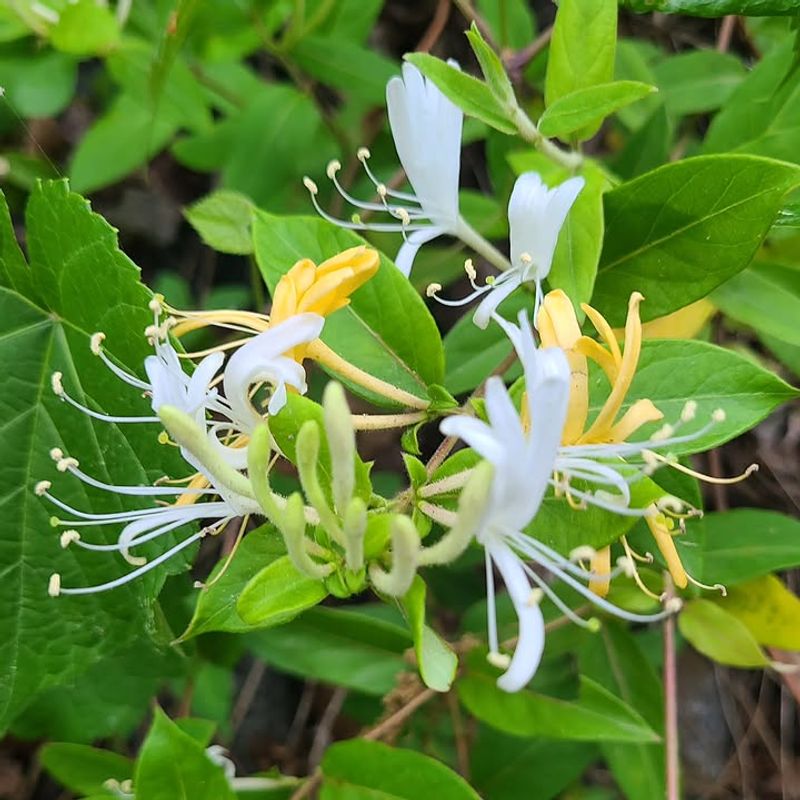
Imagine a vine so tough and fast-growing that it can wrap around an entire tree in just one season. That vine is Japanese Honeysuckle, known by its scientific name Lonicera japonica.
Originally from eastern Asia, it was brought to the United States in the early 1800s as an ornamental garden plant. Nobody realized back then just how much trouble it would cause.
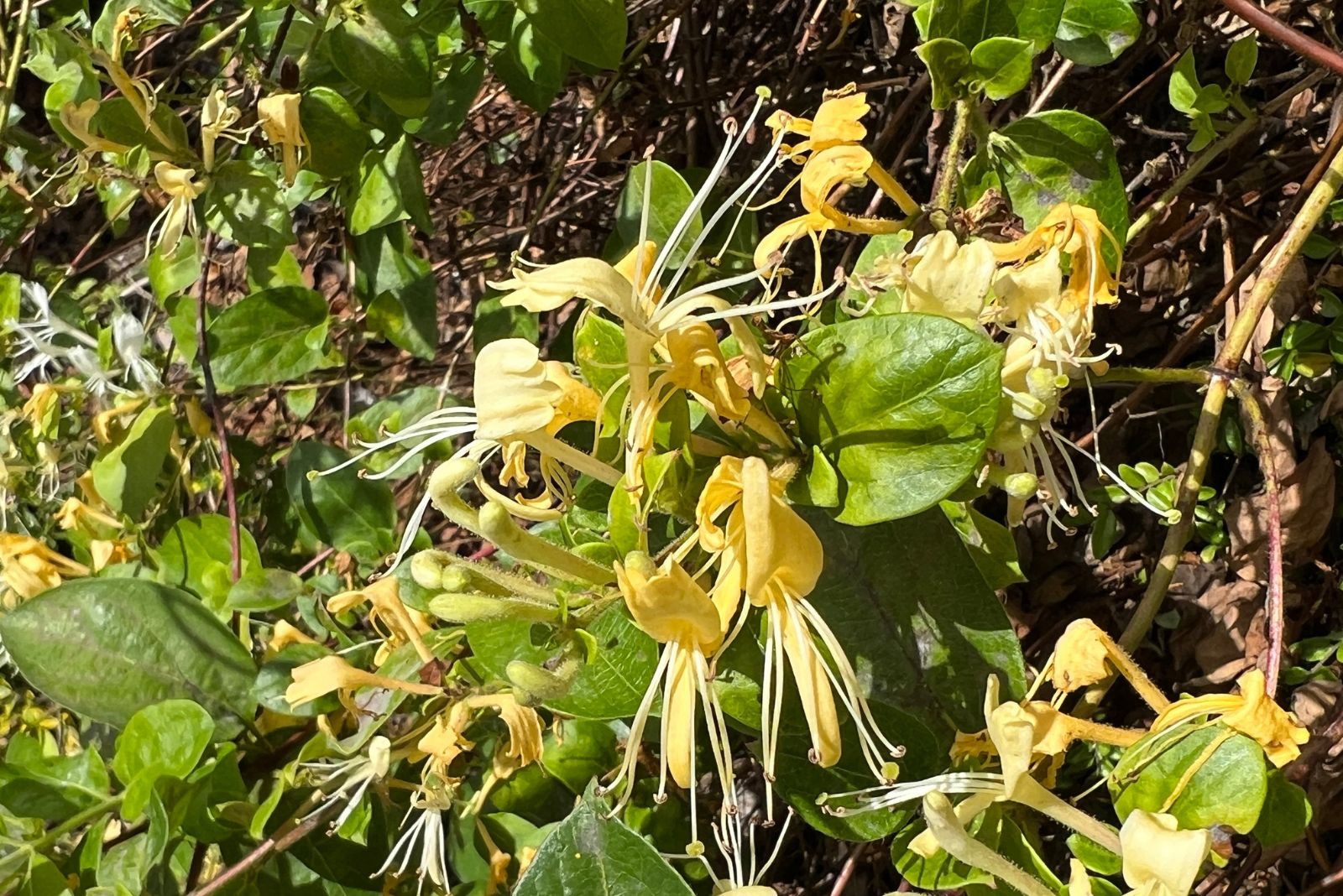
Japanese Honeysuckle has small, trumpet-shaped flowers that bloom in white and yellow. They smell absolutely wonderful, which is part of why people planted it in the first place.
The vine climbs fences, trees, and shrubs using strong, twisting stems that grip tightly onto almost any surface. It grows incredibly fast, sometimes adding several feet of new growth in a single week during warm weather.
What makes it especially tricky is that it stays green through the winter in many parts of Texas. Most native plants go dormant during cooler months, giving Japanese Honeysuckle a serious head start in the spring.
By the time native plants begin to wake up, the vine has already claimed a lot of ground. It is now found across much of the eastern and central United States, and the Texas Hill Country is one of its favorite places to spread.
Knowing what it looks like and understanding its habits is the very first step toward protecting your local green spaces from its aggressive takeover.
Aggressive Growth And Spread
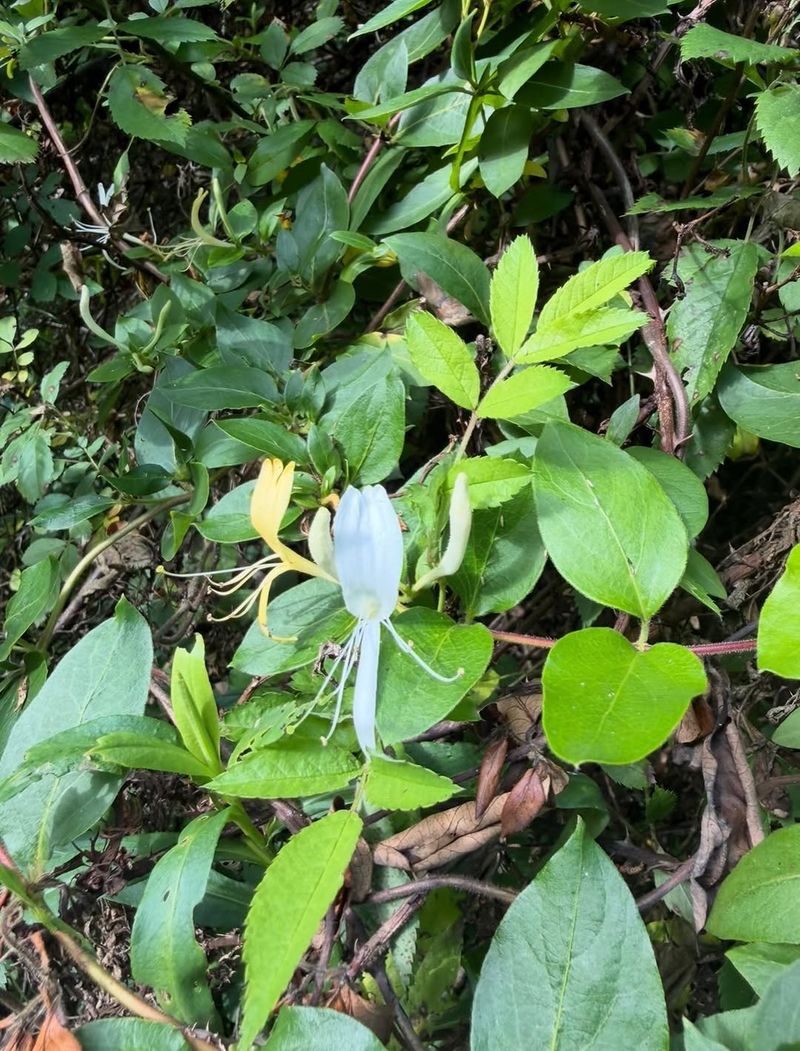
Speed is Japanese Honeysuckle’s greatest weapon. Few plants can match how quickly it moves across a landscape.
During spring and summer, the vine sends out long, winding stems called runners that latch onto anything nearby.
Fences, tree trunks, rock walls, and native shrubs all become climbing structures for this relentless plant. Once it grabs hold, it does not let go easily.
Spreading happens in two main ways. First, the vine produces small, dark berries that birds eat and then carry far from the original plant.
The seeds pass through the birds and land in new locations, sometimes miles away. Second, the stems themselves can root wherever they touch the ground, creating brand-new plants without needing a seed at all.
Your Texas Garden Changes Every Week. Your Plan Should Too.
Gardening in Texas changes quickly throughout the season. Every Friday you’ll receive a simple weekly plan showing exactly what to plant, prune, fertilize, harvest, and protect so you never miss the right timing.
This double method of spreading makes it extremely hard to contain once it gets established in an area.
Young trees are especially at risk. When the vine wraps tightly around a sapling’s trunk and branches, it can twist and squeeze the tree as both grow, eventually cutting off the tree’s ability to move water and nutrients up its trunk.
The heavy weight of the vine can also cause branches to snap under the pressure. Native wildflowers and low-growing plants suffer too, getting completely buried under a thick green mat of honeysuckle leaves.
Sunlight cannot reach them, and they quickly weaken. In areas where Japanese Honeysuckle has been left unchecked for several years, the ground can look like a solid carpet of green, with almost nothing native surviving underneath it.
Impact On Native Plant Communities
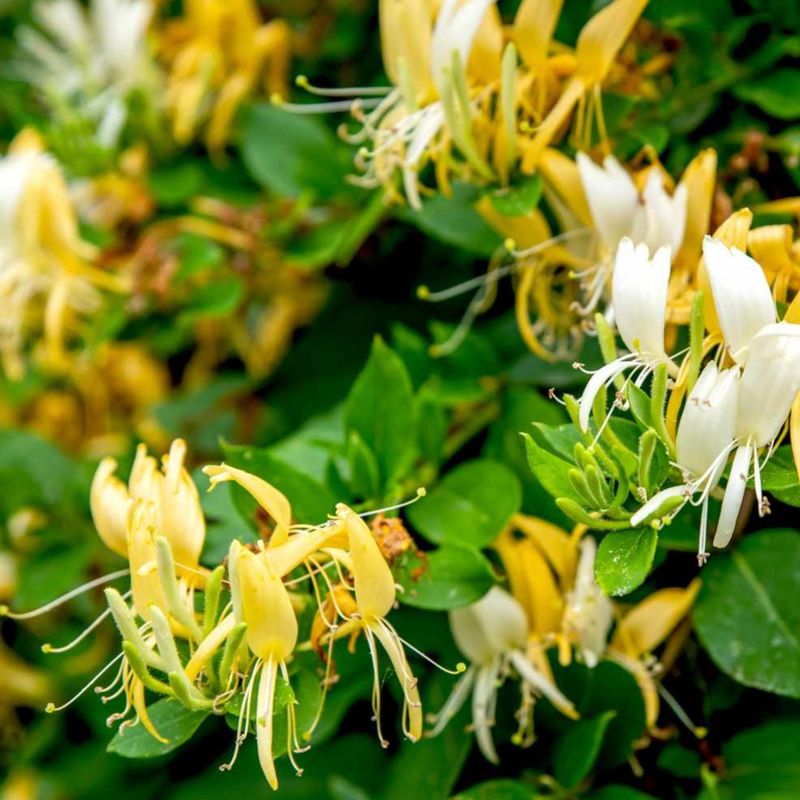
Walk through a healthy Texas Hill Country forest and you will notice an incredible variety of plants layered from the ground up. Wildflowers bloom near the soil, shrubs fill the middle spaces, and trees stretch toward the sky.
Every layer plays a role in keeping the ecosystem balanced and healthy. Japanese Honeysuckle quietly unravels all of that layering by taking over large patches of ground and canopy space.
When the vine forms a thick mat over the ground, it blocks sunlight from reaching native wildflowers, grasses, and seedlings. Without enough light, those plants cannot grow or reproduce.
Over time, entire patches of native ground cover simply disappear. Shrubs like Agarita and native grasses that once thrived in the understory struggle to survive in the deep shade created by the vine’s dense leaf cover.
Biodiversity drops sharply in areas where the vine dominates. The ripple effects go further than just plants. Native wildflowers are a critical food source for butterflies, bees, and other pollinators that have evolved alongside Texas plants for thousands of years.
When those flowers disappear, pollinators lose important feeding stops. Seed-eating birds lose food sources when native plants stop producing seeds.
The whole web of life in a forest ecosystem depends on having a variety of native plants growing together. Japanese Honeysuckle does not just crowd out individual plants.
It reshapes entire communities of living things, making the landscape less diverse, less productive, and far less able to support the wildlife that belongs there naturally.
Wildlife Disruption
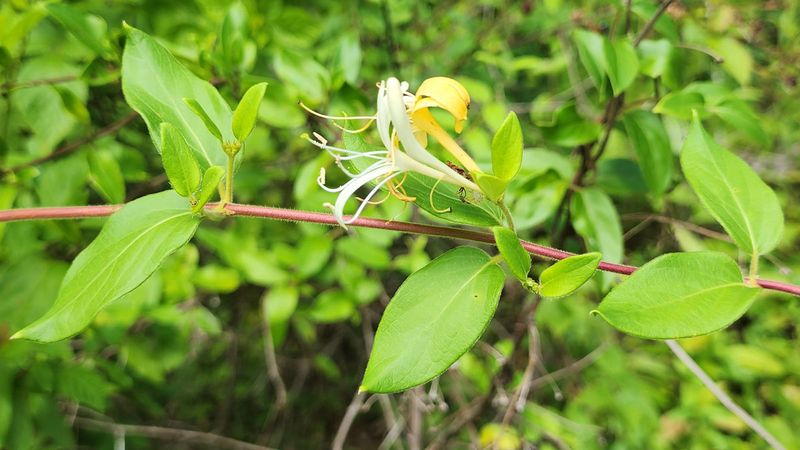
Here is something surprising many people do not think about: not all honeysuckle flowers are created equal in the eyes of a pollinator. Native bees, butterflies, and hummingbirds have spent thousands of years evolving alongside specific native plants.
Their body shapes, feeding behaviors, and seasonal schedules are tuned to match those native plants almost perfectly. Japanese Honeysuckle, being a foreign species, simply does not fit that puzzle the same way.
While some generalist pollinators will visit honeysuckle flowers, many specialist insects cannot use them effectively. Native bumblebees, for example, are built to work certain flower shapes that allow them to reach nectar and gather pollen efficiently.
When native flowers disappear under a blanket of invasive vine, those specialist pollinators lose their food sources. Fewer pollinators mean fewer plants get pollinated, which means fewer seeds and fruits for birds and small mammals to eat later in the year.
Dense tangles of Japanese Honeysuckle also change the physical structure of a habitat. Small mammals like rabbits and mice navigate through open understory areas, and ground-nesting birds need clear patches of leaf litter and soil to build nests.
When the vine creates a thick, impenetrable mat across the forest floor, those animals lose the habitat they need. Some bird species that nest low to the ground may avoid areas heavily infested with the vine altogether.
Over several years, the overall population numbers of many native species can drop noticeably in areas where Japanese Honeysuckle has been allowed to spread without any management or control efforts.
Difficulty Of Control
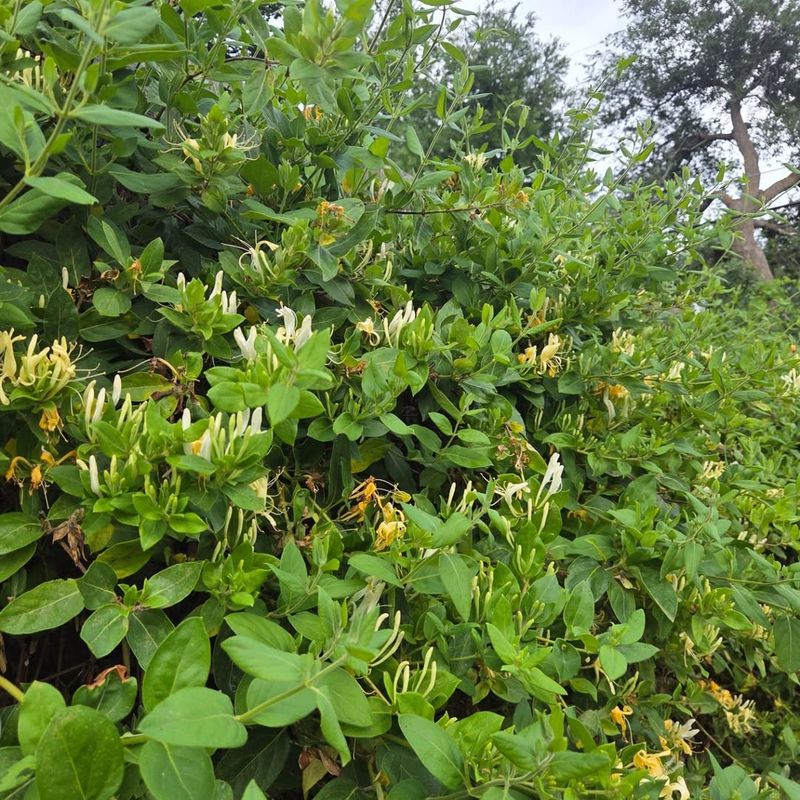
Pulling out Japanese Honeysuckle sounds simple enough, but anyone who has tried it knows just how stubborn this plant really is. Cut the stems at the surface and the roots stay alive underground, ready to send up fresh new growth within weeks.
The root system can spread wide and go surprisingly deep, storing enough energy to keep the plant going even after repeated cutting. Persistence is absolutely necessary when managing this vine.
Stem fragments are another challenge. If pieces of the vine are left on the ground after cutting, they can root on their own and start new plants.
That means you have to be careful about how you remove the material and where you put it. Bagging cut vines and disposing of them properly, rather than leaving them in a pile on site, is an important part of any removal effort.
Composting is generally not recommended because the plant material may still root or sprout.
Large infestations often require a combination of physical removal and targeted herbicide application. Applying herbicide directly to freshly cut stem stumps is one of the most effective methods for preventing regrowth.
This approach limits the amount of chemical used while targeting the plant directly. Repeated monitoring of treated areas is essential because seeds already in the soil can sprout for several years after the parent plant is removed.
Seasonal timing matters too. Treating the vine in late fall, when native plants are dormant but Japanese Honeysuckle is still active, can help reduce damage to surrounding vegetation during control efforts.
Control And Replacement Strategies
Getting rid of Japanese Honeysuckle is only half the battle. Once you remove it, the bare ground it leaves behind is wide open for new invasive plants to move in.
That is why replanting with native Texas plants right away is just as important as the removal itself. Native plants fill the space quickly, compete well against new invaders, and immediately start providing food and habitat for local wildlife.
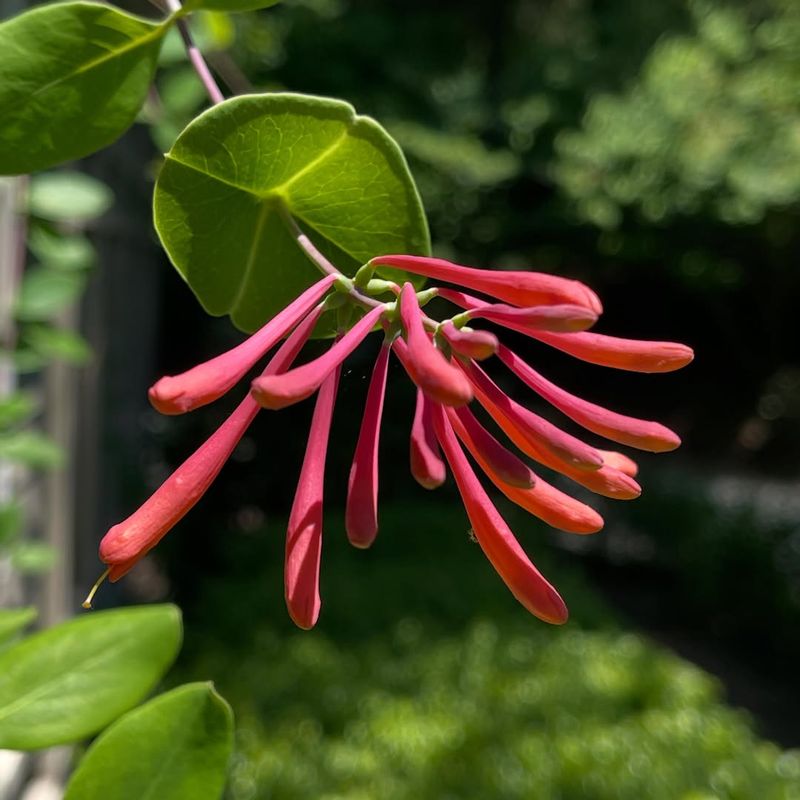
Two excellent native alternatives for the Texas Hill Country are Coral Honeysuckle, known as Lonicera sempervirens, and Crossvine, which goes by Bignonia capreolata.
Coral Honeysuckle produces stunning red and orange tubular flowers that hummingbirds absolutely love.
Unlike its invasive cousin, it grows in a well-behaved way, does not take over surrounding plants, and supports native pollinators beautifully.
Crossvine is another strong climber that offers gorgeous orange and red blooms in the spring, providing early-season nectar when pollinators need it most.
Planting a variety of native species, rather than relying on just one or two, creates a more resilient plant community.
A diverse mix of native wildflowers, grasses, and shrubs naturally resists invasion by leaving little open ground for weeds and invasive plants to grab hold.
Joining local native plant societies or working with your county extension office can connect you with expert advice and even free or low-cost native plants for restoration projects.
Every yard, trail edge, or creek bank that gets restored with native plants is a small victory for the Hill Country ecosystem and the many living things that call it home.